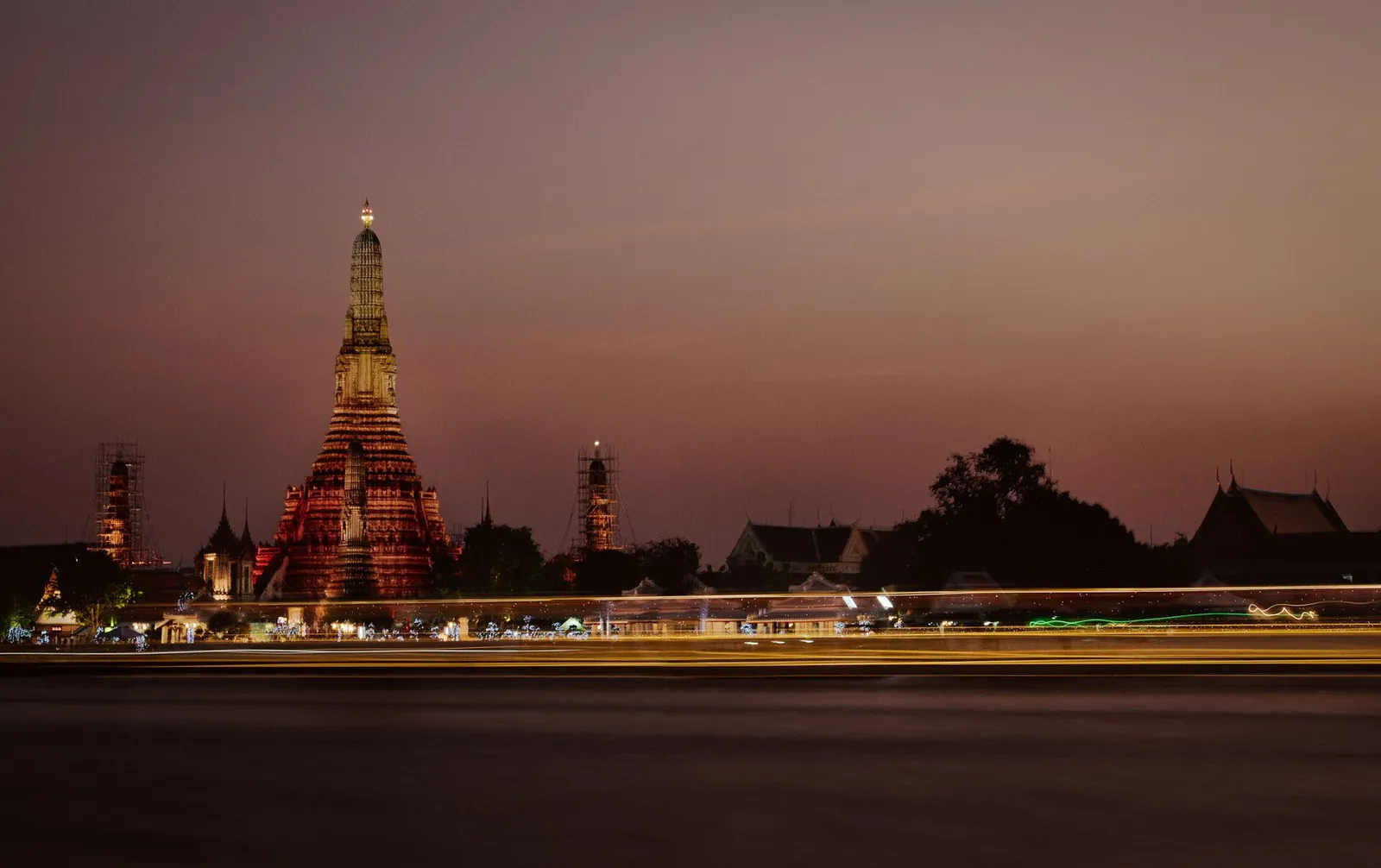
Cannabis in Thailand in 2026: What Changed, and What Tourists Can Actually Do Legally
Thailand ended its open cannabis market for a prescription-based medical regime. What the rules mean for visitors, why guides are outdated, and the risks.
Everything you need to know about Thailand, sorted by topic, from Bangkok and Chiang Mai to the southern islands.
Thailand ended its open cannabis market for a prescription-based medical regime. What the rules mean for visitors, why guides are outdated, and the risks.
Northern Thailand fills with smoke for weeks each dry season, and Chiang Mai has topped global pollution rankings. When it hits and how to plan.
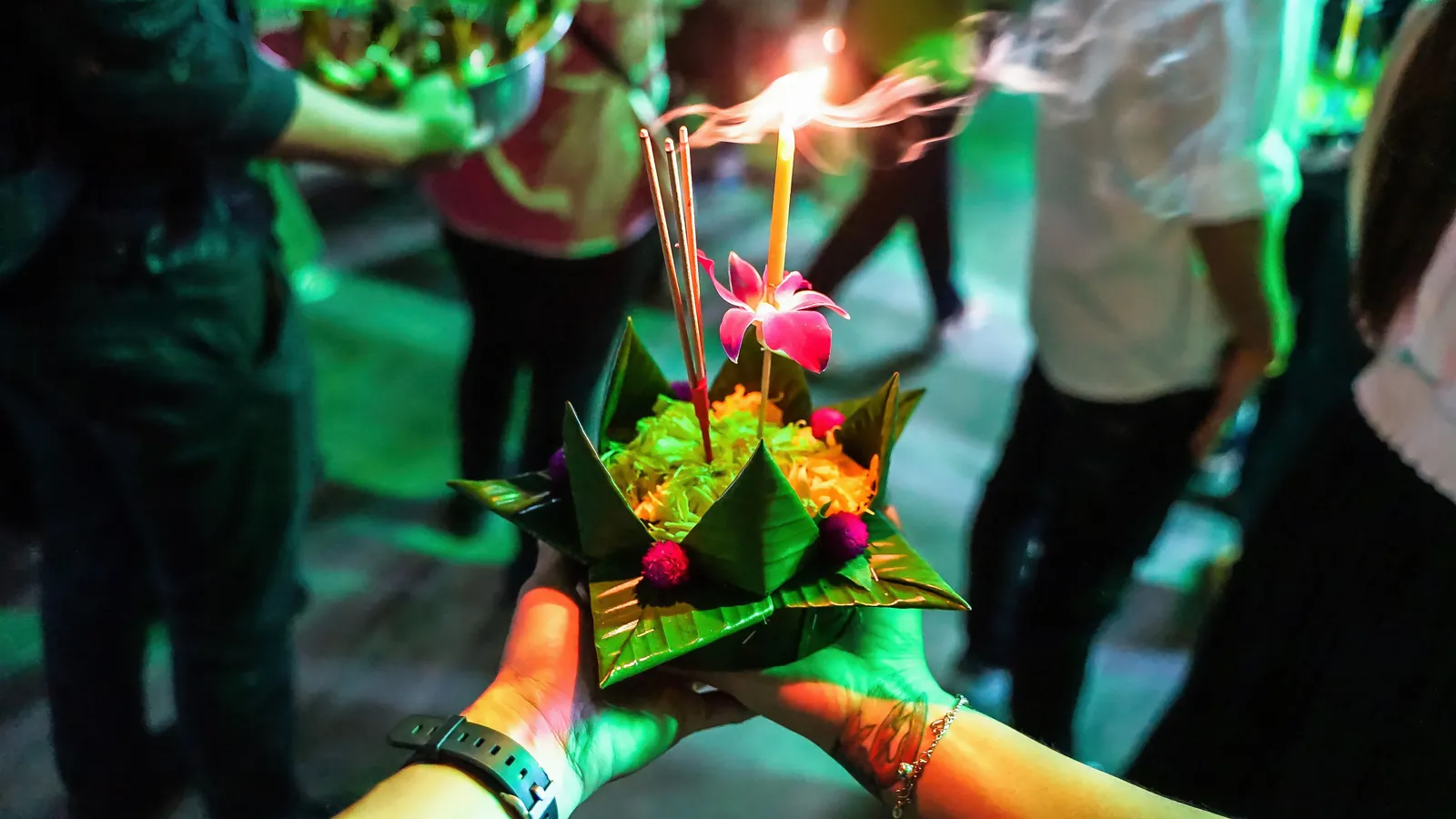
The April water fight explained, why it is also the hottest and most dangerous week of the year, the November lantern festival, and how to plan.
Shallow water with a gentle shelf, short transfers, a walkable strip and no party scene: which Thai islands suit young children, and which do not.
Why Thai culture makes this easier than most of Asia, which beaches suit small children, the elephant question, and health points to plan first.
Mountains and temples in the north against white sand beaches in the south: an honest comparison of Thailand's two halves by trip type, cost and season.
Which sea suits which month, how the romantic islands differ, when a private pool villa earns its price, and a route mixing a quiet island with a city.
Sky lantern releases around Chiang Mai are limited to permitted zones and hours, and the famous mass releases are ticketed. What you can do at Yi Peng.
The float on the water and the lantern in the sky are different festivals that coincide. What each is, where each is best, why mass releases are ticketed.
Fish sauce and shrimp paste hide in dishes that look meat-free. How jay food works, which phrases help at a stall, and eating well as a vegetarian.
A realistic three-week Thailand itinerary: Bangkok, the north around Chiang Mai and Pai, and one island group, week by week, with what to leave out.
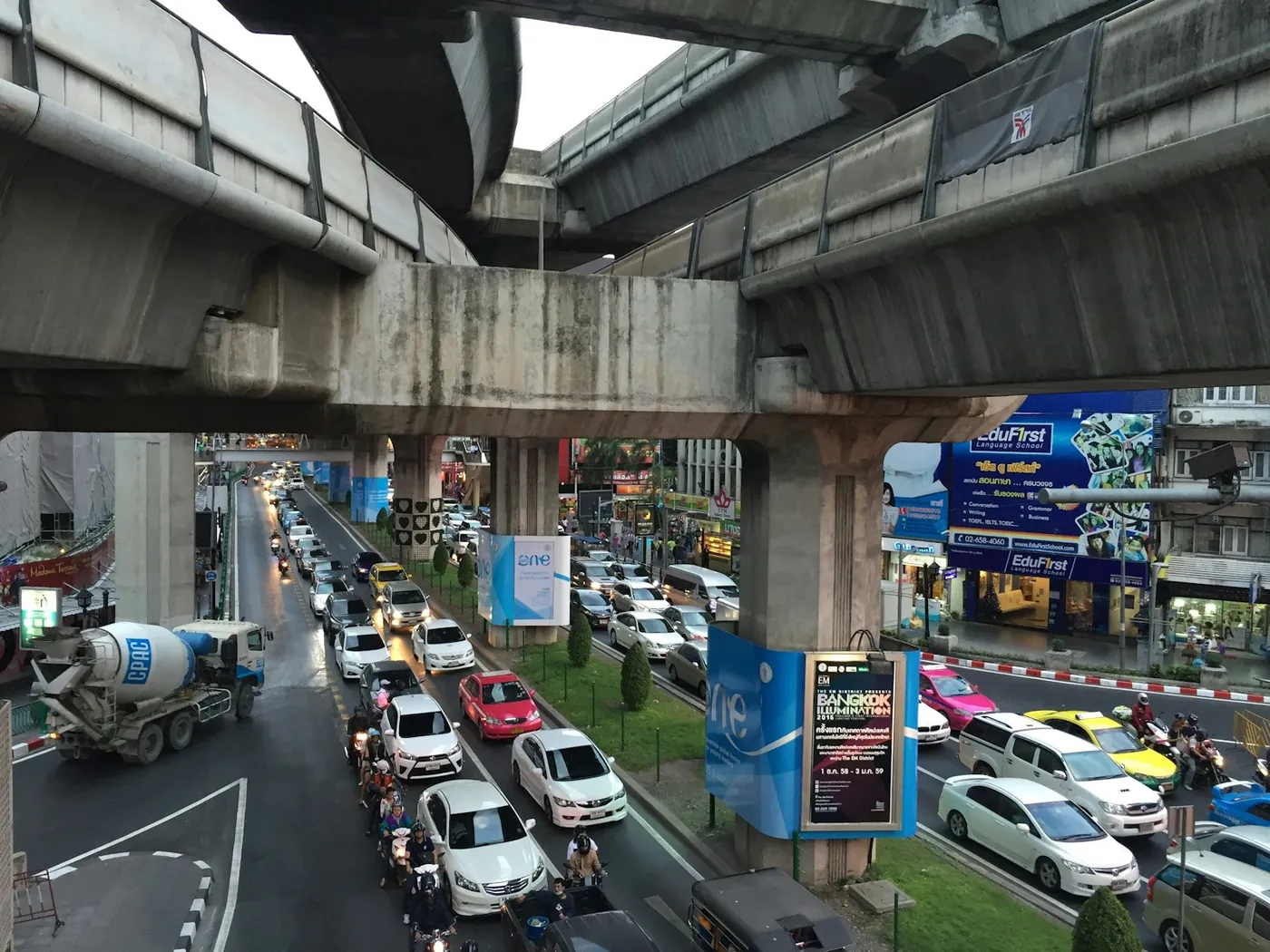
How to move in a city with legendary traffic: the skytrain and metro and where they stop, why the ride app beats a street taxi, and the journey to avoid.
Bangkok or Phuket? City energy, temples and street food versus beaches, islands and boat trips: an honest comparison with a verdict for every traveler.
When to visit Thailand: the cool, hot and green seasons explained, how the monsoon differs by coast, plus Songkran, Loy Krathong and how to pick dates.
Thailand or Vietnam? An honest comparison of beaches, scenery, food, cost, ease of travel and weather, with a clear verdict for every type of traveler.
Do you need travel insurance for Thailand? Yes: motorbike accidents, private hospital costs, diving add-ons, dengue and evacuation, and what to cover.
The emergency numbers every Thailand traveller should save: 191 police, 1155 tourist police, 1669 medical, plus the best hospitals and what to do next.
Entering Thailand in 2026: the 30-day visa exemption, the TDAC digital arrival card, passport validity, extensions, proof of funds and onward travel.
Planning your first trip to Thailand? When to go, how the visa works, how to get around, where to base yourself, what to book ahead, and mistakes to skip.
Where to stay in Bangkok: Sukhumvit, Silom, Riverside, the Old City and Khao San compared, which suits which trip, and the transport rule that decides it.
Thailand's far southern island: three beaches, a Walking Street, clear water and the country's best snorkelling, a hard trip, a short season.
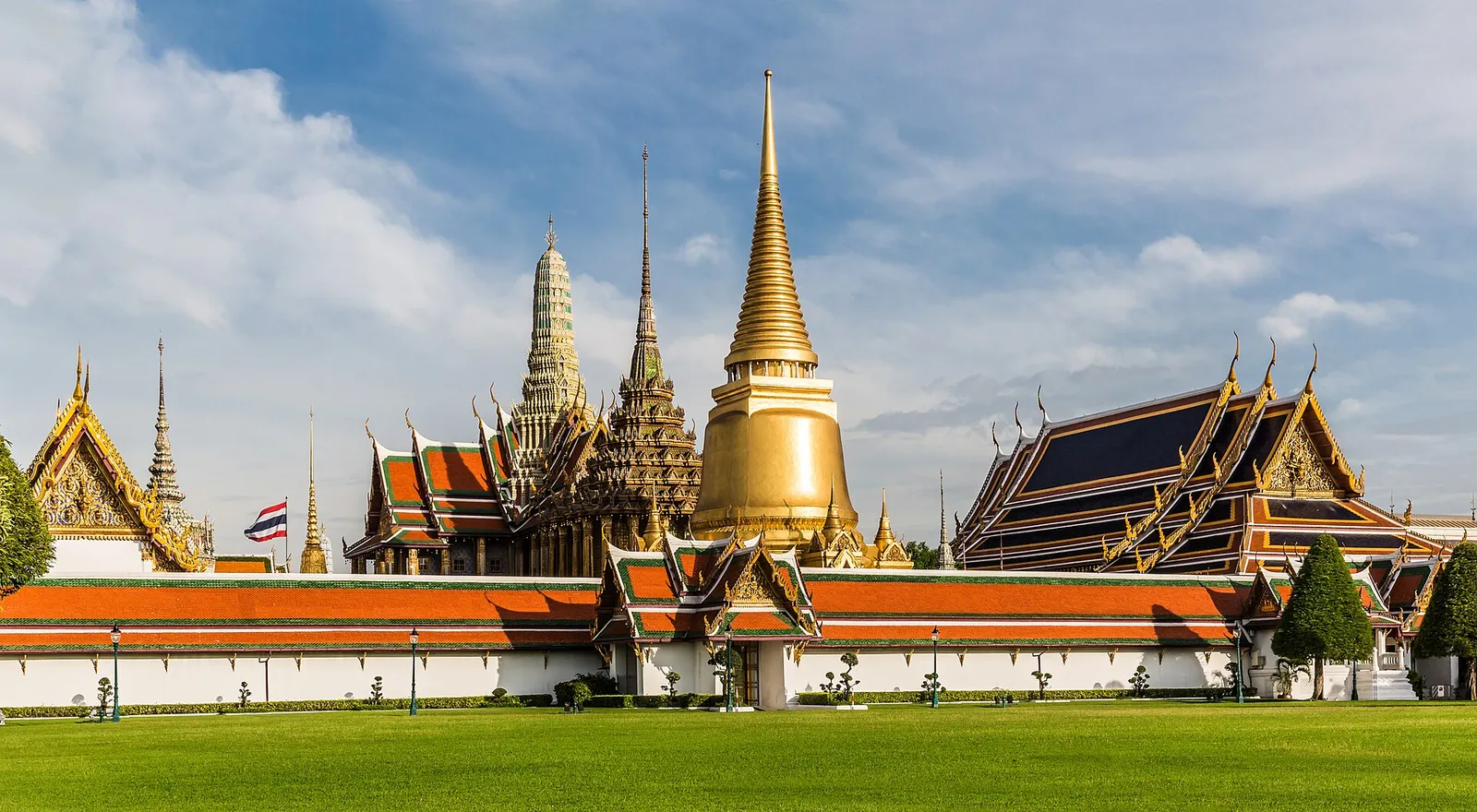
How to visit the Grand Palace, Wat Pho and Wat Arun without the heat and crowds: the dress code, the best order, the entrance scam, and what each is for.
What Bangla Road is actually like, which parts of Phuket offer a calmer night out, and the bar scams and cannabis rules that catch visitors out.
Mountains and temples in the north against white sand beaches in the south: an honest comparison of Thailand's two halves by trip type, cost and season.
A route linking Chiang Mai, Pai, Mae Hong Son and Chiang Rai, with honest notes on the mountain roads, the burning season and how long each leg takes.
A calmer, more established beach town two to three hours from Bangkok, built around a royal summer palace, a long beach, golf and an easy train ride.
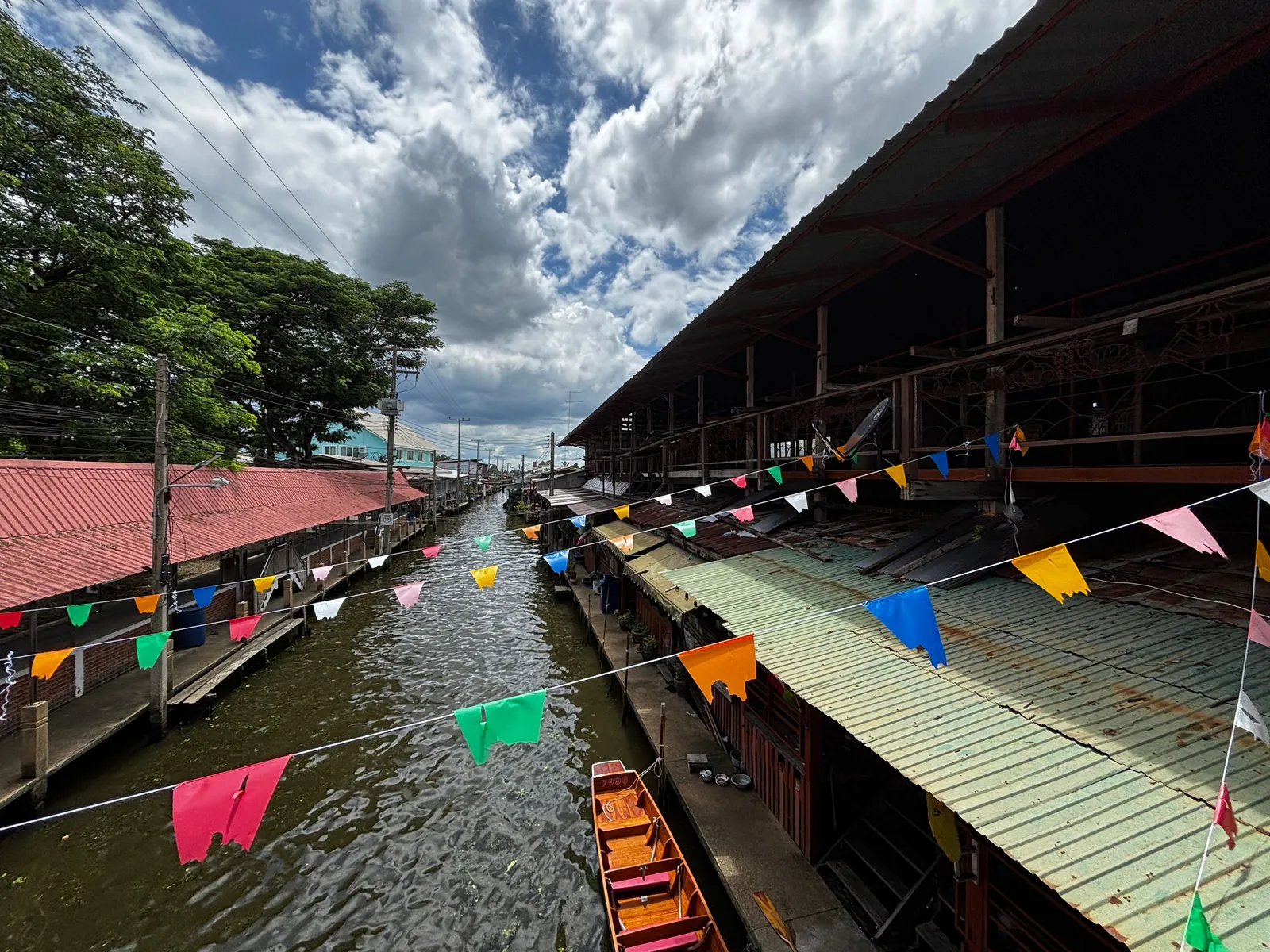
A canalside market that only really runs on Friday, Saturday and Sunday evenings, with grilled seafood from the boats and firefly tours after dark.
Wild elephants and gibbons within three hours of Bangkok, a UNESCO forest, waterfalls and a known wine region nearby. What a day trip or overnight is like.
What Khao San Road is behind the reputation: the backpacker history, a quiet market by day and party strip at night, the food stalls, and sleeping there.
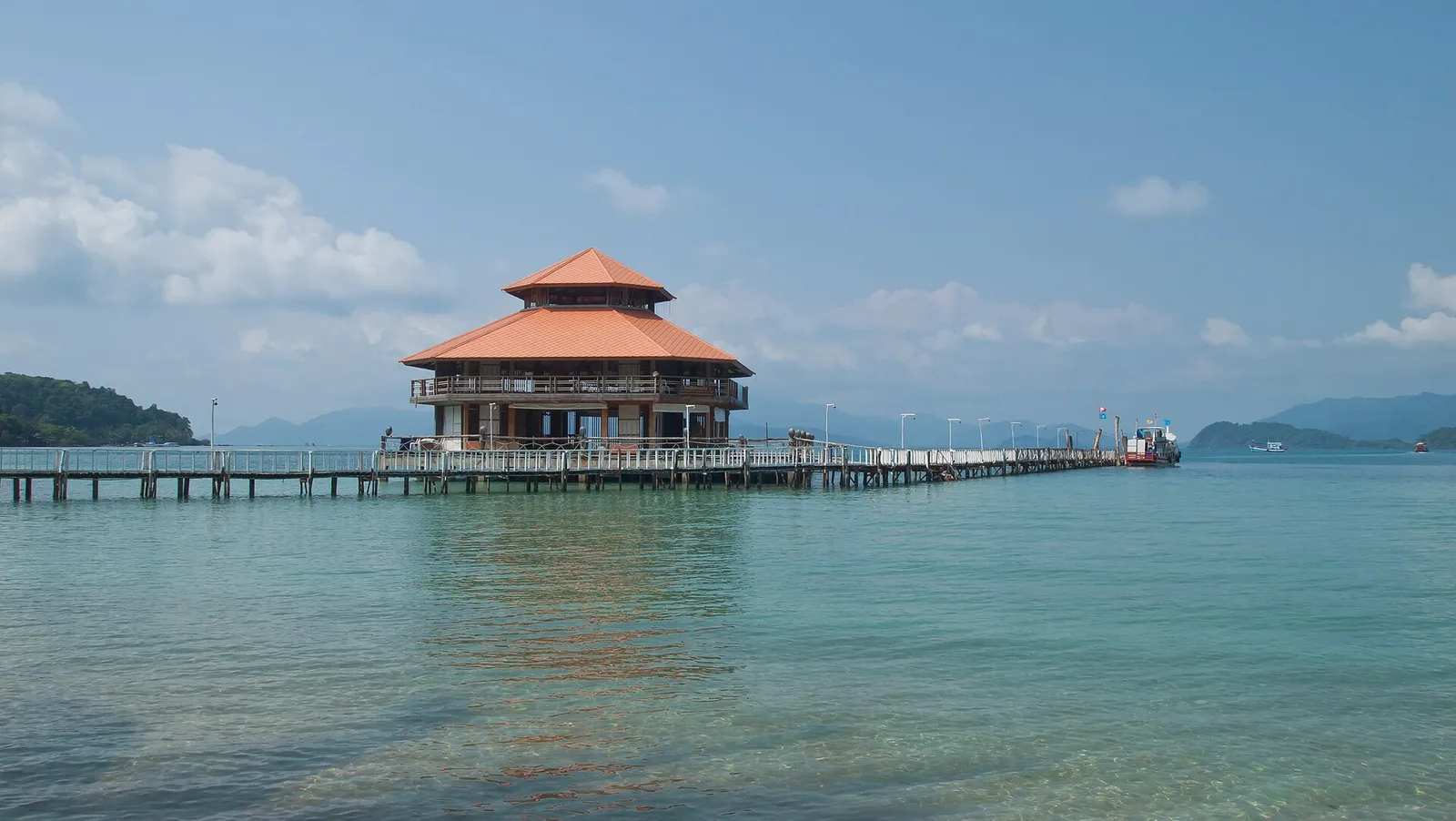
Koh Chang: mountain jungle down to a quiet sea, waterfalls you can swim under, a short hop from Bangkok, and a wet season that closes half the island.
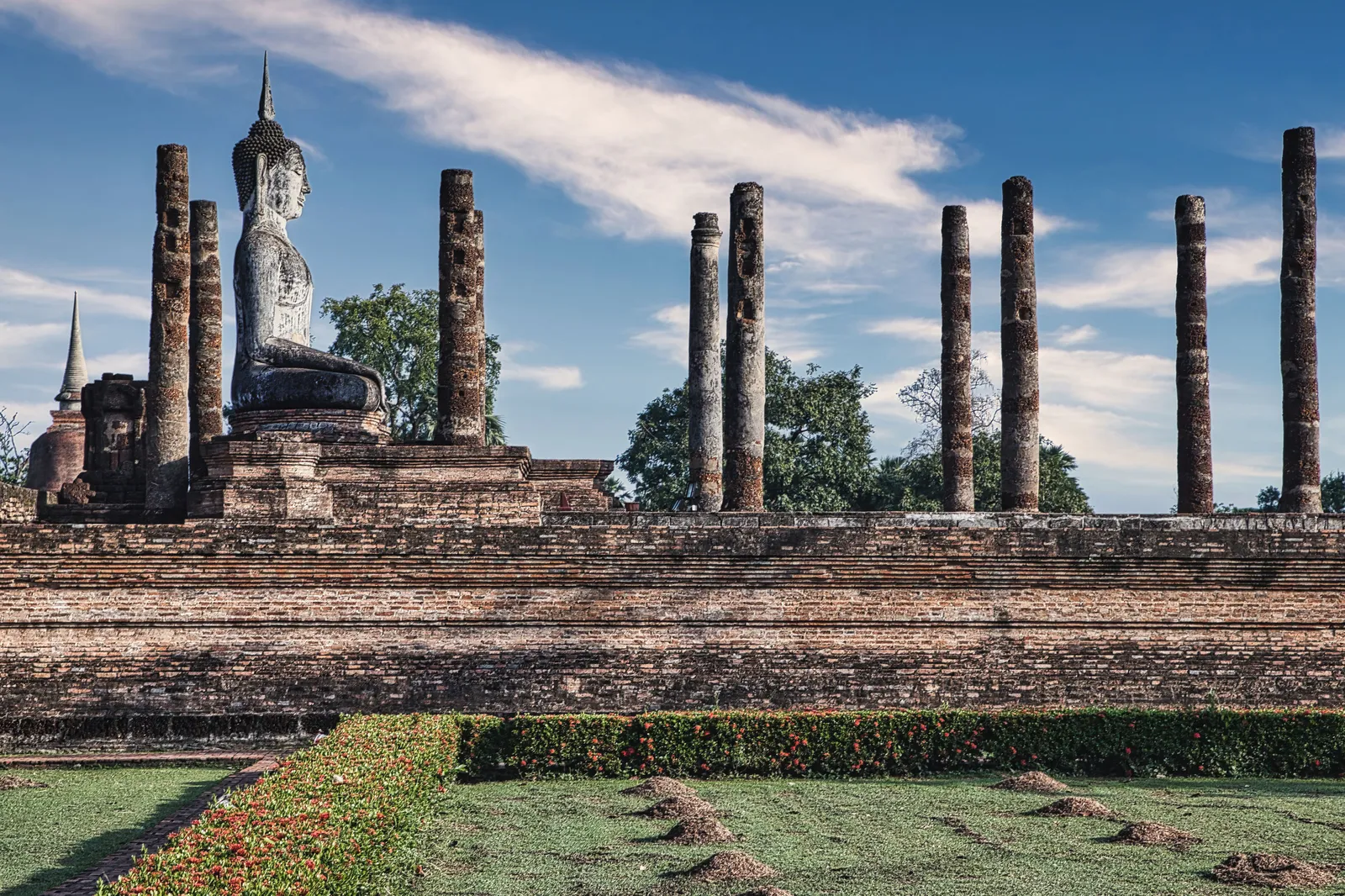
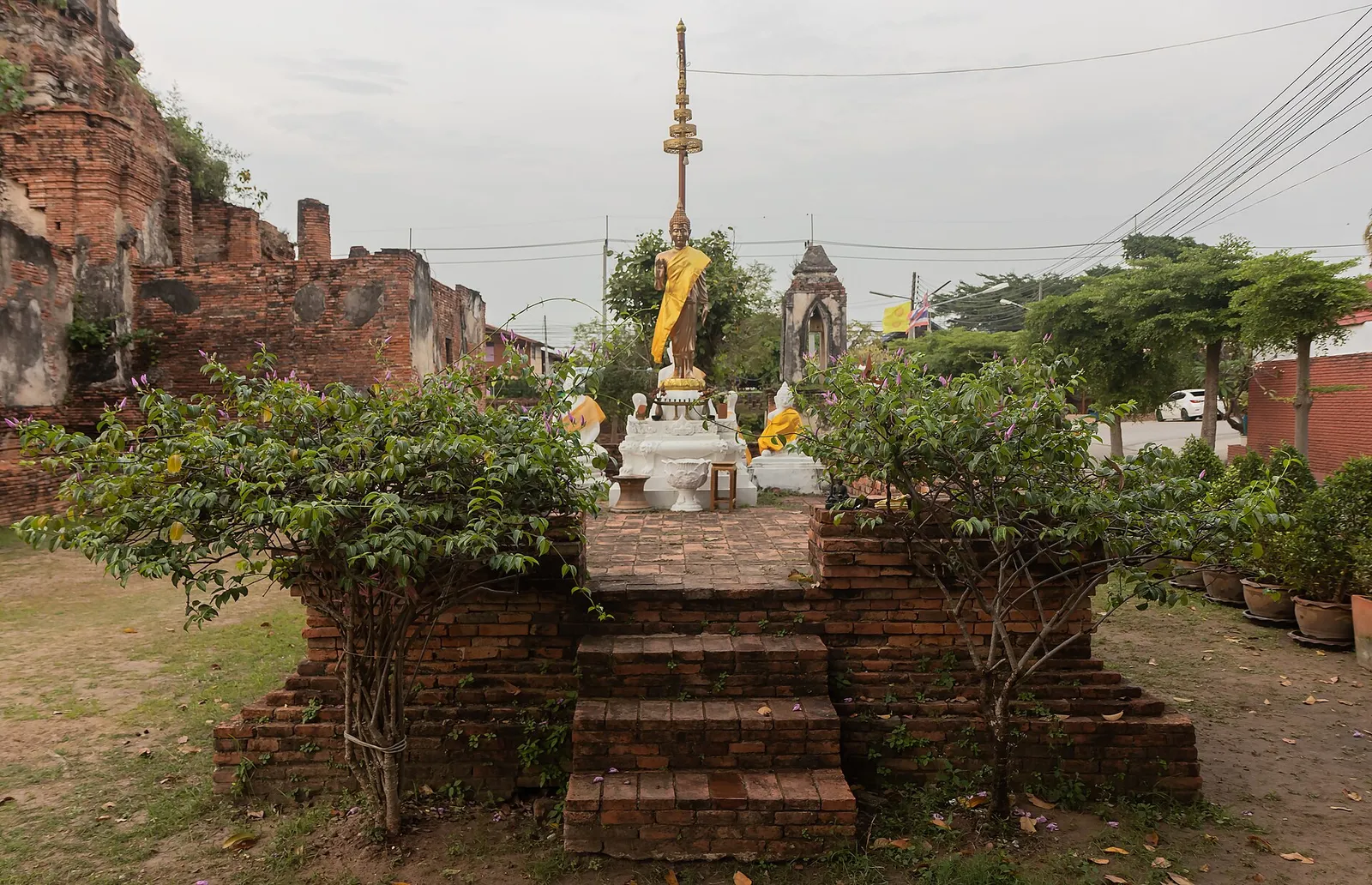
Rows of headless Buddhas among lotus ponds, a moated old city with almost none of Ayutthaya's crowds, and why it is worth the extra distance from Bangkok.
The former capital an hour north of Bangkok: the three essential ruins, the head in the tree roots, how to get there by train or boat, and why to go early.
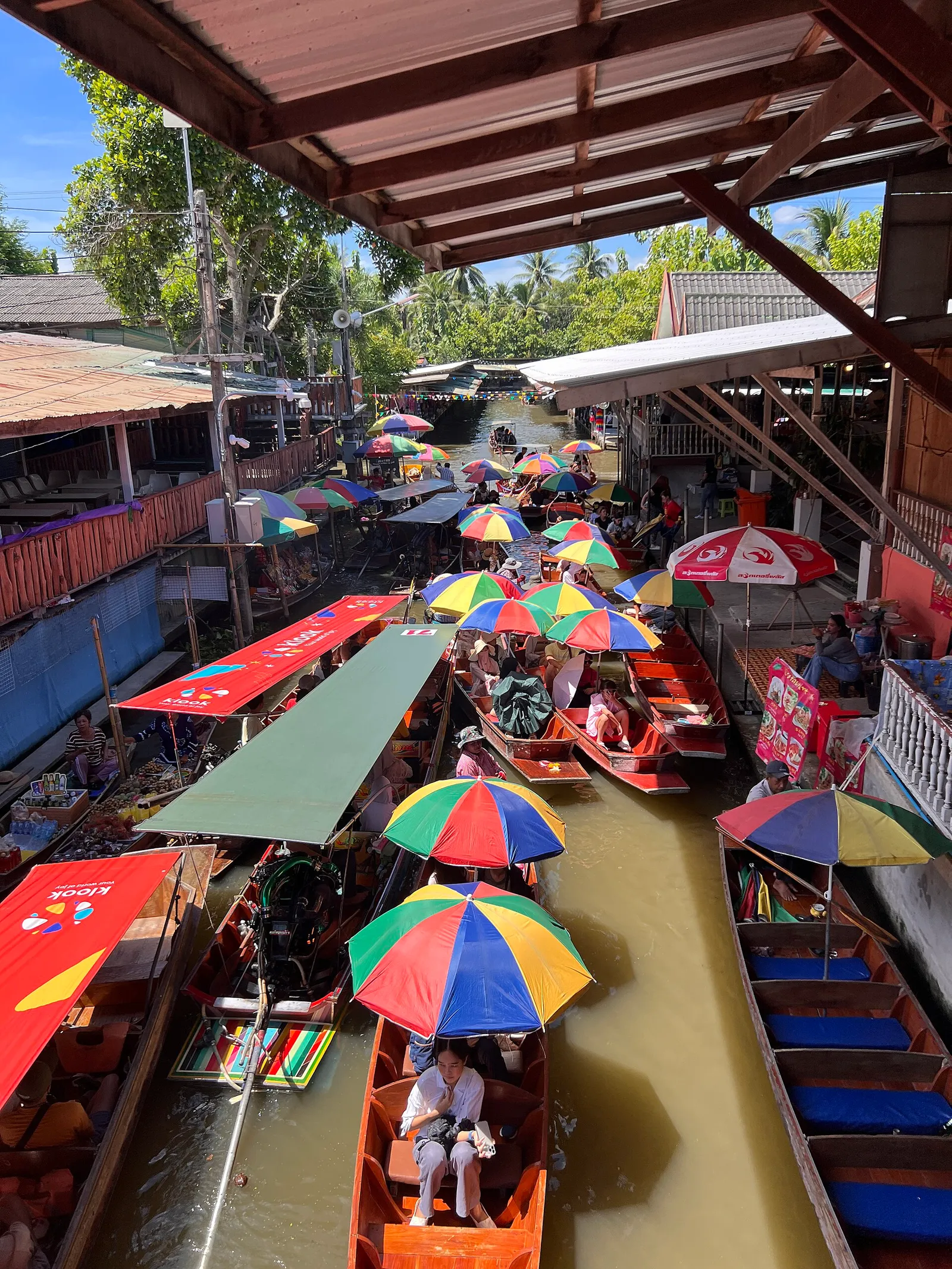
Not all of them are for tourists: the famous one that is largely staged, the markets locals use, what the boat ride costs, and the worst version to avoid.
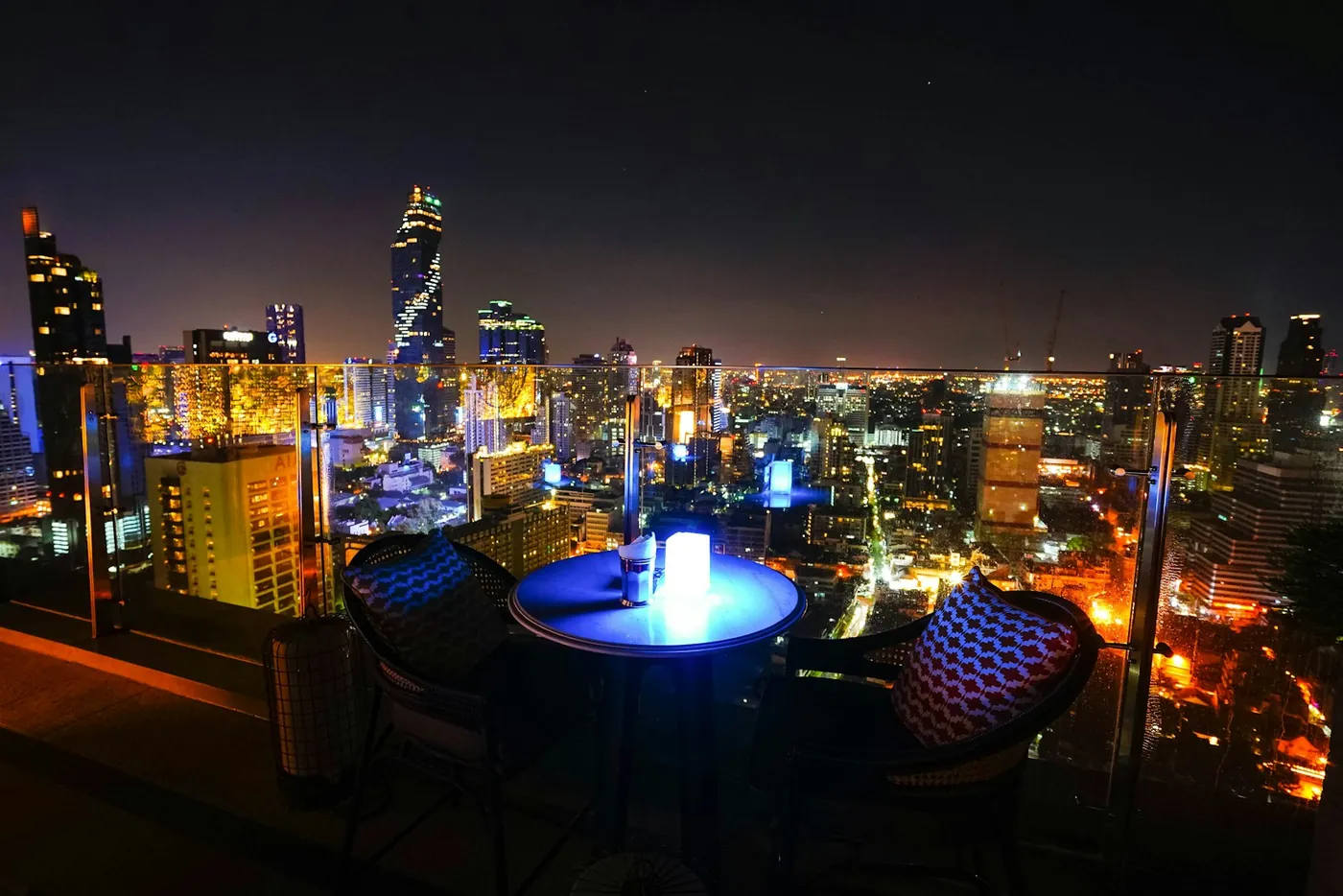
Bangkok after dark beyond the cliches: rooftop bars and their dress codes, craft beer and cocktail streets, night markets, and evenings without the strips.
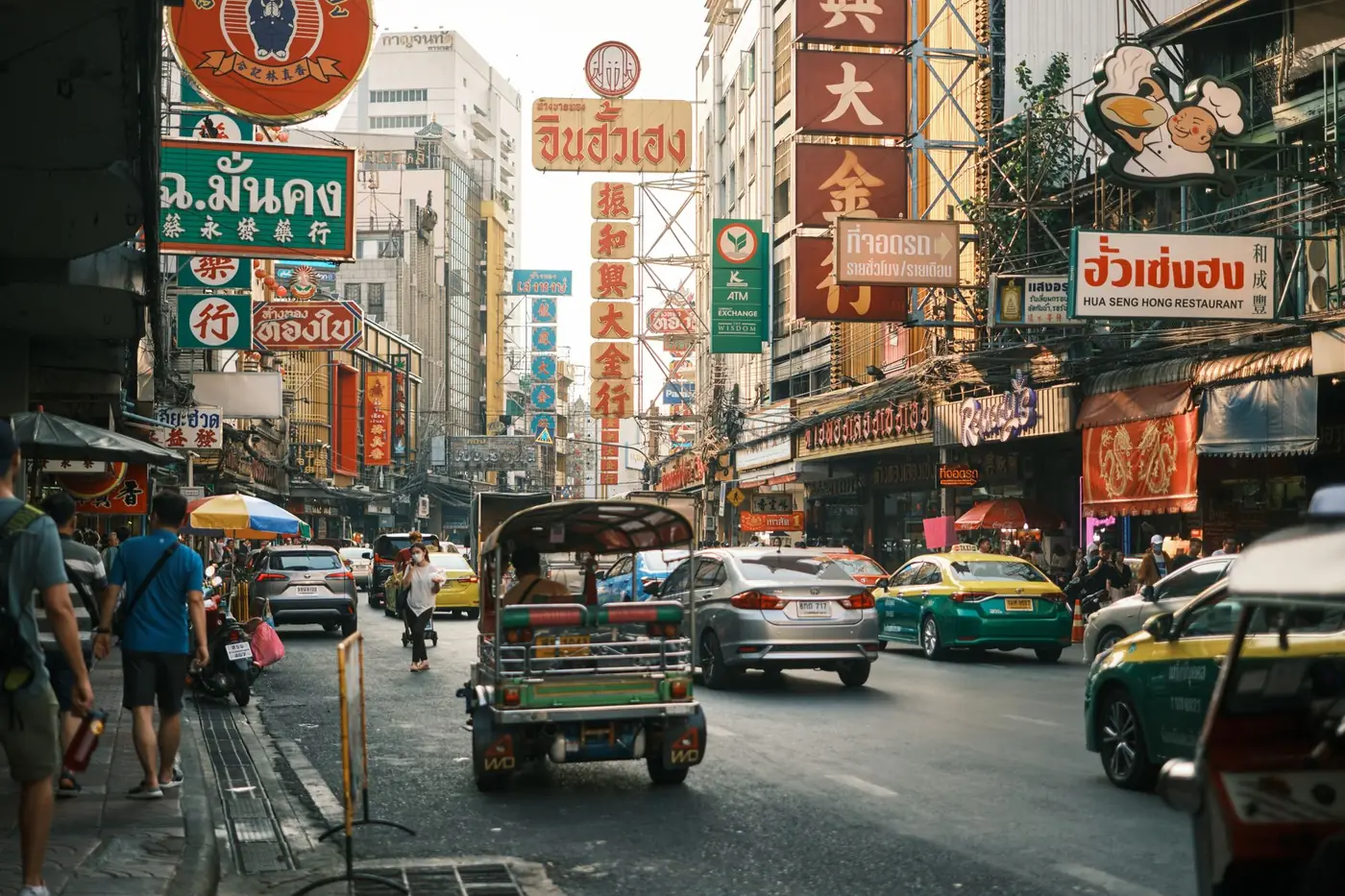
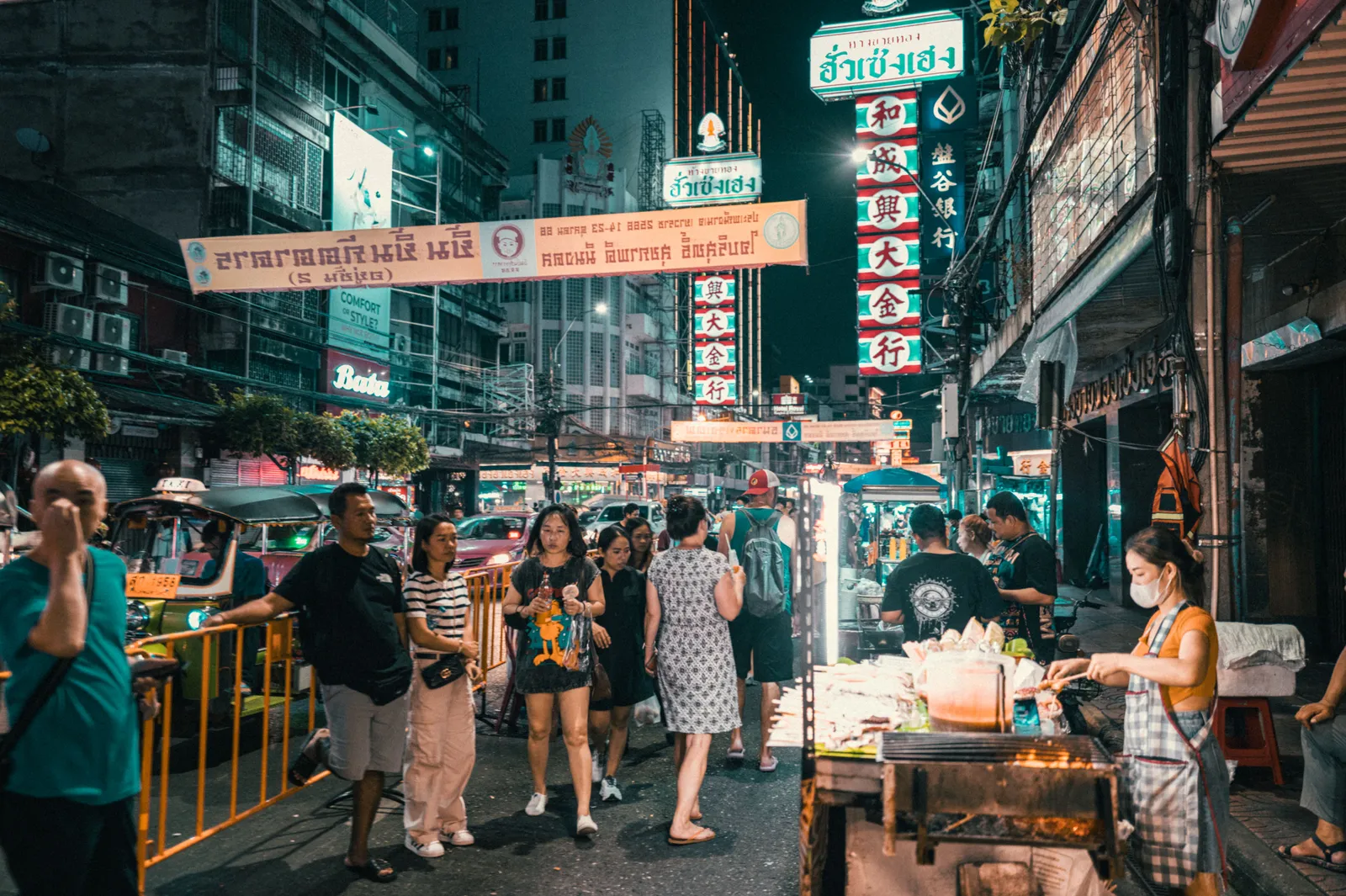
The best eating in Bangkok is on the pavement: the dishes to start with, how to read a stall, Chinatown at night, top markets, and the hygiene question.
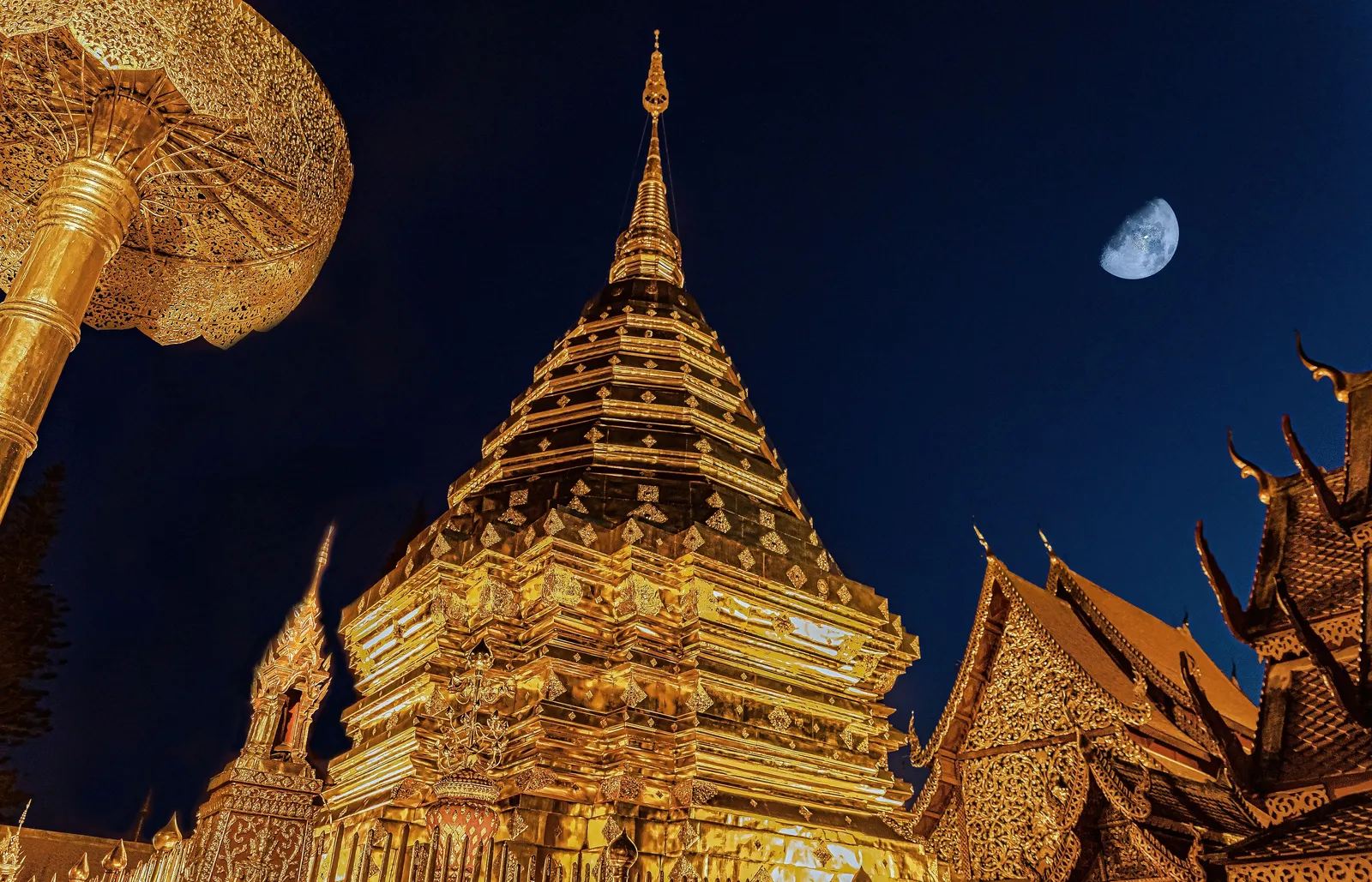
Three hundred temples in one city and one on a mountain: which four are worth your morning, the staircase of nagas, and the dress code that bars entry.
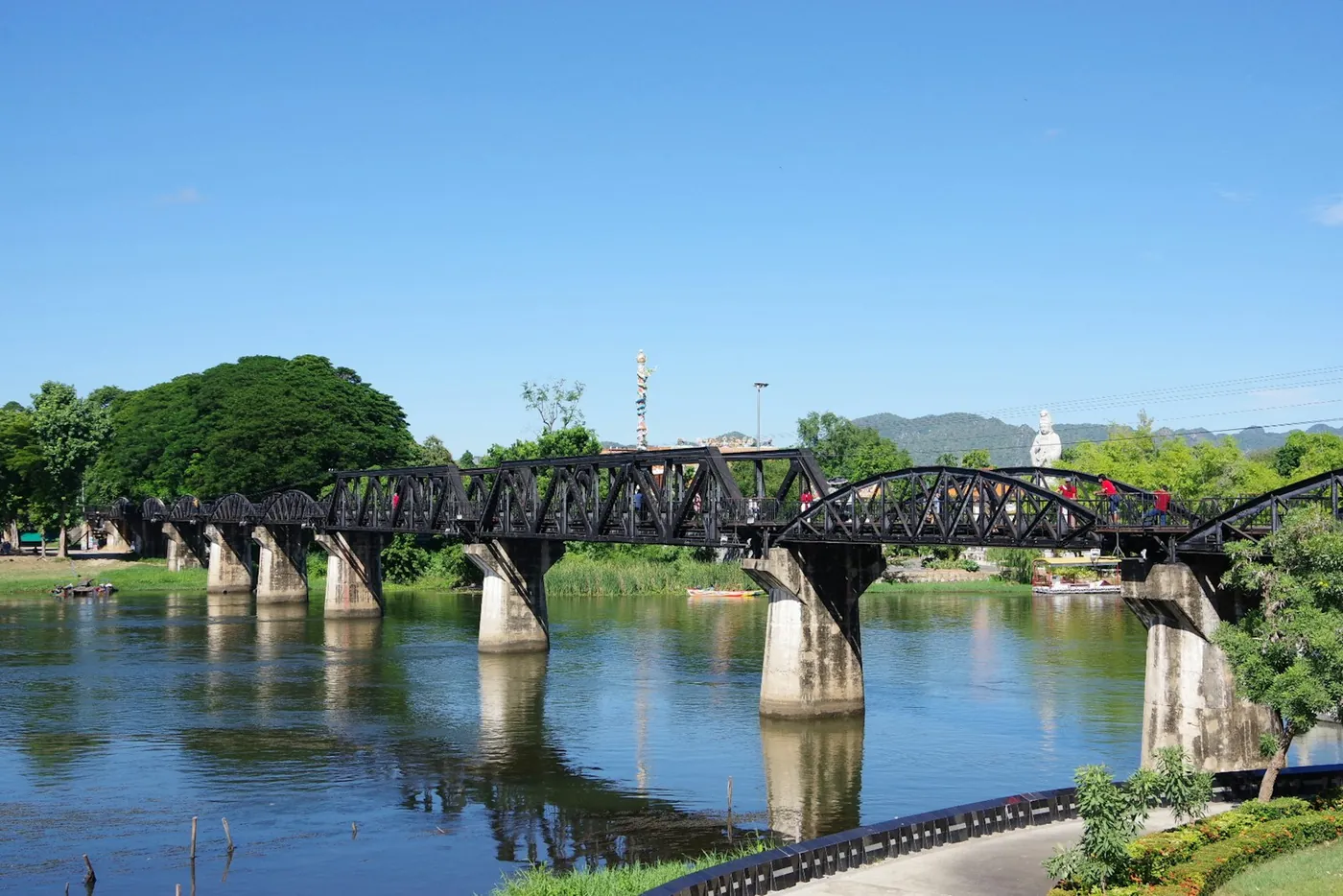
West of Bangkok: the bridge over the River Kwai and the museums behind it, the war cemeteries, the seven-tier waterfall, and whether it suits a day trip.
A small town in a valley three hours north of Chiang Mai, reached by a famously winding road: what to do there, how long people stay, and the drive.
Bangkok or Phuket? City energy, temples and street food versus beaches, islands and boat trips: an honest comparison with a verdict for every traveler.
Your Chiang Mai guide: the old city temples, the famous night bazaar, ethical elephant sanctuaries, the best day trips, and where to eat khao soi.
How to get from Bangkok's airports to the city: Suvarnabhumi versus Don Mueang, the Airport Rail Link, metered taxis, Grab, buses, and the airport shuttle.
Your Bangkok guide: the temples worth your time, the best markets, the neighbourhoods to explore, how to get around, and what to eat in the capital.
Koh Phangan is three islands in one: the Full Moon end, the wellness west and the quiet north and east. Where each sits, who it suits, and the logistics.
Thailand's far southern island: three beaches, a Walking Street, clear water and the country's best snorkelling, a hard trip, a short season.
Ao Nang for boats and convenience, Railay for cliffs and no roads, Krabi Town for value, the quiet north for resorts. What each costs in access.
Shallow water with a gentle shelf, short transfers, a walkable strip and no party scene: which Thai islands suit young children, and which do not.
A practical island-hopping route for Thailand, built around ferry geography and the two coasts' opposite rain seasons, so you spend days on beaches.
How the Full Moon Party night actually runs: getting in and the wristband, where to stay, what the buckets cost, the safety risks, and getting back.
Koh Chang: mountain jungle down to a quiet sea, waterfalls you can swim under, a short hop from Bangkok, and a wet season that closes half the island.
One legendary beach party and a whole quiet island around it: how Koh Phangan works, where to stay for which experience, and how to stay safe that night.
The cove made famous by The Beach closed for years for the reef and reopened under changing rules: what a visit involves today, and where to swim instead.
The Andaman marine park that shuts for half the year: when it opens, how day trips and liveaboards differ, the underwater landscape, and why nobody stays.
Combination tickets, speedboats against ferries, the seasons that stop crossings, and the one rule that keeps a cancelled boat from costing you a flight.
Long west-facing beaches, a road down the spine, no nightlife to speak of and a season that shuts half of it: the quiet alternative on the Andaman coast.
Big beaches, big resorts and a ring road: what Samui is actually like, which coast to choose, and why its season is the opposite of the Andaman.
Chaweng, Lamai, the north coast or the quiet south: what each Samui bay is like to wake up in, what the ring road costs you, and where the noise is.
One of the cheapest places in the world to get certified, and one of the busiest: how courses work, how to choose a school, and the island beyond diving.
A peninsula reachable only by longtail boat, with climbing on vertical limestone and four beaches: how Railay works, where Ao Nang fits, where to sleep.
The most photographed islands in Thailand, and the most oversubscribed: how the day trip works, what an overnight gets you, and where the quiet is.
Thailand's largest island holds a party strip, quiet family beaches, an old Sino-Portuguese town and a national park: which end suits which trip.
The party strip, the family bays, the quiet south and the empty national park coast: which Phuket beach suits which holiday, and the transport cost.
Bangkok or Phuket? City energy, temples and street food versus beaches, islands and boat trips: an honest comparison with a verdict for every traveler.
Andaman or Gulf? Phuket, Krabi and Phi Phi against Koh Samui, Phangan and Tao: the scenery, the seasons, the vibe, and how to pick the right Thai island.
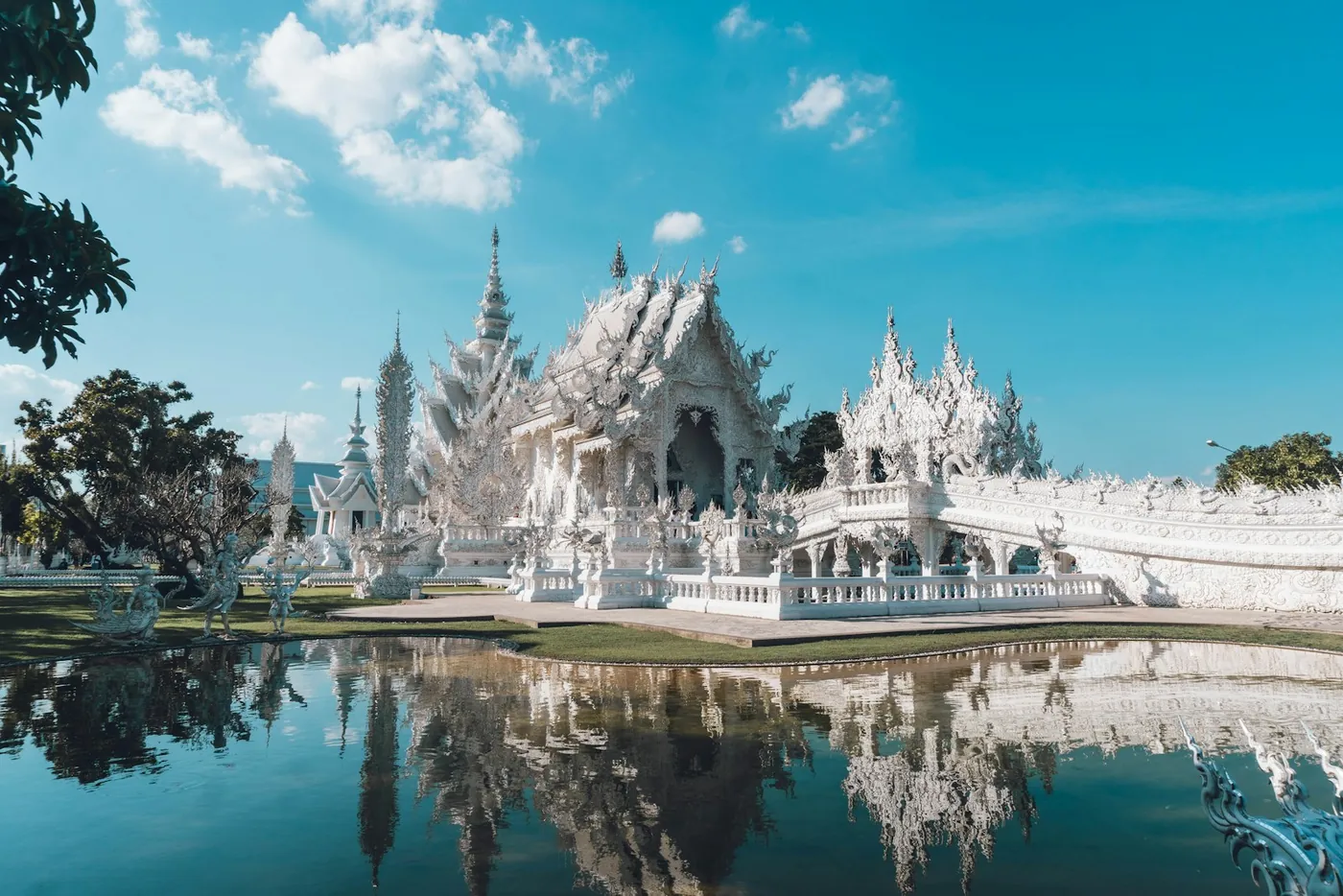
A contemporary artist's temple in white glass and plaster, a blue hall next door, and a long day from Chiang Mai: what is worth the drive and what to skip.
What a Thai cooking class involves, what a market visit does and does not include, and what to ask before booking in Bangkok, Chiang Mai or the islands.
How to visit the Grand Palace, Wat Pho and Wat Arun without the heat and crowds: the dress code, the best order, the entrance scam, and what each is for.
The April water fight explained, why it is also the hottest and most dangerous week of the year, the November lantern festival, and how to plan.
A canalside market that only really runs on Friday, Saturday and Sunday evenings, with grilled seafood from the boats and firefly tours after dark.
Sky lantern releases around Chiang Mai are limited to permitted zones and hours, and the famous mass releases are ticketed. What you can do at Yi Peng.
The float on the water and the lantern in the sky are different festivals that coincide. What each is, where each is best, why mass releases are ticketed.
Wild elephants and gibbons within three hours of Bangkok, a UNESCO forest, waterfalls and a known wine region nearby. What a day trip or overnight is like.
The cove made famous by The Beach closed for years for the reef and reopened under changing rules: what a visit involves today, and where to swim instead.
The Andaman marine park that shuts for half the year: when it opens, how day trips and liveaboards differ, the underwater landscape, and why nobody stays.
Rows of headless Buddhas among lotus ponds, a moated old city with almost none of Ayutthaya's crowds, and why it is worth the extra distance from Bangkok.
The former capital an hour north of Bangkok: the three essential ruins, the head in the tree roots, how to get there by train or boat, and why to go early.
Not all of them are for tourists: the famous one that is largely staged, the markets locals use, what the boat ride costs, and the worst version to avoid.
Three hundred temples in one city and one on a mountain: which four are worth your morning, the staircase of nagas, and the dress code that bars entry.
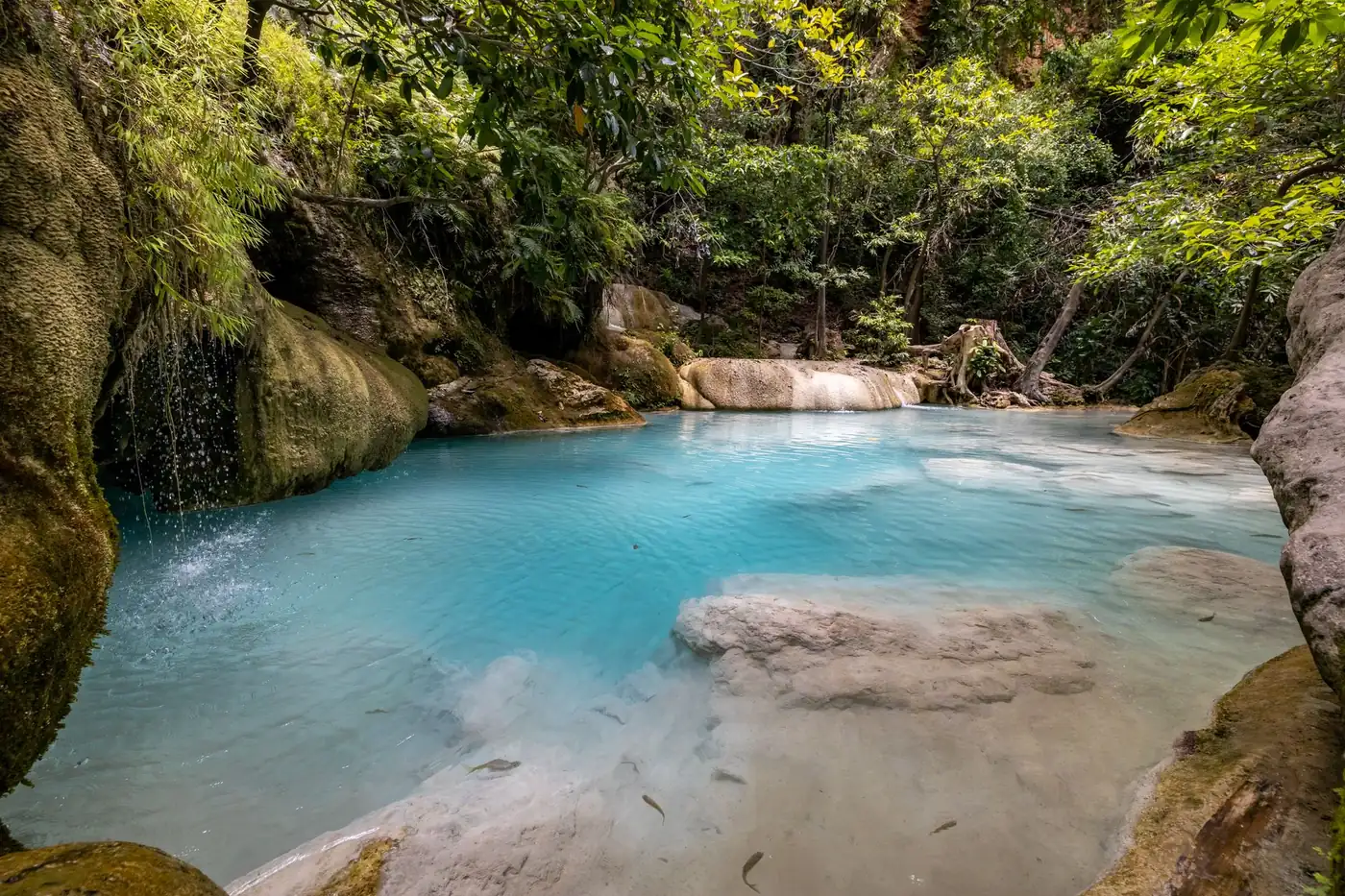
A seven-tier waterfall of turquoise pools a day from Bangkok, and a jungle lake among limestone towers in the south: what each is and how to visit.
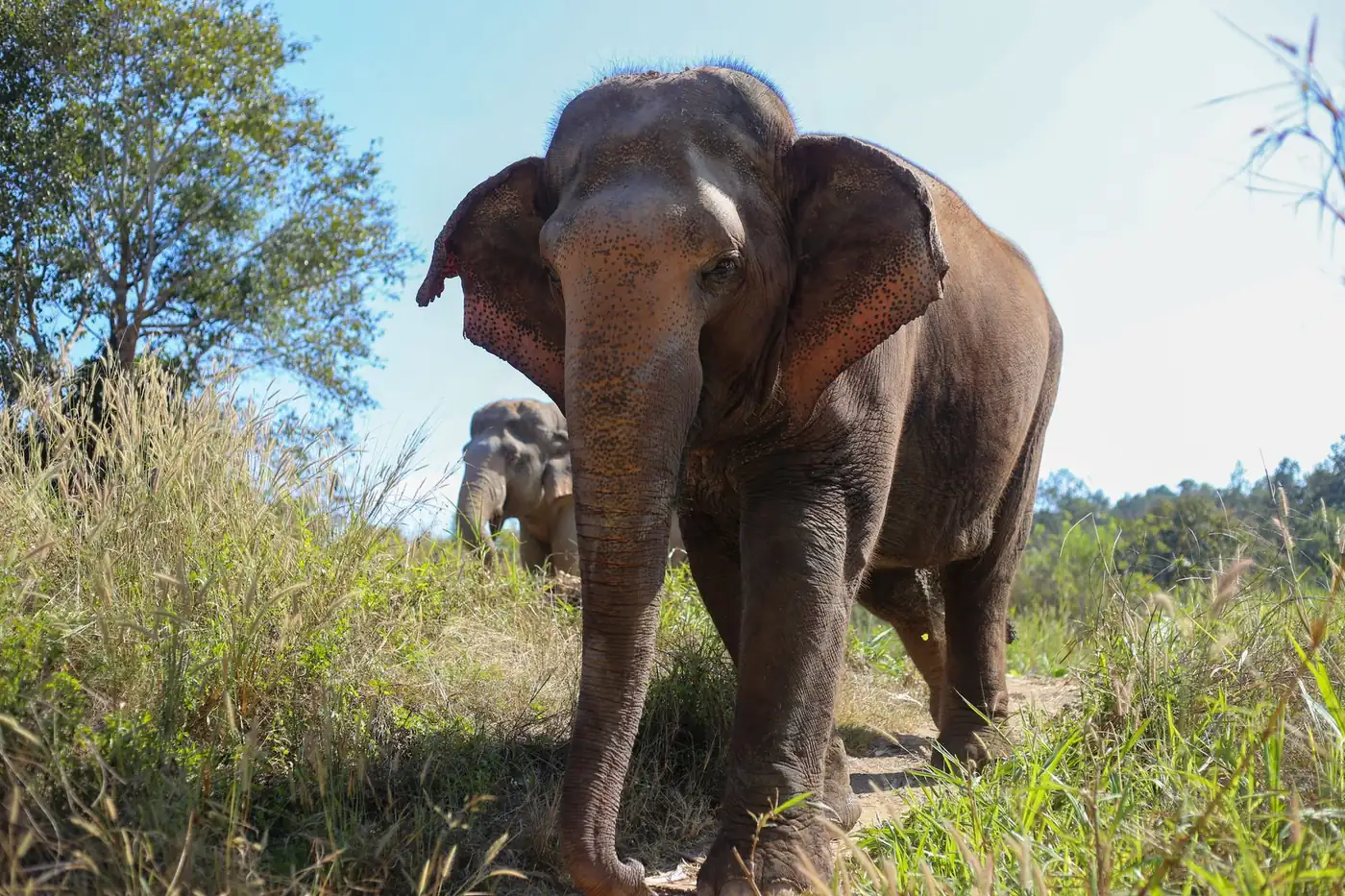
No riding, no shows, no bathing scrums: the questions that separate a genuine sanctuary from a rebranded camp, and what a good visit actually looks like.
West of Bangkok: the bridge over the River Kwai and the museums behind it, the war cemeteries, the seven-tier waterfall, and whether it suits a day trip.
Which Bangkok rooftop bars are worth the lift ride, what the dress codes mean in practice, and how to plan a sunset visit without being turned away.
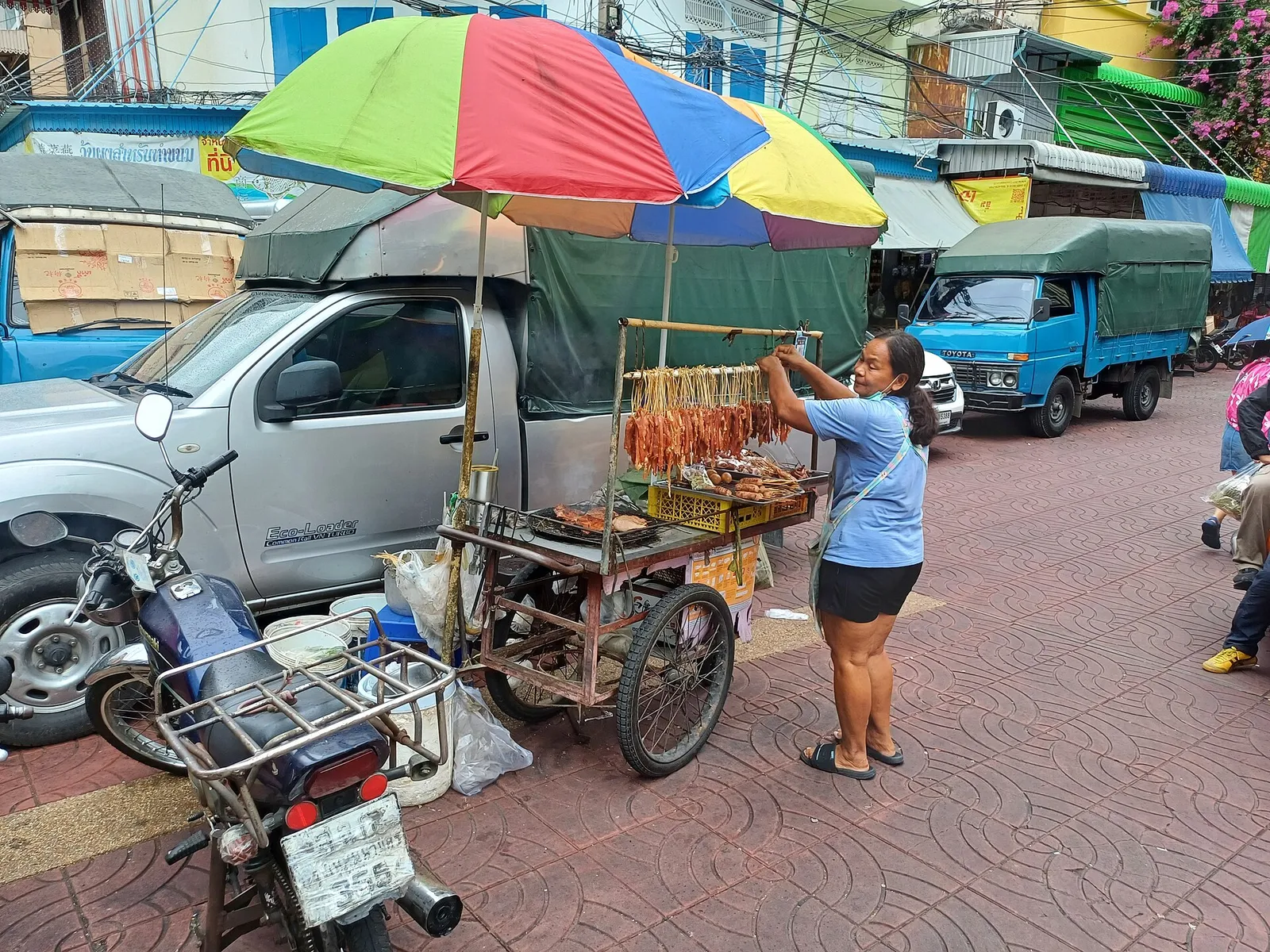
What a Thai cooking class involves, what a market visit does and does not include, and what to ask before booking in Bangkok, Chiang Mai or the islands.
Fish sauce and shrimp paste hide in dishes that look meat-free. How jay food works, which phrases help at a stall, and eating well as a vegetarian.
The best eating in Bangkok is on the pavement: the dishes to start with, how to read a stall, Chinatown at night, top markets, and the hygiene question.
The tiers above the pavement: shophouse kitchens, old Chinese-Thai family restaurants, regional specialists and rooftop dining rooms, and how to order.
The Thai food guide: dishes to order from pad thai to green curry, how to eat street food safely, the best night markets, and local etiquette.
Which Bangkok rooftop bars are worth the lift ride, what the dress codes mean in practice, and how to plan a sunset visit without being turned away.
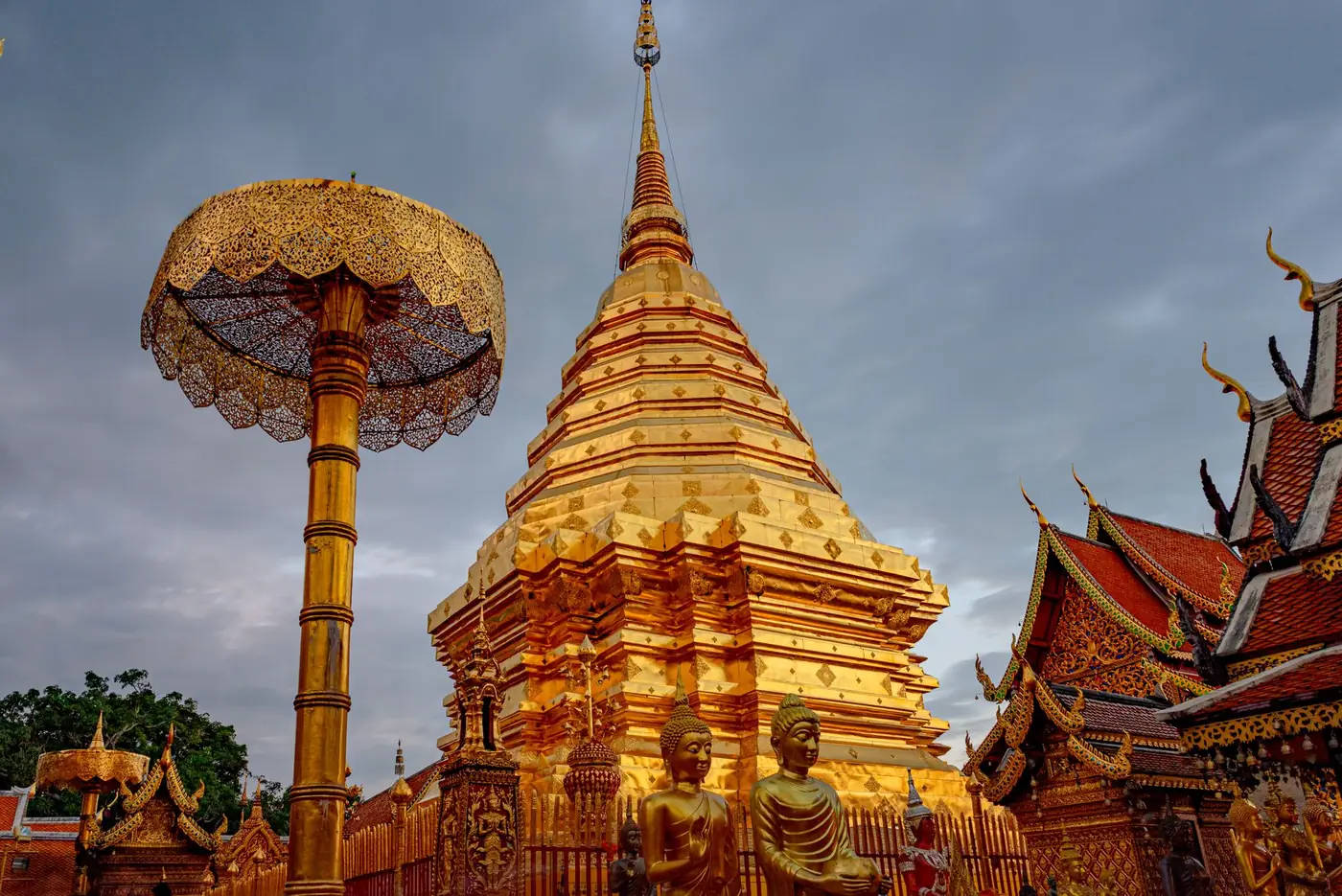
What Bangla Road is actually like, which parts of Phuket offer a calmer night out, and the bar scams and cannabis rules that catch visitors out.
How the Full Moon Party night actually runs: getting in and the wristband, where to stay, what the buckets cost, the safety risks, and getting back.
What Khao San Road is behind the reputation: the backpacker history, a quiet market by day and party strip at night, the food stalls, and sleeping there.
One legendary beach party and a whole quiet island around it: how Koh Phangan works, where to stay for which experience, and how to stay safe that night.
Bangkok after dark beyond the cliches: rooftop bars and their dress codes, craft beer and cocktail streets, night markets, and evenings without the strips.
Koh Phangan is three islands in one: the Full Moon end, the wellness west and the quiet north and east. Where each sits, who it suits, and the logistics.
Where to stay in Bangkok: Sukhumvit, Silom, Riverside, the Old City and Khao San compared, which suits which trip, and the transport rule that decides it.
Ao Nang for boats and convenience, Railay for cliffs and no roads, Krabi Town for value, the quiet north for resorts. What each costs in access.
Which sea suits which month, how the romantic islands differ, when a private pool villa earns its price, and a route mixing a quiet island with a city.
Inside the moat, along the river, in the hip quarter south of it, or up in the hills: what each part of Chiang Mai is like to sleep in and who it suits.
Chaweng, Lamai, the north coast or the quiet south: what each Samui bay is like to wake up in, what the ring road costs you, and where the noise is.
The party strip, the family bays, the quiet south and the empty national park coast: which Phuket beach suits which holiday, and the transport cost.
The most useful and most dangerous thing a visitor does here: the licence you need, why most travel policies exclude motorbikes, and the deposit rule.
How to move in a city with legendary traffic: the skytrain and metro and where they stop, why the ride app beats a street taxi, and the journey to avoid.
Combination tickets, speedboats against ferries, the seasons that stop crossings, and the one rule that keeps a cancelled boat from costing you a flight.
How to get around Thailand: domestic flights, scenic trains, buses, island ferries, Grab, tuk-tuks and BTS, and when to use each to save time and money.
How to get from Bangkok's airports to the city: Suvarnabhumi versus Don Mueang, the Airport Rail Link, metered taxis, Grab, buses, and the airport shuttle.
Thailand ended its open cannabis market for a prescription-based medical regime. What the rules mean for visitors, why guides are outdated, and the risks.
Northern Thailand fills with smoke for weeks each dry season, and Chiang Mai has topped global pollution rankings. When it hits and how to plan.
The most useful and most dangerous thing a visitor does here: the licence you need, why most travel policies exclude motorbikes, and the deposit rule.
Which operator, why your passport is required by law, airport counters against ordering ahead, and when an eSIM makes sense over the plastic version.
What a Thailand trip really costs: where the money goes on beds, food, transport and boat days, the three lines that break budgets, and how to spend less.
A very safe country with a small set of rehearsed tourist scams: the closed temple, the gem shop, the jet ski damage claim, and the rental passport.
Do you need travel insurance for Thailand? Yes: motorbike accidents, private hospital costs, diving add-ons, dengue and evacuation, and what to cover.
The emergency numbers every Thailand traveller should save: 191 police, 1155 tourist police, 1669 medical, plus the best hospitals and what to do next.
Entering Thailand in 2026: the 30-day visa exemption, the TDAC digital arrival card, passport validity, extensions, proof of funds and onward travel.
A route linking Chiang Mai, Pai, Mae Hong Son and Chiang Rai, with honest notes on the mountain roads, the burning season and how long each leg takes.
A practical island-hopping route for Thailand, built around ferry geography and the two coasts' opposite rain seasons, so you spend days on beaches.
A five-day honeymoon plan for two, built around privacy and pace: a quiet resort bay, a chartered longtail, a limestone lagoon by canoe, and slow sunsets.
A realistic two-week Thailand itinerary: Bangkok, Chiang Mai and one island group, with the internal flights to book and where to do nothing at the end.
The route that fits without rushing: three nights in Bangkok, three in the north, four on an island, and why a cheap domestic flight beats overland.
A five-day route through Thai religious art and history: the Grand Palace in Bangkok, the ruined capital at Ayutthaya, serene Buddhas, and Chiang Rai.
Five days built around food: Bangkok's Yaowarat street kitchens, a dawn market, a cooking class, northern noodle soup and fiery northeastern flavours.
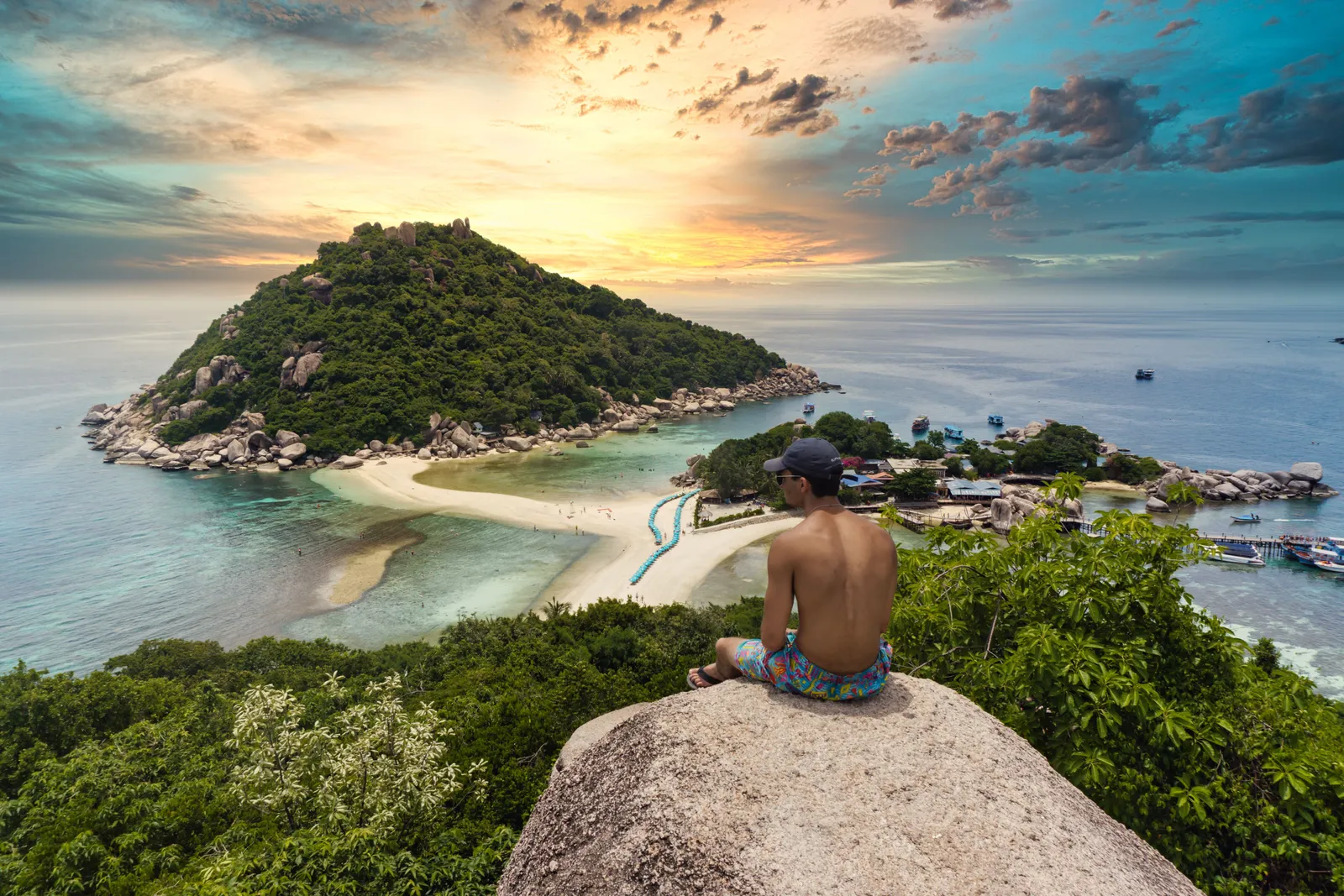
A five-day plan for the Gulf side: Koh Samui's beaches and viewpoints, a day trip to Koh Phangan, a ferry to Koh Tao for diving, and a last beach day.
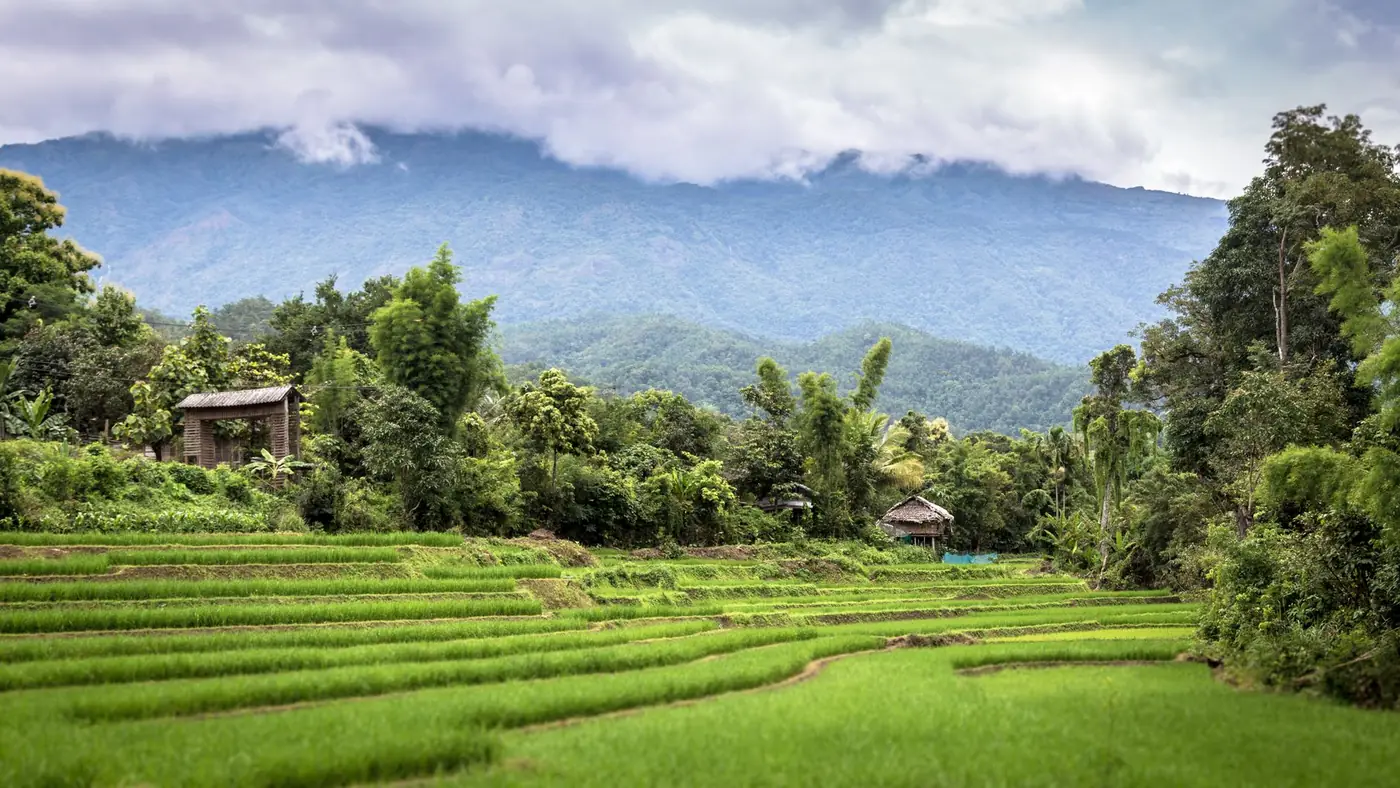
A five-day plan for the Andaman coast: Phuket's old town, a proper beach day, a hidden lagoon in Phang Nga Bay, a Phi Phi or Krabi island day, and Railay.
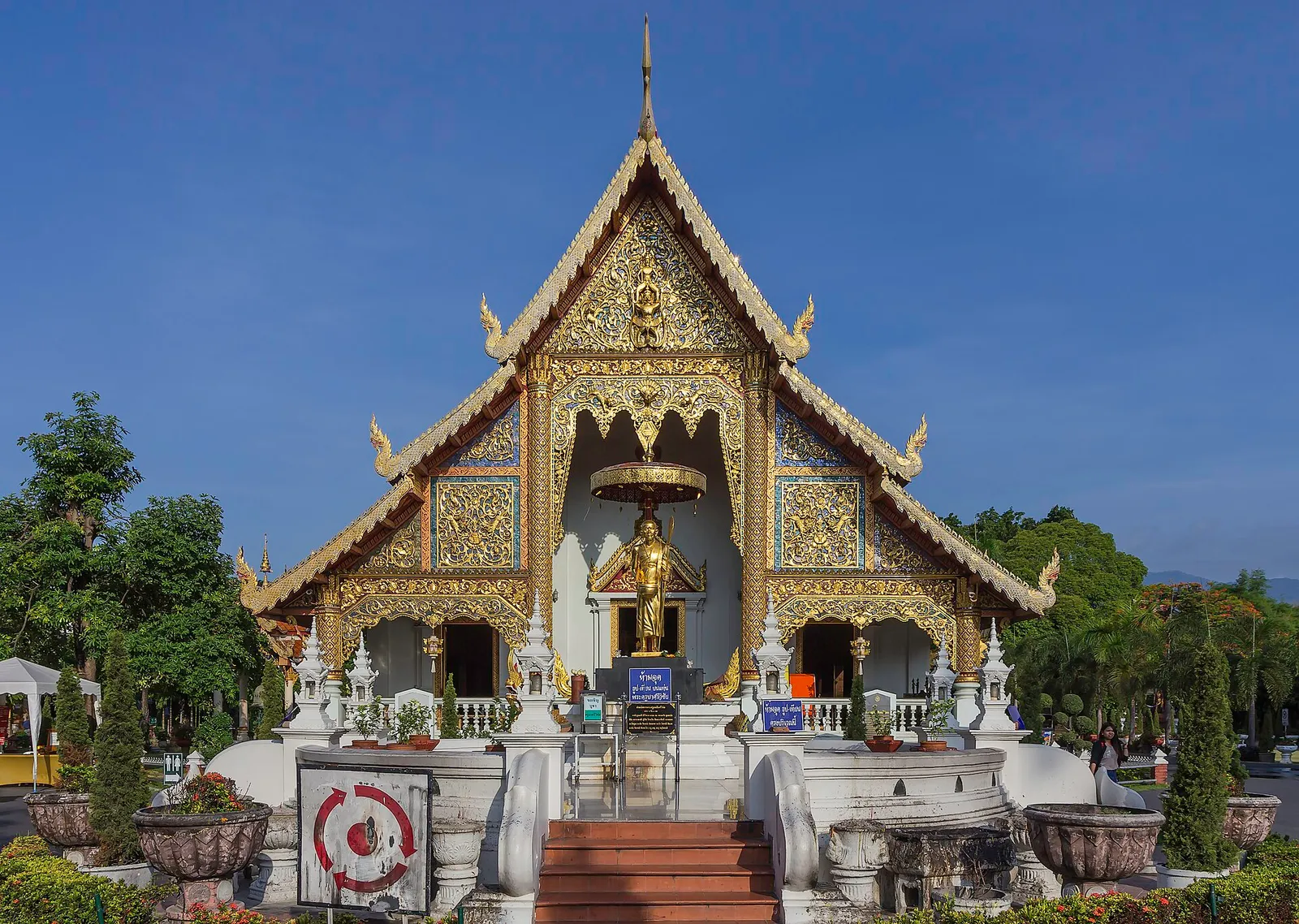
A realistic three-week Thailand itinerary: Bangkok, the north around Chiang Mai and Pai, and one island group, week by week, with what to leave out.
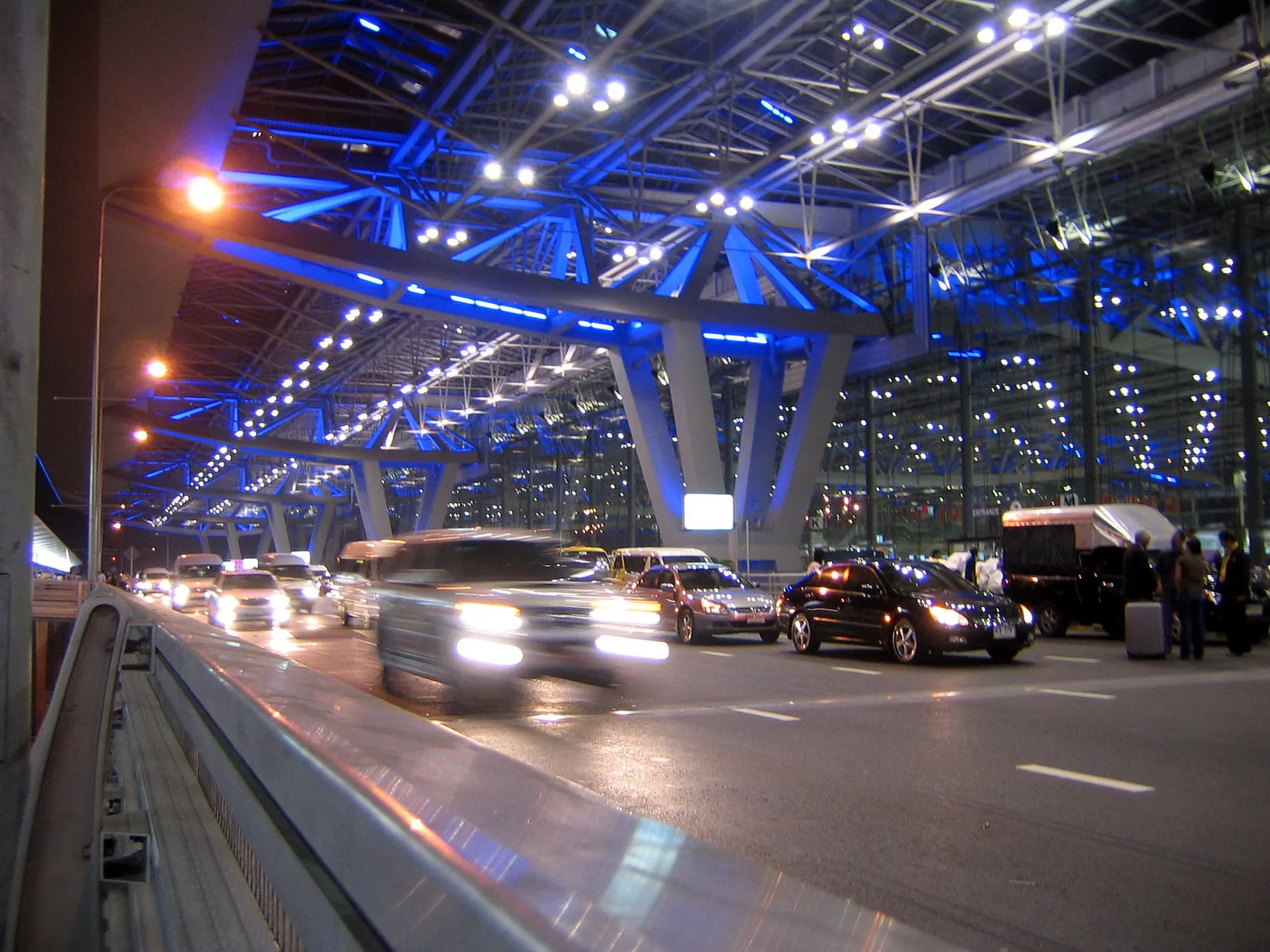
A five-day plan for the cooler north: old city temples, Doi Suthep, a genuine elephant sanctuary, a cooking class, and a day trip to Chiang Rai's temples.
A slower, smarter five-day Bangkok plan: the Grand Palace and river temples, canal longtails, Yaowarat street food, a rooftop night and a day trip.
A ready-made 10-day Thailand itinerary: temple-filled Bangkok, cultural Chiang Mai and a beach finale on Koh Samui, planned day by day.
The site has 80 guides covering all of Thailand: Bangkok, Chiang Mai and the north, the southern islands (Phuket, Koh Samui, Koh Phi Phi), temples, food, nightlife and practical info. All are updated regularly.
Start with the general planning guide and "when to visit Thailand", then decide between the north and the islands, and move on to the Bangkok guide, the islands guide and the ready-made itinerary that matches your number of days.
It depends on the trip. The north (Chiang Mai, Chiang Rai) is strong on nature, temples, elephants and culture; the southern islands are for beaches, diving and beach life. A classic trip combines a few days in Bangkok, then the north, then the islands.
Yes. Vegetarian and vegan dishes, tropical fruit and fresh food are easy to find everywhere, though it is worth asking for no fish sauce (nam pla) if you avoid it. In Bangkok and the bigger islands you will also find a wide range of international restaurants.