Thailand is a safe, easy country to travel, and that is exactly why so many people skip insurance. Then the statistics catch up: the single most common claim from Thailand, by a wide margin, is a motorbike accident, followed by stomach bugs, dengue and diving mishaps. The medicine here is excellent, but the good hospitals charge accordingly, and the bill lands on whoever has no policy. Here is what actually matters when you insure a Thailand trip, without the scare tactics.
The motorbike clause: read this before you rent a scooter
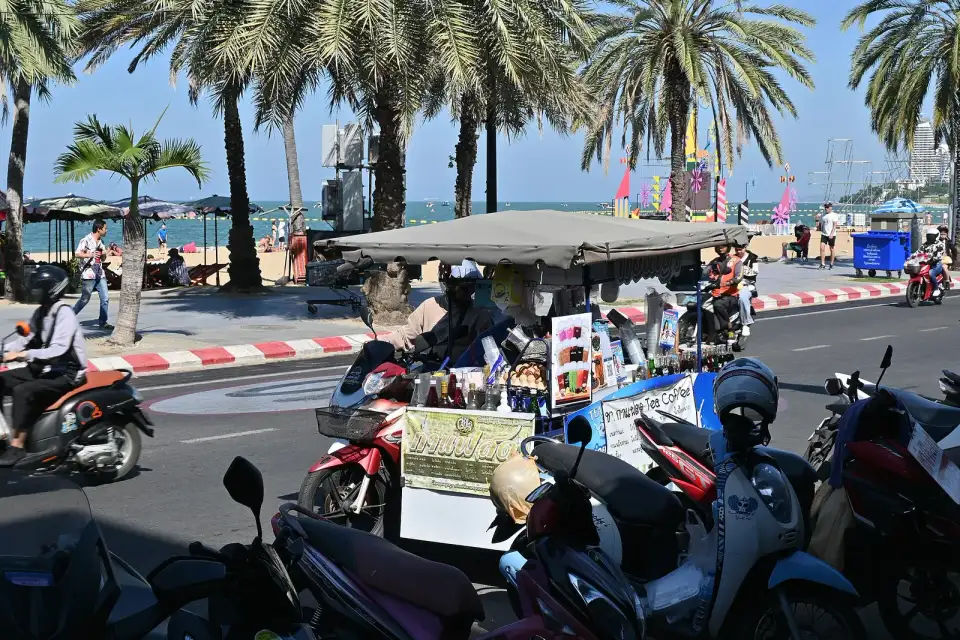
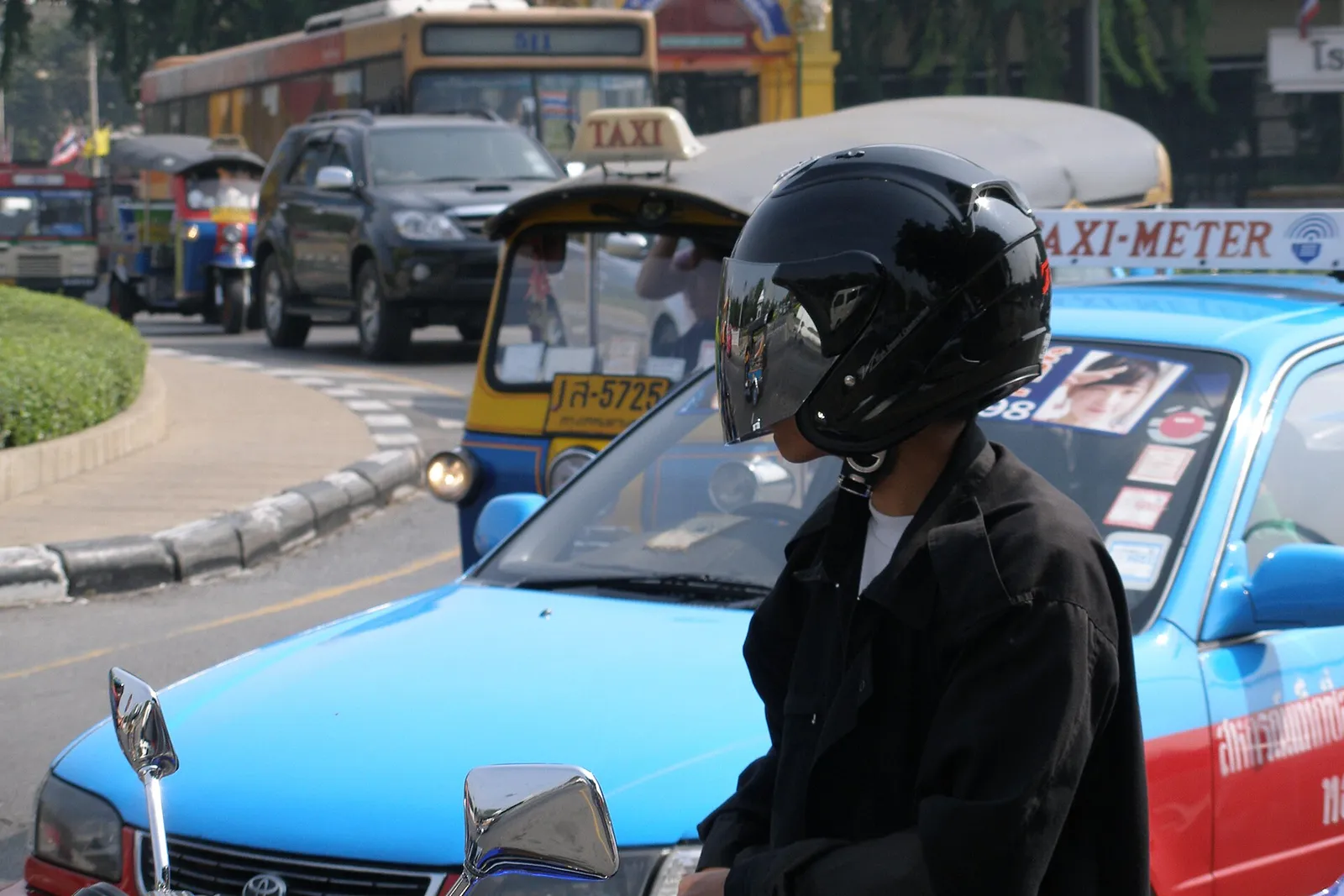
Scooters are the default transport on the islands and in the north, rentals cost a few dollars a day, and this is precisely where most insurance claims die. Nearly every policy has conditions buried in the fine print: you must hold a motorcycle license valid for the bike you ride (for many nationalities that means a motorcycle endorsement plus an International Driving Permit), you must wear a helmet, and you must be sober. Rent a 125cc scooter on a car-only license, which is what most travelers do, and a crash can leave you personally liable for everything: your treatment, the bike, and sometimes the other party.
So make two honest decisions before you fly. Either get properly licensed and confirm in writing that your policy covers riding, or decide you will not ride and use taxis, Grab and songthaews instead, which in most of Thailand is easy and cheap. Our getting around guide shows how far you can get without ever touching a throttle.
What Thai hospitals actually cost
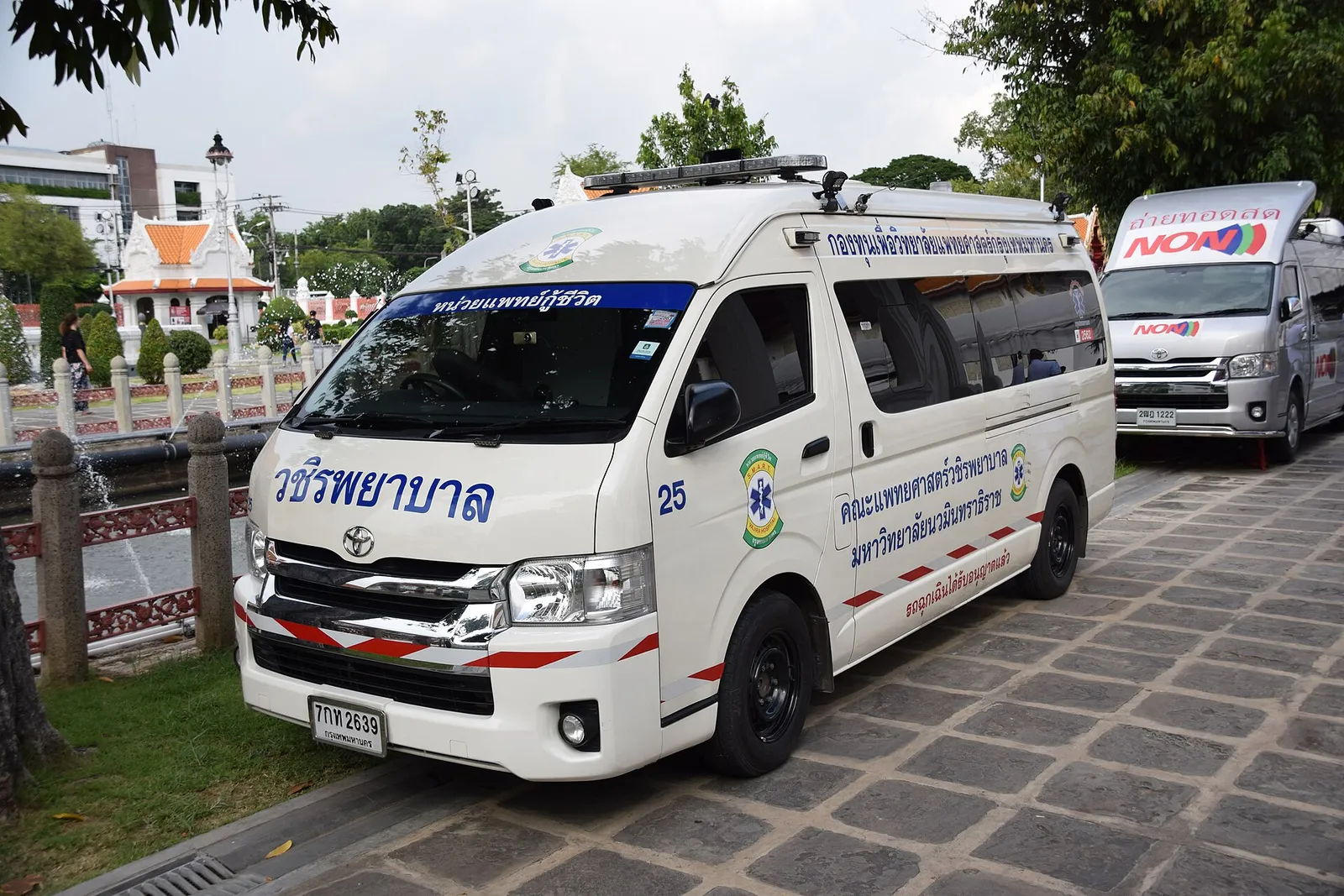
Thailand has two medical worlds. Public hospitals are competent but crowded, with long waits and limited English. The private hospitals travelers use, Bumrungrad International and Bangkok Hospital being the famous names, are world-class, gleaming and fast, and they price like it. A consultation is affordable, but an admission can run US$500 to US$1,500 per night, surgery on a broken arm or collarbone US$5,000 to US$15,000, and intensive care multiples of that. Private hospitals also want a guarantee of payment up front: an insurance card or a credit card with a serious limit.
The worst-case number is medical evacuation. If you are badly hurt on a small island or need treatment your hospital cannot provide, an air ambulance to Bangkok, Singapore or your home country can exceed US$50,000. Evacuation and repatriation cover is the part of the policy you hope never to use and should never travel without.
Diving, islands and the add-ons worth having
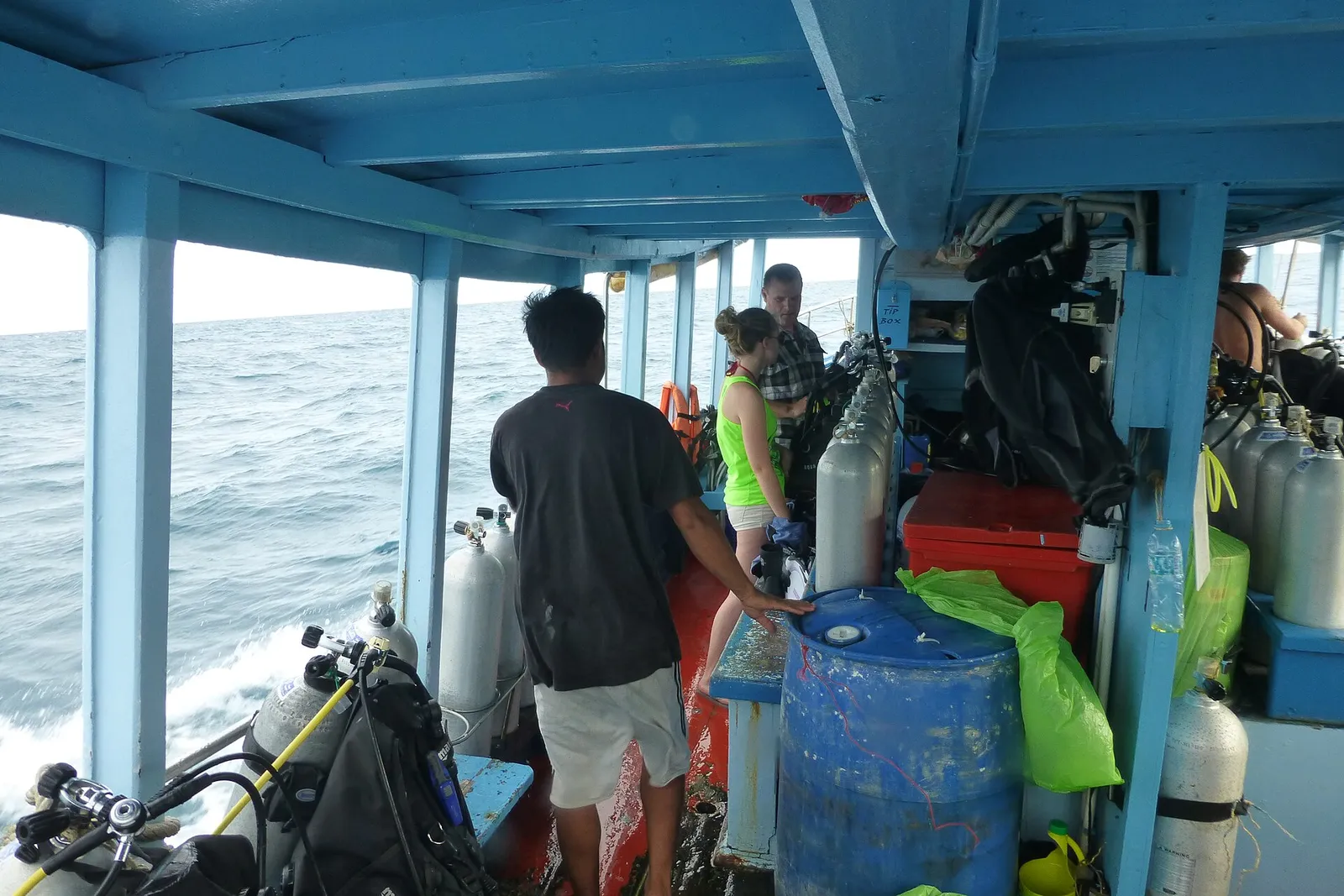
If your trip includes learning to dive on Koh Tao, fun dives off the Similan Islands (a national park that closes for the monsoon, roughly mid-May to mid-October), or anything beyond snorkeling, check the activities list. Many standard policies cover recreational diving only to a set depth and only with a certified operator, and some exclude it entirely without an adventure or diving add-on. The same section usually governs rock climbing in Railay, kayaking, and even riding as a scooter passenger. Island logistics matter too: good policies cover the extra hotel and ferry costs when a storm strands you, which happens in the green season. If your plans lean heavily to the islands, skim our Andaman vs Gulf guide with one eye on what you will be doing in the water.
Insure the trip before the trip startsMedical, evacuation and the motorbike clause checked, in about ten minutesDengue and the everyday illnesses
Dengue fever is the illness that surprises travelers most. It is mosquito-borne, present in Thailand year-round, worst in and after the rainy season, and there is no specific cure, so bad cases mean days of hospital monitoring and IV fluids, exactly the kind of bill insurance handles. Standard travel medical policies treat dengue like any illness, so you are covered; your job is prevention with repellent at dawn and dusk. The more mundane claims, food poisoning, ear infections after swimming, cut feet on reefs, are cheap individually but add up, and a policy with a low deductible makes the clinic visit a non-decision.
How to choose a policy without losing a day
You do not need a spreadsheet, just five checks. Look for a medical limit of US$250,000 or more, evacuation and repatriation cover, a motorbike clause you can actually comply with, coverage for your specific activities (diving, climbing), and a deductible you would be comfortable paying. The big international names, SafetyWing, World Nomads, Allianz, IMG and others, all sell policies that can fit a Thailand trip; which is best depends on your nationality, age, trip length and what you plan to do, so compare two or three rather than crowning one. Buy before you fly, since most insurers will not start cover once you are already abroad, and keep a digital copy of the policy and the emergency number on your phone.
The short version
Thailand rewards optimism in everything except this. Buy a real travel medical policy before you fly, with a high medical limit and evacuation cover. If you plan to ride a scooter, get licensed and helmeted or do not ride. Add diving cover if you will dive, respect dengue season with repellent, and know that Bumrungrad-level care is superb and priced accordingly. Then put the policy in a folder and go enjoy the country, which is what the whole exercise is for. If this is your first visit, the first time in Thailand guide covers the rest of the pre-trip list.