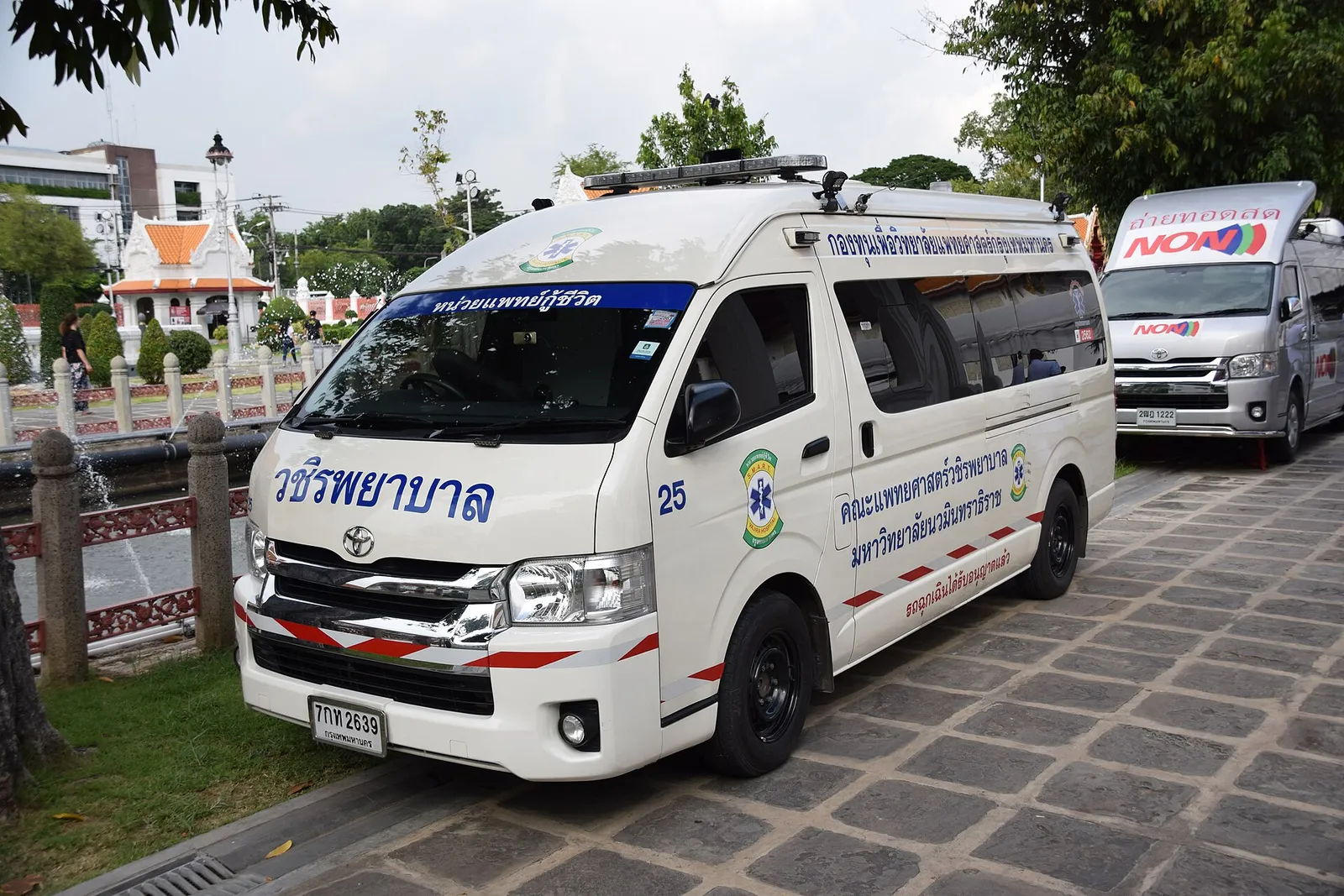
Nobody plans to need an emergency number on holiday, and the overwhelming majority of Thailand trips end with nothing worse than a sunburn. But Thailand does things differently from home: there is no single all-purpose emergency line, English support varies, and the biggest real risk to travellers is not crime but the roads. Ten minutes reading this now, and saving three numbers in your phone, is the cheapest insurance you will ever buy.
The three numbers to save right now
Thailand splits its emergency services across several lines. These are the ones that matter to travellers:
191 is the police, the closest thing to a general emergency number, answered nationwide around the clock. 1669 is medical emergency and rescue, the national line that dispatches ambulances and rescue services. 1155 is the tourist police, and for most travellers it is the most useful of the three: it is staffed 24 hours with English-speaking operators, and it exists precisely to help foreigners with theft, scams, disputes, lost passports and any situation where language is a barrier.
If you remember only one number, make it 1155. The operators can take your problem in English and connect or dispatch the right service.
Every number at a glance
| Number | Service | Notes |
|---|---|---|
| 191 | Police (general emergency) | Nationwide, 24 hours |
| 1155 | Tourist police | English-speaking, best first call for travellers |
| 1669 | Medical emergency and ambulance | National rescue dispatch line |
| 199 | Fire and rescue | For fires and building emergencies |
| 1193 | Highway police | Accidents and breakdowns on major roads |
| 1690 | State Railway of Thailand | Train travel problems |
Save 191, 1155 and 1669 as contacts before your trip. Calls to these lines are free from Thai numbers, so they work from a local SIM or eSIM.
Hospitals: where to go when it is serious
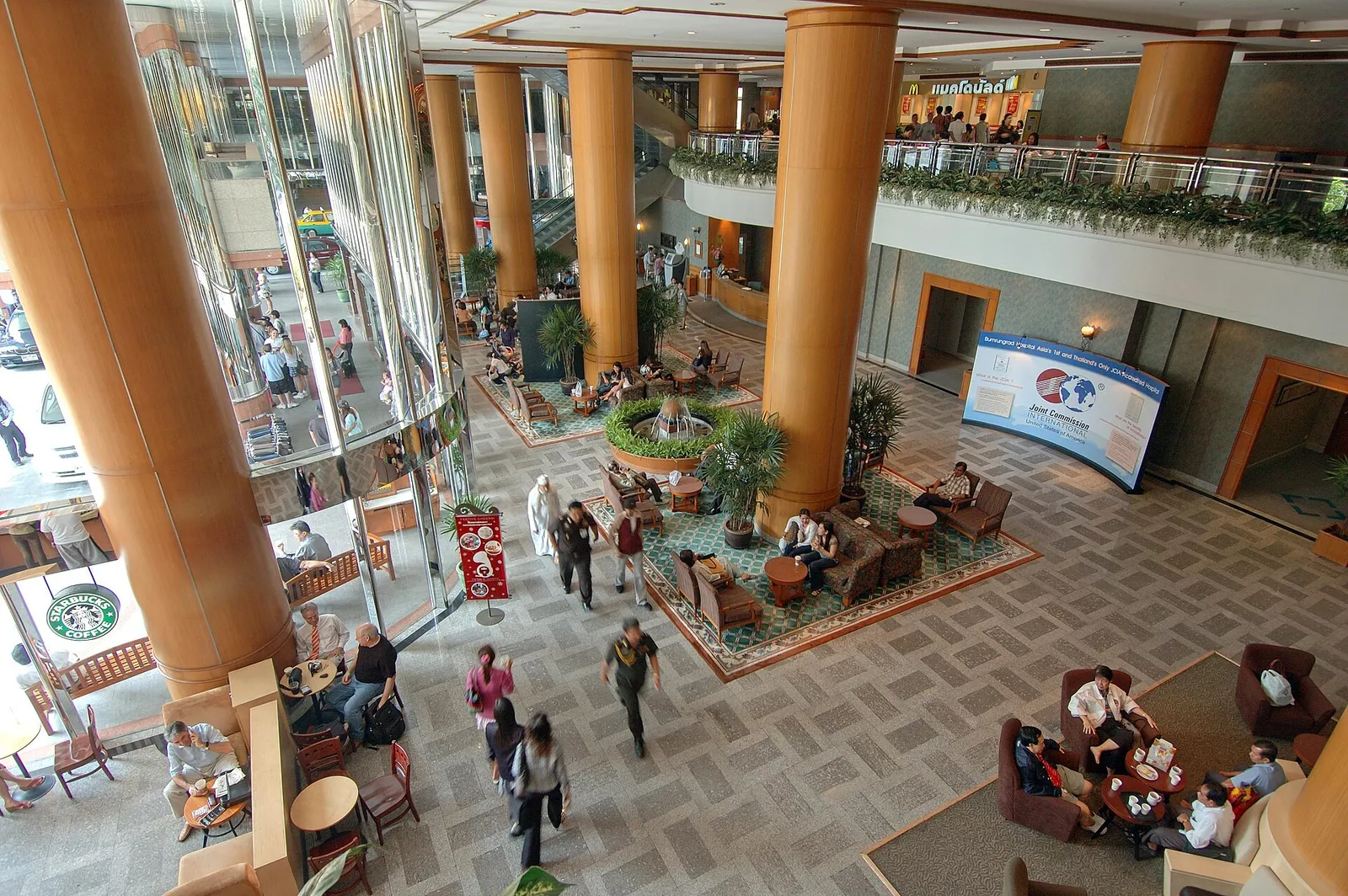
Thailand’s private hospitals in major cities are among the best in Asia, which is why the country is a medical tourism hub. In Bangkok, Bumrungrad International and Bangkok Hospital are the flagships: internationally accredited, English-speaking throughout, with dedicated international patient centres. Bangkok Hospital’s group also runs well-regarded branches in Phuket, Pattaya, Chiang Mai and Koh Samui, so most tourist areas are within reach of high-standard private care.
Public hospitals are competent and much cheaper, but expect longer waits and less English. For anything serious, travellers with insurance should head private. And that is the catch: private care must be paid for. An ER visit might cost tens to a few hundred US dollars, a night in a ward several hundred, and surgery or intensive care thousands. Hospitals will ask about insurance or payment early, so carry your policy details in your phone and on paper.
The roads: Thailand’s real danger
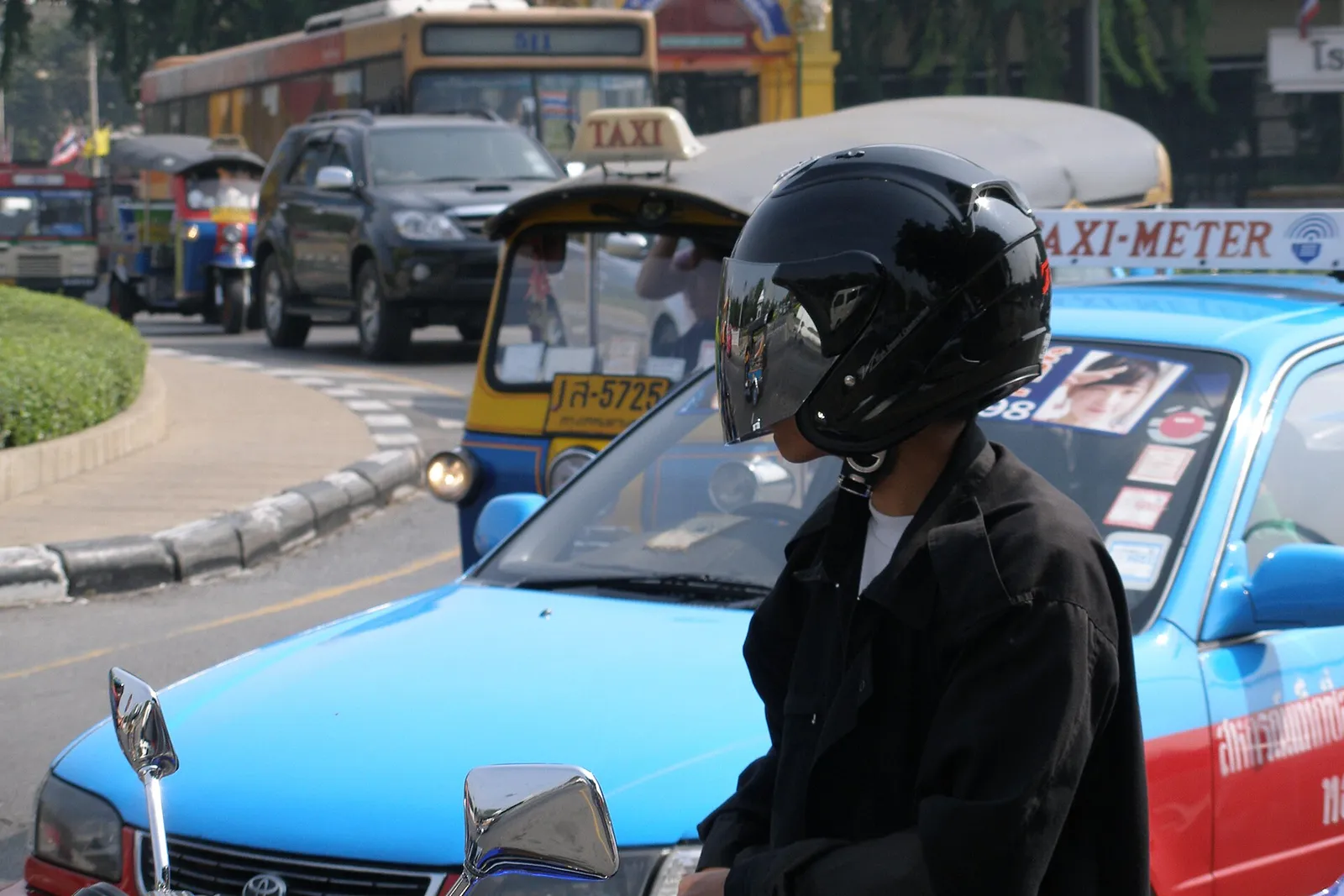
Here is the honest truth that beach photos do not show: road accidents are by far the biggest risk to travellers in Thailand. The country has some of the world’s most dangerous roads, and a large share of tourist injuries and deaths involve motorbikes and scooters, often riders with no experience, no helmet, or no valid licence.
Protect yourself with a few non-negotiables. If you ride, wear a helmet every single time, ride sober, and hold a motorcycle licence valid for Thailand, because without one many insurance policies will not pay out. If you would not ride a scooter at home, a Thai island in the rain is not the place to learn; songthaews, taxis and the Grab app cover the same ground, as our getting around guide explains. As a pedestrian, assume traffic will not stop, look both ways twice, and take extra care at night.
If an accident happens: get to safety, call 1669 for injuries and 191 or 1155 for police, do not move badly injured people unless they are in immediate danger, photograph everything, and call your insurer as soon as you can.
Sea, sun and jellyfish
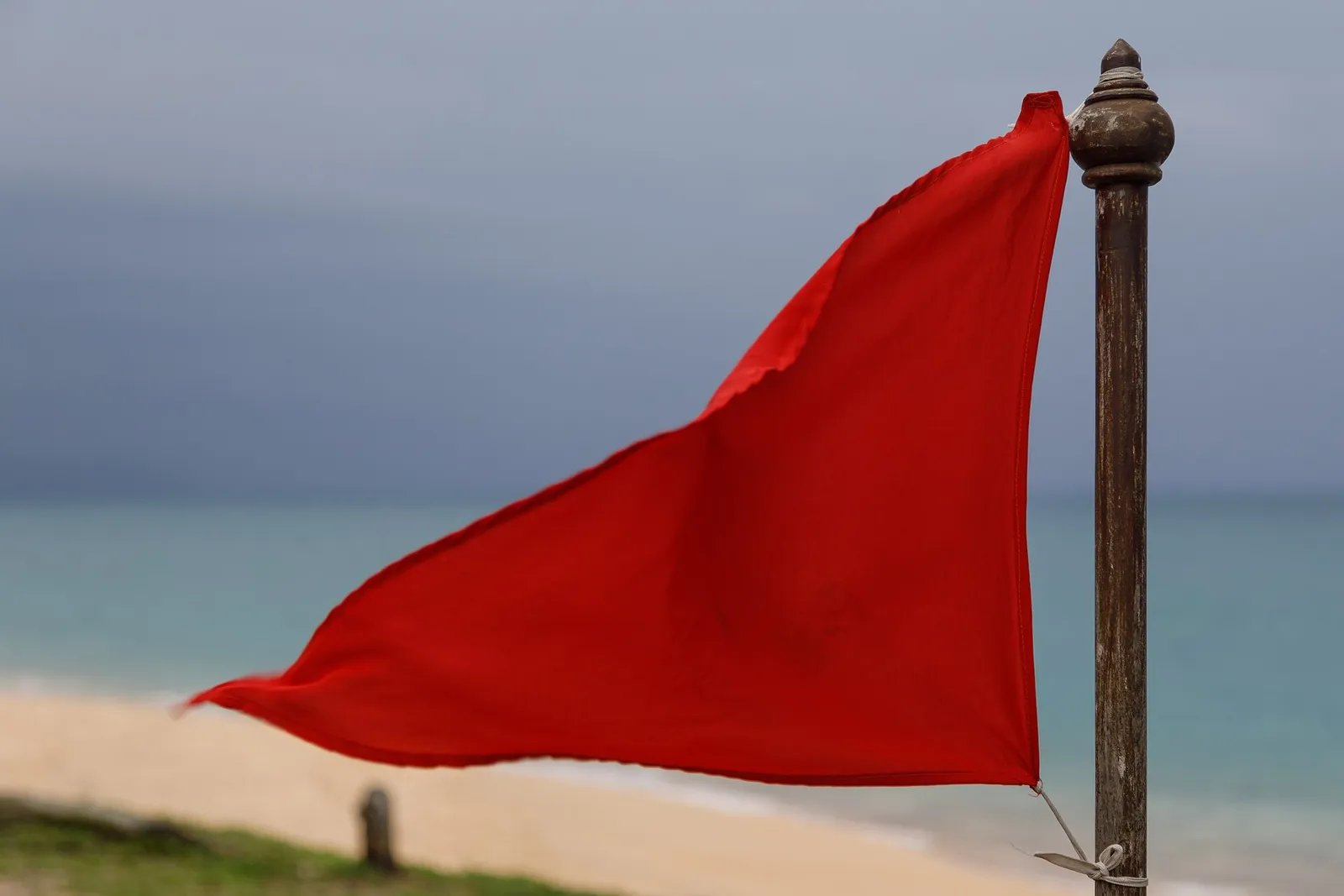
The water brings its own short list of risks. Swim where flags and locals indicate it is safe, and respect rip currents on Andaman beaches in the green season, when red flags mean stay out. Box jellyfish, rare but potentially dangerous, occasionally appear around the Gulf islands, particularly in the rainy months; some beaches have warning signs, vinegar stations and netted swimming areas. If someone is stung, douse the sting generously with vinegar, call 1669, and never rub the area. Wearing a rash guard or stinger suit while swimming in season is an easy precaution. Choosing your coast and season wisely helps too, which is exactly what our Andaman vs Gulf islands guide covers.
Embassies, documents and small emergencies
For a lost or stolen passport, get a police report from the tourist police, then contact your embassy or consulate in Bangkok for an emergency travel document; keep a photo of your passport in your cloud storage to speed this up. Whatever your nationality, know how to reach your embassy or consulate and register your trip if your government offers a traveller registration service.
For everyday troubles, the fixes are simpler: pharmacies are excellent and everywhere, marked by green crosses, and pharmacists speak workable English in tourist areas. Tap water is not for drinking, bottled water costs pennies, and the famous street food is generally safe if you pick busy stalls with high turnover. For scams, overcharging and disputes, 1155 exists for exactly that, and a calm phone call resolves more than an argument ever will. More first-trip wisdom lives in our first-timer’s guide.
The short version
Save three numbers before you fly: 191 for police, 1155 for the English-speaking tourist police, and 1669 for medical emergencies. Know the nearest private hospital, Bumrungrad and Bangkok Hospital lead in the capital with branches across the tourist map, and carry insurance that genuinely covers motorbikes and evacuation. Respect the roads above all else, treat jellyfish stings with vinegar and a call to 1669, and remember your embassy or consulate for lost passports. Odds are you will never dial any of them, and that is the point.