Getting connected in Thailand is cheap, quick and almost entirely painless, and there are three details that catch people out. None of them is complicated. All of them are easier to handle before you are standing at a counter in an arrivals hall.
The passport rule
Registering a prepaid SIM to an identity document is a legal requirement in Thailand, not a shop policy. Bring your physical passport to the counter, not a photo of it.
The practical consequence matters more than it sounds. SIMs sold informally at market stalls or small shops without proper registration can be deactivated, and this is a recurring source of complaints from travellers who bought the cheapest thing they saw. Buy from an operator counter, an official shop or a reputable retailer, and the problem does not arise.
Our guide to common scams in Thailand covers the wider pattern here, which is that the informal version of almost any service is cheaper and occasionally does not work.
Which network
Three mobile brands cover the country, AIS, True and dtac (True and dtac have shared a parent company since their 2023 merger), and for a visitor the choice matters far less than the internet suggests. All three are perfectly good in Bangkok, Chiang Mai, the main islands and everywhere on the standard tourist route.
Differences show up in two places: remote islands and the mountainous north, where coverage genuinely varies between them. If you are heading somewhere off the usual route, ask locally rather than researching in advance, since the answer is specific to where you are going.
For everyone else, take whichever counter has the shorter queue.
Airport or town
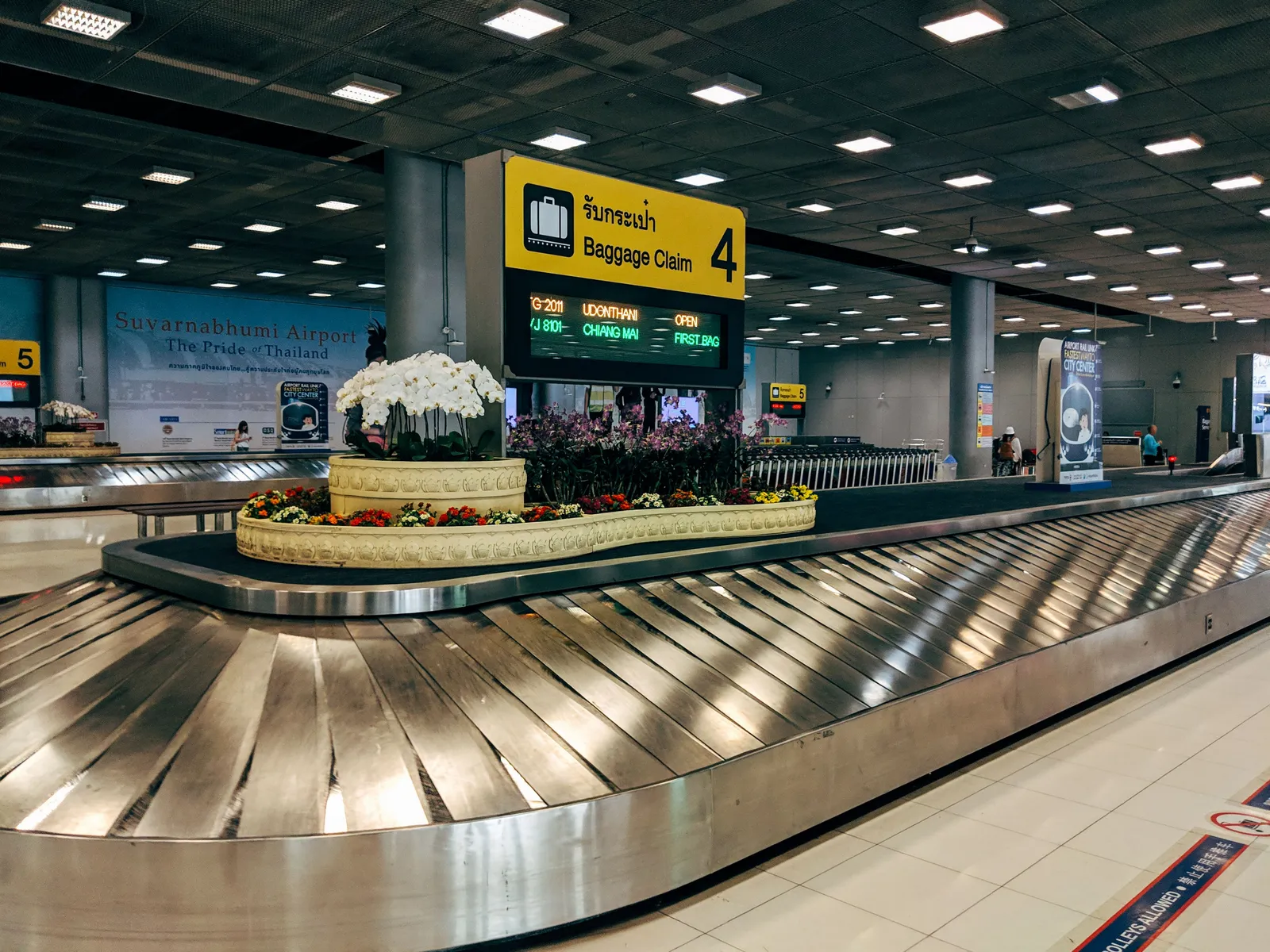
Airport counters are run by the operators themselves, open long hours, staffed by people who do this all day, and sell straightforward tourist packages bundling data for a fixed number of days. They cost slightly more than the equivalent bought elsewhere.
Operator shops and mall counters in town are cheaper and offer more package choice, at the cost of finding one and possibly a language barrier.
For most visitors the airport premium is small enough that arriving connected wins, particularly given that you will probably want a ride into the city immediately. Our guide to Bangkok airport transfers covers that leg, and having data before you leave the terminal makes it considerably simpler.
Connected before you landAn eSIM bought before departure means maps and ride apps work the moment the plane doors openeSIM against physical SIM
Both work well. The trade-off is straightforward.
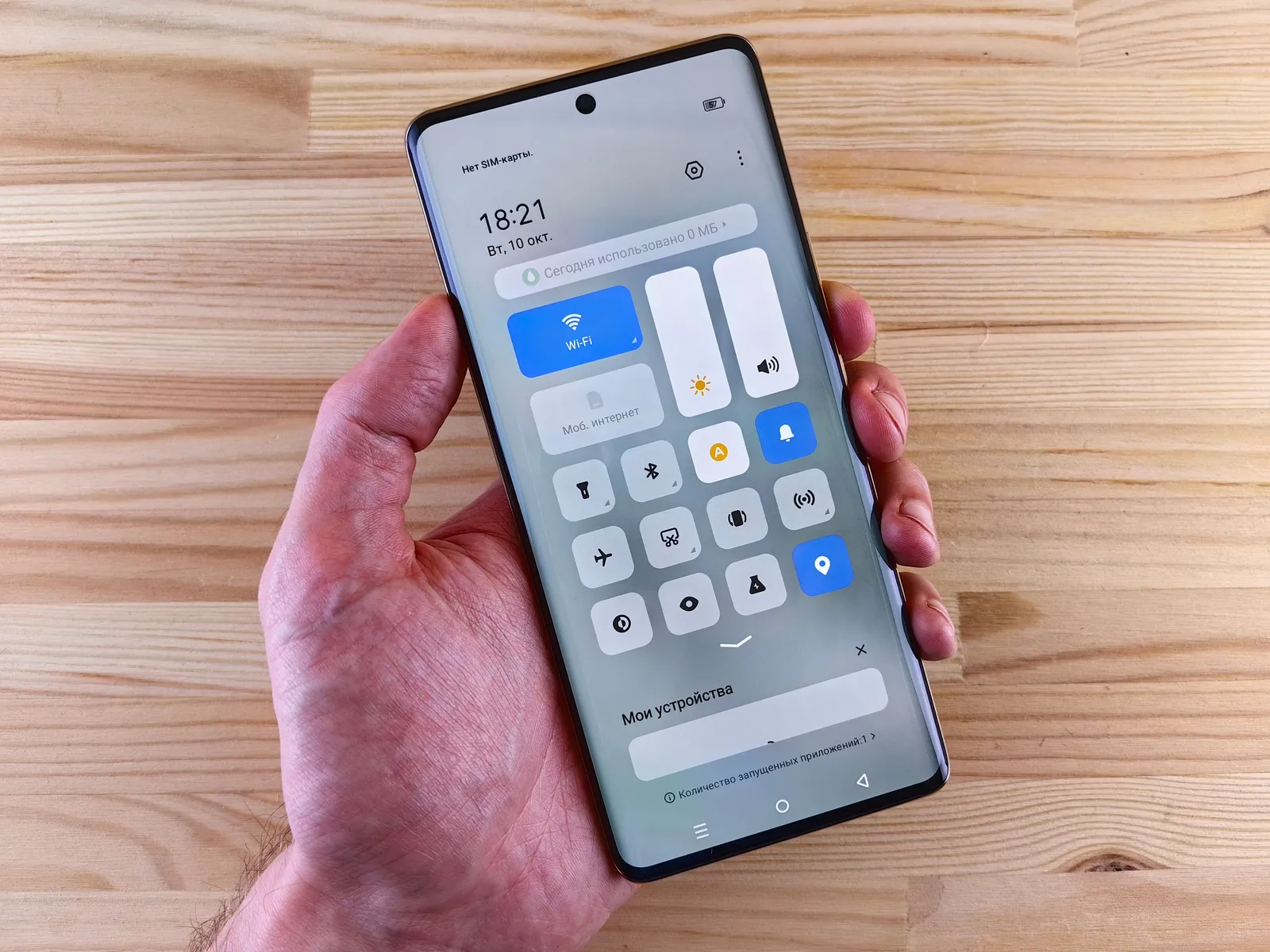
An eSIM can be bought and installed before you leave home, activates on landing, requires no counter and no fiddling with a tray and a paperclip, and leaves your home number active. It is generally slightly more expensive per gigabyte and usually does not give you a usable local phone number.
A physical SIM is normally cheaper for the same data and does give you a local number, which matters more than people expect: booking confirmations, food delivery apps, taxi drivers calling to find you, and some app registrations all work better with one.
A common and sensible arrangement is an eSIM for data with your home number left active for messages. If your phone supports it, that combination removes most of the friction.
How much data
The honest answer is that maps, messaging and ride-hailing are the main consumers on an ordinary day, and video streaming is what actually exhausts an allowance.
Tourist packages generally bundle a generous amount over a fixed number of days, and wifi is widespread in hotels, cafes, malls and airports, which absorbs a good deal of the load. Most visitors on a standard package do not run out.
If you plan to work, upload video or use your phone as a hotspot, buy accordingly rather than assuming the tourist bundle stretches.
Roaming from home
Your existing plan will connect. What it costs depends entirely on your carrier, with some including reasonable overseas allowances and others charging heavily by the megabyte.
Anyone whose plan does not include a sensible Thailand allowance is almost always better off with a local option, because the price gap is large rather than marginal. Check the specific terms before travelling, since packages that cover Europe or North America frequently do not extend to Southeast Asia on the same basis. Our guide to getting around Thailand covers how much you will lean on data-hungry ride and transport apps once you are there, which is a lot.
What you will actually use it for
Worth knowing in advance, because it shapes how much data you buy and how badly you need a local number.
Ride-hailing is the big one. The apps work well across Bangkok and the larger cities, they remove the fare negotiation that otherwise accompanies every taxi journey, and they need a working data connection at the moment you want them rather than back at the hotel.
Maps matter more here than in a gridded European city, particularly in Bangkok where the street layout, the canals and the elevated railways make walking routes non-obvious.
Translation apps carry a great deal of weight outside the main tourist areas, especially the camera function for menus and signs.
Booking confirmations by SMS are the argument for a local number. Ferries, buses, hotels and delivery services frequently text rather than email, and a driver who cannot reach you is a genuine problem at a pier or an airport.
None of that is heavy on data individually. Together they run all day, which is why a modest package that assumes occasional use tends to fall short and a standard tourist bundle usually does not.