Thailand is bigger than it looks on a map, but getting around is one of the great joys of travelling here: cheap, frequent, and full of character, from sleeper trains to longtail boats. The key is picking the right mode for each leg, so you spend your holiday on beaches and in temples rather than stuck in traffic or on the wrong bus. Here is how the country moves.
Domestic flights: the great time-saver
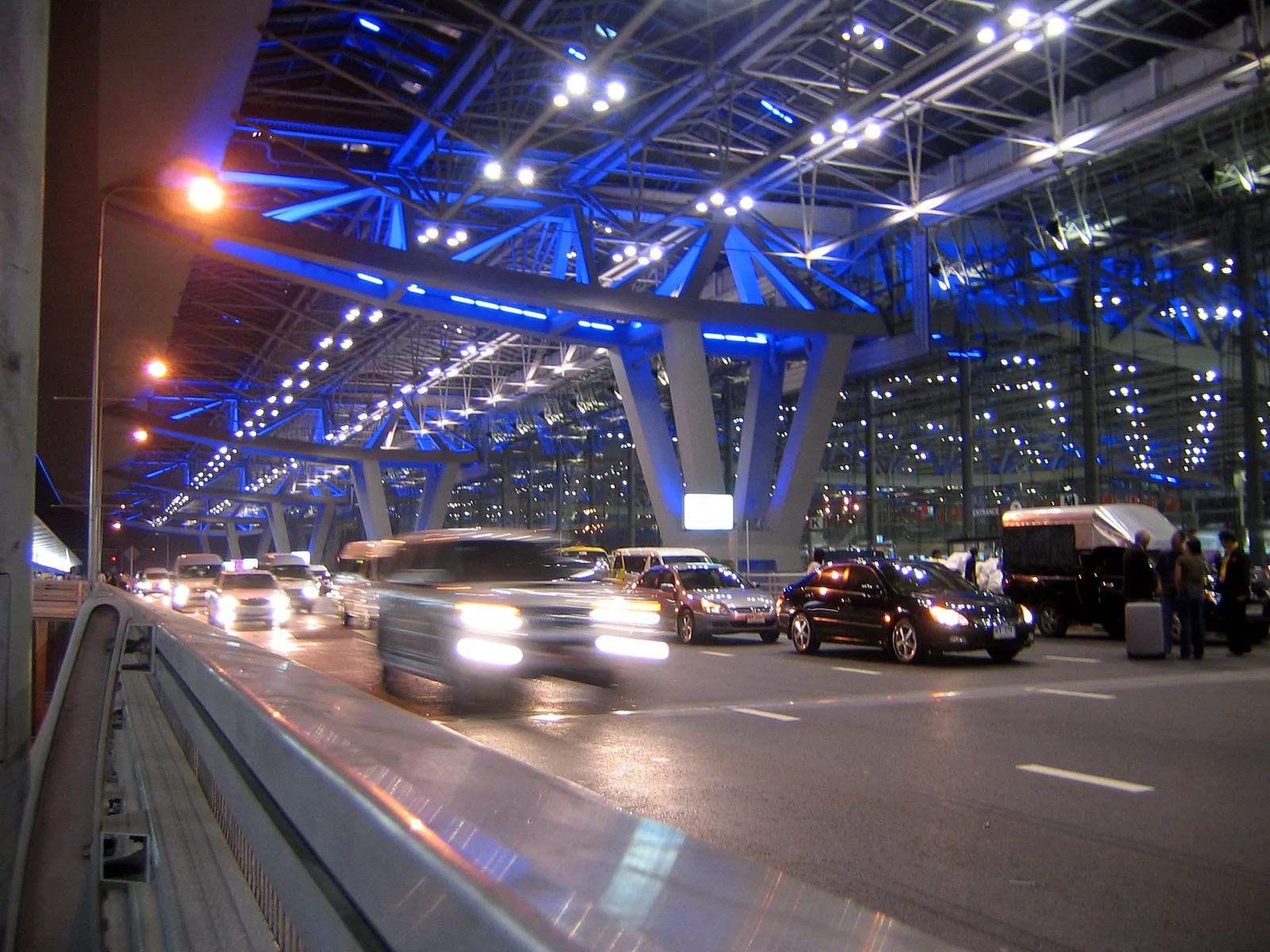
For the long hauls, fly. Thailand has a busy, competitive network of budget airlines, and routes like Bangkok to Chiang Mai or Bangkok to Phuket can be startlingly cheap when booked a few weeks ahead, often turning an overnight journey into a one-hour hop. This is the single best way to stitch together distant regions on a short trip. Book early for the best fares, travel with hand luggage where you can, and double-check which of Bangkok’s two airports you are flying from.
Trains: slow, scenic and characterful
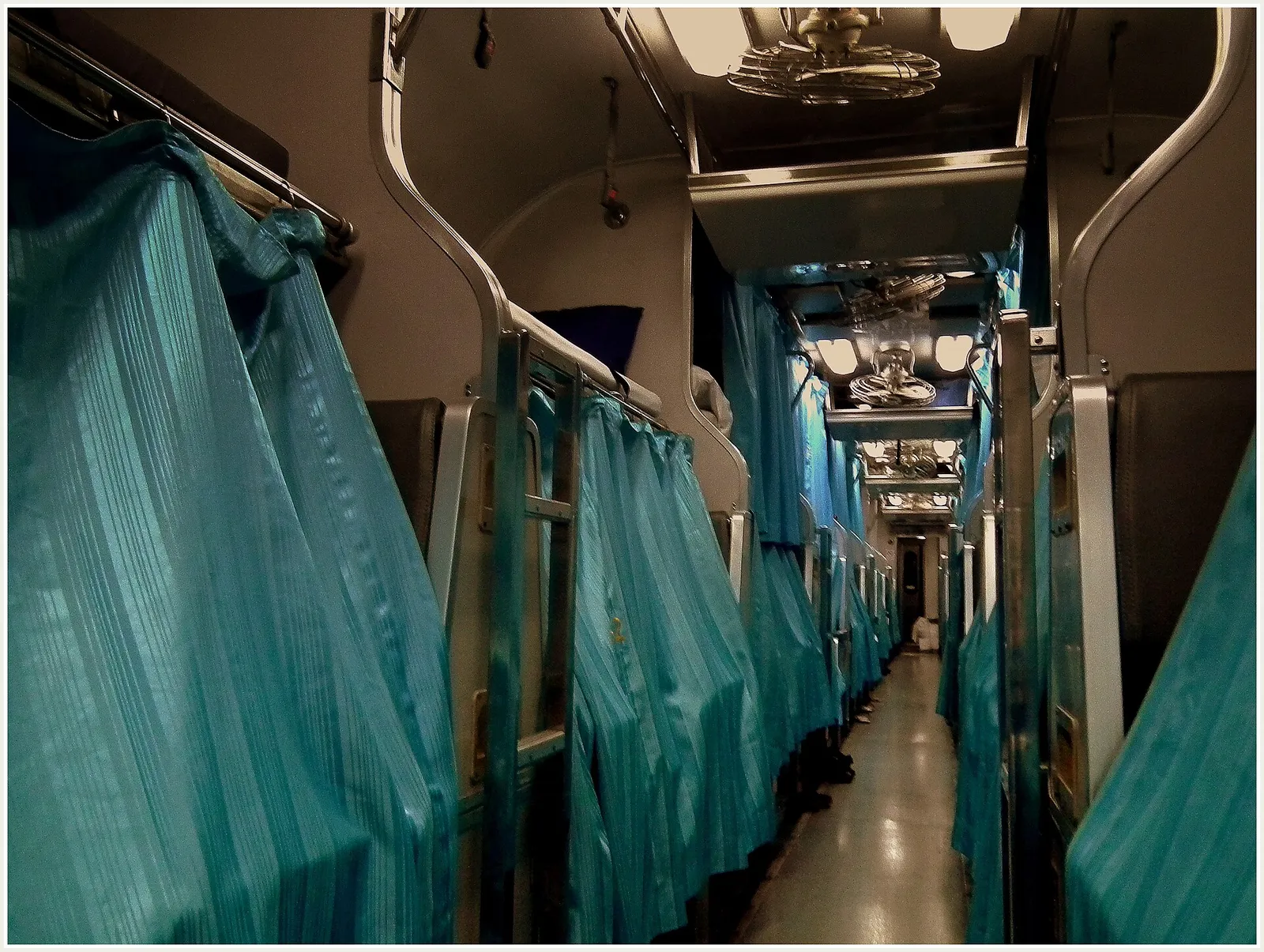
Thailand’s railways are a pleasure if you have the time. The overnight sleeper from Bangkok to Chiang Mai is a classic, a comfortable, sociable way to travel that saves a night’s accommodation and delivers you rested at dawn. Day trains south trundle past rice fields, coconut groves and coastline. Trains are cheap, safe and a genuine part of the adventure, just not the fastest option, so use them when the journey is part of the point.
Buses and minivans: everywhere, cheaply
Where trains do not reach, buses and minivans do, connecting virtually every town in the country. Long-distance VIP coaches are surprisingly plush, with reclining seats and air-con, while local minivans are the workhorses for shorter hops between towns and to ferry piers. They are inexpensive and frequent. Buy tickets at bus stations or through your guesthouse, keep your bag close, and bring a layer, as the air-con can be arctic.
Ferries: your key to the islands
Every island trip involves the water. Ferries and speedboats link the mainland piers to the islands and connect the islands to each other, so hopping around a coast is easy once you arrive. Journeys are often bundled as a combined bus-plus-boat ticket from your hotel. Book a little ahead in high season, note the last-boat times so you do not get stranded, and expect the odd short wade onto the sand. Which islands to aim for is covered in our islands guide.
Let a day tour handle the logisticsSome island and mountain days are simply easier with the transport sortedCity transport: Grab, BTS and tuk-tuks
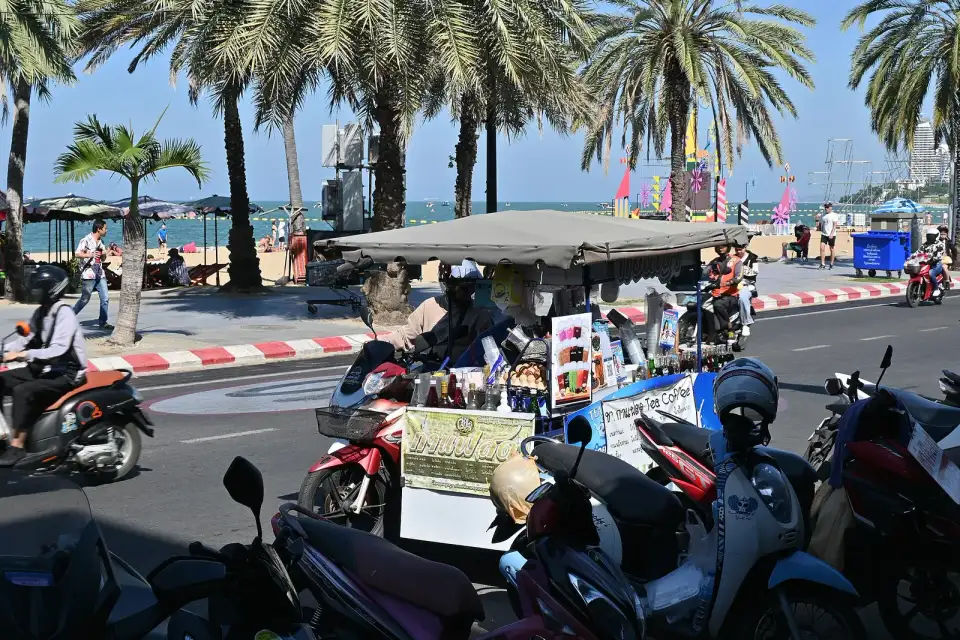
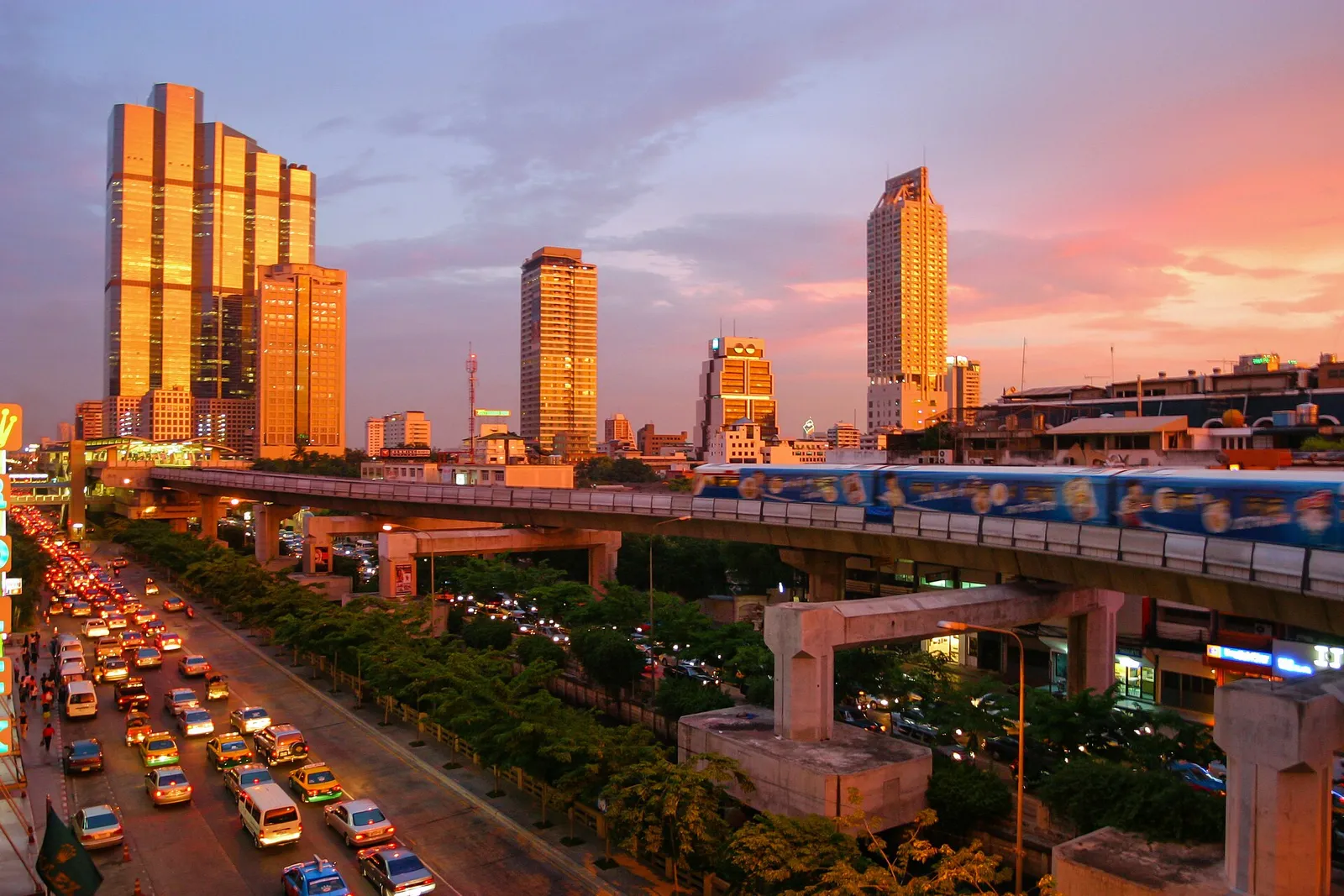
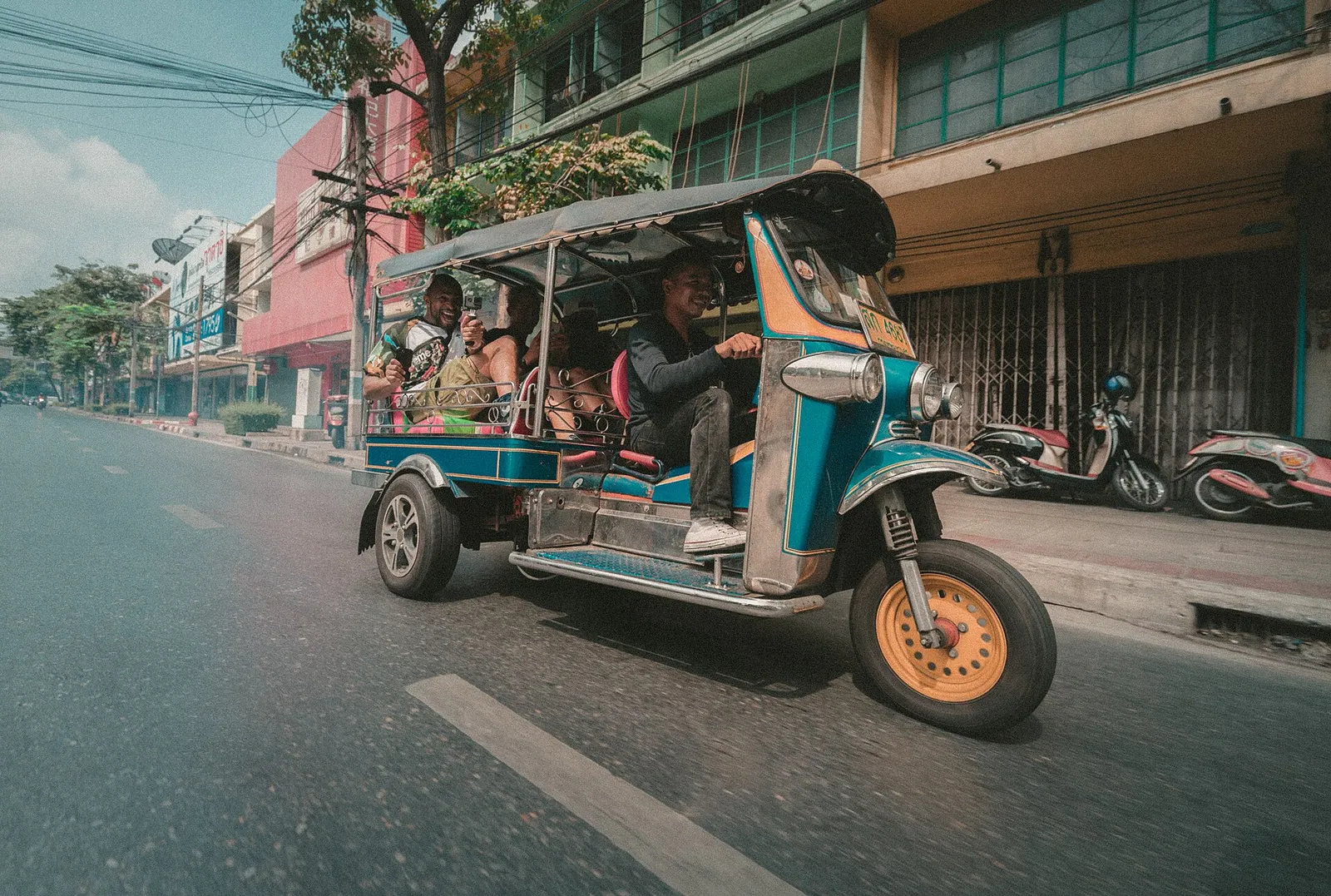
In the cities, skip the haggling. The Grab app gives you metered, upfront pricing for cars across Bangkok, Chiang Mai, Phuket and beyond, and it is the easiest, least stressful way to get around. In Bangkok, the BTS Skytrain and MRT metro are fast, cheap and cut straight through the traffic, so base yourself near a station. Keep the tuk-tuk for one short, fun ride, agreeing the fare before you climb in, and enjoy the river boats in Bangkok for a scenic, cheap commute.
Scooters and self-drive
A scooter is cheap freedom on quiet islands and in the northern hills, and for many travellers it is a highlight. It is also the biggest cause of tourist injuries in Thailand, so ride only if you are experienced, always wear a helmet, and confirm your insurance covers two wheels.
Get the licence question right before you rent anything, because it decides whether an accident is an inconvenience or a catastrophe. Thai law requires foreign drivers and riders to carry an International Driving Permit together with their own national licence. Thailand recognises permits issued under both the 1949 Geneva and the 1968 Vienna conventions, so whichever version your country issues will be accepted, but two things trip people up: an IDP has to be obtained at home before you travel, and it only carries across the categories already on your licence, so a car-only licence does not become a motorcycle licence just because you bought an IDP. Renting a 125cc scooter without a motorcycle entitlement is the single most common reason insurers refuse claims here.
Car rental is worth it for exploring the north or Isan at your own pace, with driving on the left and generally decent roads, and the same IDP rule applies. In cities, though, leave the driving to Grab.
The short version
Fly the long legs to save days, take a sleeper train once for the romance of it, and lean on cheap buses and minivans in between. Reach the islands by ferry, booking ahead in high season, and in the cities use Grab and the Bangkok Skytrain to dodge the traffic. Ride a scooter only if you truly know how, with a helmet and the right insurance. Get the modes right and Thailand becomes an easy, affordable country to roam.