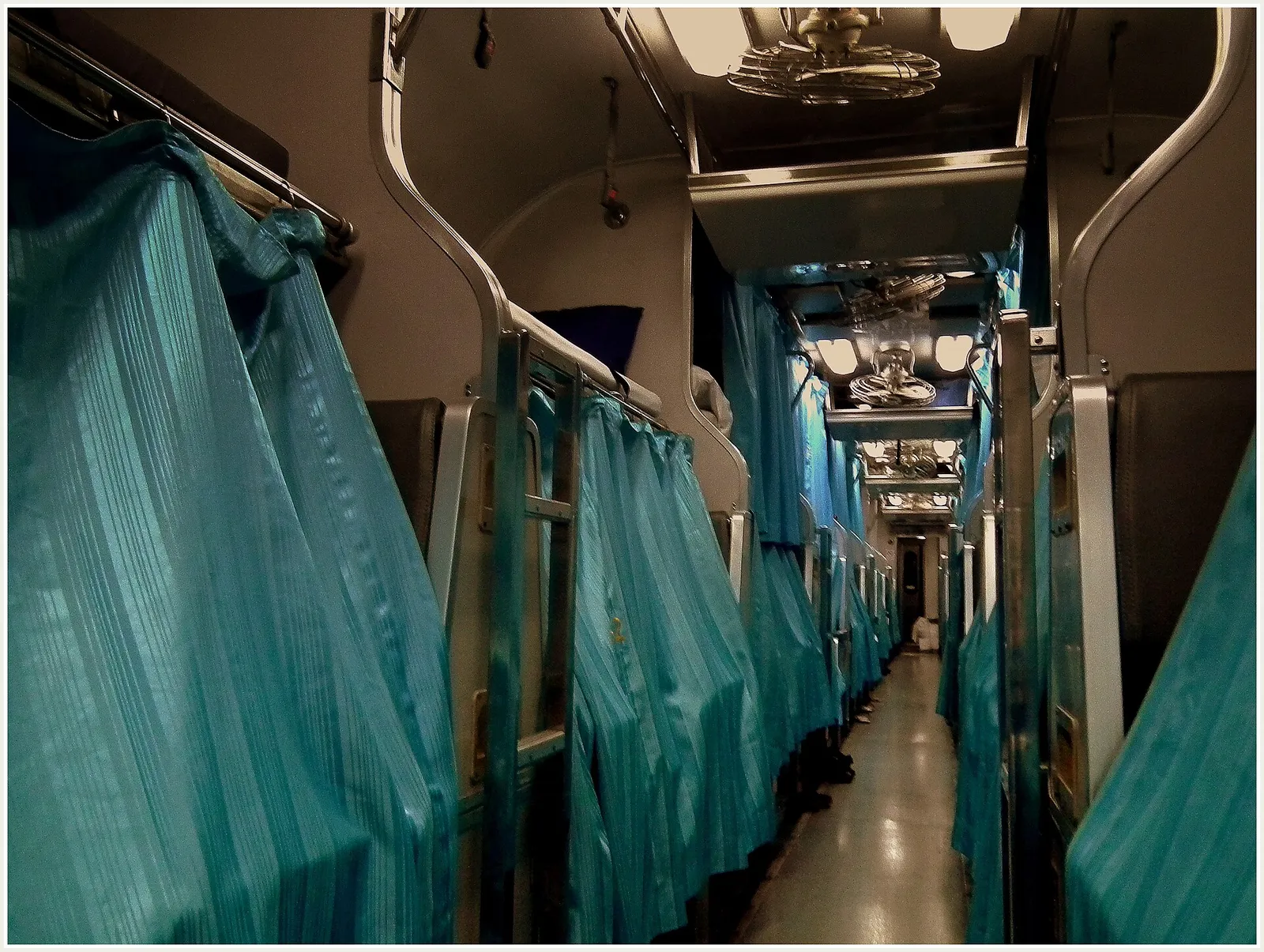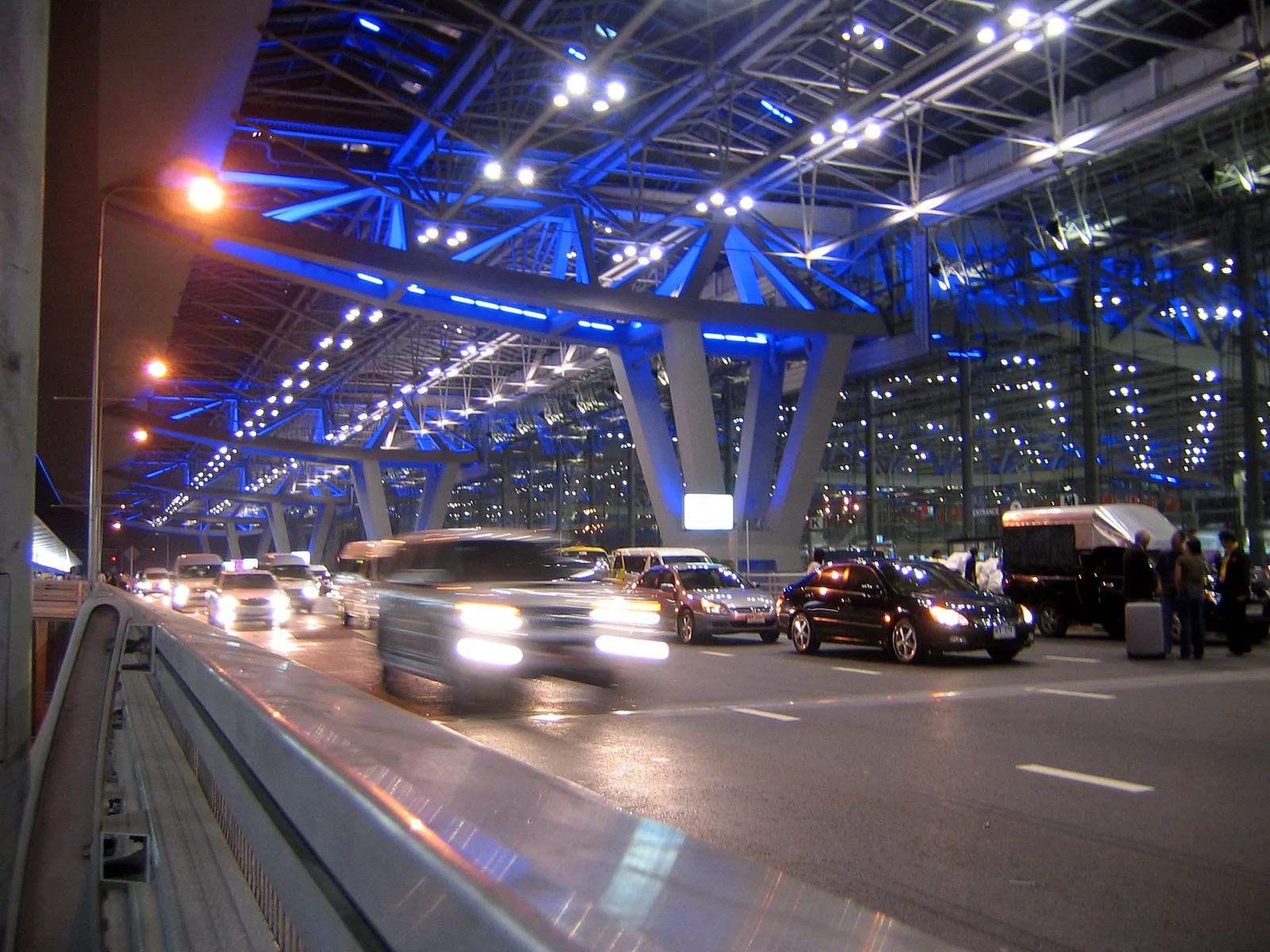
You have survived the long-haul flight, cleared immigration, and now you are standing in an enormous terminal wondering how the last 30 kilometres to your hotel work. Good news: Bangkok’s airport connections are cheap, plentiful and easier than they look, once you know two things. First, Bangkok has two airports, and they are nowhere near each other. Second, every option from a US$1.30 train to a door-to-door taxi is laid out below.
Two airports: know which one you are using
Suvarnabhumi (BKK) sits about 30km east of central Bangkok and is the main international gateway, a vast, glassy hub where most long-haul flights land. Don Mueang (DMK), about 25km north, is one of the world’s busiest low-cost airports, home to AirAsia, Nok Air and Thai Lion Air among others.
This matters most when you have a domestic connection: landing at BKK from abroad and flying to the islands from DMK means a cross-city transfer through traffic. When booking domestic flights, check the airport code first, and where you can, keep both flights at the same airport. Both airports run 24 hours, and both have every option below in some form.
Your options at a glance
| Option | Route | Time | Cost |
|---|---|---|---|
| Airport Rail Link | BKK to Phaya Thai (BTS) | 26 min | 45 baht (about US$1.30) |
| Metered taxi | BKK to central Bangkok | 40 to 70 min | 300 to 500 baht (about US$9 to 15) |
| Grab (app) | Either airport, door to door | Same as taxi | Slightly above metered taxi |
| A1/A2 bus | DMK to BTS Mo Chit / MRT Chatuchak | 20 to 40 min | 30 baht (under US$1) |
| SRT Red Line | DMK to Bang Sue (MRT) | 15 to 20 min | 25 to 33 baht (about US$1) |
| Inter-airport shuttle | BKK to DMK | 50 to 90 min | Free with same-day boarding pass |
Times swing with Bangkok’s traffic; rail options are immune to it.
The Airport Rail Link: fastest baht you will ever spend
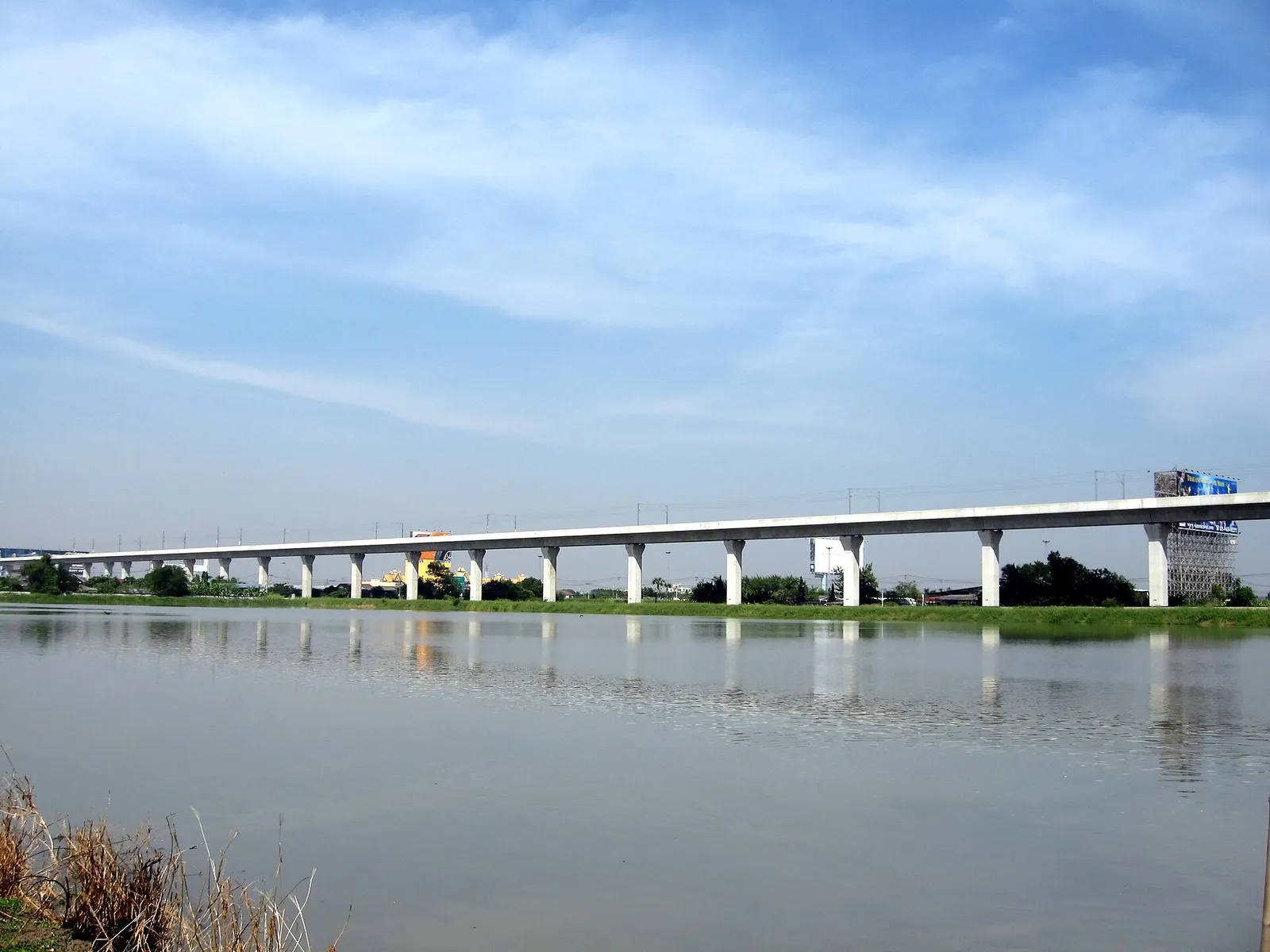
From Suvarnabhumi, the Airport Rail Link (ARL) is the traffic-proof choice. Follow the signs down to the basement level, buy a token from the machines (cash or card), and ride the City Line to Phaya Thai, the end of the line, in about 26 minutes for a maximum of 45 baht, about US$1.30. Trains run roughly every 10 to 15 minutes from about 5:30am until midnight.
At Phaya Thai you step almost directly onto the BTS Skytrain, which serves the Sukhumvit hotel corridor; the earlier stop, Makkasan, links by walkway to the MRT metro at Phetchaburi for hotels on that line. The one drawback is the last kilometre: with big luggage in the heat, you may want a short taxi or Grab hop from the station to your door. If your hotel sits near a BTS or MRT station, which our Bangkok guide recommends anyway, the train is unbeatable.
Metered taxis: the door-to-door classic
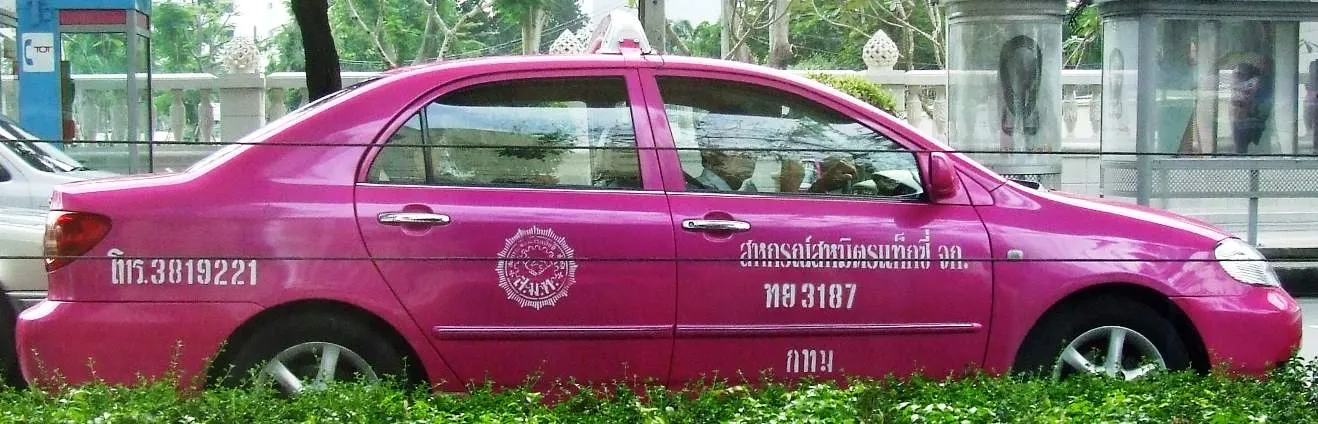
At Suvarnabhumi, ignore anyone inside the terminal offering a “taxi” and head to level 1 for the official public taxi queue: take a ticket from the kiosk, note your lane number, and meet your driver. The fare is the meter plus a 50 baht airport surcharge and tolls of about 75 baht if you take the expressway, and you should, because it saves half an hour. All in, central Bangkok runs 300 to 500 baht, about US$9 to 15, over 40 to 70 minutes depending on traffic.
Two rules keep it honest: insist on the meter (“meter, please” works fine), and have smallish notes ready, as drivers rarely change a 1,000. Don Mueang’s official taxi rank works the same way with the same surcharge. Late at night, taxis are the practical option, and the roads are gloriously empty.
Grab: the no-negotiation option
Grab, Southeast Asia’s ride-hailing app, works at both airports with designated pickup points that the app walks you through. The fare is fixed on screen before you book, typically a touch above a well-behaved metered taxi, and you can pay by card in the app, which means no cash, no meter games and no destination haggling. Download the app and register your card before you fly, since doing it on arrival airport Wi-Fi is nobody’s idea of fun. For families with luggage or anyone landing tired, this is the lowest-stress door-to-door choice, and it is how you will likely move around the city anyway; see our getting around guide.
Buses and the Red Line from Don Mueang
Don Mueang’s budget champions are the A1 and A2 buses, leaving from outside arrivals every few minutes: the A1 runs to BTS Mo Chit, the A2 continues to the Victory Monument area, both for around 30 baht, under a dollar, in 20 to 40 minutes. From Mo Chit the Skytrain takes you anywhere on the network.
Quieter and traffic-proof, the SRT Dark Red commuter line stops at Don Mueang station, reached by a walkway from the terminal, and glides to Krung Thep Aphiwat (Bang Sue) terminal in about 15 to 20 minutes for 25 to 33 baht, connecting there to the MRT metro. Suvarnabhumi also has public S1 buses to the Khao San Road area for backpackers, though the train beats them in almost every case.
Transferring between BKK and DMK
Booked a cheap island flight from the “other” airport? A dedicated shuttle bus links Suvarnabhumi and Don Mueang, taking 50 to 90 minutes depending on traffic, and passengers showing a same-day onward boarding pass have historically ridden free. A taxi between the airports costs roughly 400 to 600 baht and takes similar time. Whichever you choose, respect Bangkok traffic: leave at least four hours between flights at different airports, and more if your transfer lands in the late-afternoon rush. If your connection is tight, rebooking the domestic leg from the same airport is worth a few dollars; more first-arrival wisdom is in our first-timer’s guide.
The short version
From Suvarnabhumi, take the Airport Rail Link for speed and pennies if your hotel is near the BTS, or the official level 1 metered taxi queue (meter plus 50 baht plus tolls, about US$9 to 15) for door-to-door ease; Grab does the same with app-fixed fares. From Don Mueang, the A1/A2 buses and the SRT Red Line are absurdly cheap, and taxis follow the same rules. Keep four hours for any BKK-DMK connection, insist on the meter, and you will be checked in and eating street food within the hour.