Thailand is one of the easiest countries in Asia to fall for and one of the easiest to over-plan. You could land with nothing booked and still have a wonderful trip, but a handful of decisions made before you fly, when to go, how to move between regions, where to base yourself, will turn a good first visit into a great one. This is the guide we wish someone had handed us the first time, wherever you are flying from.
When to go
Thailand has three broad seasons, and they matter more here than the calendar suggests. The cool, dry season runs roughly November to February and is the sweet spot: warm days, low humidity, and blue skies almost everywhere. This is peak season for good reason, so book ahead. March to May is hot, genuinely hot, with April the peak and the wild water fights of Songkran mid-month. The green season, roughly June to October, brings the monsoon, usually as short heavy downpours rather than all-day rain, along with lower prices and lush landscapes.
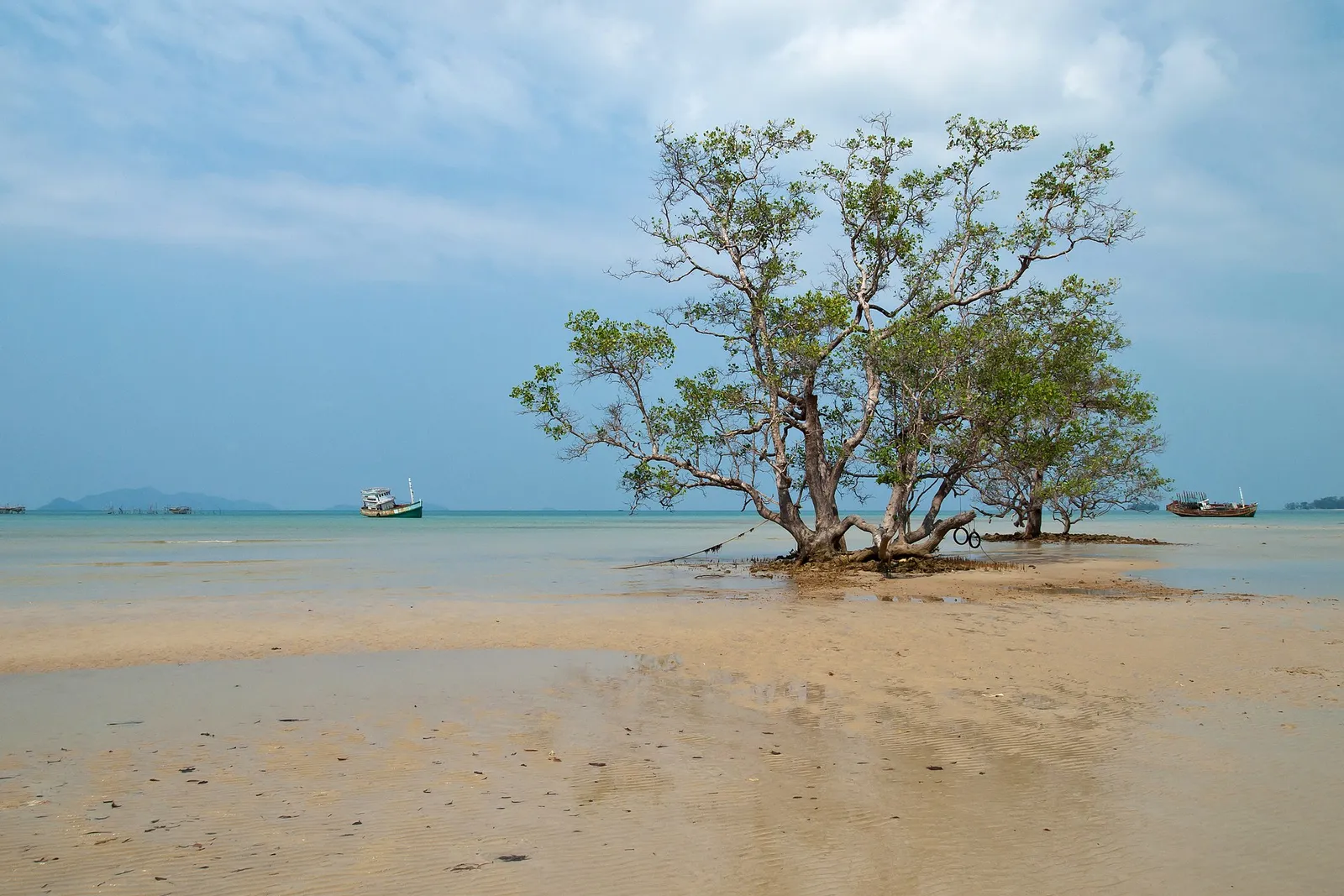
One quirk to remember: the two island coasts run on opposite clocks. The Andaman side near Phuket and Krabi is best roughly November to April, while the Gulf side near Koh Samui often shines January to August. More on that in our best time to visit guide.
The visa, in one paragraph
US, UK, Irish, EU, Canadian, Australian, New Zealand and South African visitors all currently receive a visa exemption on arrival, worth up to 60 days at the time of writing. A reduction to 30 days has been approved by the Thai cabinet and will apply once it is formally published, so the stamp you get depends on when you arrive. Check the current rule for your passport shortly before you travel rather than trusting an old blog, and do not build a two-month trip around the longer allowance. You also need to fill in the free TDAC arrival card online in the three days before you land, as our visa and entry guide explains. Have proof of onward travel handy, keep at least six months of passport validity, and you are set.
Where to base yourself
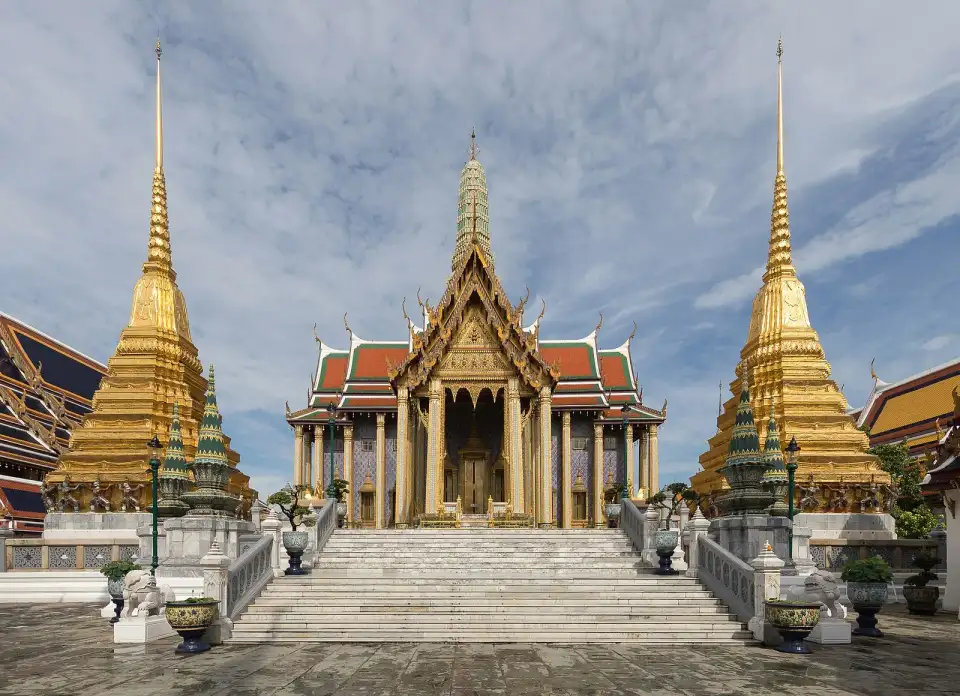
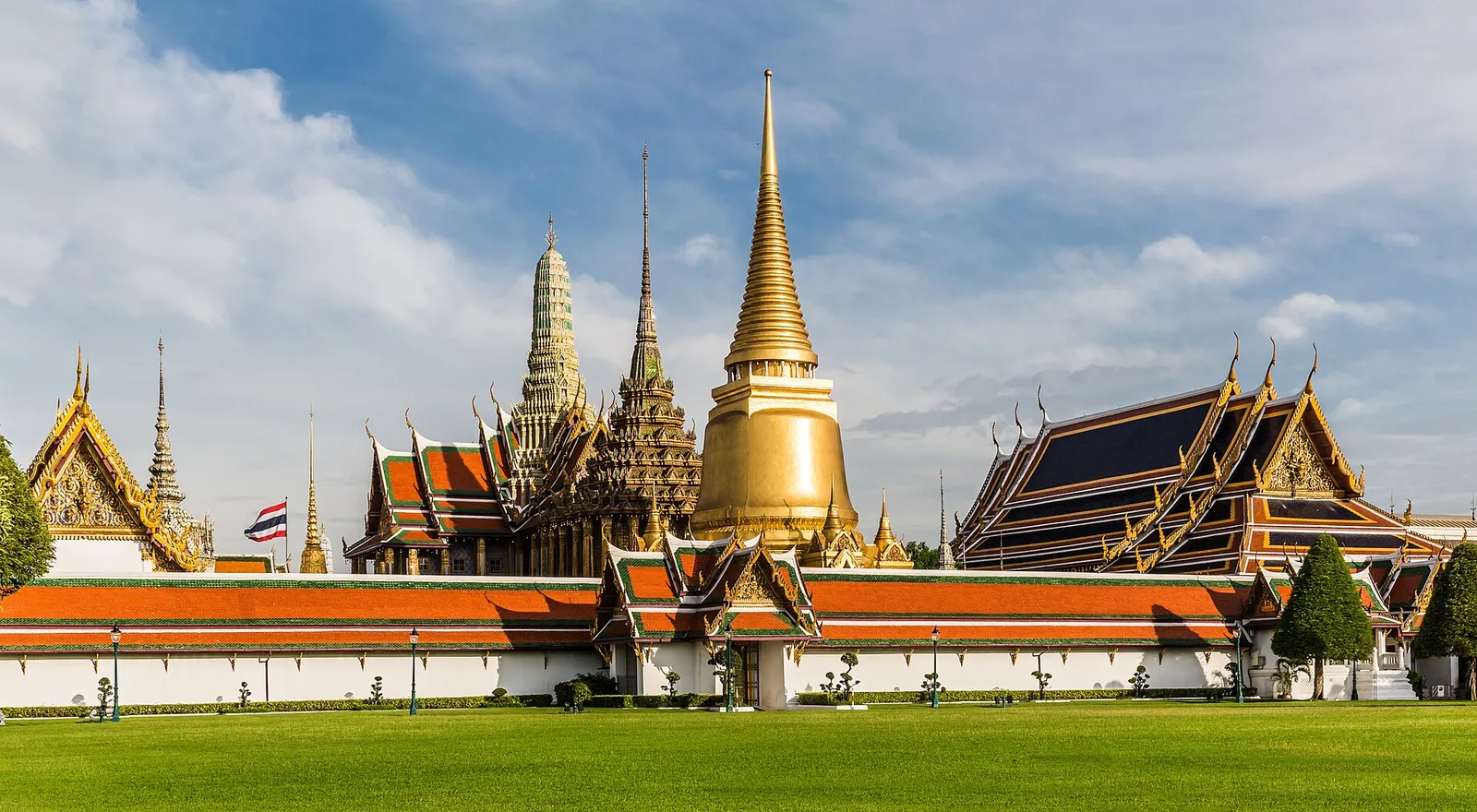
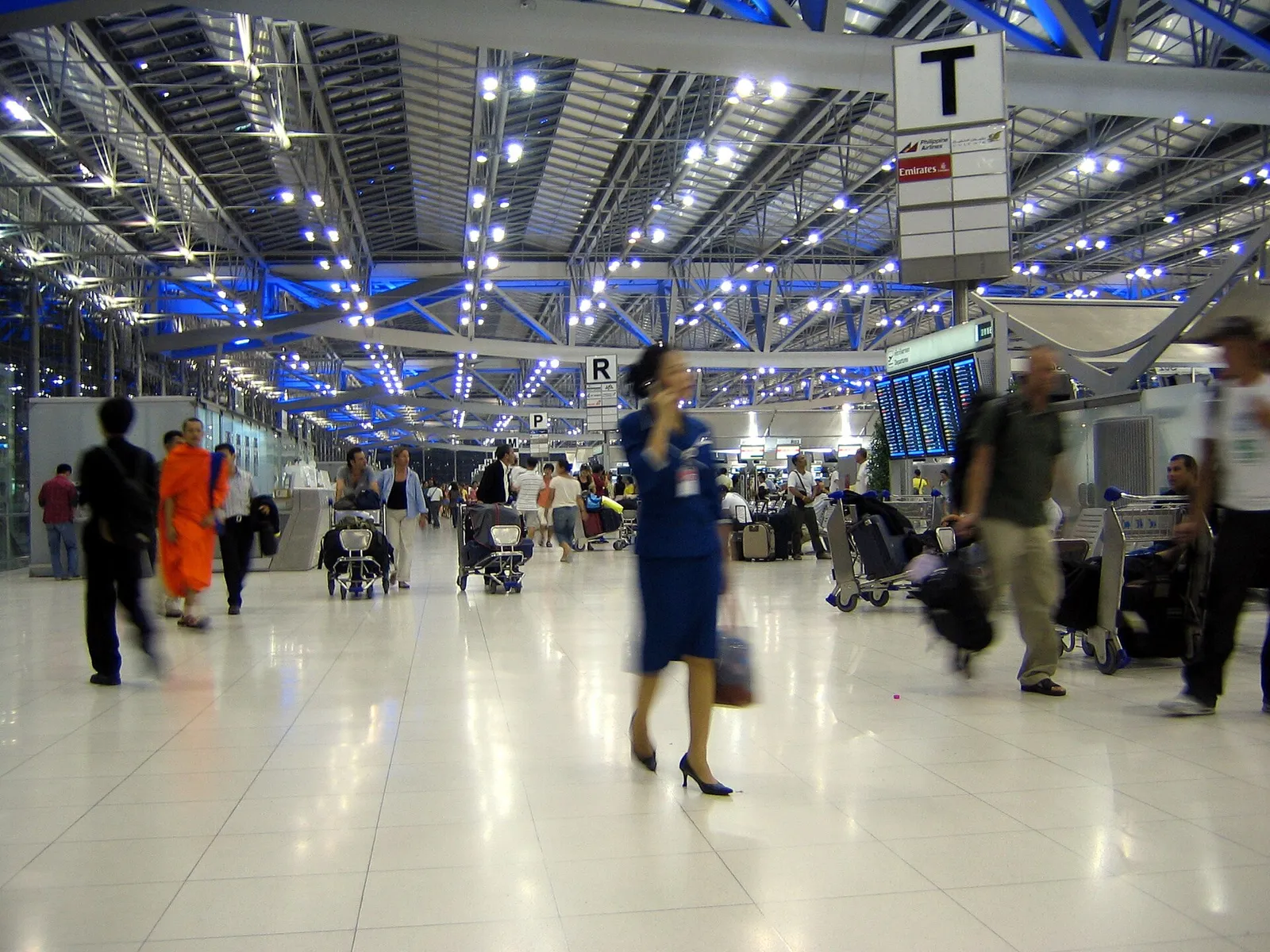
Thailand is really three trips in one, and picking your regions beats trying to see everything. Bangkok is the electric, temple-and-street-food capital and the country’s main gateway, worth two or three nights at least. Chiang Mai and the north offer cooler air, old-city temples, mountains and ethical elephant experiences. The southern islands and beaches are where you slow down, whether that is the buzzy Andaman coast or the calmer Gulf.
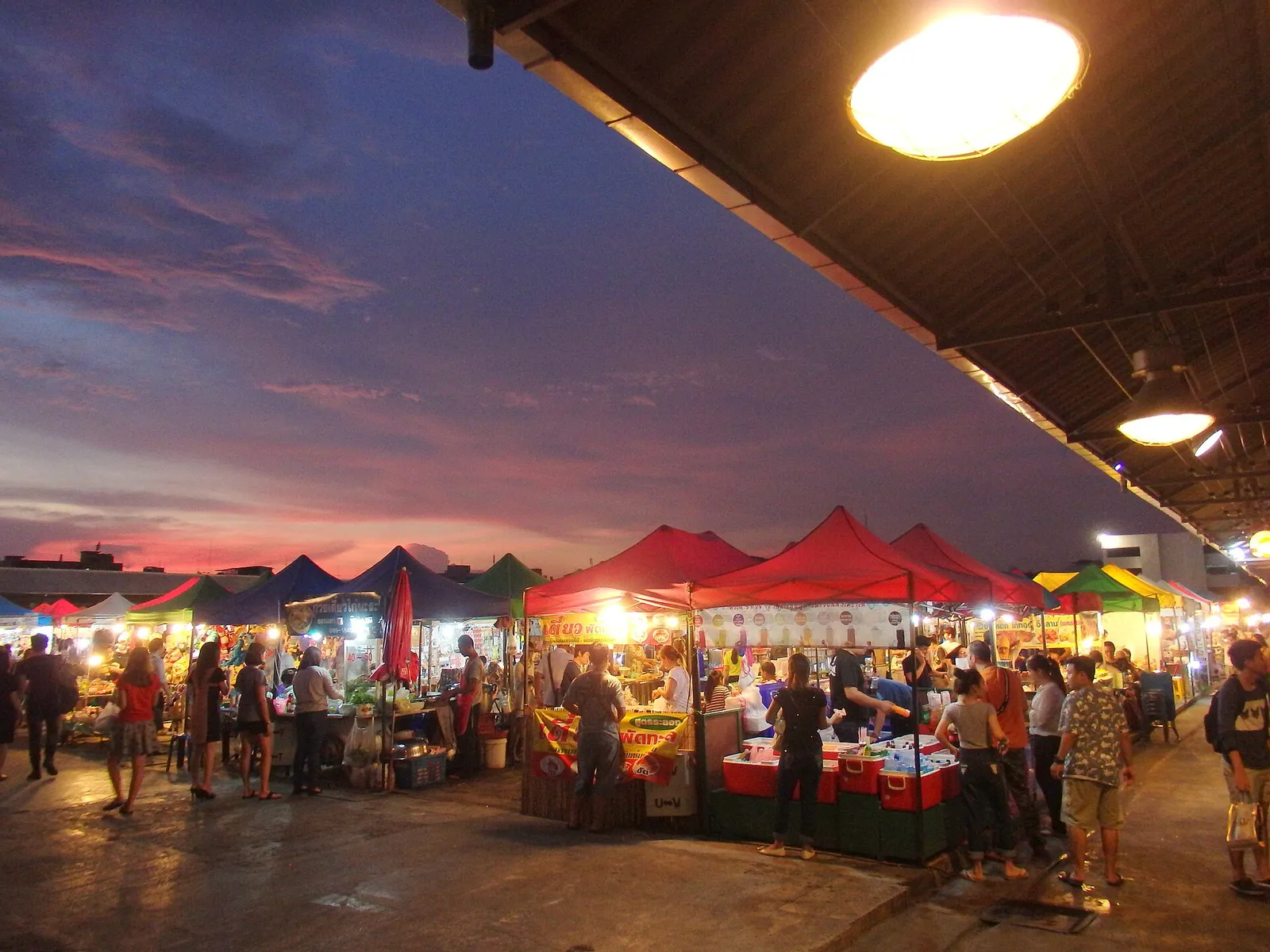
A classic first two weeks looks like a few nights in Bangkok, a few in Chiang Mai, then a beach finale on an island. Read the Bangkok guide and the islands comparison to shape yours.
Getting around
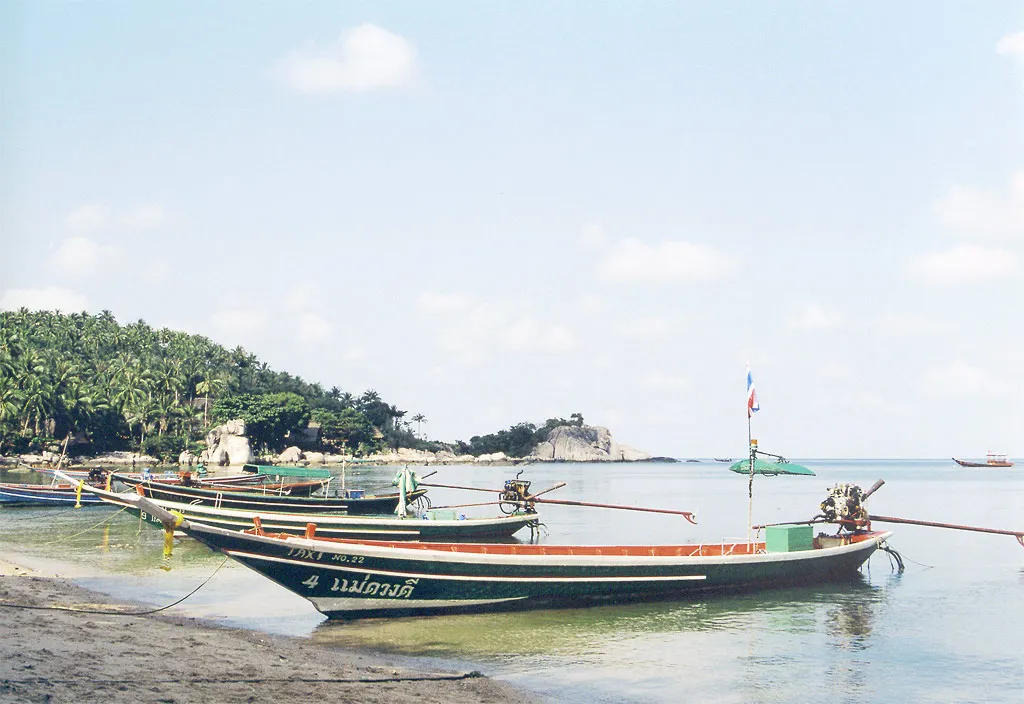
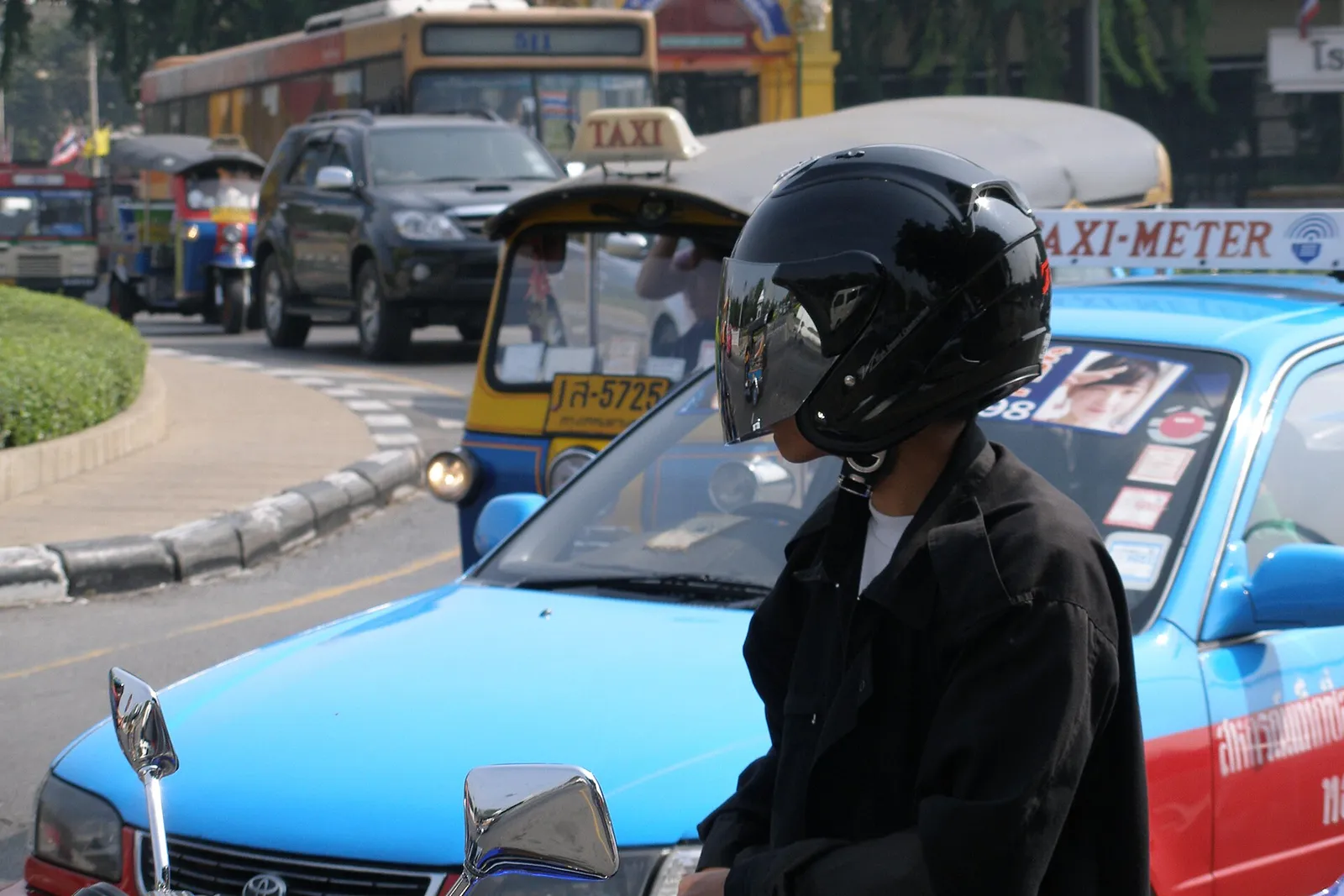
Distances are long, but the transport is cheap and easy. Domestic flights are the time-saver for hops like Bangkok to Chiang Mai or the south, often startlingly affordable if booked ahead. Trains and buses are comfortable for slower, scenic travel, and ferries connect the islands. In cities, use the Grab app for taxis and the BTS Skytrain and MRT in Bangkok, and enjoy a short tuk-tuk ride once for the fun of it, agreeing the fare first. Our getting around guide breaks it all down.
Book the big days out before you landSanctuary mornings and island boat trips sell out fast in high seasonWhat to book ahead, and what to leave loose
Book your first two nights so you land somewhere sorted, your internal flights while they are cheap, your headline experiences with limited spots, and an eSIM so you have data the moment you switch on your phone. Almost everything else, restaurants, massages, extra tours, local transport, is cheap and abundant on the ground, so resist the urge to lock down every hour. Thailand rewards a loose plan.
Temple etiquette and small courtesies
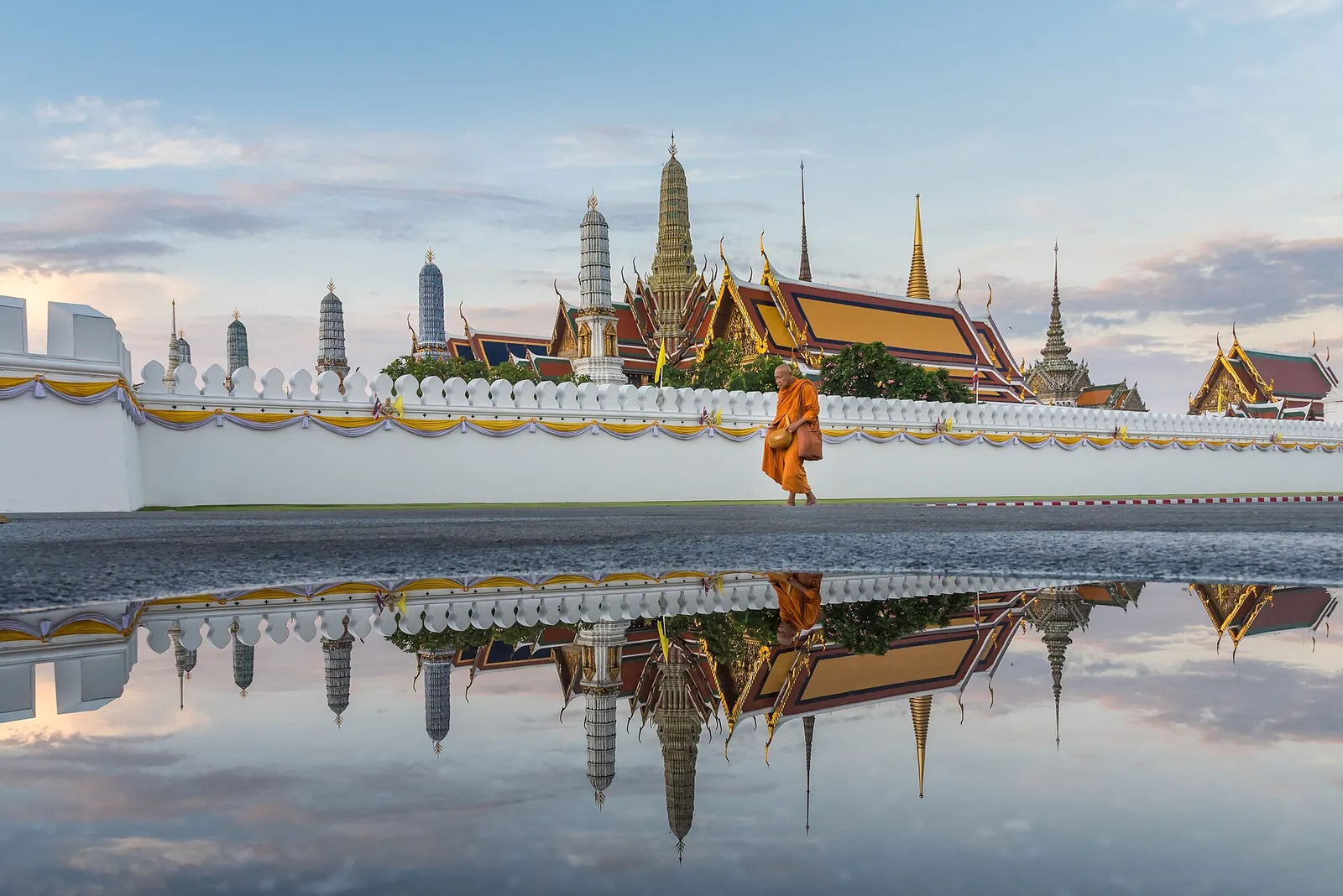
Thailand is deeply Buddhist, and its temples are living places of worship. Cover your shoulders and knees, remove your shoes where indicated, and never point your feet at a Buddha image or turn your back to one for a photo. Treat all images of the King and the royal family with respect, this is taken very seriously. Keep your voice down, keep your temper cooler still, and you will be welcomed warmly everywhere.
Money, water and staying well
The currency is the Thai baht (THB). Rates move, so check a converter shortly before you go rather than relying on a figure in an old article. Cards work at hotels, malls and bigger restaurants, but carry cash for street food, markets and tuk-tuks. Use ATMs attached to real banks and expect a small withdrawal fee. Do not drink the tap water: stick to sealed bottled or filtered water, which is cheap and everywhere. Pack sunscreen, mosquito repellent and any regular medicines, and take out travel insurance, especially if you plan to rent a scooter, as many standard policies exclude two wheels. If you intend to ride or drive at all, bring an International Driving Permit from home along with your own licence, because Thai law requires it and your insurer will ask.
The short version
Go in the cool season if you can, split your trip between Bangkok, the north and an island rather than cramming, book internal flights and headline days early, sort an eSIM before you land, respect the temples and the royal family, and carry cash for the small stuff. Do that, and your first Thailand trip will feel less like a logistics puzzle and more like the start of a long friendship with the country.