There is no single best time to visit Thailand, only the best time for your trip, and getting it right is one of the most important decisions you will make. The country runs on three broad seasons, the weather shifts between the two coasts, and a few unforgettable festivals can shape your whole visit. Here is how to read the calendar and pick your perfect dates.
The three seasons
Forget four seasons. Thailand has three, and they define the experience.
The cool, dry season, November to February, is the golden window: warm days, low humidity, blue skies almost everywhere, and the most reliable weather nationwide. This is peak season, so expect higher prices and busier sights, but for first-timers it is hard to beat.
The hot season, March to May, turns up the heat, with April the fiercest and most humid. It is still a fine time for the beaches if you handle heat well, and it holds the joyous chaos of Songkran.
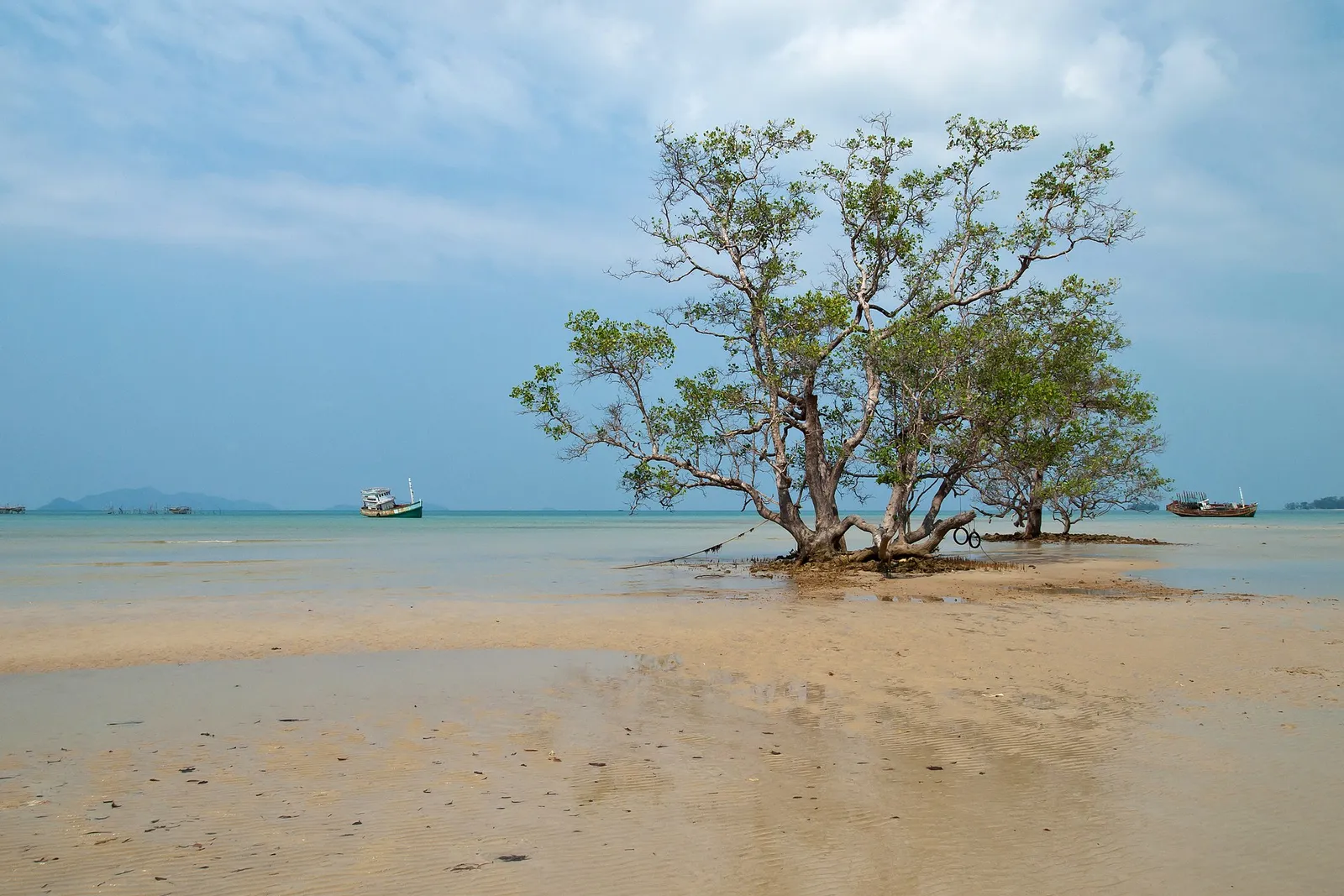
The green season, June to October, is the monsoon, though not the washout many imagine. Rain tends to arrive in short, heavy bursts that clear fast, leaving lush scenery, thinner crowds and softer prices. Pack a light rain jacket and stay flexible, and it can be a lovely, affordable time to travel.
The monsoon by coast
Here is the detail that trips up so many first-timers: the two island coasts have different rainy seasons, so the “wrong” month for one can be perfect for the other. Choosing the right coast for your dates is covered in depth in our islands guide.
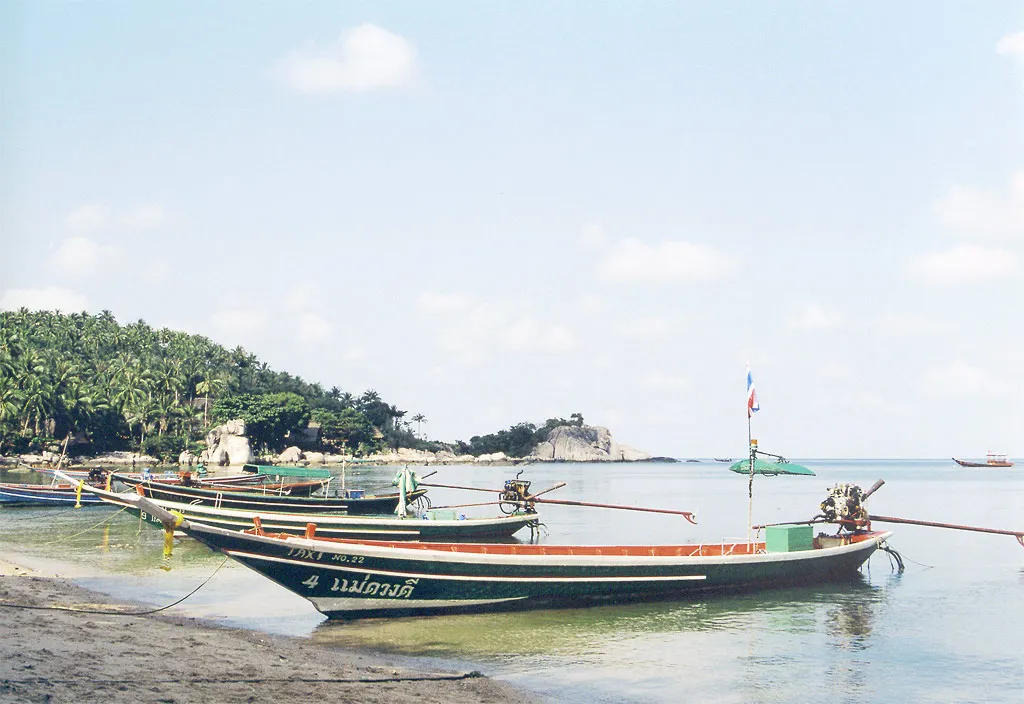
The Andaman coast (Phuket, Krabi, Phi Phi) is at its best roughly November to April, with calm, clear water, and gets its heaviest rain around May to October. The Gulf coast (Koh Samui, Phangan, Tao) runs on a different clock, often enjoying good weather January to August and seeing its wettest spell later, around October to December. Always match the coast to your travel dates, not the other way around.
Region by region
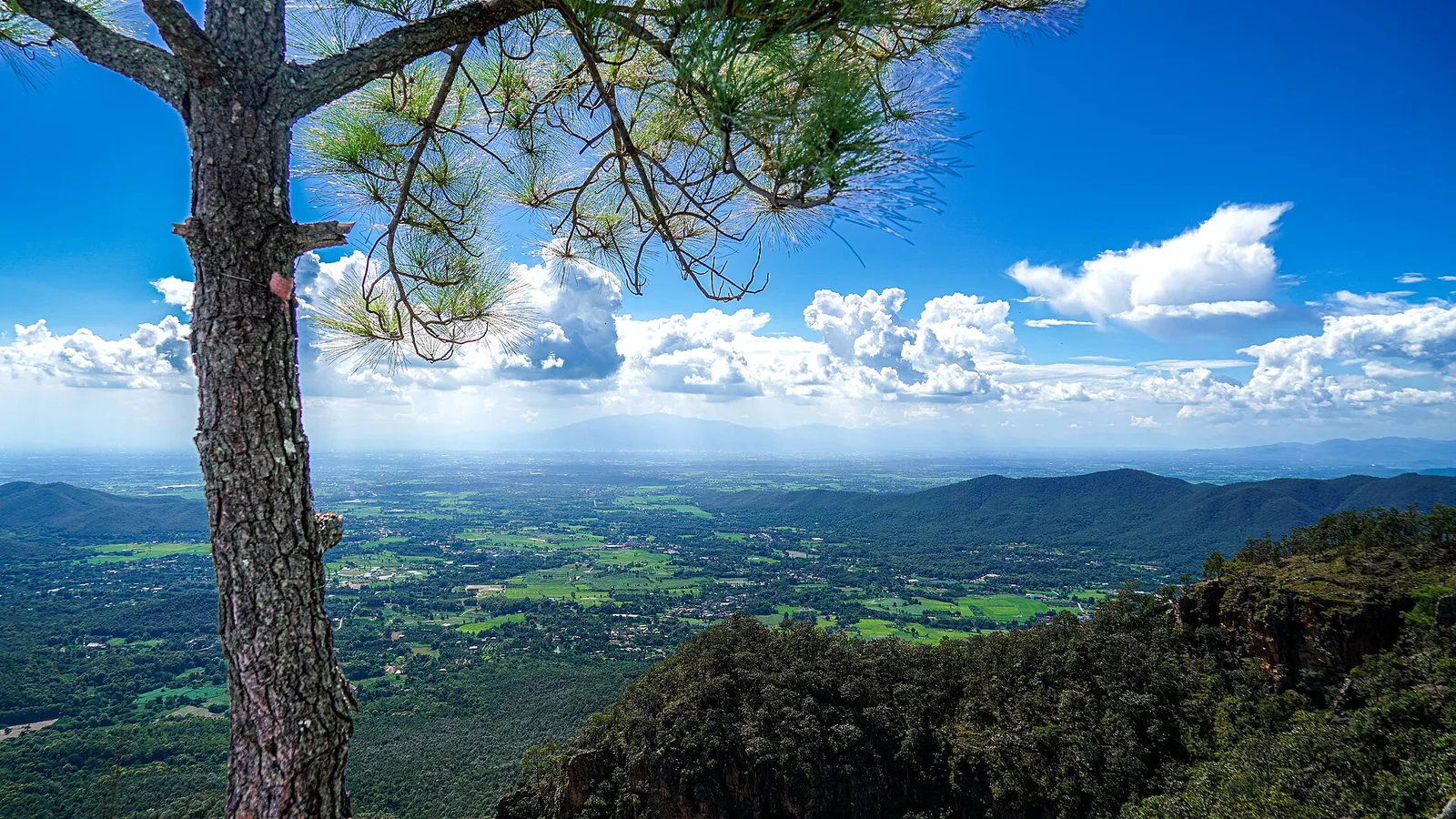
The north around Chiang Mai is loveliest in the cool season, November to February, when the mountains are clear and the lantern festivals glow. Try to avoid roughly late February to April, the northern burning season, when farm smoke can haze the air. Our Chiang Mai guide has more.
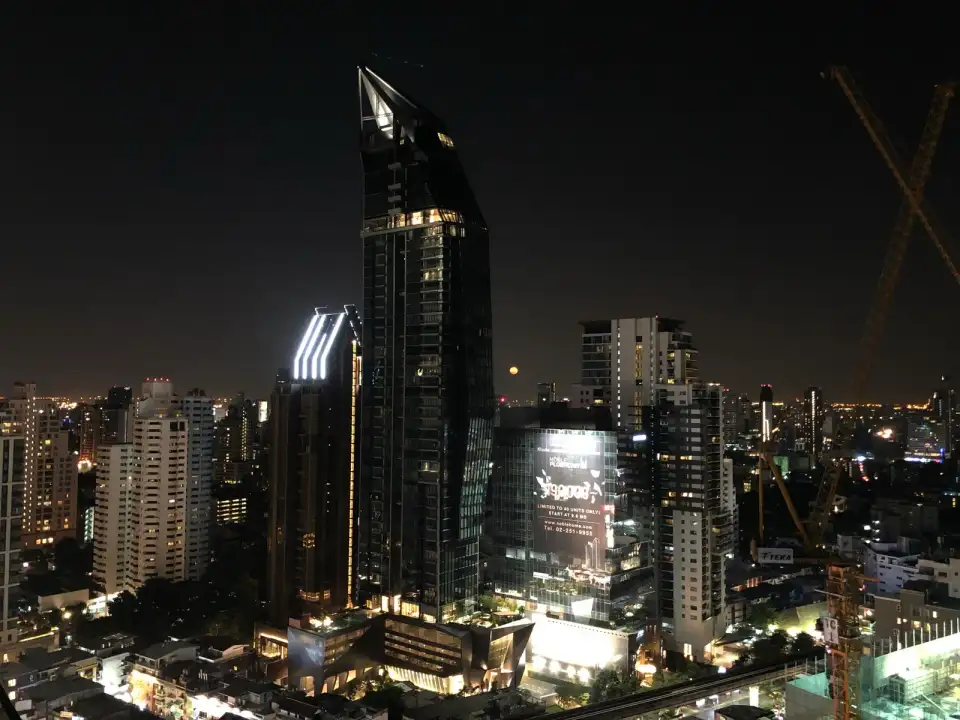
Bangkok and the central plains are hottest in April and wettest around September and October, though the city runs year-round and its indoor sights and malls make any month workable. The far south and the islands follow their coastal seasons above.
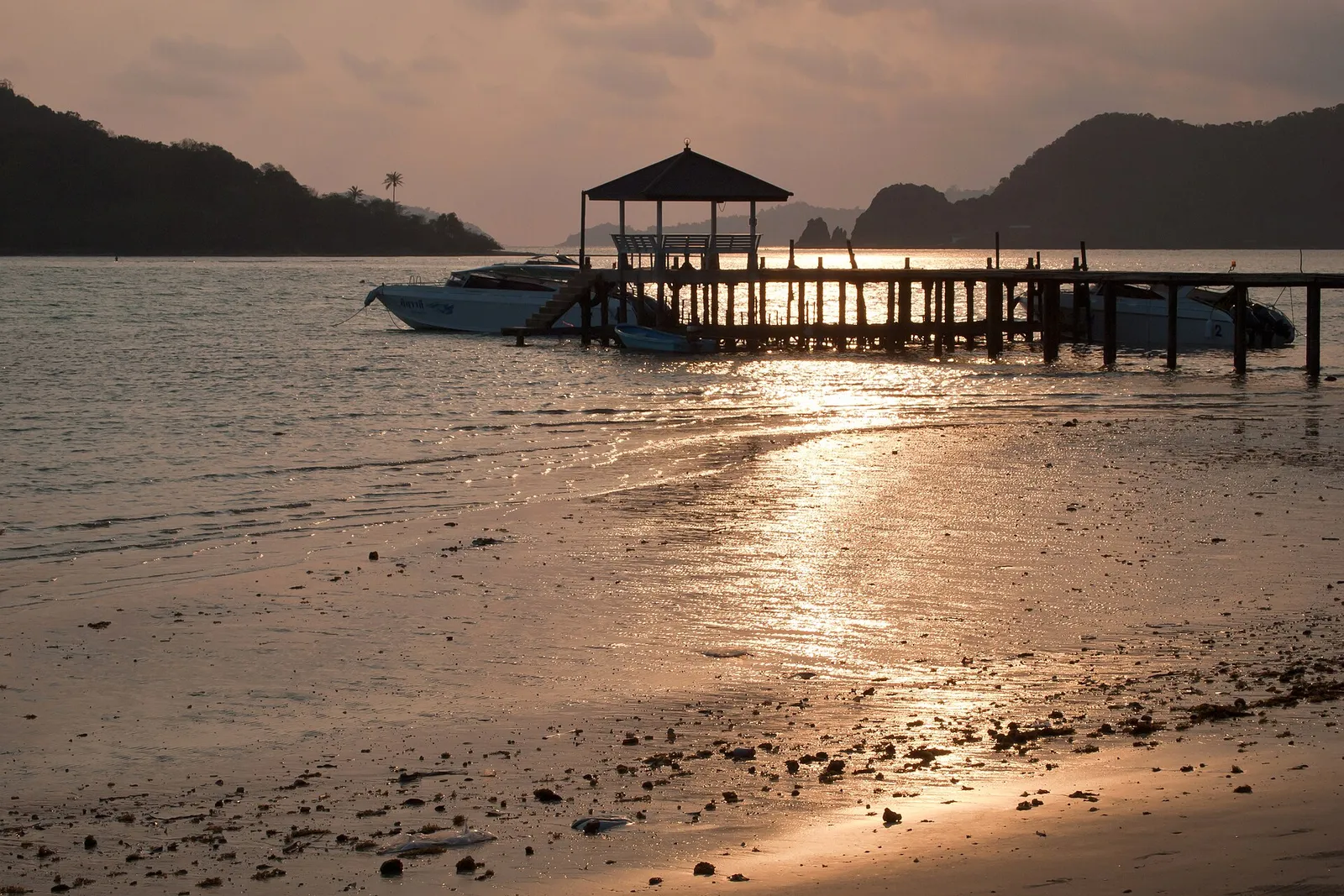
Time your day trips to the weatherClear-season boat days and mountain treks are worth planning your dates aroundSongkran: the water-fight new year
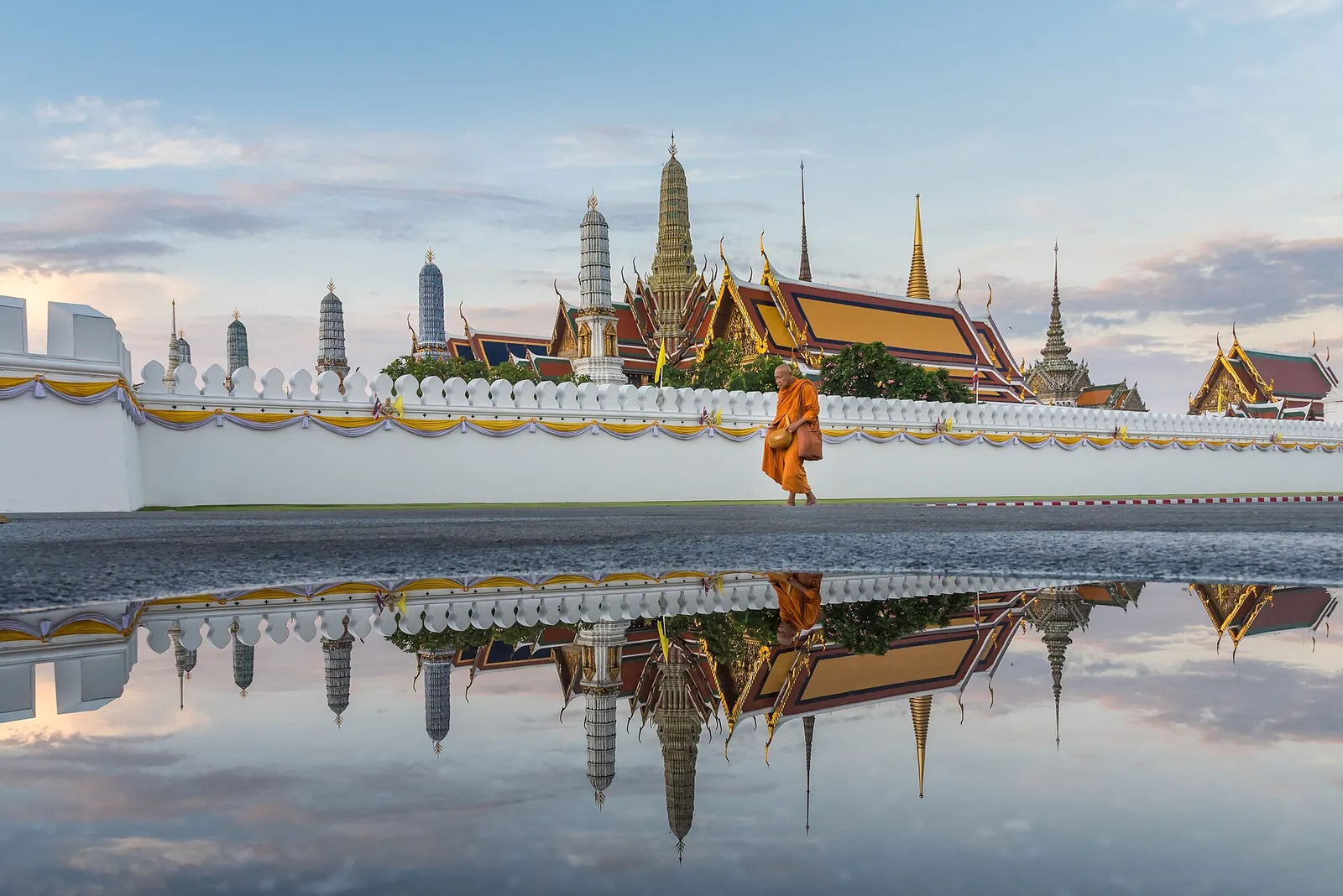
If your trip lands in mid-April, you will meet Songkran, the Thai New Year, celebrated roughly the 13th to 15th with the country’s most exuberant party: a nationwide water fight where everyone, locals and travellers alike, soaks everyone else in the streets. Chiang Mai and Bangkok go especially wild. It is enormous fun, but it falls in the hottest month and can make getting around tricky, so protect your phone in a waterproof pouch and lean into it rather than fighting it.
Loy Krathong: lanterns on the water
The most beautiful festival of the year is Loy Krathong, held in November on the full moon. Across the country, people float small candlelit offerings down rivers and canals, and in the north it coincides with Yi Peng, when thousands of paper lanterns rise into the night sky over Chiang Mai. It is genuinely magical, and it happens to fall in the start of the best-weather season, so it is a wonderful time to plan a trip around.
How to pick your dates
Start with weather priorities. Want the safest bet for sunshine everywhere? Aim for December to February. Chasing a specific coast? Match your dates to that coast’s dry season. Drawn to a festival? Build the trip around Songkran in April or Loy Krathong in November. Travelling on a budget or craving fewer crowds? The green season rewards you with lower prices and lush landscapes, just pack for showers and stay flexible. Whatever you choose, book ahead in the cool-season peak, as the best places go first.
The short version
Thailand has three seasons: cool and dry (November to February, the best all-round), hot (March to May, with Songkran), and green (June to October, wet but rewarding). The two coasts rain at different times, so pick your island by your dates. Come for Loy Krathong’s lanterns in November or Songkran’s water fights in April if you can, book early for the peak, and you will catch Thailand at its very best.