Thailand has two festivals large enough to reshape a trip, and one of them will soak you whether you intended to take part or not. Both are worth planning around, in opposite directions depending on what you want. Here is what actually happens and when.
Songkran: the water
Songkran is the Thai new year, held in mid-April over several days, and it is internationally famous for the enormous public water fights that take over the streets of every town in the country.
The origin is gentler than the reputation: a ritual of pouring water over Buddha images and over the hands of elders as a blessing and a cleansing for the new year. That still happens, in temples and in homes, at the same time as the street version. Both are real, and visiting a temple during the holiday shows you a side of it that the street does not.
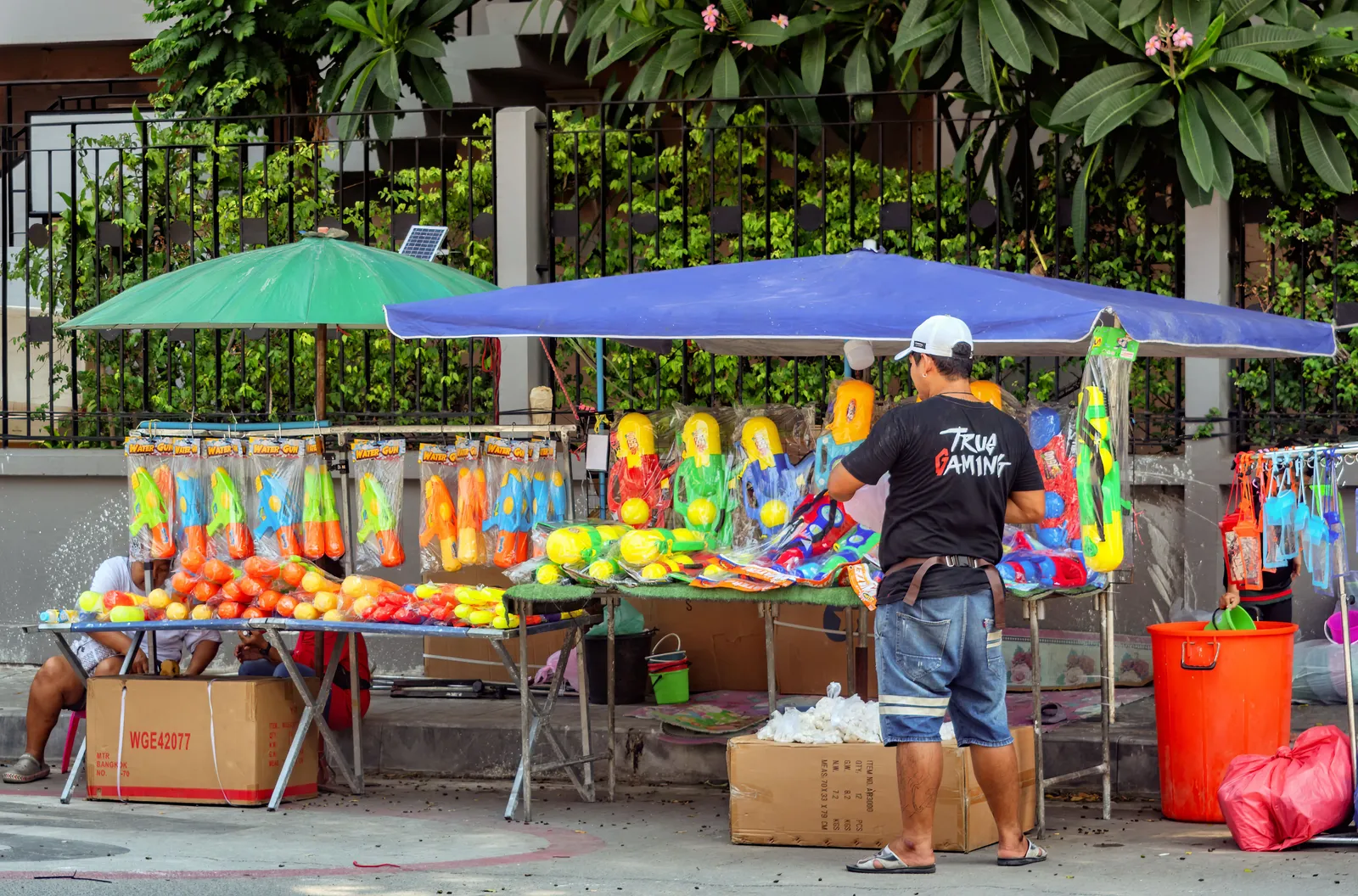
The public version is a nationwide water fight of genuine scale. Hoses, buckets, water pistols, pickup trucks with barrels in the back, and nowhere outdoors that is exempt.
Which city, and can you opt out
Chiang Mai is generally reckoned the biggest and longest celebration, with the moat around the old town serving as both water supply and the centre of the action for several days. Our Chiang Mai guide covers the city, and it is transformed during the holiday.
Bangkok has large celebrations concentrated in particular streets and districts. Smaller towns run a gentler, more traditional version.
On opting out: you cannot, not if you are outdoors in a town. Being repeatedly soaked is the norm rather than bad luck, and objecting is not well received, because the entire point is a public celebration everyone joins. If you genuinely want to stay dry, be somewhere remote, on an island away from the towns, or indoors.
The two warnings
April is the hottest month. Songkran falls at the peak of the hot season, before the rains, and the water is not incidental to that: it is the most comfortable few days of a genuinely punishing month. Anyone travelling in April should expect serious heat regardless of the festival, as our guide to the best time to visit sets out.
The road accident rate spikes. This is well documented, the authorities run annual safety campaigns around it, and the combination responsible is alcohol, holiday traffic and motorbikes. The practical response is straightforward: do not ride a motorbike during the holiday, and take more care than usual as a pedestrian. That addresses most of the actual risk.
Festival weeks book out earlyChiang Mai during Songkran and Loi Krathong sells out months ahead and prices rise accordinglyPractical preparation
Assume everything you carry will get soaked.
Waterproof pouches are sold on every street corner in the days beforehand and are worth buying rather than improvising with a sandwich bag. Leave your passport at the accommodation if you are not required to carry it that day. Cameras, wallets and anything electronic either stay behind or go in something genuinely sealed.
Wear clothes you do not mind being wet in, and expect them to stay wet. Flip-flops rather than shoes. And be aware that the water is frequently ice cold, which is the point in forty degree heat and still a surprise the first time.
Loi Krathong, the other one
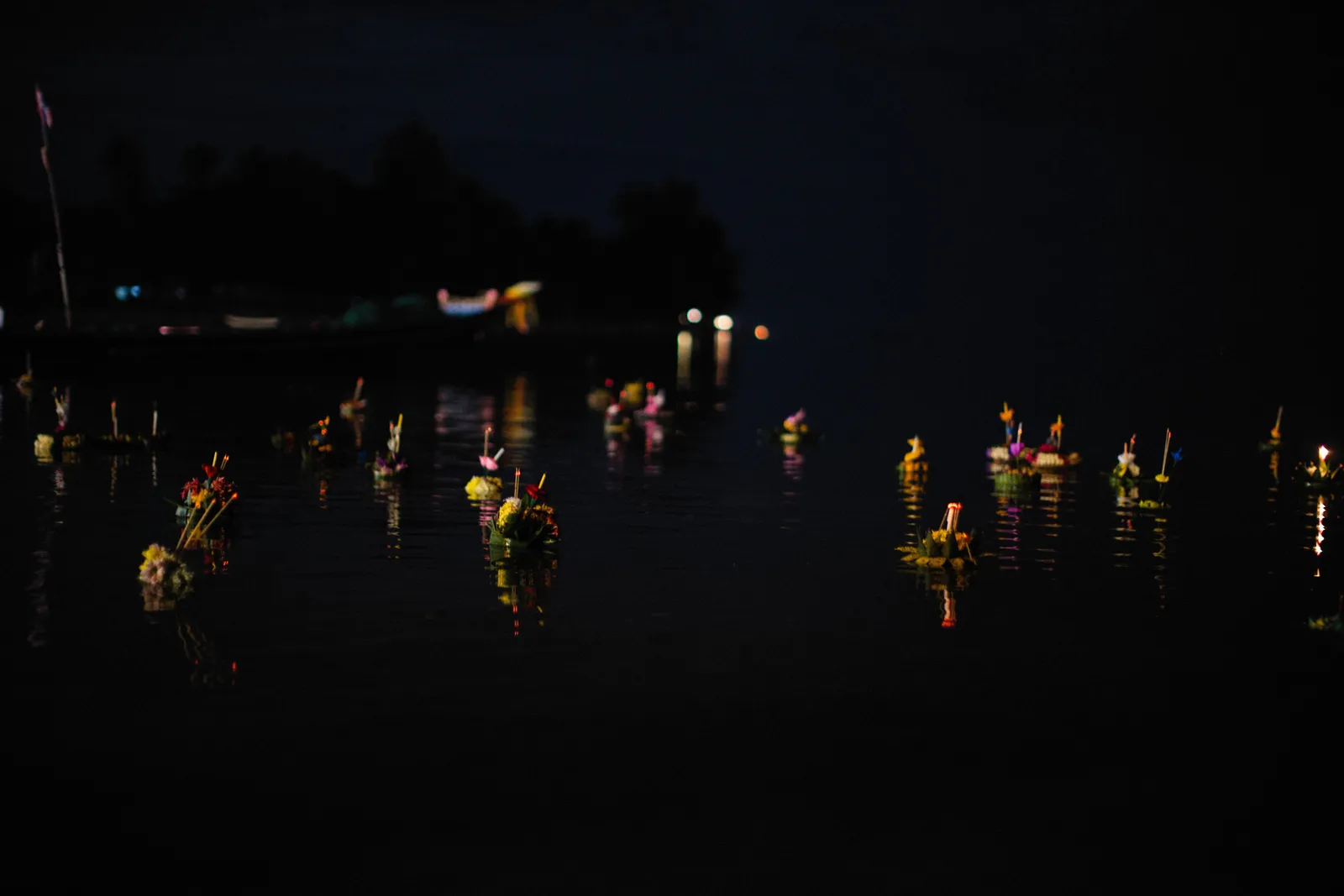
In November, Loi Krathong sees decorated floats bearing candles and incense released onto rivers, canals and lakes across the country, in one of the more beautiful things to witness anywhere in Southeast Asia.
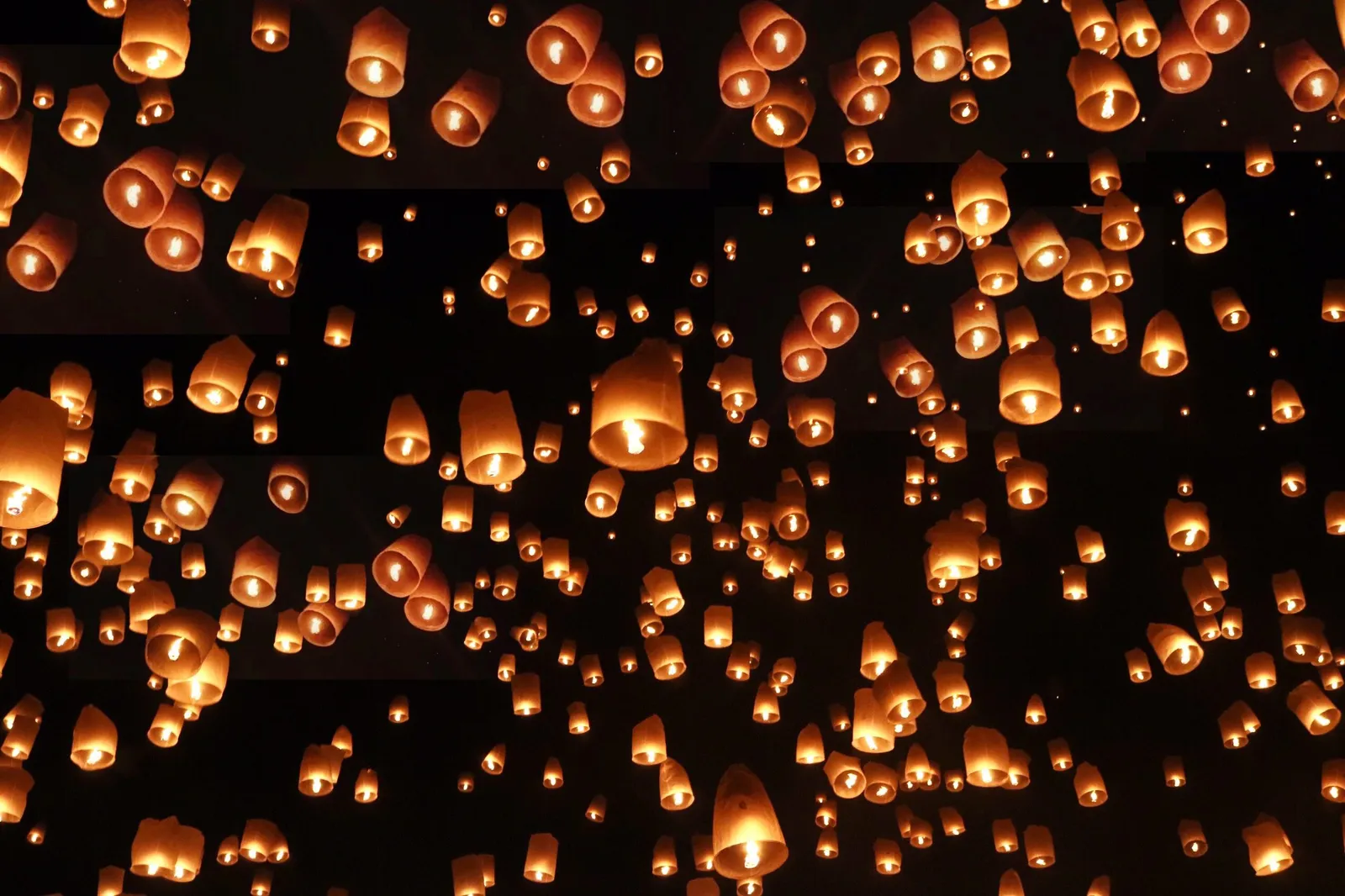
In the north it coincides with Yi Peng, the release of paper lanterns into the sky, which produces the images most people associate with Thailand’s festivals. Worth knowing: the lantern releases have become heavily managed and in many cases ticketed, for fire safety and environmental reasons, and mass releases are restricted around airports. Anyone travelling specifically for that should check what is genuinely open to visitors in the year they are going rather than booking on the strength of a photograph.
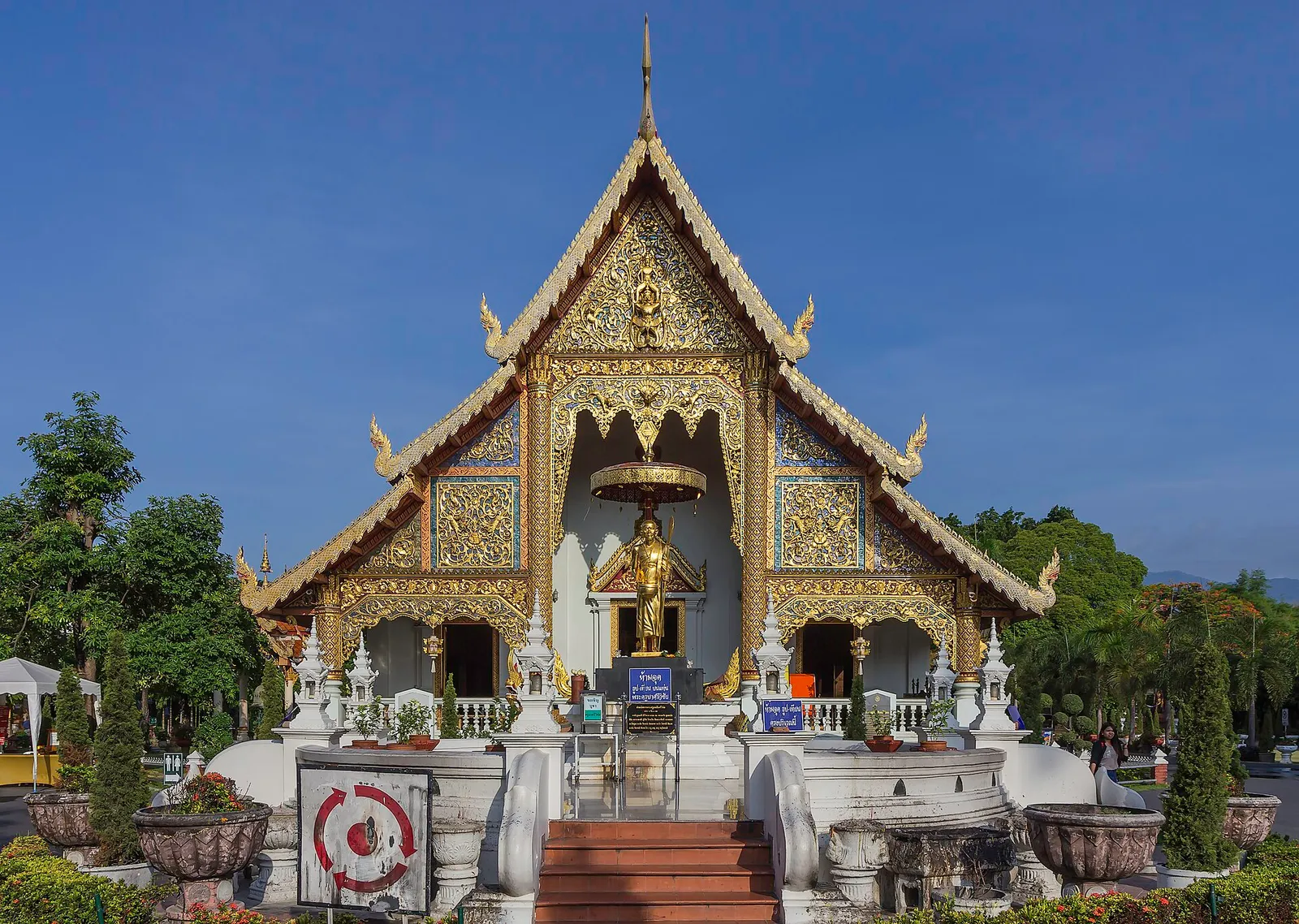
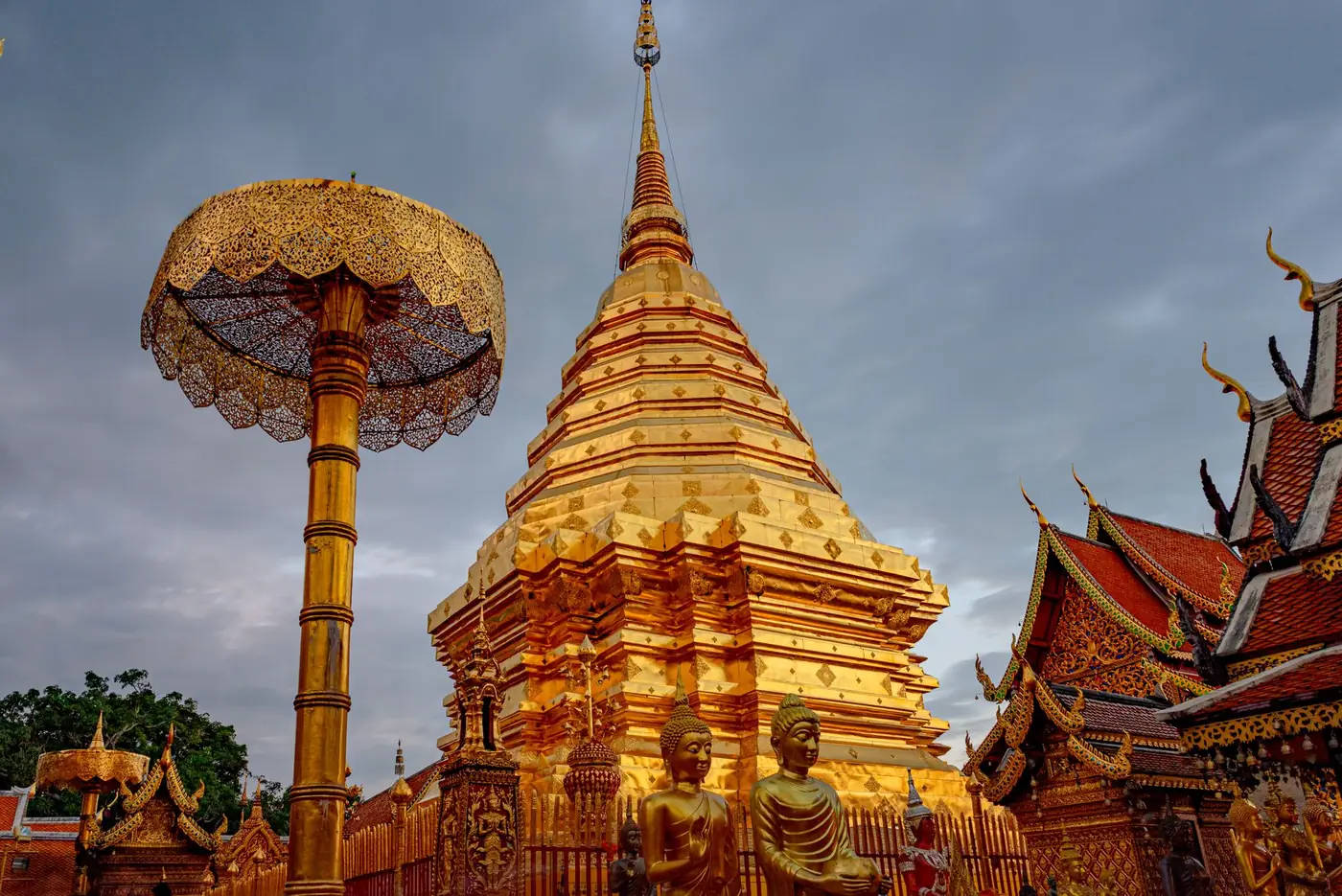
It is a considerably calmer festival than Songkran and it does not require waterproofing anything. For visitors who want a major Thai festival without being drenched for three days, this is the one, and combining it with the temples covered in our guide to Doi Suthep and the Chiang Mai temples makes for a strong November trip.
The rest of the calendar
Beyond the two big ones, several dates are worth knowing about because they either add something or close things down.
Chinese New Year, in January or February, is celebrated substantially in Bangkok’s Chinatown and in towns with large Thai-Chinese populations, with street food, processions and a great deal of red.
Vegetarian Festival, in the autumn, is most famous in Phuket and involves nine days of plant-based eating across participating restaurants alongside processions that are considerably more intense than the food suggests. For anyone eating vegetarian it is the easiest week of the year in Thailand.
Buddhist holidays recur through the year and matter for a practical reason: alcohol sales are restricted on several of them, including in bars and restaurants, and this catches visitors out. It is not a nationwide shutdown, but a planned night out can simply not happen.
Royal and national holidays close government offices and banks, and some attractions adjust hours.
Planning around them
Two rules cover most of it. Book far ahead if your dates overlap a major festival, since Chiang Mai in particular sells out months in advance for both Songkran and Loi Krathong and prices rise steeply. And check the dates for your specific year rather than assuming, since Songkran is fixed to mid-April but Loi Krathong follows the lunar calendar and moves.
If you would rather avoid the crowds entirely, our guide to the best time to visit sets out the quieter windows, and both festivals sit in periods that are busy regardless.