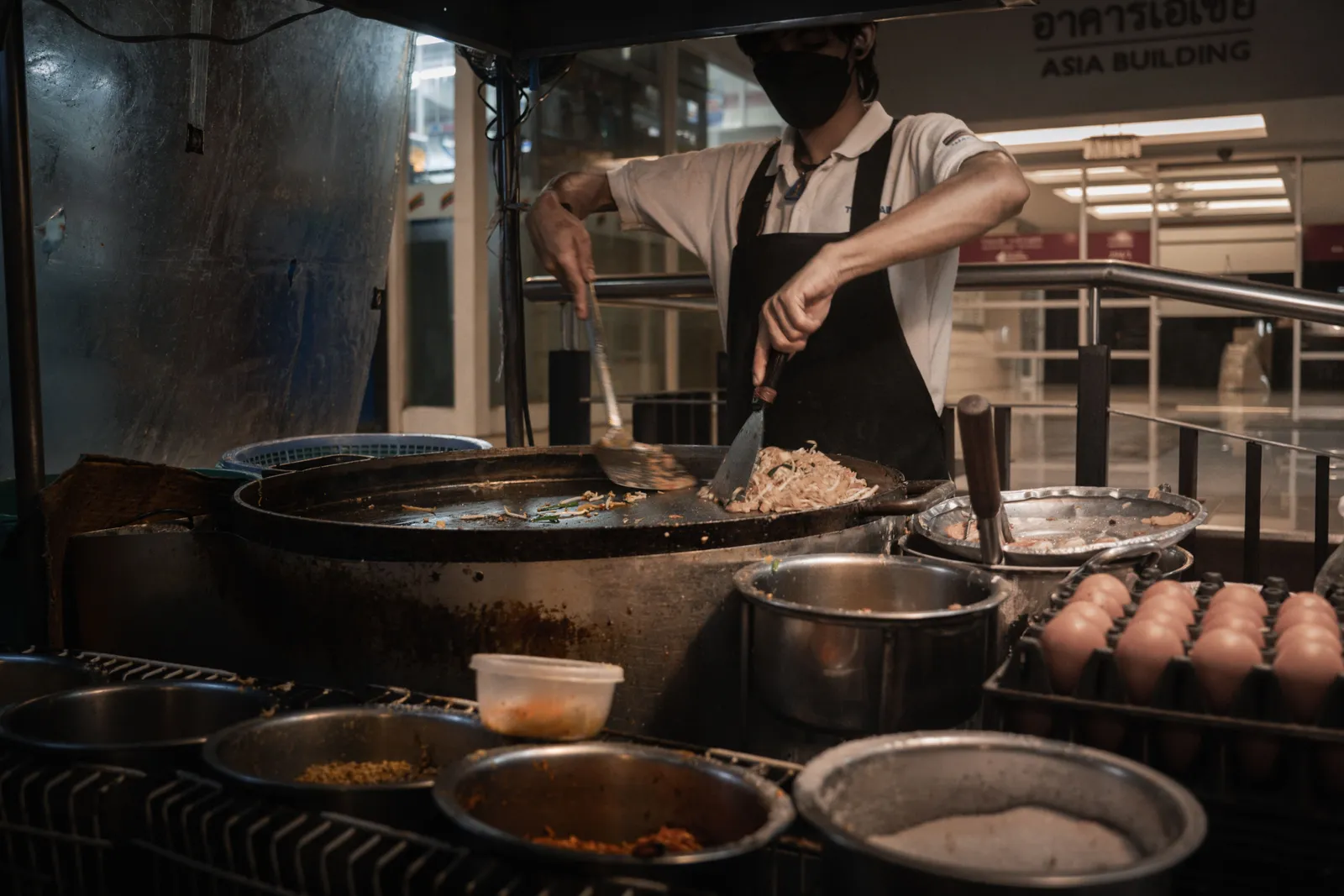
A cooking class is one of the few travel experiences that keeps paying out long after the trip ends. You come home able to make a green curry from a paste you pounded yourself, and suddenly Thailand is something you can revisit on a Tuesday evening. That is the reason it sits near the top of almost every list of things to book in the country.
The gap between a very good class and a mediocre one is large, though, and it has almost nothing to do with price. It comes down to group size, whether you cook individually, how much the teacher explains and what the schedule actually contains.
What a class actually involves
Most Thai cooking schools follow a similar shape. You are collected or you make your own way to the school, there is often a market visit, then a demonstration and a cooking session at your own station, and you eat what you make as you go.
Individual stations matter. The single biggest quality difference is whether each person has their own wok and burner, or whether you share and take turns. Classes advertising a maximum of eight to twelve people usually mean individual stations. Larger groups often do not.
Choosing your own dishes. Better schools let each person pick from a menu of options within categories: one curry, one stir fry, one soup, one salad, one dessert. That means a table of eight cooks eight different meals and you taste more than you made. Fixed-menu classes are simpler but less interesting.
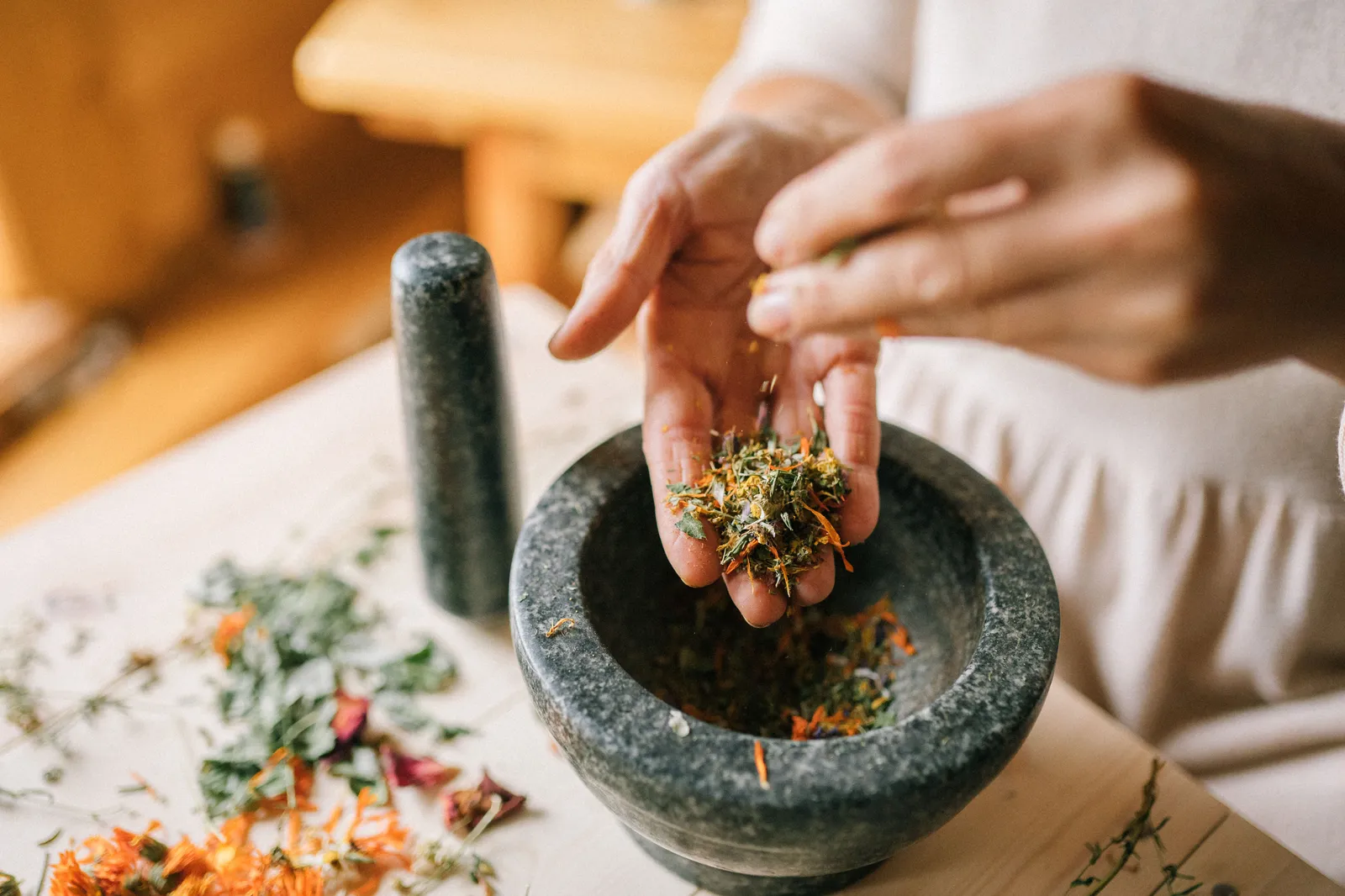
Pounding your own curry paste in a granite mortar is the part everyone remembers, and it is the part cheaper classes skip by handing out ready-made paste. If it matters to you, ask.
The market visit: what it is and is not
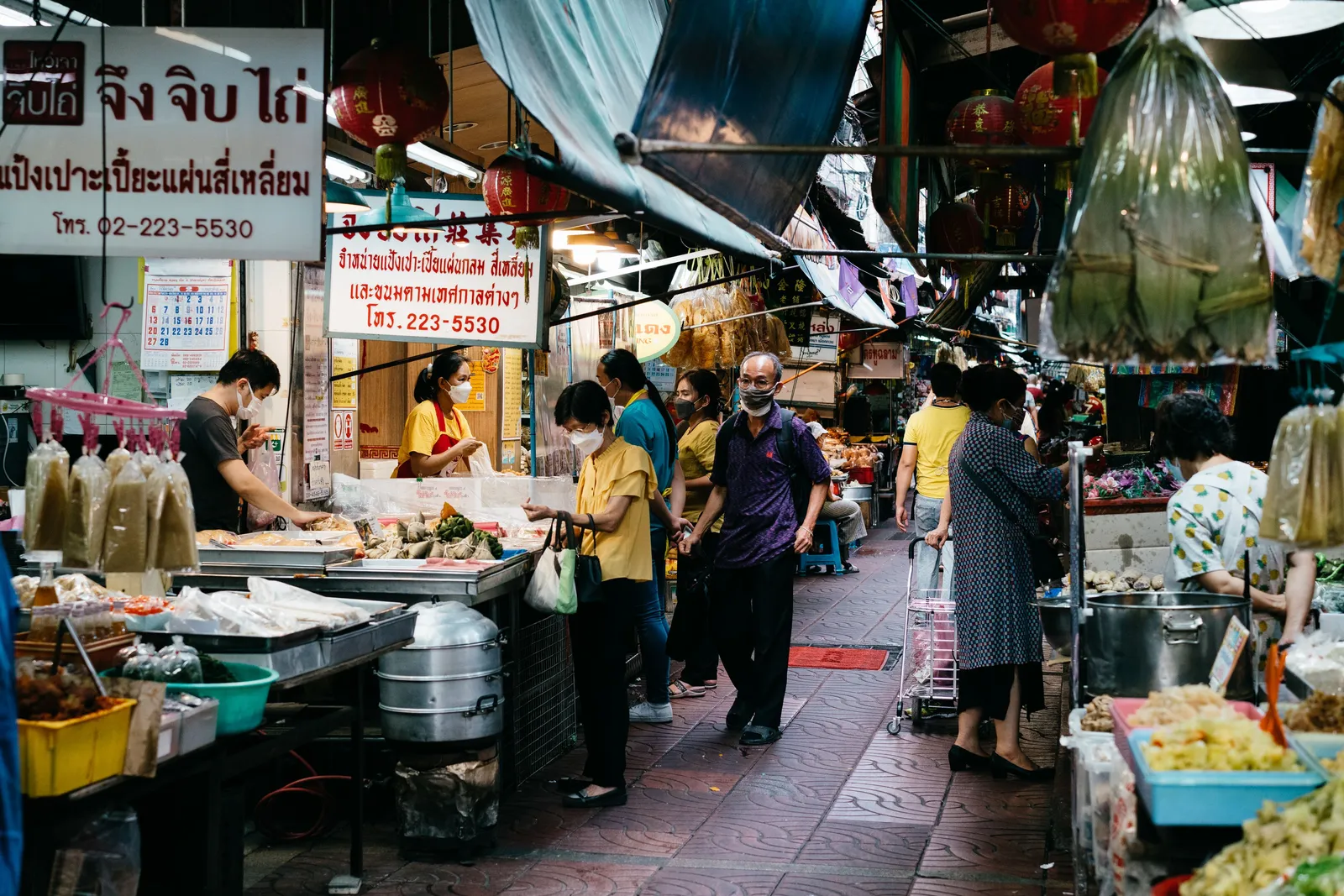
This is the most misunderstood element of a Thai cooking class. A market visit is typically a guided walk of roughly thirty to sixty minutes through a local fresh market, where the teacher explains ingredients: the difference between holy basil and Thai sweet basil, which chillies do what, what shrimp paste smells like, how coconut cream is pressed, what the various rice types are for.
It is an ingredient lesson, not a food tour and not a shopping trip. You will not eat your way through the market, you will not usually buy your own ingredients, and much of what you are shown will not appear in your class. That does not make it useless: for most people it is the moment Thai food stops being a menu and starts being a system. But if you have already done a market-focused food tour, or if you are short on time, an evening class without a market visit is a perfectly good choice and usually cheaper.
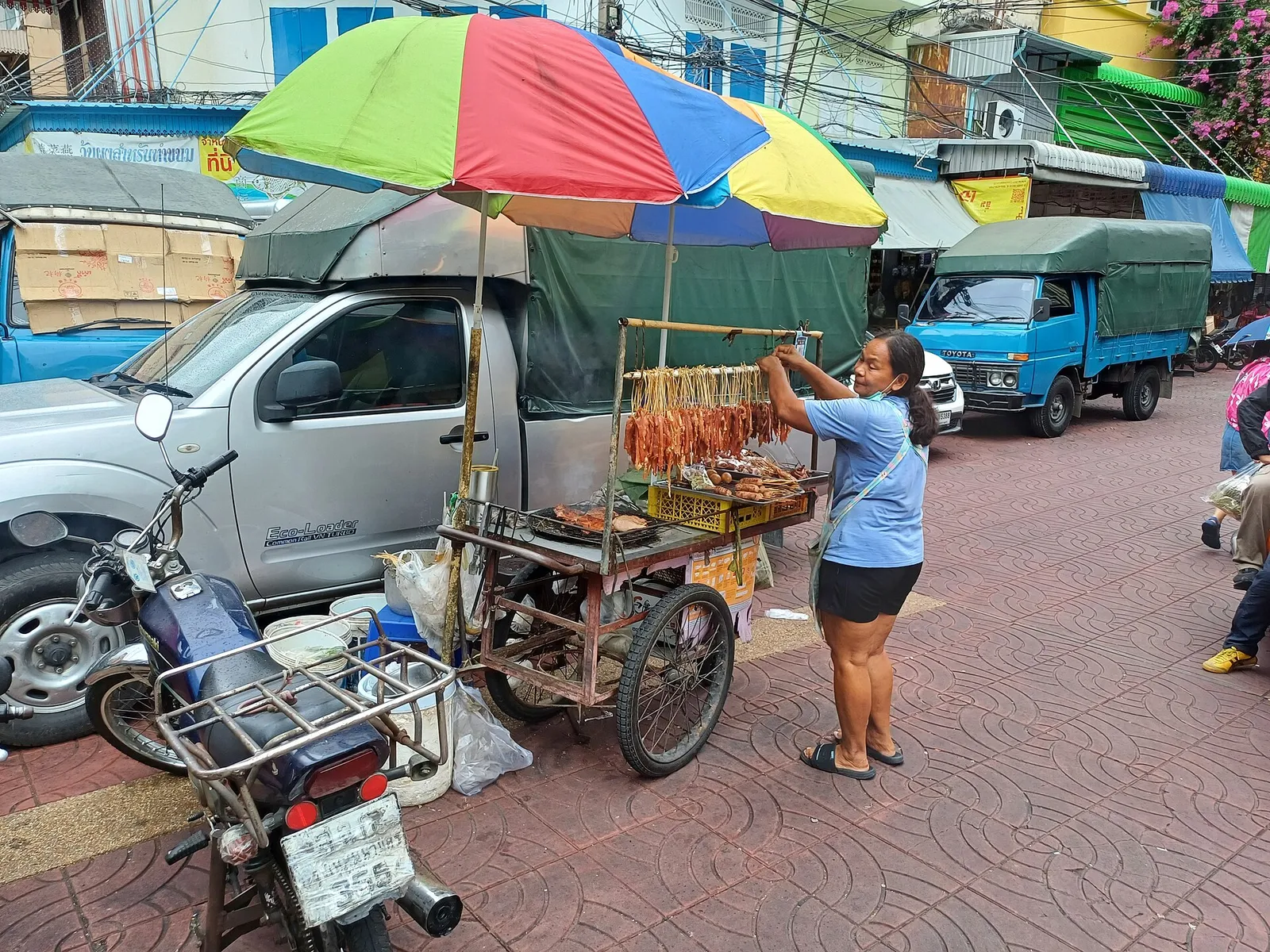
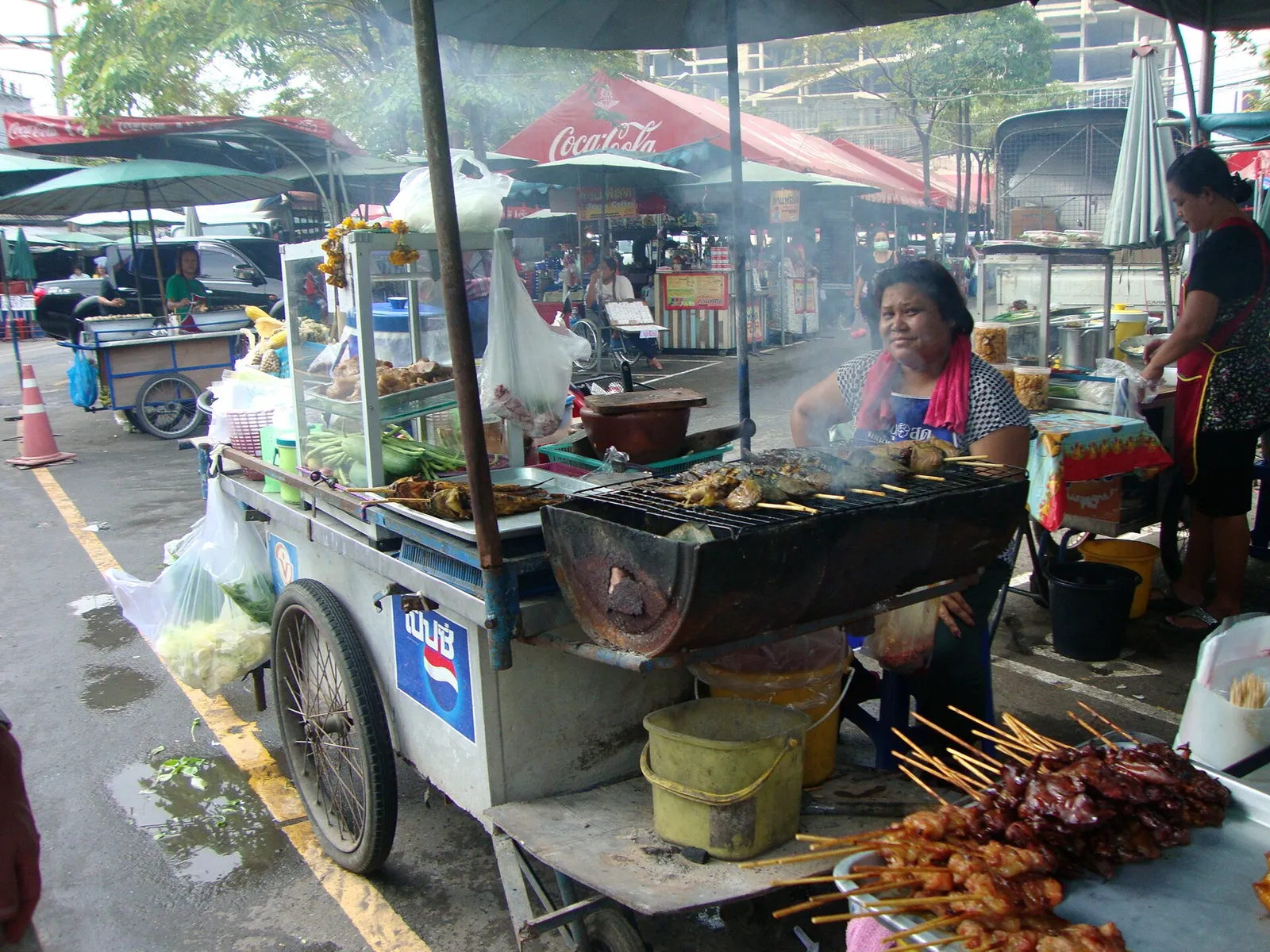
Our Bangkok street food guide covers the eating-your-way-round side of markets, which is a different experience entirely.
Bangkok, Chiang Mai or the islands
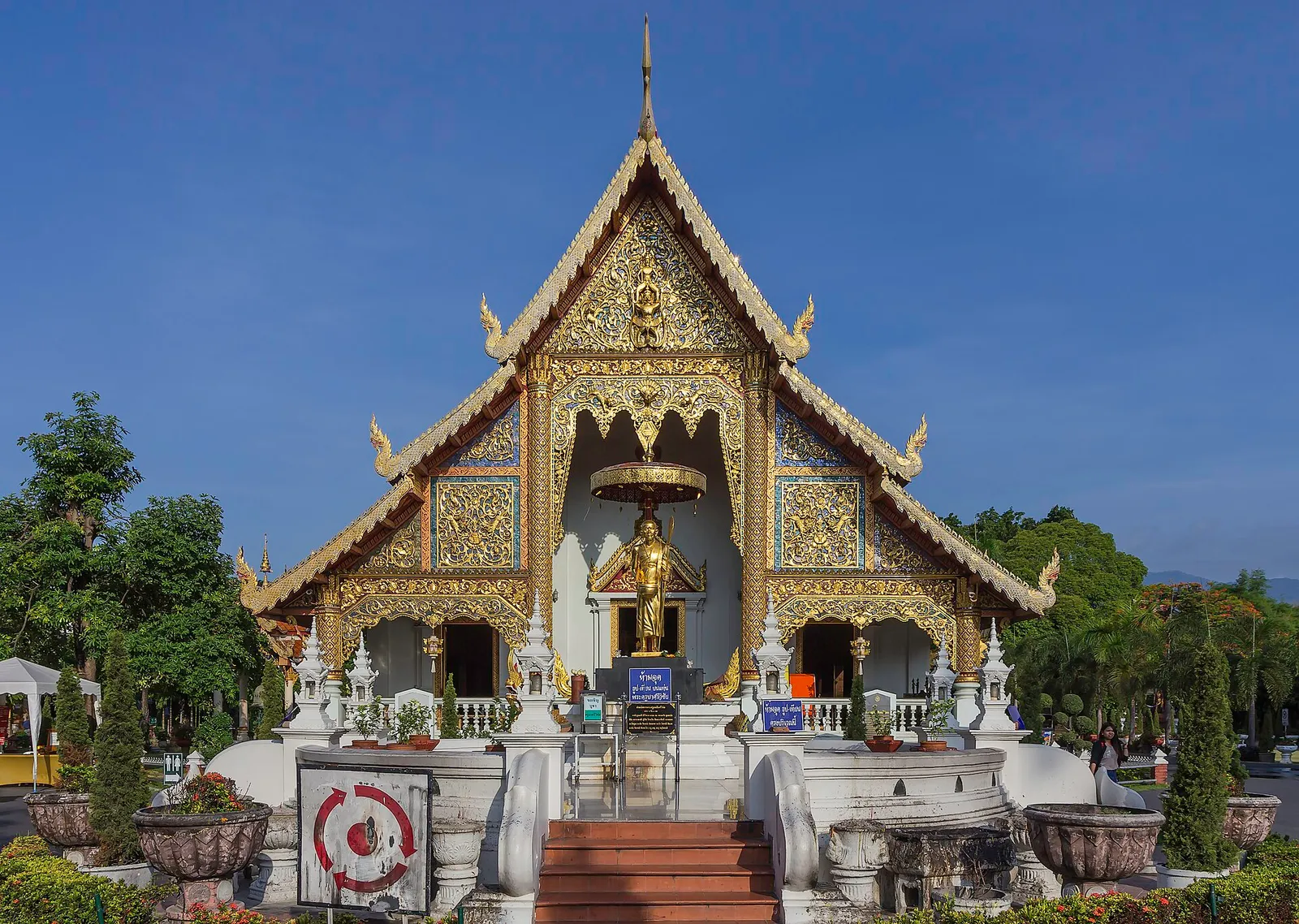
Chiang Mai has the country’s densest cluster of cooking schools and the widest choice of formats, including a number set on small organic farms outside the city where you pick some of what you cook. The northern setting also means some schools teach a few northern Thai dishes alongside the national standards. If a cooking class is a priority for your trip, this is the easiest place to satisfy it, and it fits neatly into the wider Chiang Mai itinerary.
Bangkok schools skew towards central Thai cooking and towards market-led formats, often in shophouse kitchens or converted homes. The advantage is logistical: classes are easy to slot into a city stay, and the range of times on offer is wider.
The islands run smaller, more informal classes, frequently attached to a resort or a family restaurant, often with a seafood lean. Group sizes tend to be small, which is a real plus, but the choice is narrower and schedules can be seasonal.
Compare cooking classes across Thailand in one placeFilter by group size, duration and whether a market visit is included before you commit.Duration bands and how to plan the day
Formats fall into three broad bands. Short evening classes run around two to three hours with a small menu. Half-day classes, morning or afternoon, commonly run four to five hours including a market visit. Full-day classes run six hours or more and often add a farm or garden element.
Two planning notes people routinely get wrong. First, hotel transfers are usually additional to the stated class time, so a five-hour class can occupy six hours of your day. Second, you eat everything you cook, which is a substantial amount of food; booking a restaurant dinner after a full-day class is optimistic.
Dietary needs: request at booking, not on arrival
Thai cooking rests on fish sauce, shrimp paste and oyster sauce, which means that a great many dishes that read as vegetable-based are not vegetarian at all. Schools vary enormously in how well they handle this. Some run a full vegetarian or vegan menu with their own pastes. Others adapt dishes on request if given notice. A few genuinely cannot.
The practical rule is to state your requirement in writing at the point of booking, name the specific ingredients you need excluded rather than only the label, and confirm again when you arrive. The same applies to nut, shellfish and gluten allergies, all of which are common issues in Thai cooking and none of which should be raised for the first time as the wok heats up.
Questions worth asking before you book
A short list separates the good from the ordinary. How many people per class, and does everyone have their own station? Do we pound our own curry paste or is it provided? Is the market visit included, and how long is it? Can I choose my dishes? Are recipes provided, and do they include substitutes for ingredients unavailable at home? Is hotel transfer included, and what is the actual finish time?
On price, expect a half-day class to sit around the low four figures in baht per person and a full-day class with market and farm elements to cost more, with Bangkok generally a little higher than the north. Schools adjust rates seasonally and by group size, so confirm the current price and exactly what it covers when you book.
Do one early in the trip rather than late. Once you know what the pastes taste like and what fish sauce does, every subsequent meal in the country reads differently, and our Thai food guide becomes a menu you can actually navigate rather than a list of names.