Food might be the best reason to visit Thailand, and that is saying something. The cooking balances four flavours at once, sweet, sour, salty and spicy, and it does so on every budget, from a one-dollar plate at a plastic stool to a candlelit riverside dinner. The trick is knowing what to order, where to look, and how to eat like you belong. Here is the short course.
The dishes to order first
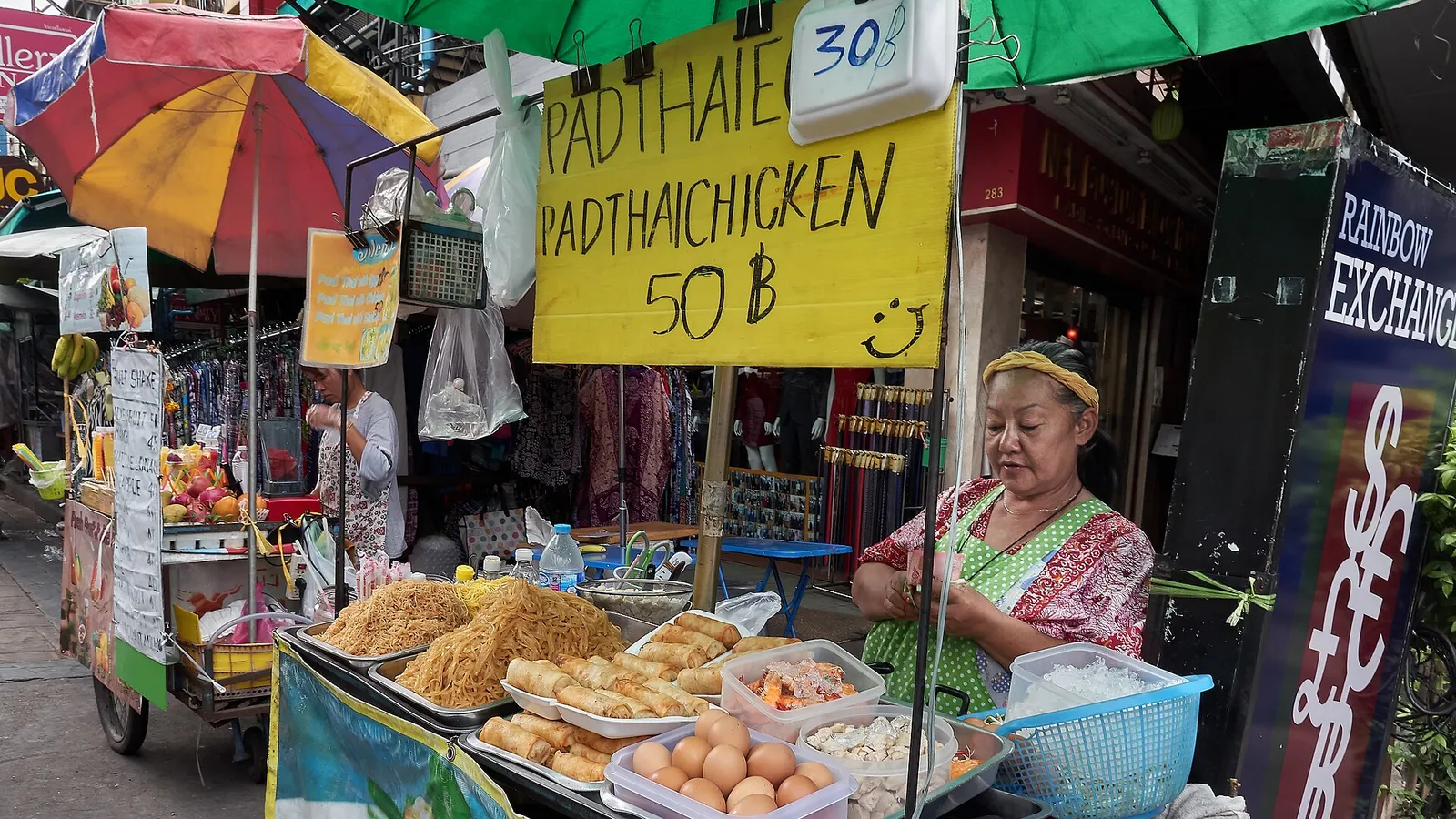
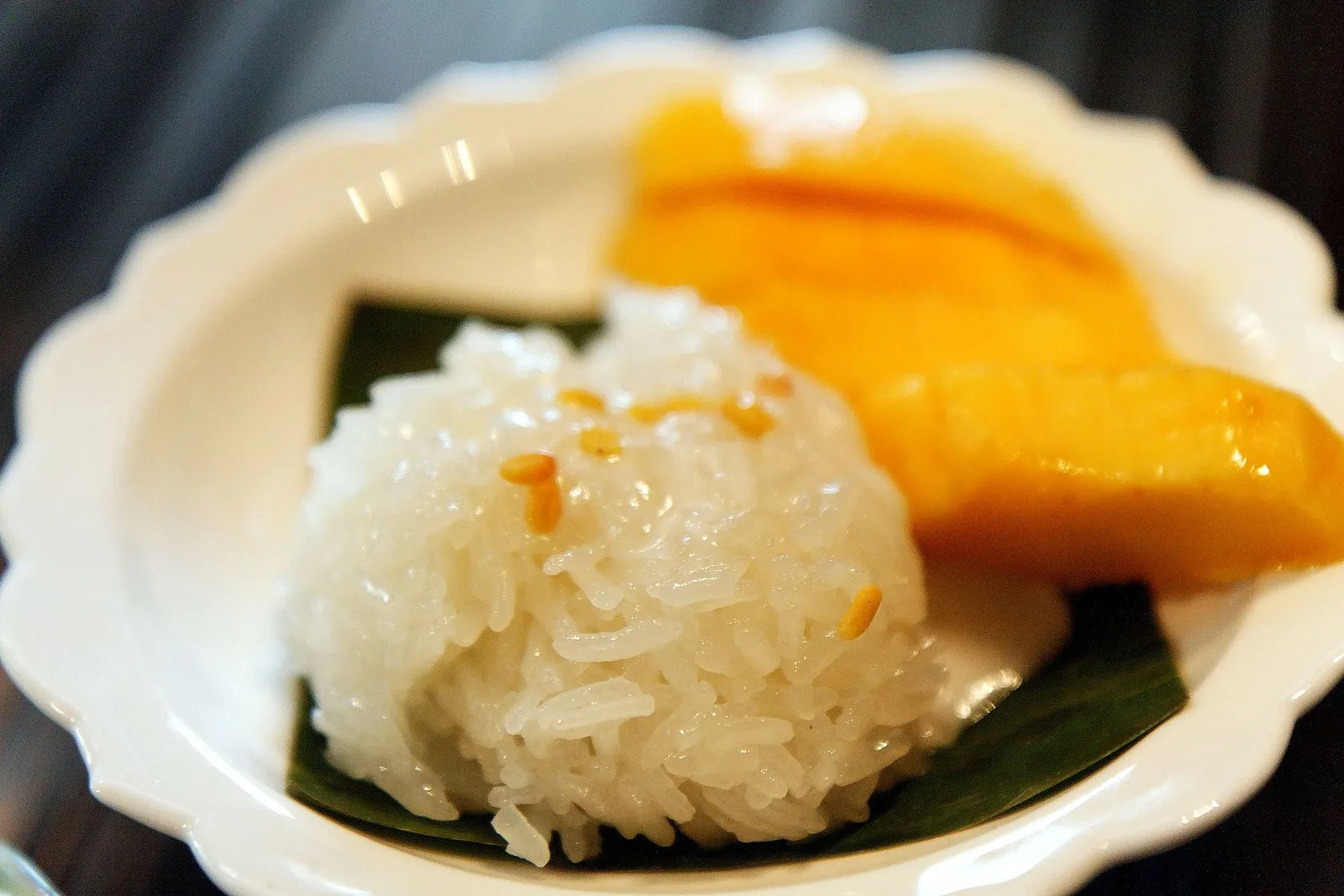
Work through the classics and you will eat brilliantly. Pad thai, stir-fried noodles with egg, peanuts and lime, is the friendly gateway. Green, red and massaman curries show off the coconut-and-herb heart of the cuisine, massaman being the mild, almost sweet one. Tom yum goong, a hot and sour prawn soup, is electric with lemongrass and chilli. Som tam, pounded green papaya salad, brings the heat, and mango sticky rice cools you back down. Keep going and you will never repeat a meal.
Eat regional
Thai food changes as you travel, so order what is local. In the north around Chiang Mai, do not leave without khao soi, a golden coconut curry noodle soup crowned with crispy noodles, one of the country’s great bowls. In the northeast (Isan), it is grilled meats, sticky rice and fierce papaya salad. In the south, curries turn richer and hotter, and the seafood is superb. Our Chiang Mai guide points you to the north’s best bowls.
Where to eat: start on the street
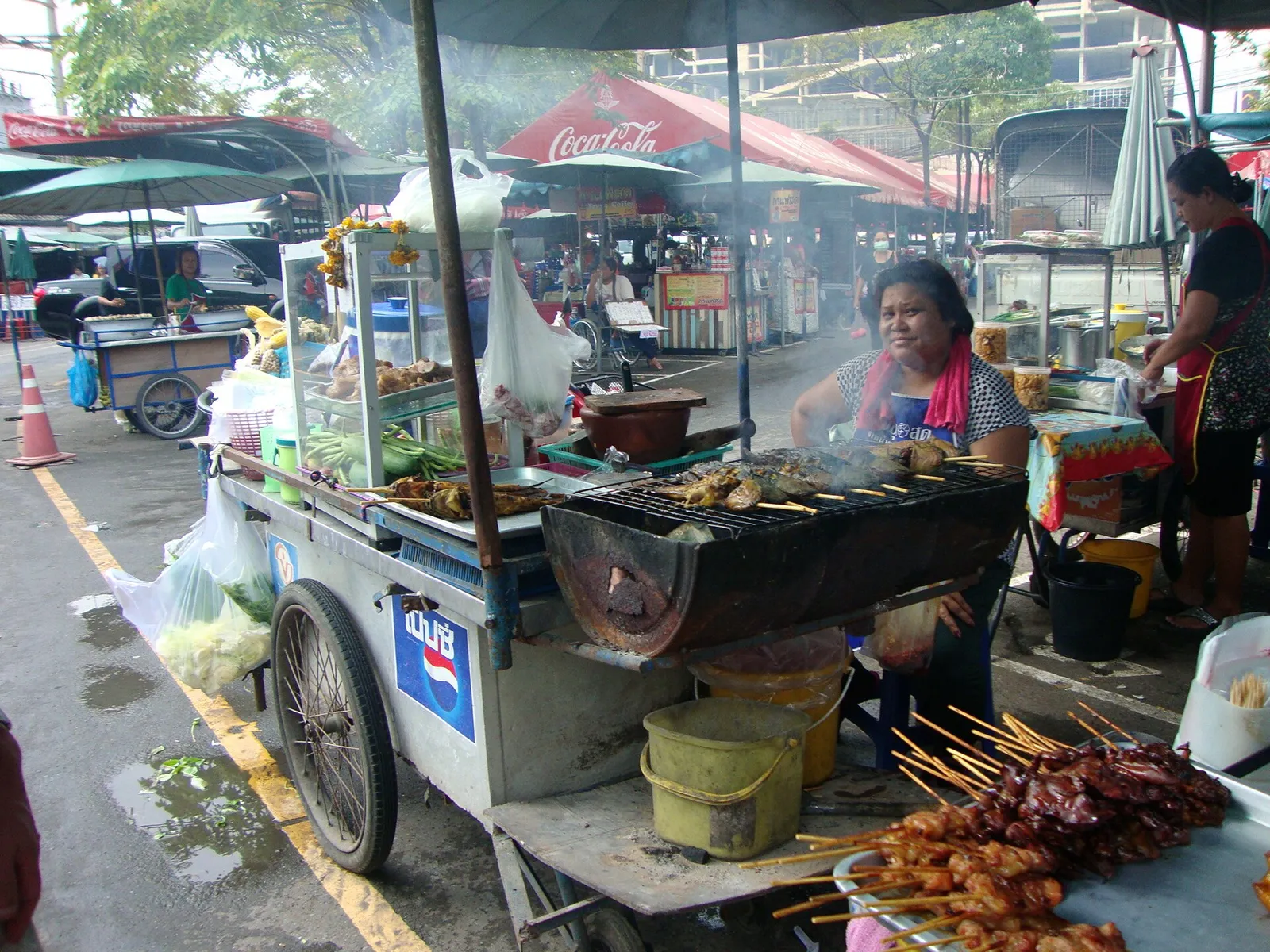
Thailand’s soul lives at the street stall, and the best food in the country is often the cheapest. The rule is simple: follow the crowds. A stall with a queue of locals, a wok roaring and high turnover is fresh, delicious and safe. Grab a plastic stool, point at what looks good, and dig in. Night markets take this to another level, dozens of stalls under fairy lights, ideal for grazing your way through dinner one skewer and bowl at a time.
Take a guided street-food crawlA local guide unlocks the stalls and dishes you would walk right pastThe night markets
The night market is the beating heart of an evening in almost every Thai town. Chiang Mai’s markets, Bangkok’s Chinatown, and the island bazaars all deliver the same joy: cheap, varied, brilliant food eaten shoulder to shoulder with locals. Come hungry, bring cash, and pace yourself, because the temptation is to order one of everything. Fresh fruit shakes, grilled satay, curries ladled over rice, and roti pancakes for dessert are the reliable stars.
How spicy, and how to order it
Thai spice is real, but you are in charge. Say “mai phet” for not spicy, “phet nit noi” for a little spicy, and “phet” if you want the full experience. Cooks are used to adjusting and rarely take offence. If a dish arrives too fiery, plain rice, a cold drink or a spoonful of the sweeter curries will calm your mouth faster than water. For anyone eating vegetarian, the word is “jay”, and the yellow jay flags mark stalls that cater to it.
A little etiquette
Thais eat with a fork and spoon, the fork used to push food onto the spoon, which does the eating, and chopsticks mostly for noodle soups. Food is usually shared family style, so take a little at a time onto your own rice plate rather than piling up. A smile, a “khop khun” (thank you), and a willingness to try anything will earn you warm service and often an extra recommendation. Do not drink the tap water, and you are set to eat your way happily across the country.
The short version
Order pad thai, the curries, tom yum and som tam to start, then eat regional as you travel, khao soi in the north above all. Follow the crowds to busy street stalls, graze the night markets after dark, tune the spice to your taste, and take a cooking class so you can bring the flavours home. Do that, and Thailand will feed you as well as anywhere on earth.