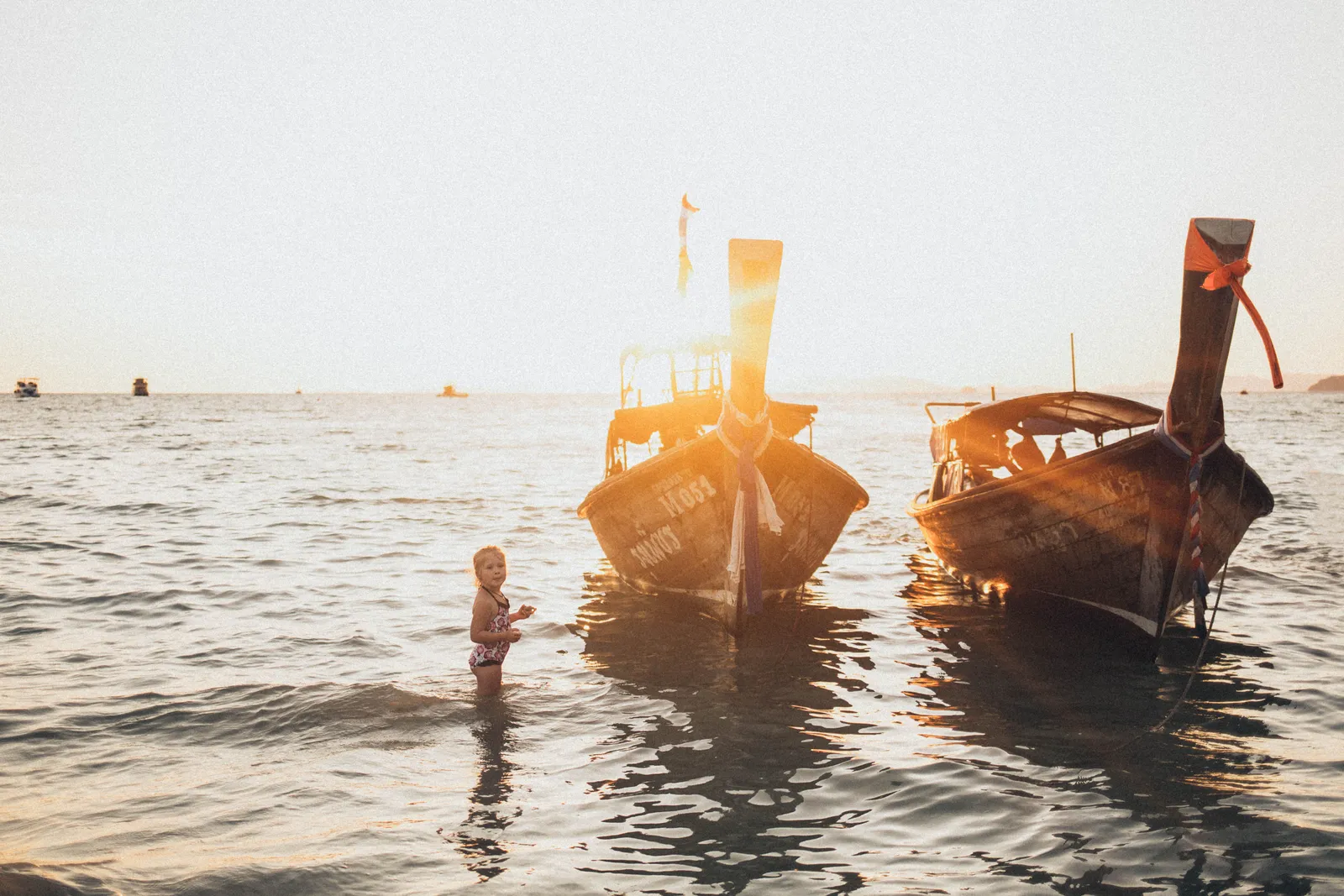
Thailand is easier with children than most people expect, and the reason has almost nothing to do with facilities. It is that Thai culture is genuinely, actively welcoming to children in a way that removes the low-level stress that makes family travel abroad tiring. The things to plan for are narrower and more specific than the general anxiety suggests.
The cultural part, which does most of the work
Children are welcomed rather than tolerated. Restaurant staff will frequently take an interest in them directly, nobody minds a child making noise in a busy place, and the general attitude is warm rather than merely polite.
That single factor changes the texture of a family trip more than any amount of infrastructure. You are not managing the disapproval of the room, which in practice is what makes eating out with small children exhausting in a lot of places.
Our first-time guide covers the general groundwork, most of which applies whoever you are travelling with.
Choosing the beach
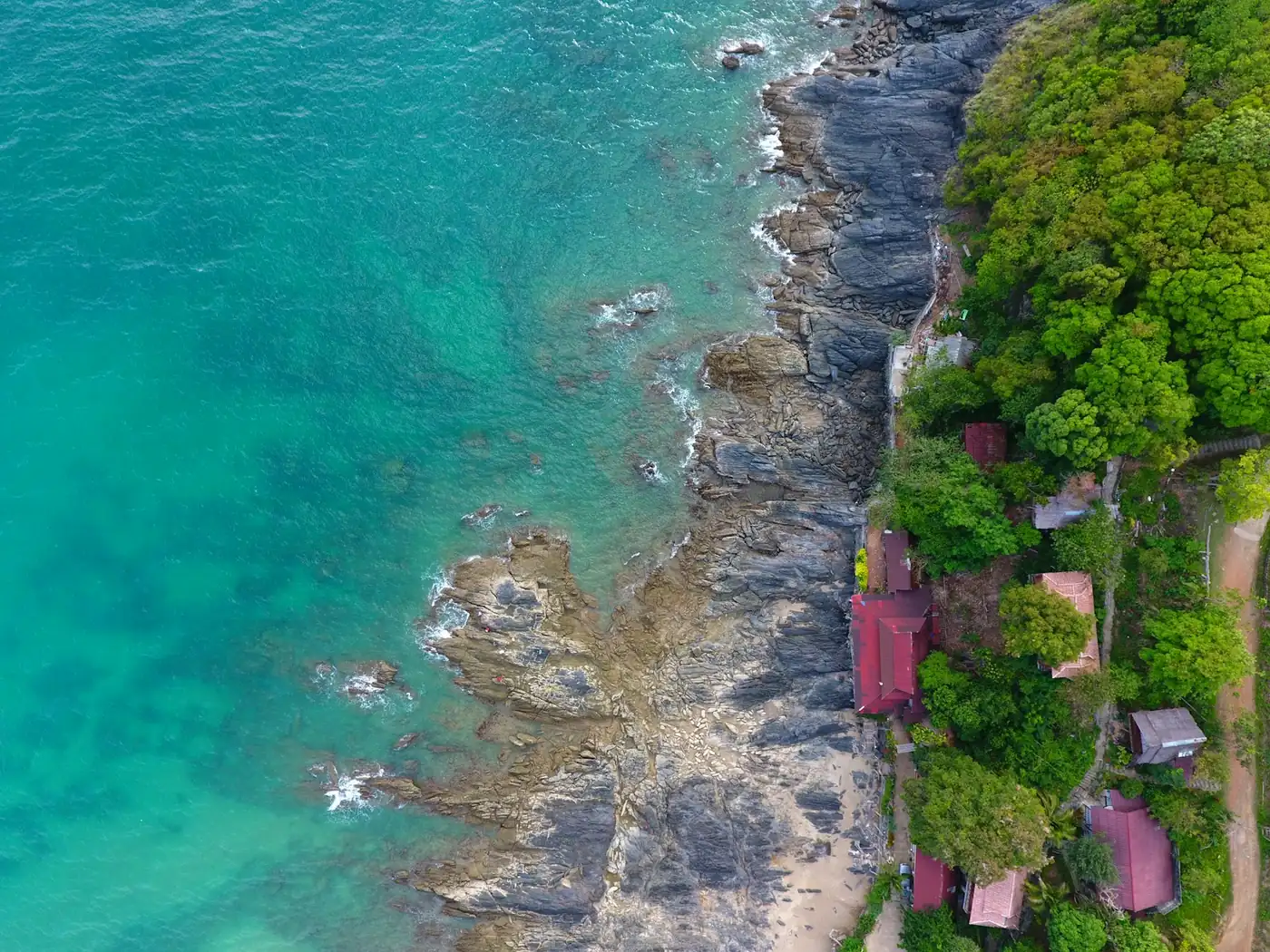
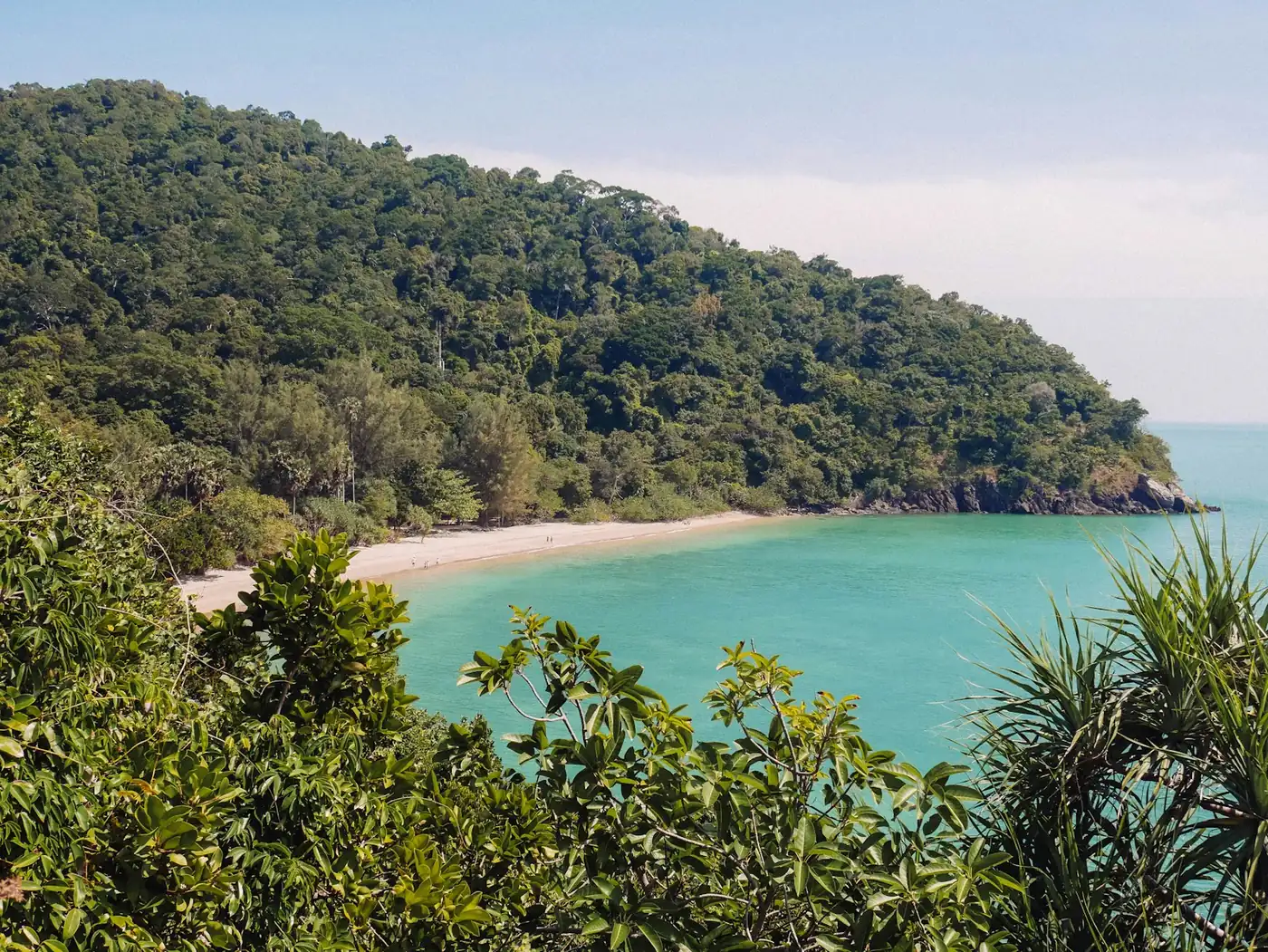
The criteria are calm shallow water and short internal distances, not fame.
Koh Lanta comes up repeatedly and deserves it: long, gently shelving beaches, a relaxed pace, and an island small enough that nothing is a long drive. Our Koh Lanta guide covers it in detail. Khao Lak on the mainland coast works on similar principles with easier access.
The ones to think twice about are the party islands, for obvious reasons, and any beach where the sand drops away steeply or where seasonal currents are a known issue. Ask about the specific beach rather than the island, since conditions vary within a few kilometres.
One island rather than three is also the right instinct. Ferry transfers are slow, weather-dependent and inflexible, and each one costs the best part of a day.
The elephant question
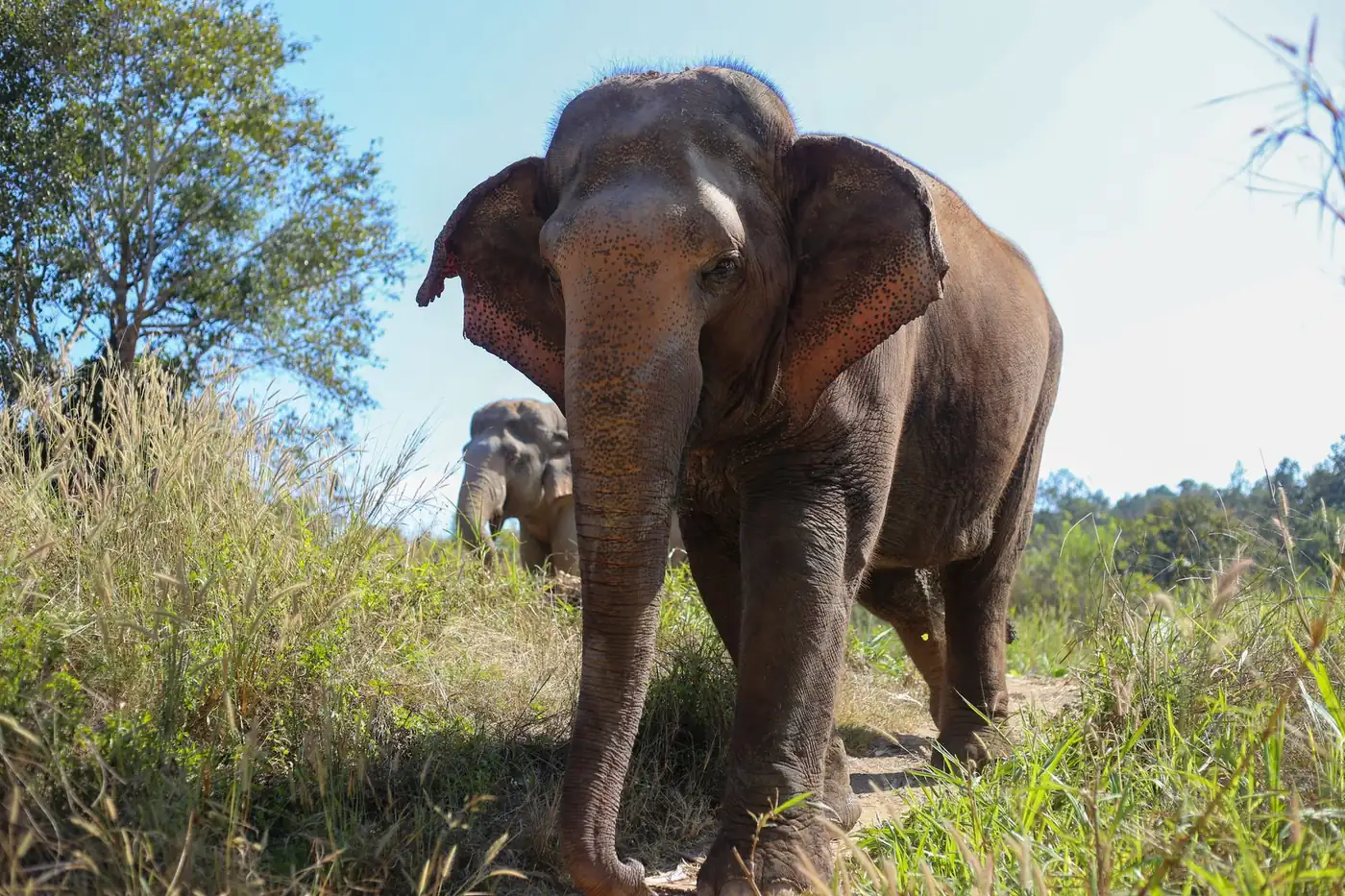
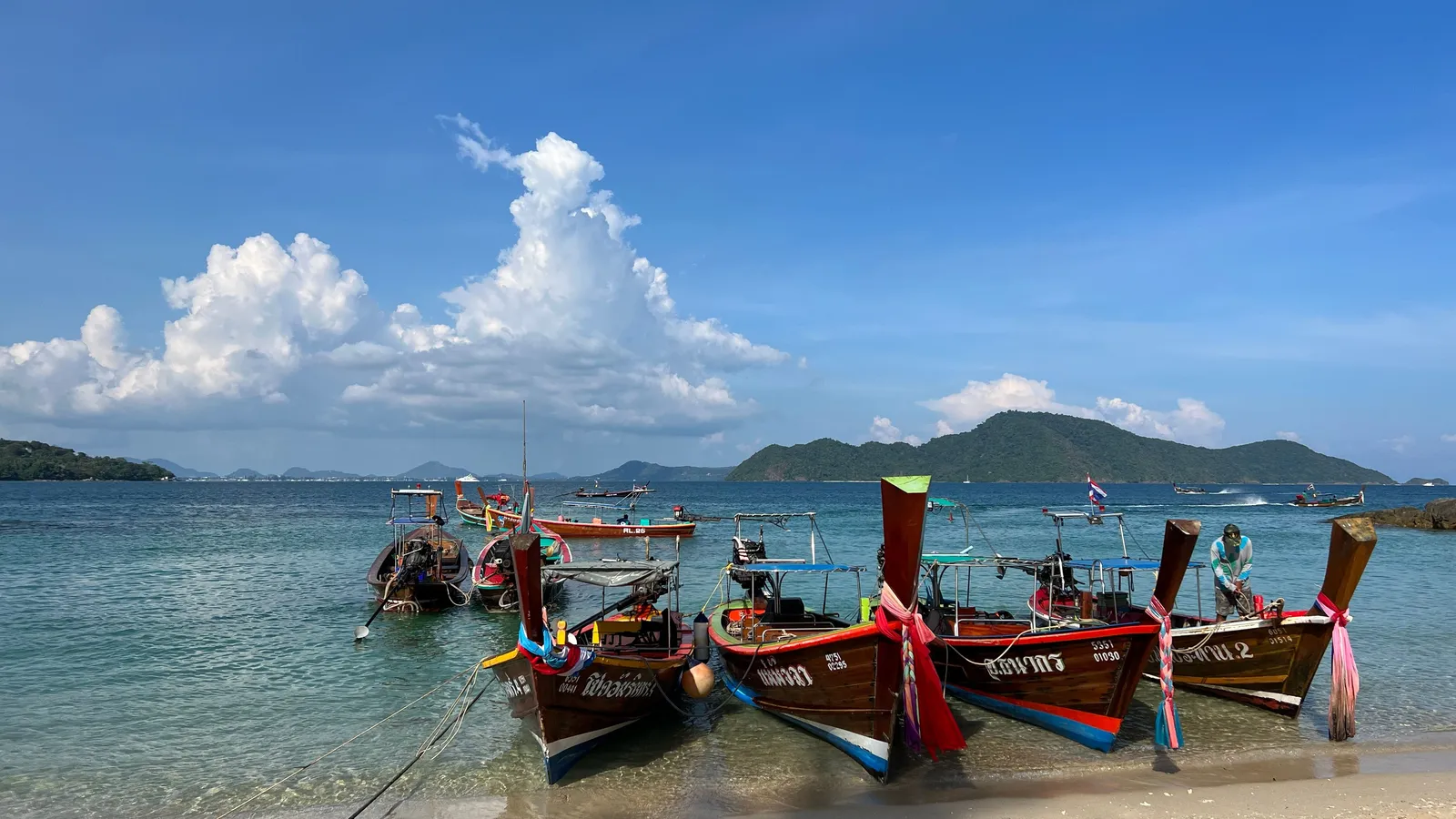
This is on every family itinerary and it needs care. Riding elephants and watching them perform involve training methods that are widely condemned on welfare grounds, and any operation offering either should be avoided however it describes itself.
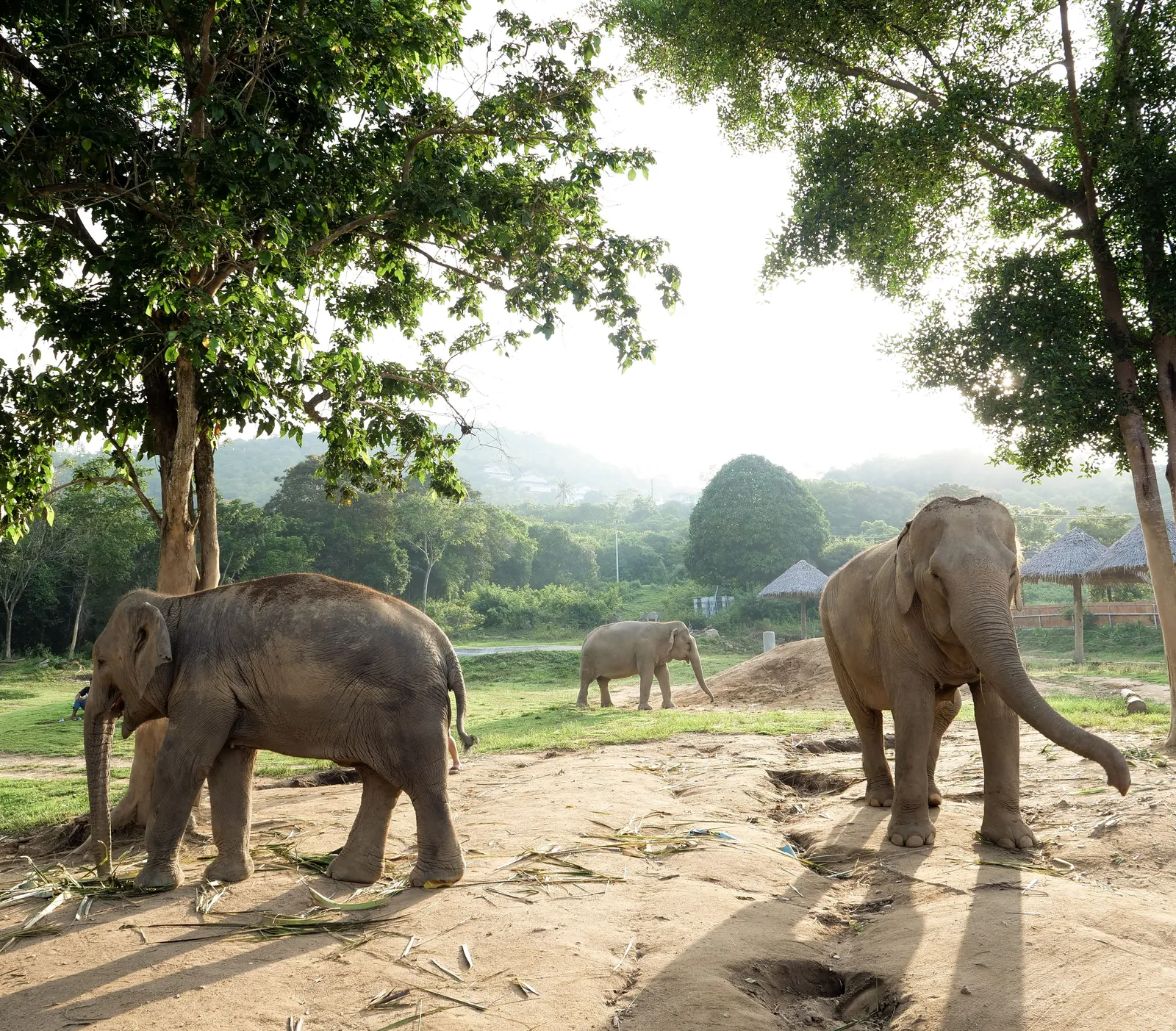
The word sanctuary is not regulated. What matters is the practice: genuine sanctuaries do not offer rides, keep the animals in large areas rather than on chains, and limit direct contact rather than building the experience around it. An operation that lets you bathe with dozens of tourists at once is closer to the old model than the marketing suggests.
Our guide to ethical elephant sanctuaries sets out what to check. Done properly this is one of the best things a family can do in Thailand, and done badly it funds exactly what you were trying to avoid.
The medical cover is the one that mattersDengue, animal bites and the road accident rate make this a destination where a proper policy earns its costHealth, which needs planning before you fly
Two things deserve specific attention, and both need a conversation with a travel health professional well before departure rather than a search when you arrive.
Dengue is mosquito-borne, present across the country, and there is no vaccine available to most travellers. The mosquitoes that carry it bite during the day as well as at night, which means repellent is an all-day habit rather than an evening one.
Rabies is present and carried by dogs and monkeys. Children are more likely to approach animals and less likely to mention a small scratch, which is precisely the risk. Any bite or scratch that breaks the skin needs immediate medical assessment, not observation.
Neither is a reason to avoid Thailand. Both are reasons to have a plan and proper insurance.
Getting around
Car seats are not reliably available. They are not standard in taxis or hire cars, and drivers frequently do not have one even when asked in advance. Families who consider them essential bring their own.
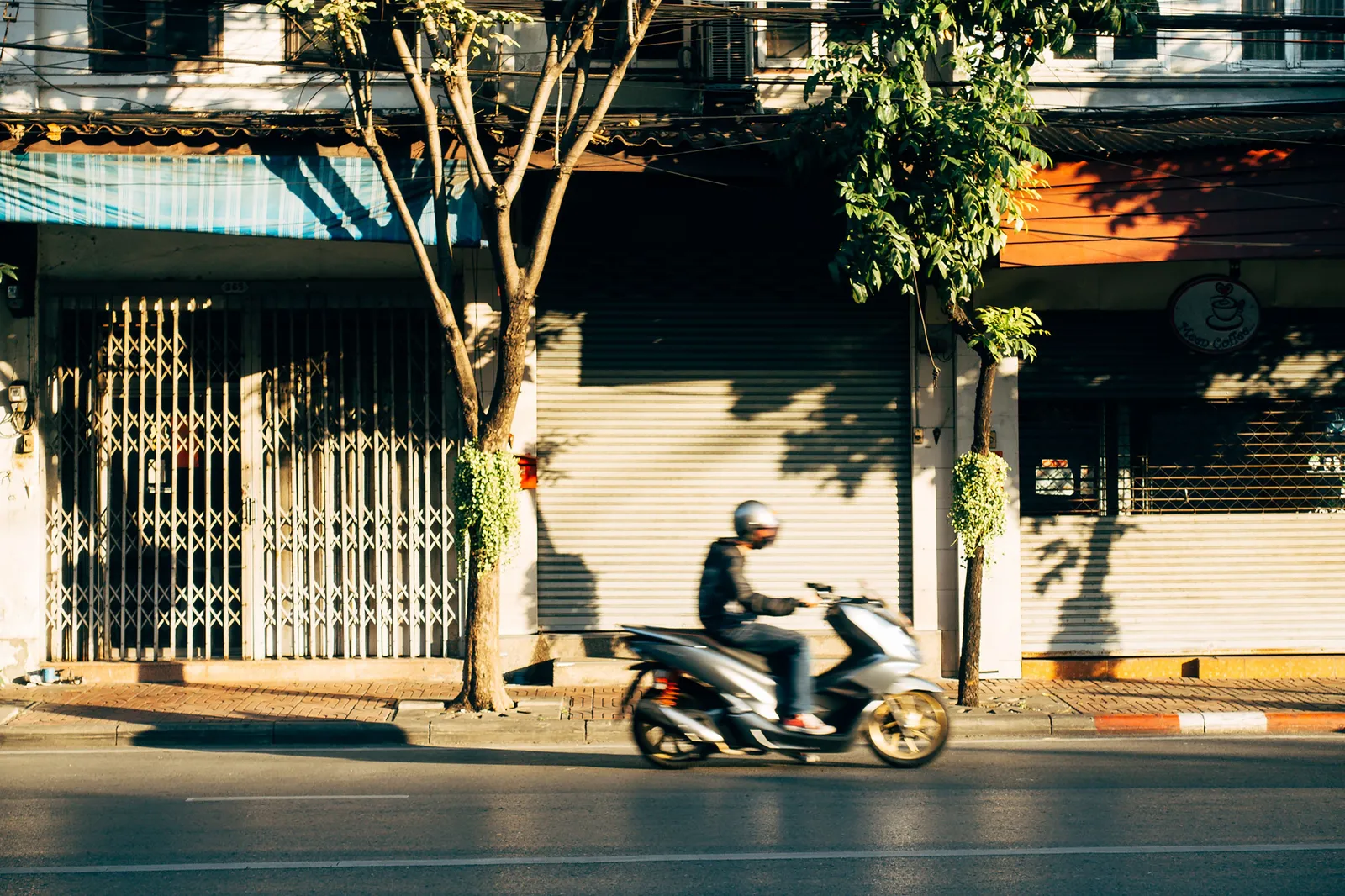
Motorbike taxis and songthaews are not appropriate for small children, whatever you see local families doing. For any real distance, hire a car with a driver or take a domestic flight, both of which are inexpensive here.
The heat
Thailand is hot and humid all year, and the middle of the day is genuinely difficult with young children. The fix is structural: early morning out, several hours in a pool or indoors, out again late afternoon.
That makes the accommodation choice more important than the location. A pool you can retreat into for four hours is worth more than being close to the sights, and it is the single change that makes a family trip here work rather than merely survive.
Food, which is easier than expected
Thai food has a reputation for heat that worries parents, and in practice this is one of the simpler places to feed children. Chilli is added rather than built in for many dishes, and asking for something not spicy is a completely routine request that kitchens handle without fuss.
The dishes that reliably work are fried rice, chicken satay, spring rolls, plain noodle soups, omelette over rice and mango with sticky rice. Fruit is abundant, cheap and excellent. Western food is widely available in the tourist areas if it comes to that.
Two practical notes. Ice and tap water: bottled water is universal and cheap, and ice in established restaurants is generally made commercially and fine, while street stalls are more variable. And formula and nappies are available in supermarkets and pharmacies in the towns and cities, though brands differ from home and remote islands stock far less, so carry a buffer when leaving the mainland.