Northern Thailand is the part of the country that is not the beach, and it rewards a completely different kind of trip. The distances look small on a map and take three times as long as they should, because almost every road between the northern towns climbs a mountain and then comes back down again. That is the region’s charm and its main planning constraint, and a northern itinerary that ignores it produces a week of exhausted afternoons.
The shape of the region
Four places anchor the north, and how you connect them determines the trip.
Chiang Mai. The regional capital and the base for almost everything. Compact old city, several hundred temples, good food, an international airport with frequent connections to Bangkok.
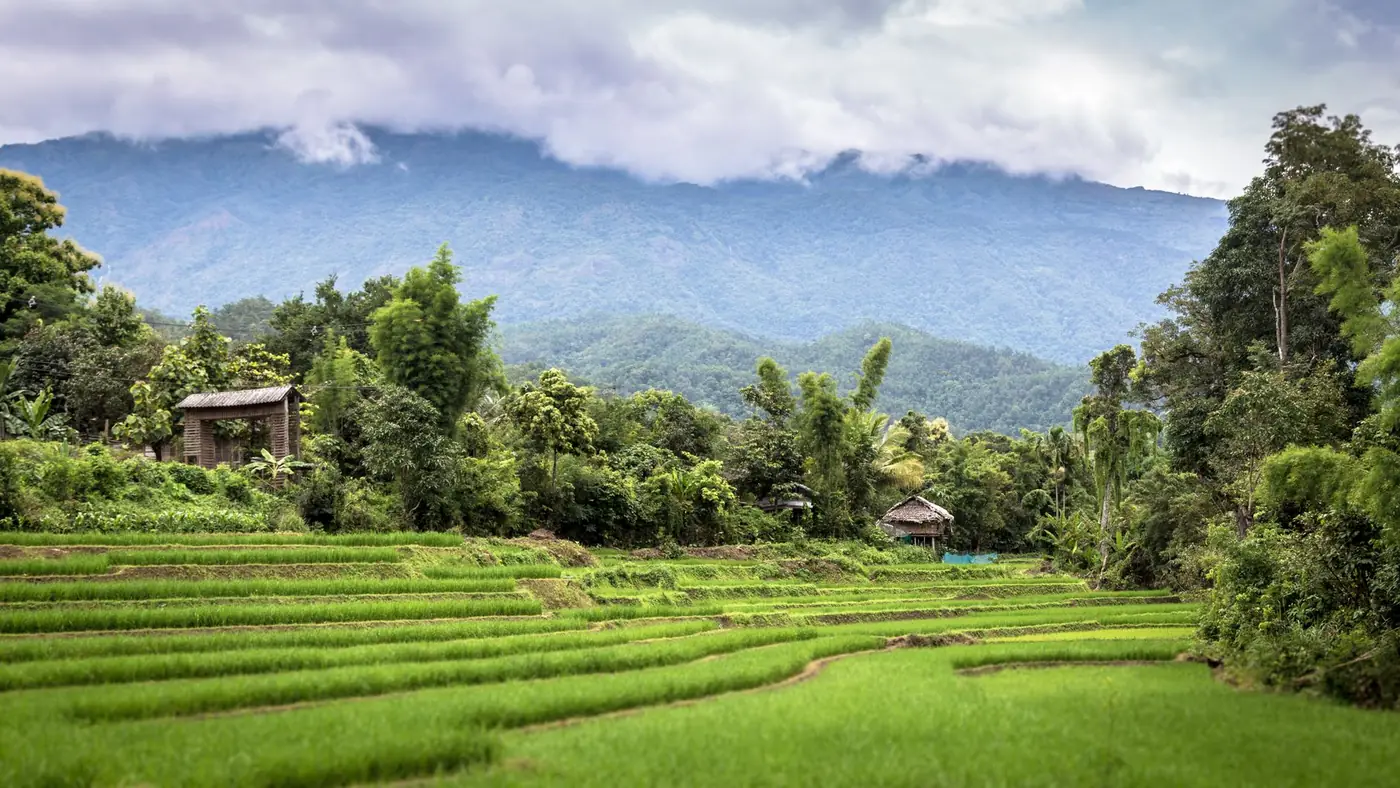
Pai. Three hours north-west over a mountain road, in a valley of rice fields and hot springs. Small, slow and popular with long-stay travellers.
Mae Hong Son. Further round the same road, near the Myanmar border, the quietest of the four and the least visited.
Chiang Rai. East of Chiang Mai, roughly three hours by road, with the White Temple and access to the Golden Triangle where Thailand, Laos and Myanmar meet.
The Mae Hong Son loop links the first three in a circuit of roughly six hundred kilometres. Chiang Rai sits off that loop and is a separate excursion, not a stop on it.
Days 1 to 3: Chiang Mai
Three nights is the minimum for Chiang Mai and four is better, because the city and its surrounding mountain both deserve a day.
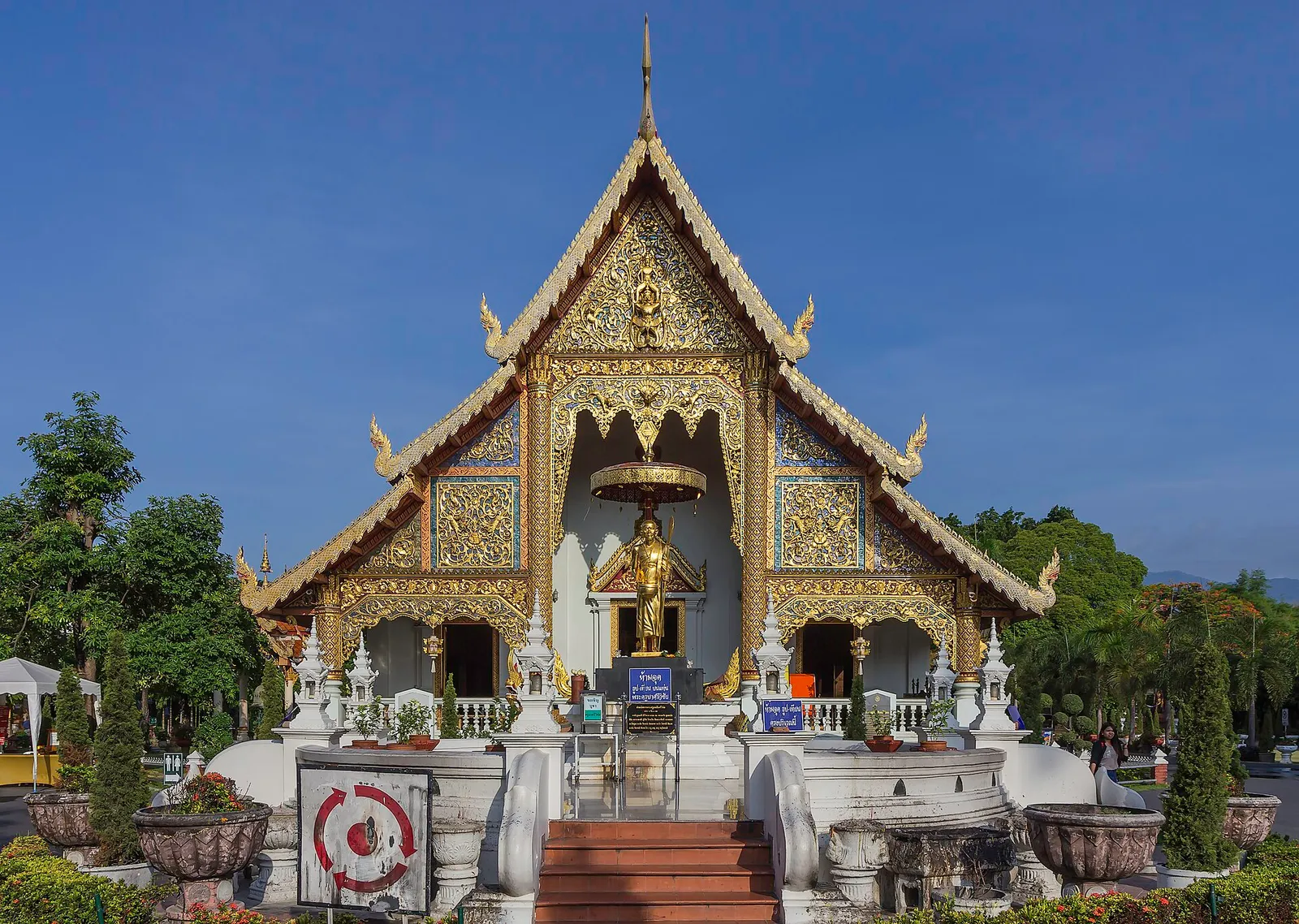
The old city inside the moat is walkable, and the temples are dense enough that wandering works better than a planned route. Wat Chedi Luang, Wat Phra Singh and Wat Chiang Man form the obvious core. Above the city, the mountain temple of Doi Suthep is reached by a winding road and a long stairway flanked by naga serpents, and it is best in the early morning before the coaches arrive. Our Chiang Mai guide goes into the neighbourhoods and where to base yourself.
Markets and food. The Sunday walking street through the old city is the big one. Northern Thai food is a distinct cuisine from what you find in Bangkok, built around different herbs and less sugar, and khao soi is the dish to start with.
Day excursions. Waterfalls, hot springs, and ethical elephant sanctuaries all sit within a couple of hours. On the elephants, the difference between a genuine sanctuary and a rebranded riding camp is real and worth researching properly.
Days 4 to 6: the road to Pai
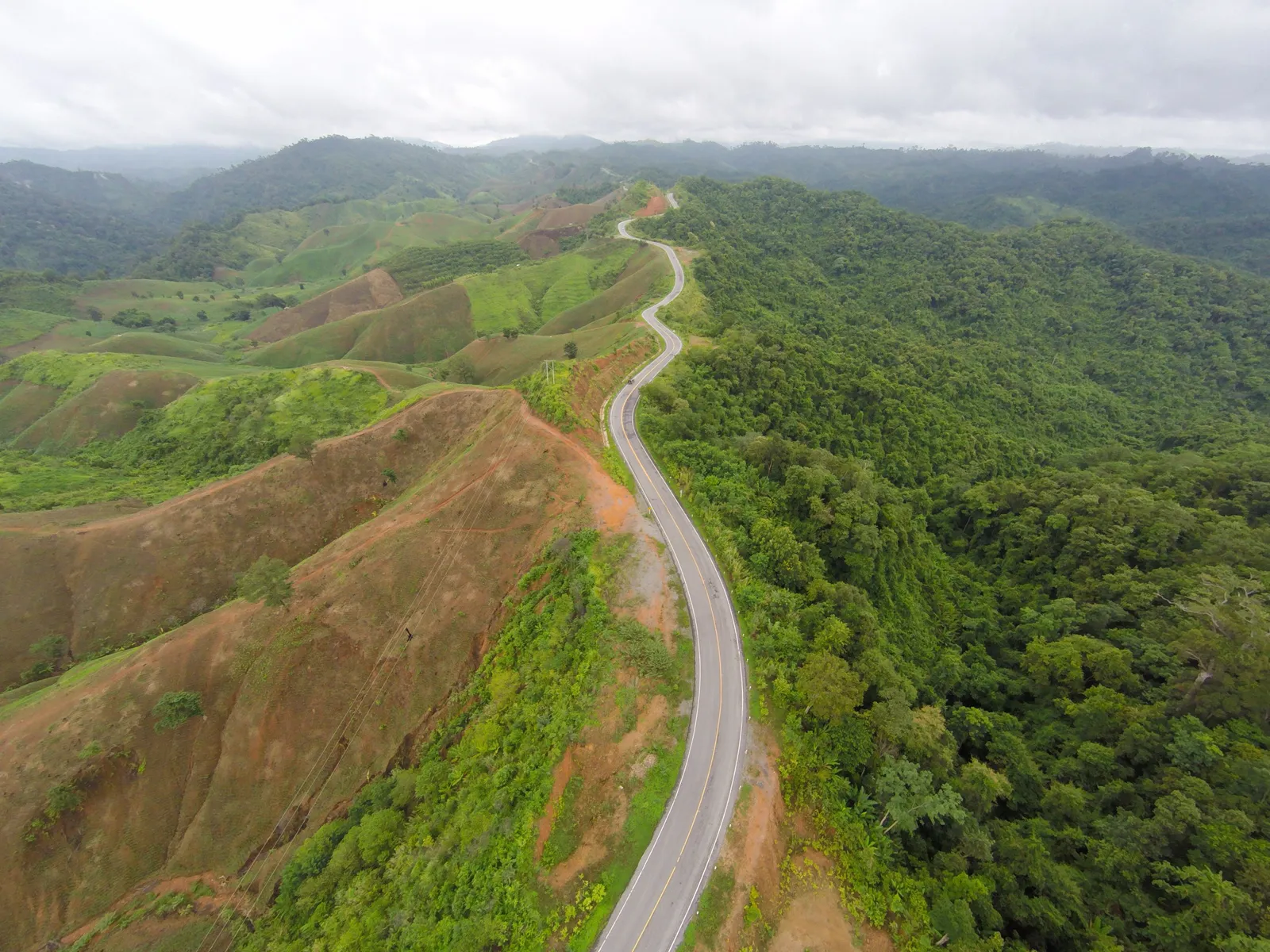
The road from Chiang Mai to Pai, Route 1095, is the north in miniature: beautiful, slow, and relentlessly bendy. A commonly repeated figure puts it at around 762 curves, which is folklore more than survey, but the practical effect is not in dispute. It takes roughly three hours by minivan, drivers are quick, and anyone remotely prone to travel sickness should medicate before departure rather than after.
Pai itself is a small town in a wide valley, with hot springs, waterfalls, a canyon and a long-established traveller scene. It is the sort of place people arrive at for two nights and leave after five. Our Pai guide covers what is worth the trip out of town and what is a photo stop.
Renting a scooter here. Pai is the classic place where inexperienced riders hire a bike, and the local clinics see the results. You need an International Driving Permit with a motorcycle entitlement alongside your home licence. A car-only permit does not cover you, and riding outside your licence category voids travel insurance completely, which turns a scraped leg into an uninsured hospital bill.
Days 6 to 9: completing the Mae Hong Son loop
From Pai the loop continues north-west to Mae Hong Son, then south through Mae Sariang and back east to Chiang Mai. The full circuit is roughly six hundred kilometres and needs four days at minimum, five or six to enjoy.
Mae Hong Son town. Quiet, mountain-ringed, with Burmese-influenced temples around a small lake and a morning market that still functions as a market rather than an attraction.
Along the way. Hill villages, viewpoints, caves and hot springs are strung along the route, and the stops are what justify the driving.
Mae Sariang. The southern corner of the loop, small and largely untouristed, and the natural overnight before the final leg back.
Doing it without a bike. The loop works perfectly well by hire car, by public minivan hopping town to town, or with a private driver. Minivans are cheapest and tie you to schedules; a car is the best balance for most people.
A hire car makes the Mae Hong Son loop far more comfortable than a scooterLuggage, rain and six hundred kilometres of mountain bends are all considerably easier on four wheelsDays 9 to 11: Chiang Rai and the Golden Triangle
Chiang Rai is a separate trip from the loop, reached by a road east from Chiang Mai that takes about three hours. It works far better with an overnight than as a day trip.
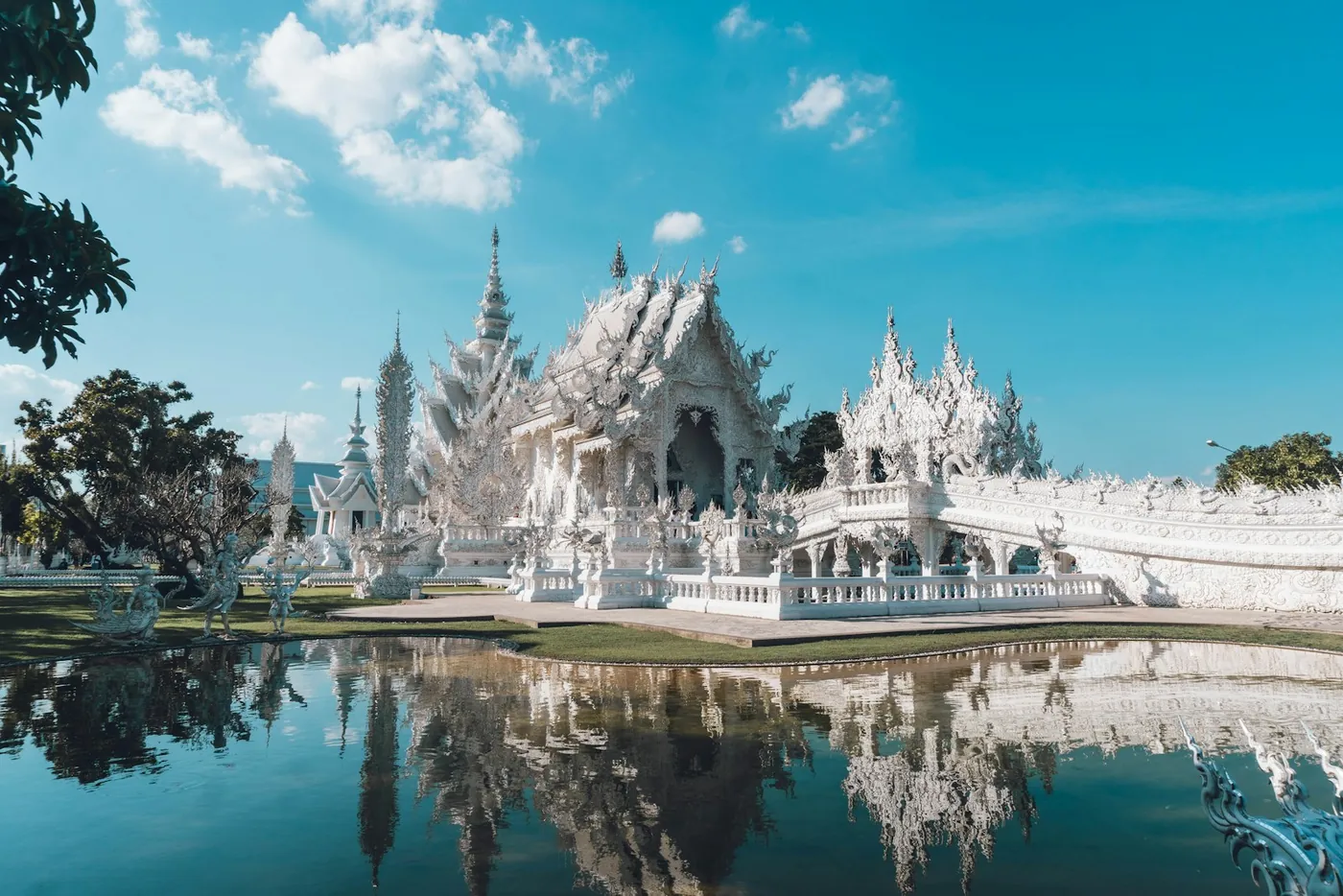
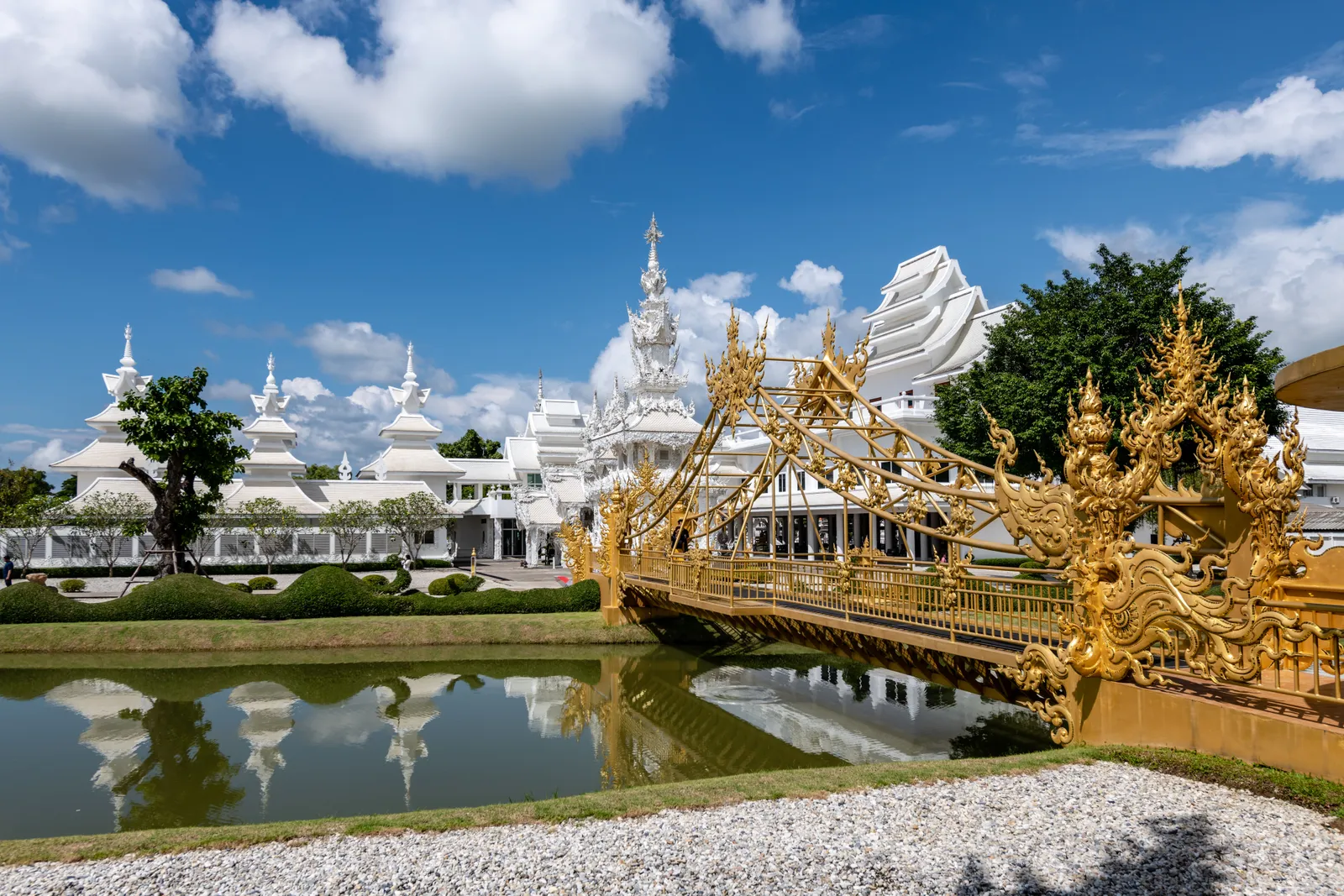
Wat Rong Khun, the White Temple. A contemporary artwork rather than a historic temple, dazzlingly white and full of unexpected modern detail. Our White Temple guide covers timing and the other two buildings in the same orbit.
The Blue Temple and the Black House. Both nearby, both the work of the same artistic lineage, and both genuinely worth the detour.
The Golden Triangle. An hour or so north, where the Mekong divides Thailand, Laos and Myanmar. More interesting as a place to stand and look than as an attraction in itself.
The season question
The north has a genuinely bad time of year and it is worth planning around.
November to January. The best months. Cool, clear, dry, with mountain views at their sharpest. Nights in the hills can get properly cold, so bring something warm.
February to April, the burning season. Agricultural burning and forest fires fill the northern valleys with smoke. Chiang Mai ranked among the world’s most polluted cities repeatedly during March 2026, and provincial authorities have imposed open burning bans across these months in an attempt to control it. Air quality varies day to day, so check live readings before you travel rather than assuming.
May to October. The wet season, but the north gets less rain than the coasts and the landscape is at its greenest. Showers are usually afternoon events rather than all-day.
In short. Give the north seven days if you can. Chiang Mai for three, Pai for two, and either the rest of the Mae Hong Son loop or a run east to Chiang Rai, but not both unless you have ten. Avoid March. Check whether your driving permit actually covers a motorbike before you rent one, and remember that every distance in the region takes longer than the map suggests, which is precisely why it stays as quiet as it does.