Thailand is one of the few destinations where a honeymoon can be genuinely luxurious without being ruinous, and where the couple who want a private pool and the couple who want a beach bungalow are both well served on the same island. The decisions that matter are made in a particular order, though, and getting that order wrong is what produces the honeymoon that rains for nine days. Our comparison of the two coasts is the technical version of the first decision; this is the honeymoon shaped one.
Get the order right: month, then coast, then island
Almost every disappointing beach trip to Thailand comes from choosing the island first.
The country has two coasts on opposite weather cycles. The Andaman side in the west and the Gulf side in the east do not share a rainy season, which means that in most months of the year one of them is having good weather while the other is not. So the sequence that works is: fix the dates, find the coast that is in its dry season then, and choose the island from what is left.
That constraint is much less limiting than it sounds, because both coasts have quiet islands, developed islands and everything between. What it prevents is the specific failure of booking a famous island for a month in which it is being rained on.
What the romantic islands actually offer
The word romantic gets applied indiscriminately, so it helps to separate what these places are really like.
The most developed islands, Phuket and Samui, are the easiest to reach, with direct flights and the widest choice of high end resorts and spas. Their beaches are also the busiest. For couples who want an easy arrival and a resort with everything on site, this is the practical choice, and the quieter northern and eastern coasts of both are considerably calmer than their reputations.
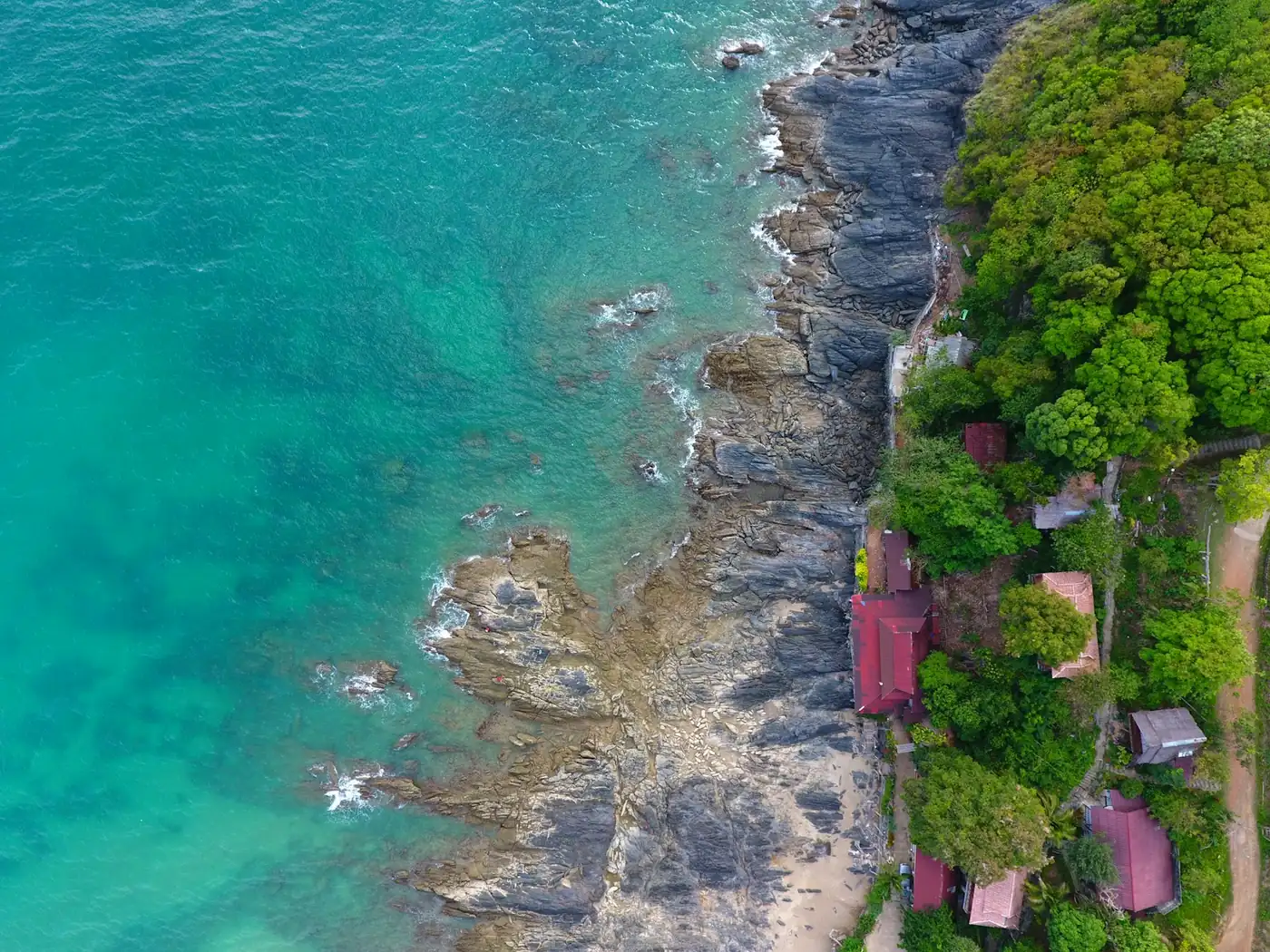
The mid sized quieter islands trade a harder transfer for emptier sand. Lanta is the standing recommendation here: long beaches, sunsets over the water, a low key atmosphere and enough restaurants to eat out every night. Our Koh Lanta guide covers it properly.
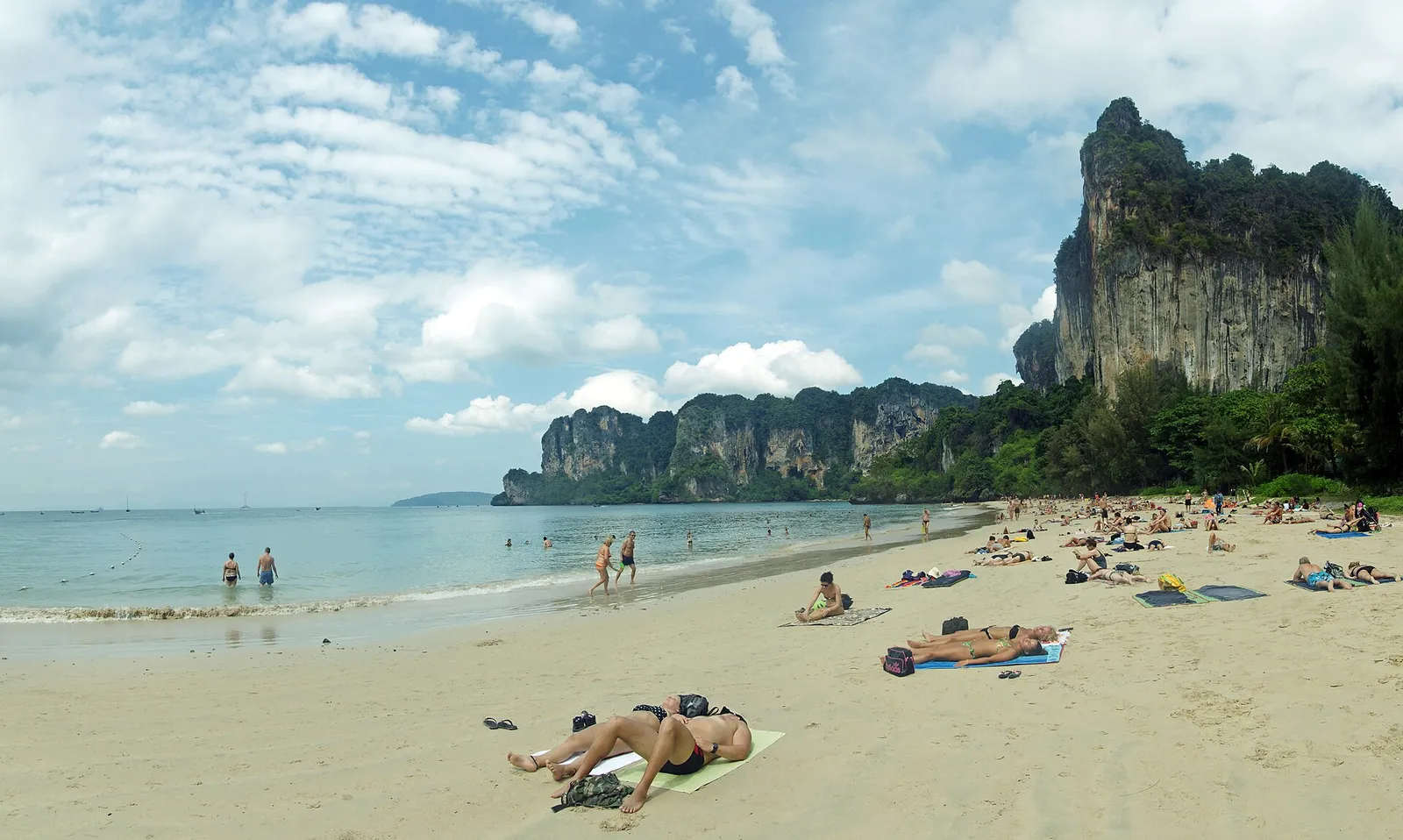
The dramatic mainland coast is the underrated option. Railay, reachable only by boat despite being attached to the mainland, delivers the limestone cliffs and hidden beaches that most people picture when they imagine Thailand, and works well as a shorter dramatic leg rather than the whole trip. Our Krabi and Railay guide covers the area.
The pool villa question
This is where most of the budget decision sits, so it deserves a straight answer rather than a brochure one.
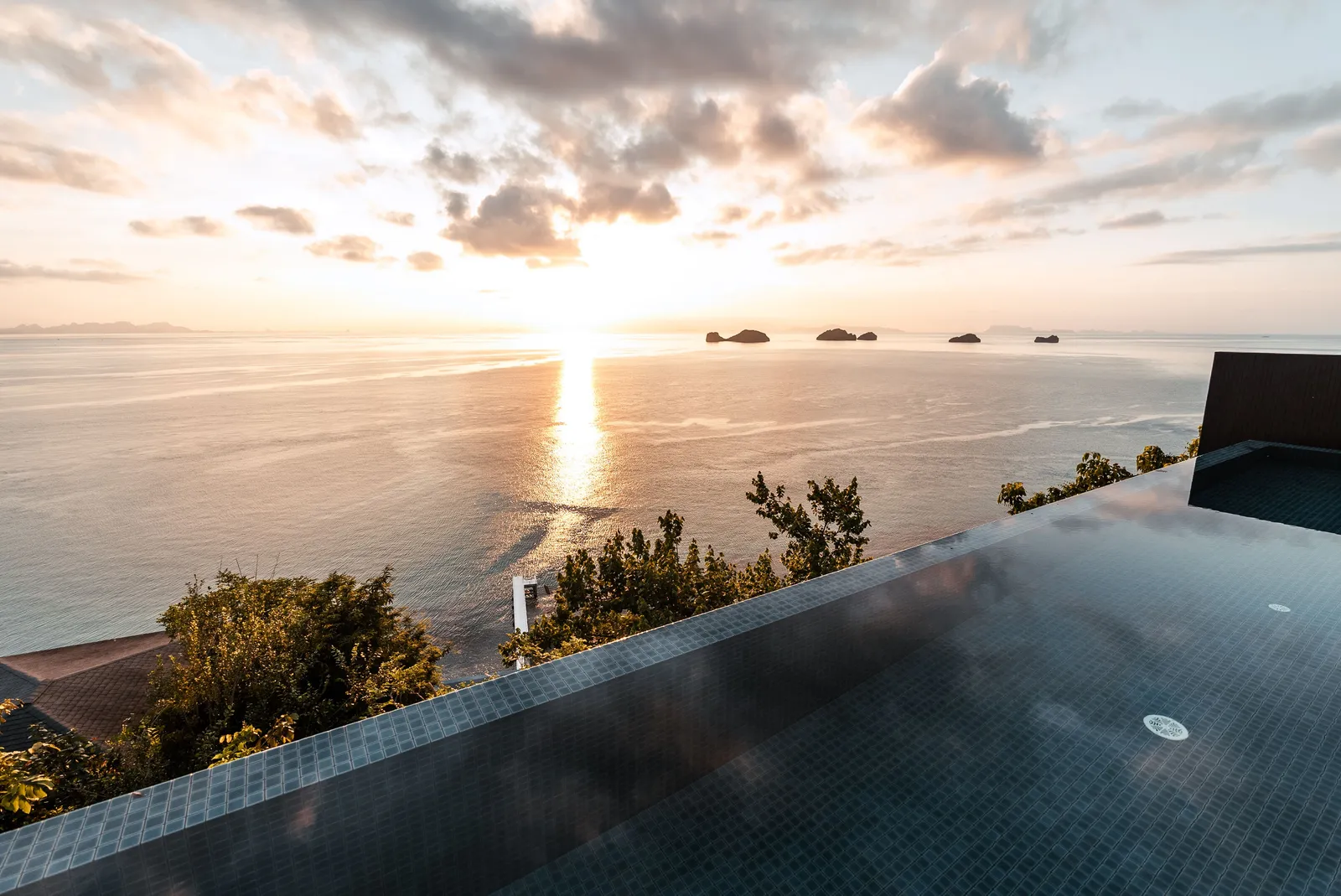
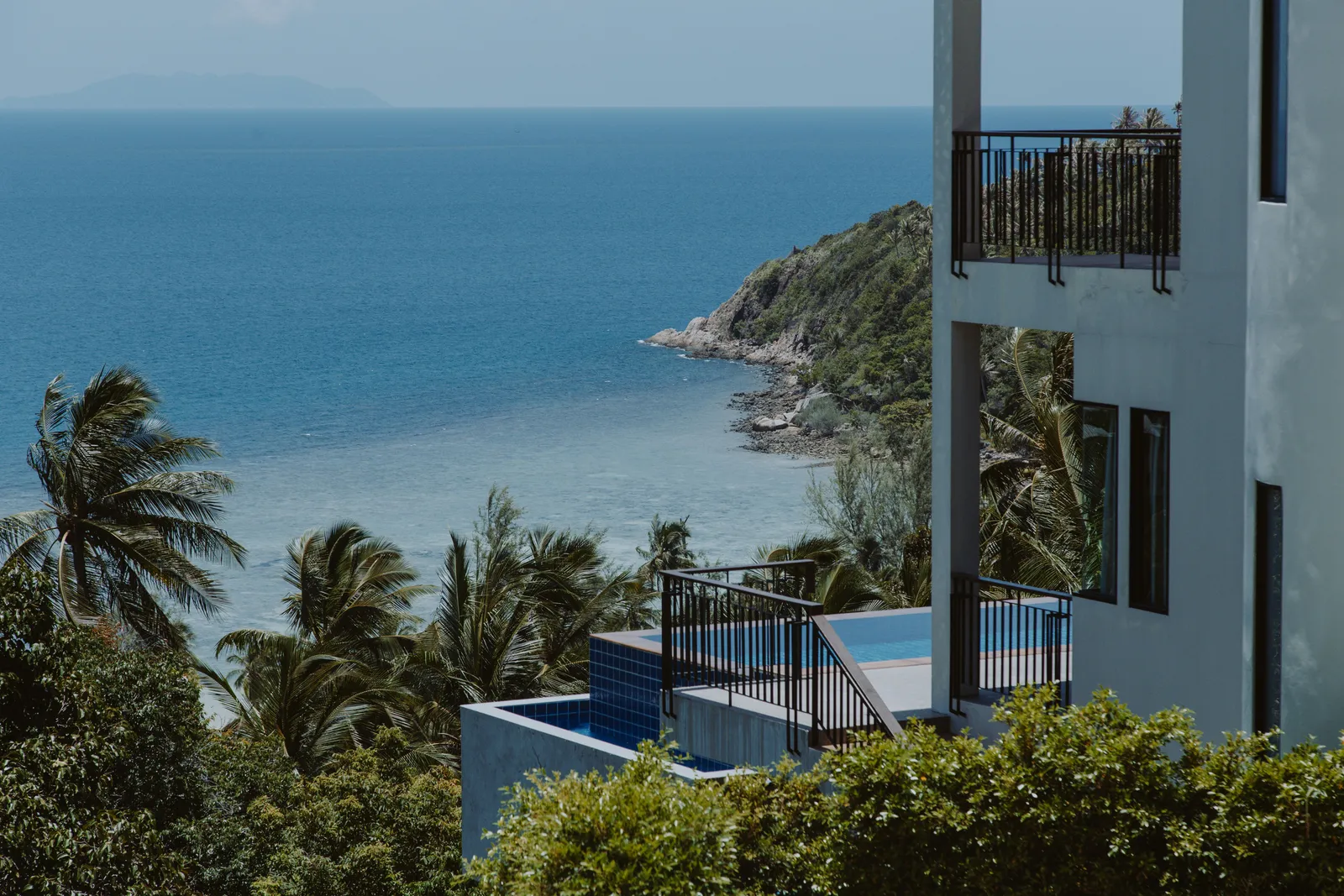
A private pool villa is worth it when the property is the destination. If the plan is late breakfasts, an afternoon in your own water, a spa treatment and dinner on site, then the villa is not an accessory to the honeymoon, it is the honeymoon, and couples who spend on it rarely regret it.
It is poor value when the plan is full of day trips, island hopping and boat excursions, because you are paying a substantial premium for a pool you see at dusk. In that case the money does more work spread across a better location, a beachfront room category or simply a longer trip.
Decide which of those two trips you are taking before you compare prices, because the same villa is excellent value in one and wasted in the other.
A route that works
Fly into the coast that is in season and take the quiet island first, while the time difference is still being absorbed and doing nothing is the point. Five or six nights there is enough to properly stop.
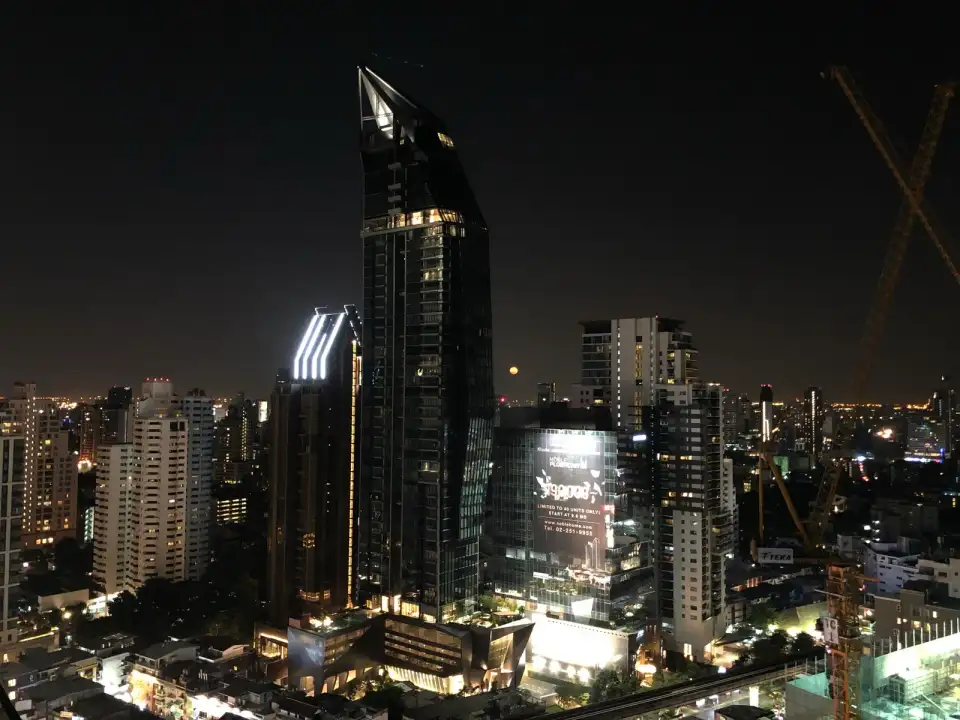
Then move, once, to somewhere with a pulse. That might be the dramatic cliffs of the mainland coast, a more developed island for the restaurants and the spas, or a short stop in Bangkok at the end. Four or five nights covers it.
Leaving the busier leg until second has a practical advantage beyond the pacing: if the weather misbehaves on the quiet island, the second half still has plenty to do indoors and after dark.
Transfers, and how quietly they eat the days
The gap between a ten day honeymoon and a good ten day honeymoon is usually transfers, and they are the easiest thing to underestimate.
Getting from an international arrival to a quiet island is rarely one leg. It tends to be a domestic flight, then a road transfer to a pier, then a boat, and the connections do not always line up on the same day. Ferries and speedboats run to seasonal timetables and stop for weather, which matters most on the return, when a missed connection has a flight attached to it.
Two habits fix most of this. Build a night on the mainland or near the airport at either end rather than attempting an island to long haul flight on the same day, and treat any transfer over about four hours as a day rather than a morning. A honeymoon with one fewer island and two fewer travel days is almost always the better trip.
Timing, cost and the small things
Peak season around the year end carries the highest prices and the best weather on the Andaman side, and it books out furthest ahead. The shoulder months either side are the honeymoon sweet spot: prices drop noticeably, the sea is still good, and the resorts are less full.
Costs are quoted in baht and span an enormous range, from simple bungalows to resorts charging many multiples of that. The dates move the total as much as the choice of property does, so comparing the same room across two months is often more revealing than comparing two properties in one month.
Mention the honeymoon when you book. Most resorts do something, whether that is an upgrade if one is free, a decorated room on arrival or a dinner. None of it is guaranteed and none of it justifies paying for a packaged honeymoon add on, but it costs nothing to put in the booking notes.