Thailand’s islands are the stuff of screensavers, but they are not interchangeable, and picking the wrong coast for your dates is the classic first-timer mistake. The country’s beaches split across two very different seas, the Andaman to the west and the Gulf to the east, each with its own scenery, rhythm and, crucially, its own season. Here is how to choose the right one for your trip.
The two coasts in a nutshell
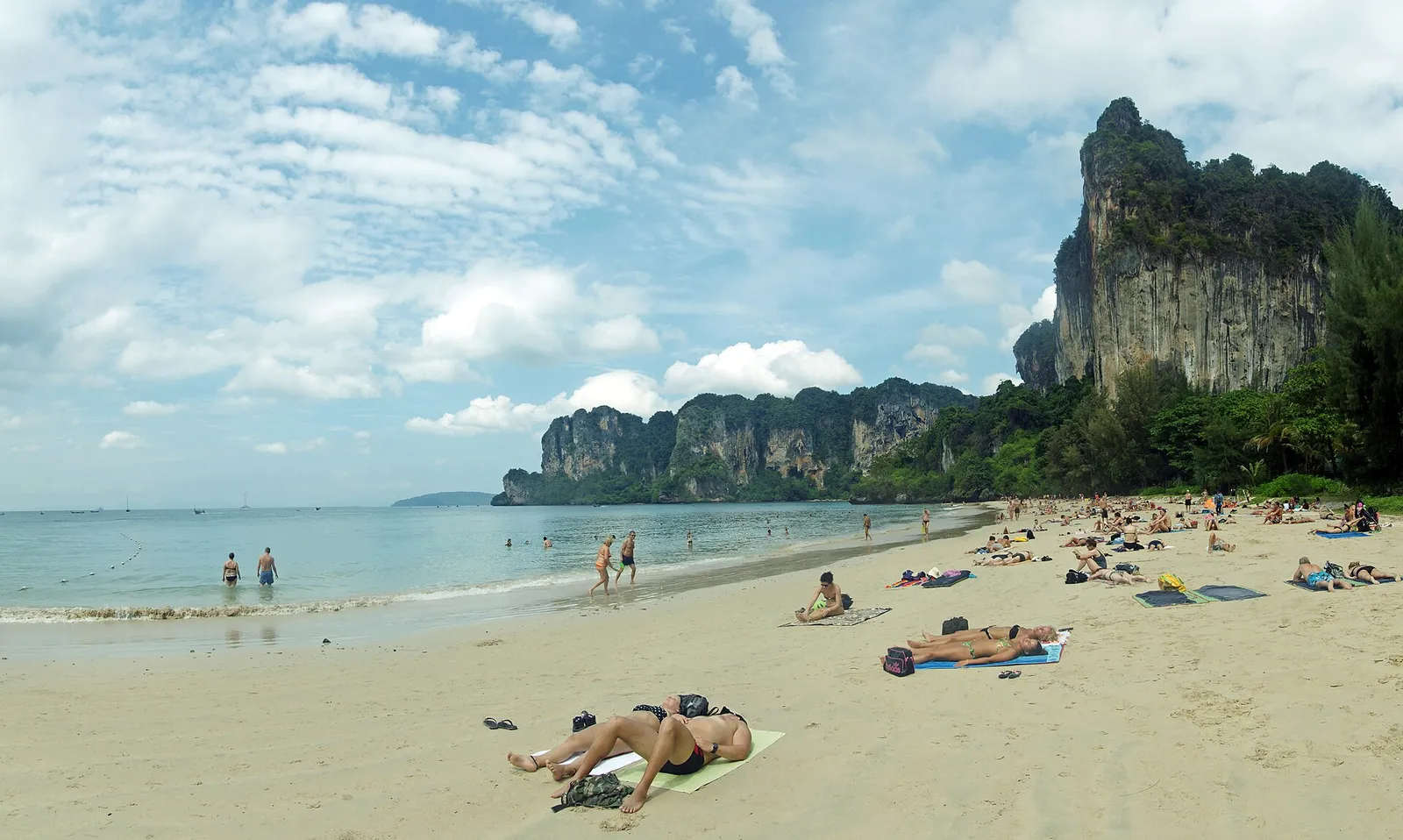
The Andaman coast, west of the mainland, is the dramatic one: sheer limestone karst cliffs rising straight out of jade water, the postcard scenery of Phi Phi, Krabi and Phang Nga Bay. It is generally at its best roughly November to April. The Gulf of Thailand, to the east, is gentler and often greener, with softer beaches, superb diving and a season that frequently runs January to August, sometimes staying dry when the Andaman is stormy. Get the season right and half the work of planning is done.
The Andaman side: Phuket, Krabi, Phi Phi
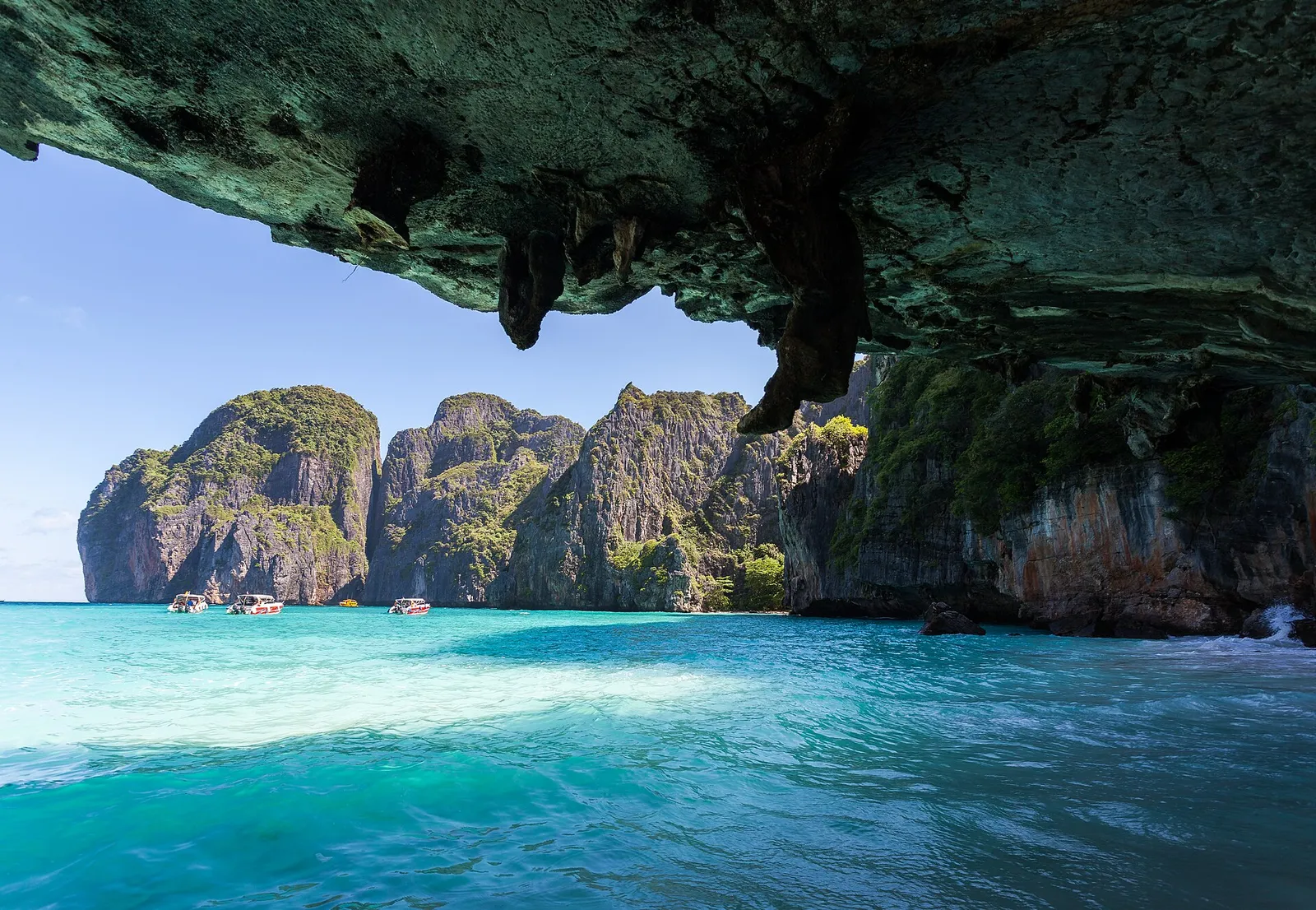
The Andaman coast is the busiest and best connected. Phuket is the big one, an island with an airport, every kind of hotel, buzzing nightlife and beaches for all tastes, and a fine base for boat trips. Krabi, across the bay, trades some of the polish for jaw-dropping scenery: the climbing cliffs of Railay, longtail boats, and easy hops to nearby islands. Phi Phi is the iconic day-trip and party island, home to Maya Bay, the cove the films made famous.
Maya Bay is worth a paragraph of its own, because it no longer works the way the photographs suggest. After years closed for reef recovery it reopened under strict national park rules: boats no longer land on the famous beach but pull in at Loh Samah on the back of the island, from where a short boardwalk brings you out onto the sand; swimming in the bay is not permitted, only wading; numbers on the beach and time on site are capped; and there is a national park entry fee of a few hundred baht per adult. The bay also closes completely for part of the year to let the reef rest, in recent seasons through August and September, while the wider Phi Phi boat trips keep running without the beach stop. Check the current fee, hours and closure dates with your operator before you book, since the park reviews them annually.
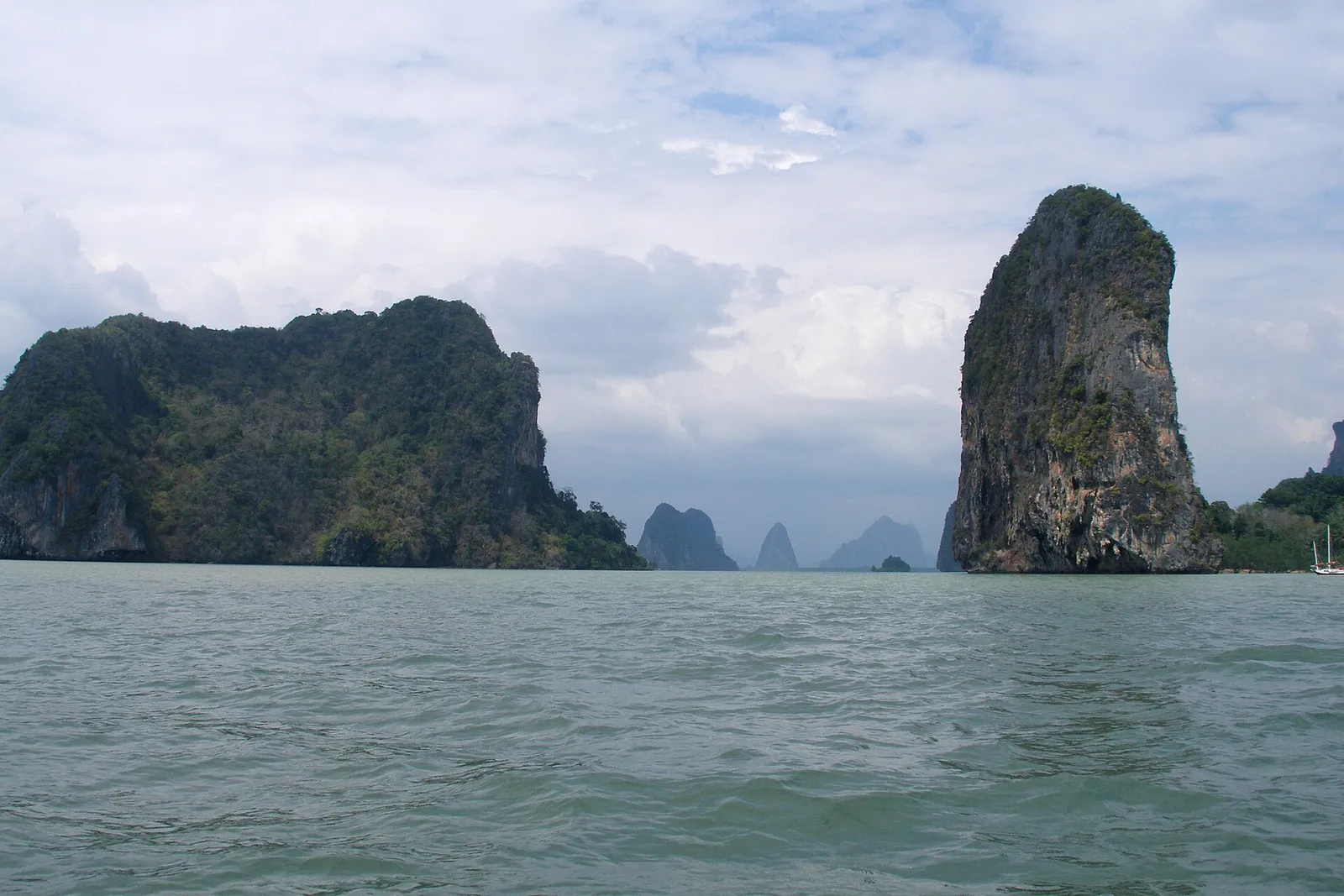
Choose the Andaman if you want the most dramatic scenery, the widest choice of flights and hotels, and you are travelling in the cool, dry months.
The Gulf side: Samui, Phangan, Tao
The Gulf trio sits close together and covers three moods. Koh Samui is the comfortable all-rounder: an airport, resorts, spas, family beaches and easy living. Koh Phangan, its neighbour, is famous for the monthly Full Moon Party but is also surprisingly serene away from the beach parties, with jungle, yoga retreats and quiet coves. Koh Tao is the diving capital, one of the cheapest and best places in the world to learn to scuba dive, ringed by clear, life-filled water.
Book a snorkel or dive day on the GulfKoh Tao and its reefs are among the world's best value underwaterChoose the Gulf if you want calmer beaches, world-class diving, that Full Moon energy, or you are travelling when the Andaman is wet.
How to actually choose
Start with your dates, not your Pinterest board. Travelling November to April? Lean Andaman. Travelling in the summer green season? The Gulf will likely give you better weather. Then match the vibe: dramatic cliffs and variety point west, gentle beaches and diving point east. And be realistic about travel time, since the coasts sit on opposite sides of the peninsula. Combining both on one trip is possible but eats a day of ferries and flights, so most people pick one coast and island-hop within it. Our getting around guide fills in the logistics.
Getting there and hopping around
Most island trips run through Phuket, Krabi or Koh Samui airports, or by ferry from mainland piers like Surat Thani and Krabi town. Within each coast, frequent ferries and speedboats link the islands, so hopping is easy once you arrive. Book ferries a little ahead in high season, watch the last-boat times, and travel light, as many transfers involve wading a few steps onto a beach.

The quieter islands worth knowing
Both coasts have a second tier that rarely makes the highlight reels and is often exactly what people actually wanted.
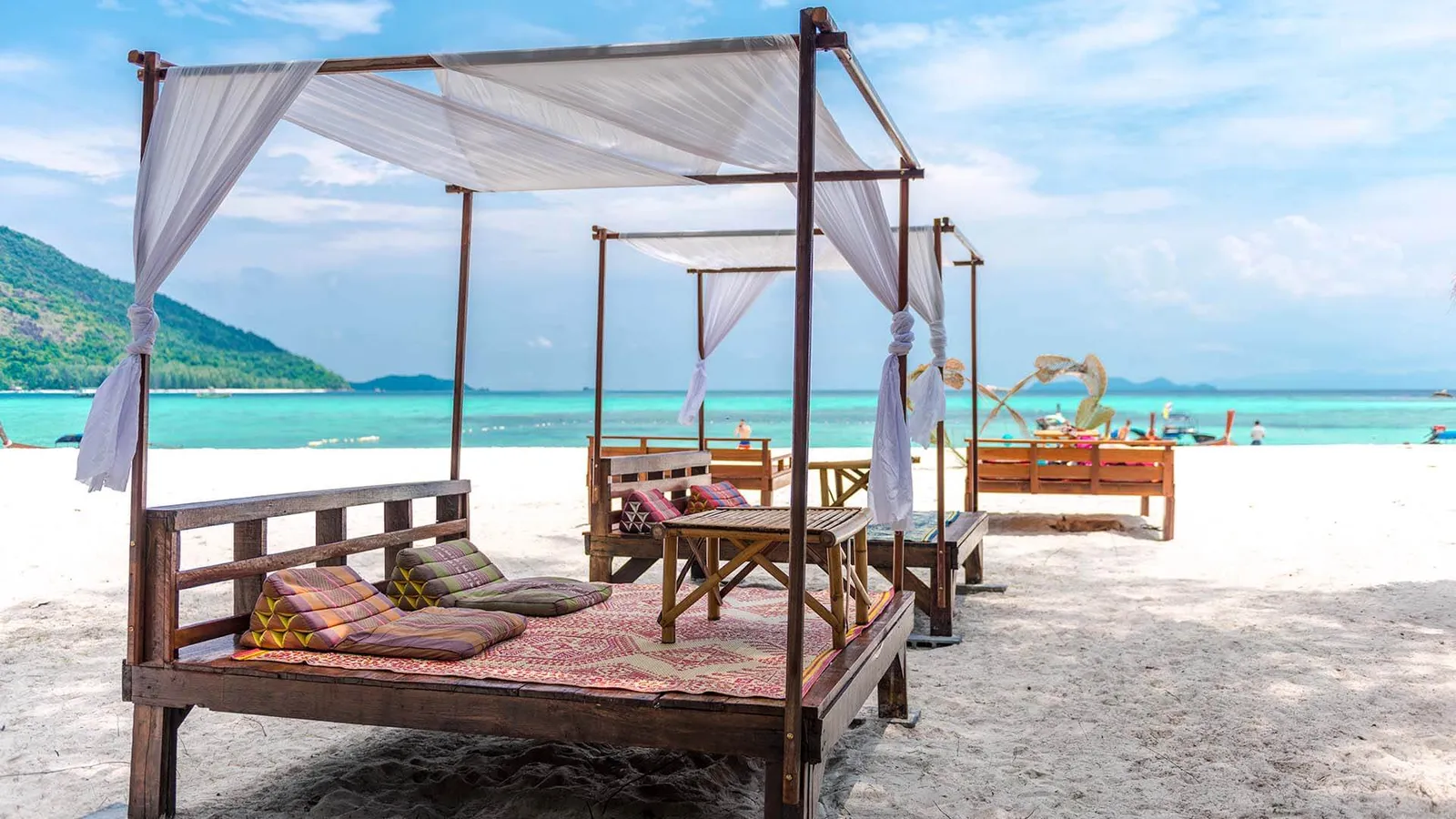
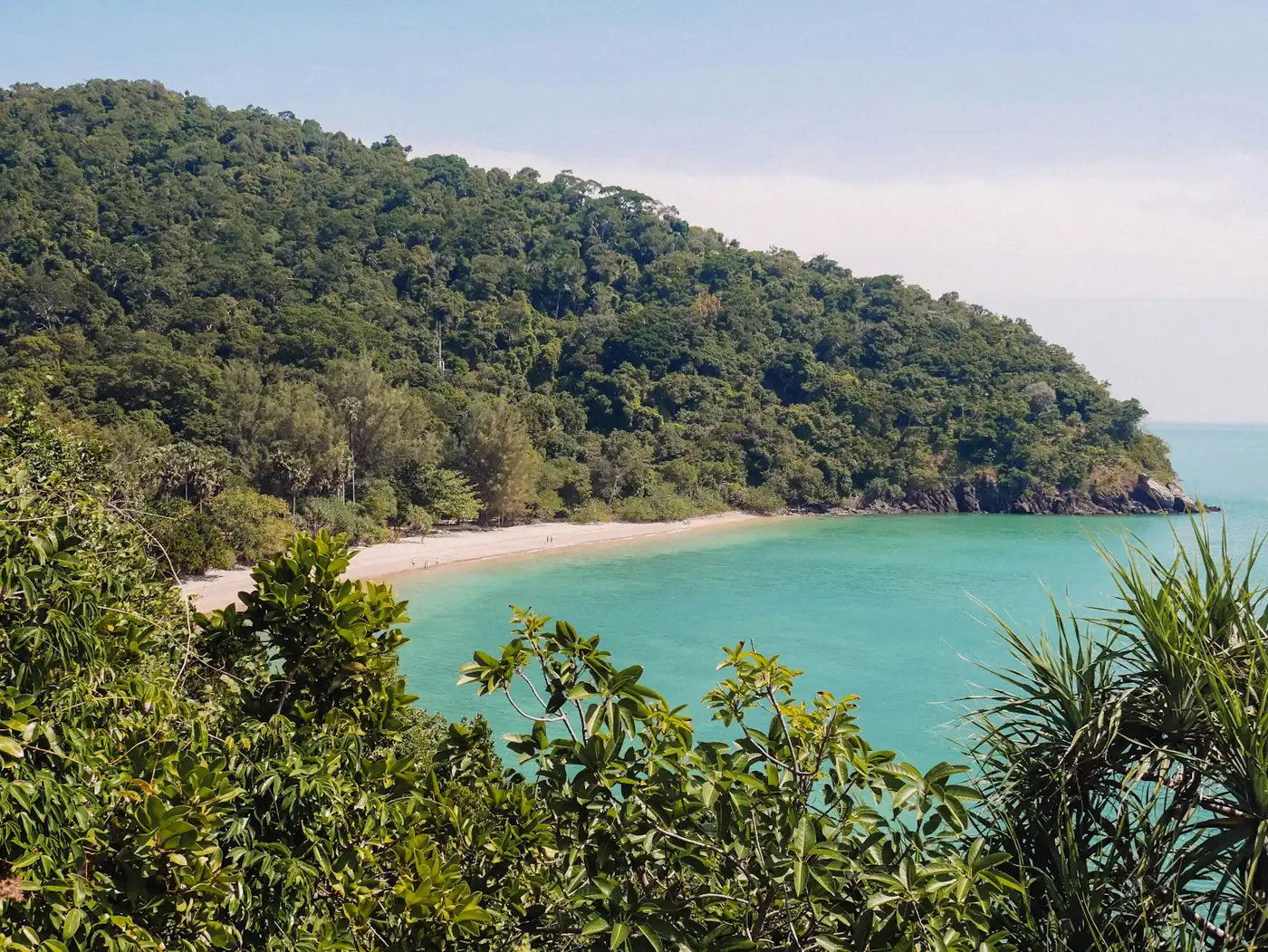
On the Andaman side, Koh Lanta is the standard answer for travellers who like Krabi’s scenery but not its crowds: long flat beaches, a slow pace and a proper local town at the old pier. Koh Yao Noi sits in the middle of Phang Nga Bay between the two coasts, with rice fields, rubber plantations and very little development. Far to the south near the Malaysian border, Koh Lipe is tiny, beautiful and genuinely remote, which is both its appeal and its catch.
On the Gulf side, the quiet is often on the same island as the noise. The north and east of Koh Phangan are a world away from the Full Moon beaches, and much of Koh Samui away from Chaweng runs at a gentle village pace.
The trade-off is consistent everywhere: fewer flights, fewer ferries, fewer clinics and fewer options if plans change. Quiet islands reward longer stays and punish tight schedules.
Match the island to the trip you want
| You want | Lean towards | Why |
|---|---|---|
| Dramatic scenery and choice | Phuket, Krabi | Karst cliffs, most flights, every budget |
| Learning to dive | Koh Tao | Cheap, well set up, calm shallow reefs |
| Comfort and easy family days | Koh Samui, Khao Lak | Airports, resorts, calm swimming beaches |
| Nightlife and a scene | Phuket, Koh Phangan | The two islands built for it |
| Slow, quiet and green | Koh Lanta, Koh Yao Noi | Little development, longer stays |
What island time actually costs
Islands are the most expensive part of most Thailand trips, and the reason is structural rather than greedy: almost everything has to arrive by boat. Food, accommodation and drinks all sit above mainland prices, and the gap widens the smaller and more remote the island.
Three costs surprise people. Transfers add up quickly, since an airport plus ferry plus taxi chain can cost more than the flight that started it. Boat trips are the reason to be there and are worth paying for, but a family booking several days out on the water should budget for them properly rather than treat them as extras. And beachfront carries a premium at every level, from bungalow to resort, so a room a few streets back is routinely far cheaper for a two-minute walk.
Ferries, transfers and the day you lose
Island logistics are simple but unforgiving, and almost every islands complaint traces back to the same thing: underestimating how long a move takes.
A typical island change is not a ferry, it is a chain: checkout, a pickup that collects other passengers first, a wait at the pier, the crossing itself, then a taxi at the other end. Even a short hop between neighbouring islands routinely consumes most of a day once that chain is counted, and the last boat of the day is usually earlier than visitors expect, particularly outside high season.
Three habits make it painless. Book ferries a little ahead in peak season, when popular routes genuinely sell out. Never plan a same-day ferry to a flight, since a cancelled or delayed crossing turns a missed connection into a rebooked ticket. And travel light, because plenty of transfers involve carrying your bag down a pier, along a beach or off the front of a boat into shallow water.
Pairing the islands with the rest of Thailand
Very few trips are beaches only, and the two natural pairings pull in opposite directions.
The most common is Bangkok plus one island, which works on almost any length of trip and is the decision most first-timers are really making. Our comparison of Bangkok and Phuket weighs the two directly, including which suits a short first visit.
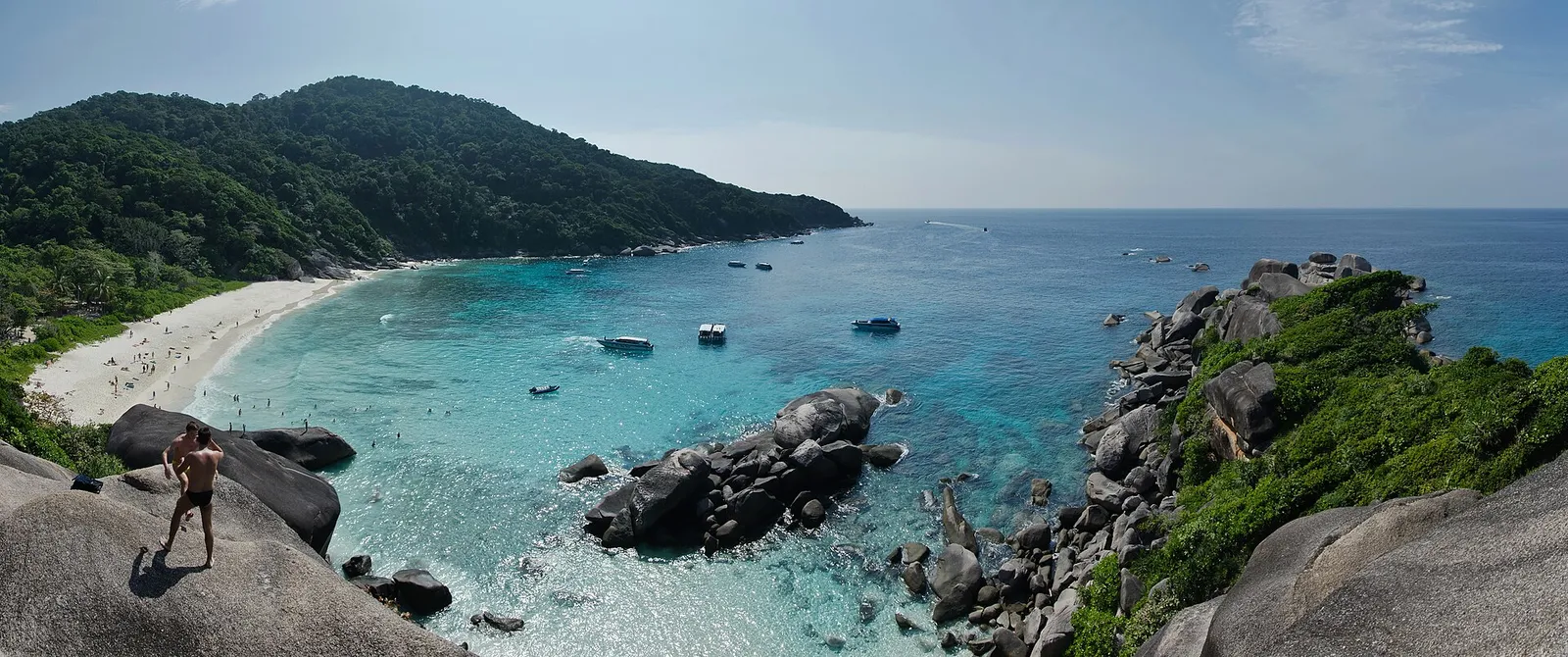
The other is the north, and it is the better contrast. A few days in the mountains, temples and food of the north alongside a week at sea gives a far fuller picture of the country than two islands do, and the practical constraint is flying time rather than distance, since domestic flights make the country much smaller than the map suggests. On the Andaman side there is also one destination that follows none of these rules: our guide to the Similan Islands covers the marine park that closes for half the year and has no accommodation at all.
The short version
Two seas, two seasons, two very different holidays. The Andaman coast delivers the dramatic karst scenery and the most connections, best roughly November to April. The Gulf offers calmer beaches, brilliant diving and often better summer weather, frequently good January to August. Pick your coast by your dates first, then your vibe, hop within it rather than crossing back and forth, and you will get the island trip you actually came for.