The Similans are the one part of Thailand where the underwater landscape is the attraction rather than the beach in front of it. They sit well off the Andaman coast, they are made of granite rather than the limestone that shapes the rest of the region, and they are closed to visitors for about half of every year. That last fact is the one that catches people out, because a trip planned for the wrong months cannot simply be moved a few kilometres down the coast. Our comparison of the Andaman and the Gulf covers the broader choice of coast; this is about the marine park at the far end of it.
Why granite changes everything
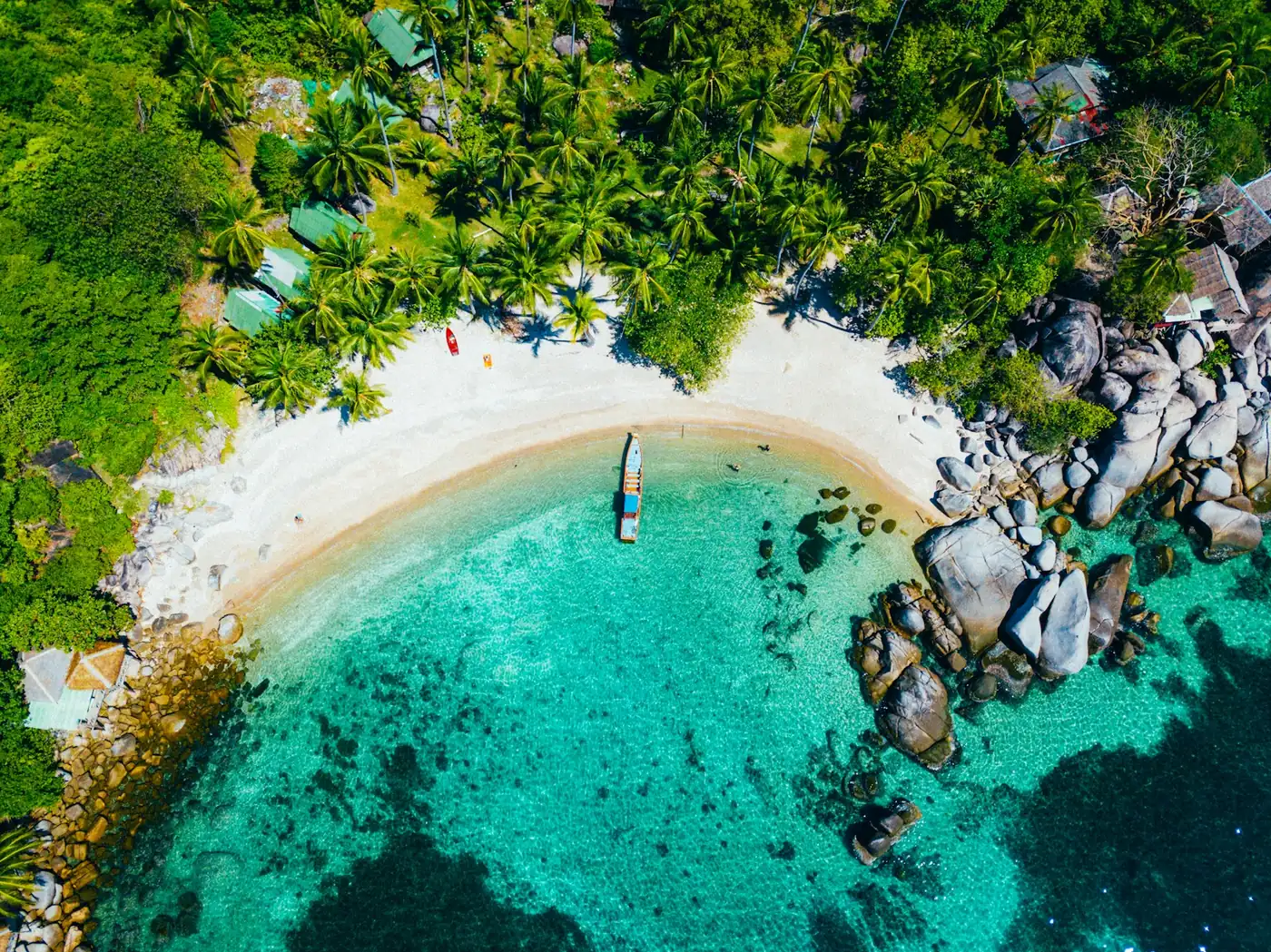
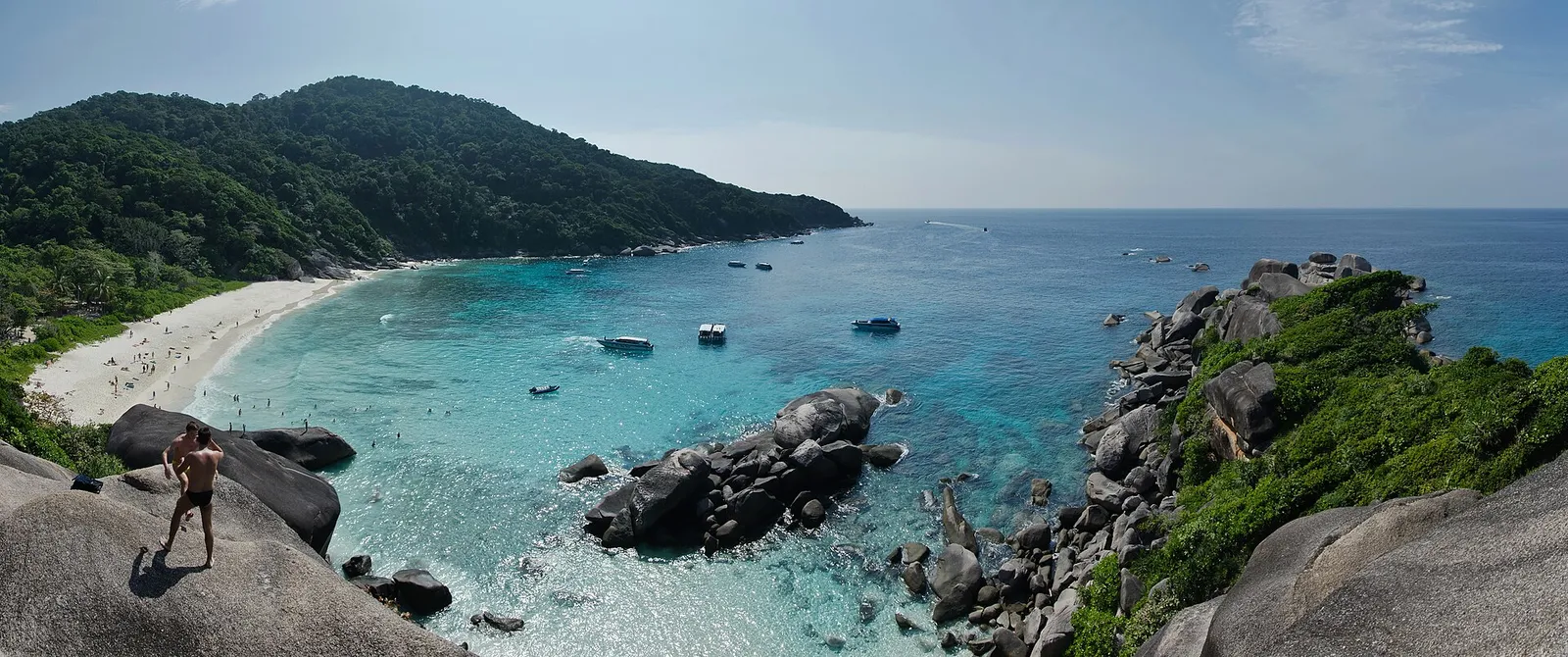
Almost every famous Thai island is limestone, which is why the standard postcard is a vertical cliff rising straight out of the sea. The Similans are not. They are granite, and the difference is visible the moment you arrive: enormous smooth boulders piled on the beaches like something poured out rather than eroded.
That structure continues below the waterline, and this is the actual draw. Instead of a reef sloping away from a beach, the west sides of the islands give you boulder fields with swim throughs, arches and narrow canyons between rocks the size of buildings. Coral grows over and between them, but the architecture is the rock. Divers who have spent years in Thailand come here specifically for that, and it does not exist anywhere else in the country in this form.
The season, and why it is not negotiable
The park closes through the southwest monsoon and reopens for the dry season, typically shutting around the middle of May and reopening around the middle of October. The authority sets the dates each year and announces them rather than working to a permanent calendar, and rough weather can move them.
This has a hard planning consequence. There is no partial access, no smaller boat that goes anyway, and no alternative operator with a permit. If your dates fall in the closed months, the Similans are simply not available and the honest answer is to look at the Gulf coast instead, which runs on the opposite weather pattern. Confirm the current opening with the park or your operator before booking anything around it.
Day trip or liveaboard
These are genuinely different products and the choice determines what you see.
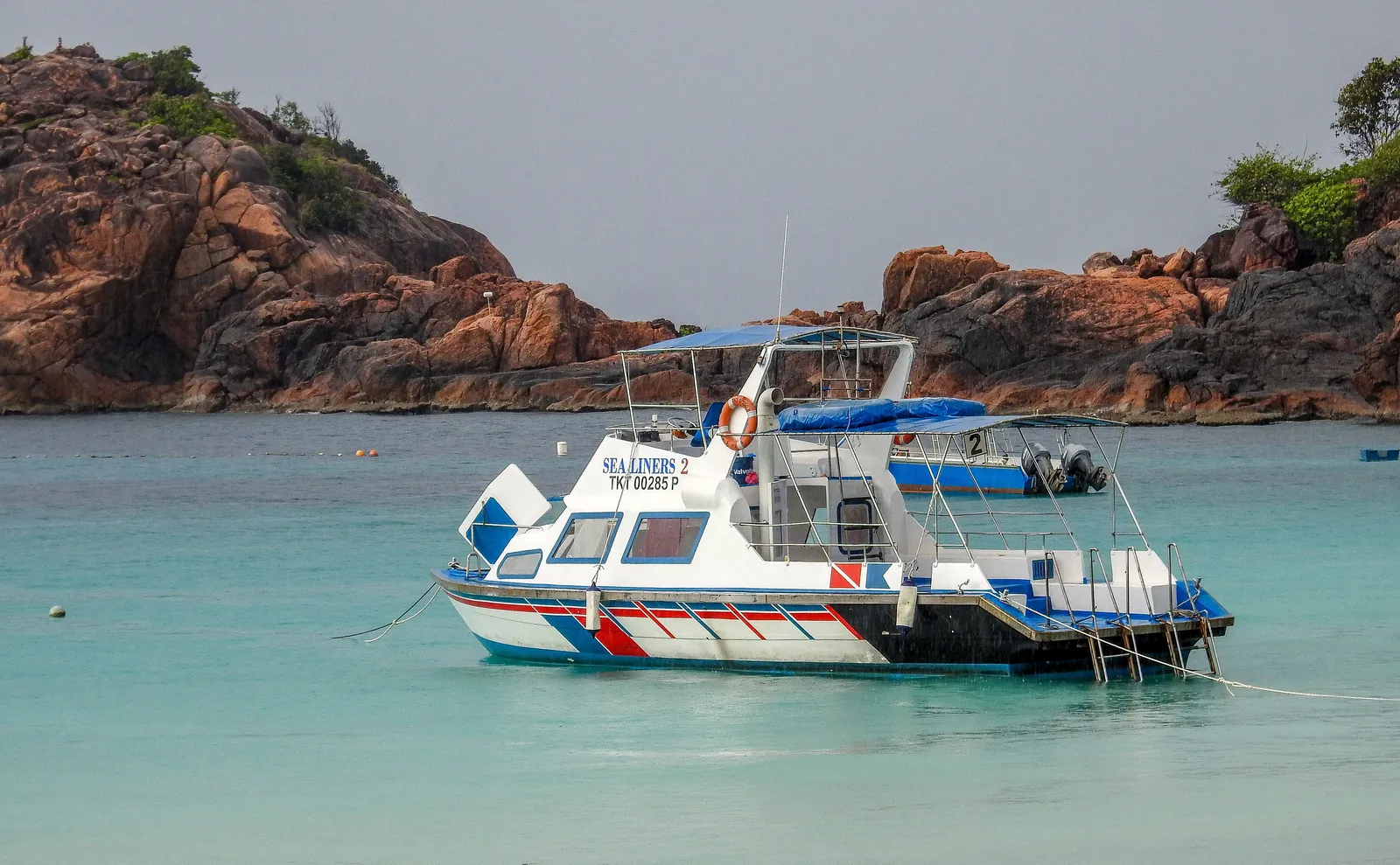
A day trip leaves from the Khao Lak coast by speedboat, takes a couple of hours each way, and covers the shallow eastern sides plus a landing on one of the main beaches. It suits snorkellers and anyone who wants the islands without committing several days. The trade is timing: everybody arrives and leaves in the same window, so the beaches are busiest exactly when you are on them.
A liveaboard sleeps you on the boat for several nights and is how the boulder sites get dived properly. You get the early and late slots when the day boats are not there, multiple dives a day, and access to sites further out. It costs considerably more and requires certification for the sites that justify it.
What you will actually see
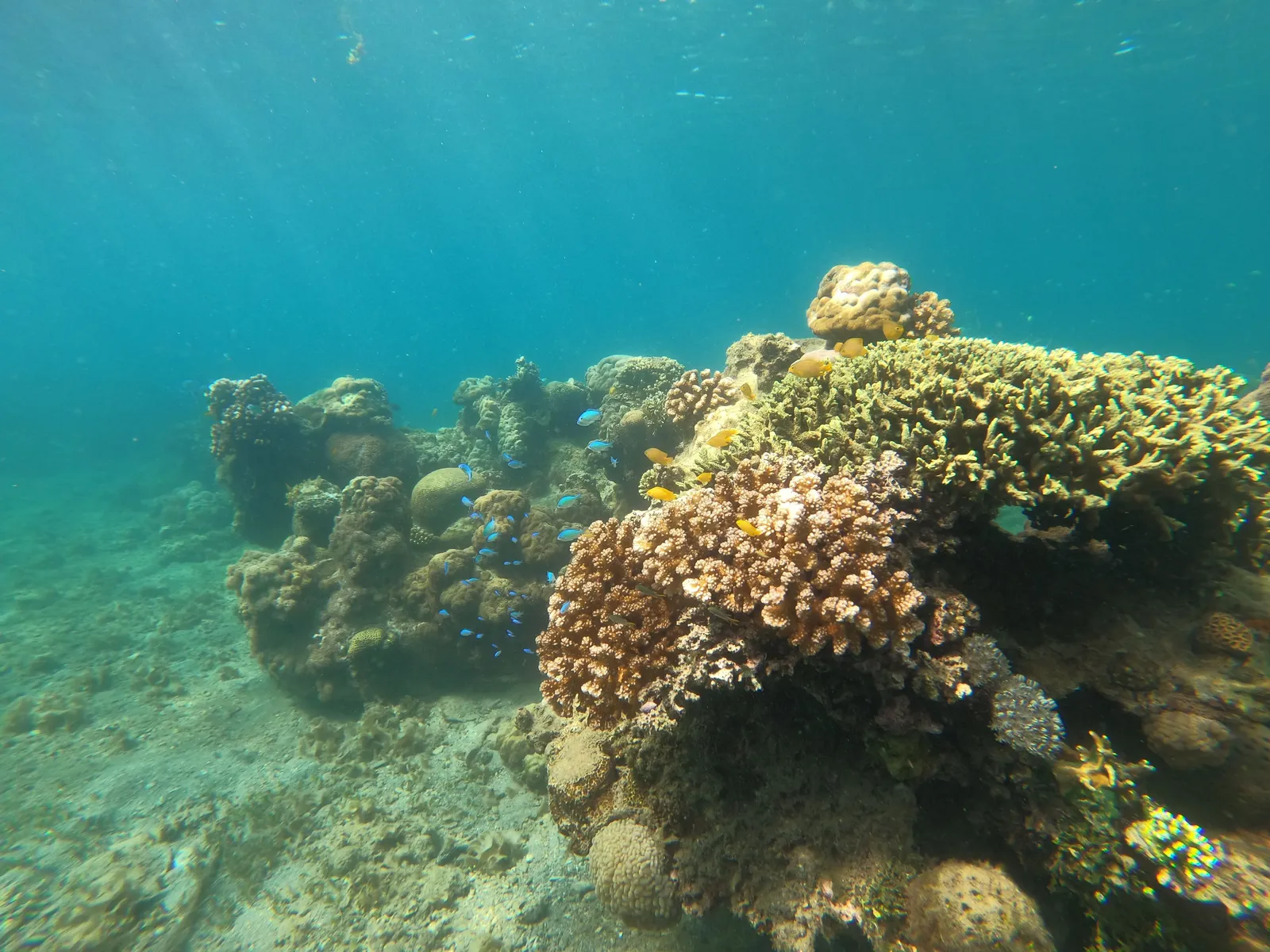
The shallow eastern reefs are the snorkelling: hard coral in a few metres of water, reef fish in quantity, and visibility that on a good day makes the boats look suspended. The deeper western sites are the diving, and the well known named formations there are boulder structures rather than coral gardens.
Marine life runs from the ordinary abundance of a healthy Andaman reef to the larger animals that draw divers out this far, though nothing about the bigger sightings is guaranteed on any given day and operators who promise them are overselling. Anyone whose main goal is reliable, easy diving on a budget would be better served by the Gulf: our Koh Tao diving guide covers the country’s main dive training island, which is a different proposition entirely.
Where to base yourself on the mainland
Because you cannot stay in the park, the trip has to be built around a mainland base, and there are effectively two choices.
The Khao Lak coast is the natural one. The piers are here, the transfers are short, the dive operators are based here, and pickups run at the sort of hour that a long boat day demands. It is a quieter, more spread out stretch of coast than the island resorts further south, which suits some travellers and bores others.
Phuket is the alternative and it costs you time rather than money. Day trips do run from there, but the road transfer north adds a substantial amount to both ends of an already long day, which means a considerably earlier start. It makes sense if the Similans are one excursion within a Phuket holiday, and much less sense if they are the reason for the trip.
Practical notes before you book
The park charges an entry fee that is usually collected as part of a package rather than paid separately, and foreign visitor rates differ from Thai resident rates, as they do at national parks across the country. Costs are quoted in baht and vary widely between a shared speedboat day trip and a multi night liveaboard, so compare like for like rather than by headline price.
Sea conditions matter more here than on a short island hop, and the crossing is long enough that anyone prone to seasickness should prepare for it. Sailings are cancelled in rough weather, which is a real risk at the shoulders of the season. Reef safe sunscreen is expected, single use plastics are restricted in the park, and the standing rule about not touching or standing on coral is enforced more visibly here than in most places. For the wider Andaman picture and where the Similans fit against the more accessible islands, our Phuket guide covers the coast most visitors fly into first.