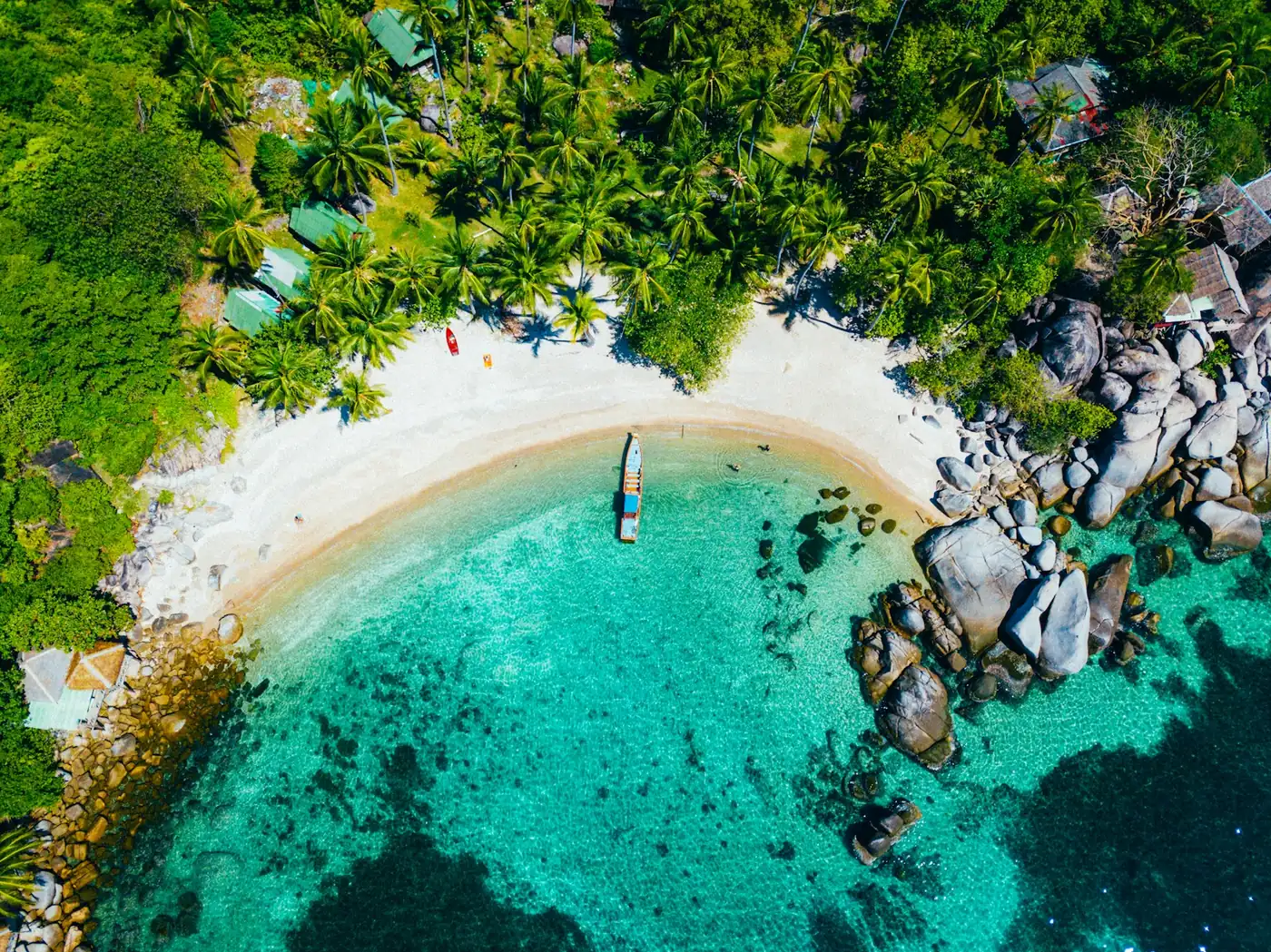
Koh Tao is a small island in the Gulf of Thailand that certifies an extraordinary number of new divers every year, because it has warm shallow sheltered water, dozens of dive sites within a short boat ride, and a very large number of schools competing hard on price. If you have ever thought about learning to dive, this is the cheapest and most straightforward place in the world to do it. It is also an island where that competition means the differences between schools matter, and where the choice is worth making carefully rather than on the first sign you see off the ferry.
Why here
Shallow warm sheltered sites close to shore, which is exactly what a beginner needs.
Short boat rides, so a course day is not mostly travel.
A very large number of schools, which pushes prices down and standards into a wide range.
Decades of accumulated experience among the instructors, many of whom have taught thousands of dives here.
A whole island economy built on it, so accommodation, food and logistics are all arranged around course schedules.
How the courses work
A single introductory dive, half a day, no certification, taken with an instructor and limited in depth. Good for finding out whether you enjoy it.
The entry-level certification, three to four days: theory, confined water skills and open water dives, ending with a card that is recognised worldwide.
The next level up, another two to three days, adding deeper dives and navigation.
Fun dives once certified, sold individually or in packages, which is what most people do afterwards.
Accommodation is frequently bundled with a course, sometimes free and basic, which is worth checking the location and quality of.
The other decisions
Be honest on the medical form. It asks about asthma, heart conditions, ear problems and medication for good reasons, and ticking everything clear to avoid a doctor’s sign-off is the single most common bad decision made here.
Check your insurance before booking, since many policies exclude diving or cap the depth.
Do not fly too soon after diving. There is a recommended surface interval before flying, and it is longer than people expect, so build it into your itinerary rather than booking a flight the morning after your last dive.
Do not dive with a cold. Blocked ears and pressure changes are a painful combination and instructors will tell you the same.
The island above water
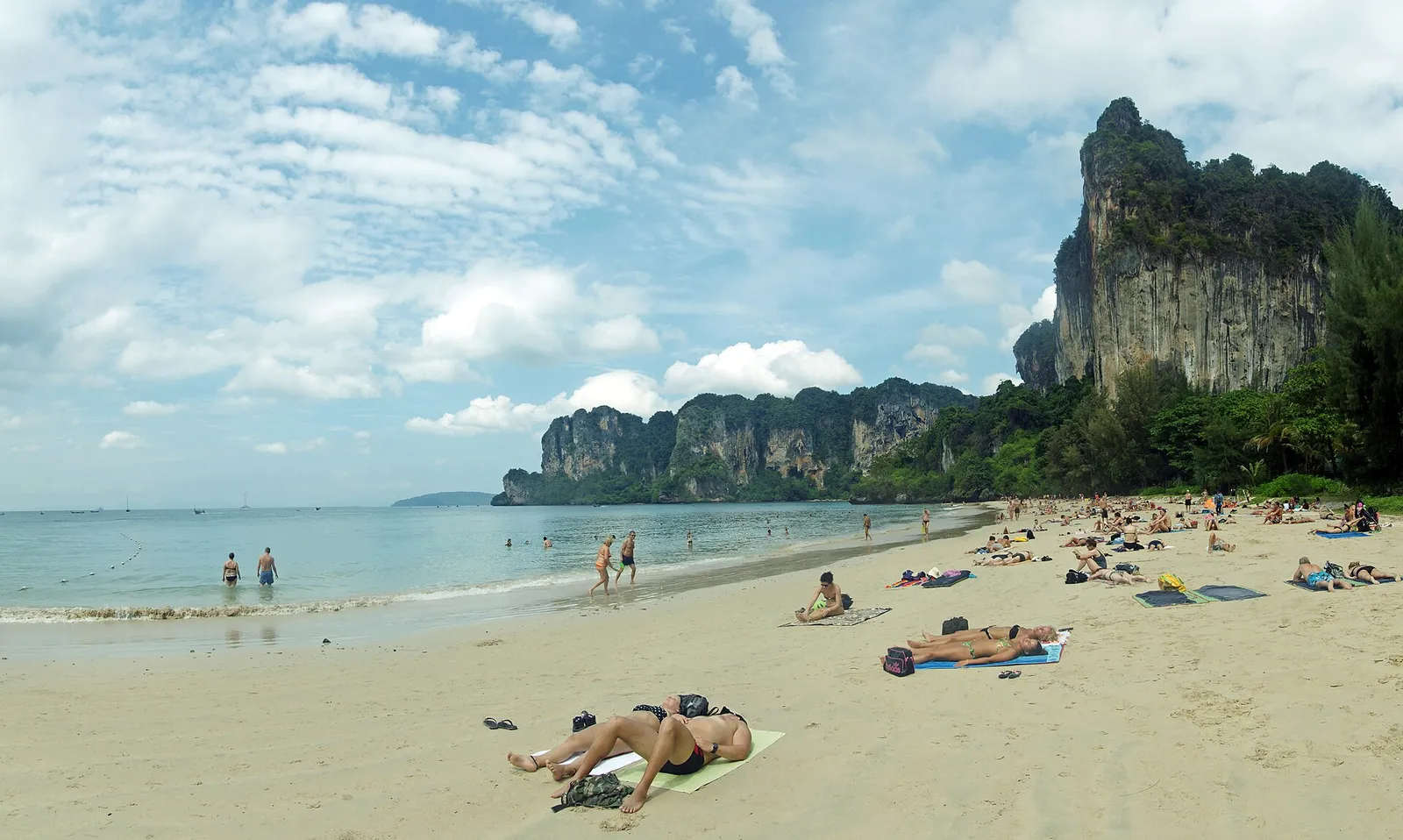
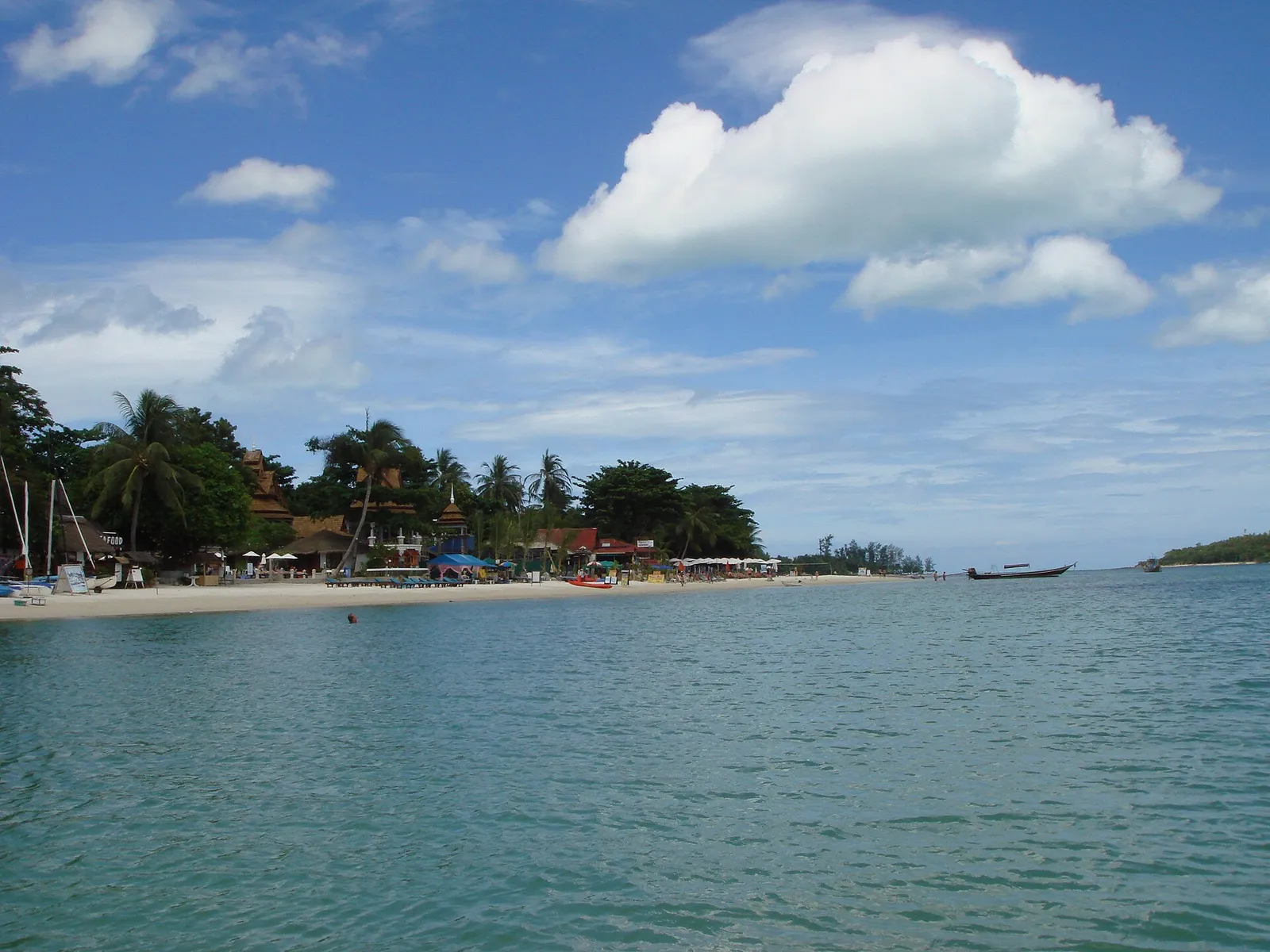
Small and hilly, with a village on the west coast, a few beaches and steep tracks inland.
Viewpoints reached by rough uphill roads, best at sunset.
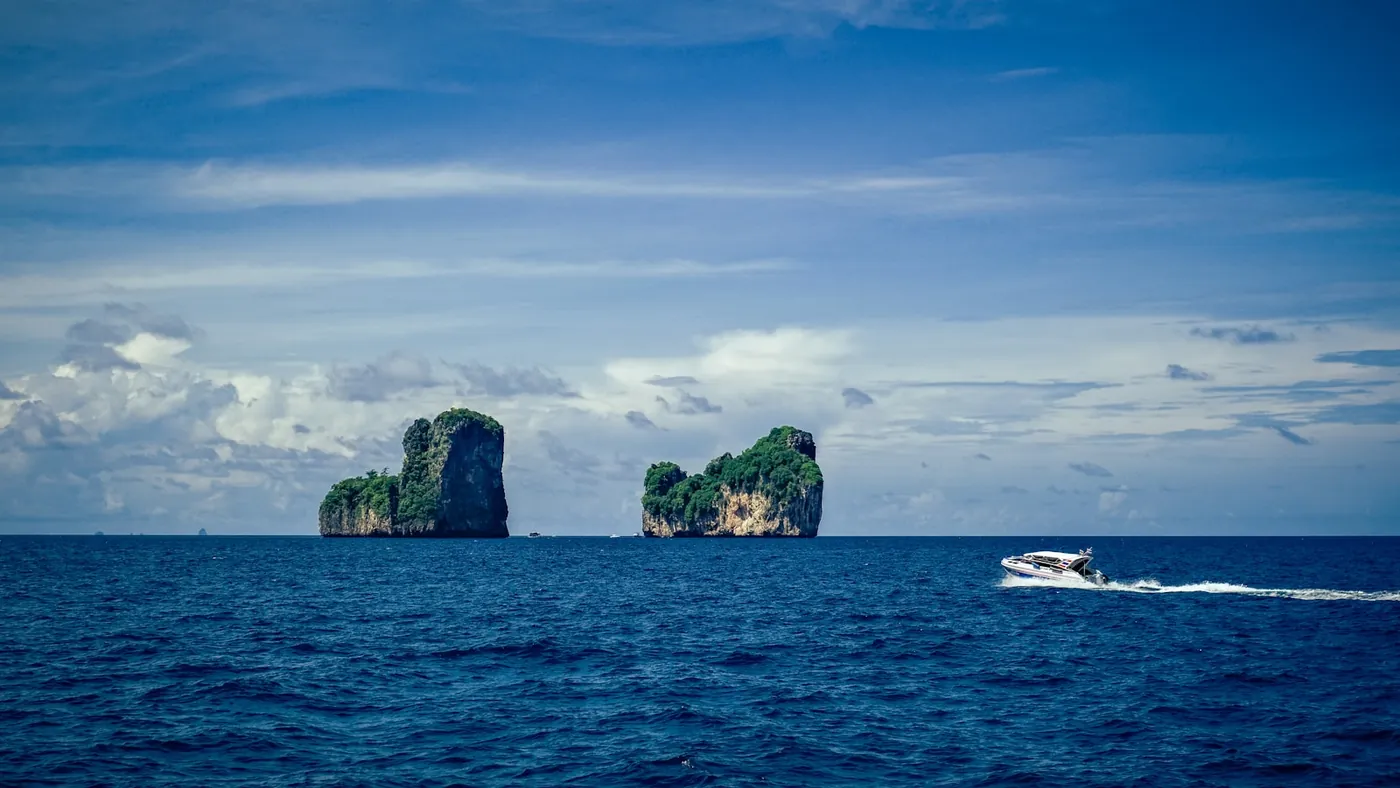
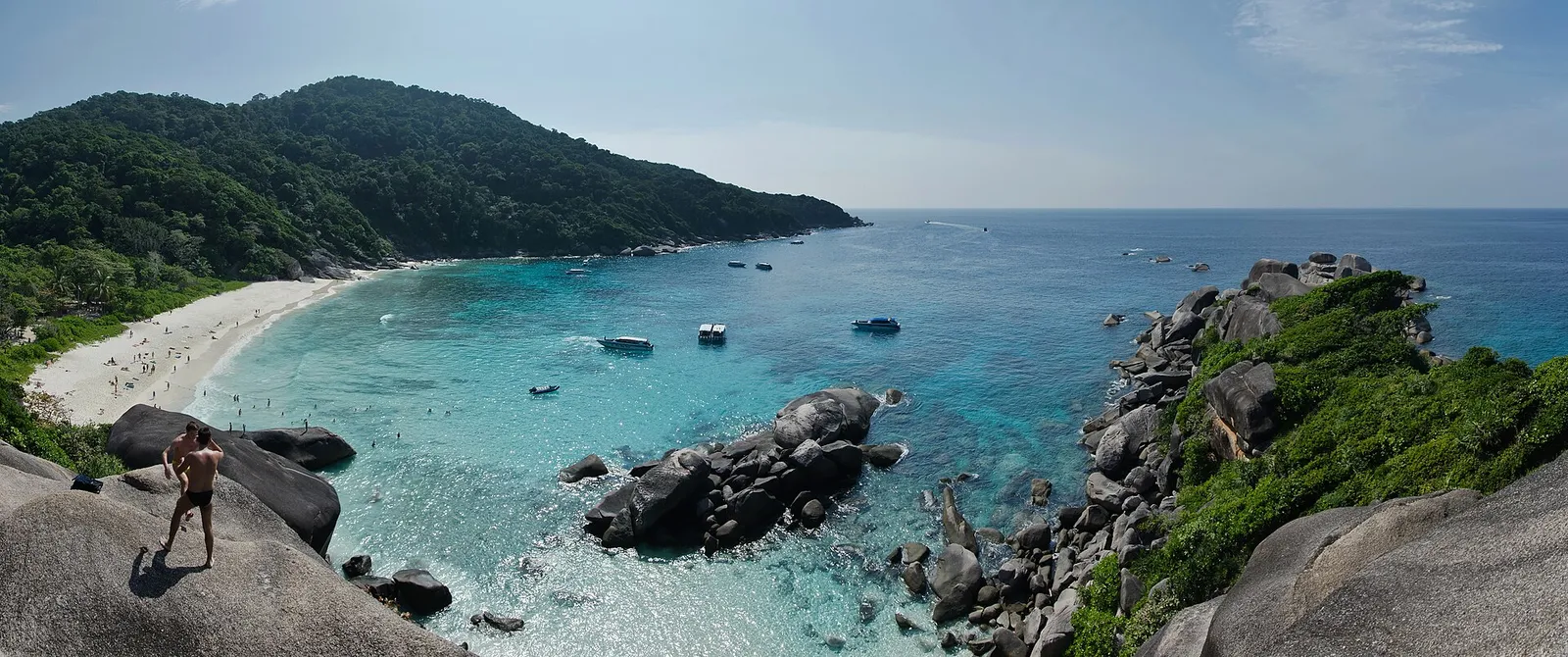
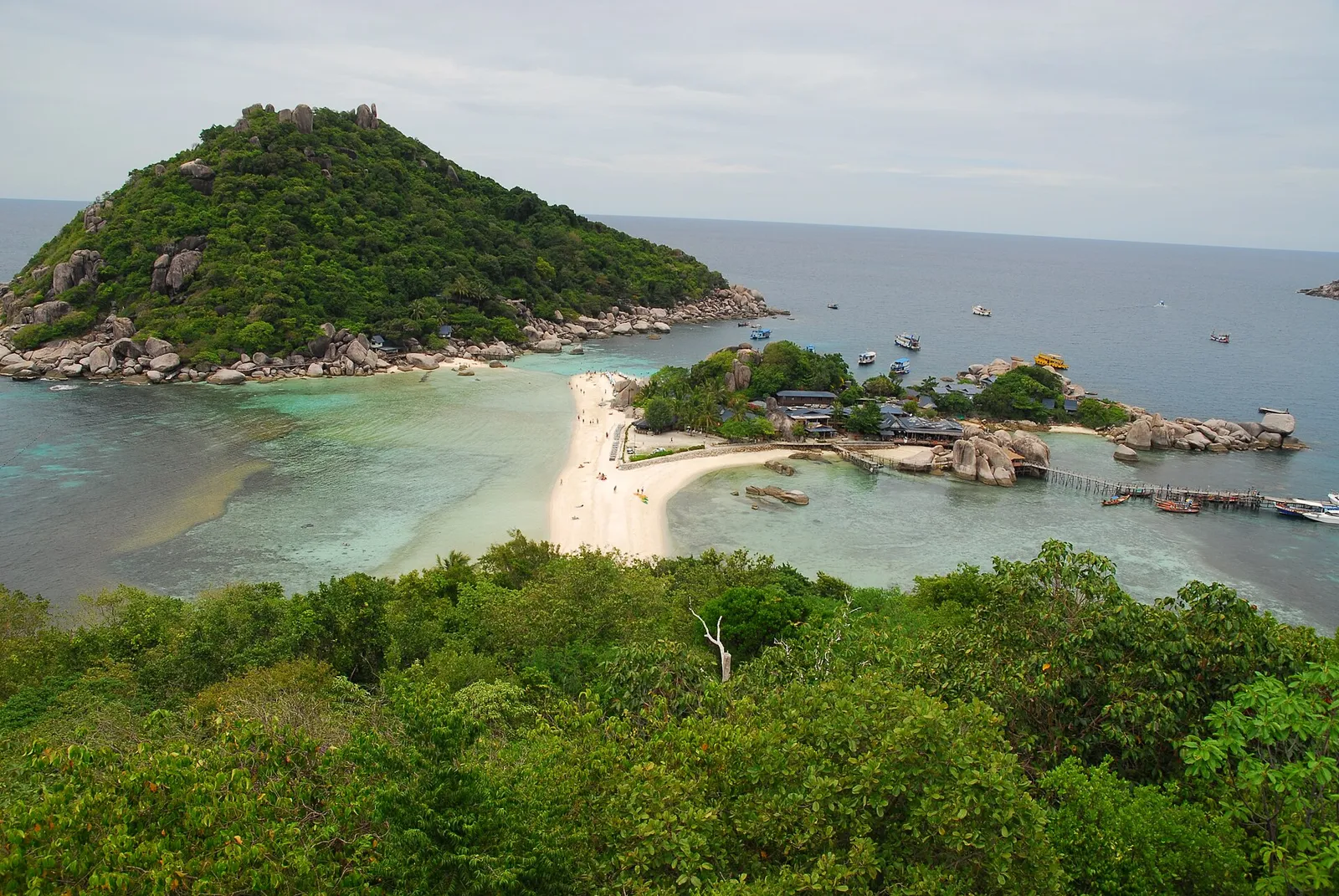
The sandbar island just offshore, three rocky outcrops joined by white sand, which is the photograph everybody takes.
Snorkelling directly off several beaches, which is genuinely good.
Bars and a compact social scene, which comes with being an island full of people on four-day courses.
Getting there
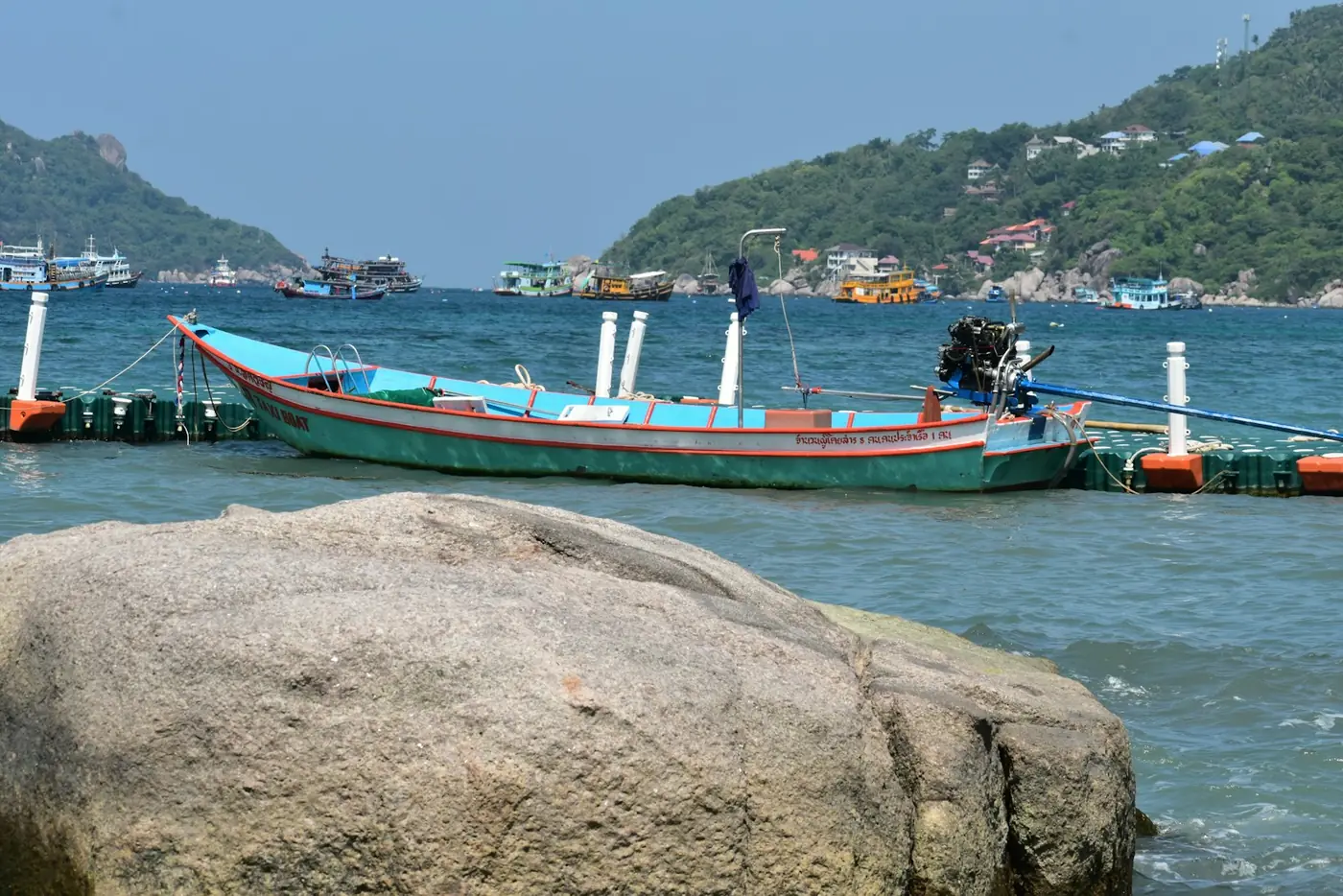
By ferry from the mainland or from the neighbouring Gulf islands, taking one to three hours depending on the route and the boat.
No airport, so every route involves a boat.
Rough seas cancel crossings in the monsoon months, and the island is small enough that this genuinely strands people.
Our guide to ferries to the Thai islands covers the routes, the operators and how to build a buffer into an island-hopping plan.
Where this fits
For the larger Gulf island with the airport, the resorts and the ring road, our Koh Samui guide covers the usual arrival point.
And for the seasonal question of which Thai coast to be on in your month, since the Gulf and the Andaman run on opposite patterns, our comparison of the Andaman and Gulf islands is the one to read before booking anything.
The short version
Koh Tao is the cheapest straightforward place in the world to learn to dive, and the schools vary more than the prices suggest. Visit two or three in person and choose on instructor ratio and equipment rather than the lowest number. Allow at least four nights for the entry-level course. Be honest on the medical form, check that your travel insurance actually covers diving, and do not book a flight for the morning after your last dive. Then spend the surface intervals on the viewpoints and the sandbar, which is the rest of the island.