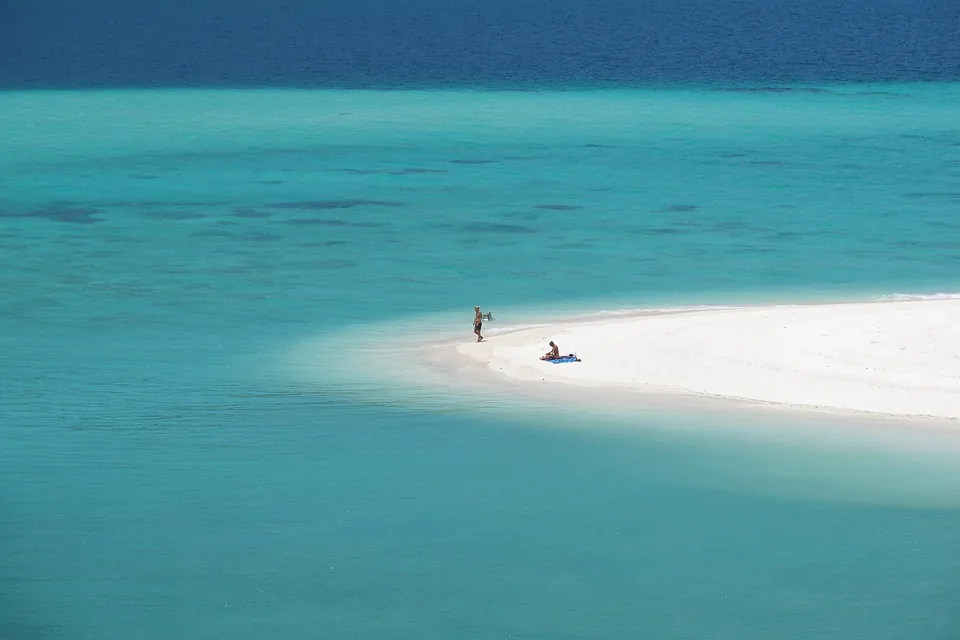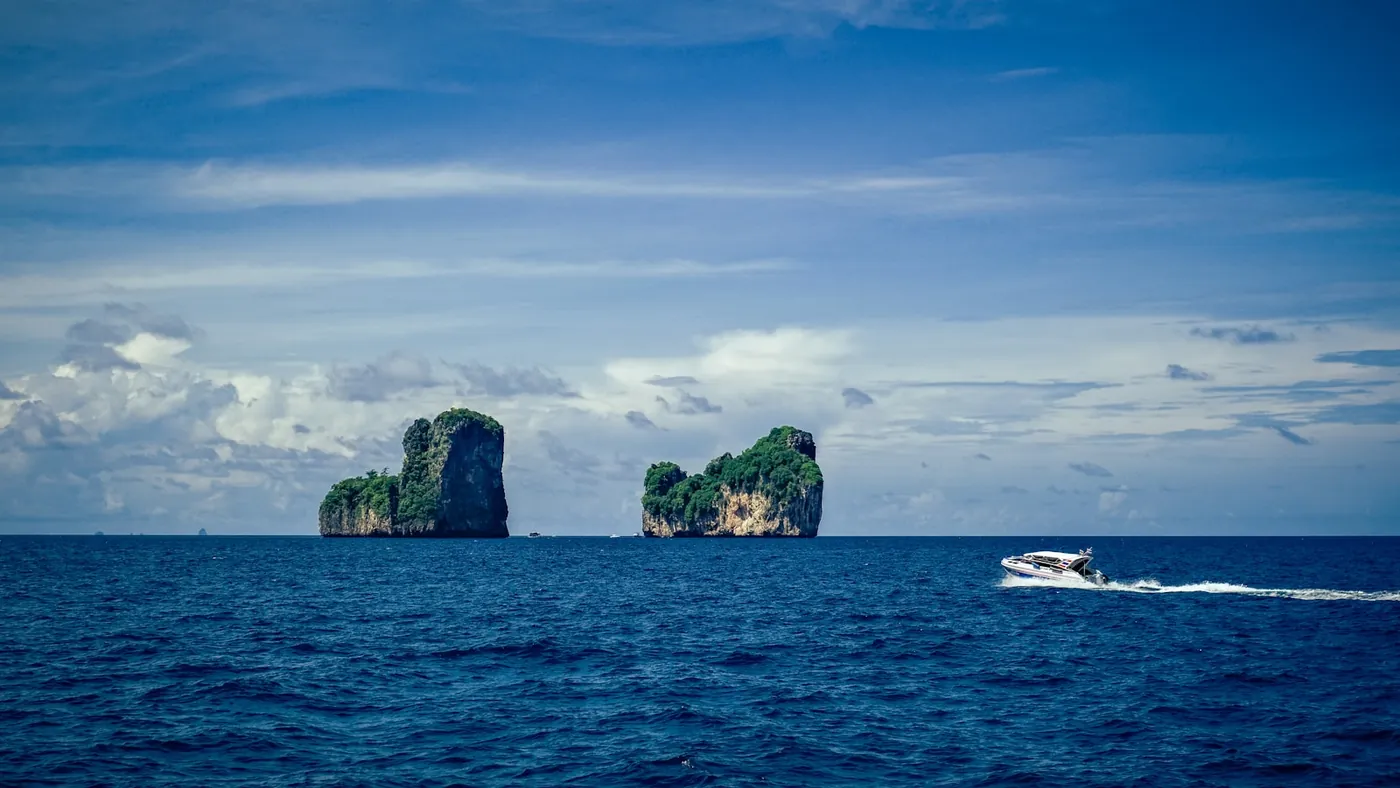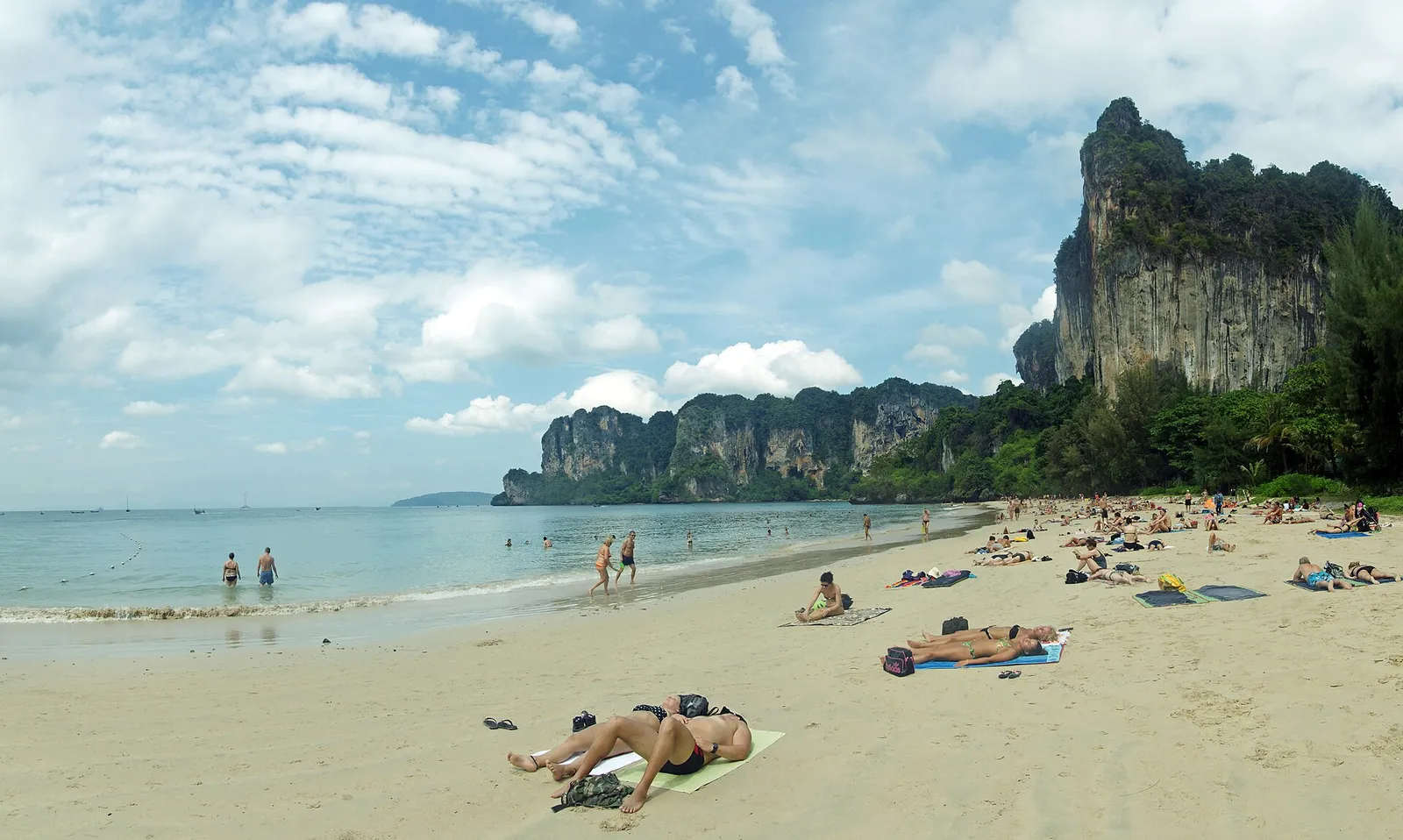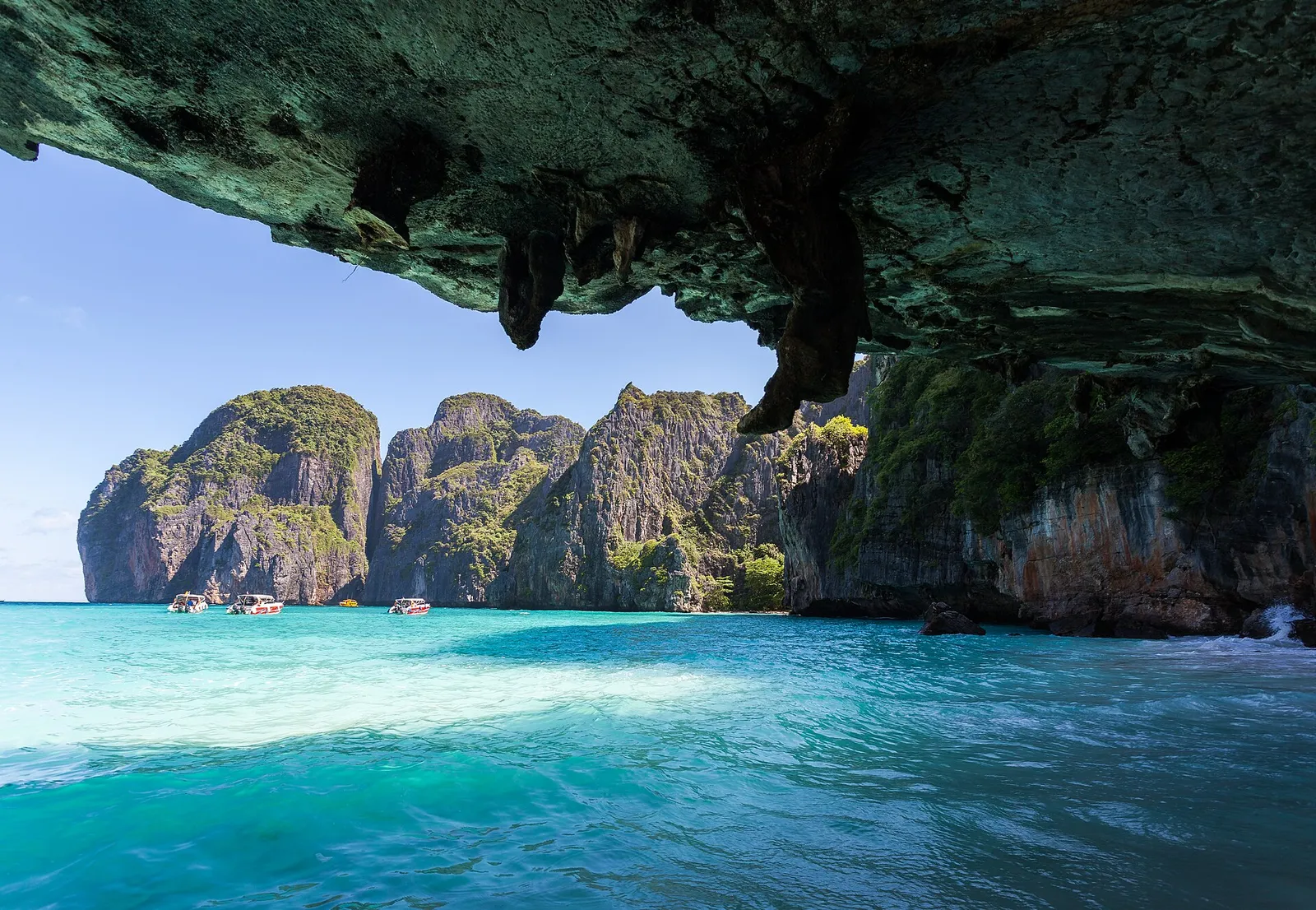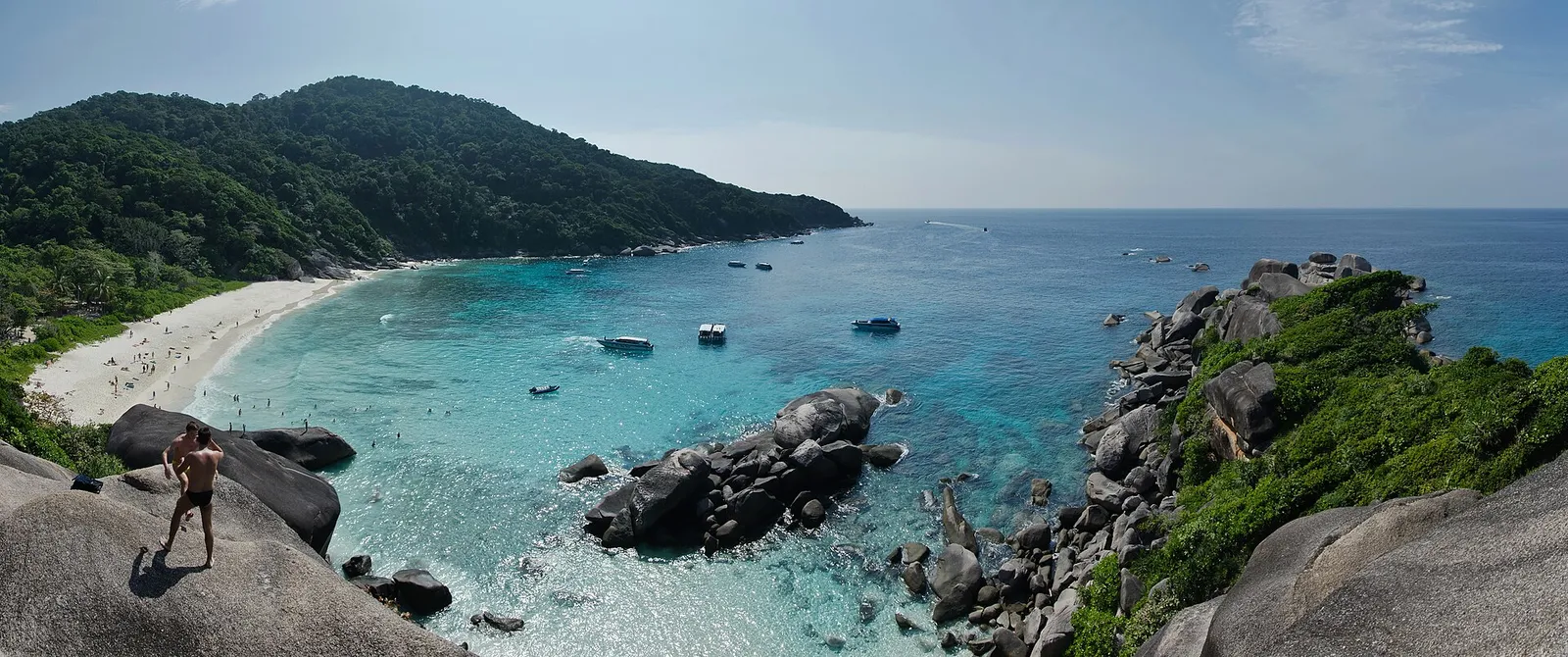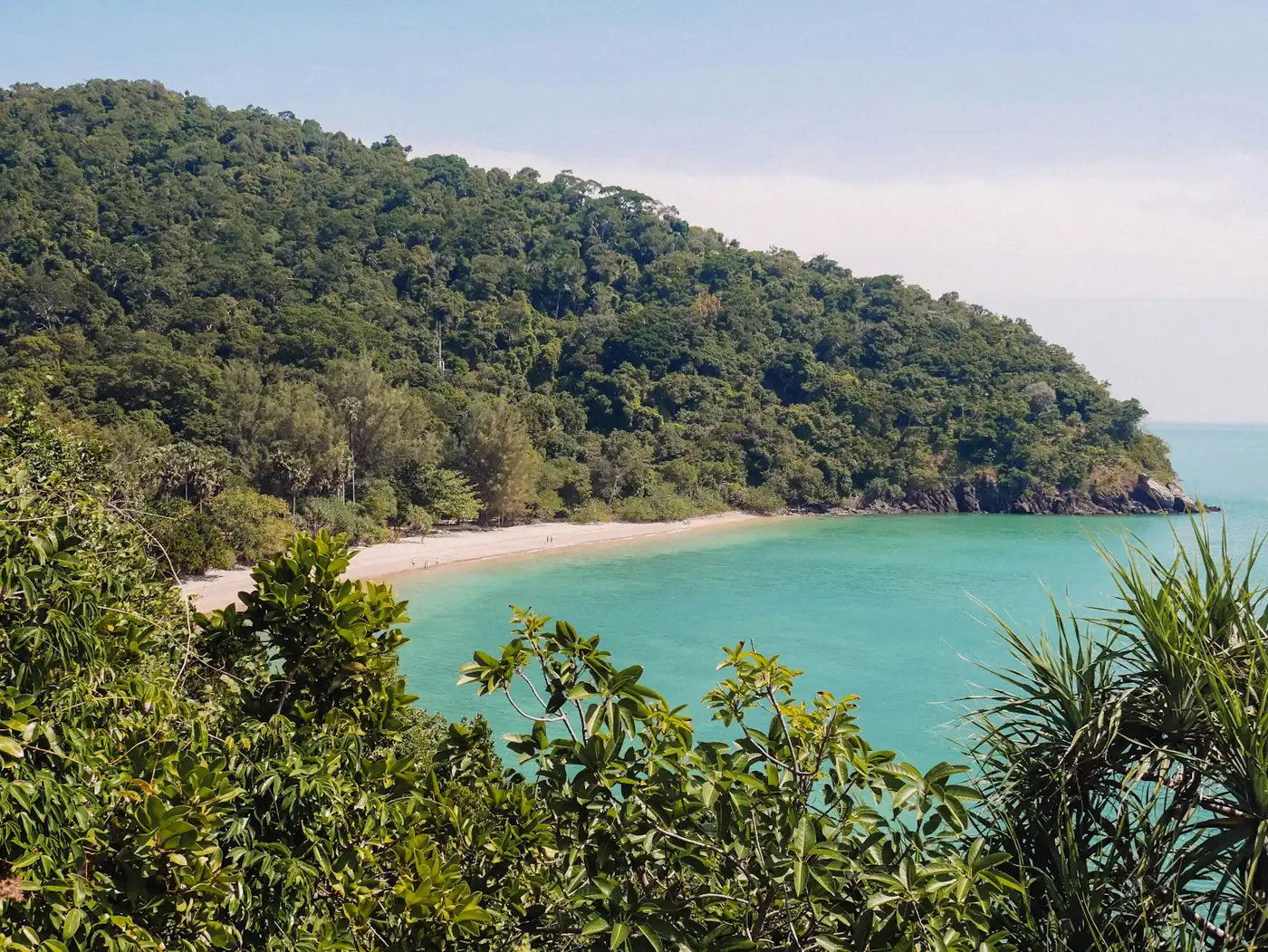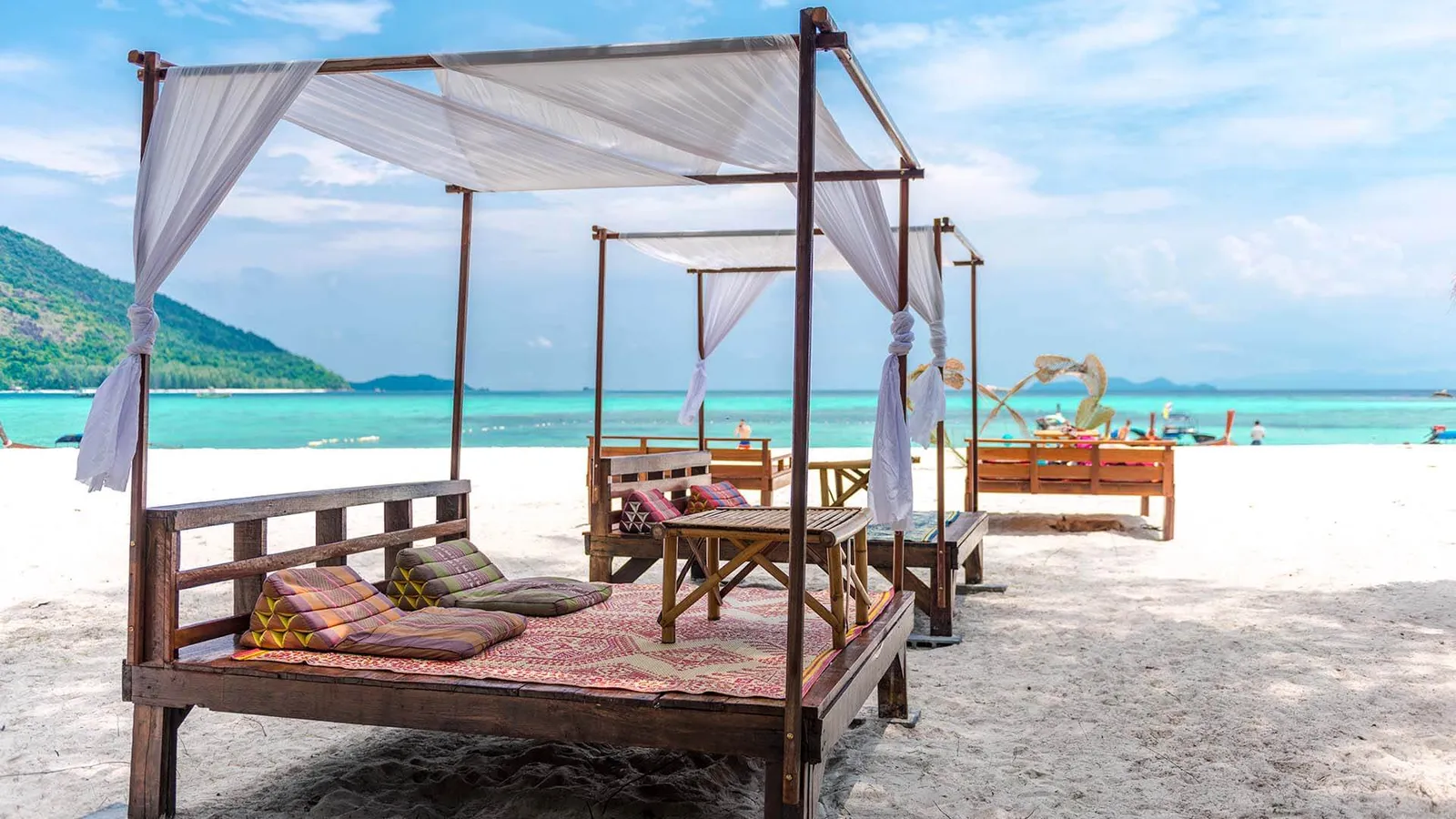
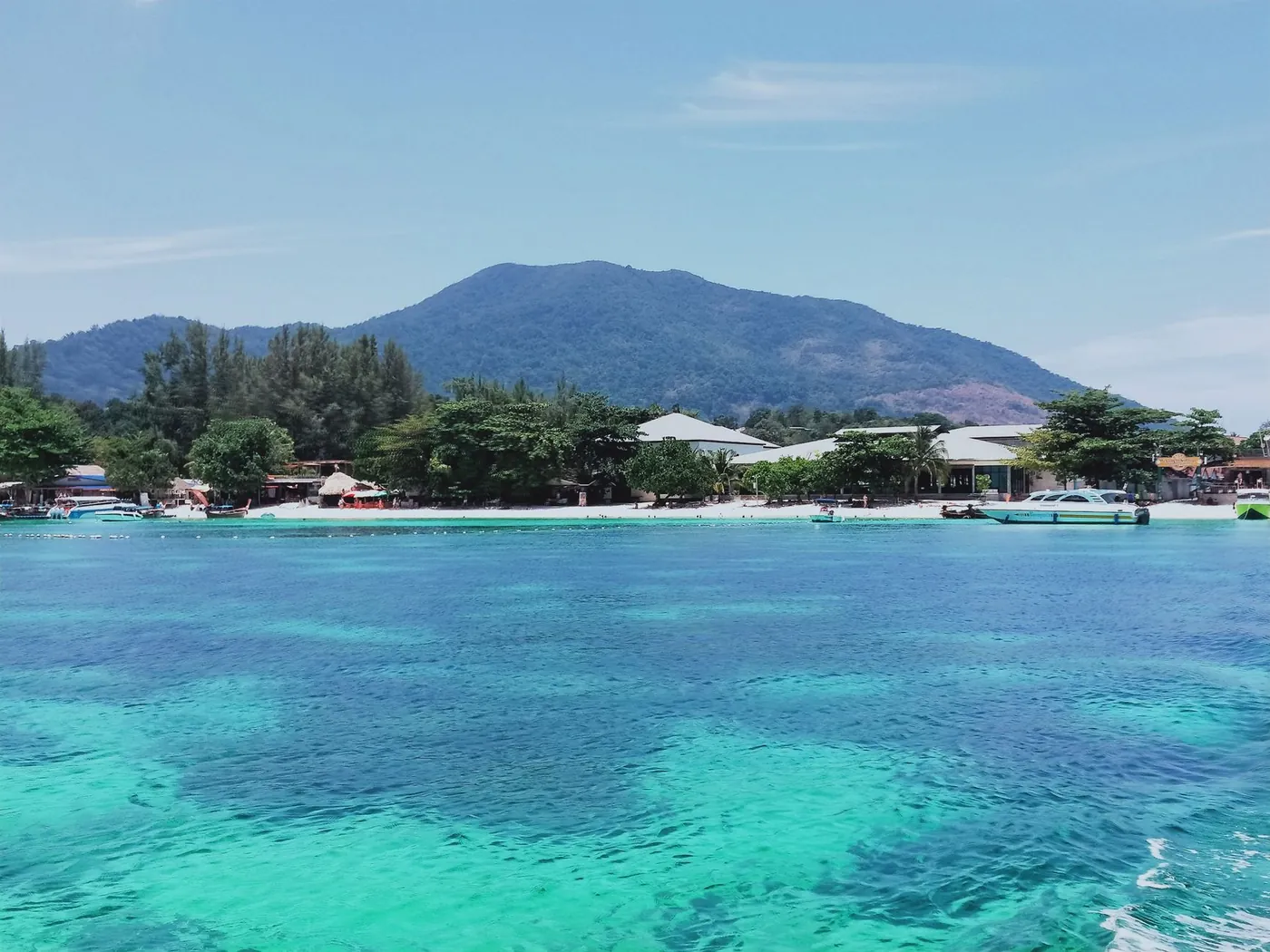
Koh Lipe is the island people mean when they say the Maldives of Thailand, and for once the comparison mostly holds up. It sits at the far southern edge of the Andaman coast, inside Tarutao National Marine Park and close to the Malaysian border, with water clear enough to make the boats look like they are floating on air. It is also small enough to cross on foot, built around three beaches and one connecting path known as Walking Street, and about as hard to reach as a Thai island gets. That difficulty is the trade for the water, and it is worth understanding before you commit several days to getting there.
The shape of the island
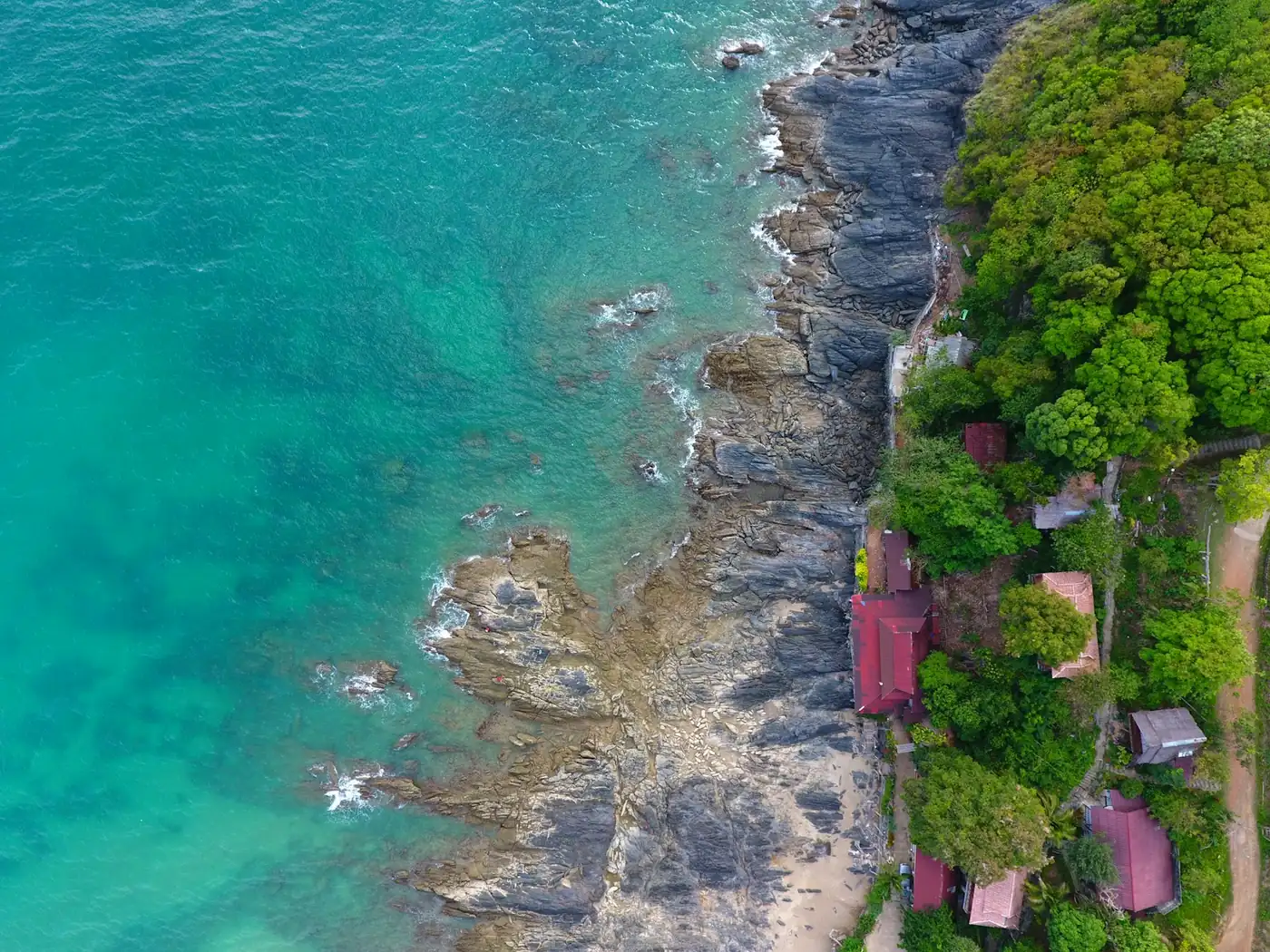
Koh Lipe is tiny. Walking end to end takes about twenty minutes, there are no real roads, and the island runs on one main path plus a scatter of sandy lanes to the beaches. Nothing here counts as a high-rise or a big chain resort, just bungalows and small resorts tucked between the palms, with an atmosphere that leans backpacker, couple and family in roughly equal measure.
The water is the reason any of this works. Koh Lipe sits inside Tarutao National Marine Park, and the protection has kept the reefs in noticeably better shape than much of the rest of Thailand’s coast, with snorkelling that starts right at the shoreline. The island is no longer the secret it once was: it has grown quickly, and the beaches and Walking Street fill up in the high season. Part of what the long journey buys you is a place that has kept its water clean rather than a place nobody has heard of.
Three beaches and a Walking Street
Three beaches, each with its own character, connected by Walking Street down the middle of the island.
Pattaya Beach is the main one, where the boats come in and where most of the restaurants, bars and dive shops cluster. It is the liveliest of the three and the natural base for a first visit.
Sunrise Beach, on the east side, is the longest and arguably the prettiest, a stretch of white sand with the calmest water and the best snorkelling straight off the shore.
Sunset Beach, small and tucked away on the west side, is the quiet one, better suited to couples wanting distance from the crowds than to anyone chasing restaurants.
Walking Street ties the three together and becomes the island’s social centre after dark, packed with seafood stalls, bars and small shops.
Snorkelling and island-hopping tours
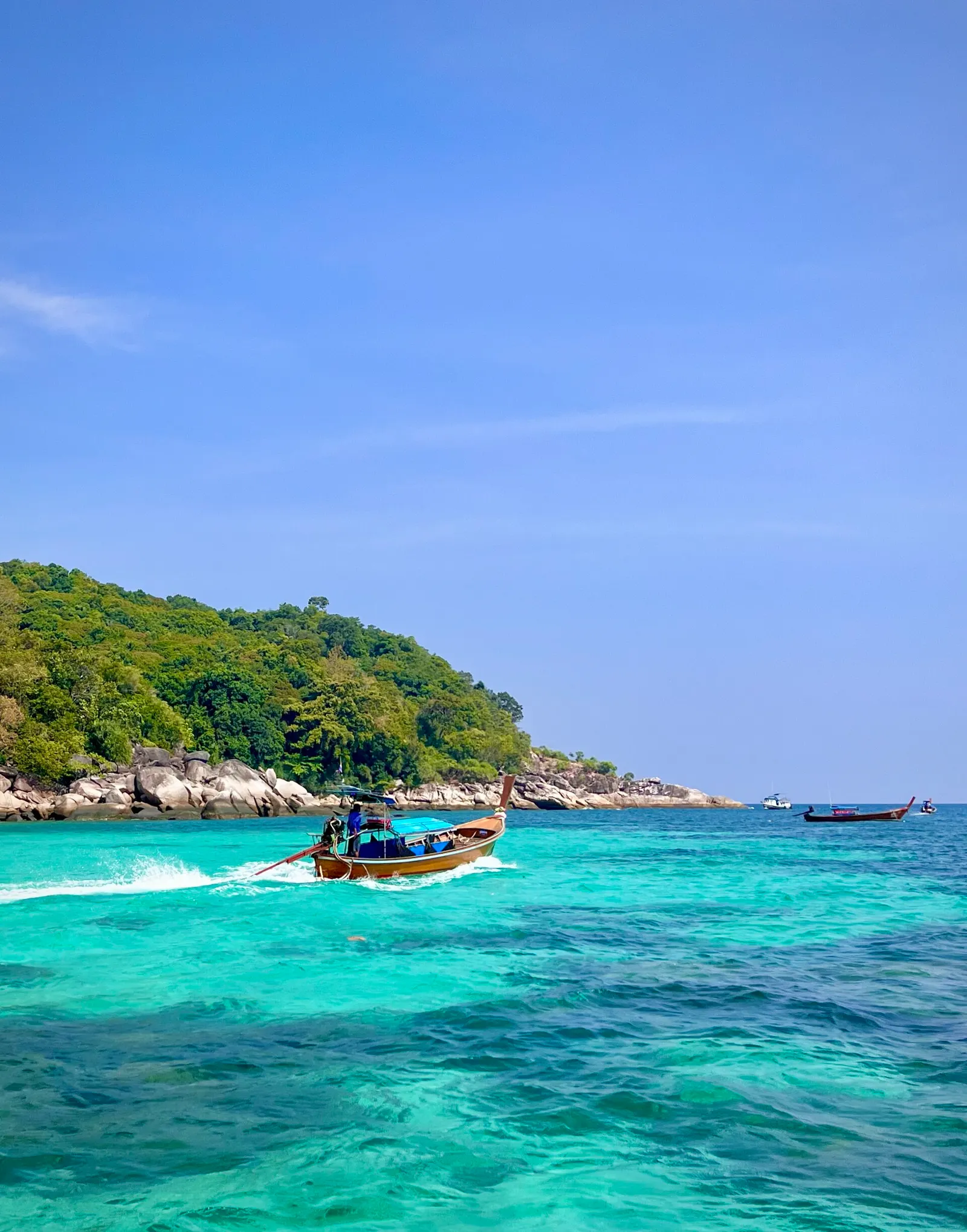
The water is the whole point of coming this far, and there are two ways to see it. The first is straight off the beach, particularly at Sunrise and around the rocky points, where fish and coral are visible in shallow water without a boat. The second is a longtail boat day trip into the wider marine park, stopping at snorkelling spots around neighbouring islands such as Koh Adang, Koh Rawi and Jabang Island, all known for clear water, turtles and healthy coral.
A group snorkelling tour typically costs a few hundred baht for equipment and several stops, though prices vary by operator and season, so treat any figure as a starting point rather than a quote. Koh Lipe also sits inside a national park, so an entry fee applies on arrival, and there have at times been additional fees collected at the pier too. Amounts change, so confirm what is currently being charged when you arrive rather than relying on an old number. Go out early if you can, since the sea is calmer and the water clearest before the afternoon boat traffic stirs it up.
Beyond the group tour, a private longtail charter for half a day suits a family or small group who want to set their own stops, and kayaks are available to rent straight off the beach for paddling into smaller, quieter bays.
Getting there
This is the part to plan properly, because Koh Lipe earns its remote reputation. The common route is a domestic flight to Hat Yai in the far south of Thailand, a road transfer to the pier at Pak Bara, and then a further stretch by speedboat into the Andaman Sea. In season, ferries also connect the island to Koh Lanta and Phi Phi, a longer but scenic alternative.
None of this runs year round. Sailings to Koh Lipe are seasonal, operators and routes shift from year to year, and the island has had stretches where low-season service was cut back sharply or suspended altogether while the sea was too rough to run safely. Treat any schedule you find online as a starting point, and confirm current departures close to your travel dates rather than trusting an old itinerary. Our guide to Thai island ferries covers how the wider network handles exactly this kind of seasonal gap, and plan the whole trip for the dry season, since that is the only real window here, a pattern our comparison of the Andaman and Gulf coasts explains in more depth.
Because the journey takes real effort, a day trip is not worth it. Budget at least three or four nights so the travel pays off, and leave time to actually use the water once you arrive.
Where to stay and what it costs
Which beach you choose matters more here than almost anywhere else in Thailand, because the island is small enough that it defines your whole stay. Sunrise Beach suits anyone prioritising the view and the shore snorkelling, Pattaya Beach suits anyone who wants restaurants and boats within a short walk, and Sunset Beach suits couples after quiet above everything else.
Expect to pay more than on the mainland for all of it: lodging, food and even bottled water, since everything arrives by boat. A simple bungalow starts at a few hundred baht a night, and a nice beachfront resort room runs well into the thousands, though both figures move with the season and are worth confirming rather than assuming. Prices climb hardest around the year-end holidays, when the island fills regardless of cost, so book ahead if travelling then. Outside that peak but still within the dry season, prices are more reasonable and the choice of rooms is wider.
Who Koh Lipe suits, honestly
Koh Lipe is not for everyone, and it is worth being honest about that before booking the flight. The journey is long and comparatively expensive, the island is small, and there is no real nightlife beyond a handful of bars on Walking Street. Anyone wanting an easy arrival, more restaurants and a wider spread of things to do will find it faster on a destination like our guide to Koh Lanta.
What Koh Lipe rewards is patience with the getting there. The water is some of the clearest in Thailand, the snorkelling starts at the shoreline, and the island is small enough to feel like somewhere you can get to know in a few days. It suits travellers who see the journey as part of the deal rather than an obstacle, and most say the same thing once they arrive: it was worth the trouble.