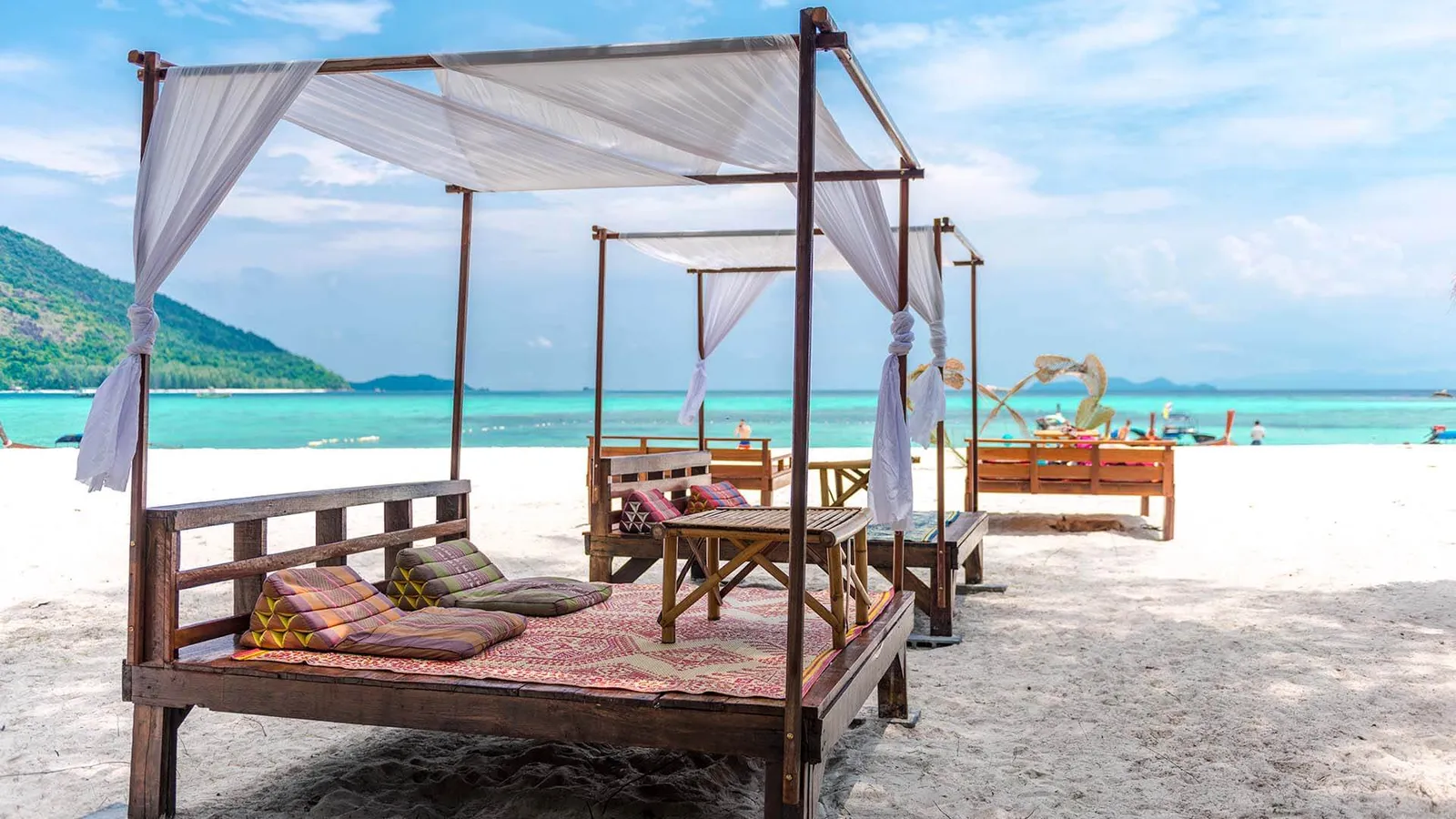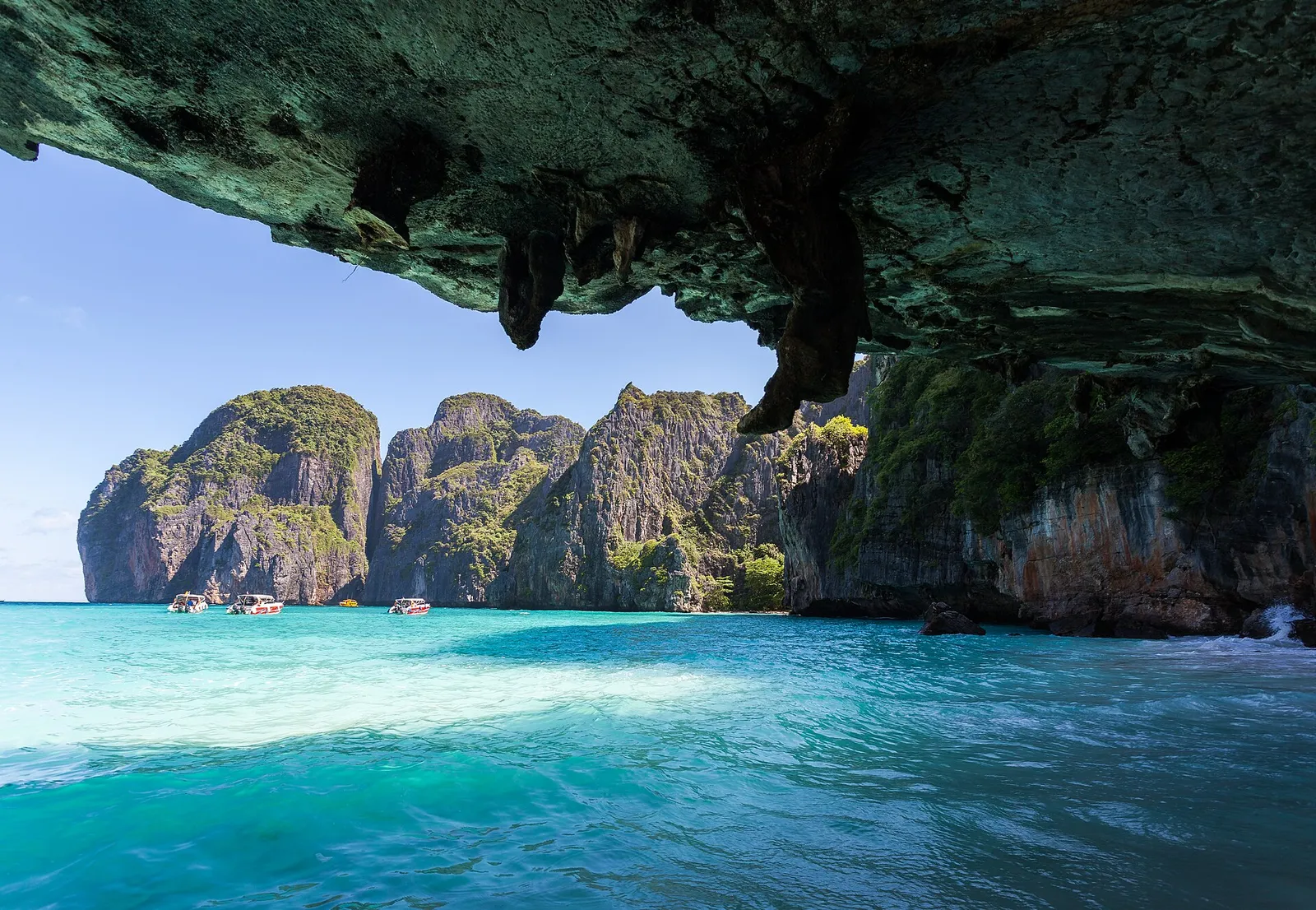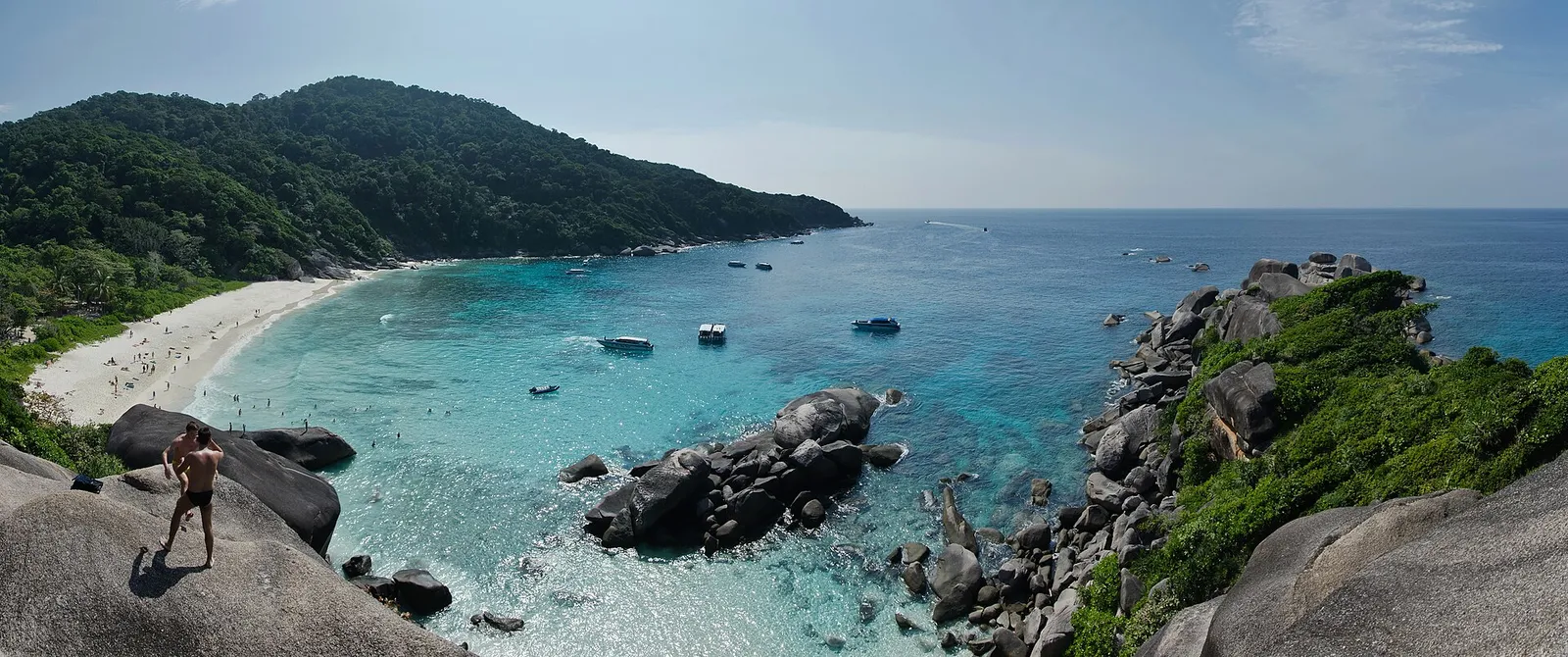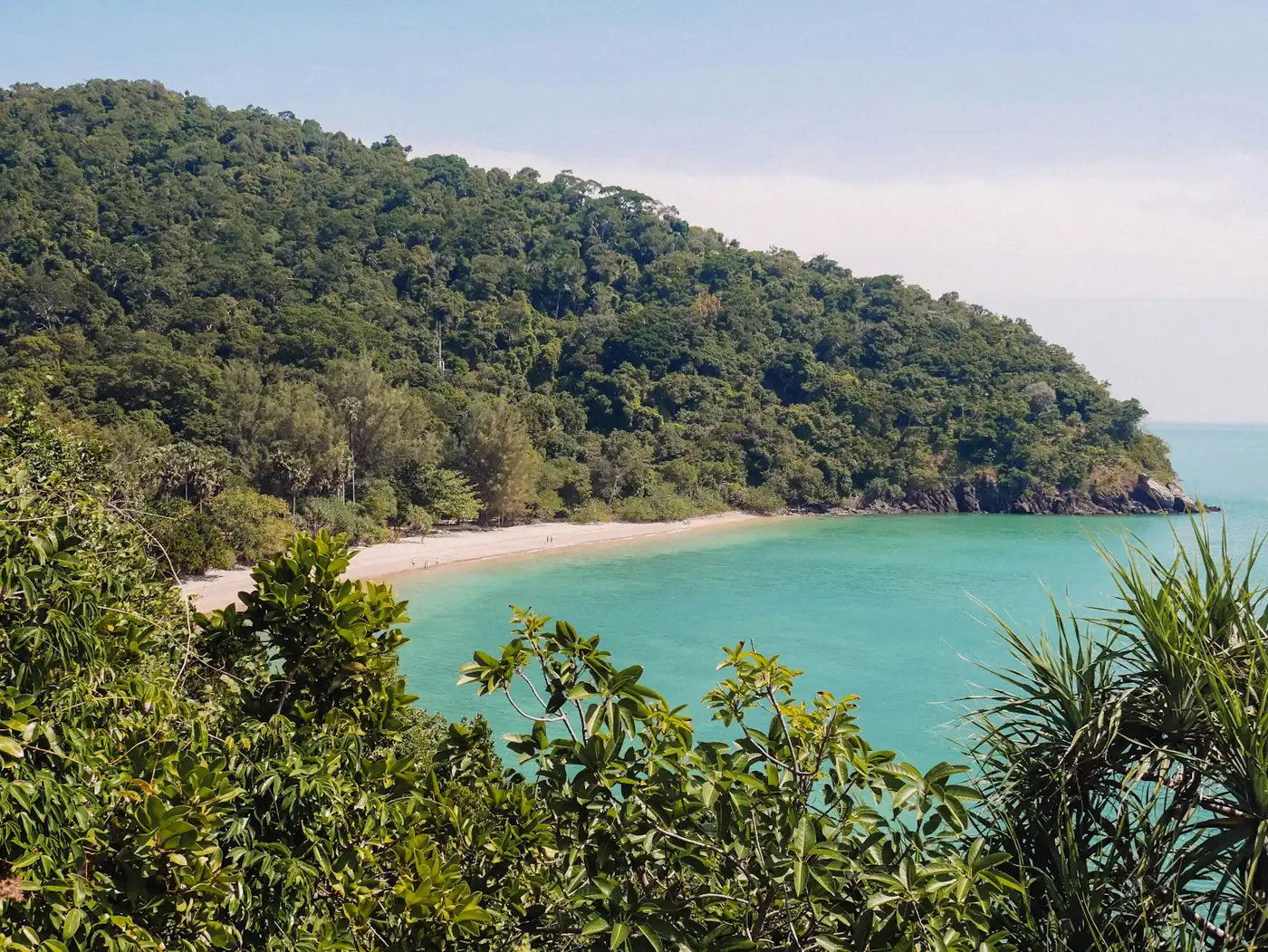
Thailand’s islands get marketed as one easy, uniform package, and with a toddler or a preschooler in tow, they are not one package at all. Some of the most famous names are built around a nightlife scene, a long transfer, or a beach that drops away sharply just past the shoreline, none of which mix well with a small child. Others are exactly what a young family needs and barely get mentioned. Here is which islands actually work, which do not, and why.
What actually matters with young children
Five things decide whether an island actually works. Shallow water with a gentle shelf lets a small child stand and play at the edge, rather than stepping into deep water a few steps from the sand. A short transfer from the airport or the pier matters more than it sounds, since a long chain of flights, ferries and taxis is hard on a toddler. A walkable strip, where food and the beach are a few minutes on foot, saves you from negotiating a taxi every time someone is hungry. Medical facilities vary enormously between islands, from a proper hospital to a small clinic that can do little more than stabilise and refer you onward, and checking what is actually on your island before you book is itself the useful advice here. An absence of the party scene matters too: no all-night sound systems near where you sleep.
Season plays into this as well. A calm dry season sea behaves very differently from the same beach in the rain, and the Andaman and Gulf coasts run on close to opposite seasons. Our comparison of the Andaman and Gulf islands covers which coast suits which month.
Koh Lanta: the easiest yes
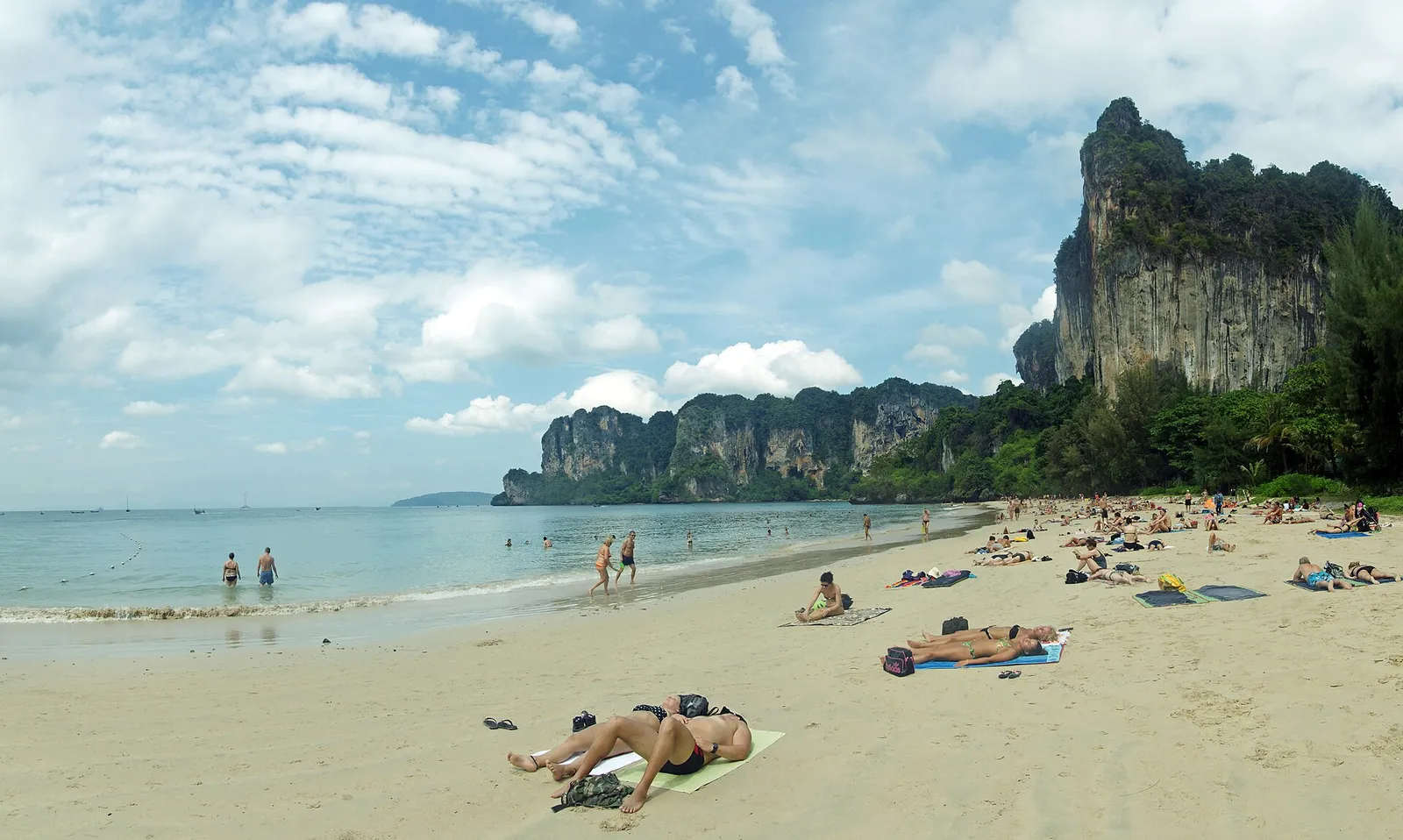
Koh Lanta is the island most likely to satisfy every item on that list at once. Its west-facing beaches run for a long stretch with a genuinely gentle, shallow shelf in the dry season, the sea is calm rather than surfy, and the island has never had a party reputation. A road runs the length of it, connected to the mainland by a bridge and a short vehicle ferry, so getting around does not depend on a boat for every errand.
The trade-off worth knowing before you book is north versus south. The northern beaches have the most restaurants and the shortest walk to anything you need. Further south the beaches get quieter and more spread out, which suits a couple better than a family juggling a stroller and a hungry toddler. Our full Koh Lanta guide breaks the beaches down one by one.
Koh Chang: green, close to the mainland, no flight required
Koh Chang sits apart from Thailand’s two big island groups, off the eastern coast near the Cambodian border, and it is the only major Thai island reachable from Bangkok without a domestic flight: a drive to the mainland pier town and a ferry crossing gets you there by road and boat alone.
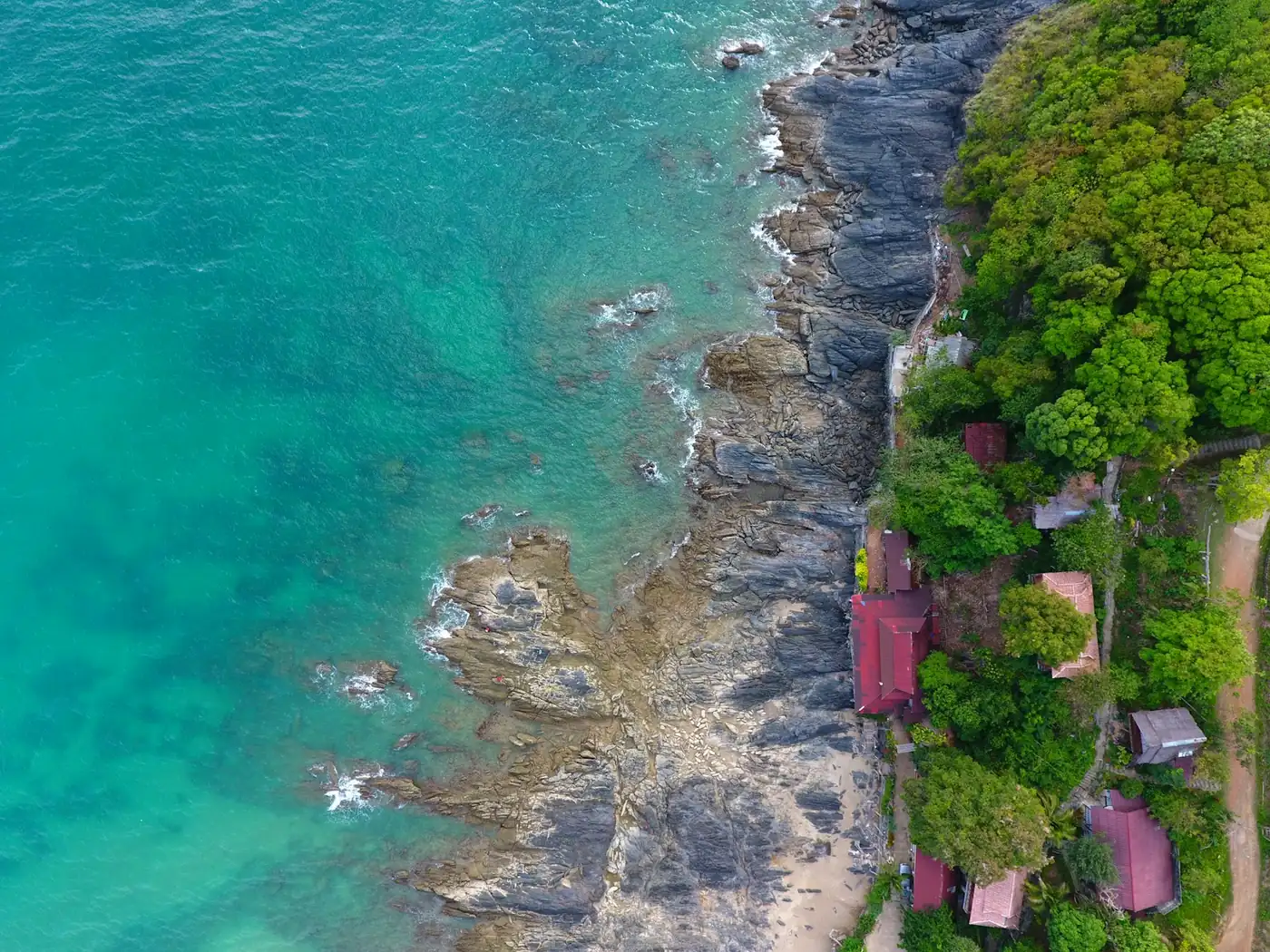
The island itself is mountainous and jungle-covered rather than flat. The main beach strip has shallow, gentle water that suits young children, along with the widest choice of restaurants and resorts. Further south, one beach carries the island’s small amount of nightlife, worth knowing only so you can book elsewhere with a toddler. Skip the scooter with a child on board regardless of how confident a rider you are: the coast road has steep, sharply curving sections, and the shared songthaew trucks that run its length are the easier option.
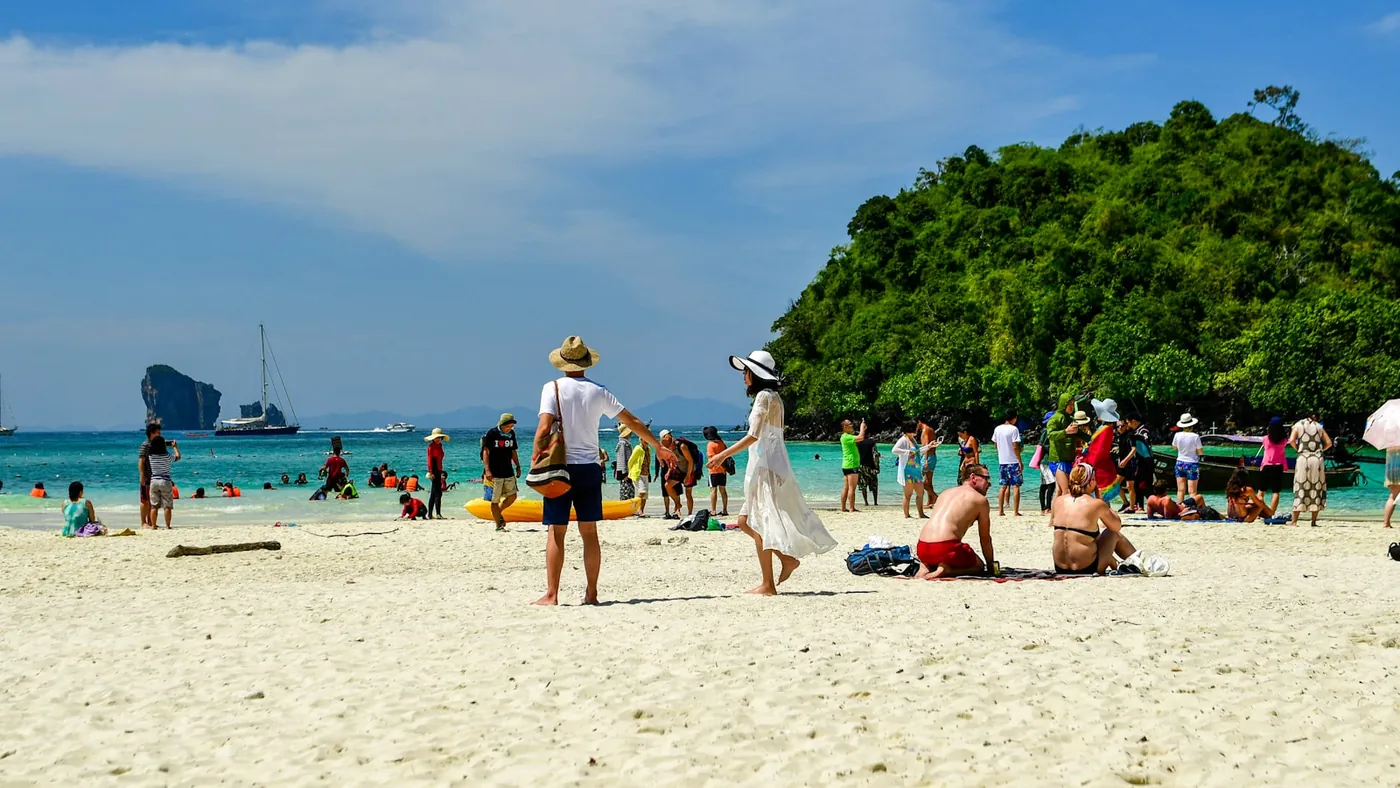
Koh Lipe: the clearest water, but a longer way to get there
Koh Lipe, far south near the Malaysian border, sits inside a marine national park, and the water around it is clear enough for real snorkelling directly from the sand rather than a boat trip to reach it. The island itself is small and largely walkable, which fits the no-taxis-needed criterion better than almost anywhere else on this list.
The catch is the journey. Getting there generally means a flight to the mainland followed by a longer boat crossing than the other islands here, a genuine cost with a small child who tires on transfers. It suits families with a little more travel patience, or children old enough to handle a longer crossing, more than a first trip with a very young baby. Services on the island also thin out considerably outside the dry season.
Phuket and Koh Samui: when convenience beats quiet
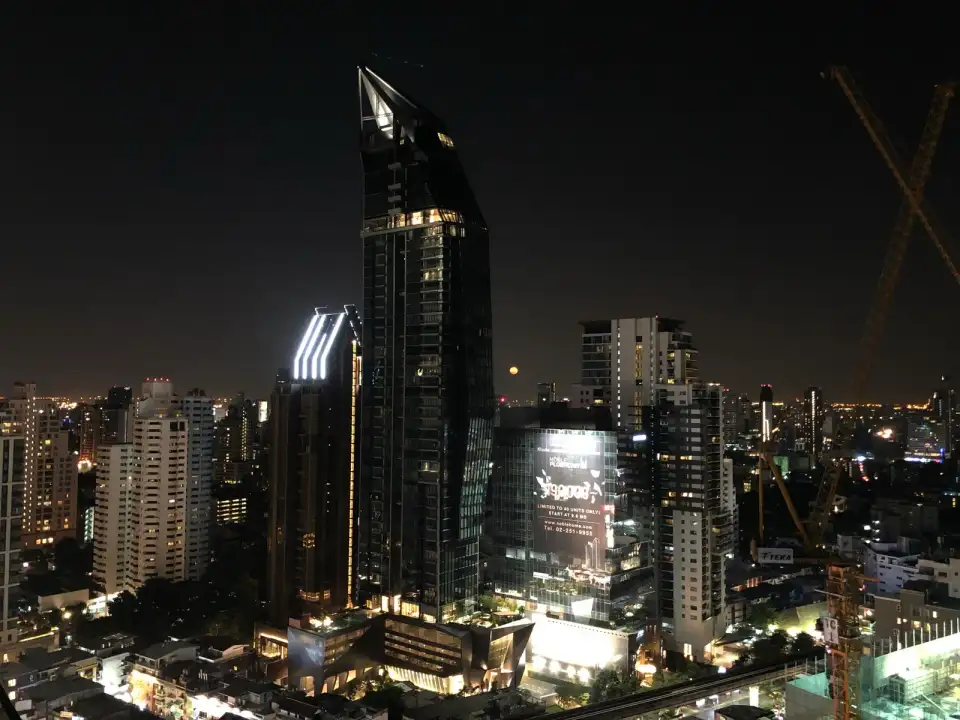
If convenience matters more than absolute quiet, Phuket and Koh Samui are the two islands built for it: direct flights, the widest choice of resorts, supermarkets, and more medical infrastructure within reach than the smaller islands offer. That combination is genuinely reassuring with a baby or a child with any additional needs.
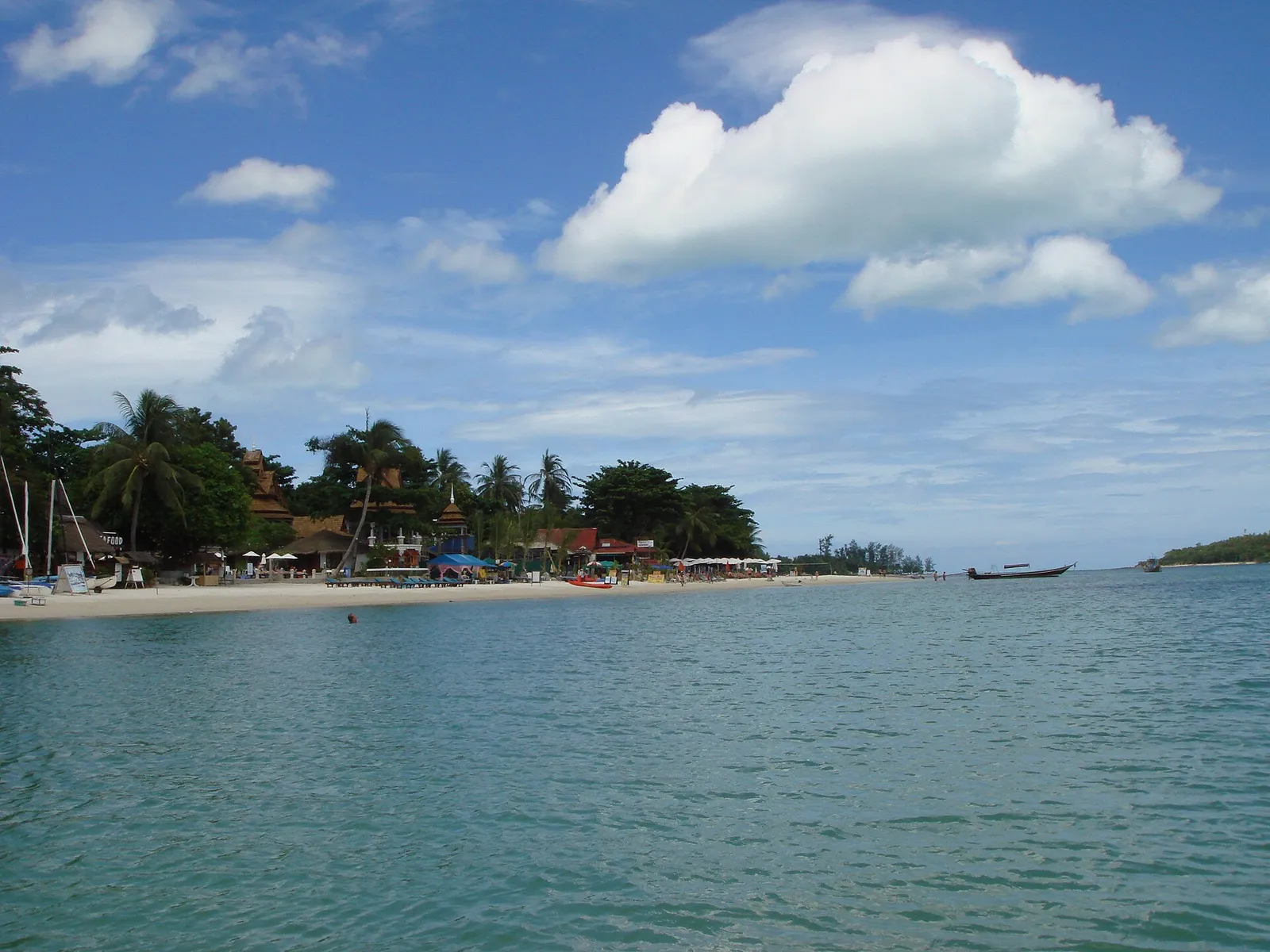
The island you land on is only half the decision. Both have a busy, built-up main strip with a real nightlife scene, and both have calmer bays close by that trade some of the buzz for quiet water and an easier bedtime. Choose the calm bay over the famous strip and you get the infrastructure without the noise. Our full Koh Samui guide sets out which coast to pick, and the same logic holds on Phuket.
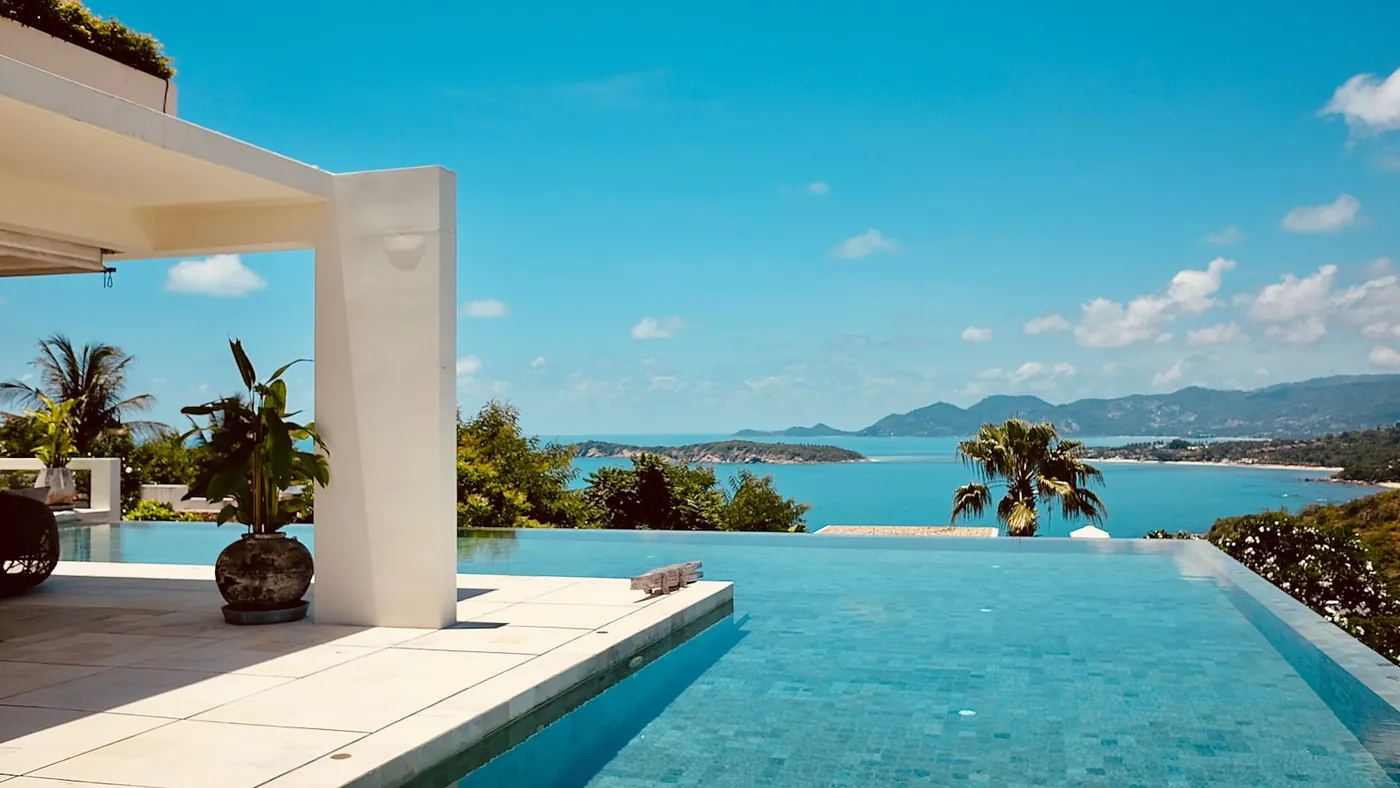
A pool at the resort matters almost as much as the beach here, as the fallback for the hottest hours of the day and for a nap that a beach chair cannot accommodate.
Which islands to skip, and why
Two islands are worth naming directly, since families ask about them anyway. Koh Phi Phi’s main village is loud and dense, built around bars and beach parties that run late every night in season, with no quiet corner within walking distance of the noise. It works far better as a day trip from a calmer base than as a place to sleep with young children. Koh Phangan has the same issue concentrated at one headland, where the Full Moon Party happens monthly and the beach stays busy most nights regardless of the calendar; the rest of the island is genuinely quiet, but still needs the right bay chosen deliberately.
The broader pattern to watch for is any beach built around day-trip tour boats, which brings crowds and a lot of adult-paced activity that has nothing to do with a toddler’s schedule. None of that makes an island unsafe, it just makes it the wrong one for this trip.
Koh Lanta and Koh Chang cover most families well on their own, Koh Samui and Phuket add convenience if that matters more to you than quiet, and Koh Lipe is worth the longer journey once children are a little older. Build the trip around one calm base rather than a circuit of famous names, and check the specifics for your chosen island rather than assuming.