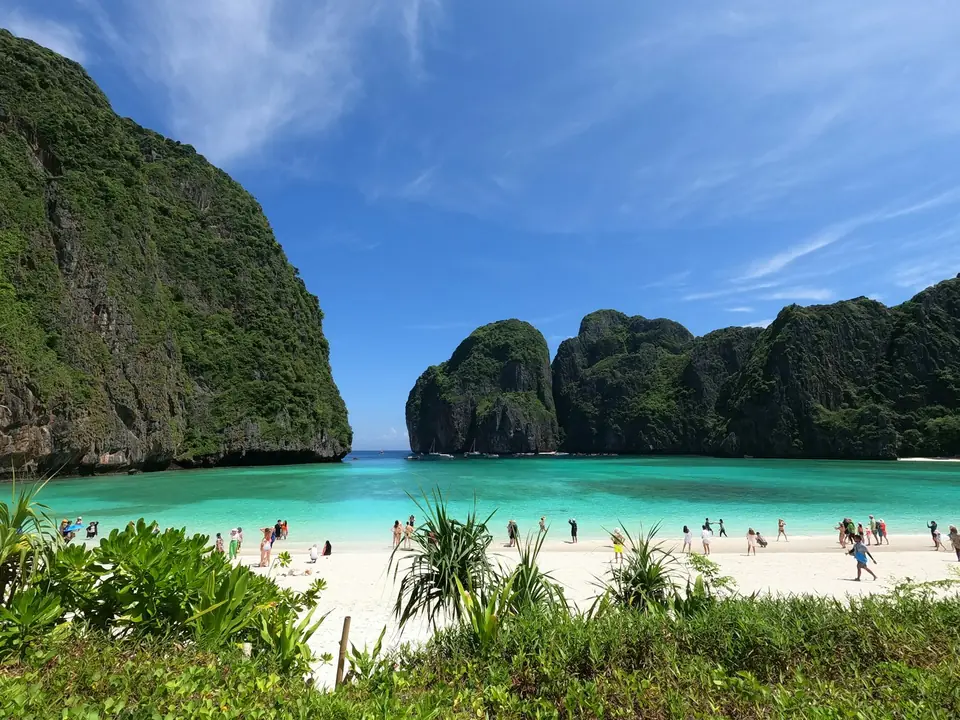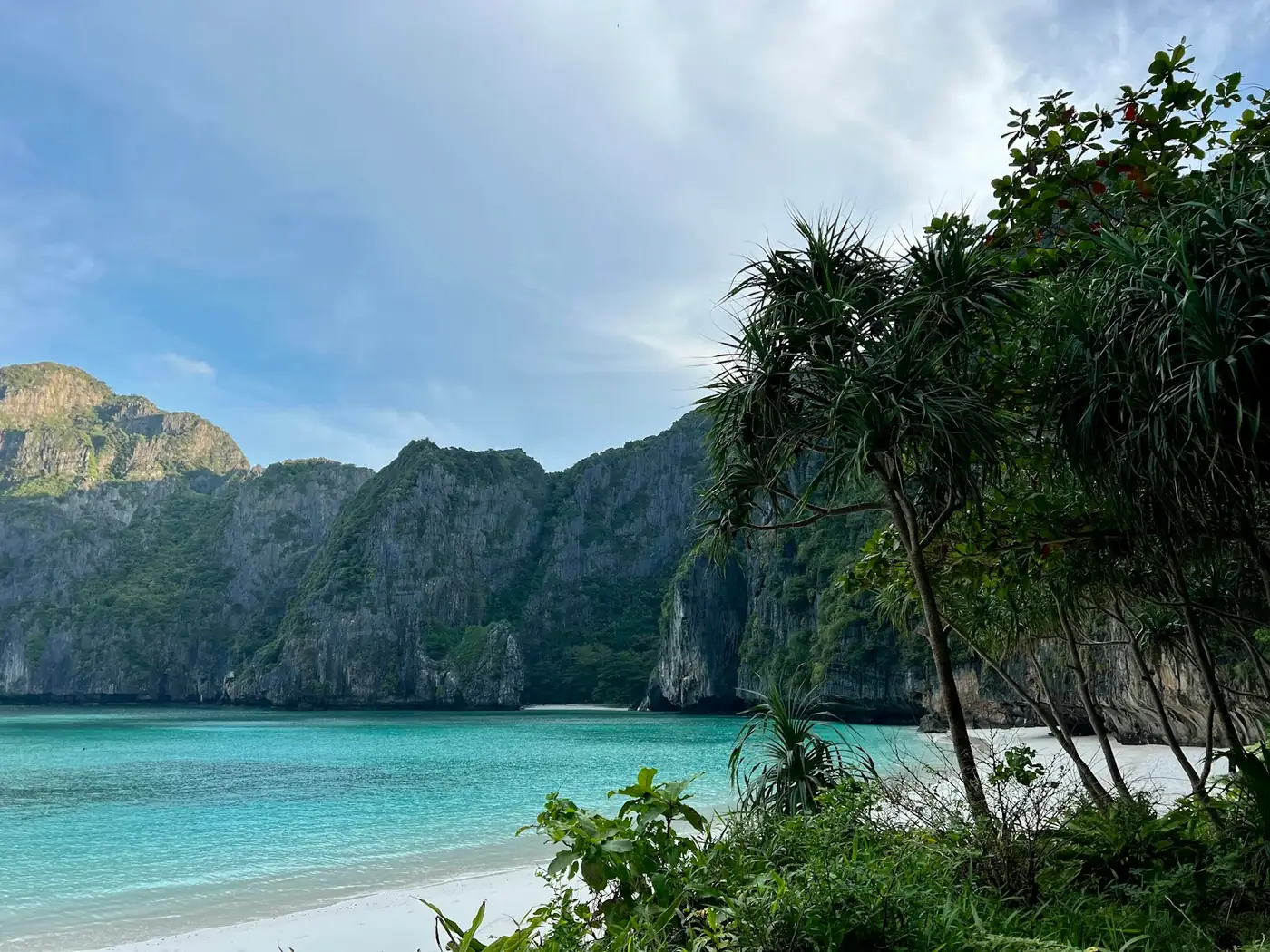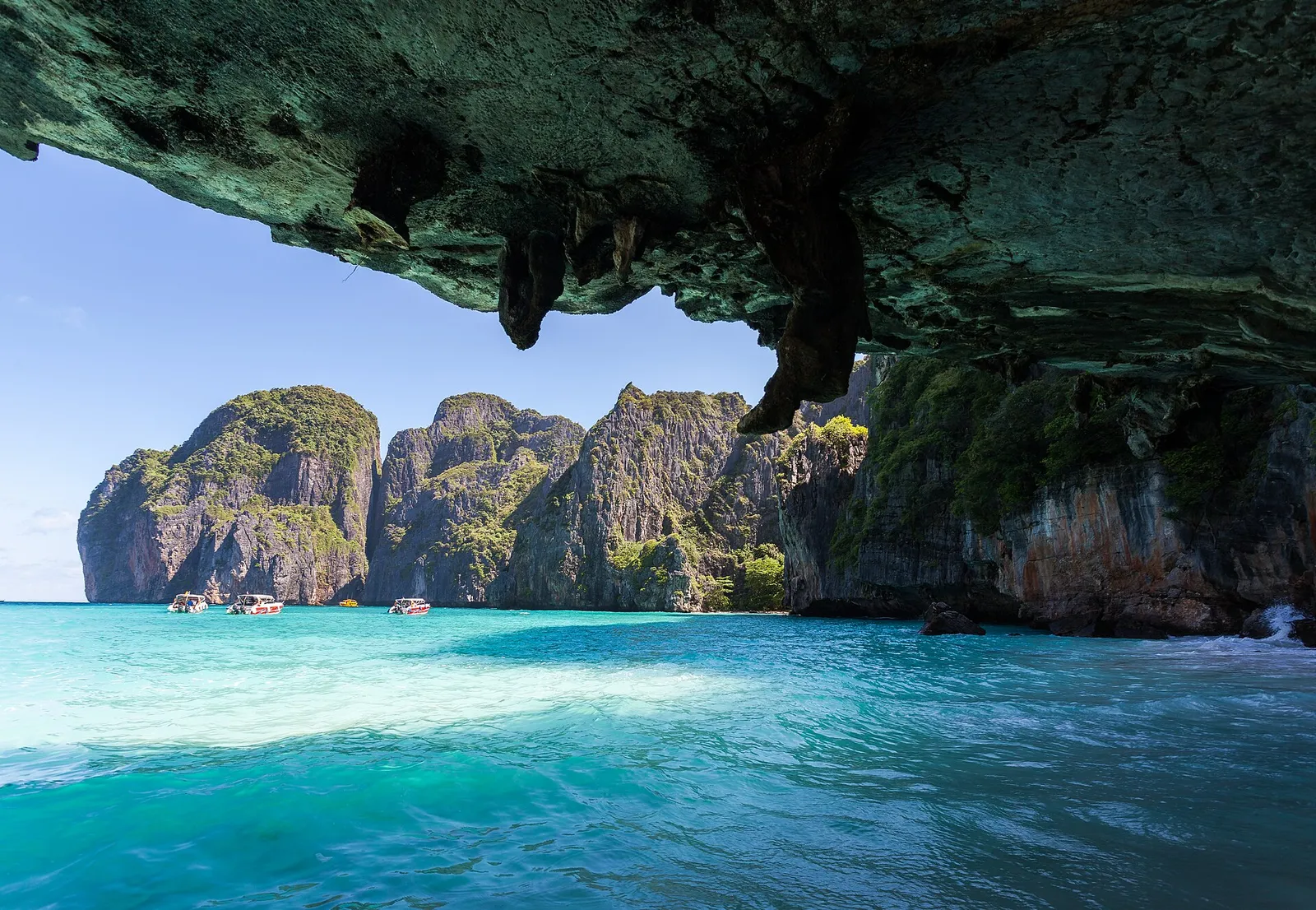
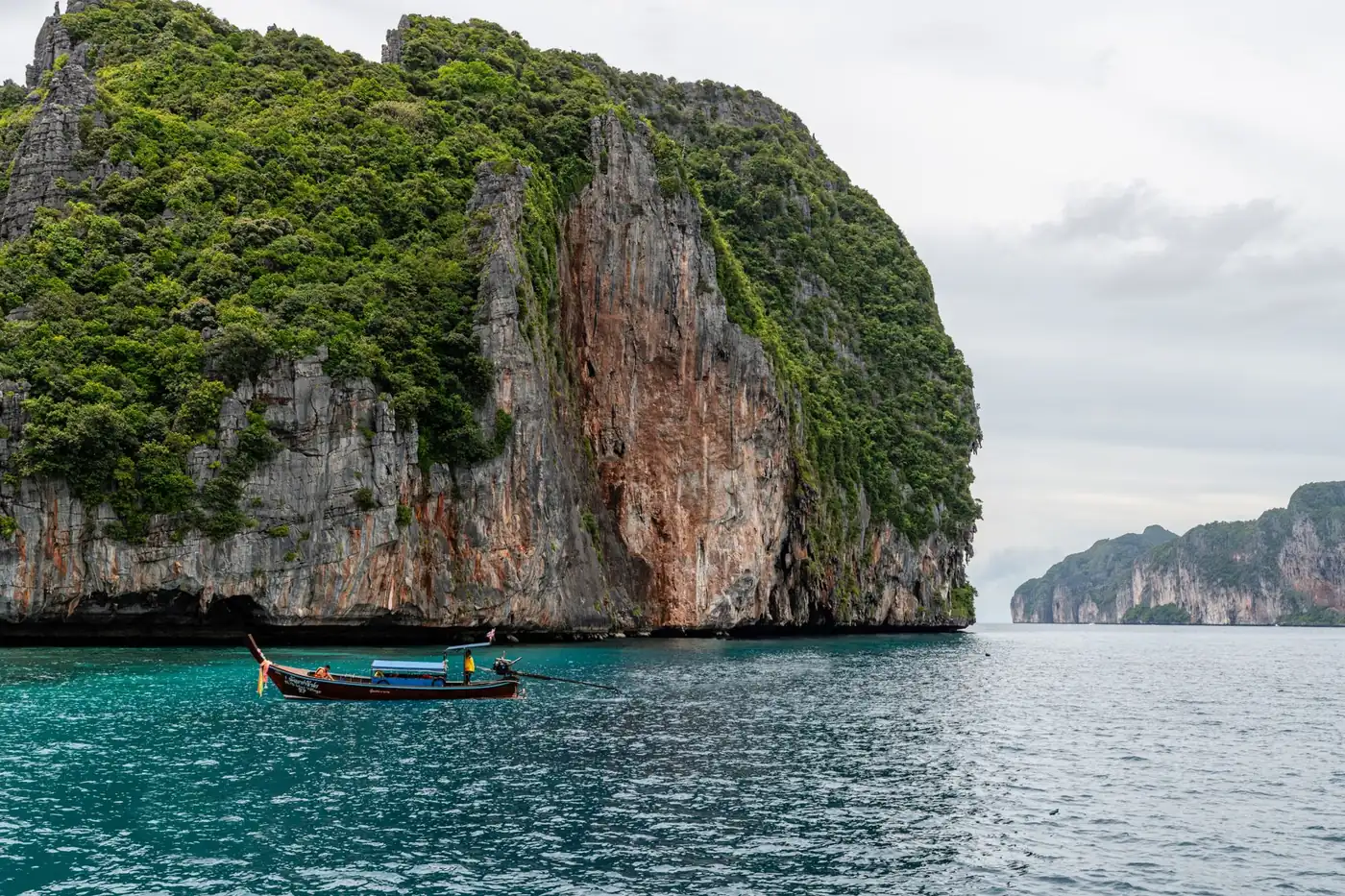
Maya Bay is the beach that made Koh Phi Phi Leh famous long before most people could find the island on a map: a tight cove closed in by vertical limestone cliffs, pale sand and water so clear it looks retouched, the setting for the film The Beach. Koh Phi Phi Leh is the smaller, uninhabited island in the Phi Phi group, a short boat ride from Koh Phi Phi Don where almost everyone actually stays. The fame nearly finished the bay. Boats anchored directly on the reef day after day, visitor numbers climbed into the thousands, and the coral around the cove took serious, well-documented damage. In 2018 Thailand did something few countries do to a headline attraction and closed the bay completely, for years, to let it recover. It has since reopened, but not as it was, and understanding how it works now matters more than the version you have seen in photos.
Why the bay closed
For years, Maya Bay absorbed more boat traffic than a cove that size could reasonably handle. Longtail boats and speedboats anchored directly on the reef instead of mooring further out, and the sheer number of visitors each day compacted the sand and stressed the coral around it. The damage was serious enough that in 2018 Thai authorities closed the bay entirely rather than trying to manage the crowds within it, an unusually blunt move for a site that had become one of the most recognizable images in the country. The closure lasted years, not months, because coral recovery on a tropical reef is slow and the point was to give it the time a quick reopening would not have allowed.
The recovery itself is well documented, and one detail keeps coming up in reporting on it: blacktip reef sharks, small and no danger to swimmers, have returned to the shallows in numbers that were not there before, and spotting them from the sand or the boardwalk is now one of the reasons people make the trip.
How access works now
Since reopening, Maya Bay has been managed under restrictions built around one idea: keep boats and swimmers off the reef and the beach itself while still letting people see the bay. In practice that has generally meant no anchoring inside the bay, boats mooring at a jetty on the back of the island instead, and visitors walking in along a boardwalk rather than arriving straight onto the sand. Swimming directly off that beach has typically not been part of the arrangement. Each group is also given a capped window of time on site rather than an open afternoon, and there is a separate national park entrance fee, payable in baht, on top of whatever the boat trip itself costs.
Here is the honest caveat: these specific rules have already been revised more than once since reopening, including seasonal closures during parts of the rainy season and adjustments to exactly where boats can go and how long visitors get. Nothing about the current arrangement should be treated as fixed. Whatever set of rules you read here or anywhere else, confirm it again with whoever is running your boat close to your actual travel dates, because it can and does change between seasons.
What a visit actually feels like
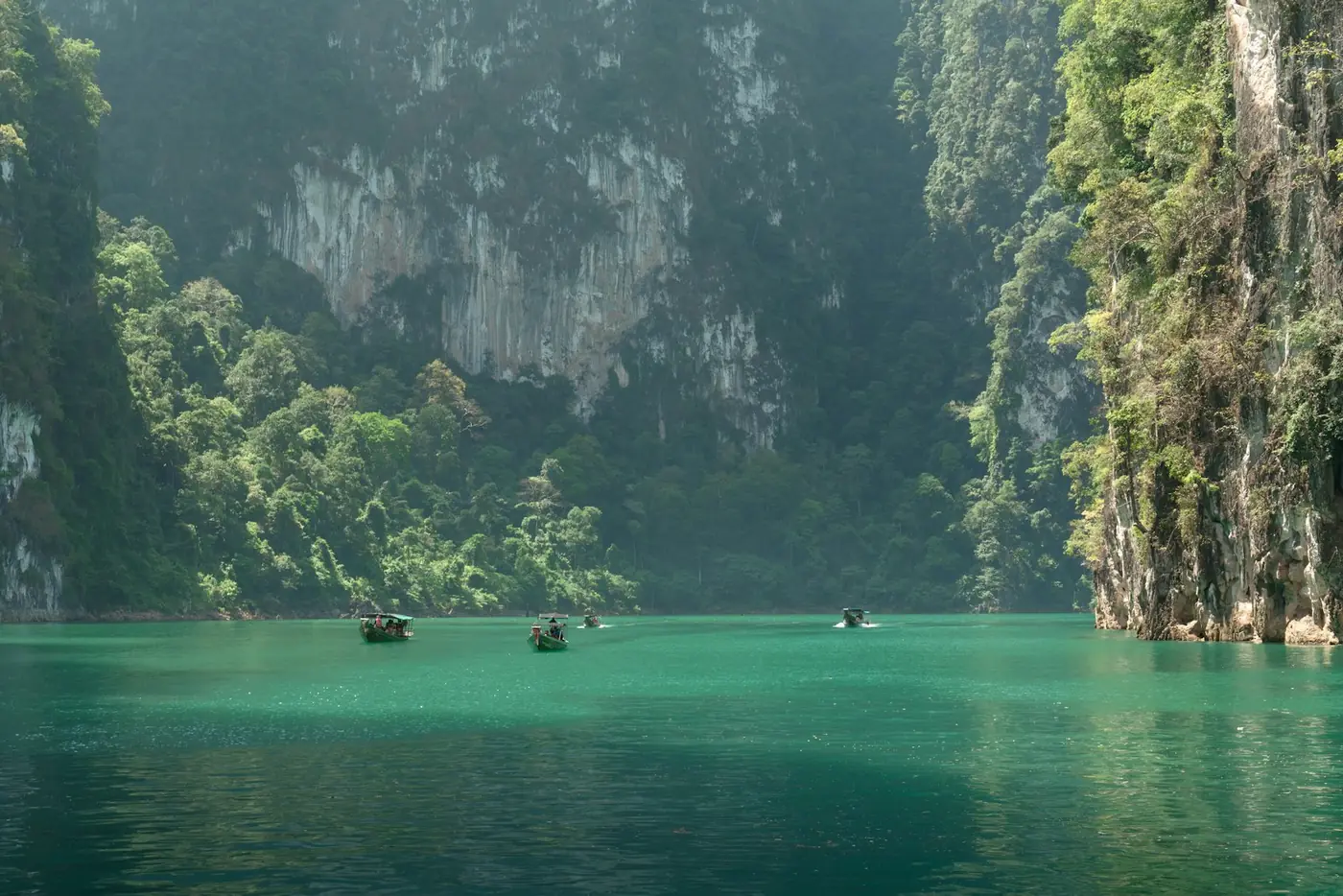
The version of Maya Bay most visitors get today looks like this: the boat moors at the back of the island rather than inside the bay, and you walk a short boardwalk over the rocks to reach the viewpoint and the beach itself. You will see the cliffs, the sand and the water in something close to the color you have seen in photos, arguably cleaner than in the era of anchored boats and daily crowds. What you will generally not do, under the arrangement that has held since reopening, is swim from that beach or spend a long, lazy afternoon on it. Staff manage the flow of visitors, and the time your group gets on site is capped rather than open ended.
Arrive with a tour that lands mid-morning, when several boats converge at once, and it will feel managed and a little rushed. Arrive early, on a trip timed to reach the bay before the bulk of the day boats, and it can still feel close to what made the place famous in the first place.
Is it worth the trip
For the view, yes, without much hesitation. The cliffs and the water are still the reason Maya Bay became shorthand for a certain kind of tropical beach, and no restriction has changed that. What has changed is the kind of visit you are signing up for: a timed, managed look at an extraordinary place rather than a swim and a lie down. If that trade sounds fine, book it. If your picture of the day involves floating in that exact water for an hour, it will not deliver, and that expectation belongs on a different beach on the same trip.
Quieter water nearby
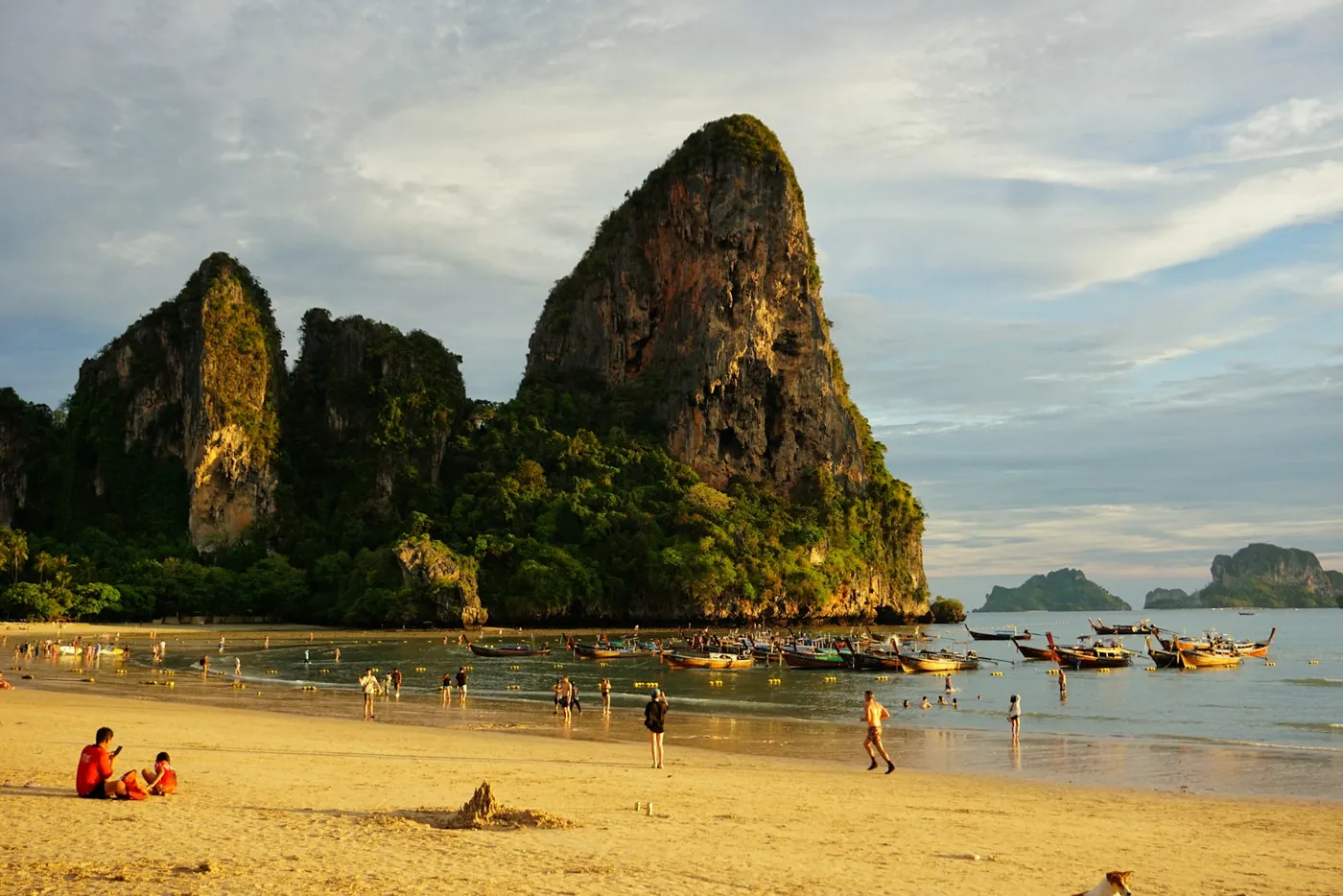
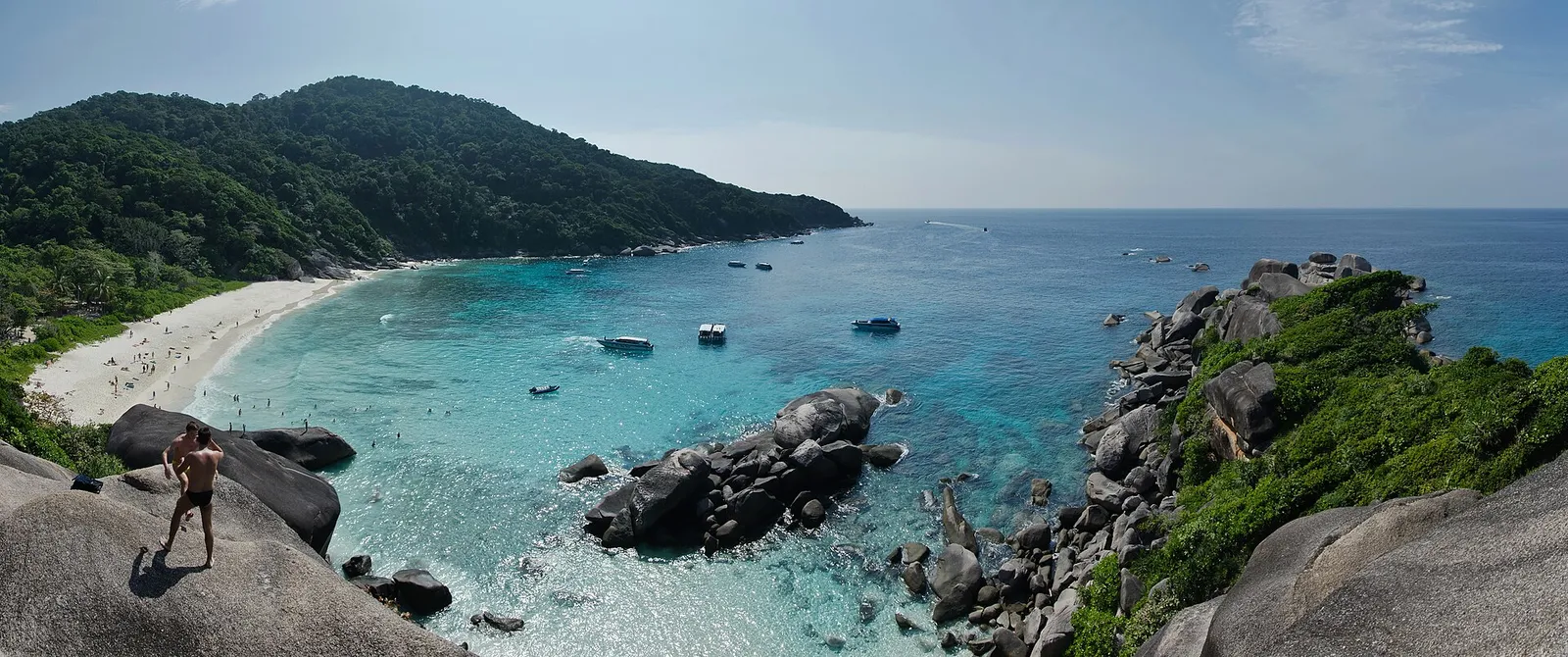
If swimming is the actual point of your day, Maya Bay does not have to be the only stop on it. The same boat trips that visit the bay typically also call at calmer, clearer coves nearby where getting in the water is the whole idea rather than a question mark, along with a cave stop and a beach with resident monkeys that most itineraries build the rest of the day around. For the wider island itself, the village, the overnight nightlife, where to actually sleep if you stay over, our guide to Koh Phi Phi covers that ground in full; this one has deliberately stayed on the bay alone. And if a full day built around one restricted cove is not what you are after, the beaches around Krabi and Railay on the mainland side offer the same limestone scenery with no time limit attached.
Getting there and planning around it
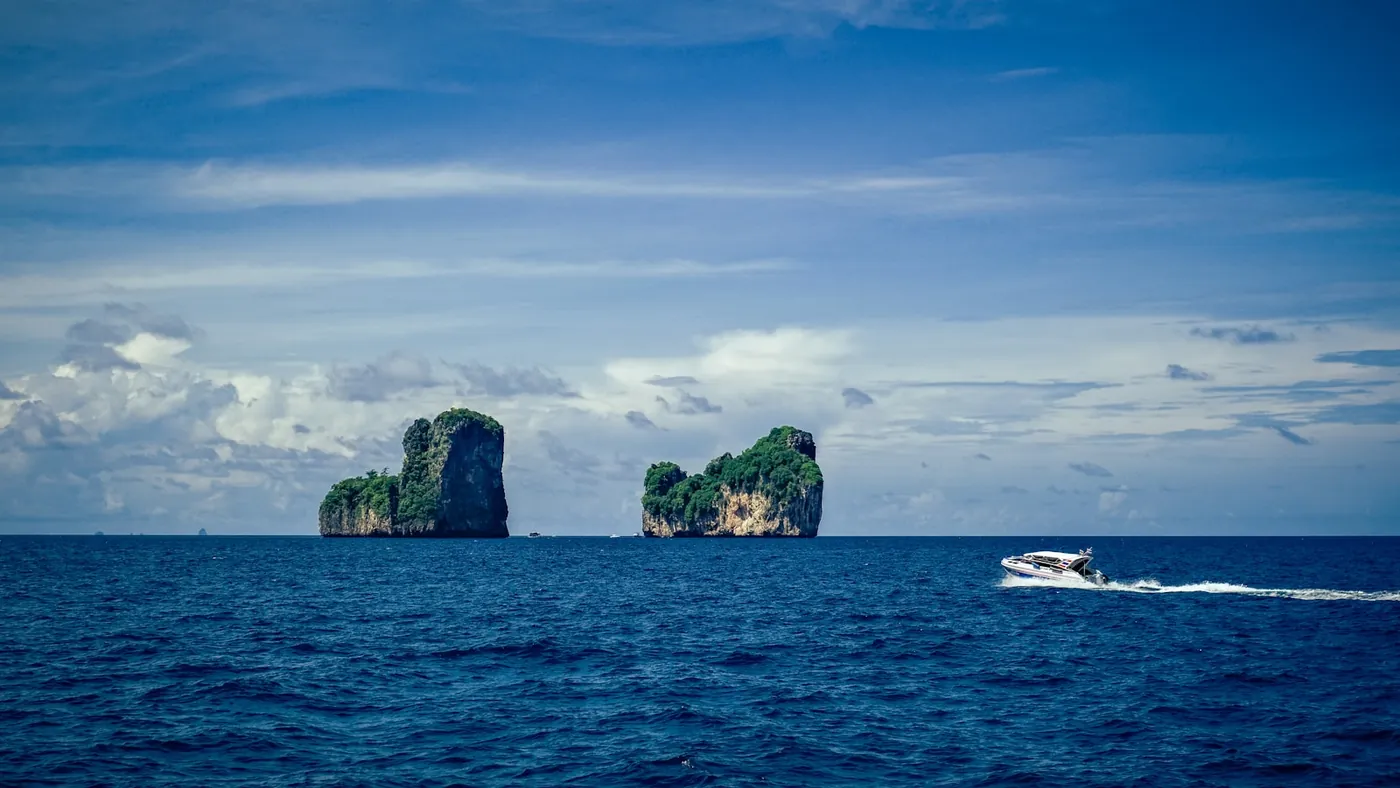
Nobody reaches Maya Bay independently. It is always part of a boat trip, usually a half or full day island tour that departs from Phuket, Krabi or Koh Phi Phi itself, with the bay as one stop among several rather than the entire itinerary. Sea conditions decide more than the printed schedule does: rough water in the monsoon months cancels or reroutes trips outright, and boat frequency drops sharply outside the dry season. Our guide to the ferries between the islands covers how the mainland and island connections actually work if this is one stop in a longer trip rather than a single day out. Whichever base you leave from, confirm the current entry arrangement and the sea conditions that day the evening before rather than weeks in advance, since both are the kind of detail that shifts here on short notice.