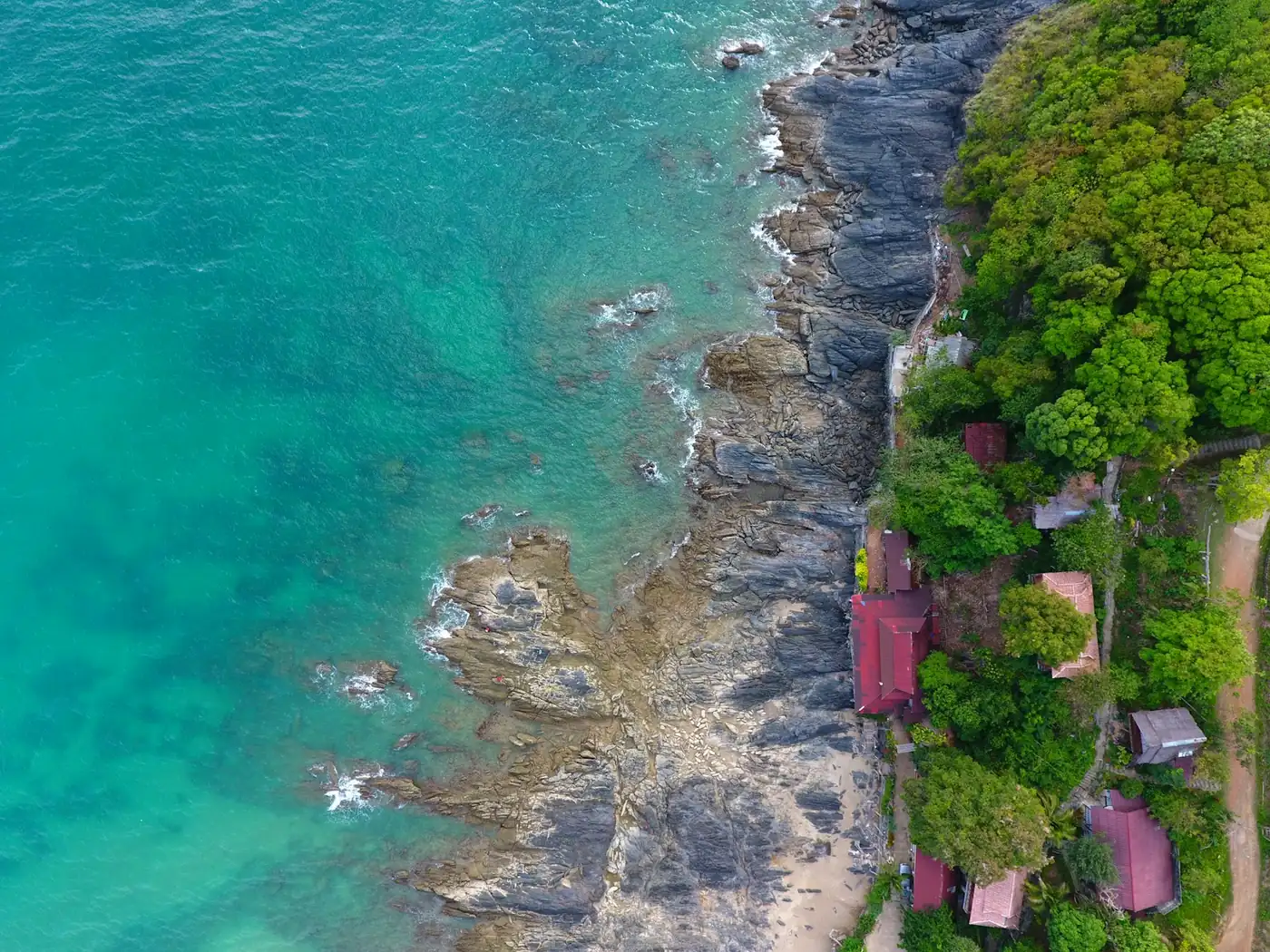
Koh Lanta is what a lot of people think they want when they picture a Thai island and then fail to book, because the famous names get in the way. It is a long island on the Andaman coast with a road down its spine, a string of west-facing beaches that get quieter the further south you go, sunsets every evening, cheap seafood, and a nightlife scene that amounts to a few beach bars. It has never had a party reputation and it has never tried to acquire one. That is the whole pitch.
The shape of the island
One long island running north to south, reached by bridge and a short vehicle ferry from the mainland.
A road down the middle, which means everything is reachable without a boat, a rarity on this coast.
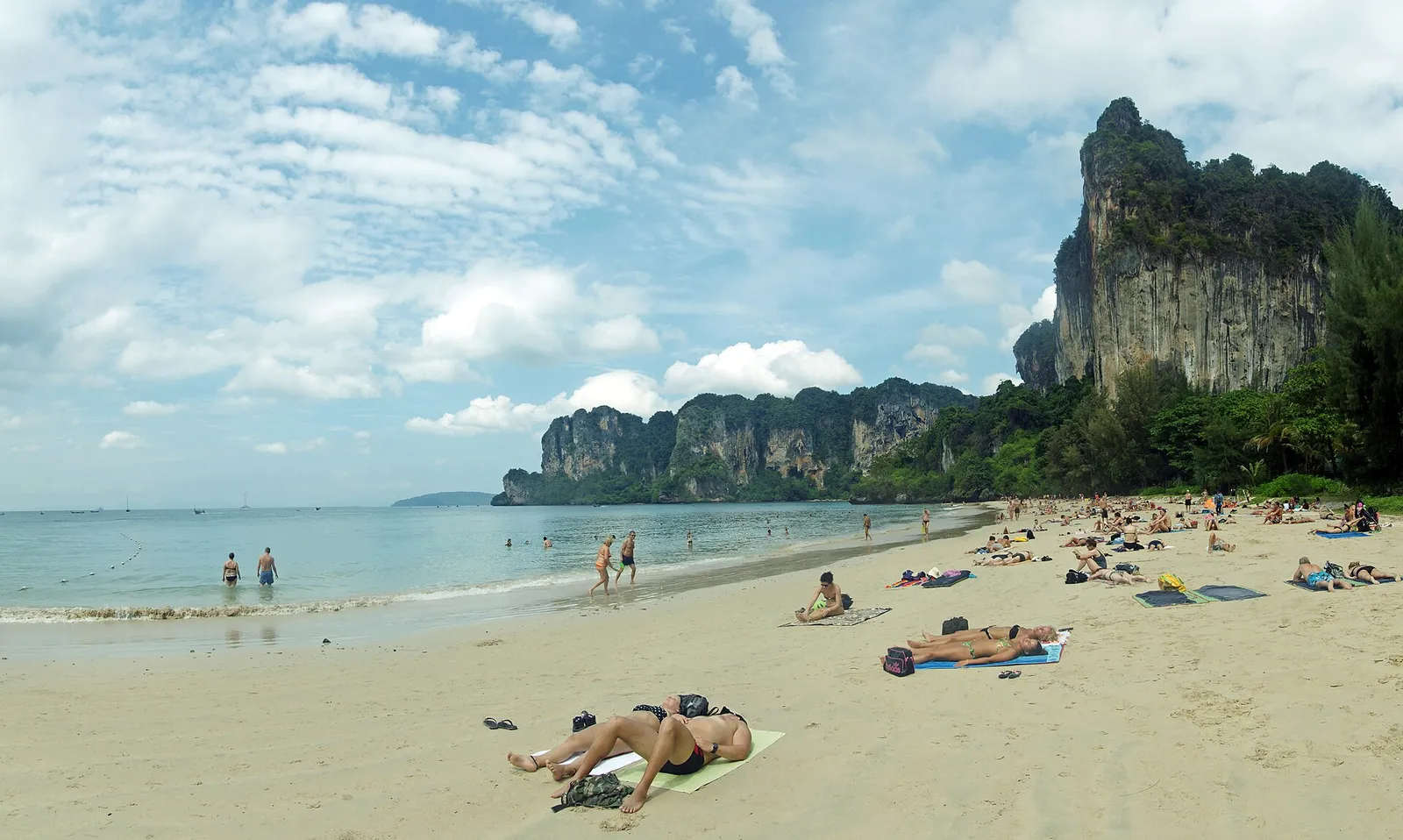
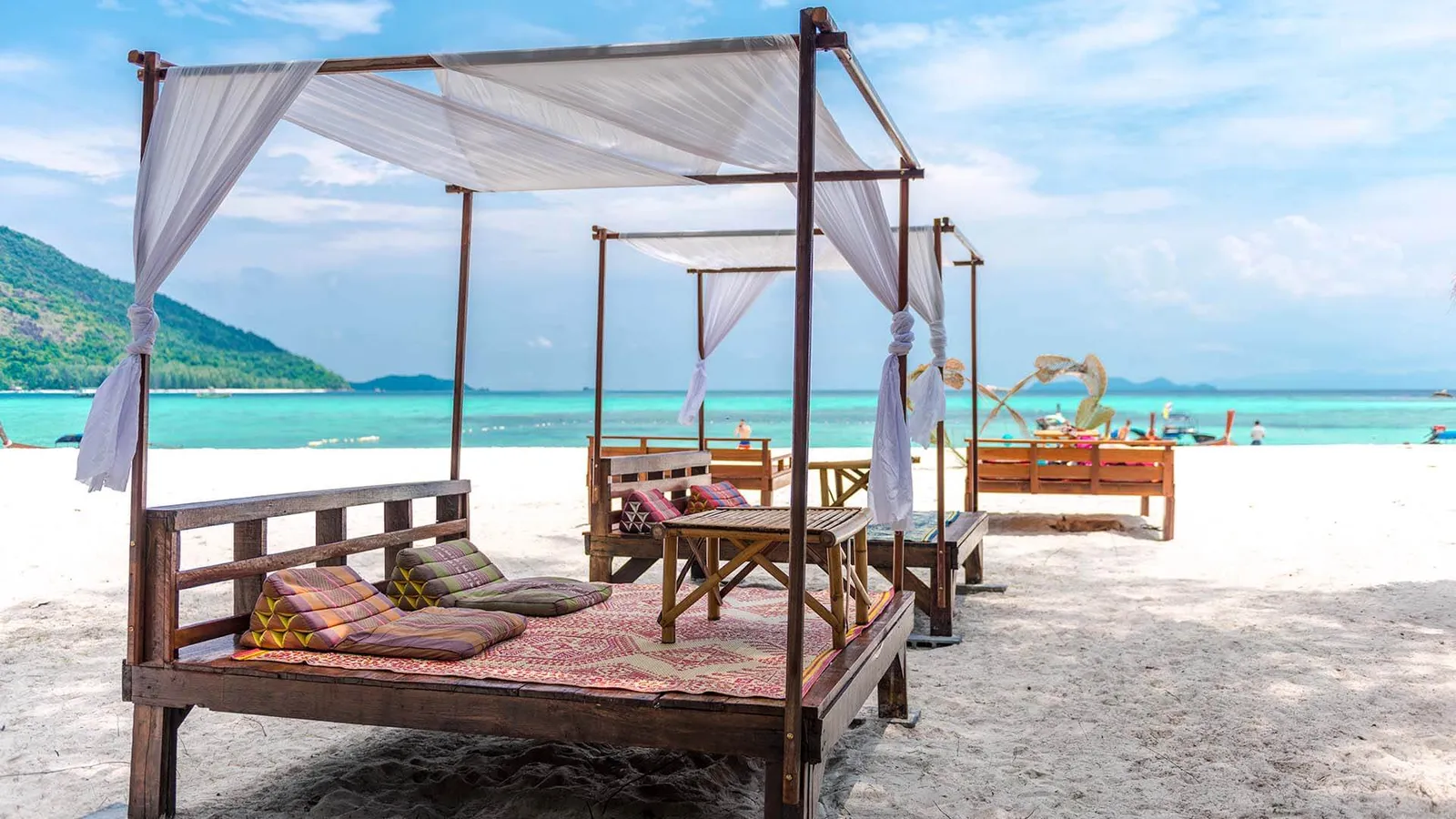
The west coast holds all the beaches, facing the sunset, one after another down the length of it.
The east coast is mangrove, with an old town of stilt houses and the fishing community.
A national park at the southern tip, with a lighthouse, a short trail and monkeys.
Choosing a beach
The northern beaches have the most restaurants, shops, dive centres and the easiest arrivals, plus the small amount of nightlife the island has.
The middle stretch is the balance: enough places to eat, quieter sand, and a short ride to the north when you want more.
The southern beaches are progressively emptier, with individual resorts and long gaps between them.
The far south is close to empty, and everything is a drive.
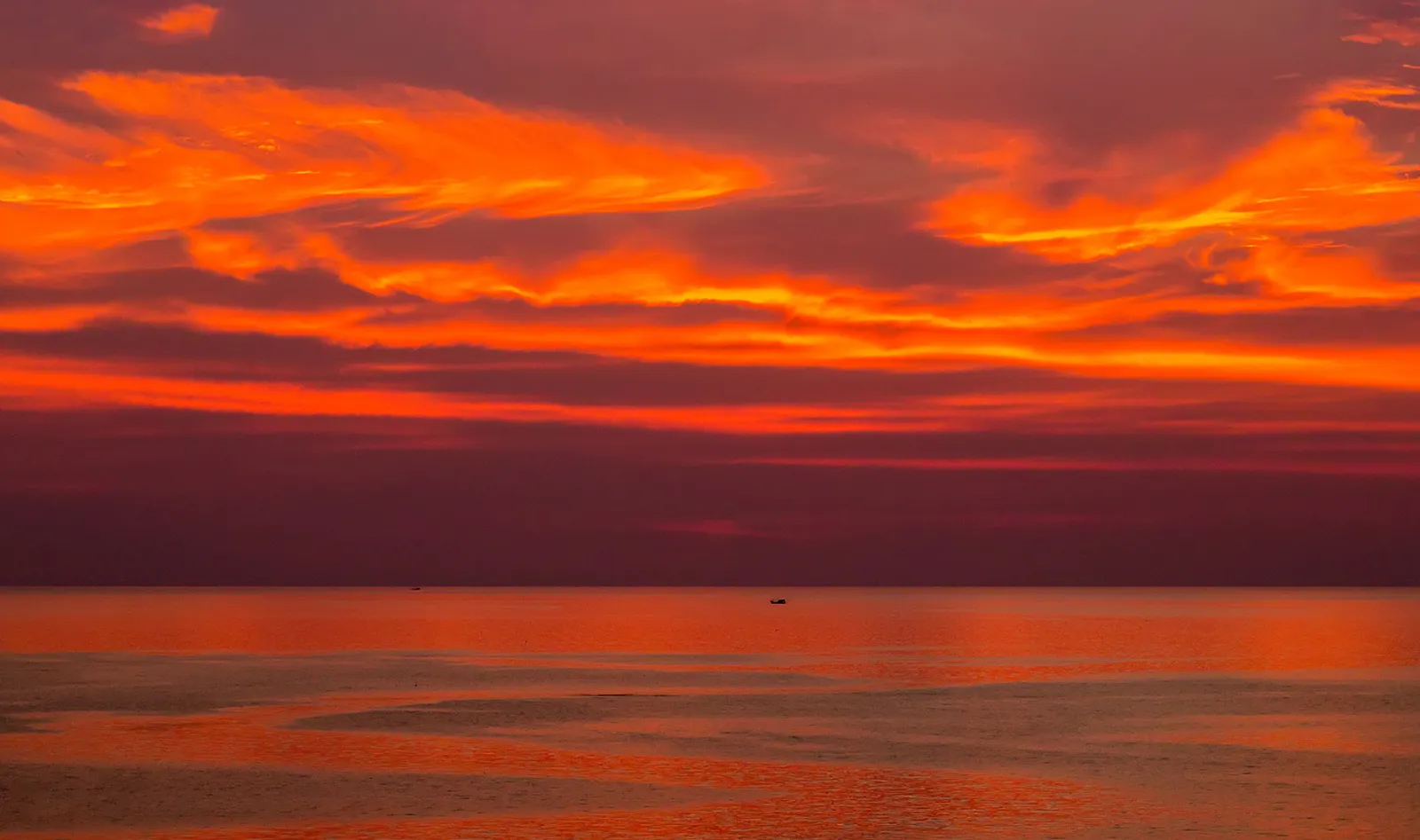
All of them face west, so every one of them gets the sunset.
What to do
Very little, deliberately, which is the point and is worth saying plainly.
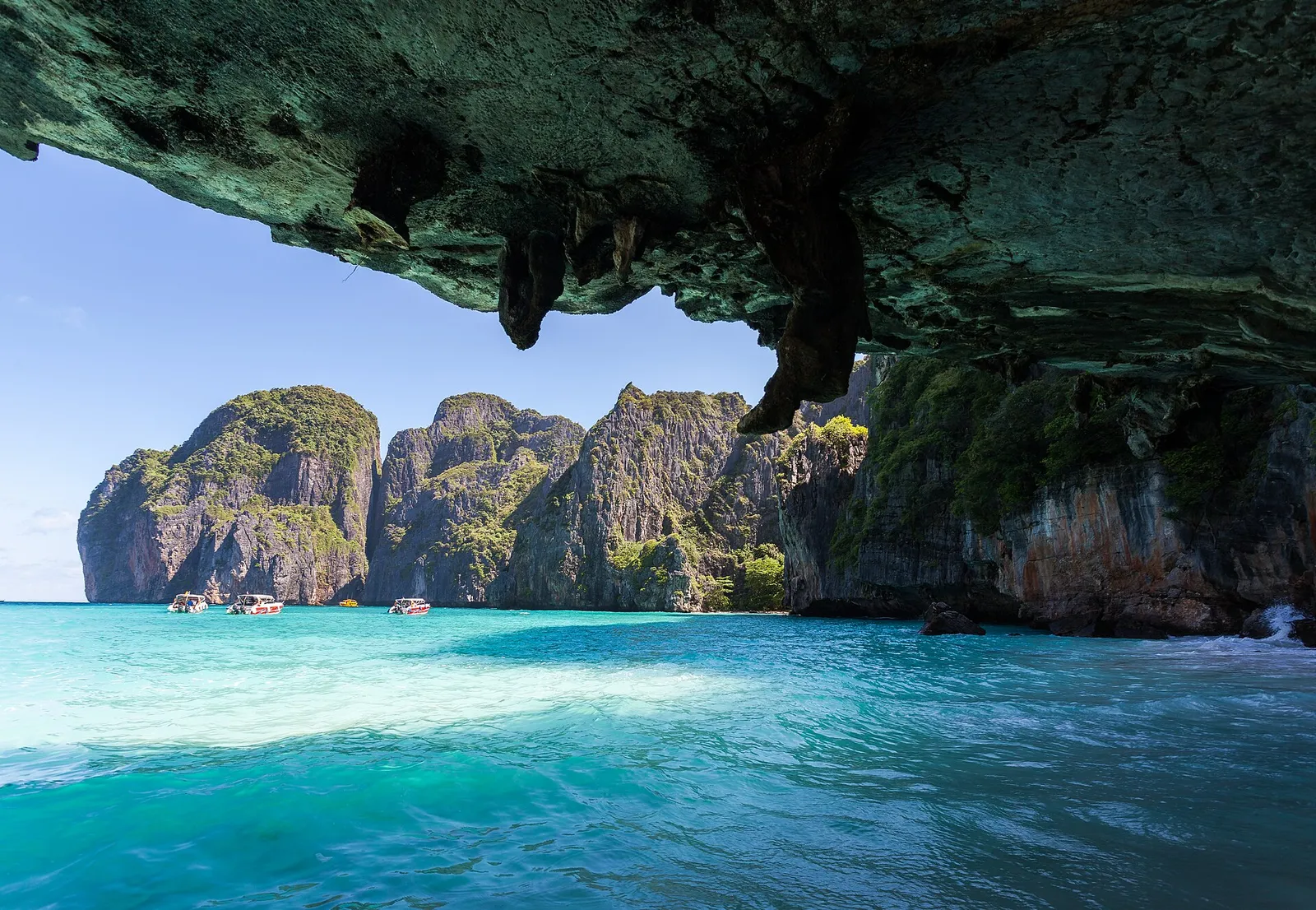
Diving and snorkelling at the offshore sites, which are among the best on this coast and are why the dive shops are here.
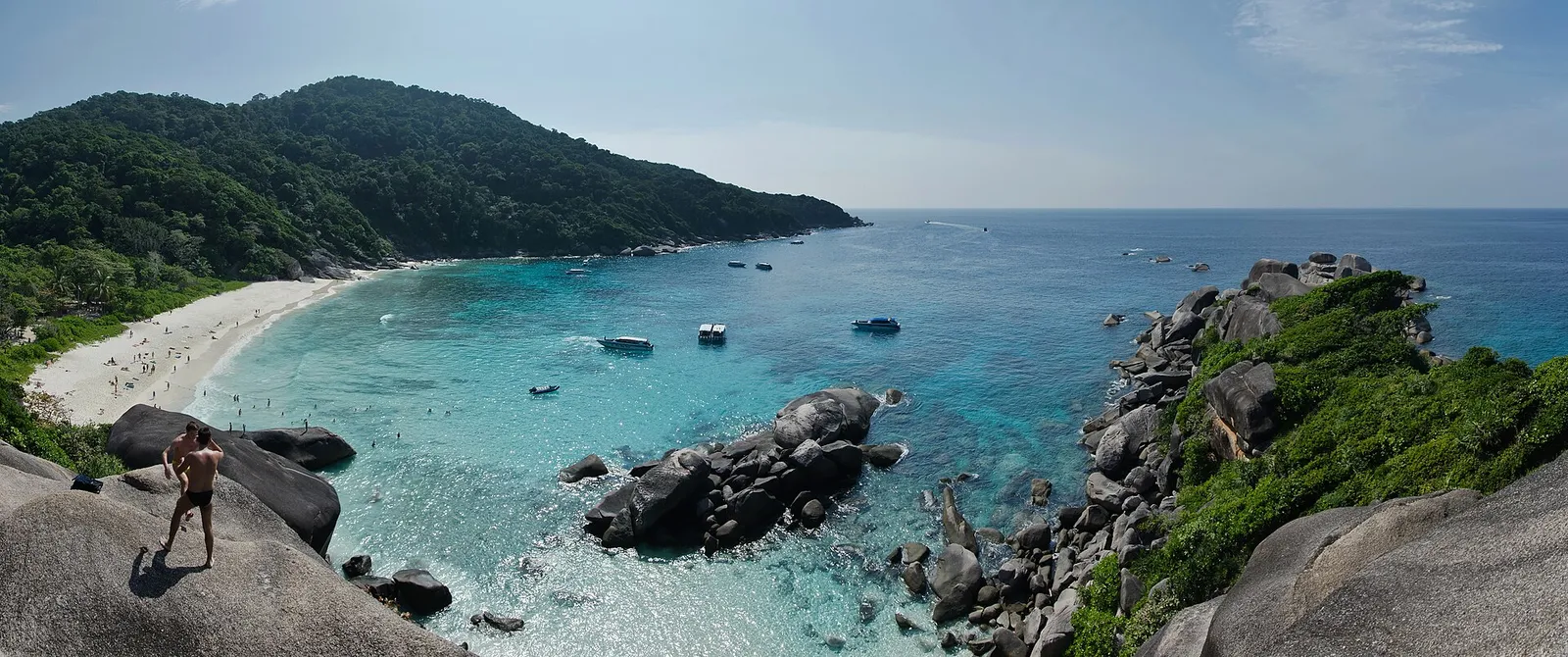
Four islands and Koh Rok boat trips, which run in the dry season.
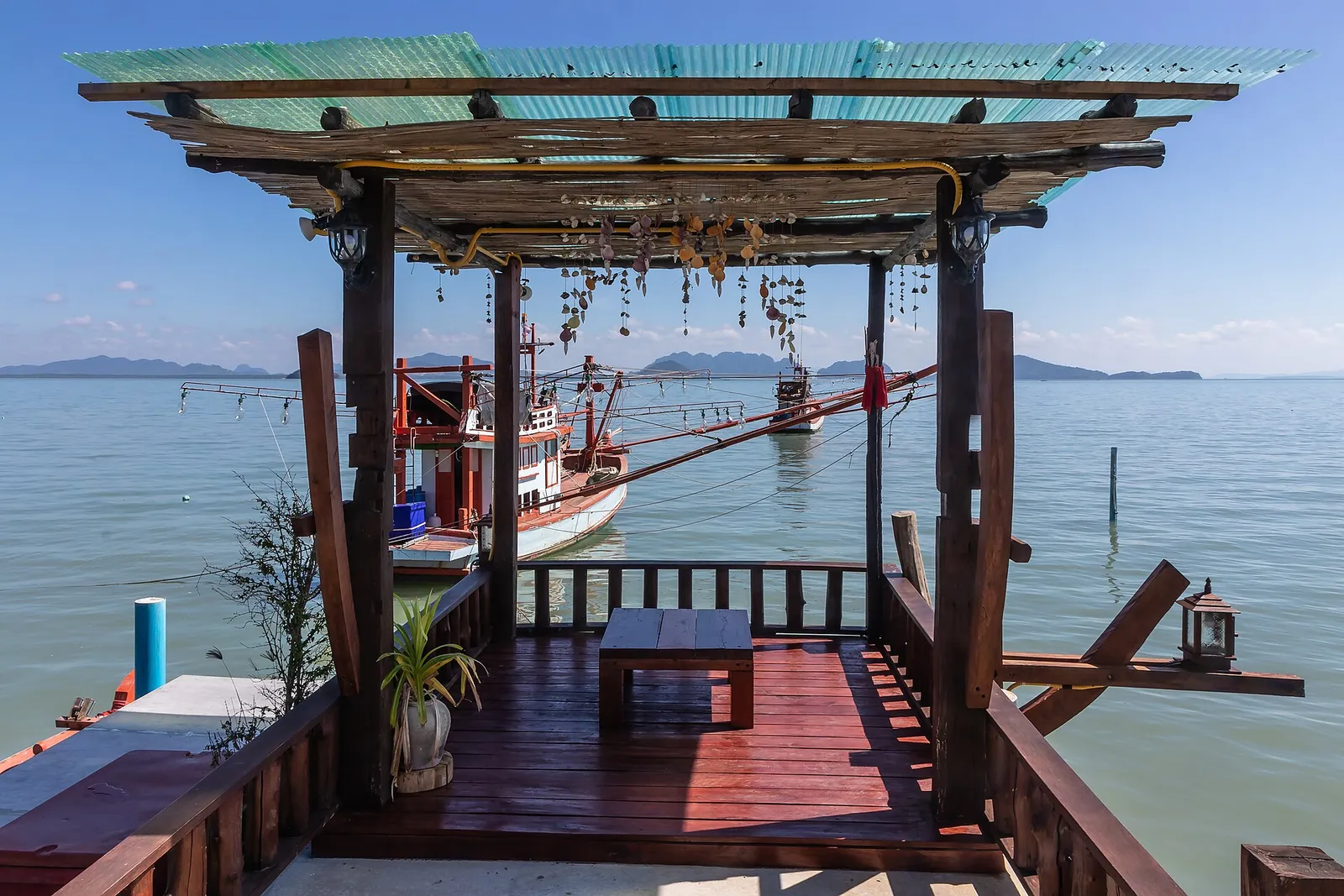
The old town on the east coast, a row of wooden stilt houses over the water, with seafood restaurants and a genuinely nice hour.
The national park at the southern tip for the lighthouse, the trail and the view.
Kayaking in the mangroves and around the karst on the eastern side.
The season
The dry season, roughly November to April, is when the island is fully open, the sea is calm and the boats run.
The monsoon months bring rain, wind straight onto the west-facing beaches, and a large share of the resorts and restaurants closing for the season.
It does not become inaccessible, thanks to the road, and it does become very quiet with limited choice.
Prices fall sharply in the low season, which is a genuine trade for anyone who does not mind rain.
Practical notes
Scooters are the standard way around, on a road that is quieter than most Thai islands but still a road.
Cash is easier than cards outside the northern beaches.
Distances are real: end to end is a serious ride, and dinner from the far south is a project.
Book ahead for the peak weeks around the year end, when the island fills despite itself.
Seafood is the thing to eat, particularly in the old town on the east coast.
Where this fits
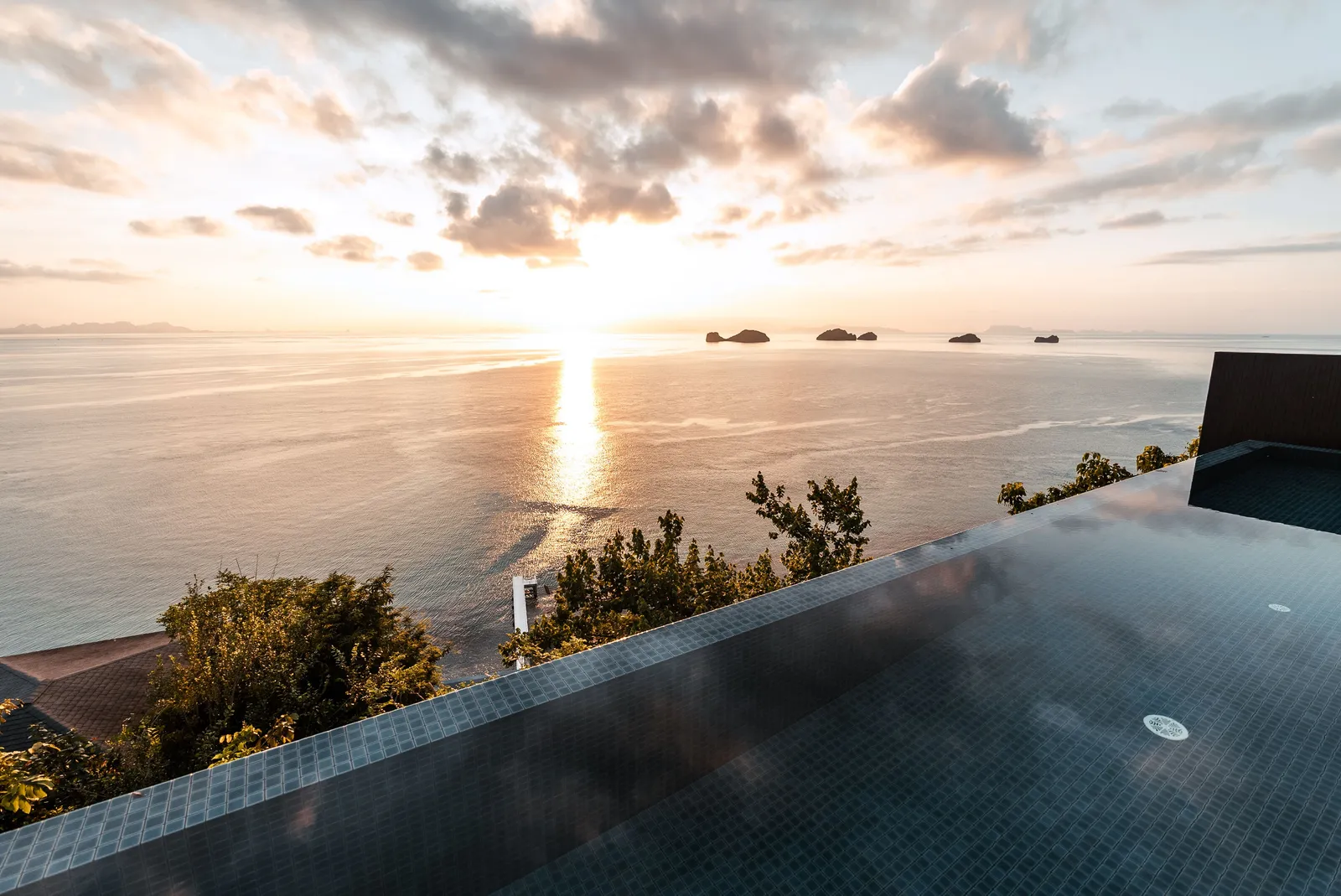
And because this is the island people are most often sent to when they want quiet rather than nightlife, it turns up constantly in honeymoon planning: our Thailand honeymoon guide covers choosing the coast by month, when a private pool villa earns its price, and how to pair a quiet island with somewhere that has a pulse.
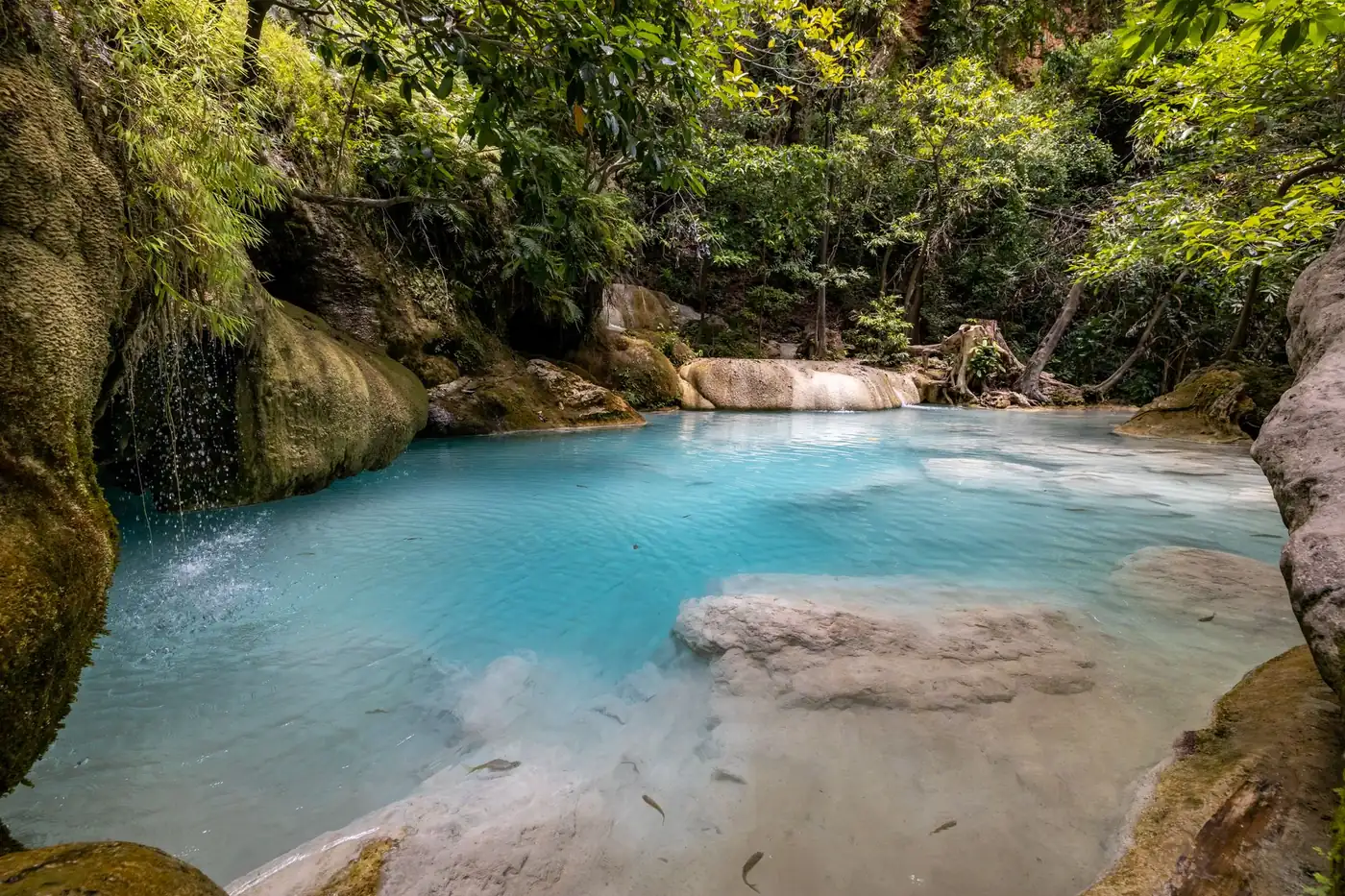
For the mainland national parks that pair well with a quiet island week, including a jungle lake among limestone peaks, our guide to the Erawan and Khao Sok parks covers the inland side of southern Thailand.
And for the seasonal question underneath all of this, our comparison of the Andaman and Gulf islands explains why the coast you choose should follow the month.
The short version
Koh Lanta is the quiet Andaman island: long west-facing beaches, sunsets every night, a road so nothing needs a boat, and almost no nightlife. Choose how far south to book, since the north has the choice and the south has the emptiness. Come in the dry season if you want everything open, and if you travel in the monsoon months use the road route rather than a ferry that may not run. Eat seafood in the stilt-house old town, take a dive trip, and otherwise plan very little, because that is what the island is for.