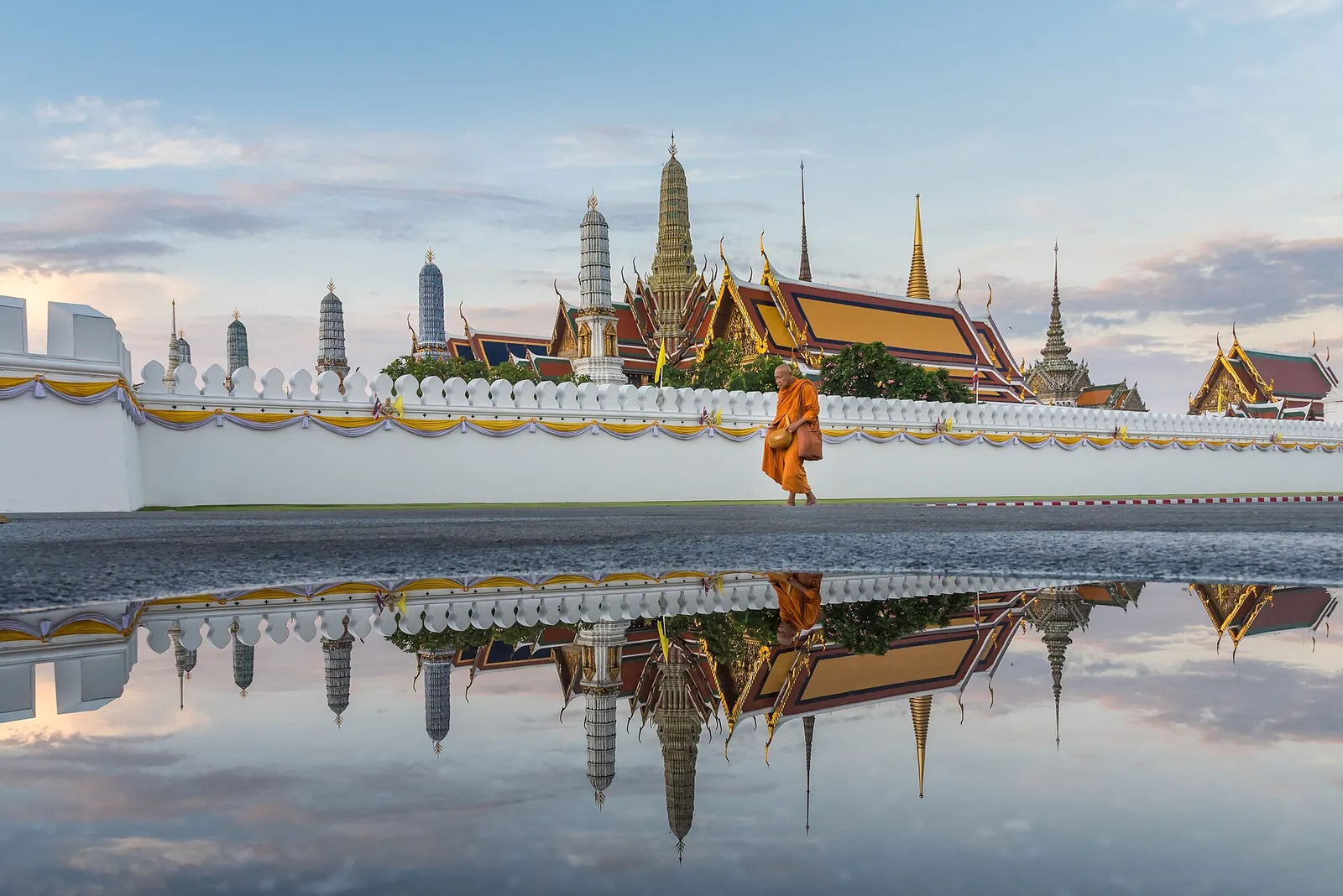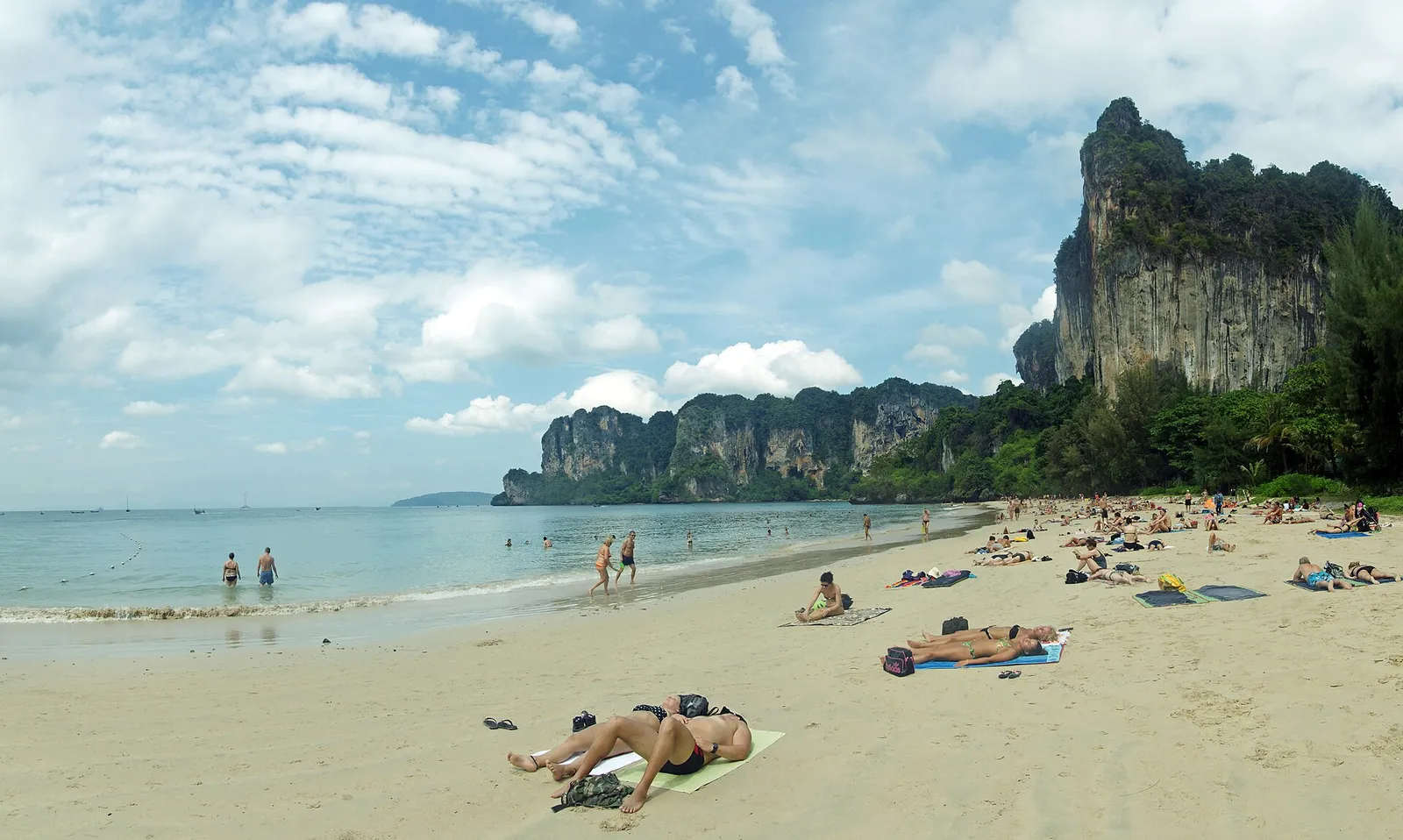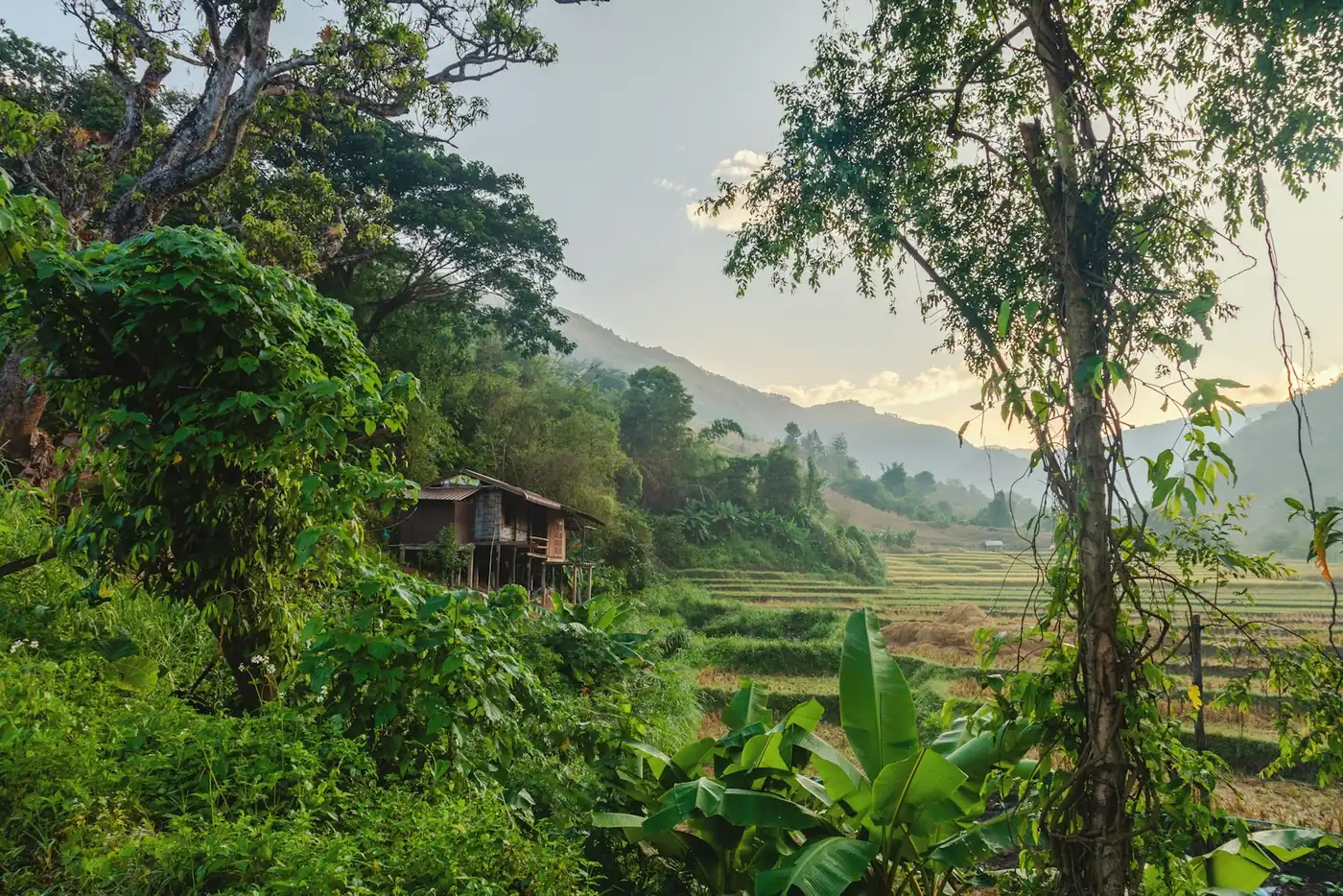
Deciding between the north of Thailand and the islands is the first big fork almost every visitor hits, and it is a bigger, earlier choice than most people realise. One half of the country is mountains, temples, cooking classes and cool mornings. The other is white sand, diving and heat. They share a currency and a language and otherwise feel like two different trips. Here is how to weigh the kind of holiday you actually want against cost, season and time, so you land on a real answer rather than a shrug or a plan to somehow do both badly.
Two very different halves
The north centres on Chiang Mai, the old walled city and unofficial capital of the region, along with slower towns like Pai a few hours further into the hills. Expect green mountains, morning mist, golden temples, elephant sanctuaries run properly and without riding, and a pace that rewards a few days rather than one rushed morning. Food is a genuine draw on its own, built around northern dishes rather than the central Thai menu most visitors already know.
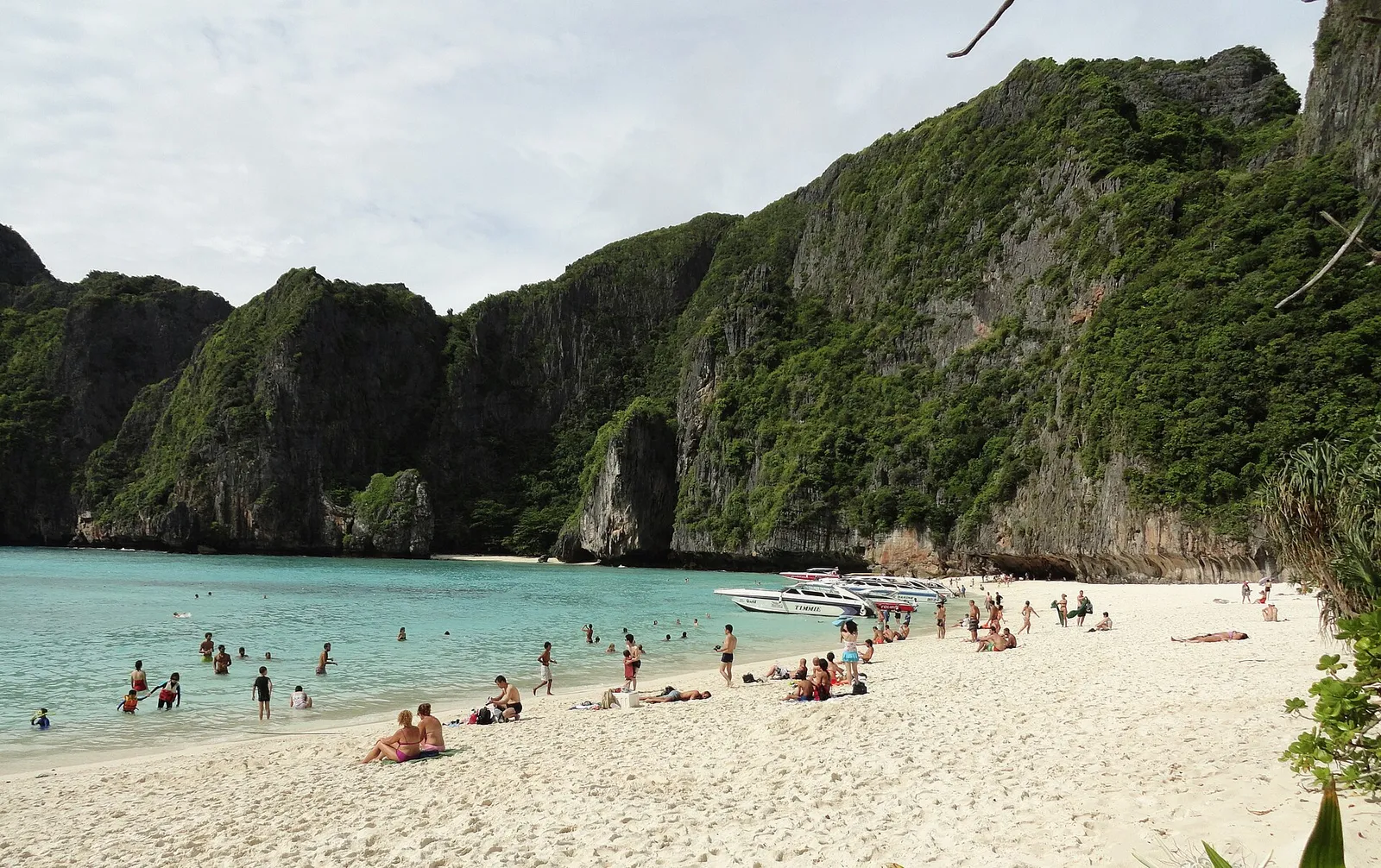
The islands are the opposite kind of trip. Limestone cliffs rise straight out of turquoise water in some spots, softer beaches and excellent diving sit elsewhere, and the day revolves around the sea rather than a schedule. Some islands are built for nightlife and boat parties, others are close to silent after dark, and the range between them is enormous. What both share is heat, humidity and a currency of hours spent doing very little, which is exactly the point for a lot of travellers.
Where the north wins
Pick the north if culture, nature and a lower daily spend matter more to you than a beach. Chiang Mai gives you an old walled city thick with temples, a genuinely excellent night market scene, and an easy base for ethical elephant encounters, cooking classes and jungle day trips; our Chiang Mai guide covers the sanctuaries, the markets and the best day trips in full. Costs run meaningfully lower than on the islands, for rooms, meals and tours alike, so the same budget stretches over more nights.
The trade-off is obvious: no sea. If a beach and a swim are non-negotiable for you, the north will not deliver them, no matter how good the temples are. It also asks for more movement between sights than a beach week does, which suits some travellers and drains others.

Where the islands win
Pick the islands if rest, swimming and diving are the point of the trip. Southern Thailand is where the postcard shots come from: white sand, warm clear water, boat trips between coves, and evenings that range from a quiet sunset drink to a full beach party depending on which island you land on. The pace slows right down, the day organises itself around the water, and for a lot of people that is exactly the holiday they came for.
The cost of that is real too. Island prices run higher than the north, moving between islands means ferries and sometimes rough crossings, and the calendar matters more than almost anywhere else in the country. A stunning island in the dry months can be half shut and grey a few months later.
The seasons run in opposite directions
This is the part first timers get wrong most often. The north has a single dry, relatively cool stretch that generally falls somewhere from November into February, its most comfortable and popular window. A burning season toward the end of the dry months, roughly February into April in a typical year, can bring smoky, hazy air to Chiang Mai and the surrounding valleys. The exact timing and severity shift from year to year, so check current conditions close to your dates rather than trusting a fixed calendar.
The south runs on a different clock, and it splits again once you are there. Broadly speaking the Andaman coast in the west favours the cooler, drier months, while the Gulf islands in the east often stay good later into the year, sometimes when the Andaman side is wet. That split is worth its own read before you book a specific island, and our comparison of the Andaman and Gulf coasts walks through it region by region. The short version for this decision: the north’s best window and the islands’ best window only partly overlap, so check both before you fix your travel dates.
What each actually costs
Any figure printed here will be a little stale by the time you read it, so treat these as rough shapes rather than quotes, and confirm current rates before you book. In the north, a comfortable guesthouse or mid-range hotel room commonly runs from a few hundred baht to a few thousand baht a night, street food meals cost small change, and a half day activity like a cooking class or a sanctuary visit is usually a few hundred to around a thousand baht per person.
On the islands, the same categories sit noticeably higher, more so in high season and on the more developed islands. Rooms often start from the low thousands of baht and climb steeply for beachfront and resort options, and boat trips or diving days add up quickly over a week or two. Neither figure is a promise. Both drift with season, island and how far you are willing to walk from the beach, so check current listings for your actual dates.
The honest verdict, especially for two weeks
If you only have four or five days, choose one region and do it properly rather than splitting a short trip in half and losing most of it to transfers. A week leans the same way: one region done well beats two done in a rush.
Given ten days to two weeks or more, combine them, because that is when the trade-off stops being a trade-off. A workable shape for two weeks looks like a few days in Bangkok to land and adjust, four to six in the north for Chiang Mai and a nearby town, and the rest, ideally the largest share, on an island, since that is where most people actually want to end a trip. Fewer stops with more time in each beats a rushed tour of both halves, and starting inland before finishing on sand tends to feel better than the reverse. If this is your first trip and you are still working out the whole shape of it, not just this one fork, our complete guide for first time visitors covers the visa, routing and budget questions that sit around this decision.