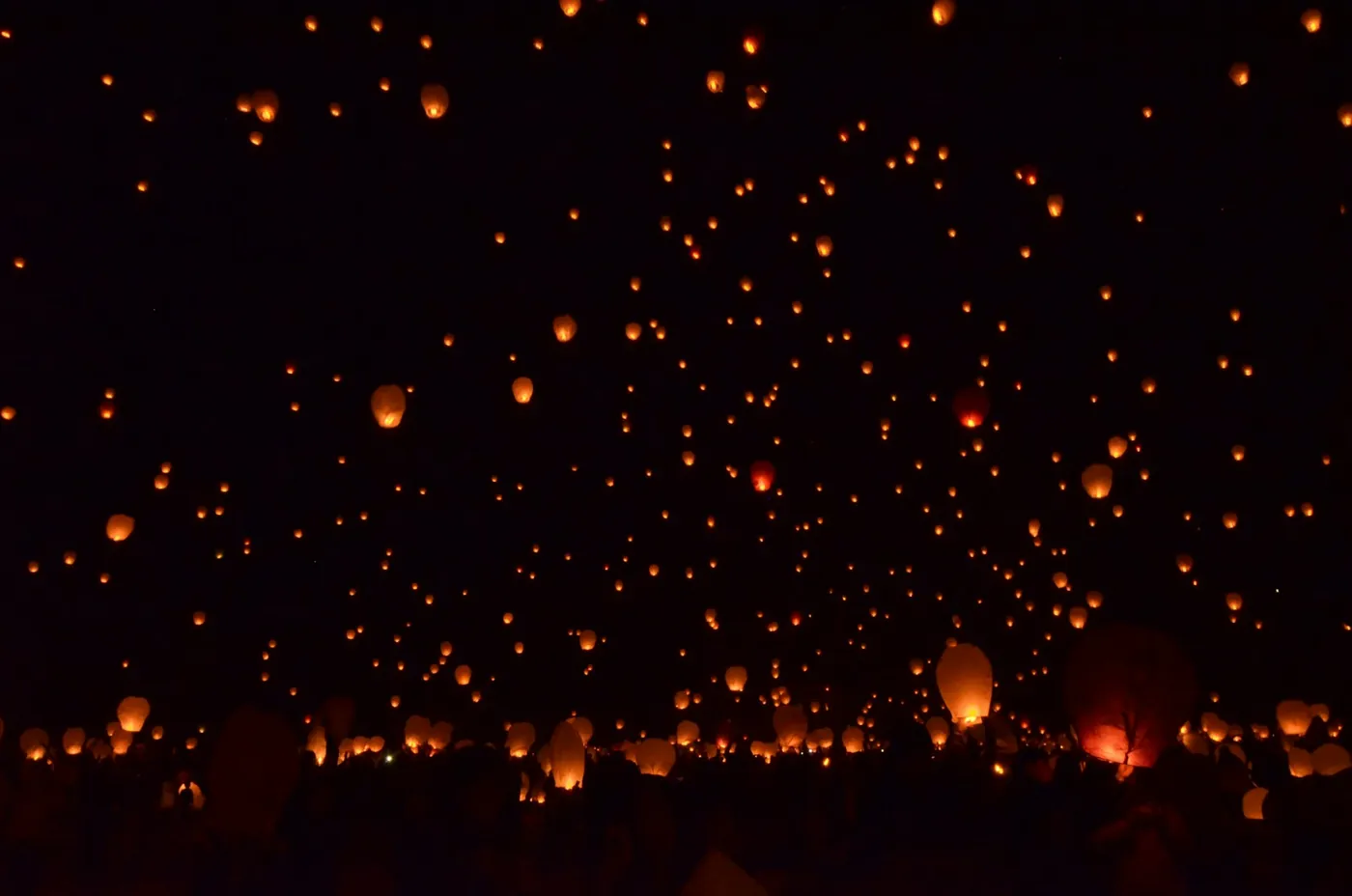
There is a photograph that has sold more flights to northern Thailand than any tourism campaign: a black sky filled with hundreds of glowing paper lanterns, faces lit from below. It is a real image of a real event. It is also, for most visitors, not what the festival looks like, not free, and not something you can do wherever you like.
Loy Krathong and Yi Peng are worth travelling for. But they reward a bit of homework, because the gap between the marketing image and the practical reality is wider here than for almost anything else in Thailand.
The short version of what the two festivals are
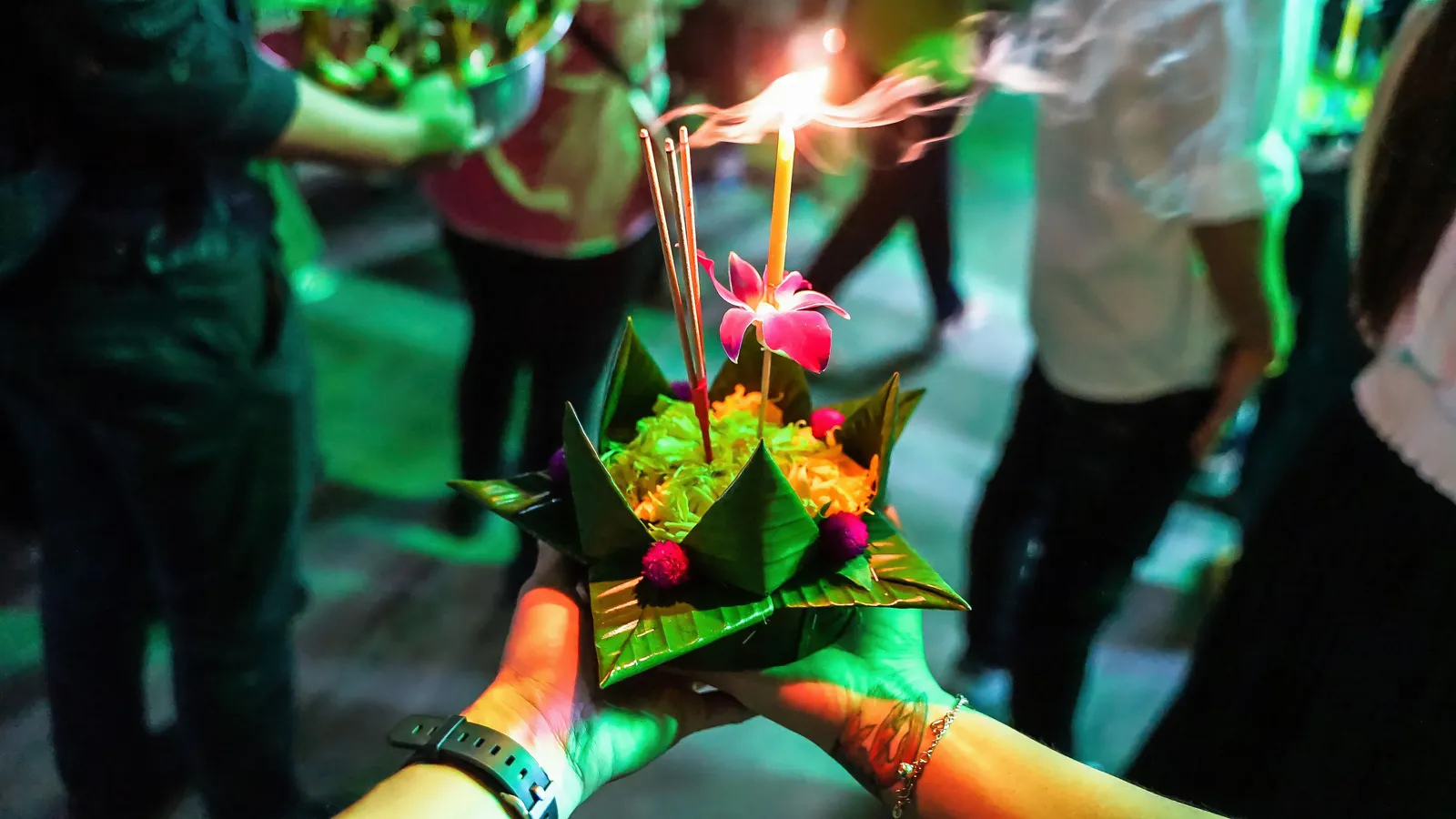
Loy Krathong is national: on the full moon of the twelfth lunar month, people float a krathong, a small decorated raft carrying a candle, on any water they can reach. Yi Peng is northern, a Lanna tradition centred on Chiang Mai, and it is where the khom loi sky lanterns come in. The lunar timings overlap, so Chiang Mai gets both at once, which is why its imagery dominates online.
That is as much as this article covers on the what and the when, because our guide to Loy Krathong and Yi Peng already sets out both festivals, how the date is calculated and where each is at its best. This one is about the part that decides whether your trip works: what you are allowed to release, where, and what it does to flights.
What Yi Peng in Chiang Mai actually involves
Here is the part that surprises people. The mass simultaneous lantern releases that produce the famous photographs are ticketed private events, held at venues outside the city, on their own dates. Those dates are typically announced late, are not always the same night as the main festival, and tickets are limited and expensive, running well into the thousands of baht per person depending on the event and the package. Prices and inclusions vary considerably between organisers, so compare what is actually included before booking.
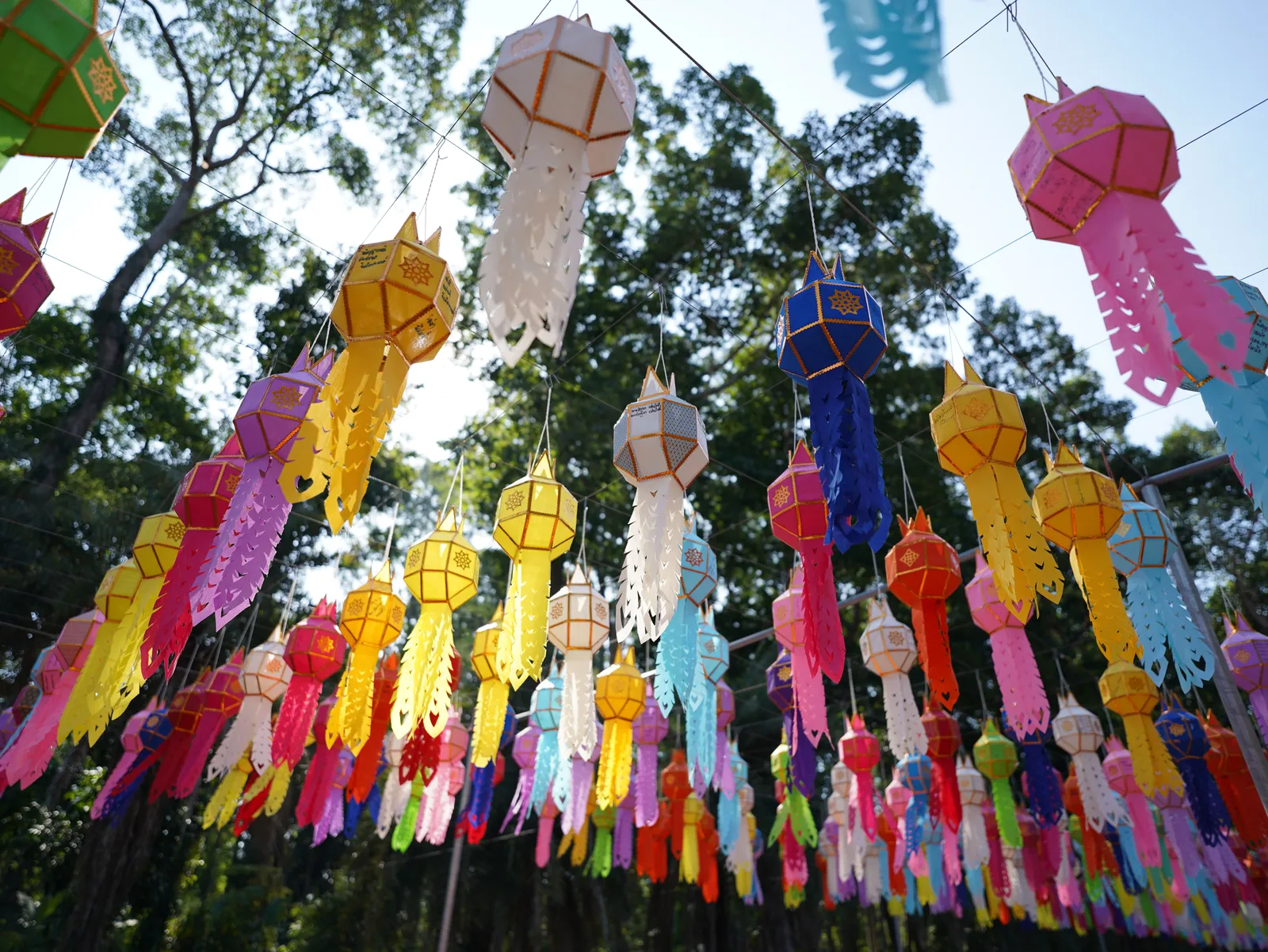
Separately, there are free public celebrations: the Ping River fills with krathongs, temples are lit and decorated, there are parades through the old city, and the atmosphere across Chiang Mai for those nights is genuinely extraordinary. No ticket, no venue, no schedule.
These are two different experiences. A lot of disappointment comes from travellers arriving expecting the first and finding the second, or paying for the first and discovering it is a staged event in a field an hour away rather than a spontaneous city-wide happening.
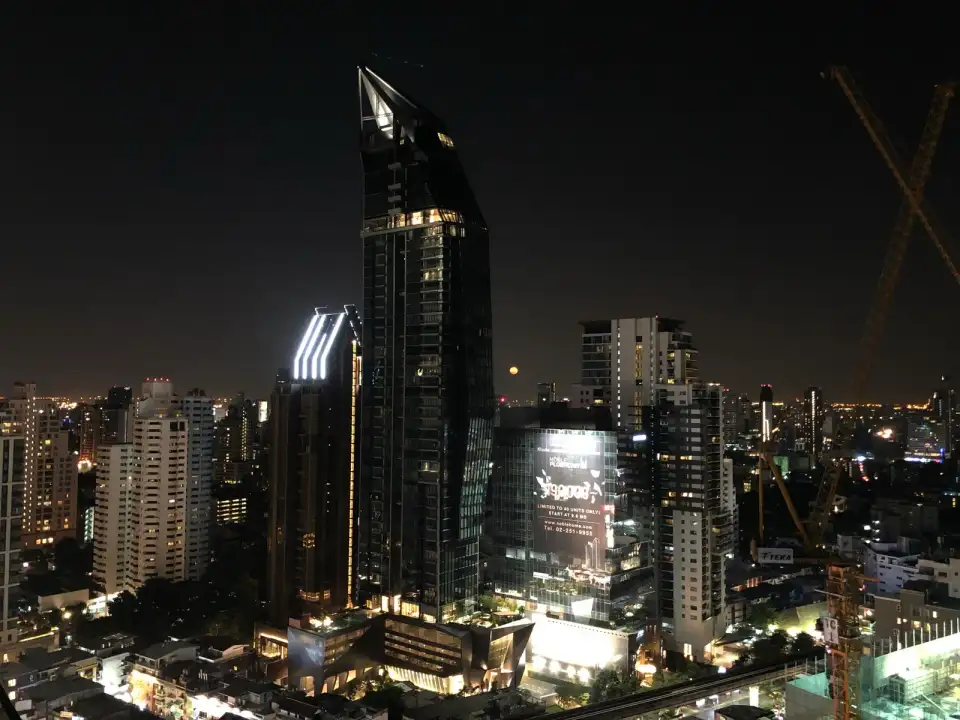
If Chiang Mai is new to you, the practical groundwork on neighbourhoods, transport and temples is in our guide to Chiang Mai, and it is worth reading before you commit to festival dates, because the city books out.
Chiang Mai accommodation sells out early around the festivalBook well ahead for the festival nights and keep some flexibility in case flight schedules moveLantern restrictions, and why they exist
A paper lantern carrying an open flame, rising to altitude and drifting unpredictably, is a hazard to aircraft. It is also a fire risk on landing, and it becomes litter.
Consequently, sky lantern releases in and around Chiang Mai are restricted: the province, working with aviation authorities, sets permitted release zones and permitted time windows each year, with releases outside those conditions prohibited and subject to serious penalties. Airlines have in past years amended or cancelled flights around the release windows.
What this means for you, practically:
Do not buy a lantern and release it from a hotel roof or a riverbank. Even where it looks like others are doing so, it may be prohibited at that location.
Check the current-year announcement. Zones, hours and rules change annually. Last year’s arrangements are not this year’s.
Use a permitted zone or a licensed event. Those are the two routes that do not put you at risk.
Flying around the festival
This is the practical consequence most people miss until it costs them. Because lanterns in the air are a genuine hazard, airlines and Chiang Mai airport have in past years amended, delayed or cancelled flights across the permitted release windows.
Treat any flight touching those dates as movable. Avoid tight connections, do not book an onward international departure for the morning after with no slack in it, keep an eye on airline notifications in the days before, and choose accommodation you can adjust if a schedule shifts. None of this is a reason to avoid the festival; it is a reason not to build a rigid itinerary around the one week of the year when Thai aviation plans around paper lanterns.
The environmental question, handled honestly
Both halves of the festival leave something behind, and the debate about it is a real one within Thailand rather than an outsiders’ complaint.
Krathongs. Traditional construction, a banana trunk base with banana leaf, flowers and a candle, breaks down in water. Foam versions do not, and have been widely discouraged and restricted by municipalities, with clean-up crews pulling enormous numbers of rafts out of Bangkok’s waterways each year. Bread-based krathongs are promoted in some cities as fish-friendly and criticised in others for the effect on water quality when thousands are floated at once. There is no single officially mandated material nationwide, and practice differs by city, so follow local guidance where it is given.
Lanterns. A released lantern comes down somewhere: in fields, in trees, on roofs, in water. The wire frame does not decompose. Some organised events now collect and account for their lanterns, which is one reasonable question to ask an operator before booking.
None of this is a reason to stay away. It is a reason to buy a natural-material krathong, use one rather than several, release lanterns only where it is permitted, and take your rubbish with you.
Where else to see it
Chiang Mai is not the only option, and it is by some distance the most crowded and most expensive.
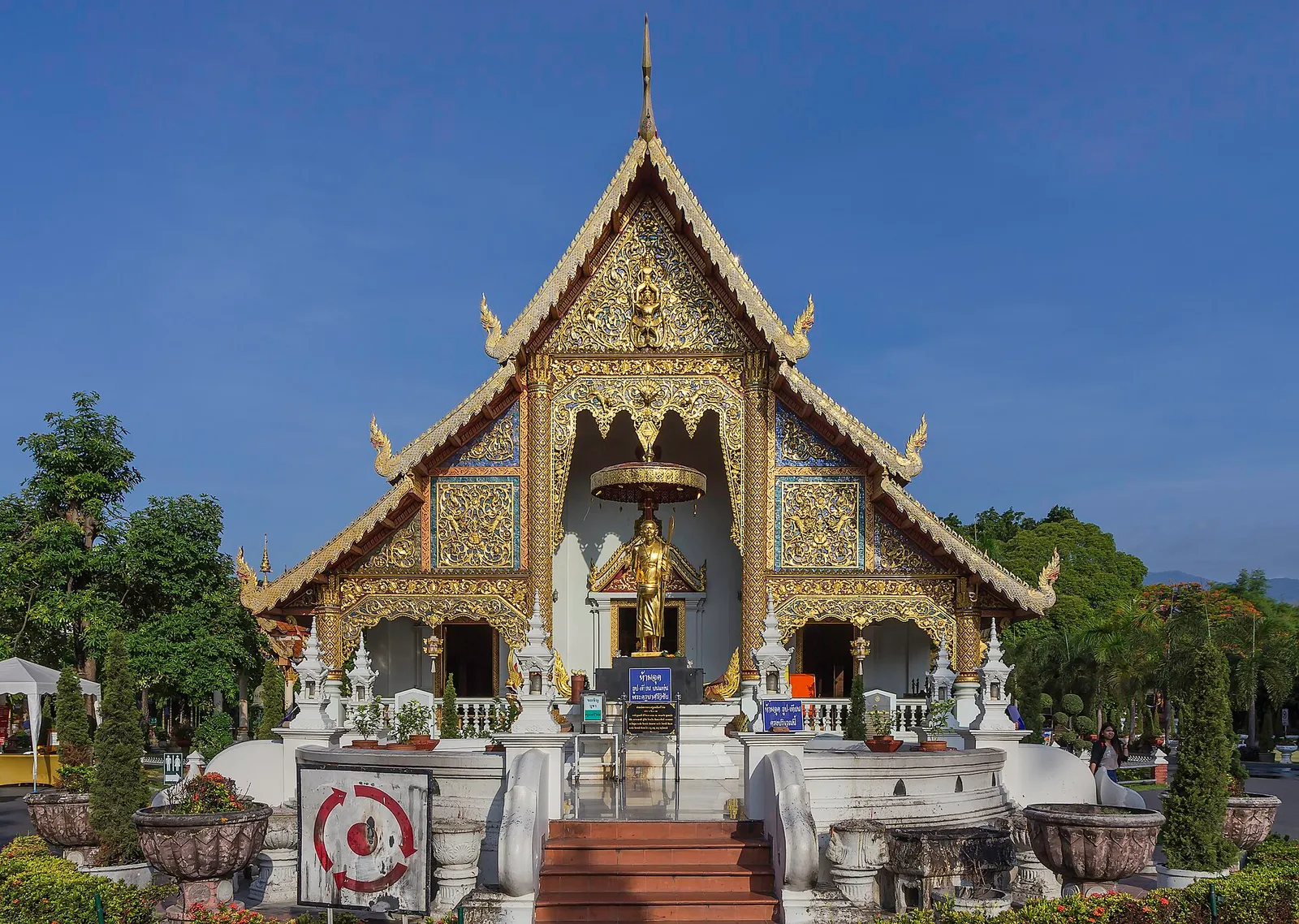
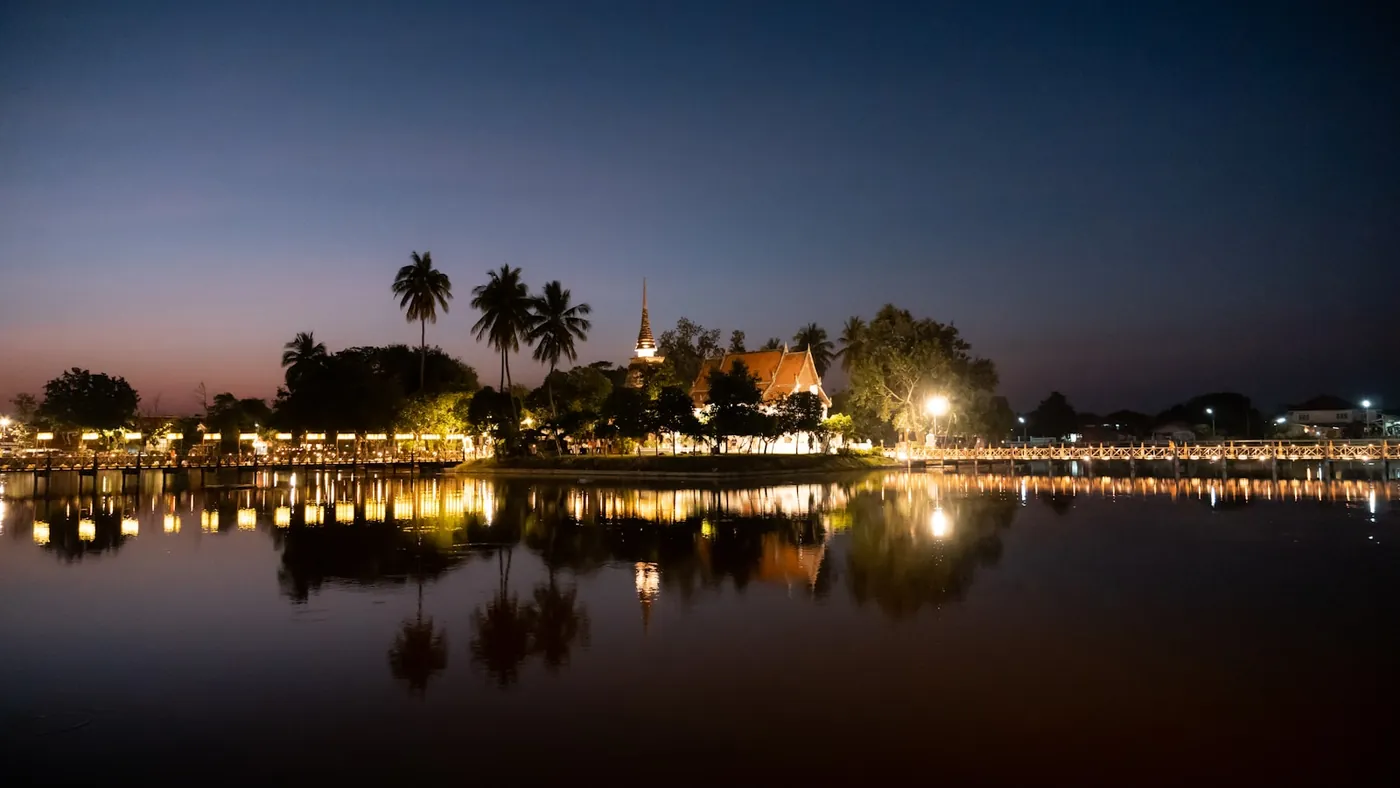
Sukhothai holds its festival in the historic park among the ruined temples, and many Thais consider it the most beautiful setting in the country for it.
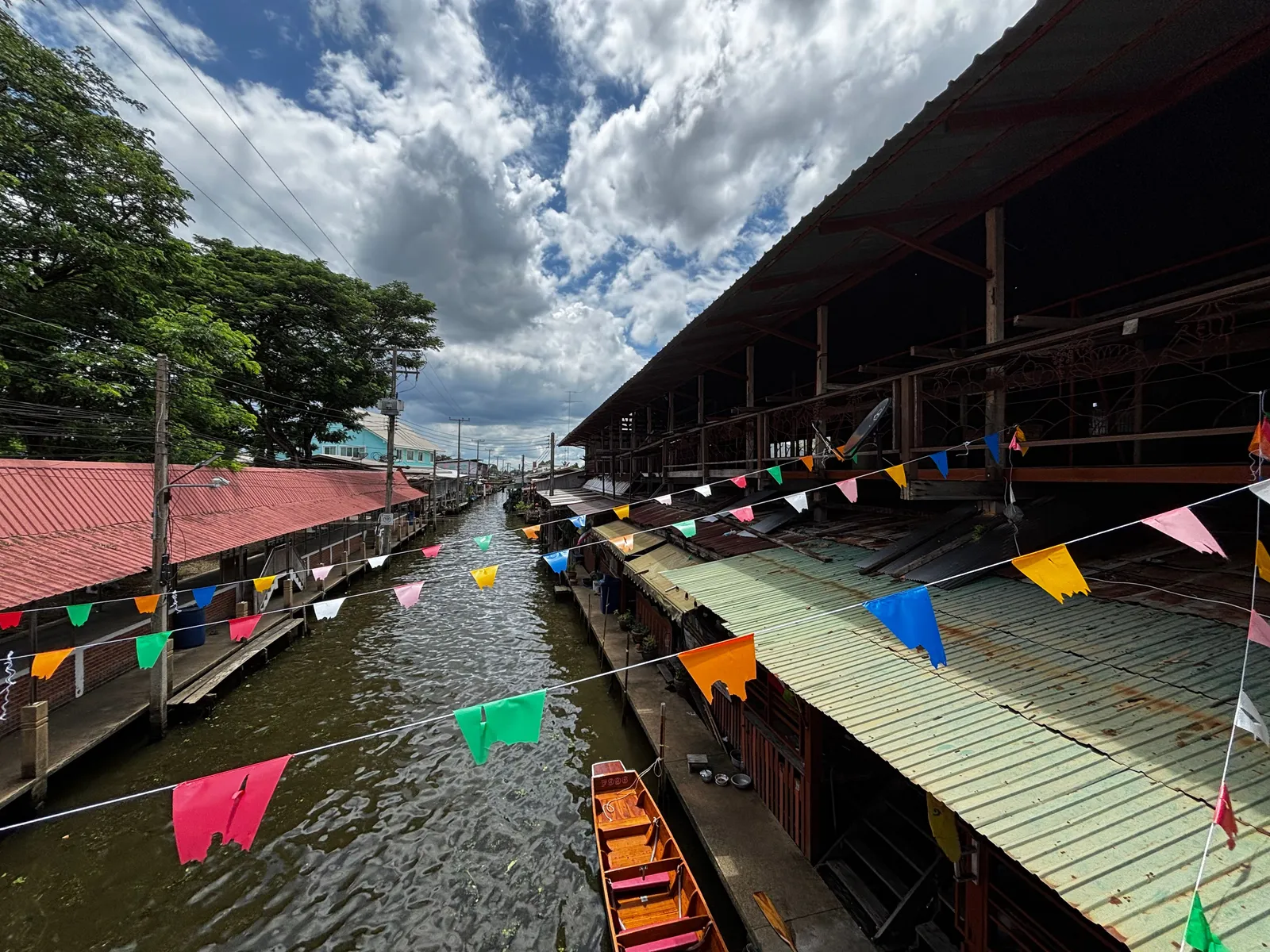
Bangkok floats krathongs on the Chao Phraya and its canals, with riverside temples, hotels and piers all taking part. It is easy to join informally, and the riverside temples and piers are the places to look.
Ayutthaya combines the ruins with the river in a quieter setting than Chiang Mai.
Smaller towns everywhere hold their own celebrations, often more local and more relaxed than anything in the tourist centres.
Whichever you choose, book accommodation early, treat any date you read as provisional until you have checked it against the current-year announcement, and expect the country to be busy. The festival falls in the opening weeks of the cool season, which is also when Thailand is at its most expensive and most booked; our guide to the best time of year to travel in Thailand sets out how that week sits within the wider season. This is one of Thailand’s biggest nights, and it is a domestic festival first.