There is no single best time to visit Thailand, only the best time for your trip, and getting it right is one of the most important decisions you will make. The country runs on three broad seasons, the weather shifts between the two coasts, and a few unforgettable festivals can shape your whole visit. Here is how to read the calendar and pick your perfect dates.
The three seasons
Forget four seasons. Thailand has three, and they define the experience.
The cool, dry season, November to February, is the golden window: warm days, low humidity, blue skies almost everywhere, and the most reliable weather nationwide. This is peak season, so expect higher prices and busier sights, but for first-timers it is hard to beat.
The hot season, March to May, turns up the heat, with April the fiercest and most humid. It is still a fine time for the beaches if you handle heat well, and it holds the joyous chaos of Songkran.
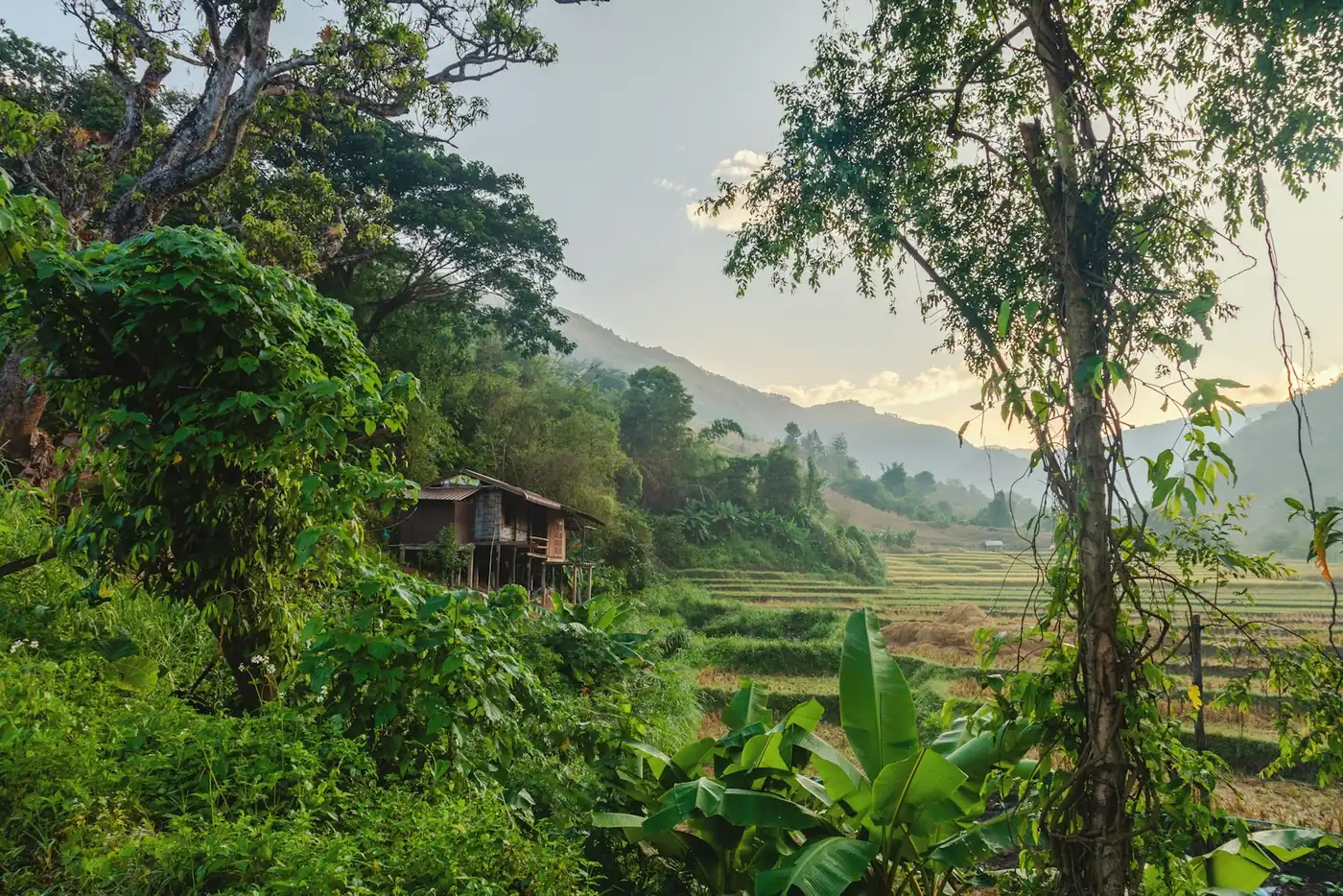
The green season, June to October, is the monsoon, though not the washout many imagine. Rain tends to arrive in short, heavy bursts that clear fast, leaving lush scenery, thinner crowds and softer prices. Pack a light rain jacket and stay flexible, and it can be a lovely, affordable time to travel.
The monsoon by coast
Here is the detail that trips up so many first-timers: the two island coasts have different rainy seasons, so the “wrong” month for one can be perfect for the other. Choosing the right coast for your dates is the single most useful thing you can do with this article.
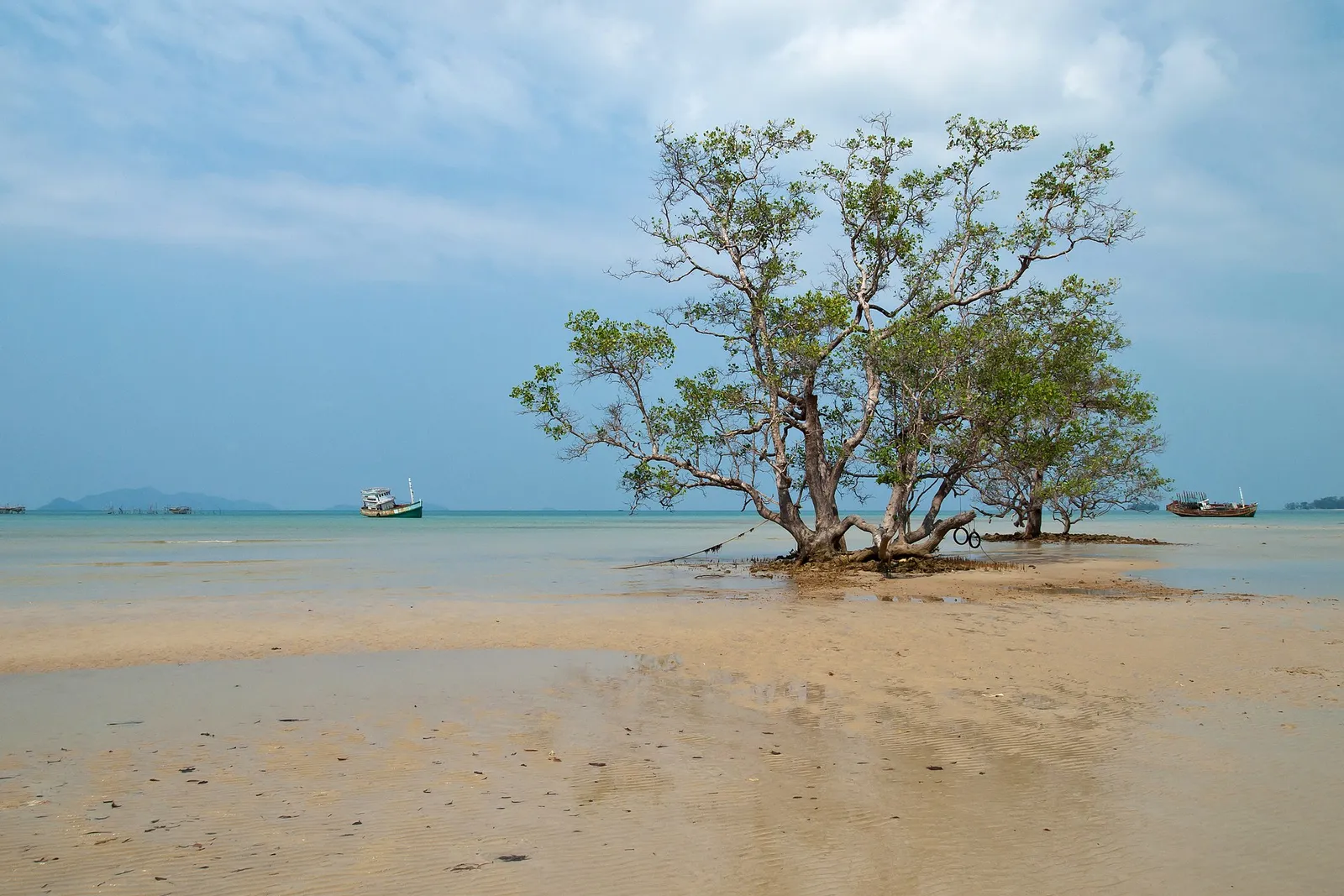
The Andaman coast (Phuket, Krabi, Phi Phi) is at its best roughly November to April, with calm, clear water, and gets its heaviest rain around May to October. The Gulf coast (Koh Samui, Phangan, Tao) runs on a different clock, often enjoying good weather January to August and seeing its wettest spell later, around October to December. Always match the coast to your travel dates, not the other way around.

Region by region
The north around Chiang Mai is loveliest in the cool season, November to February, when the mountains are clear and the lantern festivals glow. Try to avoid roughly late February to April, the northern burning season, when farm smoke can haze the air.
Bangkok and the central plains are hottest in April and wettest around September and October, though the city runs year-round and its indoor sights and malls make any month workable. The far south and the islands follow their coastal seasons above.
Time your day trips to the weatherClear-season boat days and mountain treks are worth planning your dates aroundSongkran: the water-fight new year
If your trip lands in mid-April, you will meet Songkran, the Thai New Year, celebrated roughly the 13th to 15th with the country’s most exuberant party: a nationwide water fight where everyone, locals and travellers alike, soaks everyone else in the streets. Chiang Mai and Bangkok go especially wild. It is enormous fun, but it falls in the hottest month and can make getting around tricky, so protect your phone in a waterproof pouch and lean into it rather than fighting it.
Loy Krathong: lanterns on the water
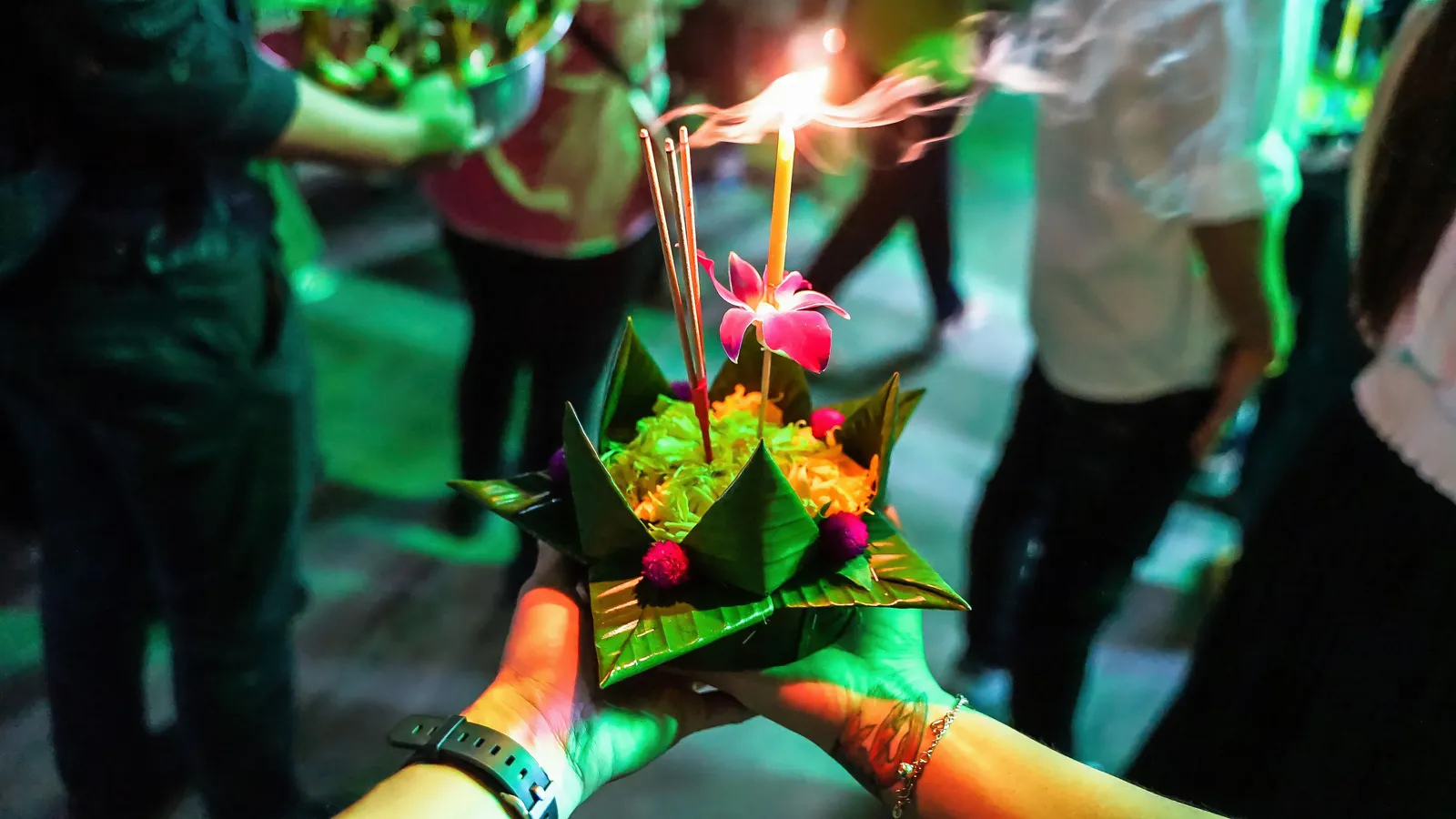
The most beautiful festival of the year is Loy Krathong, held in November on the full moon. Across the country, people float small candlelit offerings down rivers and canals, and in the north it coincides with Yi Peng, when thousands of paper lanterns rise into the night sky over Chiang Mai. It is genuinely magical, and it happens to fall in the start of the best-weather season, so it is a wonderful time to plan a trip around.

How to pick your dates
Start with weather priorities. Want the safest bet for sunshine everywhere? Aim for December to February. Chasing a specific coast? Match your dates to that coast’s dry season. Drawn to a festival? Build the trip around Songkran in April or Loy Krathong in November. Travelling on a budget or craving fewer crowds? The green season rewards you with lower prices and lush landscapes, just pack for showers and stay flexible. Whatever you choose, book ahead in the cool-season peak, as the best places go first.
Month by month, at a glance
The seasons describe the year, but people book by month, so here is the same picture in the form most trips are actually planned in.
| Month | Most of the country | Worth knowing |
|---|---|---|
| November | Cool season opens, skies clearing | Loy Krathong, one of the best months overall |
| December to January | Driest and most reliable nationwide | Peak prices, book well ahead |
| February | Still lovely, warming up | Northern haze can begin late in the month |
| March to April | Hot season, April fiercest | Songkran in mid-April |
| May | Heat easing, Andaman rain starting | Prices drop, seas get choppier in the west |
| June to August | Green season, showers and sun | Gulf coast often at its best |
| September to October | Wettest months for most of the country | Quietest and cheapest, lush landscapes |
Read it alongside the coastal split above rather than instead of it. A September trip that stays on the Gulf side and in the north is a very different holiday from a September trip built around Phuket.
Crowds, prices and the shoulder months
Weather is only half the calendar. The other half is how many people are standing where you want to stand, and what that does to what you pay.
Peak is the cool season, and within it Christmas, New Year and Chinese New Year are the sharpest points of all: island rooms go early, popular restaurants need booking, and the ferries and domestic flights fill. Low season is the green months, when the same hotels are markedly cheaper and the famous viewpoints are almost civilised.
The value sits in the shoulders. Late October and early November catch the rains ending before peak pricing arrives, and May offers hot but largely dry weather on the Gulf side with low-season rates. If your dates are flexible and your budget is not infinite, those two windows are where to look first.
How the heat actually feels, and what to pack
Numbers on a forecast undersell Thai heat, because the humidity does most of the work. In the hot season, midday outdoors is genuinely tiring, and the standard local rhythm is the right one: be out early, retreat indoors in the early afternoon, come back to life around sunset. Temples, markets and walking tours are all better before ten in the morning.
Packing is simple in every season. Light, loose, quick-drying clothes, one layer that covers shoulders and knees for temples, sandals plus one pair of shoes that survive rain, sun protection, and a light rain shell from May onwards. Everything else is buyable locally and usually cheaper than at home. Reef-safe sun cream is worth bringing, as it is harder to find on the islands.
Sea conditions, not just rainfall
For a beach or diving trip, the rain matters less than what the sea is doing, and the two do not always move together. In the wet months the wind pushes swell onto the exposed coast, which means choppier crossings, reduced underwater visibility and boat trips cancelled on the morning rather than days in advance. A cancelled speedboat to a famous viewpoint is the classic green-season disappointment, and it happens on plenty of days that look perfectly sunny from the beach.
The practical response is to build slack into the plan. Give a marine day trip a spare day to fall back on, book island hops early in your stay rather than the morning before a flight home, and take the local operator’s judgement seriously when they call it off. On the Gulf side the same logic applies later in the year, around October to December, when the Andaman side has usually settled down.
Two things to sort whatever month you choose
The season shapes the trip, but two pieces of admin apply to every date on the calendar.
The first is entry, since the rules differ by passport and have changed more than once in recent years; our Thailand visa and entry guide sets out what applies to yours and how long you are permitted to stay.
The second is insurance, and the season is directly relevant. Green-season travel means more cancelled boats and rearranged plans, hot-season travel means more heat-related trouble, and scooter injuries are a year-round constant that many basic policies simply do not cover. Our guide to travel insurance for Thailand explains what to look for. Save the local emergency numbers to your phone before you fly, in any month.
The short version
Thailand has three seasons: cool and dry (November to February, the best all-round), hot (March to May, with Songkran), and green (June to October, wet but rewarding). The two coasts rain at different times, so pick your island by your dates. Come for Loy Krathong’s lanterns in November or Songkran’s water fights in April if you can, book early for the peak, and you will catch Thailand at its very best.