Good news first: for most travellers, entering Thailand is one of the easiest parts of the trip. The majority of Western passports get a generous visa exemption on arrival, the old paper arrival card has been replaced by a quick online form, and the whole process at the airport usually takes minutes. This guide walks you through exactly what you need in 2026, from passport validity to extensions, so nothing surprises you at the border.
The visa exemption: most visitors need nothing in advance
Thailand currently grants a visa exemption to citizens of more than 90 countries, covering most Western nationalities and much of Asia. If your passport is on the list, you simply arrive, get stamped in, and can stay for up to 60 days for tourism, no visa application, no fee, no embassy visit.
One important change is in the pipeline. The Thai cabinet has approved reducing the visa exemption from 60 days to 30 days for most eligible nationalities, with a shorter allowance for a handful of others. Crucially, a cabinet decision is not the law: the change only takes effect once it is published in the Royal Gazette, and until that happens the 60-day stamp is what you receive at the border. Because the timing has not been pinned down, do not plan a two-month trip on the assumption that 60 days is guaranteed. Verify the rule in force for your passport a week or two before you fly, and if your trip runs longer than 30 days, know how you would extend or exit.
Two more caveats. First, the exemption list and the permitted duration can change, and they have changed several times in recent years, so check with the official Thai immigration or Ministry of Foreign Affairs website, or with a Thai embassy. Second, the exemption is for tourism. Working, even remotely for long periods, or doing frequent back-to-back entries can draw questions, and there are dedicated visas for those situations.
If your nationality is not on the exemption list, Thailand offers a visa on arrival for a further group of countries (typically 15 days, with a fee) and an e-visa system for everyone else, applied for online before travel. A quick check of your passport against the official lists tells you which lane you are in.
The TDAC: Thailand’s digital arrival card
Since 2025, every foreign visitor must complete the Thailand Digital Arrival Card (TDAC) before entering the country. It replaced the old paper TM6 form, and it is free and quick.
You fill it in online at the official site, tdac.immigration.go.th, within the three days before your arrival. It asks for your passport details, flight number, accommodation address and a few health and travel questions, then issues a confirmation with a QR code. Save it on your phone or print it, and have it ready alongside your passport at immigration.
Two tips: use only the official government website, as third-party sites may charge for what is a free form, and complete one card per person, including children. If you forget, there are kiosks and QR codes at the airports to fill it in on the spot, but doing it at home saves queue time after a long flight.

Passport rules: the six-month trap
The rule that catches more travellers than any visa issue is simple passport validity. Your passport should be valid for at least six months from the date you enter Thailand, and you need at least one blank page for the stamp.
Crucially, this is enforced by airlines at check-in, not just at the Thai border. If your passport expires five months after your arrival date, you can be refused boarding before you ever leave home. Check your expiry date the day you start planning, and renew early if you are anywhere near the limit.
Your options at a glance
| Entry option | Who it is for | Typical stay | Cost |
|---|---|---|---|
| Visa exemption | 90+ nationalities, most Western passports | Up to 60 days, cut to 30 once the new rule is gazetted | Free |
| 30-day extension | Anyone extending a tourist stay in-country | +30 days | 1,900 baht |
| Visa on arrival | A further list of nationalities | Usually 15 days | Around 2,000 baht |
| Tourist e-visa | Nationalities not covered above, or longer trips | 60 days, extendable | Varies by country, check the e-visa portal |
Figures are the standard published ones and can change, so treat them as a planning guide and confirm on the official Thai e-visa site before travel.
Extending your stay
Fallen for the islands and want more time? A standard tourist entry can usually be extended once by 30 days at any immigration office inside Thailand, including offices in Bangkok, Chiang Mai, Phuket and the island hubs.
Bring your passport, a passport photo, the fee of 1,900 baht in cash, and a completed TM7 form, available at the office. Go a few days before your current stamp expires, arrive early in the day, and dress neatly, as immigration offices expect it. Overstaying instead of extending is a bad idea: it costs 500 baht per day in fines, and longer overstays can lead to detention and re-entry bans.
If you already know you want a long trip, look at the tourist e-visa or Thailand’s longer-stay visa options before you travel rather than stringing together exemptions, since immigration officers can and do question frequent repeat entries.
Onward travel and proof of funds
Two more documents can, in theory, be requested. The first is proof of onward travel: a flight or other ticket out of Thailand within your permitted stay. In practice, it is almost always the airline at check-in that asks, because carriers are fined for bringing in passengers who are refused entry. A booked return or onward flight settles it instantly.
The second is proof of funds. For visa-exempt entry the published requirement is 10,000 baht per person or 20,000 baht per family, and officers accept more than banknotes: a credit or debit card with available funds, or a recent bank statement, normally satisfies it. Checks on ordinary tourists are rare, but they are within the rules, so travelling with a working bank card and some cash is sensible anyway. For what to sort out in your first hours in the country, from SIM cards to transport, see our first-timer’s guide.
Arrival day: how it actually goes
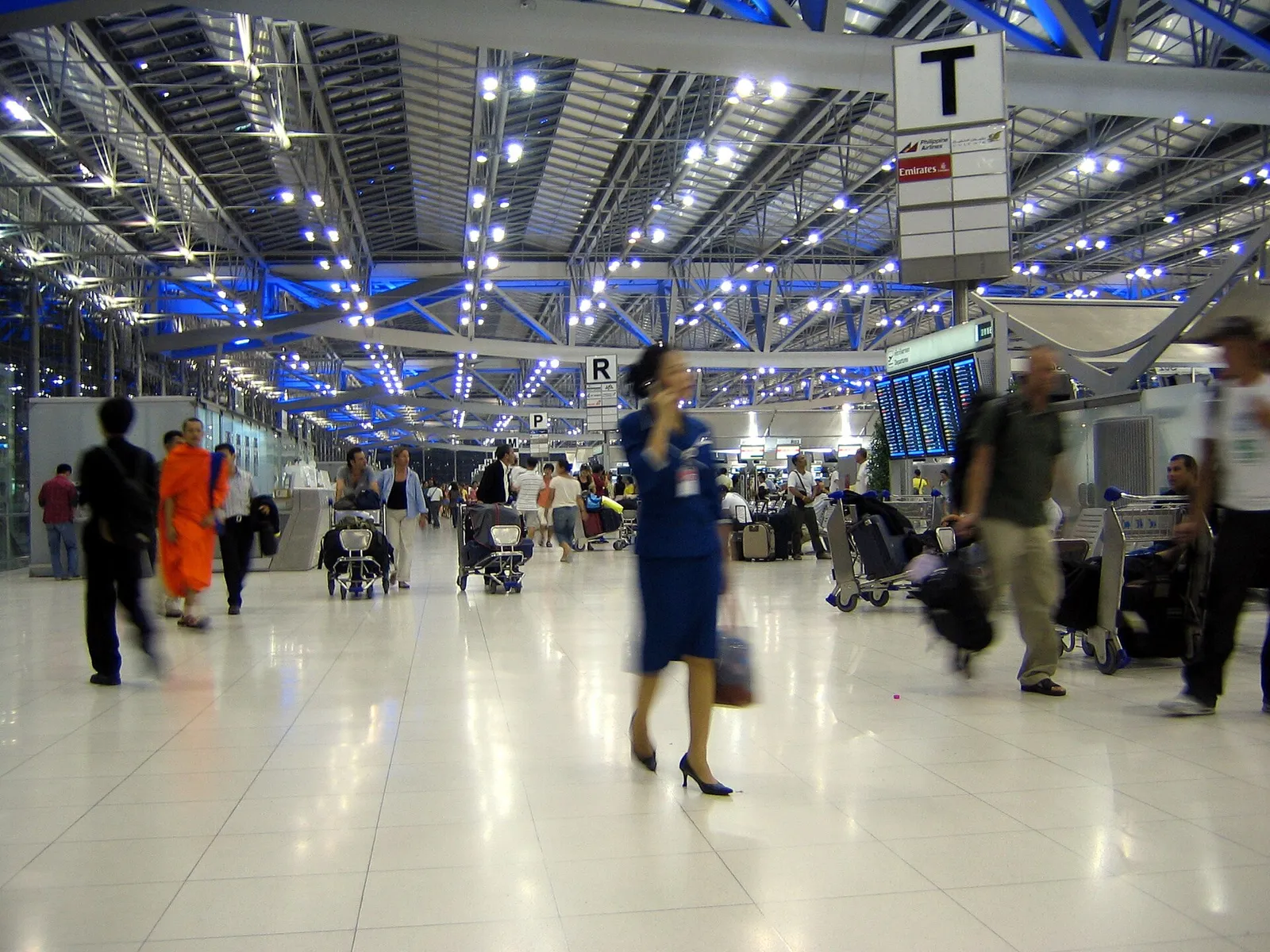
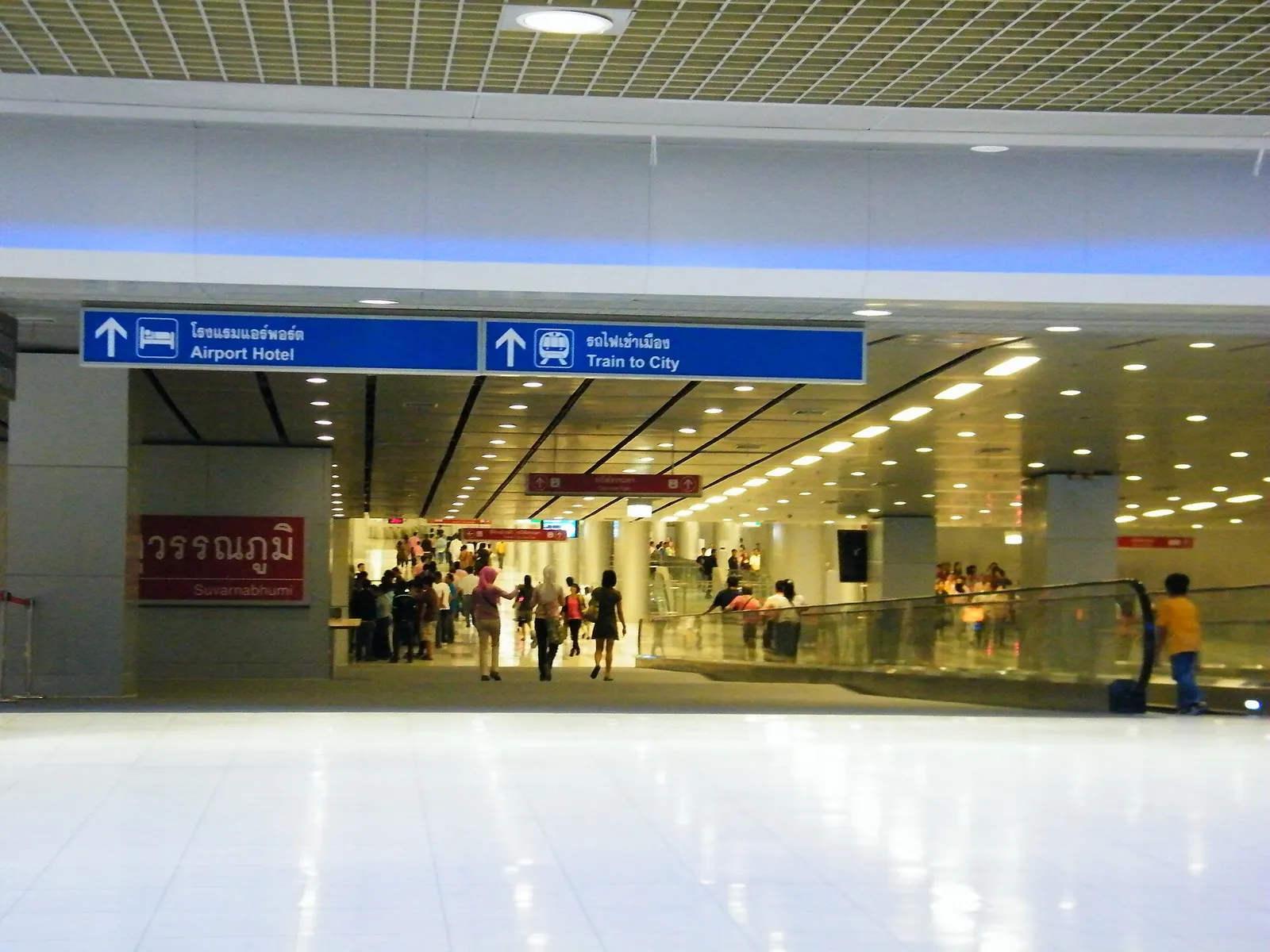
Land, follow the signs to immigration, and have three things ready: your passport, your TDAC QR confirmation, and ideally your onward flight details. Queues at Bangkok’s airports move faster than they look, and automated gates are expanding for some nationalities. You will be stamped in with your permitted stay written in the stamp; photograph it so you always know your exit deadline. Then it is straight to the taxi rank or train, and the fun begins.
Entering by land, and repeat entries
Almost everything above describes arriving by air, which is how the overwhelming majority of visitors come in. Overland arrivals from neighbouring countries follow the same broad framework but have historically carried tighter conditions, including restrictions on how many visa-exempt entries you can make at a land border in a year.
The reason is the border run: leaving and immediately re-entering to reset a permitted stay. It is a well-known pattern and immigration officers treat it as such, so repeated exempt entries, especially back to back and especially overland, invite questions about whether the visit is really tourism. Someone who genuinely wants a long stay is far better served by the tourist e-visa or one of the longer-stay categories applied for in advance than by chaining exemptions together.
If a land crossing is part of your route, check the rule for your nationality and that specific border shortly before you travel. This is exactly the area where an old forum post is most likely to be out of date.
Where entry actually goes wrong
Refusals of ordinary tourists are rare, and the handful of things that do cause trouble are almost all preventable before you leave home.
The airline stops you, not Thailand. Passport validity and onward travel are checked at the departure gate, because carriers are fined for bringing in passengers who are turned away. A passport a few weeks short of six months and a one-way ticket are the two classic reasons a trip ends at check-in.
The paperwork does not match. A TDAC completed with a different passport number, a misspelled name or an accommodation address you have since changed creates a delay rather than a refusal, but it is a delay after a long flight. Fill it in carefully, one per person including children, and only on the official site.
The stay does not add up. A stated plan that runs longer than the stamp you are being given, no onward ticket and a history of frequent recent entries is the combination that leads to a longer conversation. Being able to say clearly where you are staying and when you are leaving resolves nearly all of it.
After you are stamped in
Two things are worth doing in the first hour, before Thailand distracts you.
Photograph your entry stamp. It carries the date your permitted stay ends, and that date is your responsibility, not the airline’s or the hotel’s. Overstaying is fined per day, and longer overstays escalate to detention and re-entry bans, so the exit deadline is the single most useful thing on your phone.
Sort cover and emergency contacts. Insurance is not part of the entry process for most tourists, but it is the part of the trip most likely to matter: private hospitals here are excellent and priced accordingly, and standard policies frequently exclude motorbike riding, which is precisely how most visitors get hurt. Our guide to travel insurance for Thailand explains what to check before you buy, and it is worth saving the local emergency numbers to your phone on the same day you land, when it takes thirty seconds and costs nothing.
The short version
Most Western passports enter Thailand visa-free for up to 60 days at the time of writing, with a cut to 30 days approved and waiting to be gazetted: just carry a passport valid for six months or more, complete the free TDAC online form within three days of arrival, and have an onward flight booked for the airline’s benefit. Extensions of 30 days are cheap and easy inside the country, and everything else, visa on arrival or e-visa, applies only to a minority of nationalities. Check the rule actually in force for your own passport shortly before you fly, and entry day will be the smoothest part of your trip.