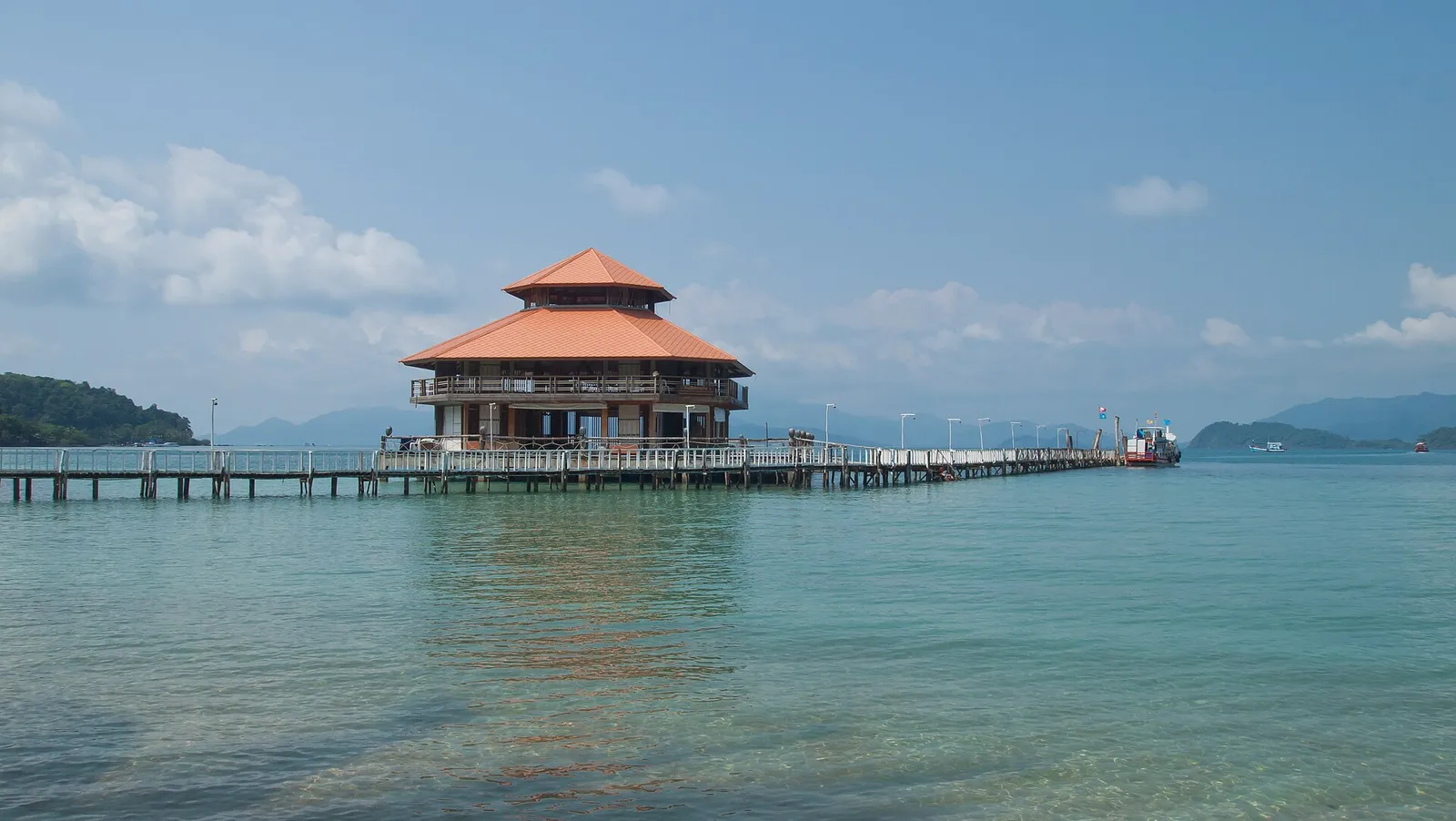
Koh Chang means “Elephant Island”, named for the shape of its coastline, and it is Thailand’s second-largest island after Phuket. Unlike the better-known southern islands, it sits off Trat province in the far east, close to the Cambodian border. Most of the interior is mountainous, forest-covered national park, and that jungle is the real draw.
What makes Koh Chang different
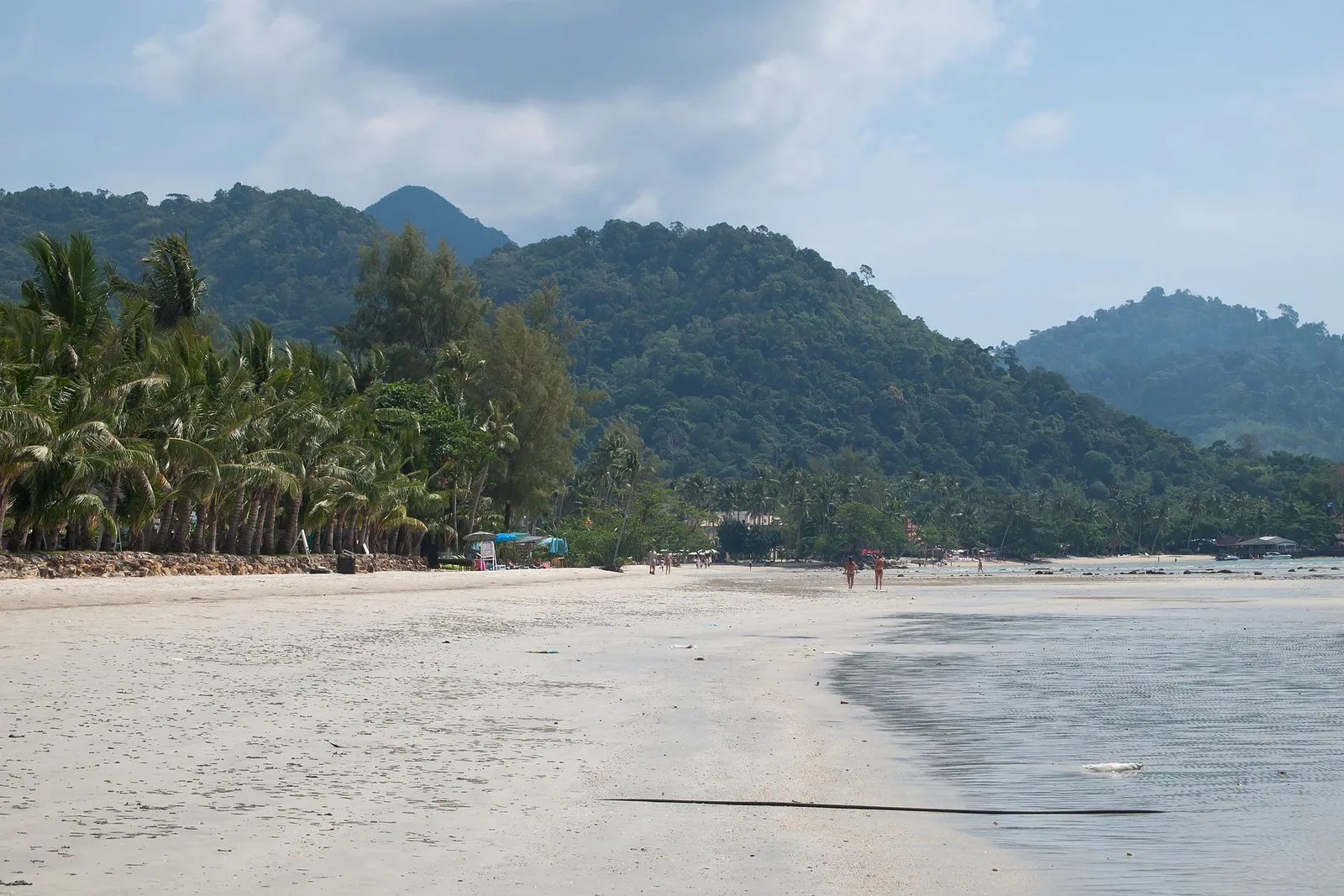
The biggest difference is the terrain. Where islands such as Phuket or Koh Samui are largely flat, built-up strips of sand, Koh Chang is genuinely mountainous, with forested peaks running down its spine and a national park covering most of the interior. It suits travellers who want to hike and swim in fresh water as much as lie on a beach, and it is a poor match for anyone who wants nothing but flat sand and a beach bar.
It also sits apart geographically, belonging to neither of the country’s two big island groups: not the Andaman coast in the west, and not the Samui, Phangan and Tao cluster further down the Gulf. Our guide to the Andaman and Gulf islands covers that classic two-coast split; Koh Chang is a third, quieter pocket near the Cambodian border, and the only major Thai island reachable from Bangkok without a flight.
The beaches
The beaches run down the west coast, from the most developed in the north to the quietest in the south.
| Beach | Character | Best for |
|---|---|---|
| White Sand Beach (Hat Sai Khao) | The main strip, long and lively | Restaurants, shallow swimming, easy access |
| Klong Prao | Wide, relaxed, resort-heavy | Couples and families wanting balance |
| Kai Bae | Restaurants and bars at a medium pace | Mixing the beach with evenings out |
| Lonely Beach | Backpacker beach with some nightlife | Younger travellers after a livelier scene |
| Bang Bao | A stilt-house fishing pier, not a beach | Seafood dinners and boat trips |
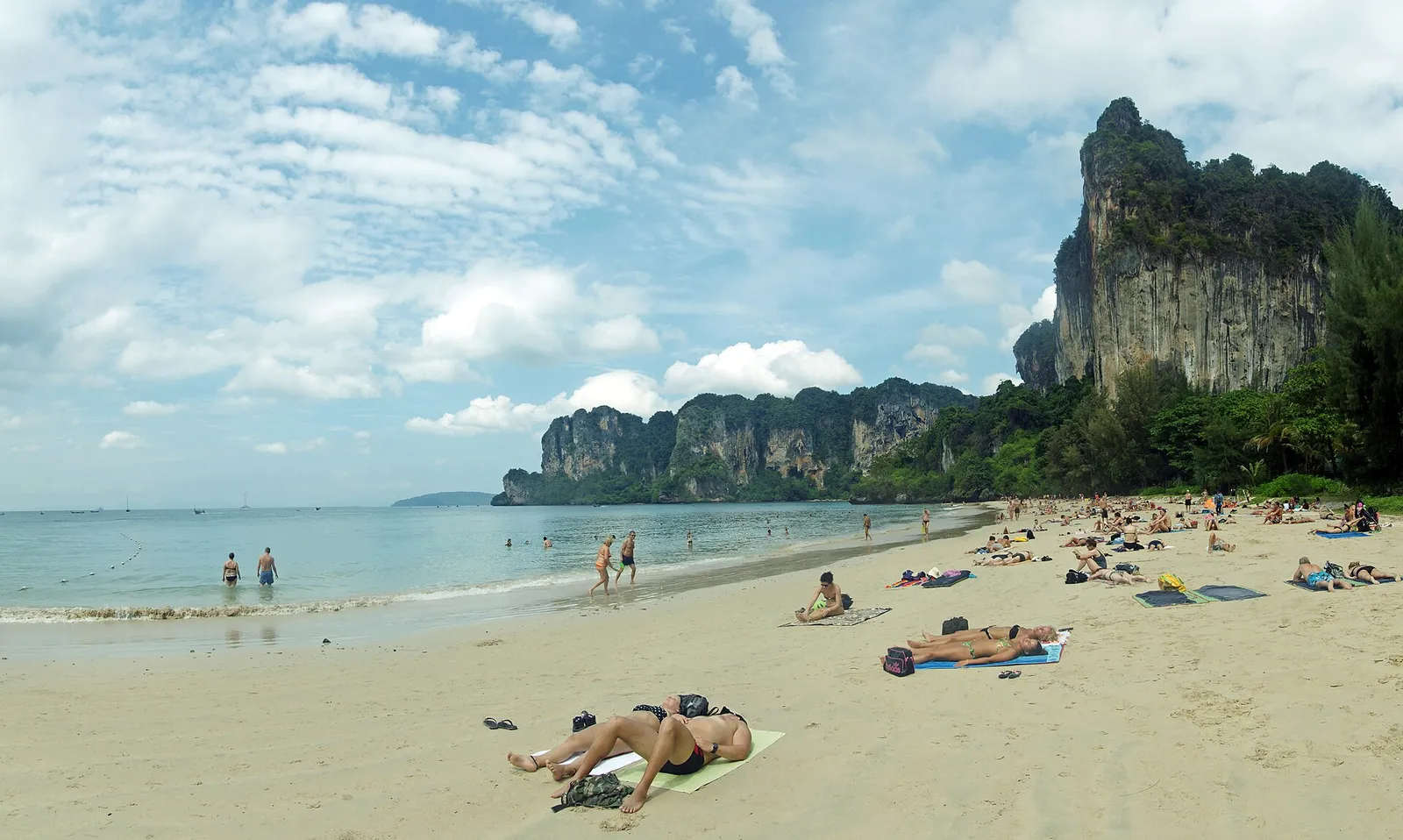
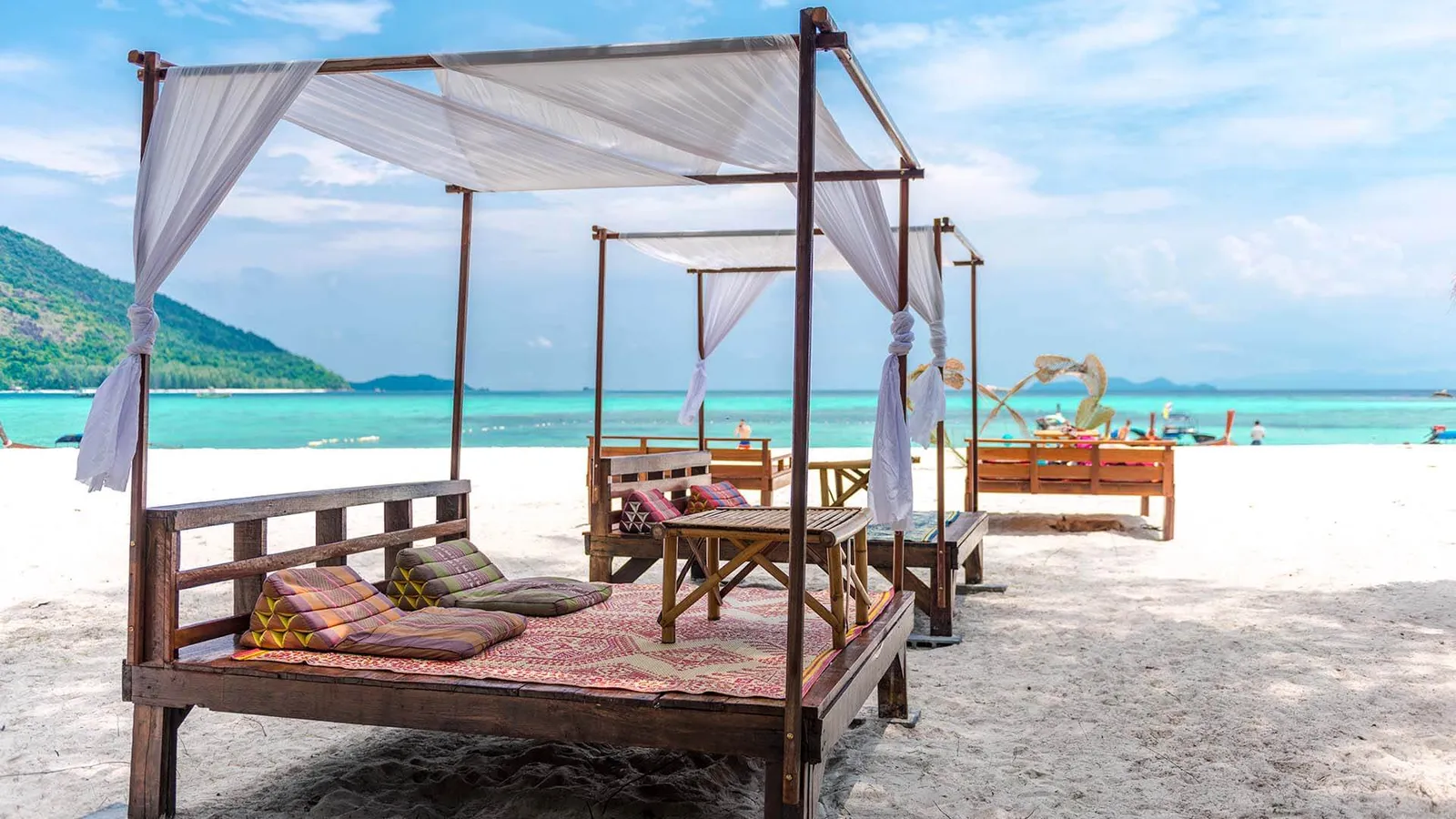
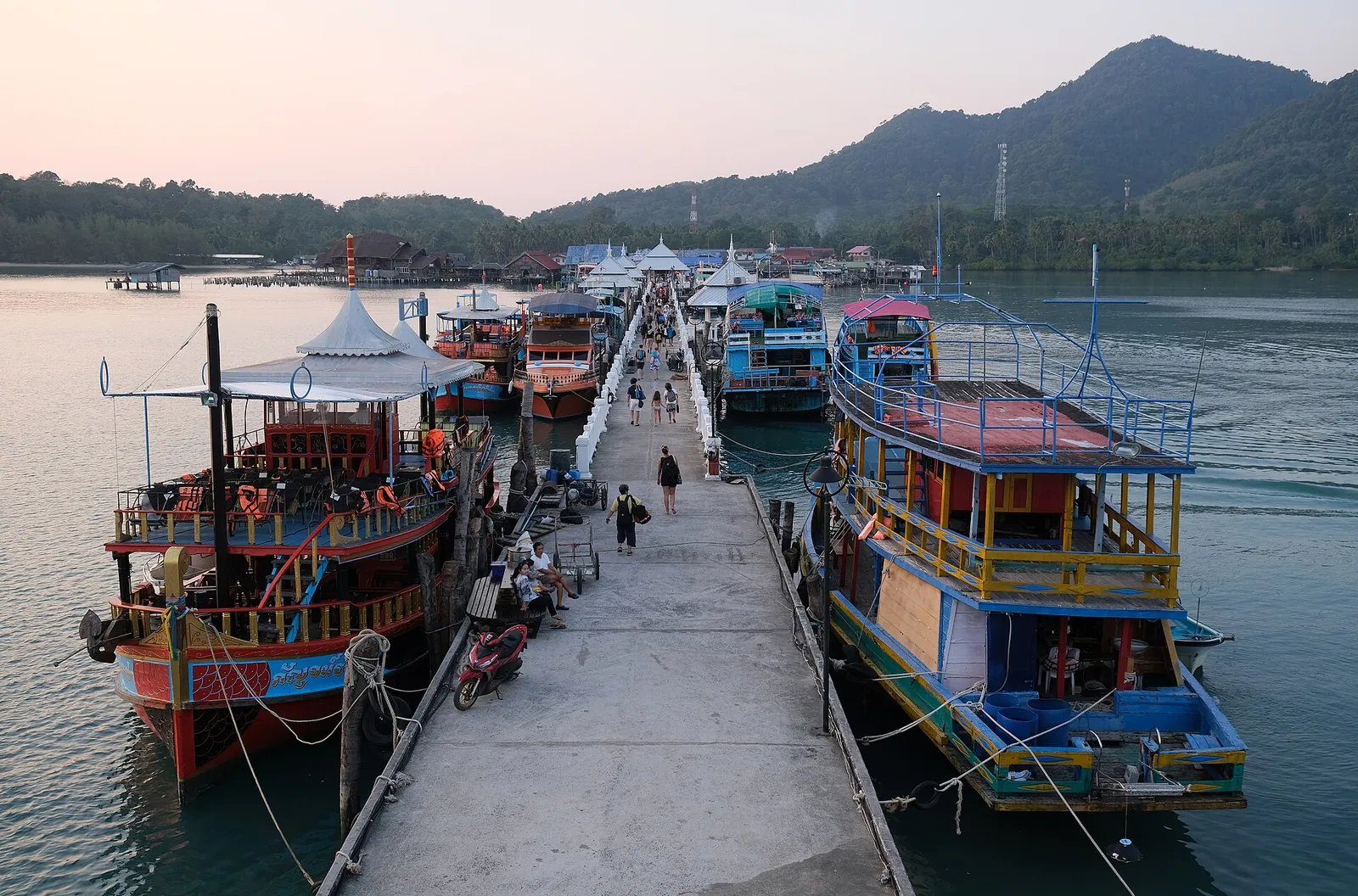
White Sand Beach, also called Hat Sai Khao, is the busy main strip, with the most hotels and restaurants, and a shallow sea that suits families. Klong Prao, just south, is wider and calmer. Kai Bae sits between the two moods, and further south Lonely Beach is the island’s small backpacker hub, the closest thing Koh Chang has to nightlife. Bang Bao, at the southern tip, is a fishing pier built on stilts over the water, lined with seafood restaurants and the boats that run day trips nearby.
Waterfalls, elephants and the sea
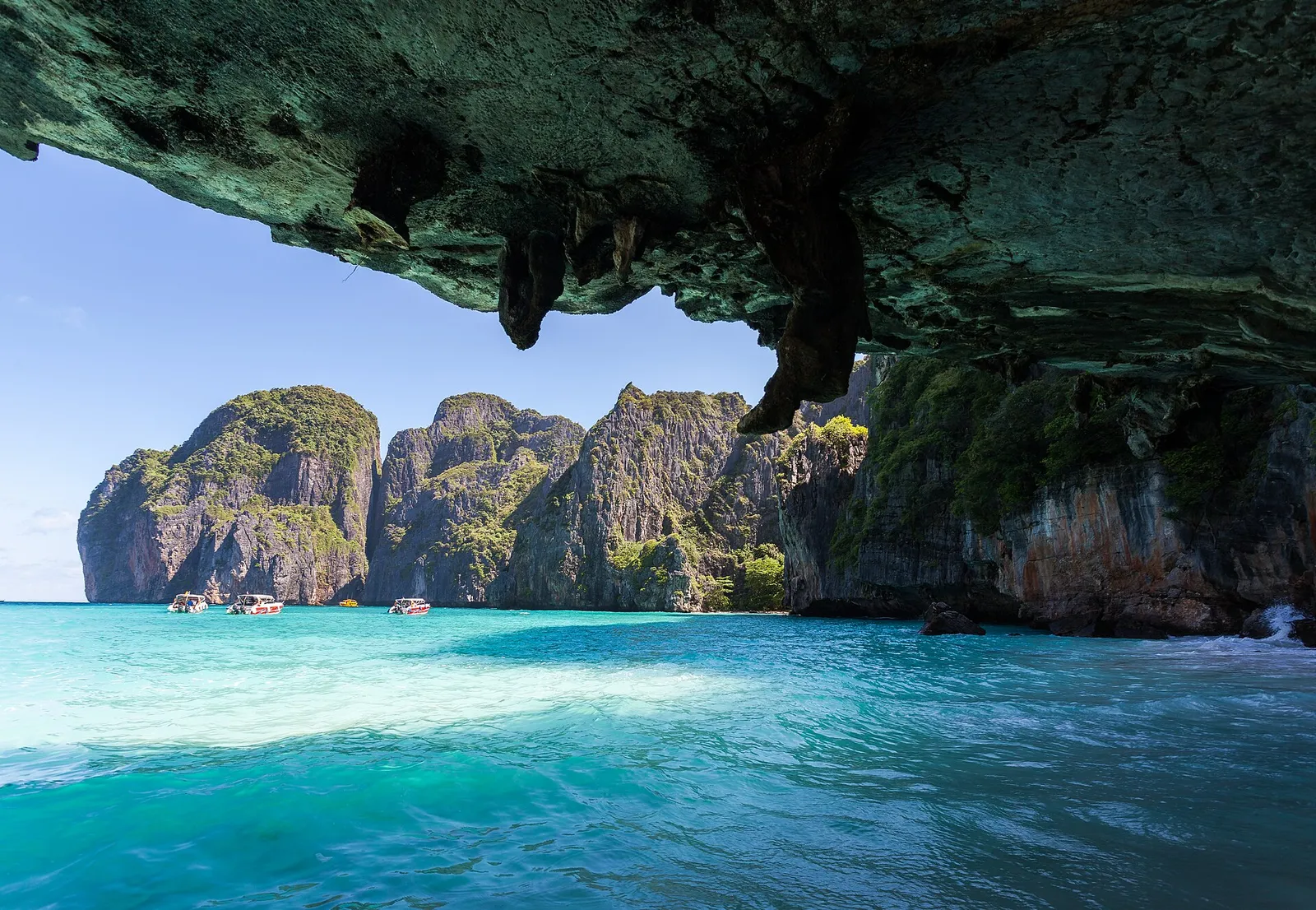
This is where Koh Chang earns its reputation. Most of the island is protected national park, and hidden in the jungle are several waterfalls, the best known being Klong Plu, a short walk from the road to a natural swimming pool beneath the falls. Smaller falls, including Klong Nonsi and Than Mayom, are quieter still, and trails lead to viewpoints over the sea.
The island’s name comes from elephants, and a handful of camps still offer contact with them. Choose carefully: some still offer riding, which welfare groups no longer consider acceptable, while ethical operations let you feed elephants and bathe them in mud, without a seat on their back.
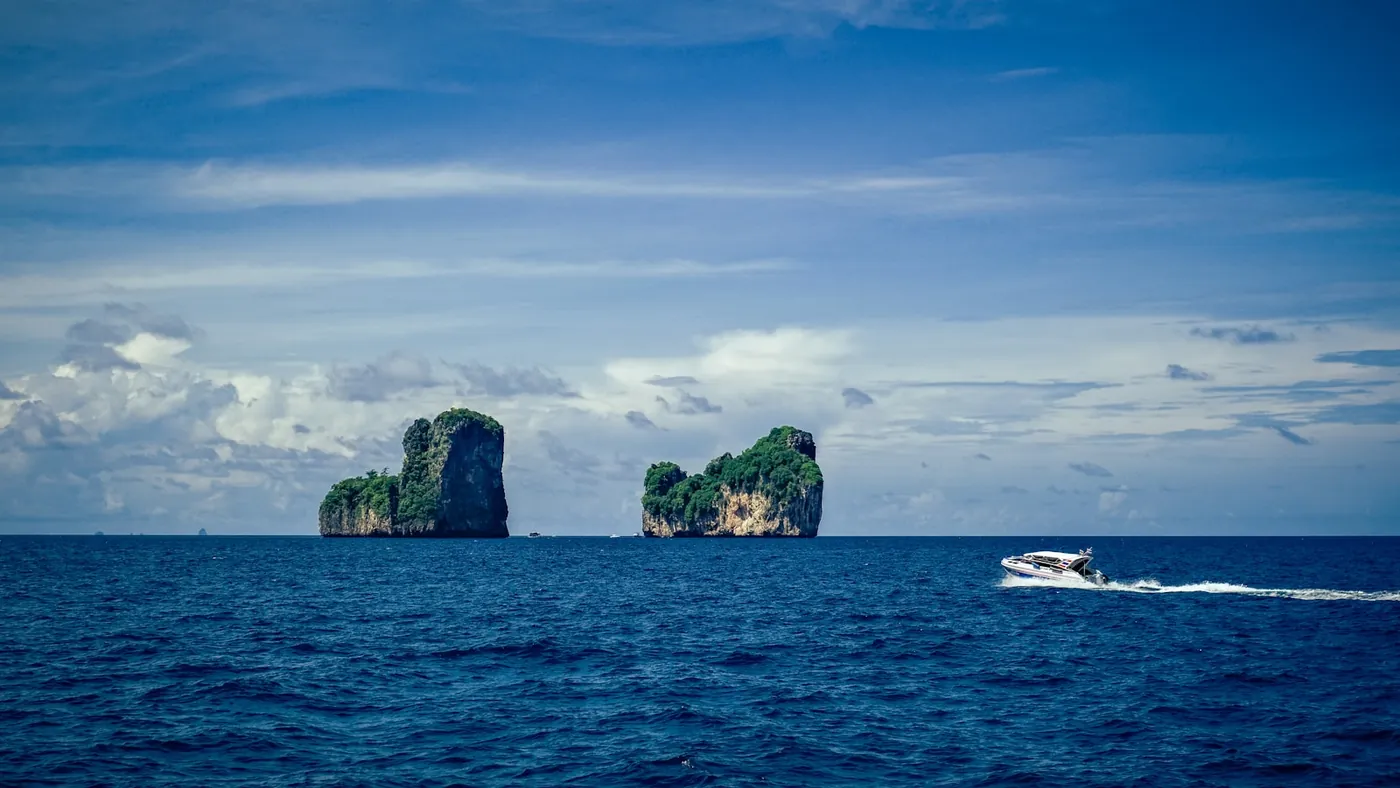
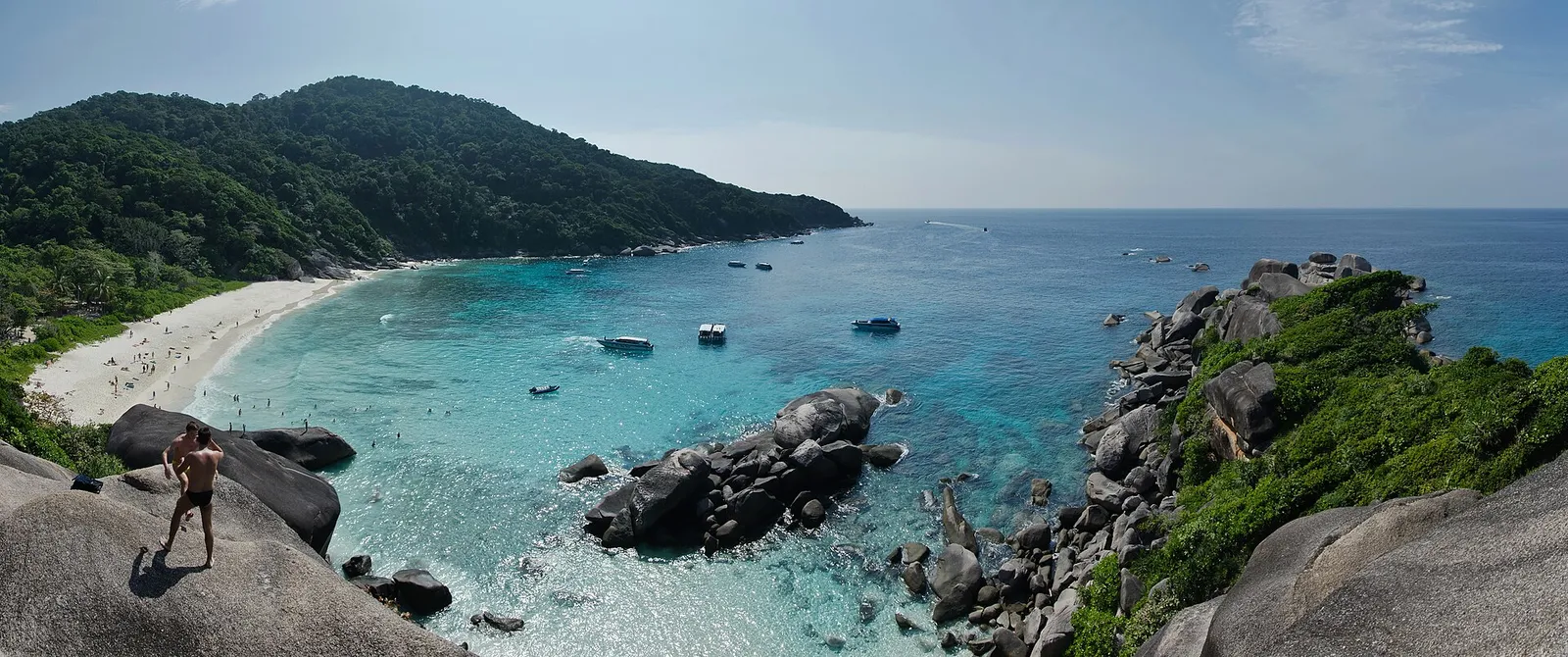
The sea has its own draw. Koh Chang sits within a small archipelago, and snorkelling and diving trips run out to nearby islands such as Koh Rang, where the reefs see far fewer visitors than Thailand’s better-known dive sites. A full day, including gear and lunch, is typically priced around 1,000 to 1,400 baht, though prices change, so confirm with the operator.
A day that mixes jungle and beach
Koh Chang works best when you mix its two halves. Start early, before the heat builds, with a songthaew ride to Klong Plu waterfall, walk the short jungle trail in, and swim in the pool beneath the falls. Head back to the beach through the middle of the day, when the shade is worth more than the sand. As the light softens, make your way to Bang Bao, wander the walkways between the stilt houses, and eat fresh seafood as the boats come in for the evening.
On a second day, spend the morning snorkelling and keep the afternoon for the beach. Anyone with more time can add a jungle trek or an ethical elephant camp. None of it needs rushing, and Koh Chang rewards a slower pace than most Thai islands.
The wet season, food and getting around
Food ranges from noodle and rice stalls to proper seafood restaurants, and the best of it is at Bang Bao, where much of what lands on your plate came off a boat at the same pier a few hours earlier. White Sand Beach and Klong Prao have the widest choice of restaurants and cafes.
Plan around the seasons, because Koh Chang is genuinely seasonal. The dry season, roughly November to April, is when the sea is calm and the island is fully open, and it is the season to aim for. From around May to October the rains set in: the jungle turns a deeper green, but the sea gets rough, boat trips are affected, and a real share of restaurants and smaller resorts close, particularly in September and October, so parts of the island effectively shut down until the rains ease. If travelling in the wet months, check ahead that where you plan to stay and eat is open.
Scooters are popular and, for confident riders, a good way to see the island. It is worth saying plainly: the coast road has genuinely steep, sharply curving sections, and Koh Chang is not a forgiving island to learn to ride on. Riders with little experience are safer taking a songthaew, one of the shared taxis that run the coast road.
Getting there, where to stay and how long you need
Koh Chang is one of the easier islands to reach from Bangkok, because it does not need a flight. The standard route is by road east to the pier town of Trat, roughly five hours depending on traffic, followed by a short ferry crossing. A short domestic flight to Trat is the quicker alternative. Our guide to island ferries covers how the tickets, boats and timings generally work across Thailand, including this crossing.
Where you stay follows the beaches above: families head for White Sand Beach or Klong Prao, couples split between Klong Prao and Kai Bae, and younger travellers gravitate to Lonely Beach. Prices are gentle by island standards: a simple bungalow can start from around 500 baht a night, and a comfortable family resort with a pool typically runs from about 1,500 to 3,000 baht, though rates shift with the season, so check current prices before you book.
For a comparably quiet, green island on the other side of the country, our Koh Lanta guide covers the Andaman equivalent: long beaches, a slow pace and next to no nightlife. Three to five nights on Koh Chang is enough for the beaches, the waterfalls and one boat day without feeling rushed.