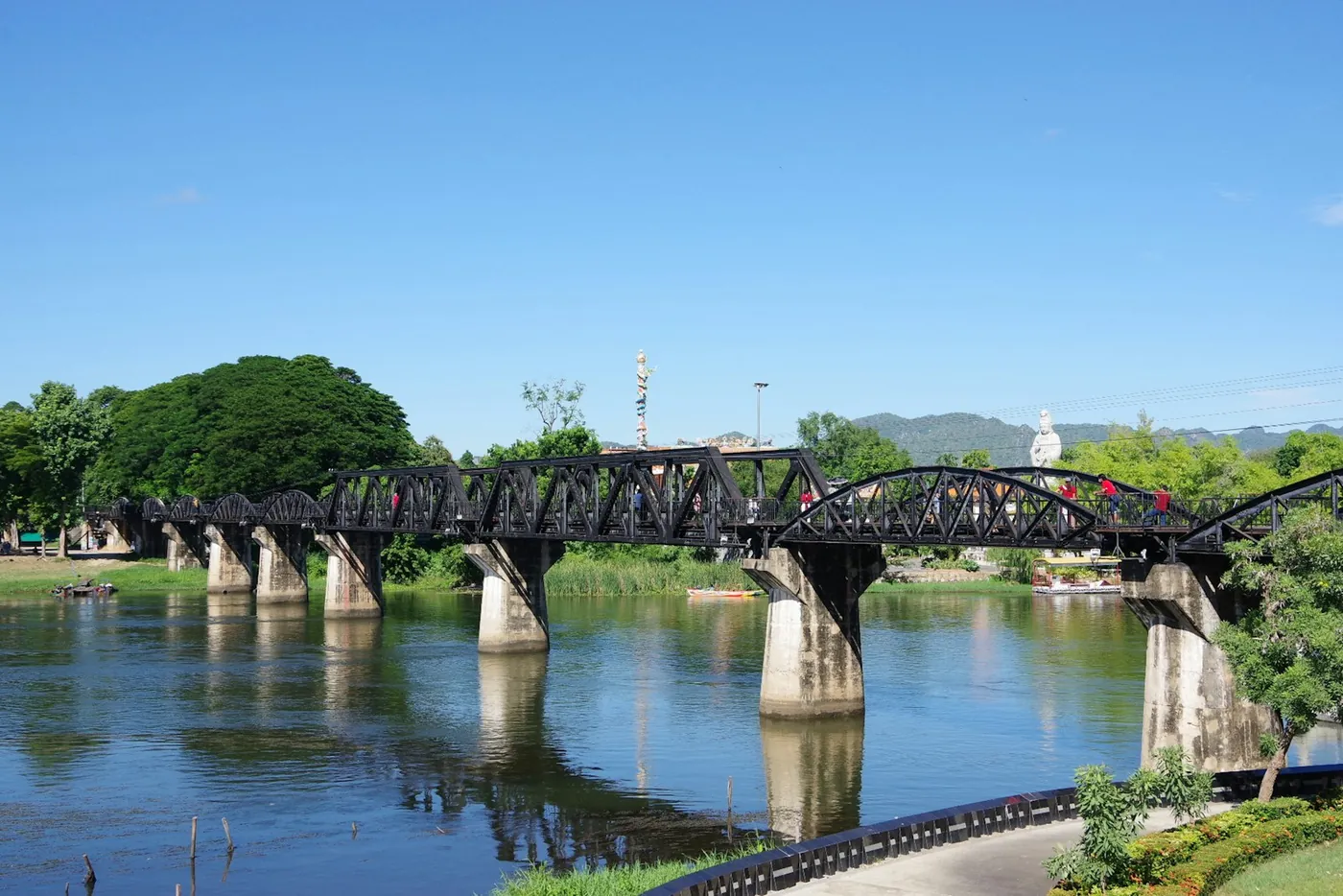
Kanchanaburi is two trips in one place. It is a sombre and important piece of Second World War history, told through a bridge, a railway, two cemeteries and a pair of good museums. It is also a green river town on the edge of a national park with one of Thailand’s best waterfalls behind it. Doing both properly needs a night. Doing one of them well is a good day. Doing both in a day is the mistake most visitors make.
The history
The reason the name is known is a railway built during the Japanese occupation, driven through mountainous jungle to connect Thailand and Burma, using Allied prisoners of war and a far larger number of conscripted Asian labourers. The conditions and the death toll were appalling, and the line was completed at a cost that is the reason it is remembered.
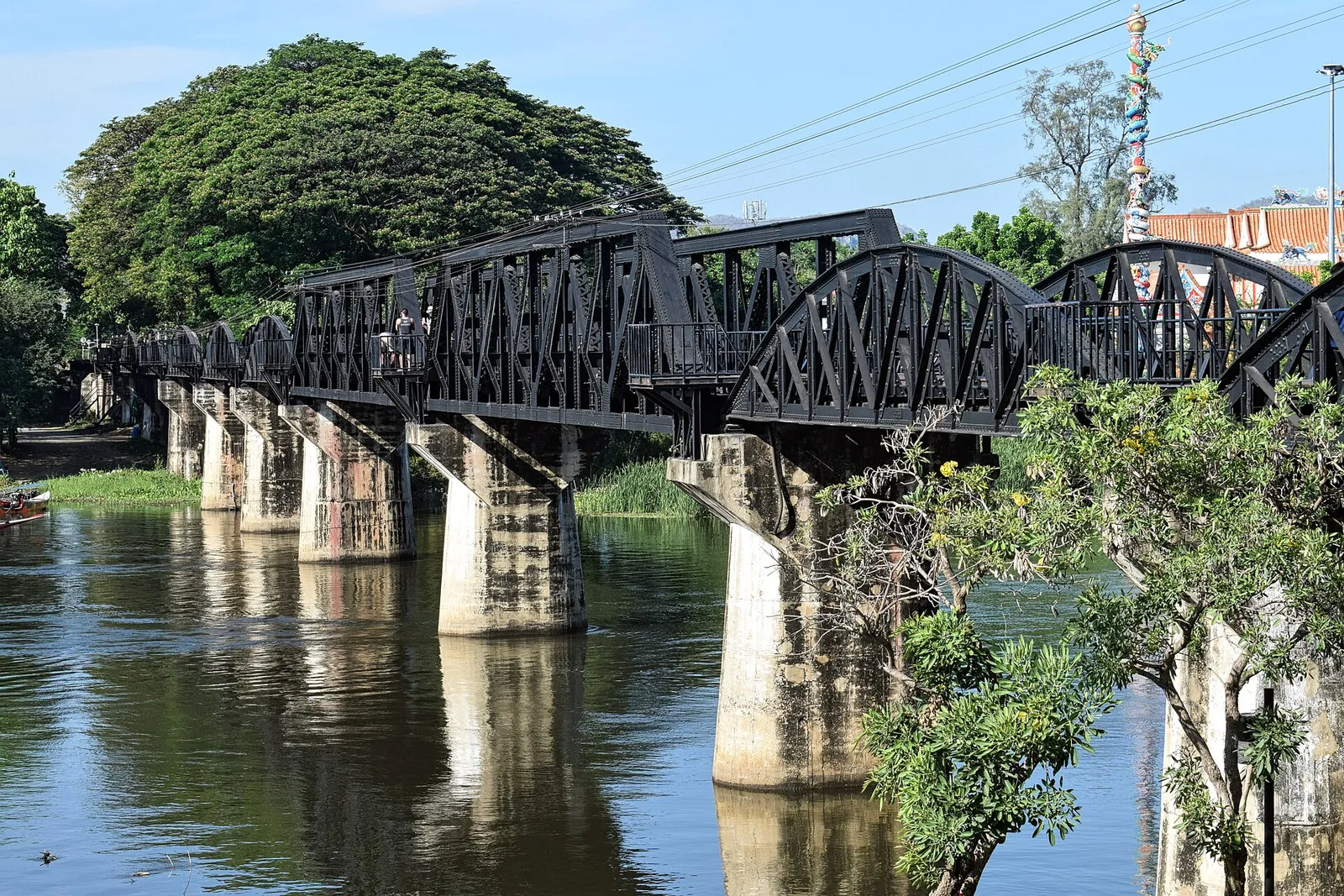
The bridge is a real bridge, still carrying trains, and it is a modest structure. Visitors who arrive expecting a monument find a functioning railway crossing with a walkway and a lot of people photographing it.
The museums in the town are what make the visit mean anything. There are two of substance, and they are careful, well-presented and difficult in the right way.
The war cemeteries are immaculately kept and quiet, and they are the part most visitors say stayed with them.
A surviving stretch of the line can be ridden, including a section on a wooden trestle built into a cliff above the river, which is a striking piece of railway and a sobering one.
The waterfall and the park
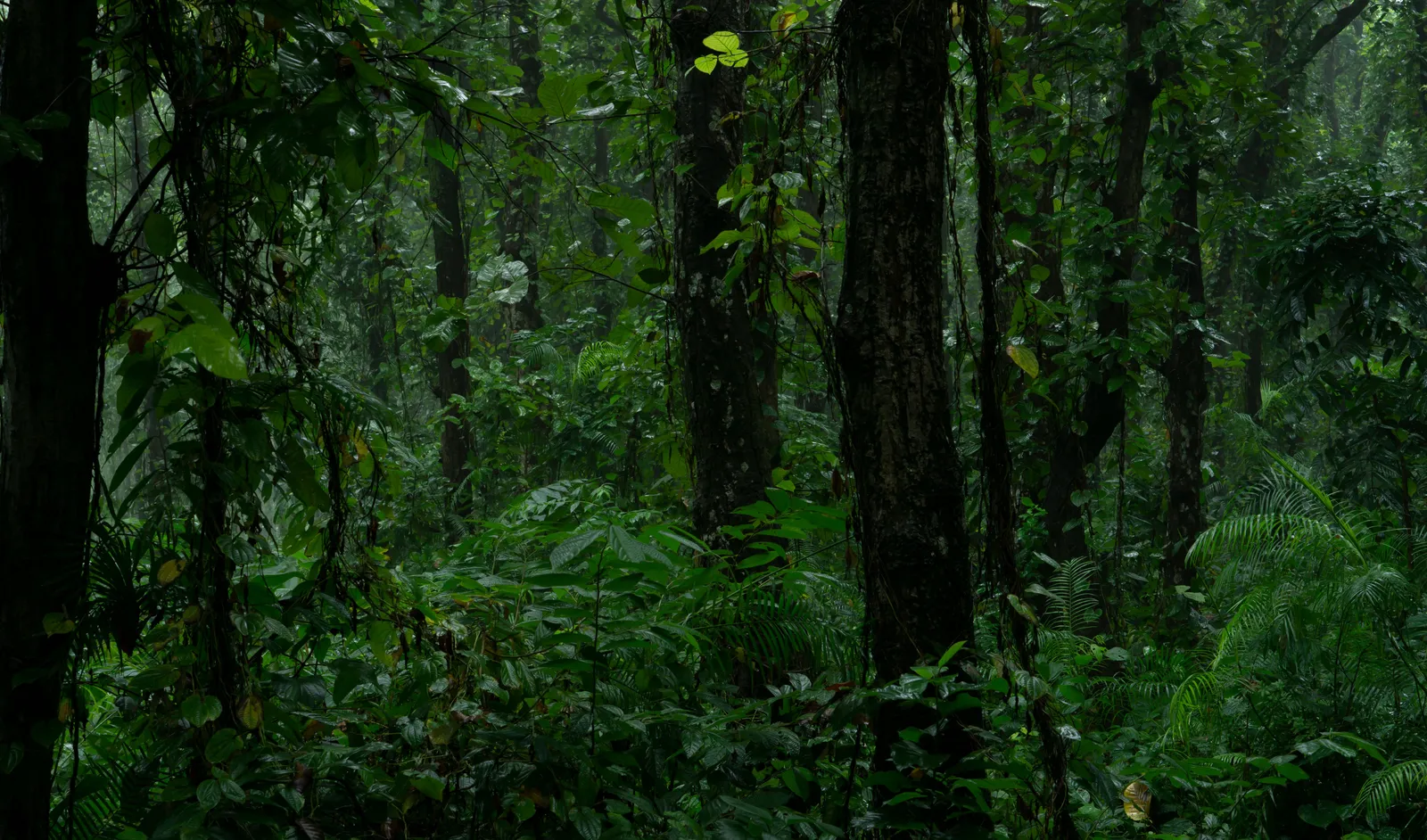
Behind the town lies a national park containing a waterfall that would be a destination on its own.
It rises in a series of tiers through forest, with pools at several levels and turquoise water that looks improbable in photographs and is real.
You can swim in several of the pools, which is the point for most visitors.
It is a climb. Reaching the upper tiers involves a real walk in heat, with scrambling near the top, and the lower levels are consequently the crowded ones.
Go early and go up. The higher pools are quieter for exactly the reason that they are harder to reach.
There is a cut-off time for beginning the ascent, posted at the park, which is worth checking on arrival rather than discovering at two in the afternoon.
Day trip or overnight
This is the real decision and it is worth making deliberately.
As a day trip, you will realistically do the history or the waterfall, not both, plus several hours of travel. That is still a good day and it is a long one.
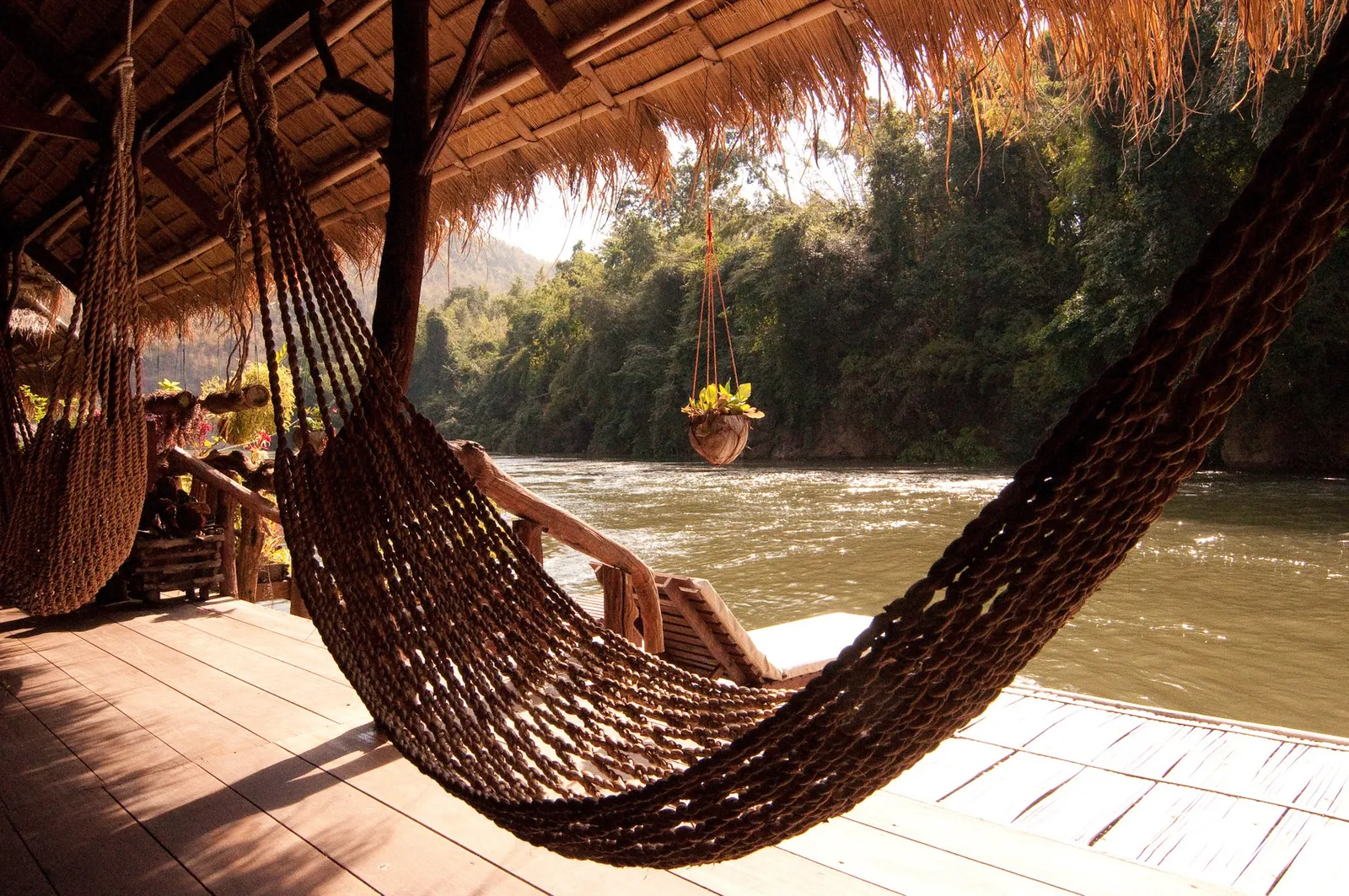
With a night, you do the history on the afternoon you arrive, the park the next morning, and you sleep in a riverside guesthouse or on one of the floating raft rooms, which are a genuine Kanchanaburi experience and very pleasant.
The town is agreeable in the evening in a low-key way, with riverside restaurants and a slow pace that is a relief after Bangkok.
Most people who go for a day say afterwards that they wished they had stayed.
Getting there
By train from Bangkok is slow, very cheap and scenic, and it is the option with the most character.
By minivan or bus is faster and functional.
On an organised day trip, which handles the routing between the town, the museums, the railway and the park, and this is the trip where that routing genuinely saves time.
By private car, which suits a group and makes the overnight version easy.
Practical notes
Dress and behave appropriately at the cemeteries and museums, which are memorials rather than attractions.
Bring swimming things if the park is on the plan, and shoes that cope with wet rock.
Water and a hat, since both the bridge area and the park are hot and exposed in places.
Cash for the smaller places and the park entrance.
Start early, which applies to every day trip from Bangkok and applies doubly to this one because of the distance.
Where it sits among the day trips
Bangkok’s three classic days out are genuinely different and it is worth knowing which you are choosing.
Kanchanaburi is the longest, the greenest and the most serious.
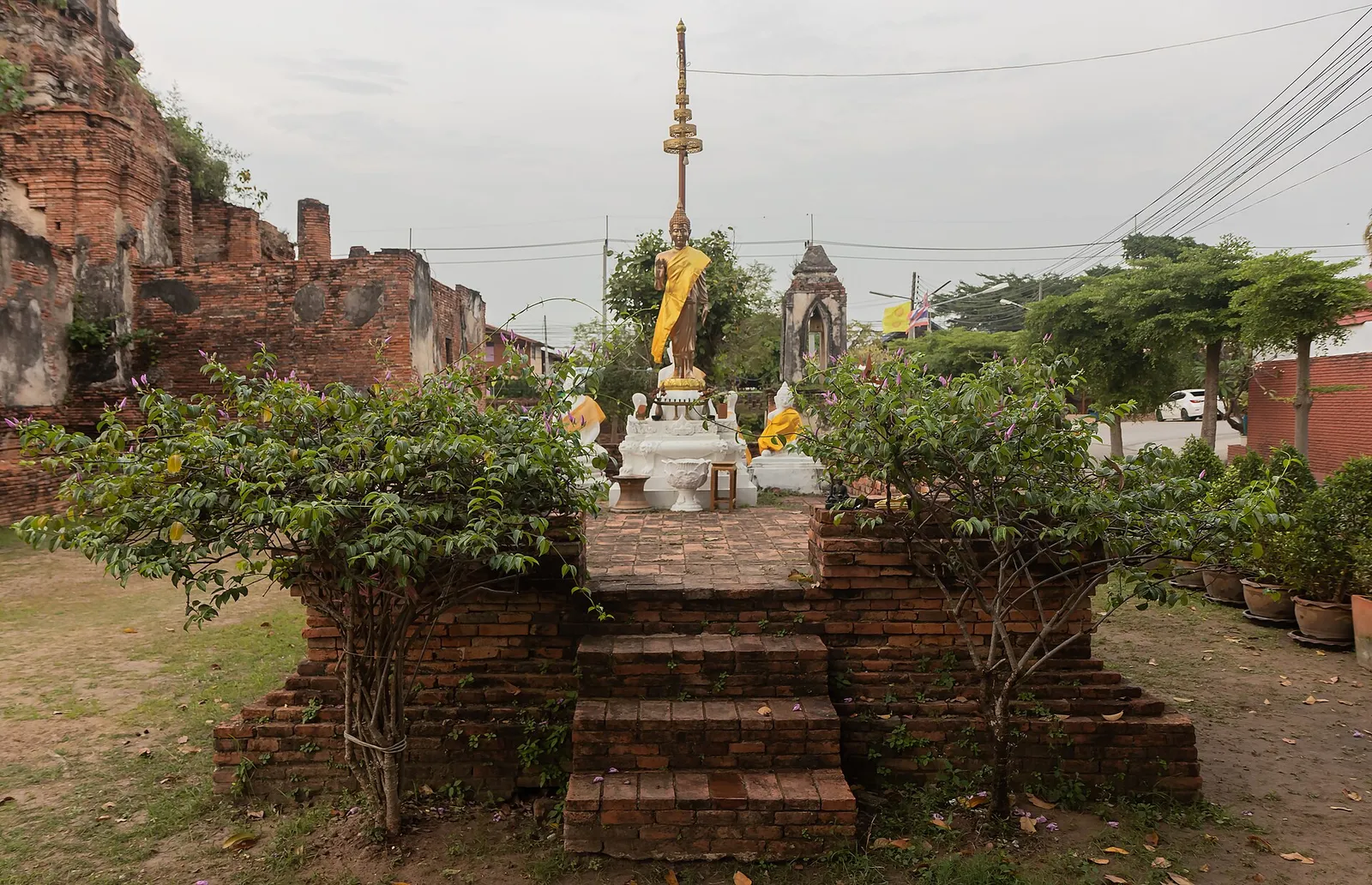
Ayutthaya is the history-in-ruins day, closer and easier; our guide to Ayutthaya covers which sites to prioritise.
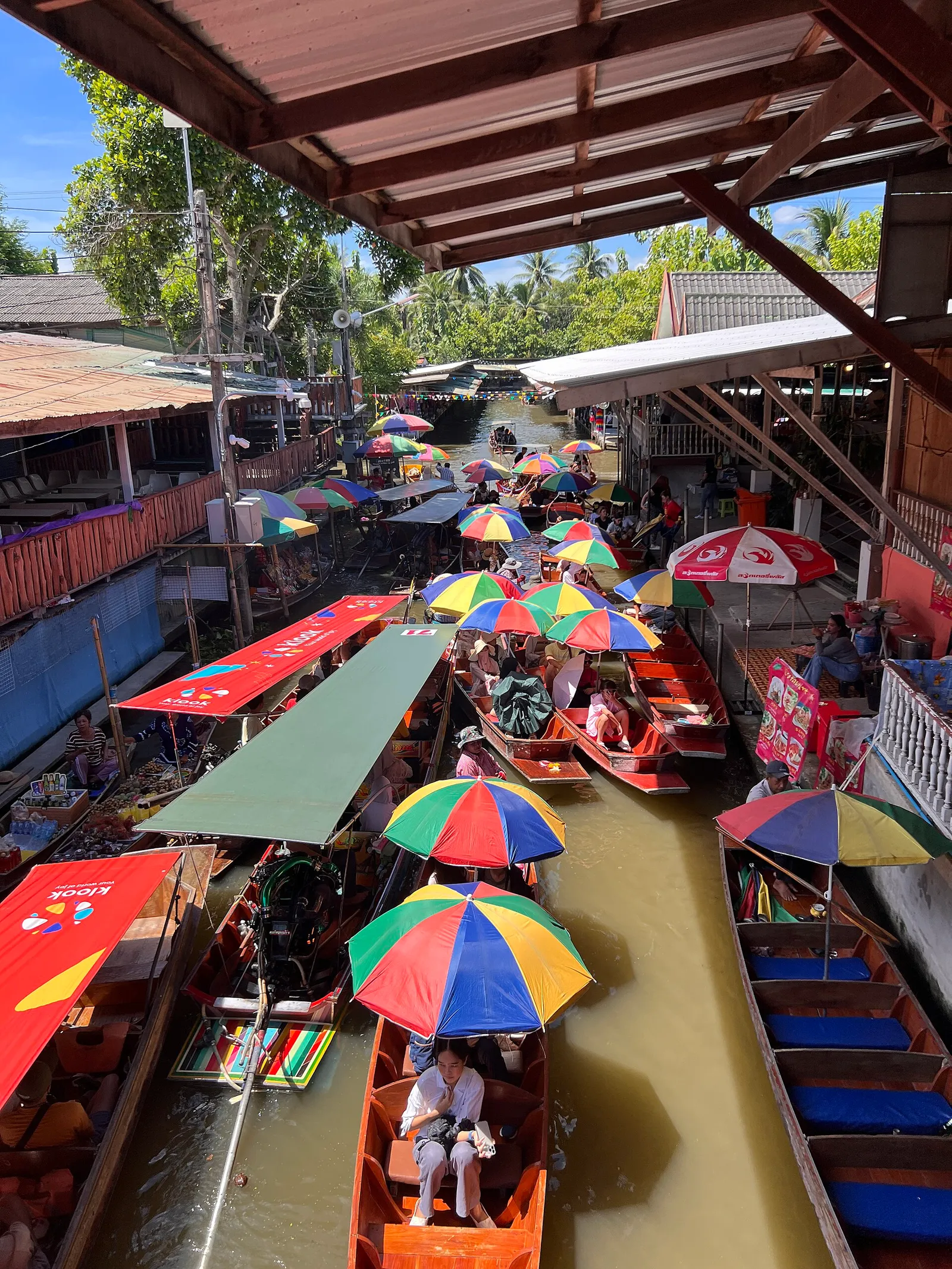
The floating markets are the short water morning, with the caveat that choosing the right market matters more than going at all; our guide to Bangkok’s floating markets covers that choice.
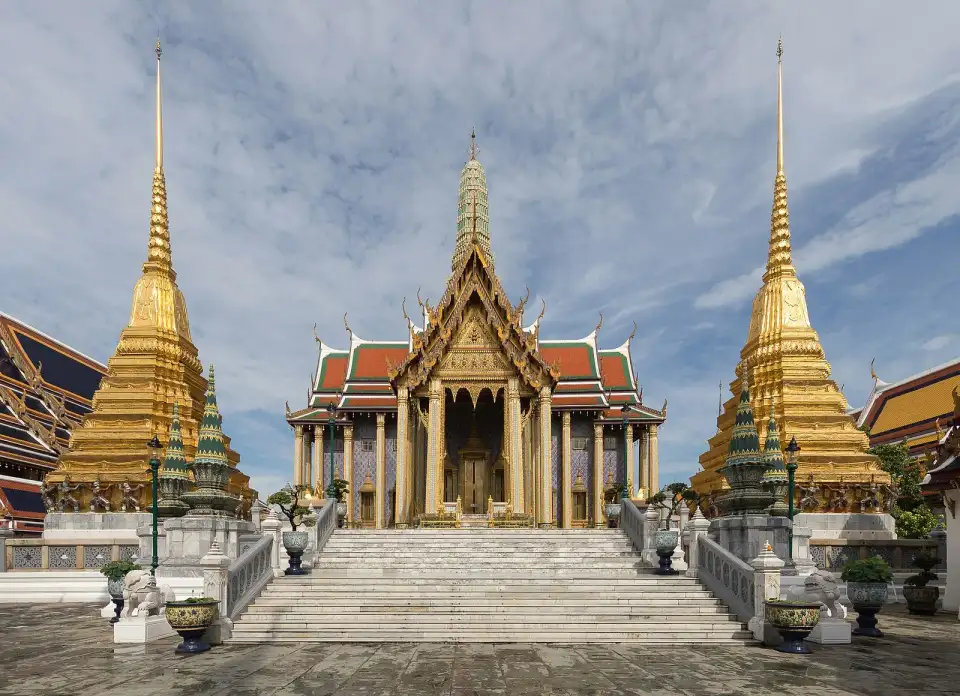
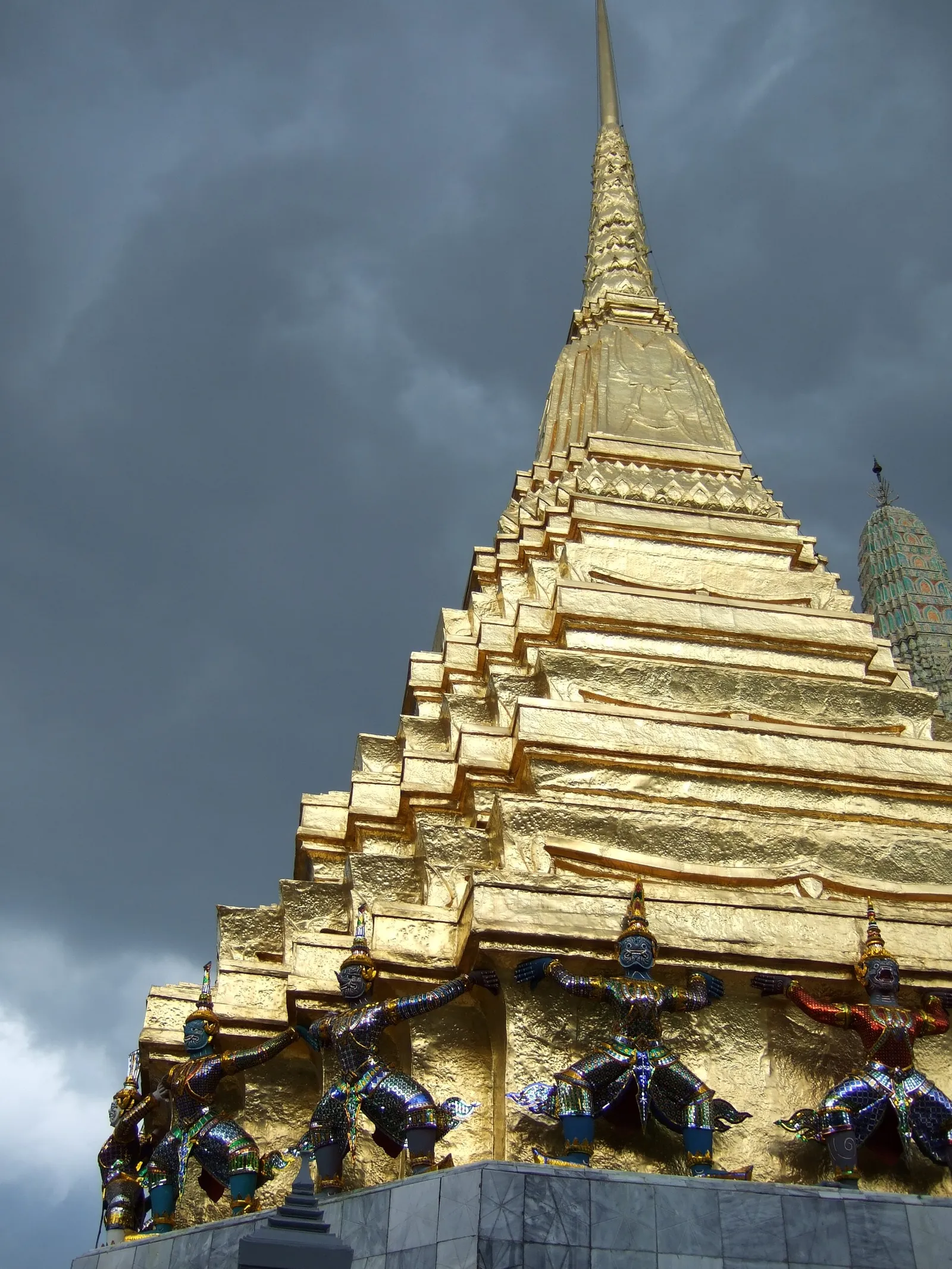
And before any of them, the city’s own temples are the context for everything Thai you will see afterwards; our guide to Bangkok’s temples and the Grand Palace covers them.
The short version
Kanchanaburi holds a difficult and important piece of history and a beautiful national park, and a single day realistically covers one of them. Do the museums and the cemeteries rather than only the bridge, because the bridge alone is a photograph without them. If the waterfall matters to you, stay a night, sleep on the river, and do the park early the next morning while the upper pools are still empty. And take the slow train at least one way.