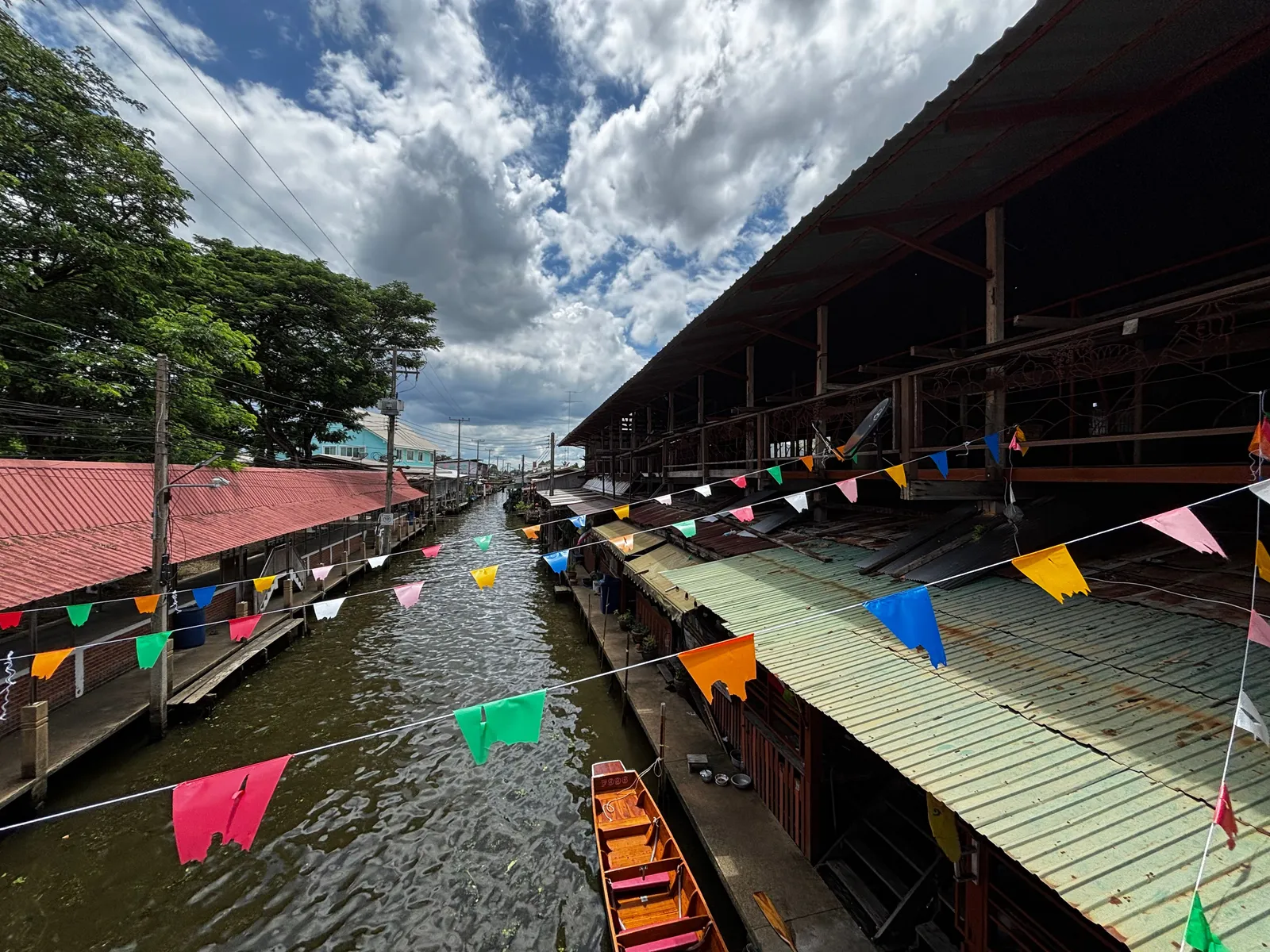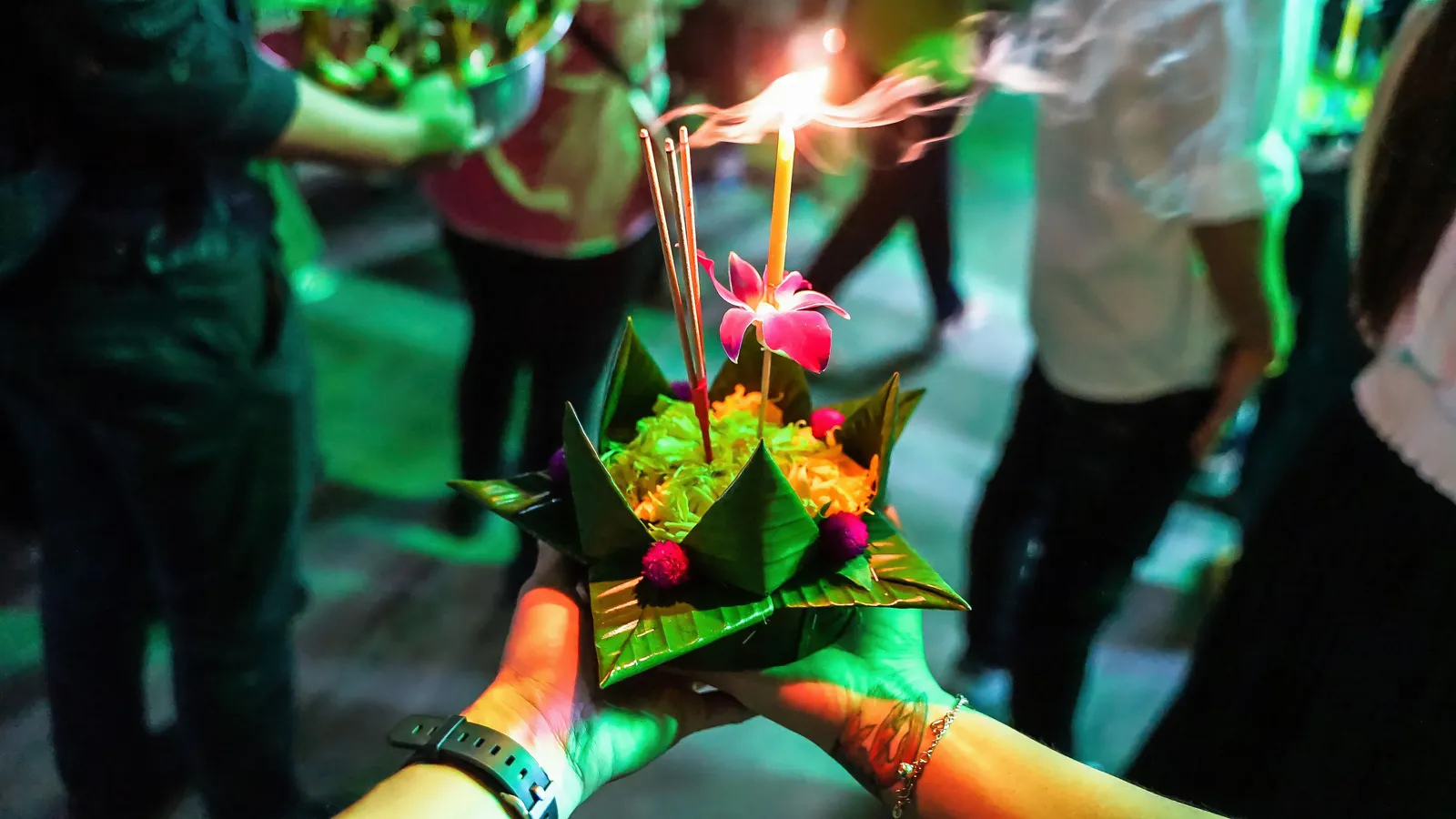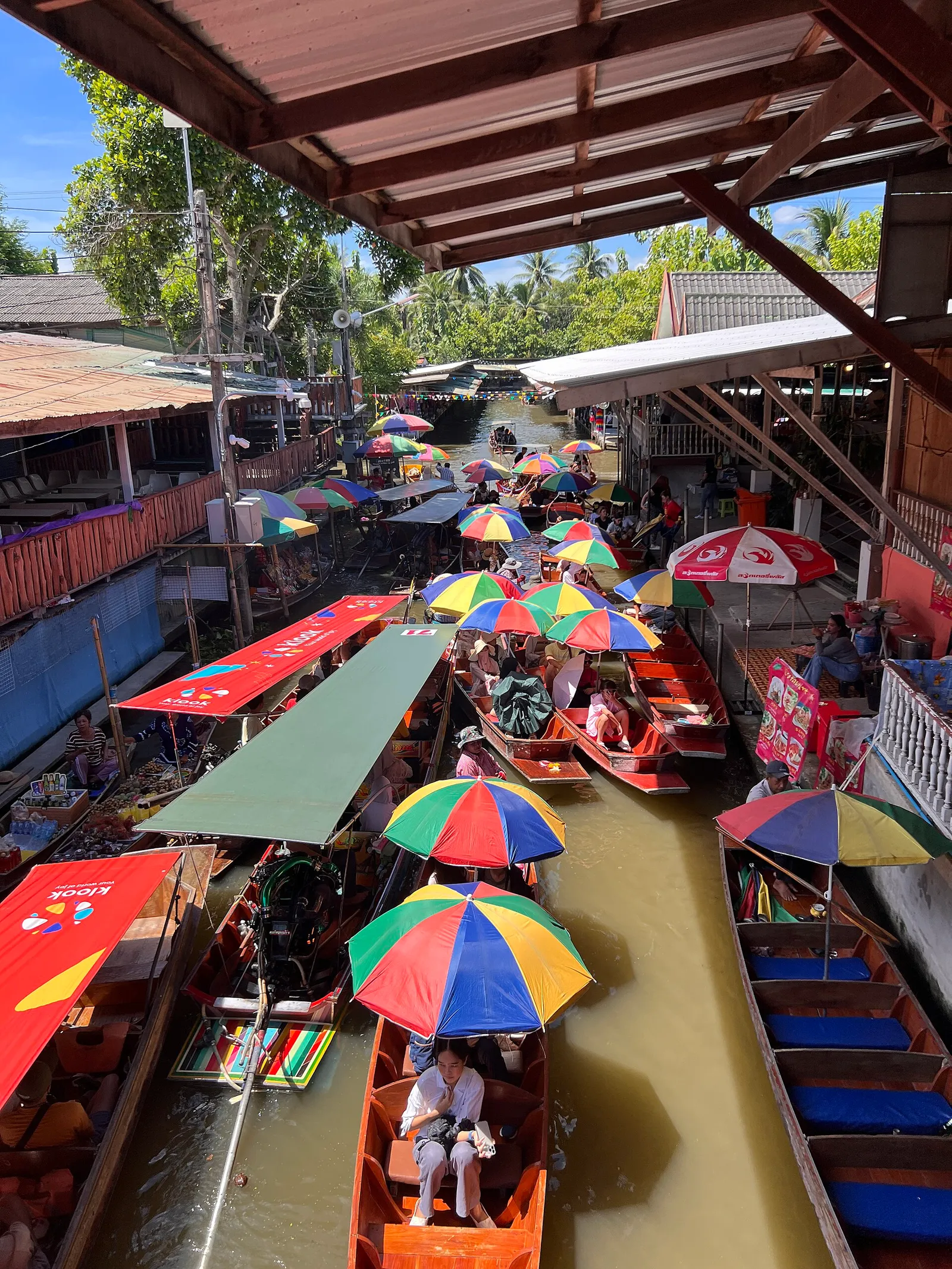
Floating markets are one of the images that sells Thailand, and they are also the day trip most likely to disappoint, for one specific reason: most visitors are taken to the most photographed one, which has largely become a performance of itself. The markets that still work as markets are quieter, closer and considerably better. Here is the difference and how to end up at the right one.
What a floating market actually was
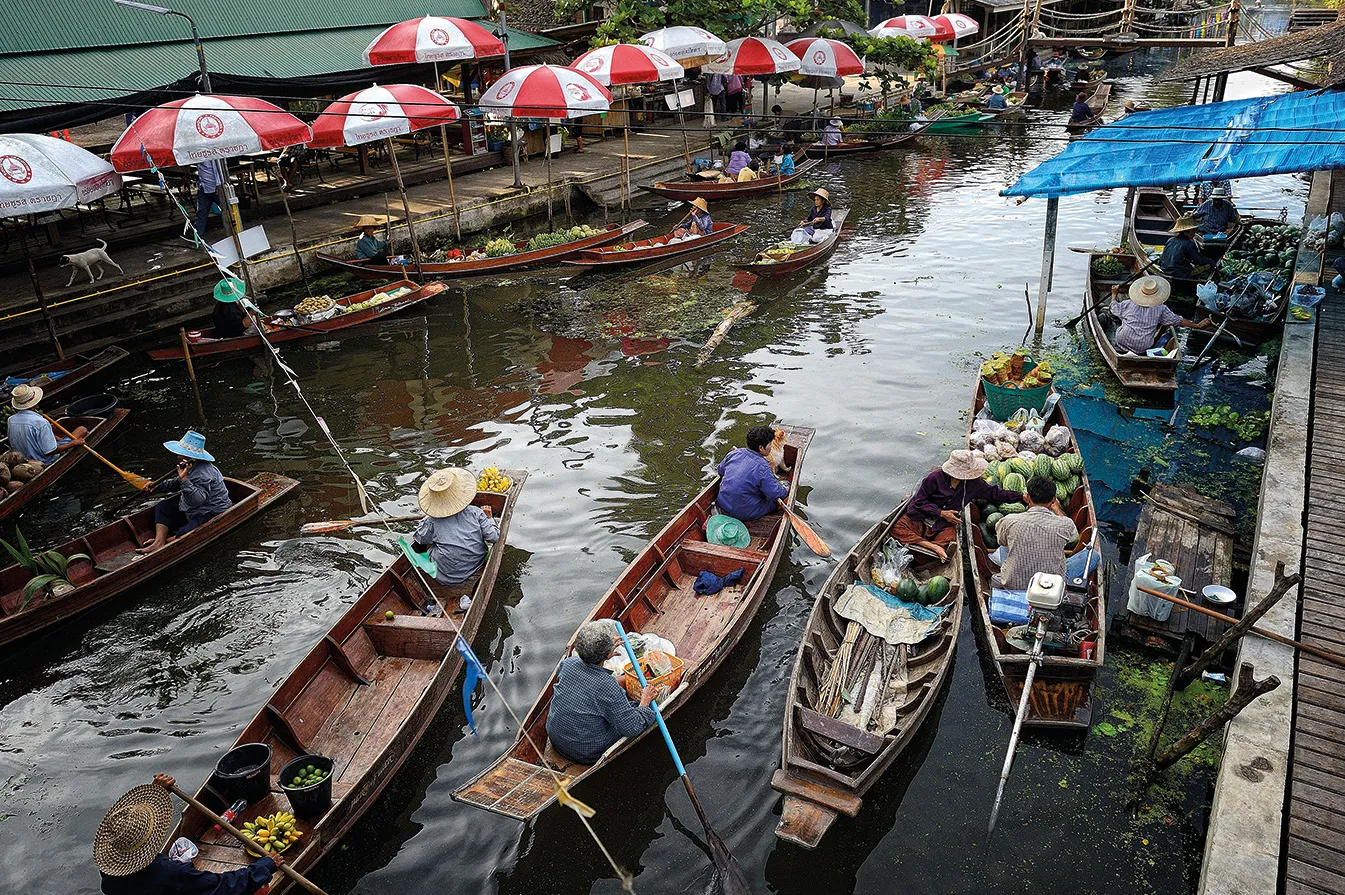
Water was the road system. The delta around Bangkok is threaded with canals, and for centuries trade happened on them, with produce sold boat to boat and boat to bank in the early morning.
Roads changed that, and most of the working water trade has gone.
What remains falls into two categories: markets preserved and expanded for visitors, and weekend markets where local people still shop and eat because it is pleasant and it is theirs.
Both are enjoyable. They are very different experiences and they are marketed identically.
The famous one, honestly
The most photographed floating market sits a considerable distance from Bangkok and is the default destination of most tours.
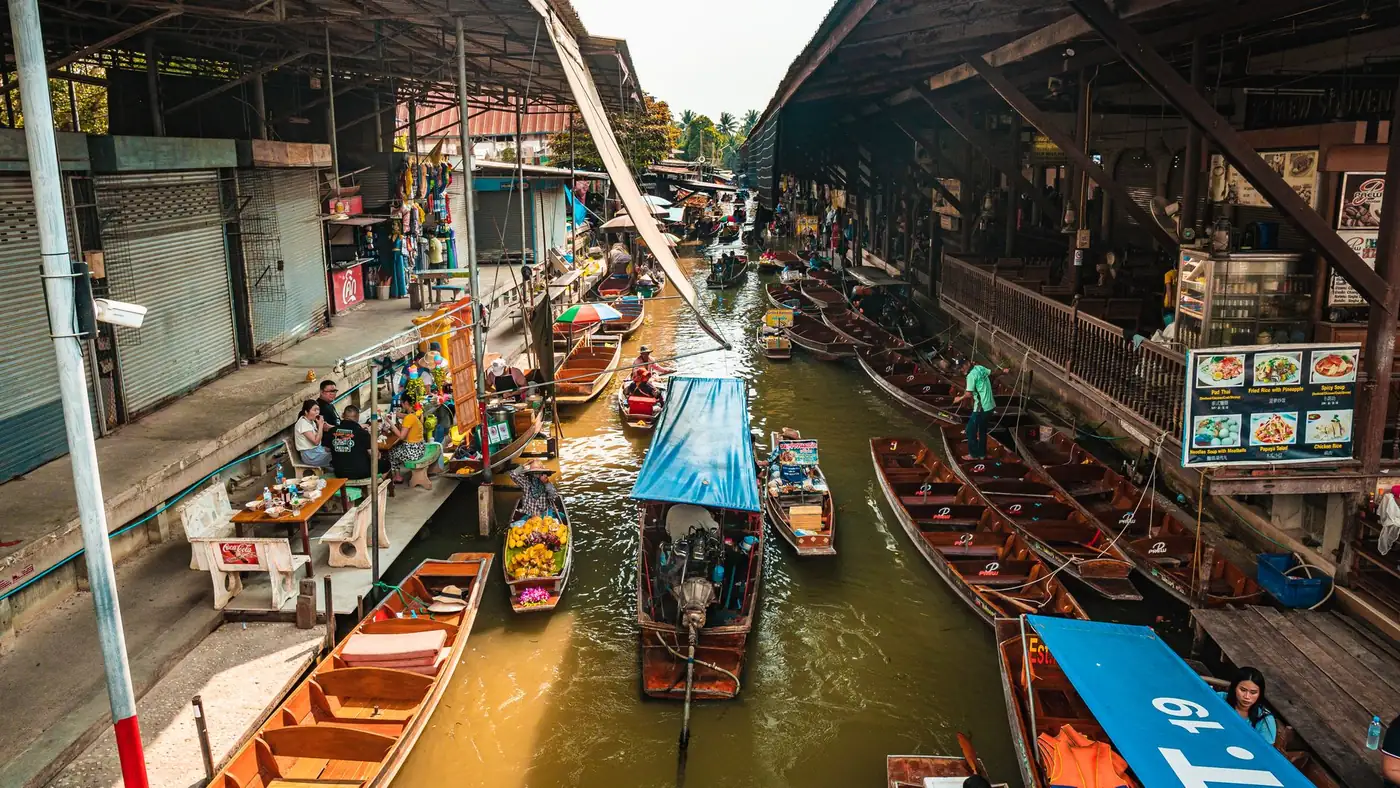
It is genuinely picturesque, with narrow canals packed with boats and colour everywhere.
It is overwhelmingly a visitor attraction. The boats mainly sell souvenirs, hats and fridge magnets to foreigners, the prices reflect that, and the trading you are watching exists because you are watching it.
It is a long way, which means an early start and a lot of the day in a vehicle.
It is not a scam, it is simply a different product from the one the photograph implies, and going with that expectation makes it a perfectly good morning.
The alternatives
Several markets closer to Bangkok operate mainly at weekends and serve local visitors.
They are food-led. People come to eat breakfast and lunch, buy produce and wander, and the boats cook rather than sell souvenirs.
They are cheaper, in the boat rides and in everything else.
They are closer, which converts directly into a shorter day.
They are quieter, though popular ones fill with Thai visitors by late morning, which is a different and more enjoyable kind of busy.
They run on specific days, usually weekends, which is the one constraint to check before planning around one.
The boat ride
This is where the money and the complaints are.
Prices are negotiated rather than posted, and vary by market, by boat type and by how you arrived.
Agree the price and the duration before getting in, since a short ride at a long price is the standard grievance.
Organised trips usually include it, which removes the negotiation.
At the smaller markets a boat is optional. Walking the banks and the walkways costs nothing and shows you as much.
Practical notes
Go early. These are morning markets, the heat arrives quickly, and the difference between eight and eleven is substantial at every one of them.
Carry small notes. Boat vendors do not take cards and rarely have change.
Bargain gently at the tourist markets and barely at all at the local ones, where prices are prices.
Expect to get slightly wet and dress accordingly.
Combine it with something. Several markets sit near other sights, and a half-day market plus an afternoon elsewhere is a better shape than a whole day of canal.
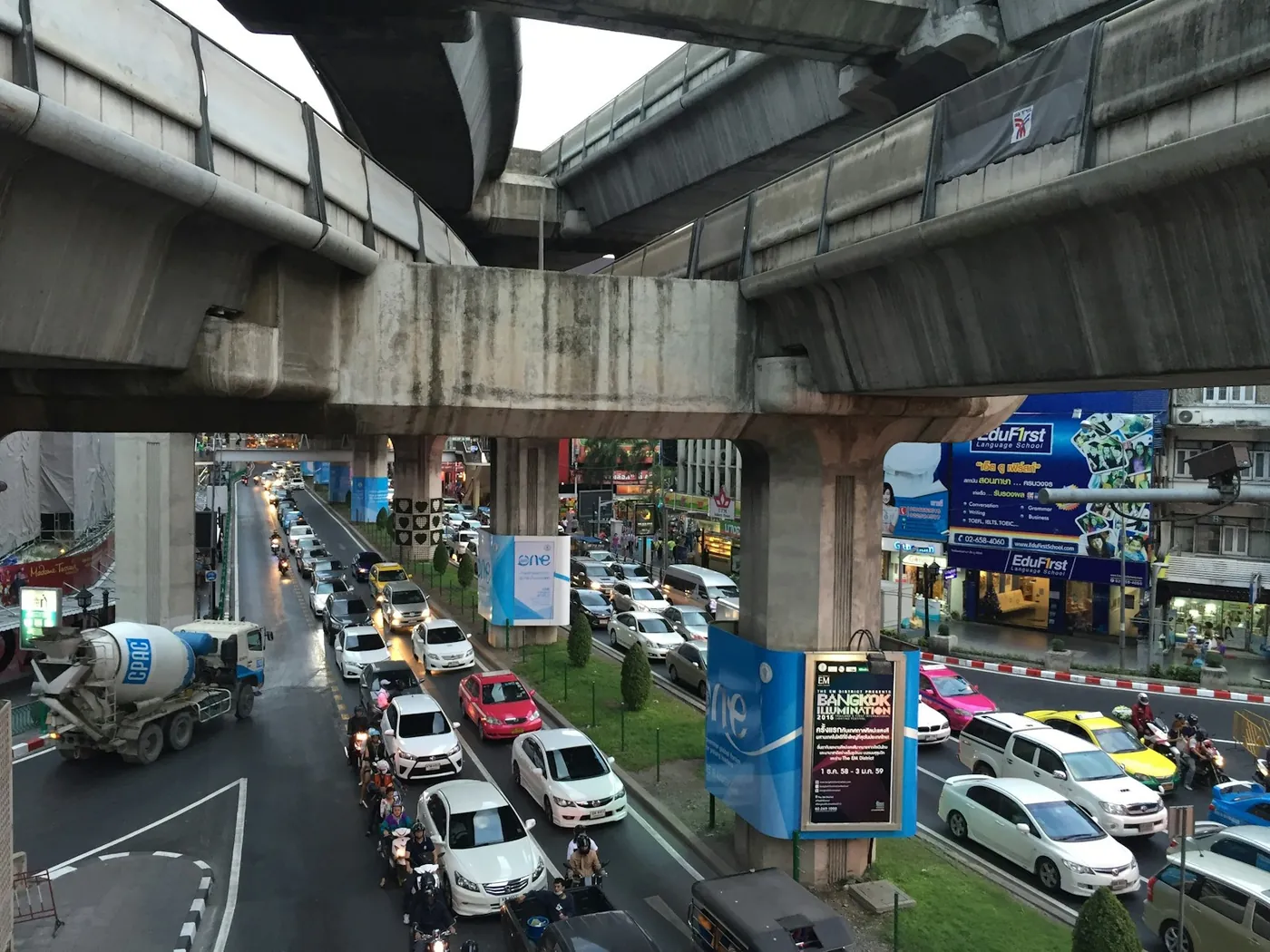
Getting there on public transport is possible for the closer markets and impractical for the famous one; our guide to getting around Bangkok covers what the city’s own network reaches, which is where these journeys start.
Where it fits among the day trips
Bangkok has three classic days out and they are genuinely different from each other.
The floating market is the early water morning, and it is the shortest.
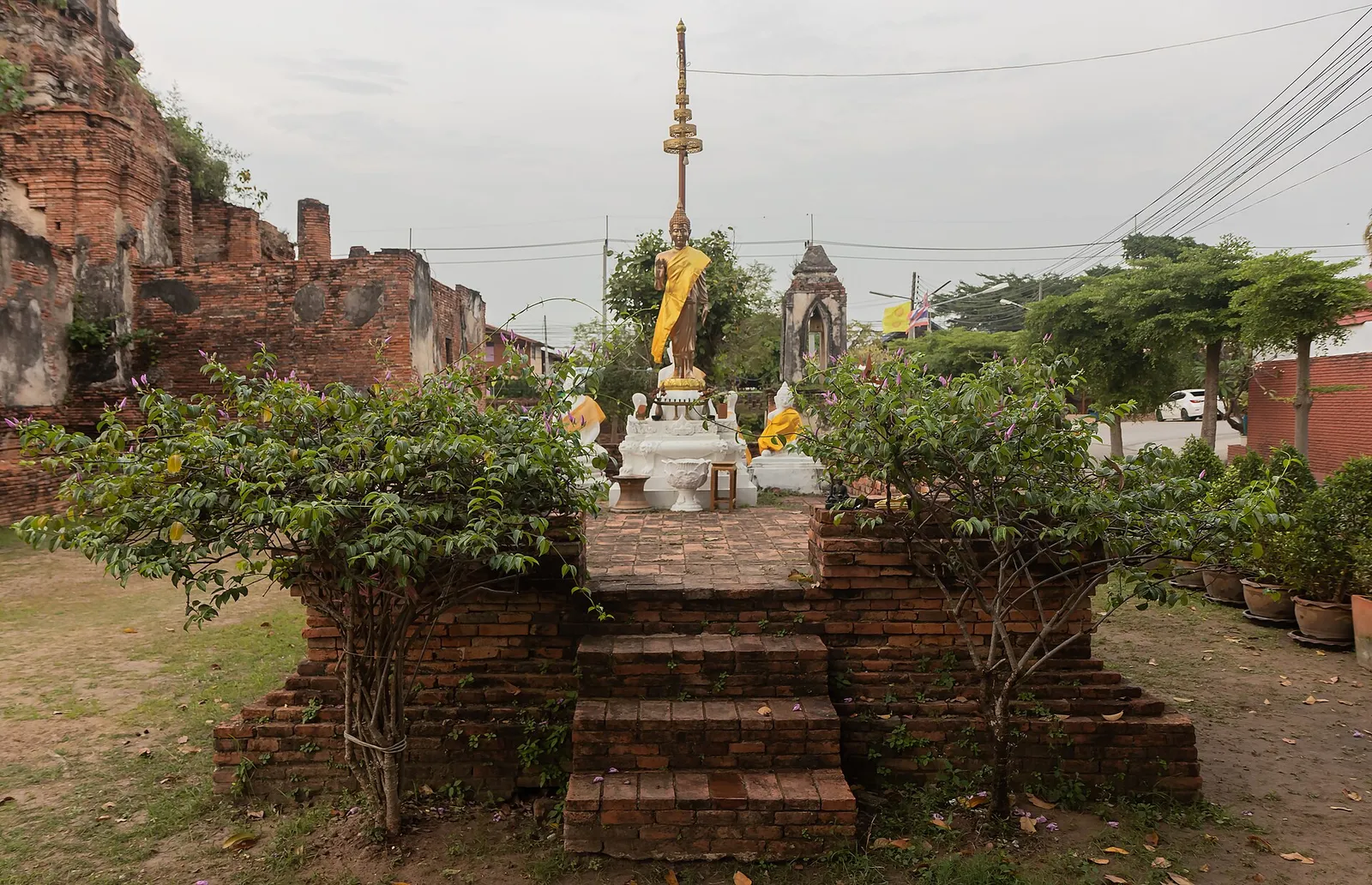
Ayutthaya is the history day among the ruins of the old capital; our guide to Ayutthaya covers which three sites are worth it.
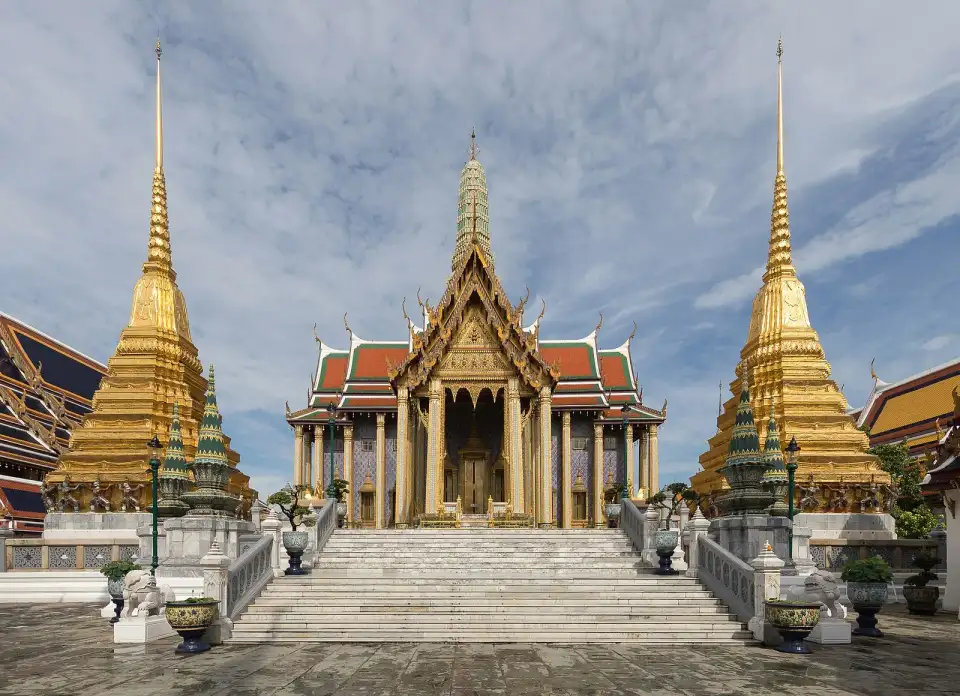
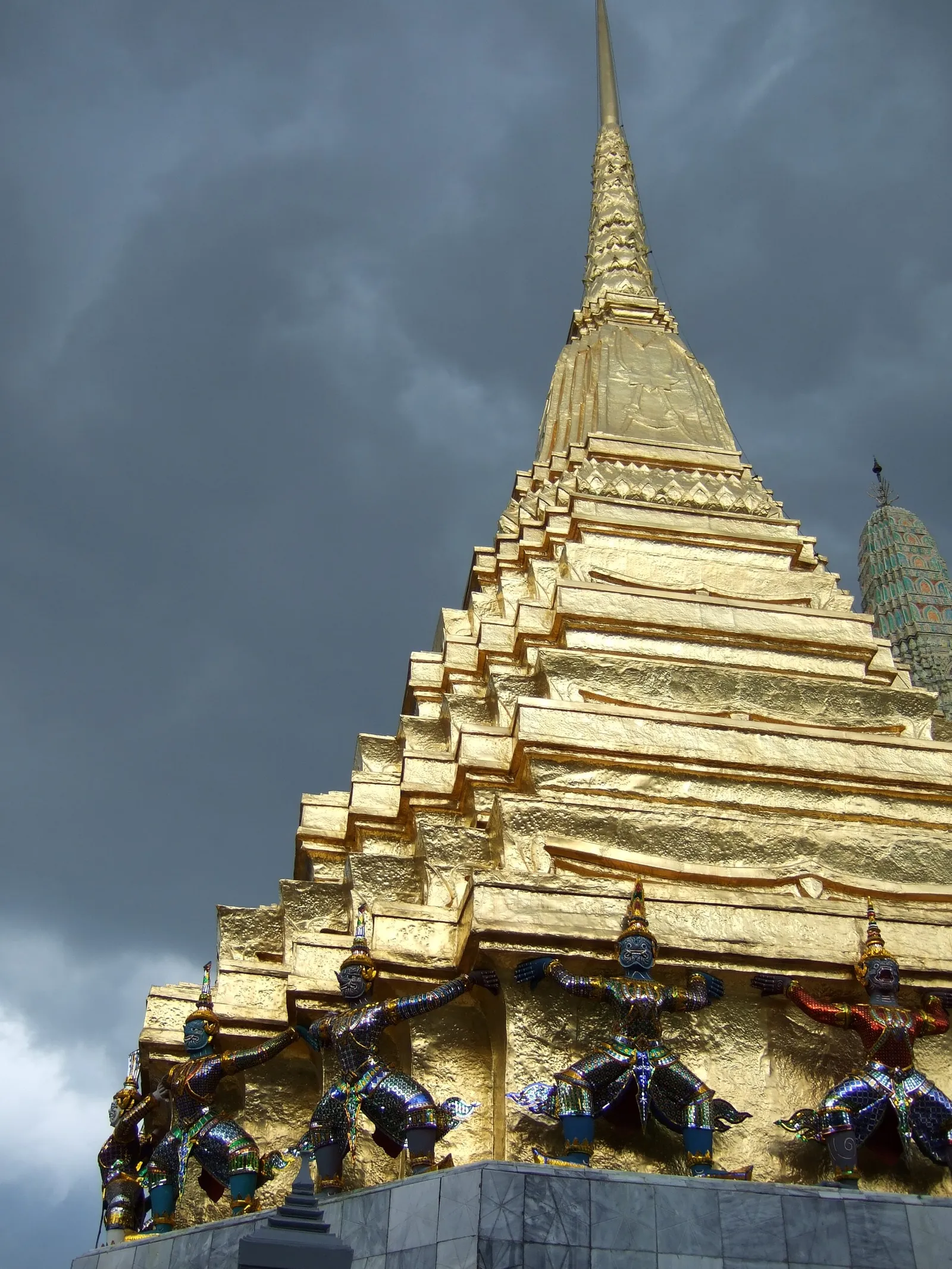
The city’s own temples are, for a lot of visitors, the better use of a morning than any of the above, and they are the context that makes the rest make sense; our guide to Bangkok’s temples and the Grand Palace covers them.
If you have one day out of the city, the ruins are usually the stronger choice. If you have two, take both, and put the market on the earlier morning.
The short version
Decide which market before you book a tour, because the default is the famous distant one where the boats sell souvenirs rather than food. The smaller weekend markets closer to Bangkok are cheaper, quieter, food-led and full of Thai families, which is the version worth going for. Go as early as you can, agree the boat price and duration before getting in, carry small notes, and treat it as a half day rather than a whole one.
One of them is not a morning coach stop at all but a weekend evening market where Bangkok families go. Our guide to Amphawa explains what makes it different and when to arrive.