Food might be the best reason to visit Thailand, and that is saying something. The cooking balances four flavours at once, sweet, sour, salty and spicy, and it does so on every budget, from a one-dollar plate at a plastic stool to a candlelit riverside dinner. The trick is knowing what to order, where to look, and how to eat like you belong. Here is the short course.
The dishes to order first
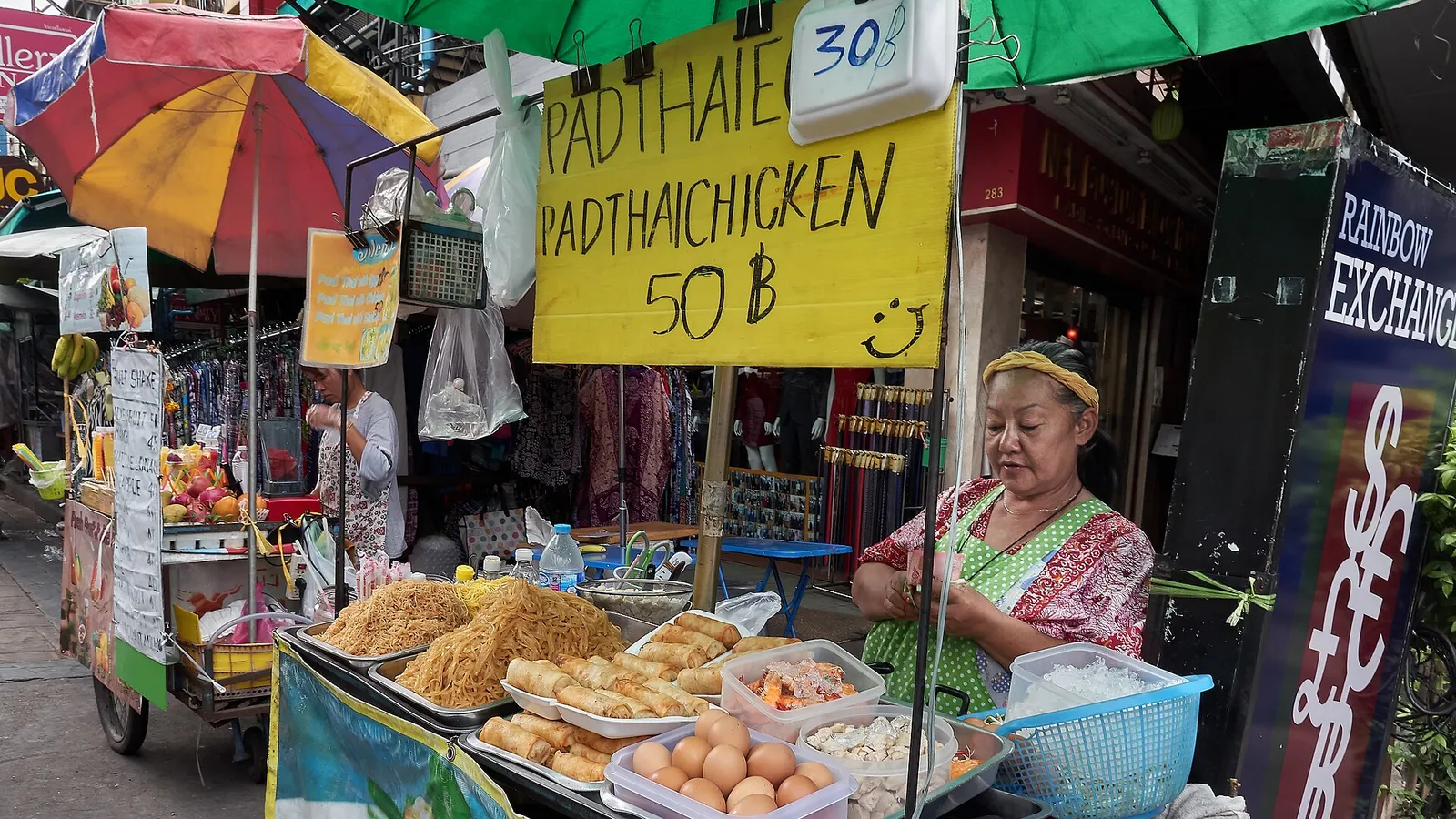
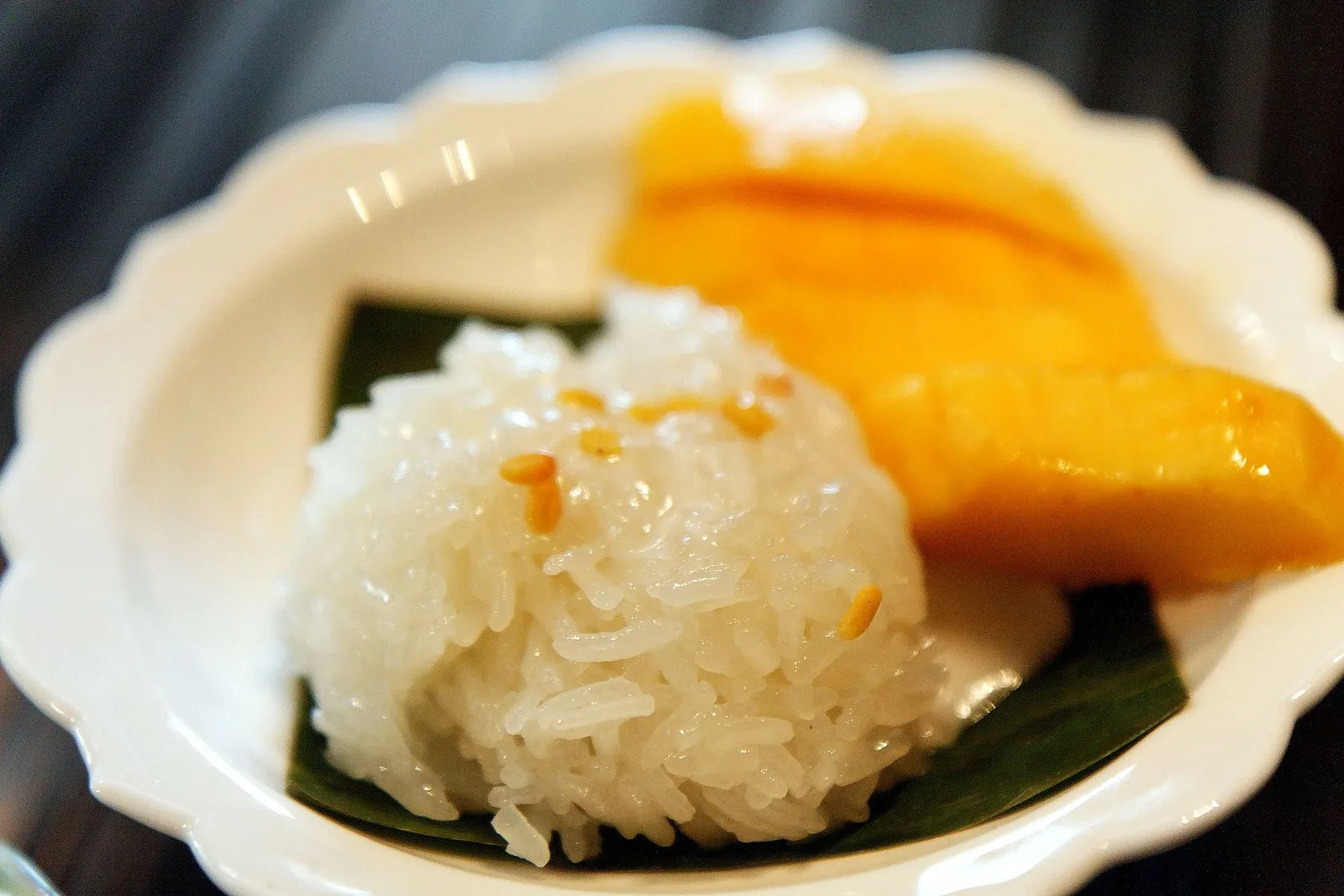
Work through the classics and you will eat brilliantly. Pad thai, stir-fried noodles with egg, peanuts and lime, is the friendly gateway. Green, red and massaman curries show off the coconut-and-herb heart of the cuisine, massaman being the mild, almost sweet one. Tom yum goong, a hot and sour prawn soup, is electric with lemongrass and chilli. Som tam, pounded green papaya salad, brings the heat, and mango sticky rice cools you back down. Keep going and you will never repeat a meal.
Eat regional
Thai food changes as you travel, so order what is local. In the north around Chiang Mai, do not leave without khao soi, a golden coconut curry noodle soup crowned with crispy noodles, one of the country’s great bowls. In the northeast (Isan), it is grilled meats, sticky rice and fierce papaya salad. In the south, curries turn richer and hotter, and the seafood is superb. The regional split is worth planning around, because it is the difference between eating the same three dishes for a fortnight and eating a different country every few days.
| Region | The character | Order this |
|---|---|---|
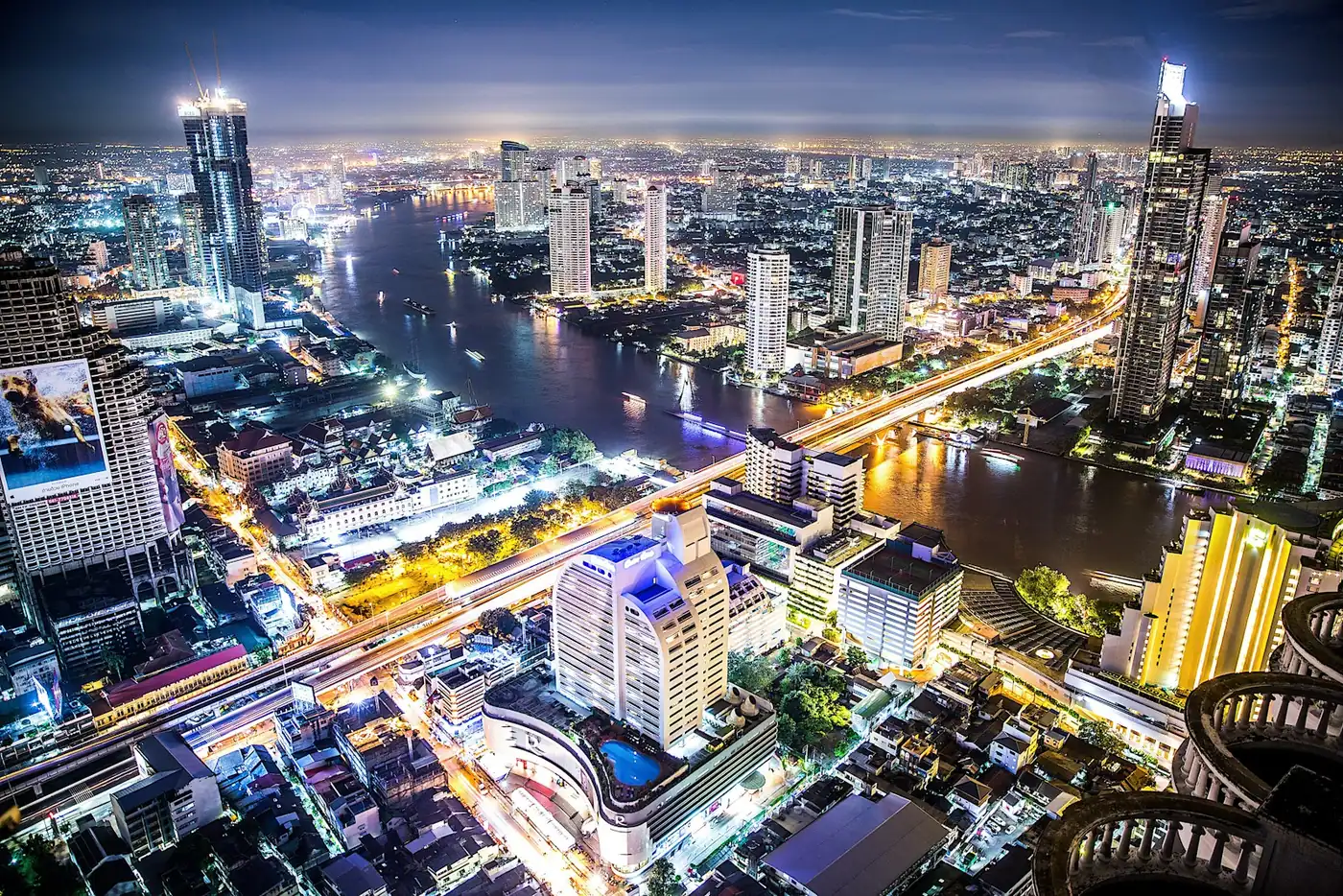
| Bangkok and the centre | The full national repertoire, best street food | Pad thai, boat noodles, curries |
| The north | Milder, herbal, Burmese and Chinese influence | Khao soi, sai ua sausage, nam prik dips |
| The northeast | Fierce, sour, grilled, sticky rice with everything | Som tam, larb, grilled chicken |
| The south | Richest and hottest curries, superb seafood | Massaman, southern yellow curry, grilled fish |
Where to eat: start on the street
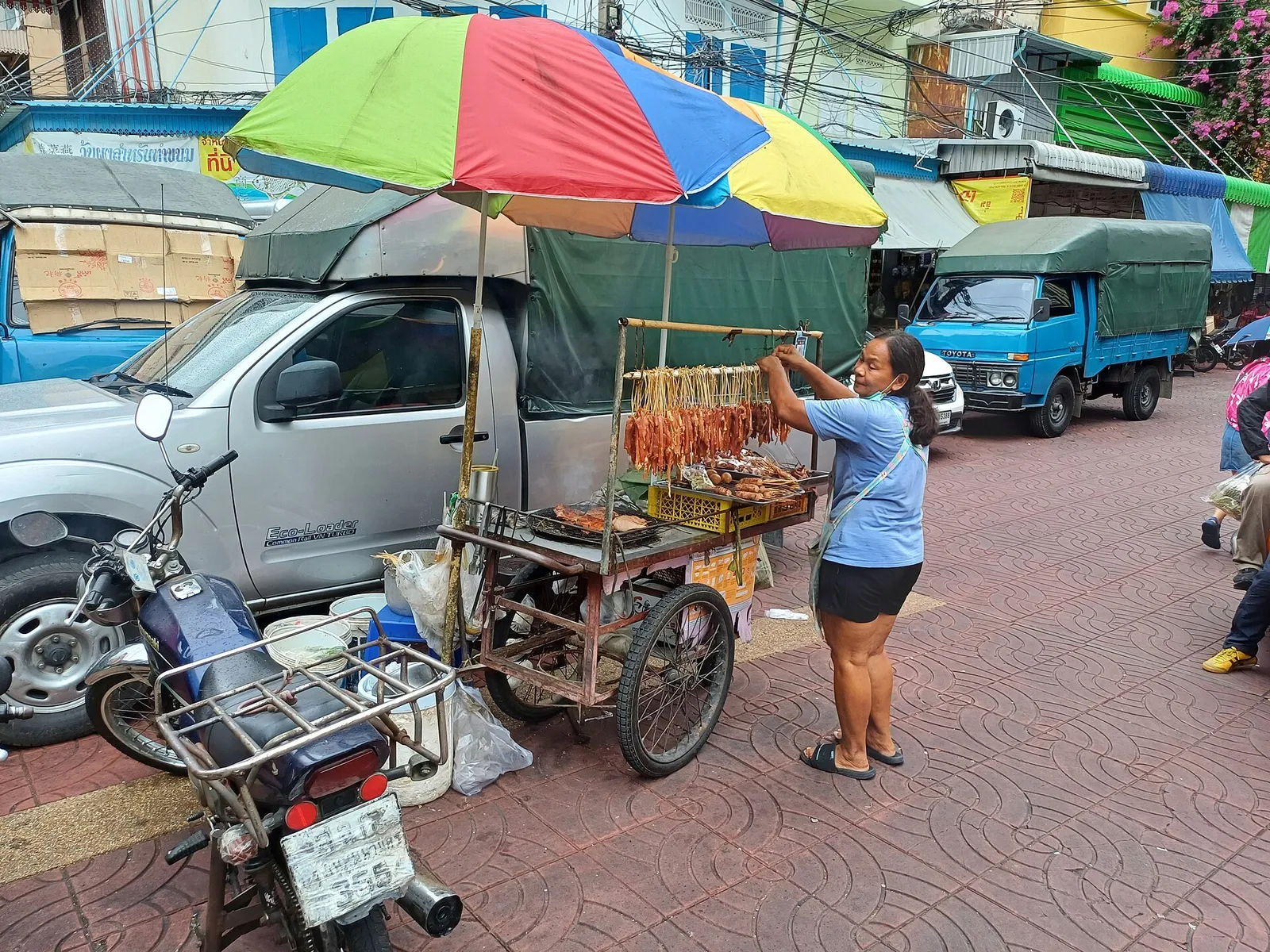
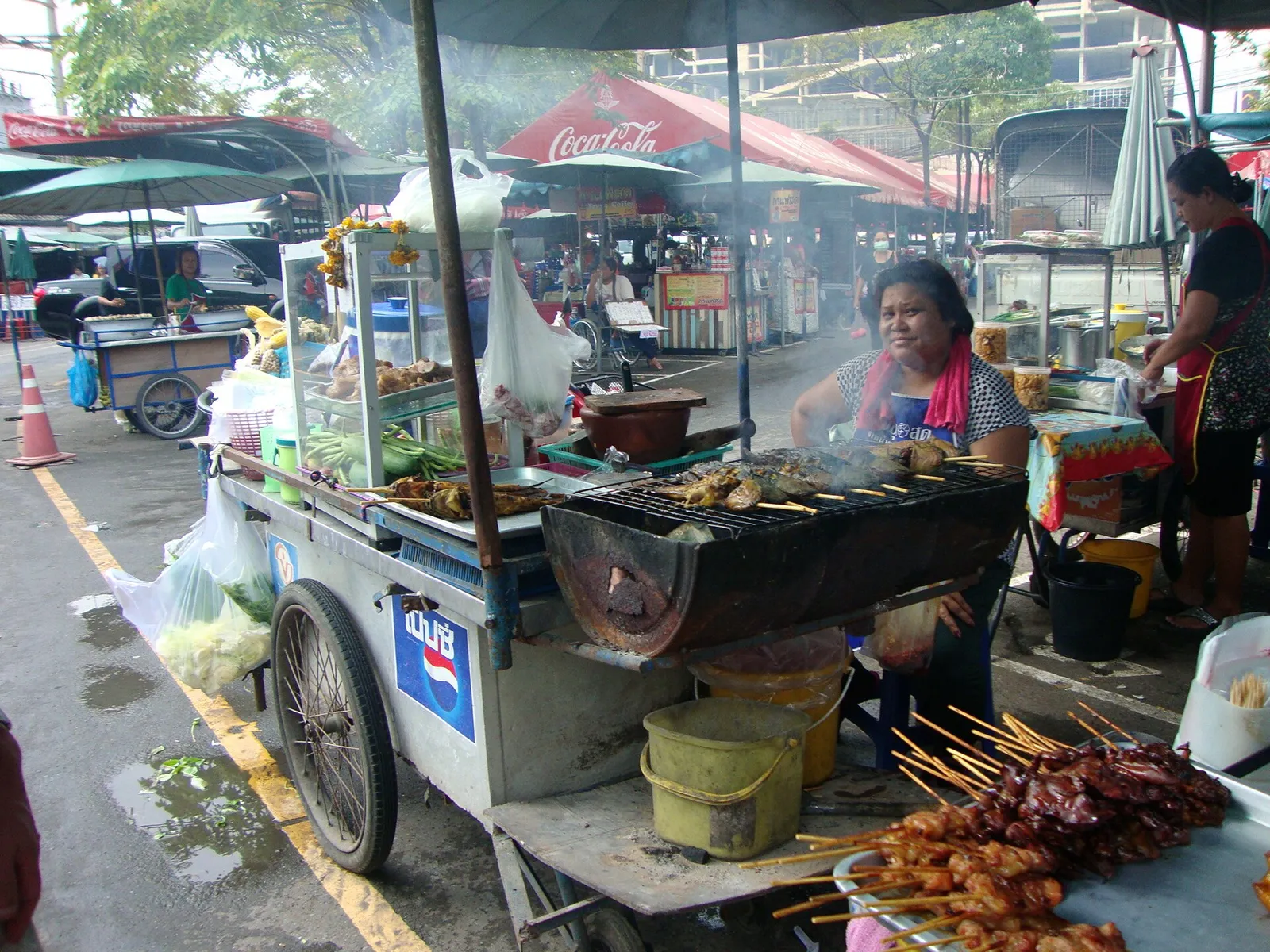
Thailand’s soul lives at the street stall, and the best food in the country is often the cheapest. The rule is simple: follow the crowds. A stall with a queue of locals, a wok roaring and high turnover is fresh, delicious and safe. Grab a plastic stool, point at what looks good, and dig in. Night markets take this to another level, dozens of stalls under fairy lights, ideal for grazing your way through dinner one skewer and bowl at a time.
Take a guided street-food crawlA local guide unlocks the stalls and dishes you would walk right pastThe night markets
The night market is the beating heart of an evening in almost every Thai town. Chiang Mai’s markets, Bangkok’s Chinatown, and the island bazaars all deliver the same joy: cheap, varied, brilliant food eaten shoulder to shoulder with locals. Come hungry, bring cash, and pace yourself, because the temptation is to order one of everything. Fresh fruit shakes, grilled satay, curries ladled over rice, and roti pancakes for dessert are the reliable stars.
Beyond the classics
Once the famous dishes are ticked off, four more repay curiosity. Boat noodles are a small, intense bowl of dark broth, ordered several at a time and stacked up as you go. Larb is a minced meat salad with herbs, lime and toasted rice powder, and it is the northeastern dish that converts people. Khanom jeen is fermented rice noodles served with a choice of curries and a table of herbs you add yourself. And nam prik, a chilli relish eaten with raw and steamed vegetables, is the most everyday Thai food there is and almost never appears on a tourist menu.
For drinks, look past the beer. Cha yen, the orange iced tea, is a national habit, fresh fruit shakes are everywhere and cost almost nothing, and coconut water straight from the coconut is the best thing in the world at two in the afternoon.
How spicy, and how to order it
Thai spice is real, but you are in charge. Say “mai phet” for not spicy, “phet nit noi” for a little spicy, and “phet” if you want the full experience. Cooks are used to adjusting and rarely take offence. If a dish arrives too fiery, plain rice, a cold drink or a spoonful of the sweeter curries will calm your mouth faster than water. For anyone eating vegetarian, the word is “jay”, and the yellow jay flags mark stalls that cater to it.
A little etiquette
Thais eat with a fork and spoon, the fork used to push food onto the spoon, which does the eating, and chopsticks mostly for noodle soups. Food is usually shared family style, so take a little at a time onto your own rice plate rather than piling up. A smile, a “khop khun” (thank you), and a willingness to try anything will earn you warm service and often an extra recommendation. Do not drink the tap water, and you are set to eat your way happily across the country.
Eating with dietary requirements
Thailand is easier than most of Asia and needs one specific piece of vocabulary. For strict vegetarian or vegan eating, the word is jay, a Buddhist practice that excludes meat, seafood, egg and dairy, marked by yellow flags at stalls; saying it is far more effective than describing a diet. The trap otherwise is invisible: fish sauce and shrimp paste run through curry pastes, som tam and much else that looks plant-based.
Gluten free is manageable, since rice and rice noodles dominate, though soy sauce appears in stir-fries and fried items share oil. For nut allergies, take real care: peanut is common in satay sauce, pad thai and many dressings, and separation in a wok kitchen cannot be relied on. In every case, a written card in Thai works far better than a conversation in English.
Eating well without getting ill
Most visitors eat street food throughout a trip and are perfectly fine, and the habits that keep it that way are simple. Eat where there is turnover and a queue, prefer things cooked to order in front of you, and be more cautious with dishes sitting warm in a tray for hours or with raw seafood at the cheapest stalls.
The water rule is the firm one: do not drink the tap water, use bottled or filtered, and be a little wary of ice at the smallest roadside stalls, though commercially produced ice in tourist areas is generally fine. Wash or sanitise your hands before eating with them, since a great deal of Thai food is finger food. If something does go wrong it is usually a rough day rather than a medical event, and pharmacies here are excellent, well stocked and used to the question. Our guide to emergency numbers in Thailand covers what to do if it turns into something more.
Two practical things before you fly
Two pieces of admin sit either side of the eating. The first is entry, since the rules for Thailand differ by passport and have changed more than once recently; our Thailand visa and entry guide sets out what applies to yours, including how long you are allowed to stay.
The second is the comparison everyone makes, usually with Vietnam, and food is frequently the deciding factor. The two cuisines are genuinely different in character rather than in quality: Thai food is bolder, sweeter and hotter, Vietnamese is fresher, lighter and more herb-driven. Our comparison of Thailand and Vietnam weighs the whole trip, from cost to beaches to how much ground each covers.
What eating actually costs
Thailand is one of the few places where the cheapest food is also the best, which makes budgeting unusually pleasant. A plate of noodles or rice with something on top at a street stall or market is the base level, a casual local restaurant with a menu and air conditioning sits above it, and a riverside or hotel restaurant aimed at visitors sits well above that again. All three can be excellent, and only one of them is expensive.
Prices differ by place more than by dish: the same bowl costs noticeably more on a small island than in a Bangkok side street, and beach-front seating carries its own premium. Treat every number you read online, including ours, as a rough range rather than a price list, and look at the board or ask before ordering at anywhere that does not display prices.
Two habits save real money without costing you a single good meal. Carry cash in small notes, because stalls rarely take cards and rarely have change for large bills. And eat lunch where the office workers eat, since the midday trade is where the cooking is fastest, freshest and most competitively priced.
The short version
Order pad thai, the curries, tom yum and som tam to start, then eat regional as you travel, khao soi in the north above all. Follow the crowds to busy street stalls, graze the night markets after dark, tune the spice to your taste, and take a cooking class so you can bring the flavours home. Do that, and Thailand will feed you as well as anywhere on earth.
If eating is the reason for the trip, the route can be built around it. Our five days eating through Thailand covers the markets, the street food and where a cooking class fits.