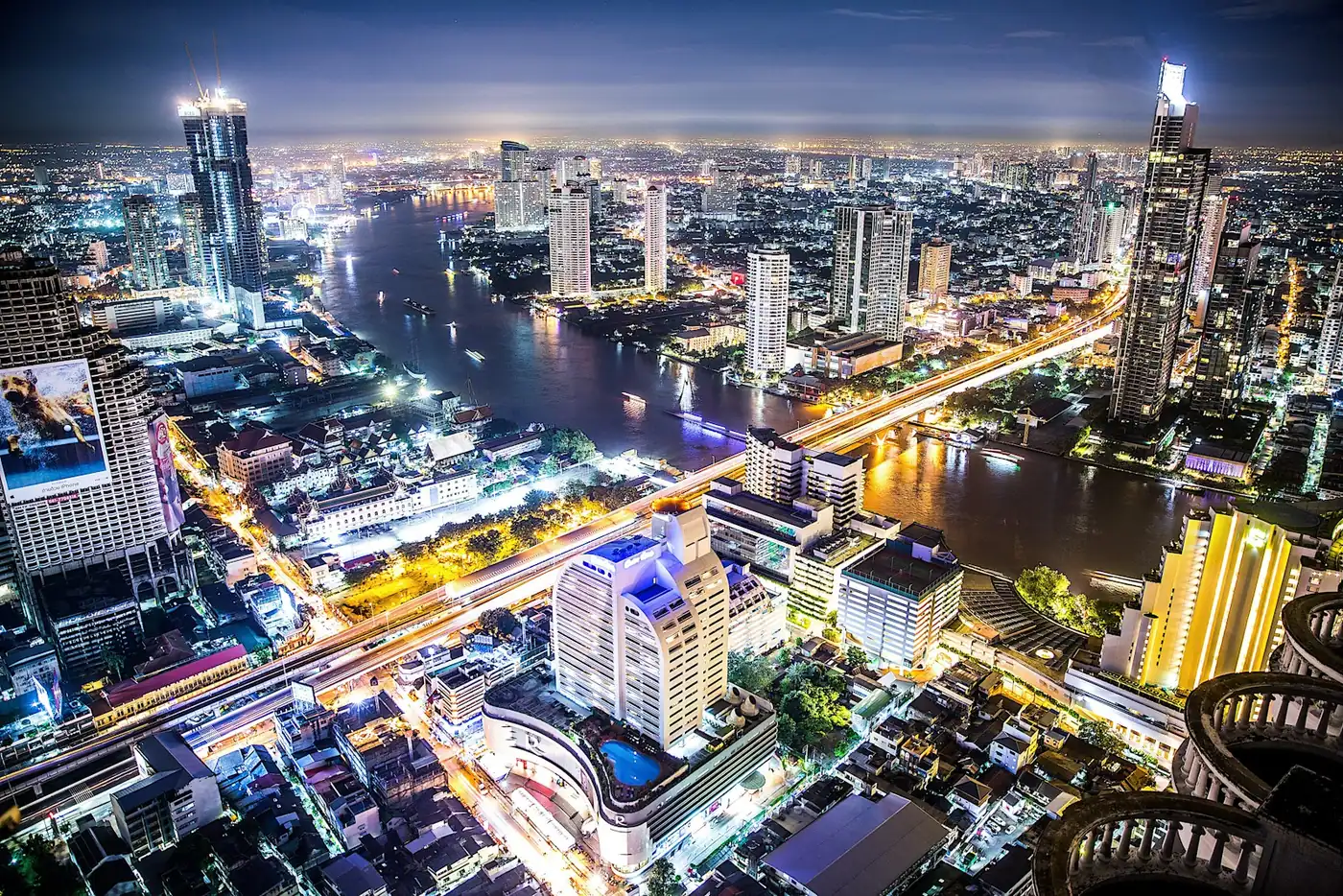
Bangkok’s street food gets all the attention and it is only one tier of a very deep eating city. Above the pavement there are shophouse kitchens doing a single curry for forty years, old Chinese-Thai family restaurants with dishes you will not see anywhere else, regional specialists cooking food from the northeast or the south at a heat level that will surprise you, and a high-end scene priced well below its equivalents abroad. This is a guide to those tiers, and to ordering in a way that produces a Thai meal rather than four separate ones.
The tiers
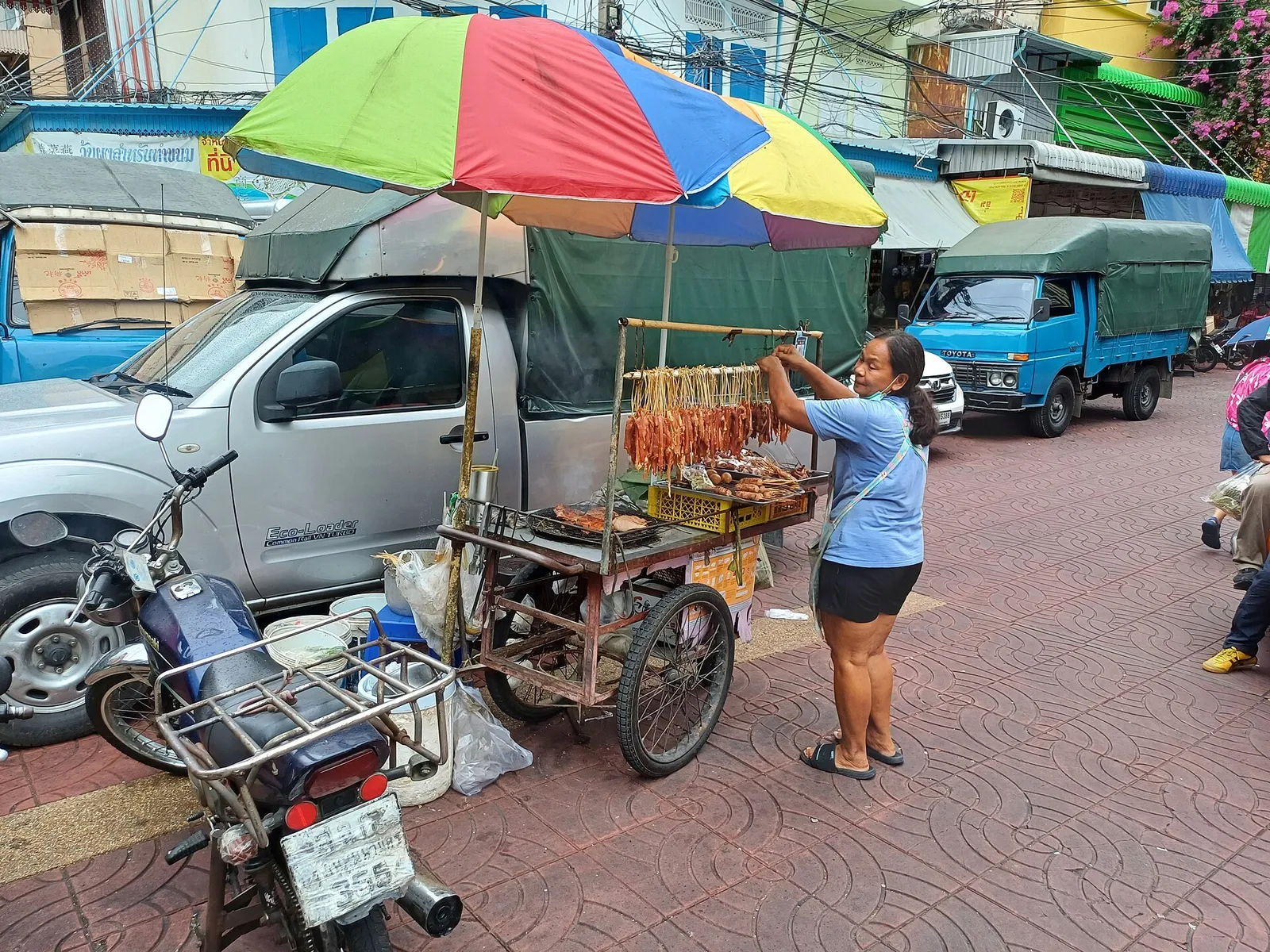
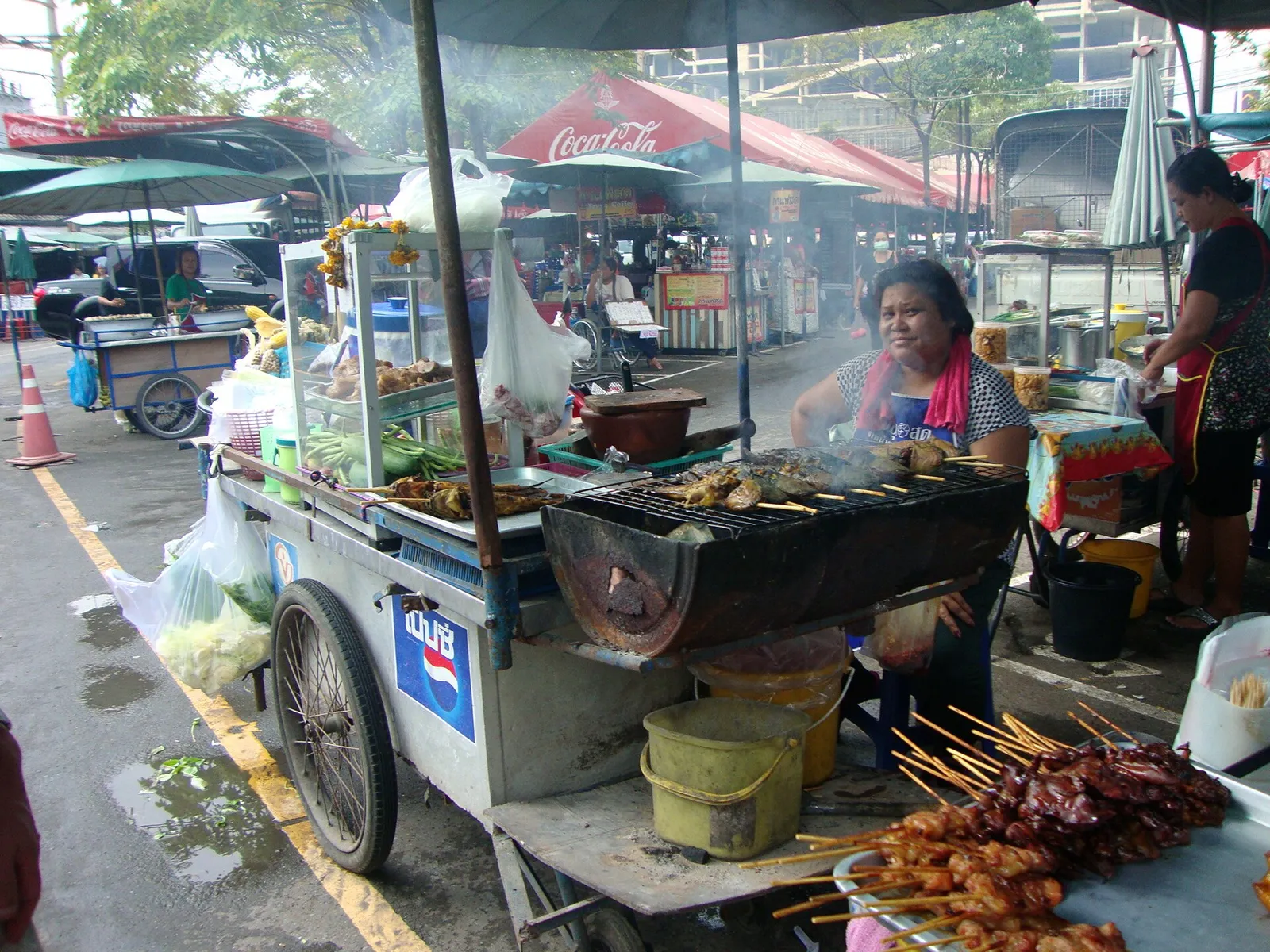
Street stalls. One dish, done thousands of times, eaten standing or at a plastic table. Cheap, superb, and a whole subject of their own.
Shophouse restaurants. A room open to the street with a wok line at the front, a laminated menu and fans. This is where most of the city eats and where most of the best value is.
Old Chinese-Thai family places. Frequently in the older riverside and Chinatown districts, decades old, specialising in a handful of dishes and doing them better than anywhere.
Regional specialists. Northeastern grilled meat and papaya salad, southern curries at a genuinely serious heat, northern sausage and dips. These are cuisines rather than variations.
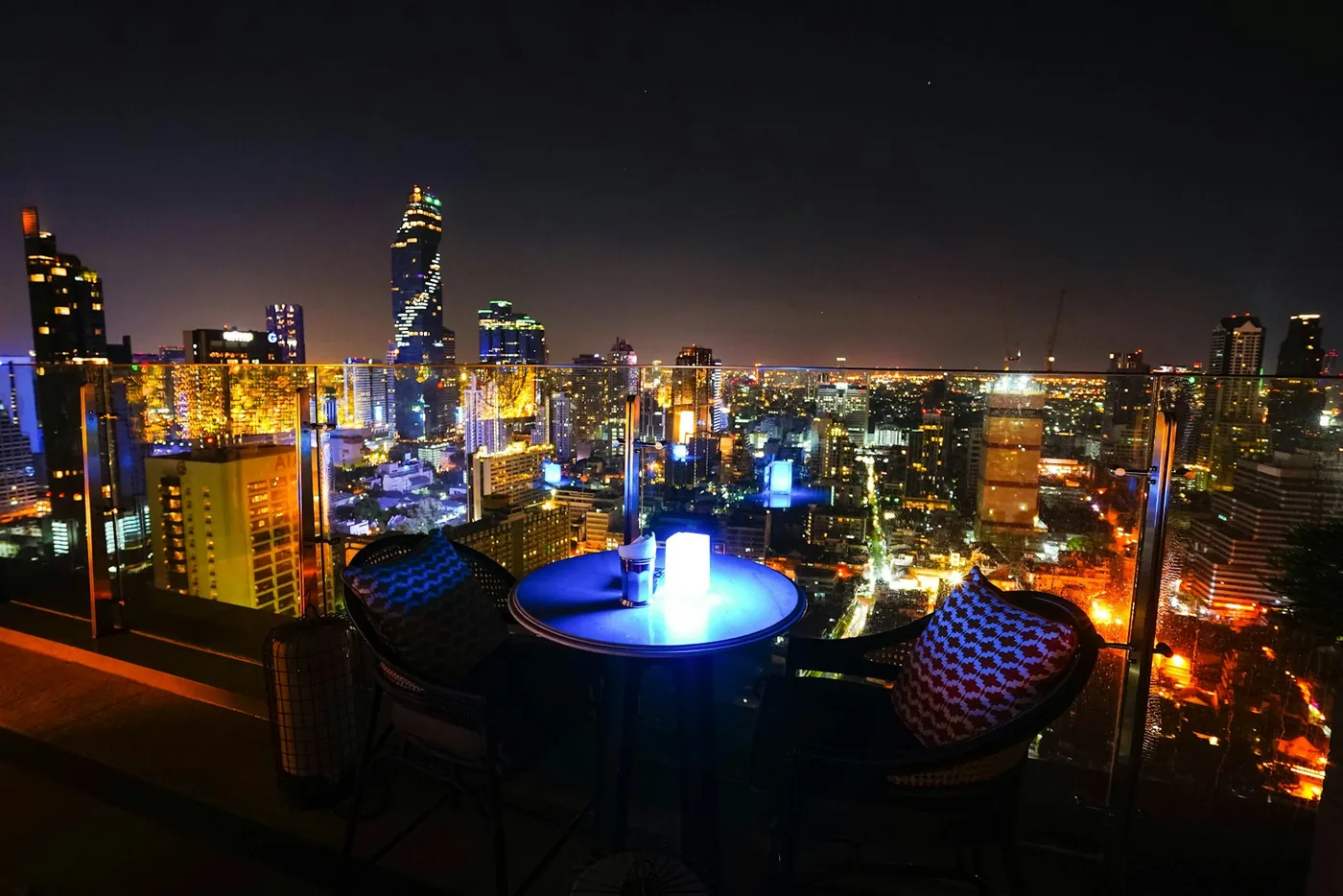
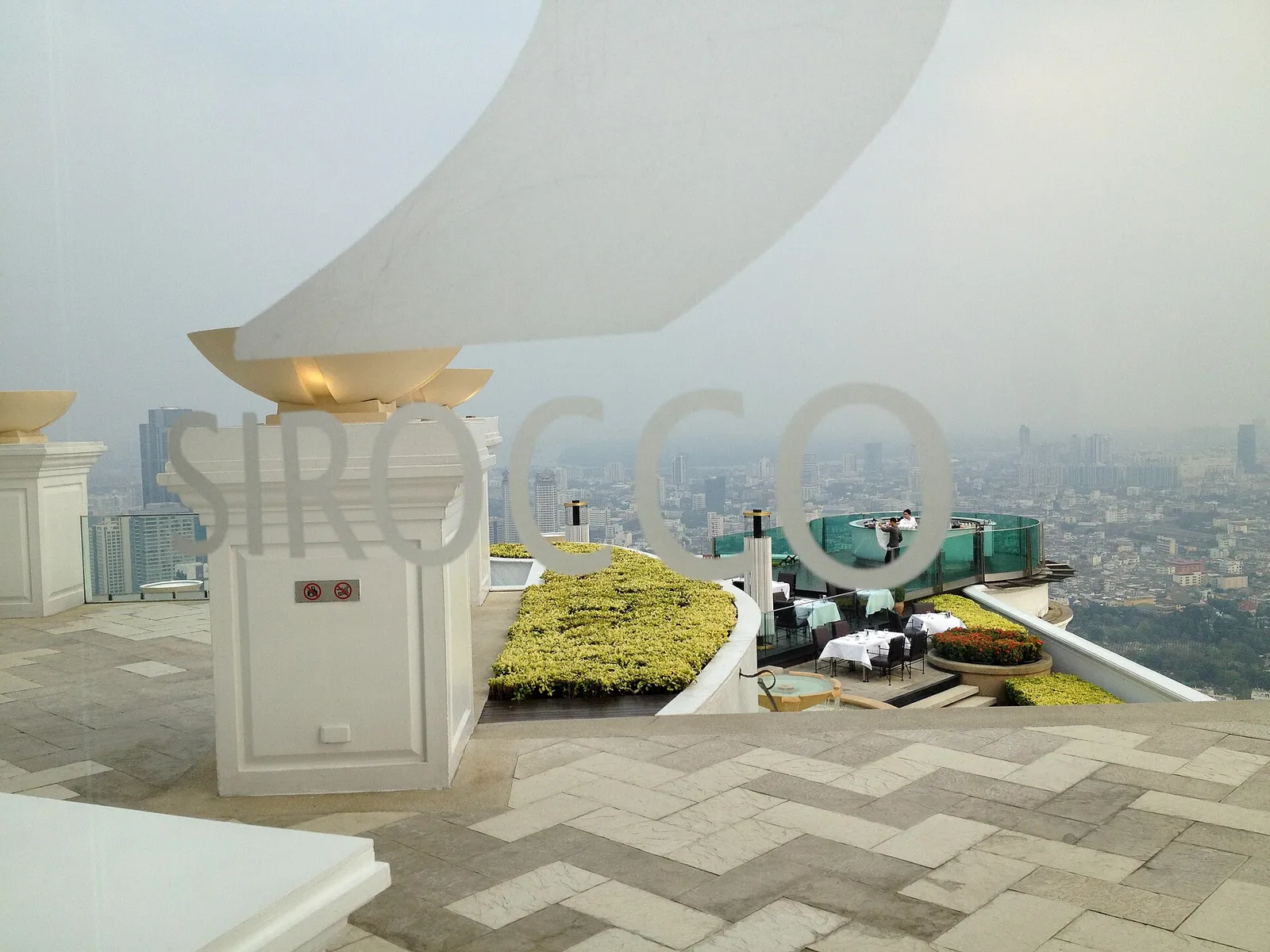
Dining rooms and rooftops. Modern Thai kitchens, hotel restaurants and rooftop bars with a view, which are priced below the international equivalent and are worth one evening.
Ordering properly
Order for the table, not per person, and share everything.
Balance the dishes. A working Thai order has one curry, one stir fry, one sour or fresh salad, something grilled or fried, and rice. Four curries is not a meal.
Rice is the centre, not a side. Everything else is what goes on the rice.
Dishes arrive as they are ready, not in courses, and that is not a mistake.
Share serving spoons, take small amounts onto your own plate, and eat with a spoon in the right hand and a fork in the left to push. Chopsticks are for noodles.
Where to look
Chinatown after dark, which is one of the great eating streets in Asia and shifts entirely between its daytime and night versions.
The older riverside districts, where the family restaurants are and where the city was before it moved east.
Residential neighbourhoods along the transit lines, one or two stops past where visitors get off, which is where the shophouse restaurants are.
Shopping centre food courts, which sounds wrong and is not: Bangkok’s mall food halls are clean, cheap, air-conditioned and genuinely good, and locals use them constantly.
Markets at lunchtime, where the office crowd eats.
Anywhere with a queue of Thai people, which remains the most reliable signal in the city.
Dishes worth seeking out in a restaurant
These are the ones that need a kitchen rather than a stall.
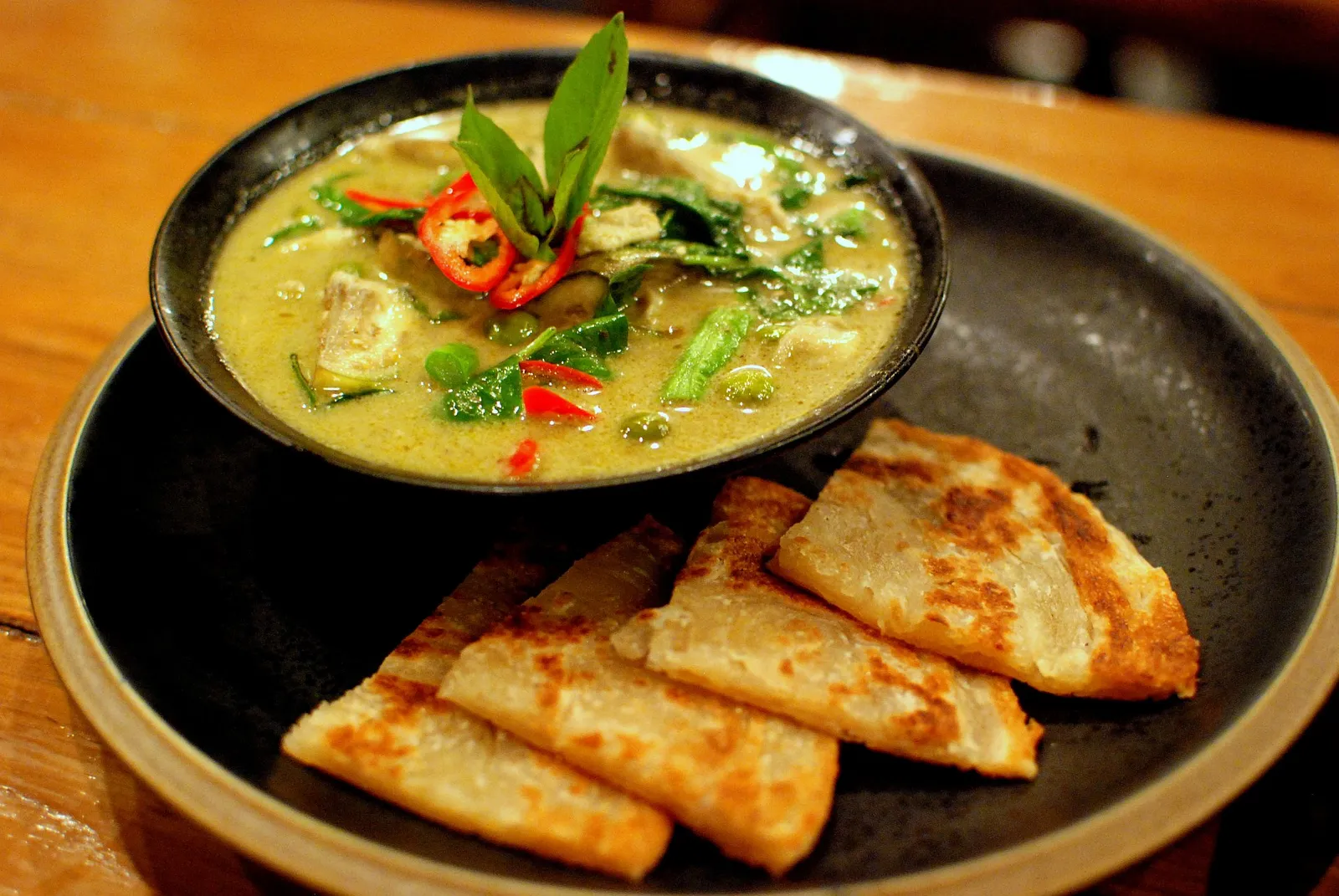
A proper curry made from a paste pounded in-house, which tastes almost nothing like the version elsewhere.
Whole fish, steamed with lime and chilli or fried with herbs, which is a table dish and one of the best things in the country.
Southern dishes, hotter and more turmeric-heavy than central Thai food, at a specialist.
Northeastern grilled meat with sticky rice and papaya salad, eaten with your hands.
Crab omelette and other Chinese-Thai classics from the old family restaurants.
Regional desserts, which are not an afterthought here.
Practical notes
Cash and cards are both widely accepted, and the smallest shophouses may be cash only.
Air conditioning is not the marker of quality, and frequently the opposite.
Lunch is the cheap meal and the set plates at midday are excellent value.
Book the well-known places well ahead, and simply turn up everywhere else.
Tap water is not for drinking, and bottled and filtered water is everywhere and cheap.
Where this fits
For what Thai food actually is, region by region, and the dishes worth knowing before you arrive, our Thai food guide is the place to start.
For the pavement tier, the stalls and the markets, our guide to Bangkok street food covers what to eat standing up.
And for what happens after dinner, from the rooftops to the night markets and the areas worth an evening, our guide to Bangkok nightlife covers the rest of the night.
The short version
Eat across the tiers rather than choosing one: stalls for a single dish done perfectly, shophouses for everyday value, old family restaurants for the dishes nobody else makes, regional specialists for the food of the northeast and the south, and one rooftop or dining room for an evening. Order for the table with rice at the centre and a balance of curry, stir fry, something sour and something grilled. Go one or two transit stops past where visitors get off. Use the mall food courts without embarrassment. And build up to the local chilli level rather than starting there.