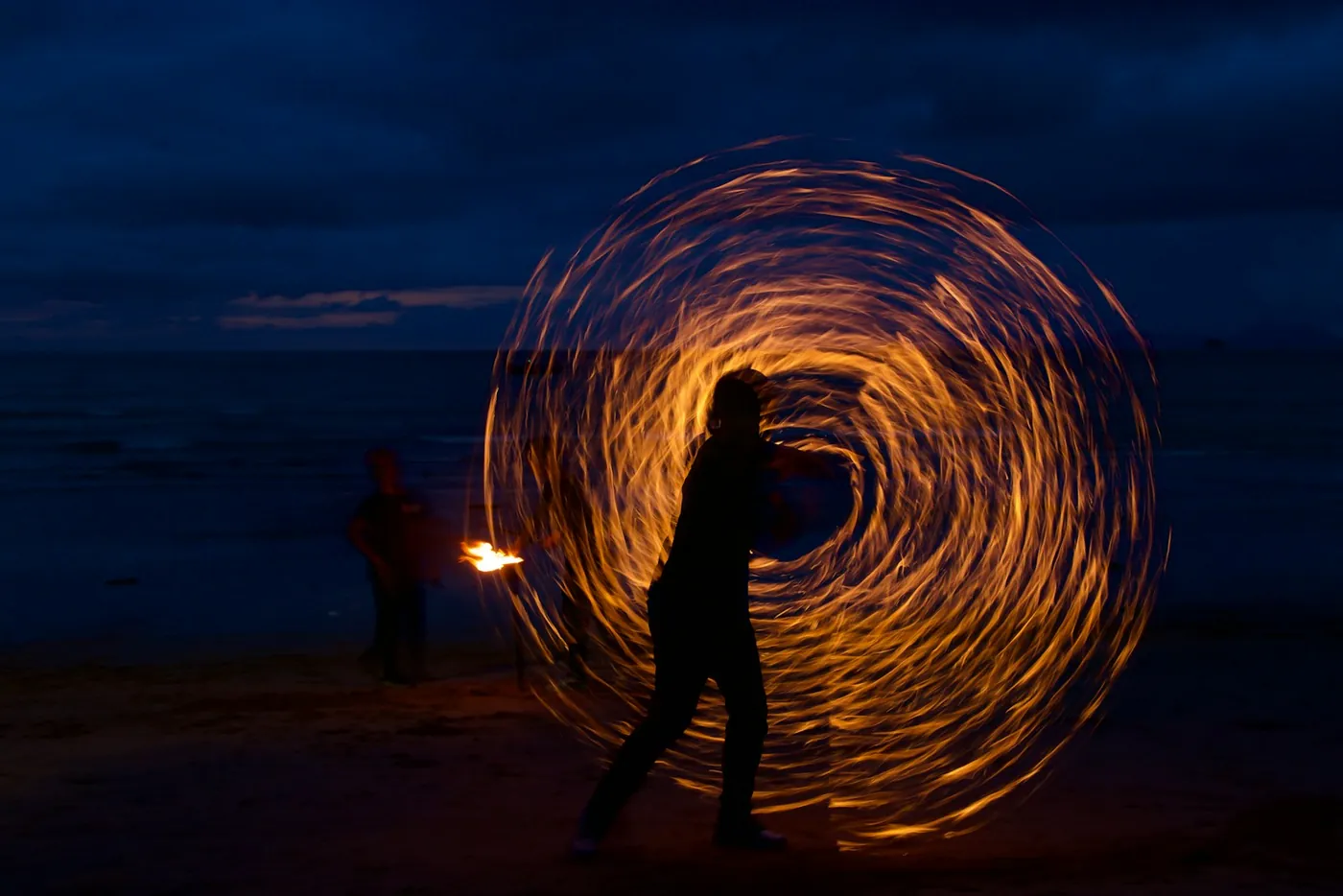
Bangkok’s nightlife reputation precedes it and describes about five percent of what is actually available. The rest is a genuinely excellent cocktail scene, rooftops with views over a skyline that goes on forever, night markets full of Thai families, craft beer bars, live music and street food that runs until dawn. You can have a superb night here and never go near the thing the city is famous for. Here is that version.
The kinds of night available
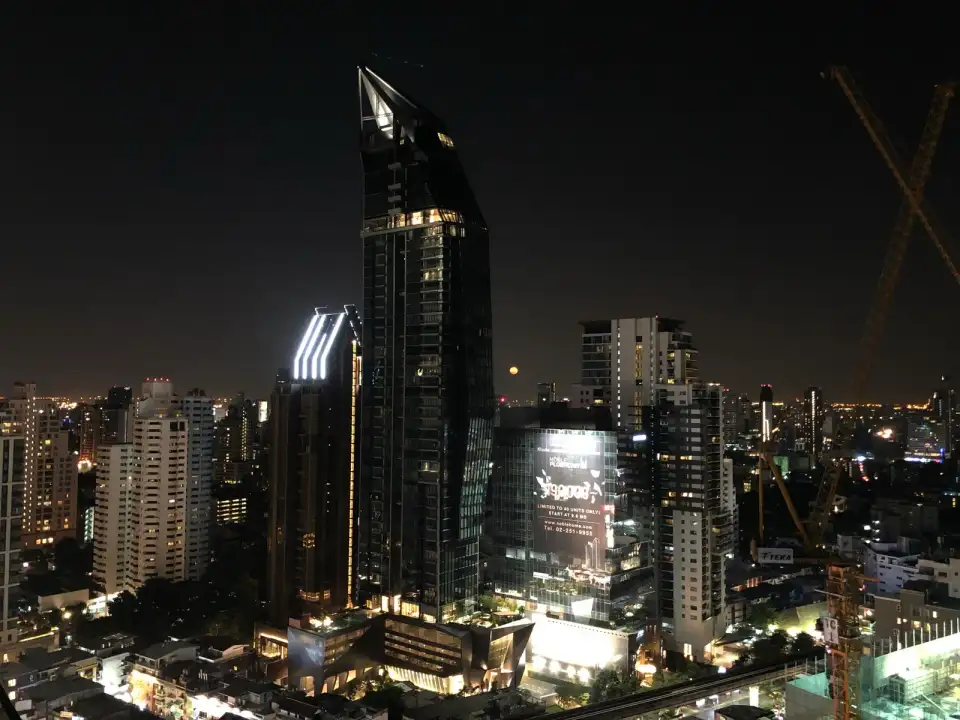
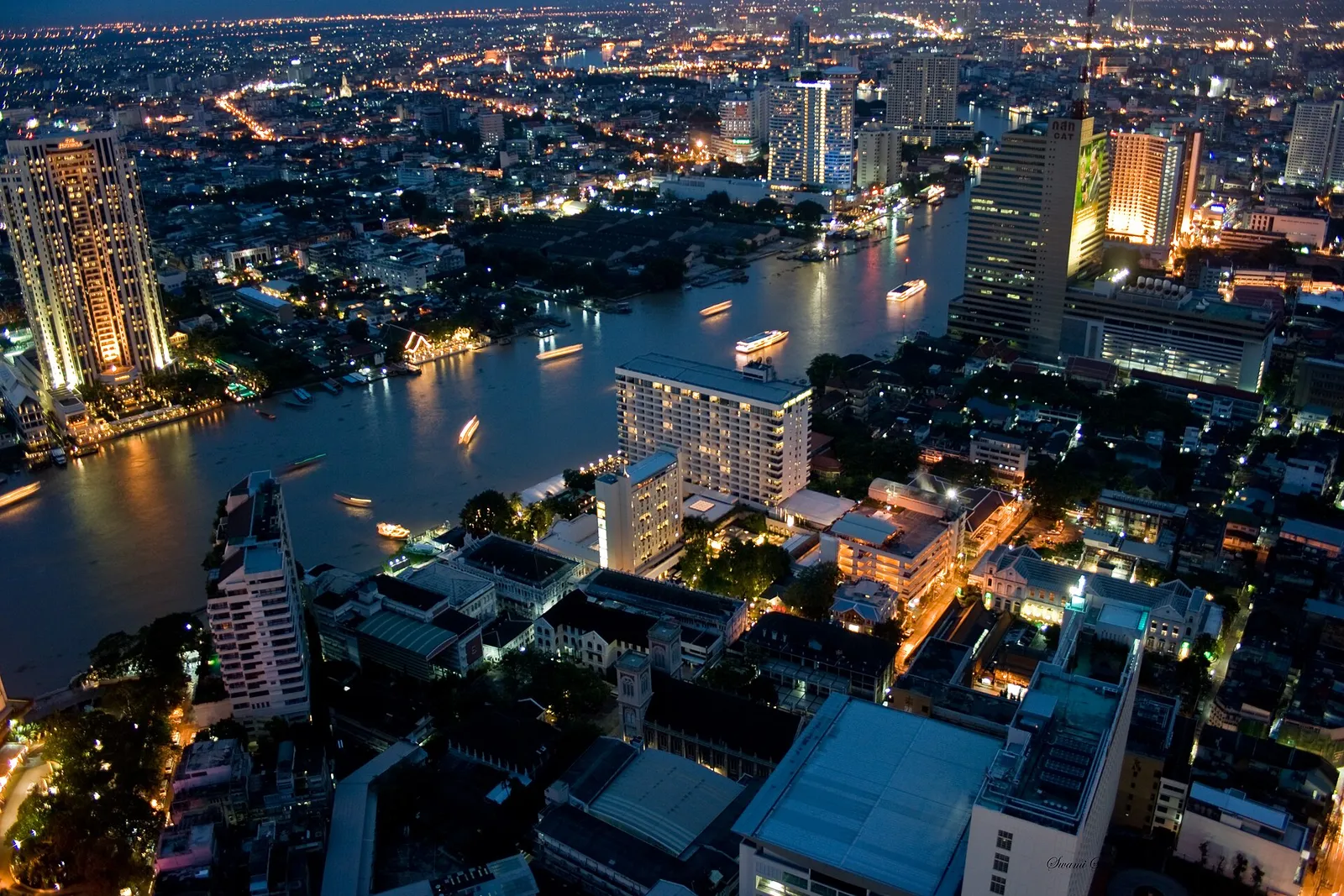
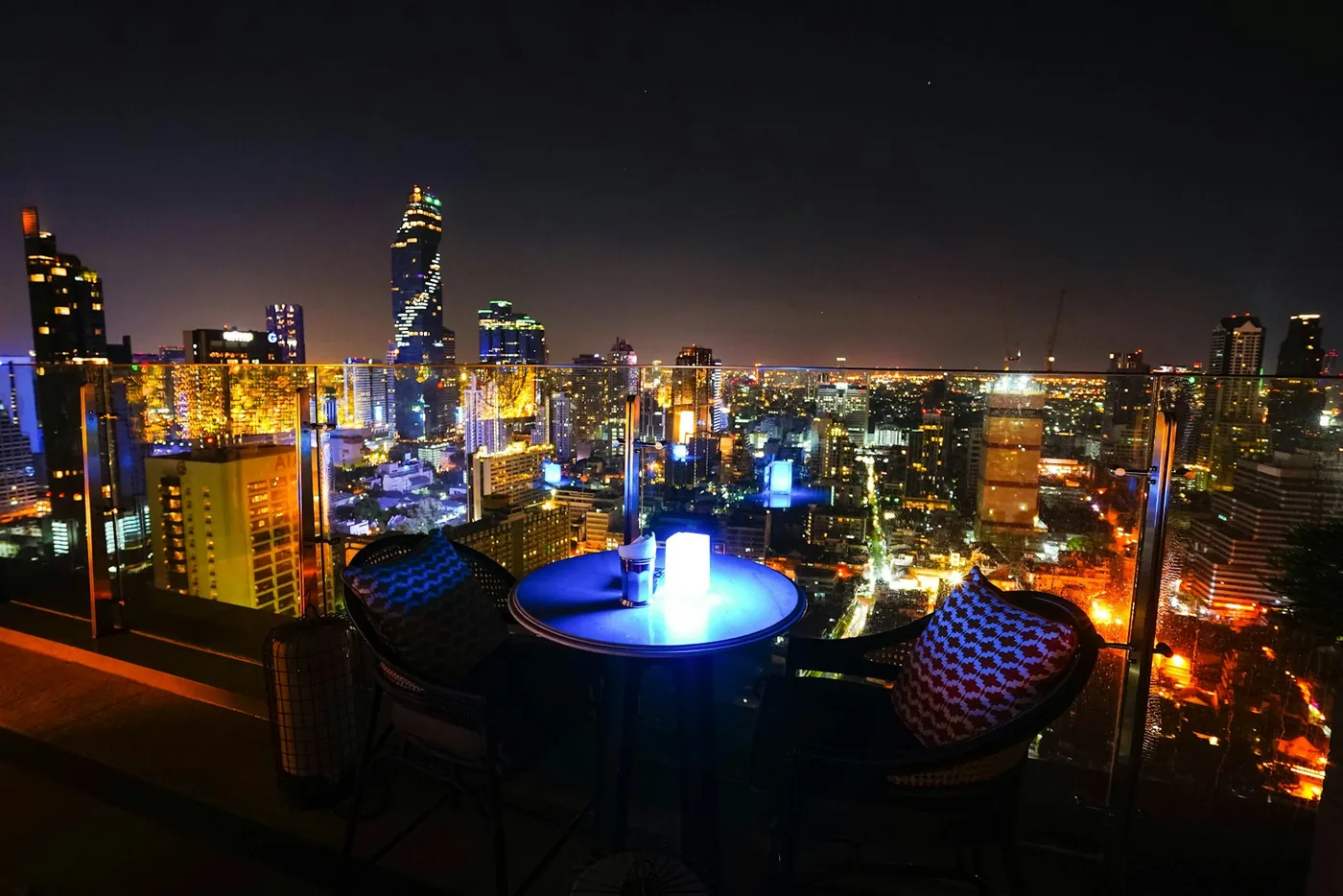
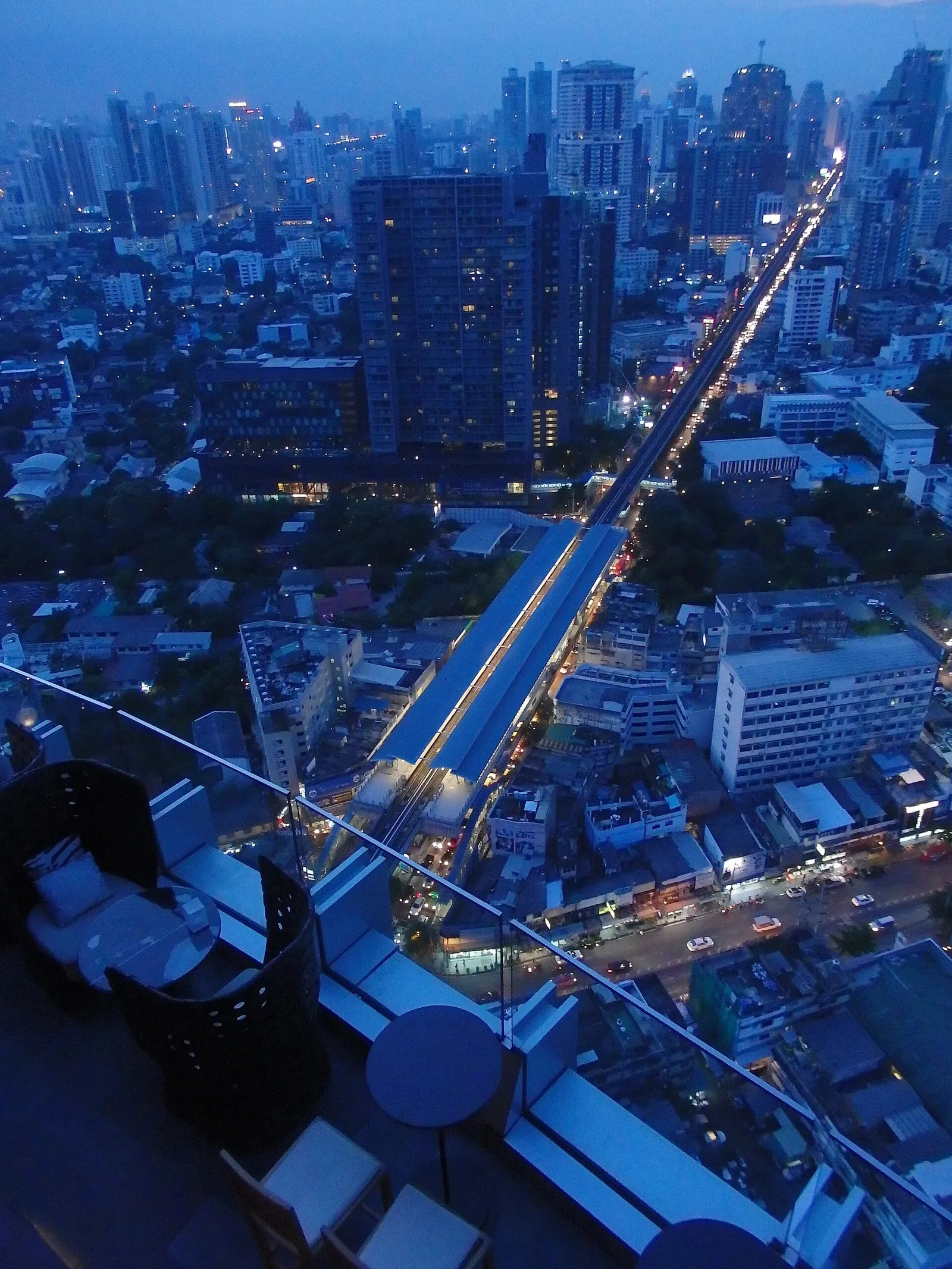
Rooftops. Bangkok has more high bars than almost any city, and the good ones deliver a genuinely extraordinary view of a skyline that stretches to the horizon. They are expensive by Thai standards and cheap by the standards of the same view anywhere else.
Cocktail bars. The city has developed one of Asia’s strongest cocktail scenes, with small, serious, award-winning bars tucked into shophouses and side streets.
Craft beer. A real and growing scene, concentrated in a few districts, and a relief in a country of light lager.
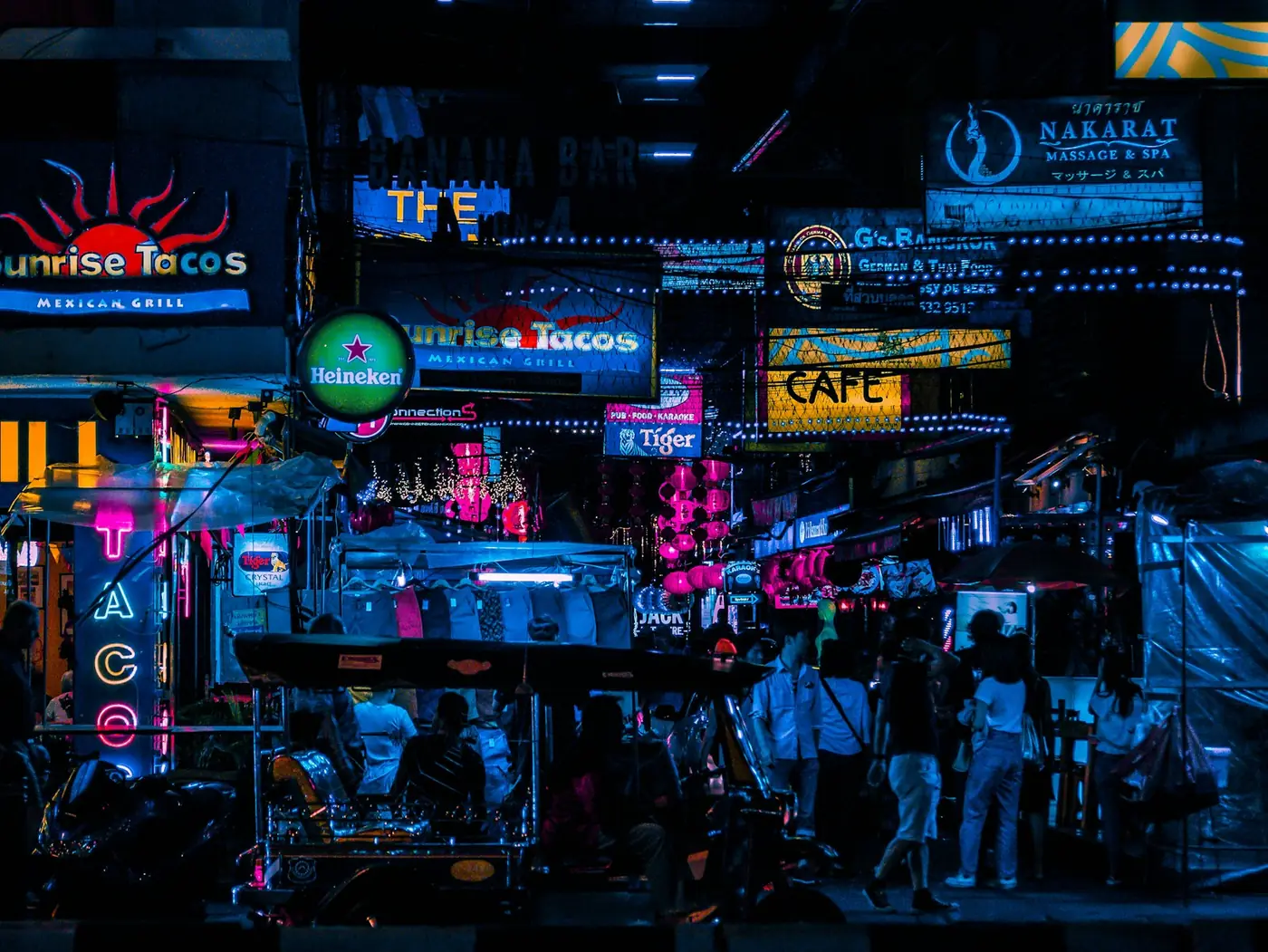
Night markets. Outdoor spaces combining food, drink, live music and shopping, popular with Thais, cheap and easy.
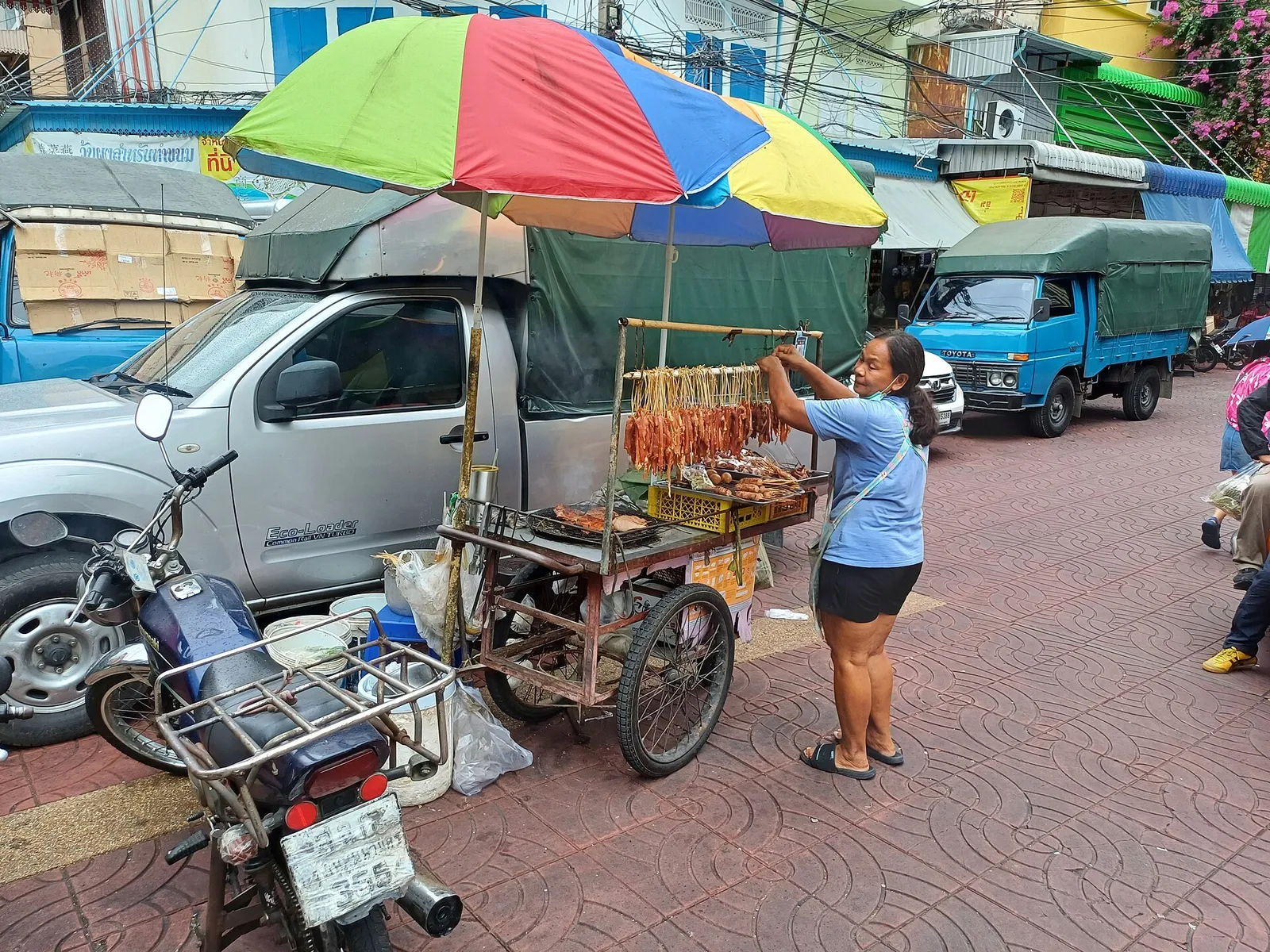
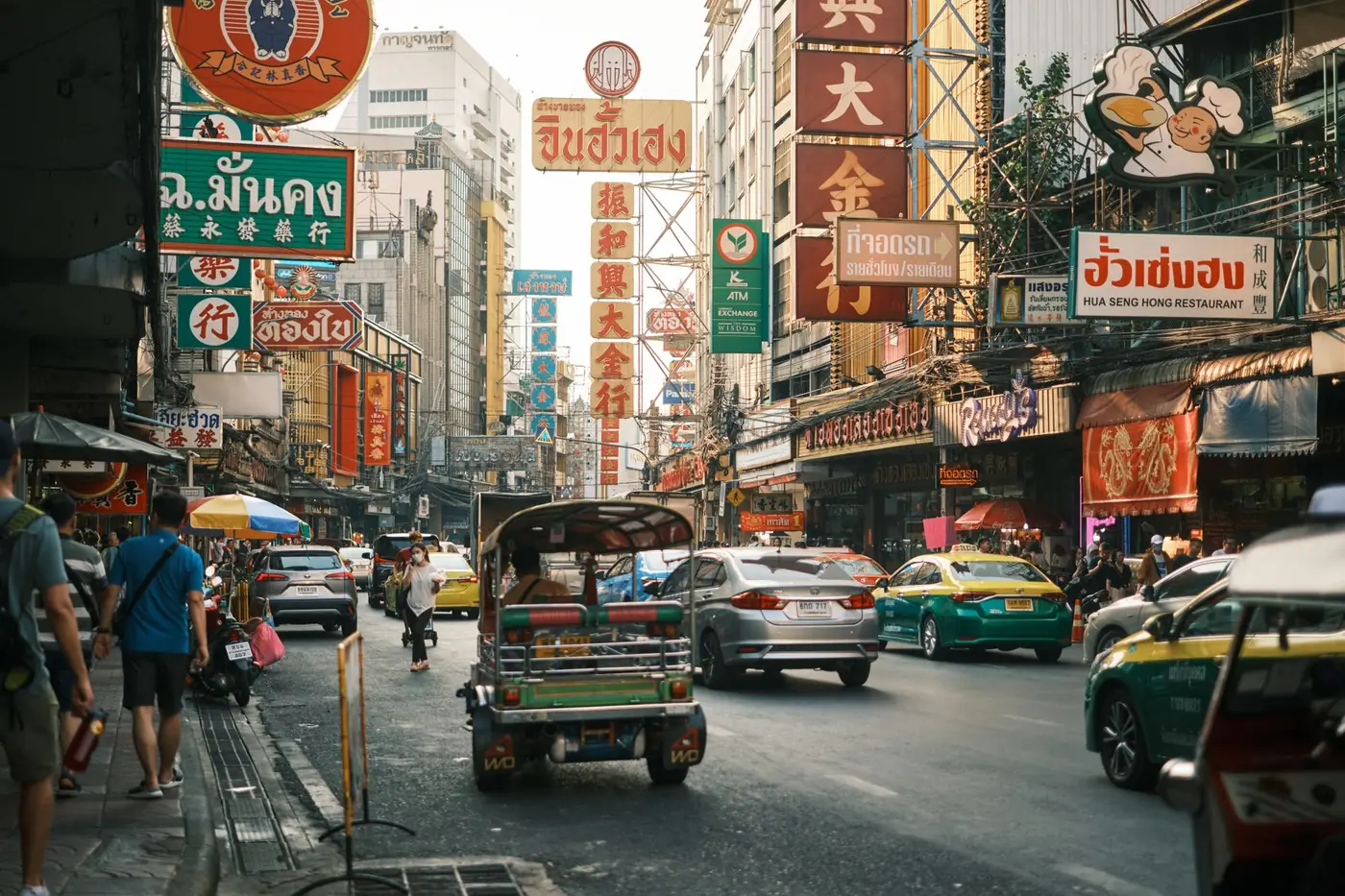
Chinatown after dark, which is a food event rather than a drinking one and is one of the best evenings in the city. Our guide to Bangkok street food covers what to eat there.
Live music, from long-established jazz rooms to Thai indie venues.
Rooftops, and the lift rule
The famous high bars have a specific set of rules that catch visitors out.
Dress codes are enforced at the lift, not at the bar. For men that typically means no shorts, no vests and closed shoes; for women there is more latitude. This is applied politely and firmly and there is no arguing it.
Some require a reservation, particularly at sunset.
Sunset is the hour and it is when they fill, so arriving before it is the difference between a table at the rail and a spot at the back.
Prices are high by local standards. A single drink at a famous rooftop can cost what an entire street food dinner costs. That is a fair trade once, and an expensive habit.
There are cheaper rooftops with nearly the same view and none of the dress code, which is worth knowing.
Night markets
The most relaxed and most local of the options, and the one visitors most often skip.
They combine everything: food stalls, bars in converted vehicles, live bands, and rows of stalls selling clothes and curiosities.
They are outdoors and therefore weather-dependent, which matters in the wet season.
They are popular with Thais rather than being a visitor product, which is what makes them enjoyable.
They come and go. Sites get redeveloped and markets relocate or close, so check what is currently running rather than trusting an old list.
Practical notes
Getting home is a ride app, since the trains stop before the night does and the app fixes the fare in advance. Our guide to getting around Bangkok covers why that matters more here than in most cities.
Licensing hours vary by district and change, which is one of the areas where any written guidance ages fast. Ask locally.
Watch the bill in unfamiliar venues on the tourist strips specifically, where the gap between the advertised price and the total is the oldest complaint in the city.
Dress for the heat and the door. A shirt in the bag solves the rooftop problem.
Cash for the markets, cards in the bars.
Where to base yourself
The useful advice here is not a district but a criterion.
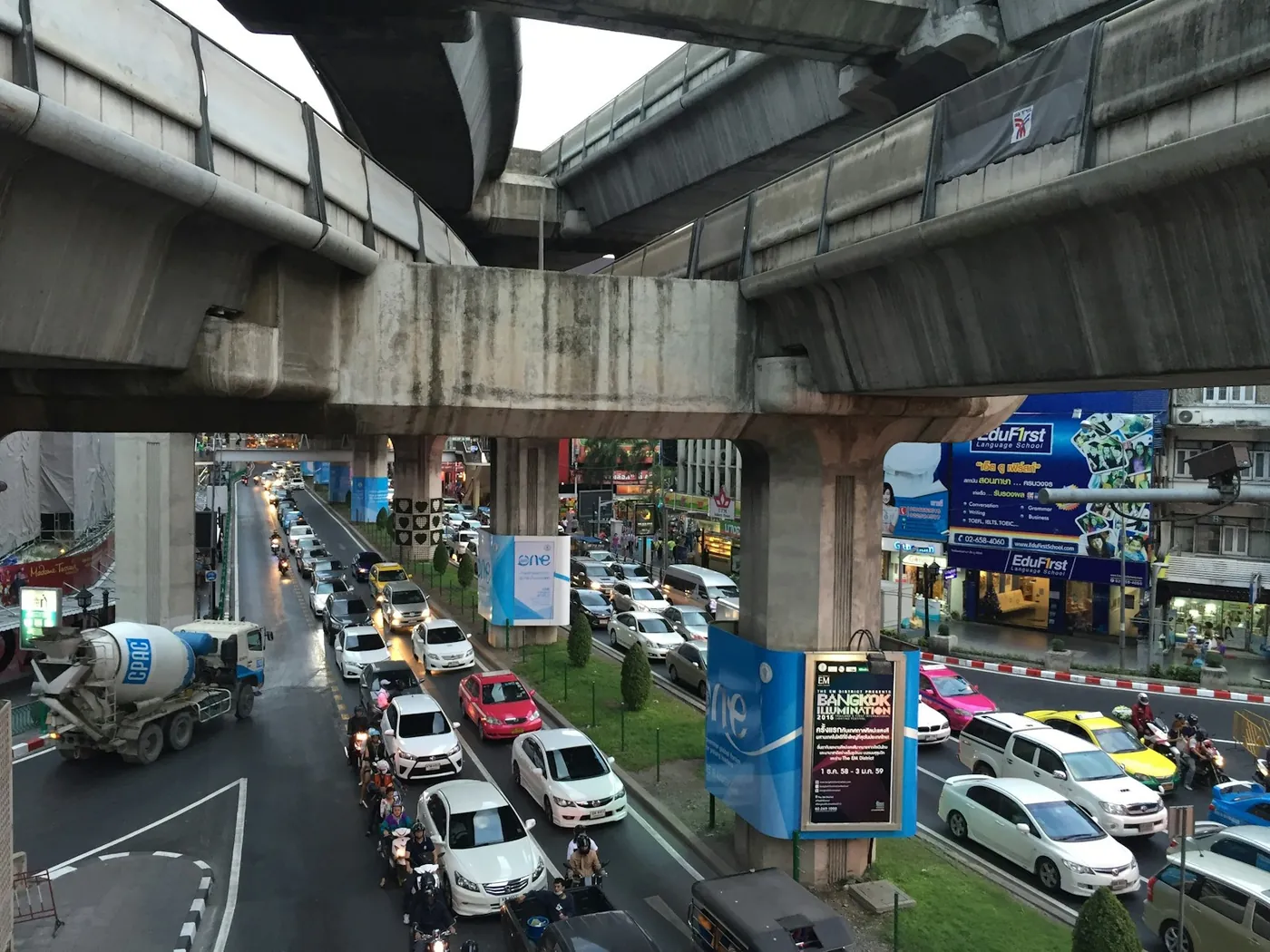
Bangkok nightlife is spread across the city rather than concentrated, so what matters is being on a rail line that reaches it. A hotel two minutes from a skytrain station in an unremarkable district beats a characterful one that needs a taxi through stationary traffic for every evening.
Our guide to where to stay in Bangkok covers the districts and, more usefully, how each connects to the network.
The short version
Bangkok after dark is rooftops, serious cocktail bars, craft beer, night markets and Chinatown, and the famous strips are a small part you can skip entirely. Check the dress code and book before crossing town for a rooftop, and go at sunset. Give one evening to a night market and one to Chinatown on foot. Stay near a train station rather than near a bar street, and take a ride app home because the trains stop before you do.