Bangkok is enormous, and the difference between a good base and a bad one is measured in hours rather than metres. Get it right and the city is a series of quick, air-conditioned hops between temples, markets and dinner. Get it wrong and you spend your holiday in the back of a taxi watching a traffic light. The good news is that one rule solves most of it, and everything else is a question of what kind of trip you want.
The rule that beats every neighbourhood
Stay within a few minutes’ walk of a Skytrain or metro station.
Bangkok traffic is not a cliché, it is a planning constraint. A journey that takes twelve minutes on the elevated rail can take forty-five on the road at the wrong hour, and the wrong hour covers a lot of the day. The rail network is clean, cheap, air-conditioned and elevated above all of it.
This single decision matters more than the district you choose. A modest room beside a station will serve you better than a nicer one three streets away, because those three streets are hot, often without pavement, and they turn every outing into a negotiation.
The two exceptions are the Riverside, where the express boats do the same job along the water, and the Old City, which has no rail at all and compensates with atmosphere. Both are legitimate choices as long as you make them deliberately rather than by accident.
Sukhumvit: the default, and usually the right one
Best for: first-timers, families, long stays, anyone who wants everything close.
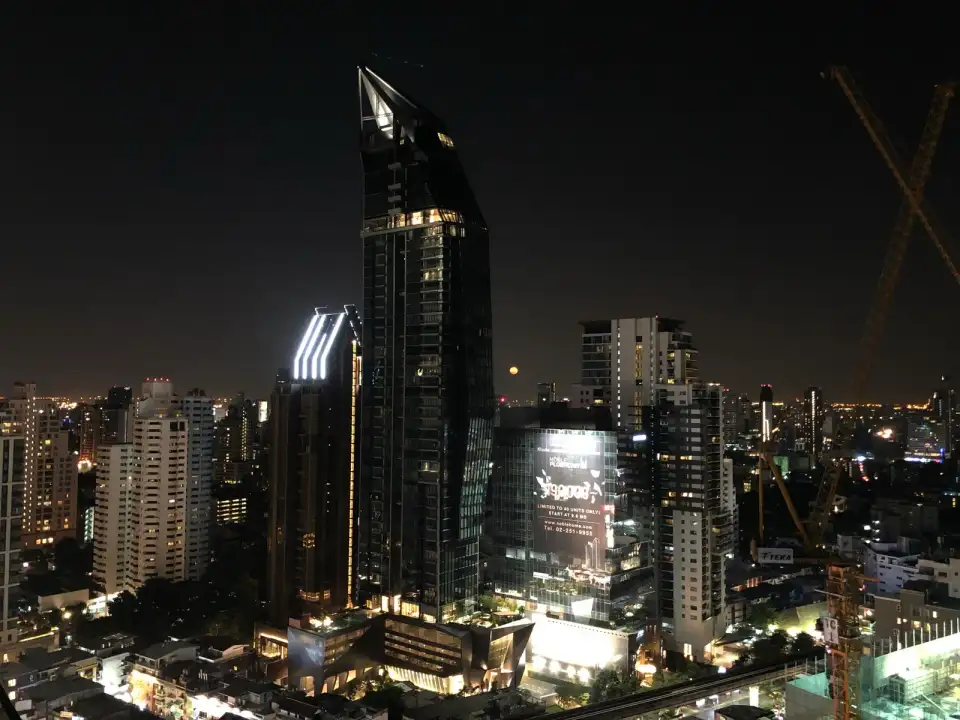
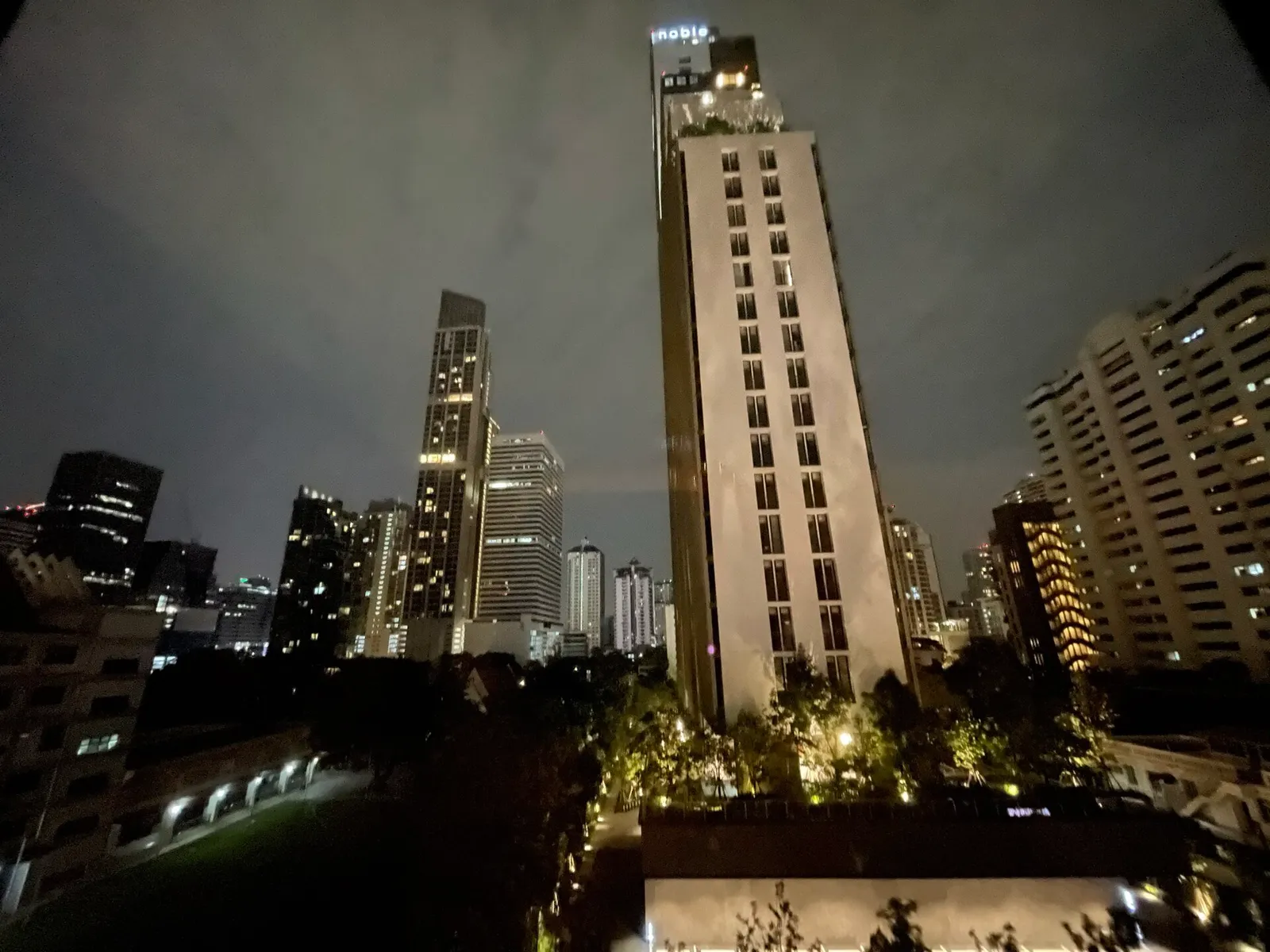
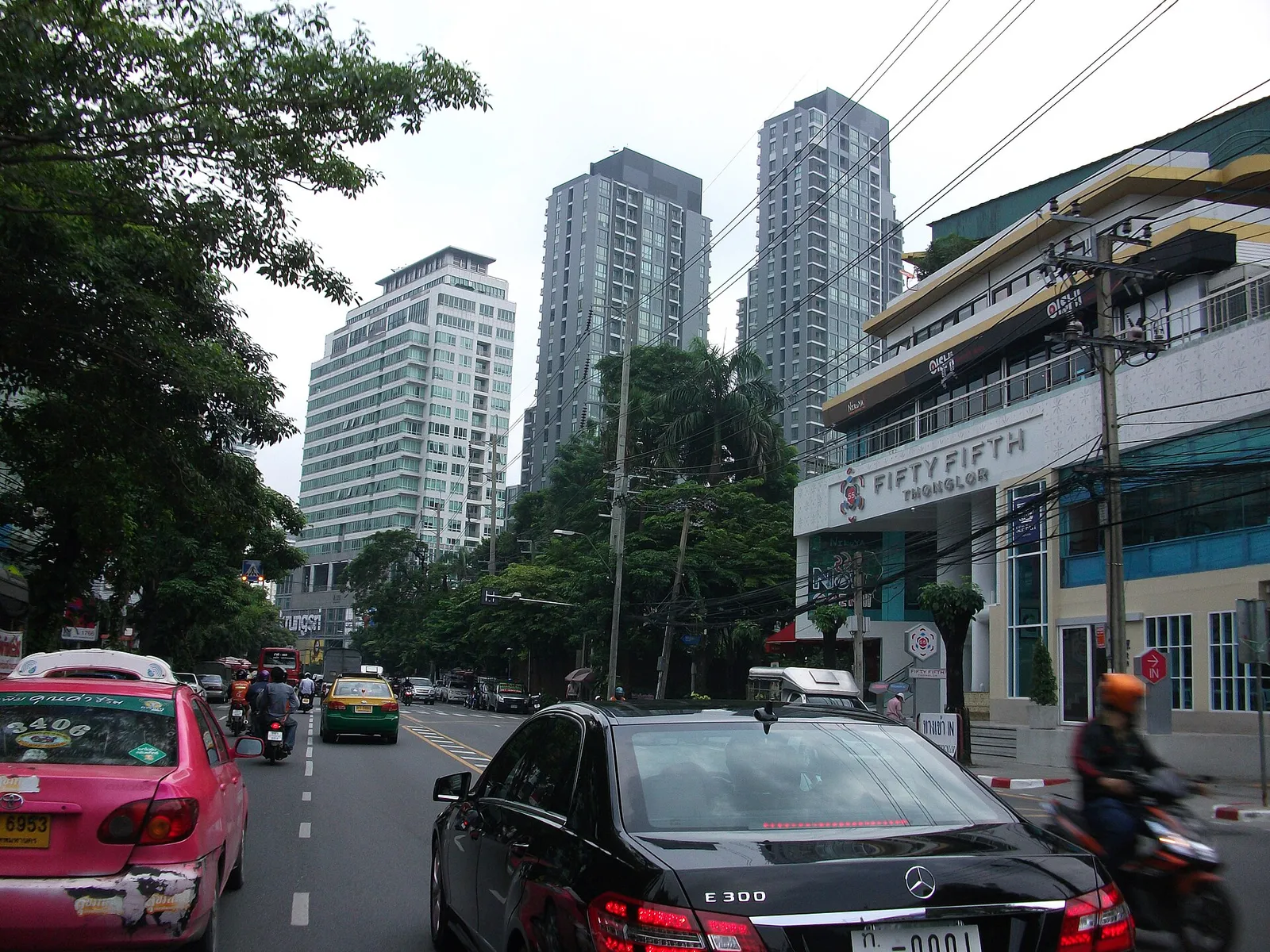
Sukhumvit is a very long road with a Skytrain running above it, and the stretch from Asok through Phrom Phong to Thong Lo is where a large share of visitors end up. The reasons are practical: the widest hotel choice in the city at every price, malls with supermarkets and pharmacies, hospitals nearby, and restaurants covering everything from street noodles to serious dining.
It divides by station. Asok is the busy interchange, convenient and loud. Phrom Phong is calmer, greener and family-oriented. Thong Lo and Ekkamai are where the city’s own young professionals eat and drink, which makes them the most interesting and the furthest from the temples.
The trade-off is honest: Sukhumvit is not beautiful and it is not old Bangkok. It is convenient, comfortable and international, and for most trips that is exactly what you want from a base.
Silom and Sathorn: business by day, life by night
Best for: short trips, first-timers who want to be central, nightlife.
Silom is the financial district, which sounds dull and is not. It sits on both the Skytrain and the metro, walks to the river in one direction and to Lumphini Park in the other, and transforms after dark when the night market takes over the street and the rooftop bars open.
It is the strongest single choice for a short stay, because it is genuinely central: temples and river by boat, Sukhumvit by train, and the airport rail link a short ride away.
Neighbouring Sathorn is quieter and more residential, with several of the city’s best hotels, and works well for anyone who wants Silom’s location without its pavement noise.
The Riverside: the beautiful one
Best for: couples, a splurge, second visits, anyone who wants calm.
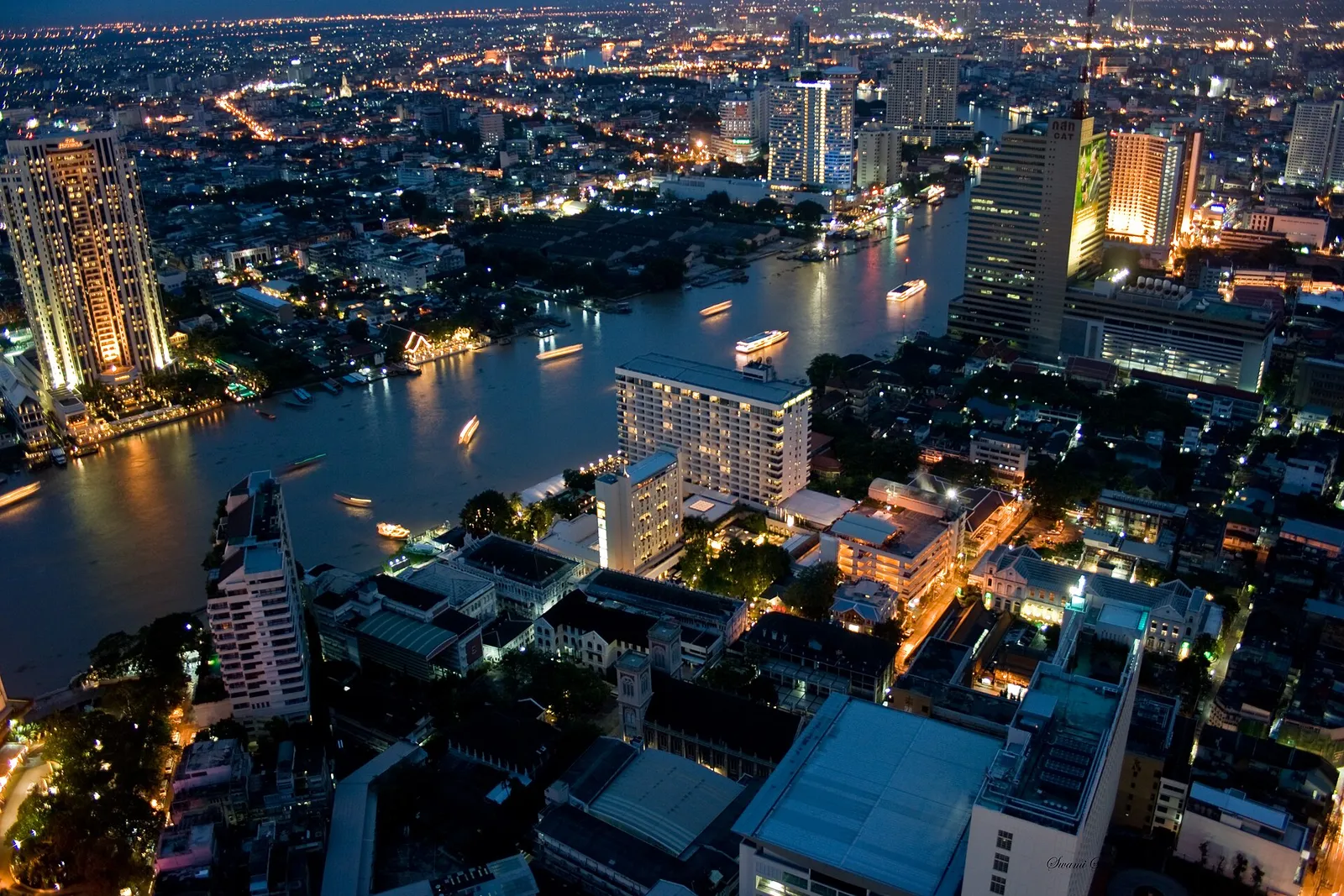
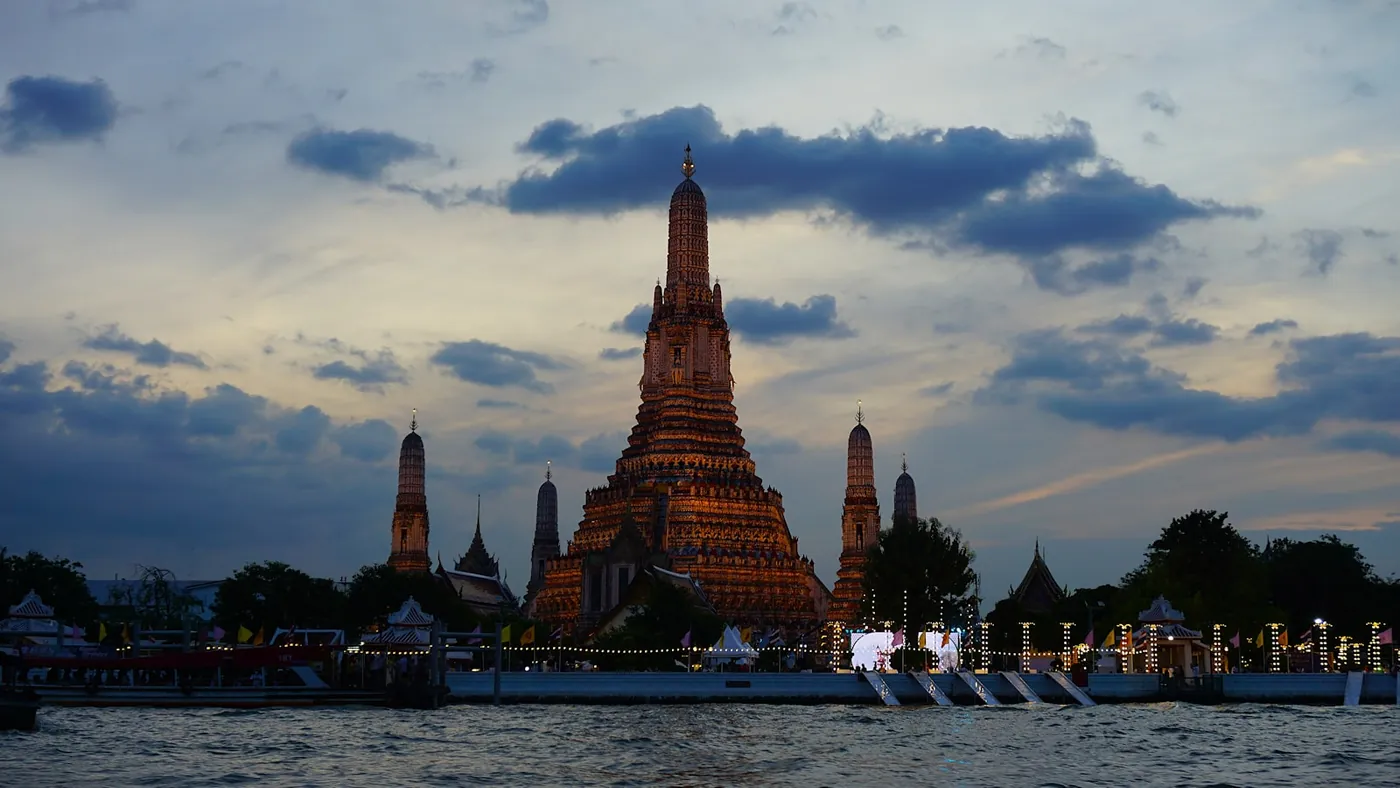
The stretch of the Chao Phraya around the old customs house and the grand hotels is the most atmospheric place to sleep in Bangkok. Rooms face the water, boats pass all day, the light in the evening is extraordinary, and the temples of the Old City are a short hop across or along the river.
The catch is transport. Most riverside hotels are not beside a rail station, and they solve it with shuttle boats to the Skytrain pier, which work well and run to a timetable you should check rather than assume. Getting to Sukhumvit for dinner is a boat plus a train, which is charming twice and tedious daily.
Choose the river if the point of your trip is the river. It is worth doing at least one night.
The Old City and Banglamphu: history without the trains
Best for: temple-focused trips, photographers, second visits.
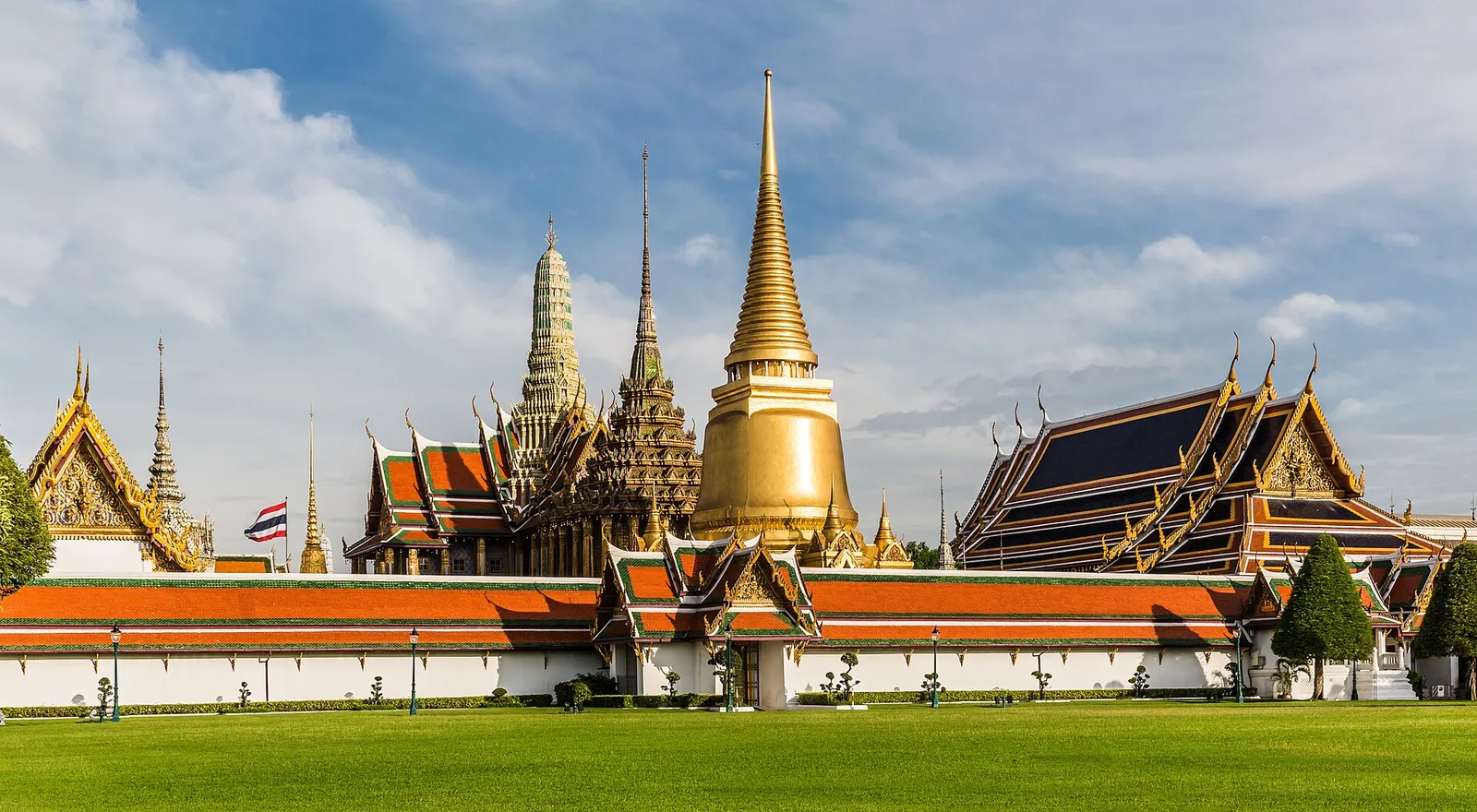
This is the Bangkok of the postcards: the Grand Palace, the great temples, the canals, the flower market and the old streets around them. Staying here means walking to the sights at dawn before the tour groups arrive, which is genuinely the best way to see them.
The cost is connectivity. There is no Skytrain in the Old City, and while a metro extension has improved matters and the river boats are excellent, crossing to the modern city takes real time. Accommodation skews towards small guesthouses and boutique conversions rather than international hotels.
Khao San Road sits at the edge of this area and deserves its own line. It is a genuine Bangkok institution, cheap and enormously fun for an evening, and it is loud until the small hours in a way that no amount of double glazing solves. Stay in the surrounding lanes of Banglamphu for the location and the price without the sound.
Chinatown, and the areas worth knowing about
Chinatown (Yaowarat) has become one of the more interesting places to stay in the last few years, with small design hotels among the gold shops and the best street food in the country outside the door. The metro now reaches it, which removes the old objection. It is loud, dense and wonderful, and it is not a base for anyone who wants a quiet lobby.
Ari, north on the Skytrain, is where the city’s creative crowd lives: cafes, small restaurants, few tourists and easy trains. It suits a longer stay.
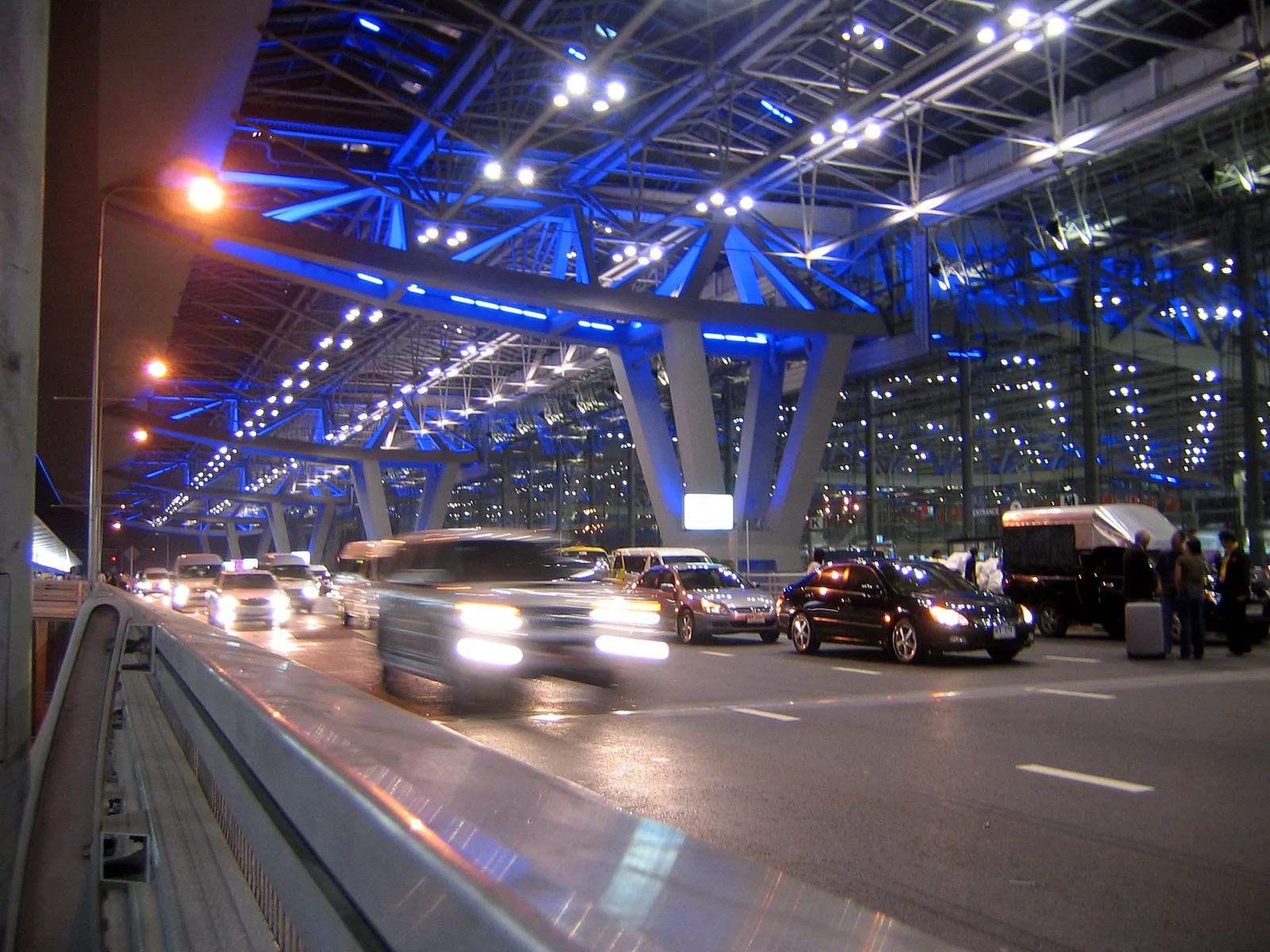
Near the airport rail link matters only for a genuinely early flight, and even then a room in Silom or Sukhumvit near a station on that line is a better trade than a hotel by the terminal.
Matching the area to the trip
| You are | Stay | Because |
|---|---|---|
| First-timer, short trip | Silom or Sukhumvit at Asok | Central, on two lines, everything reachable |
| Family | Sukhumvit at Phrom Phong | Apartments, malls, hospitals, calmer streets |
| Couple, splurge | Riverside or Sathorn | The view is the point, and it is worth it |
| Temple-focused | Banglamphu or the Old City | Walk to the sights at opening |
| Food obsessed | Chinatown | Stall food downstairs, metro at the corner |
| Nightlife | Sukhumvit at Thong Lo, or Silom | Where the city actually goes out |
| Long stay or repeat visit | Ari or Thong Lo | Neighbourhood life, still on the train |
Booking, and what to check
Bangkok has enormous hotel capacity, which makes it forgiving most of the year and competitive in the cool months from roughly November to March, when rates climb and the well-located rooms go first.
Four things to check before you book, none of which appear in the headline description.
The walk to the station, in minutes and by name of station, not just the district. Hotels are creative about this.
Whether there is a pool, which in this climate is not a luxury but the thing that makes an afternoon survivable.
Which floor and which side, since Bangkok is loud and a room facing a main road is a different night from one facing a courtyard.
What the taxes add, because rates are frequently quoted before a service charge and tax that together add a meaningful percentage.
Our guide to Bangkok’s airports and transfers covers getting from either airport to each of these areas, which is worth reading before you book rather than after, since the two airports sit on opposite sides of the city.
How long to stay, and what to do from here
Most visitors give Bangkok too little time on the way to somewhere else and regret it. Two to three nights is the minimum that lets the city be more than a transit stop, and our Bangkok guide sets out how those days fit together, from the temple morning to the market evening.
If you are weighing Bangkok against beach time on a short trip, that is a genuine decision rather than a false one, and our comparison of Bangkok and Phuket takes it seriously, including which one suits a first visit and which rewards a return.
The short version
Pick the station before the neighbourhood. Sukhumvit and Silom are the reliable first-time bases, the Riverside is the beautiful one, the Old City is for temple mornings and Chinatown is for eating. Book the cool season early, check the walk to the train in minutes rather than in district names, and give the city more than one night. Get the base right and Bangkok stops feeling overwhelming and starts feeling like the best-organised chaos on earth.