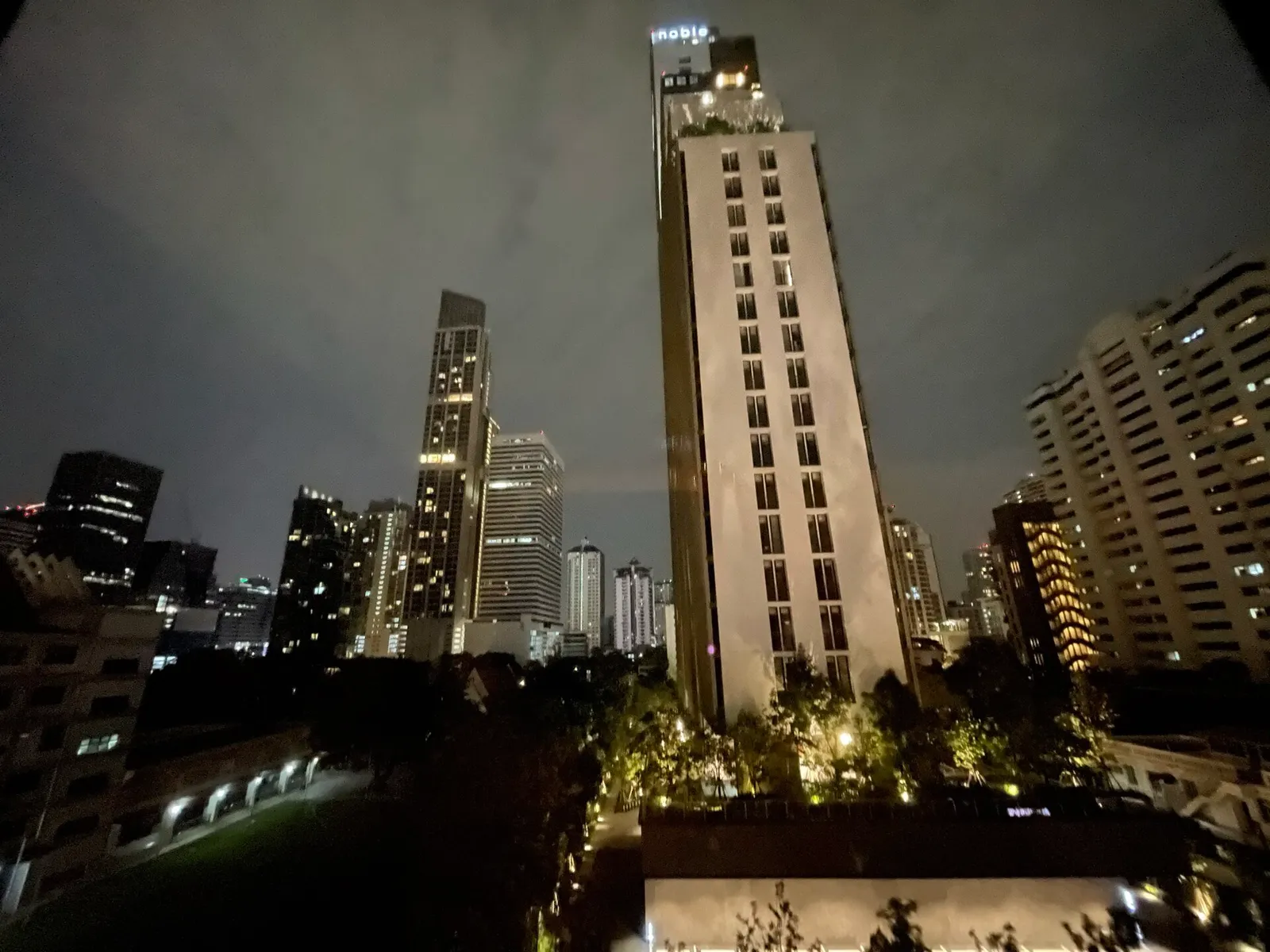
Bangkok hits all your senses at once, and that is the point. Gilded temples sit beside glass towers, street stalls perfume whole blocks with chilli and lemongrass, and the Chao Phraya river ties it all together. It can feel overwhelming on day one, but give the city a couple of days and a plan, and it becomes one of the most rewarding capitals in Asia. Here is how to spend your time.
Arriving, and the two-airport trap
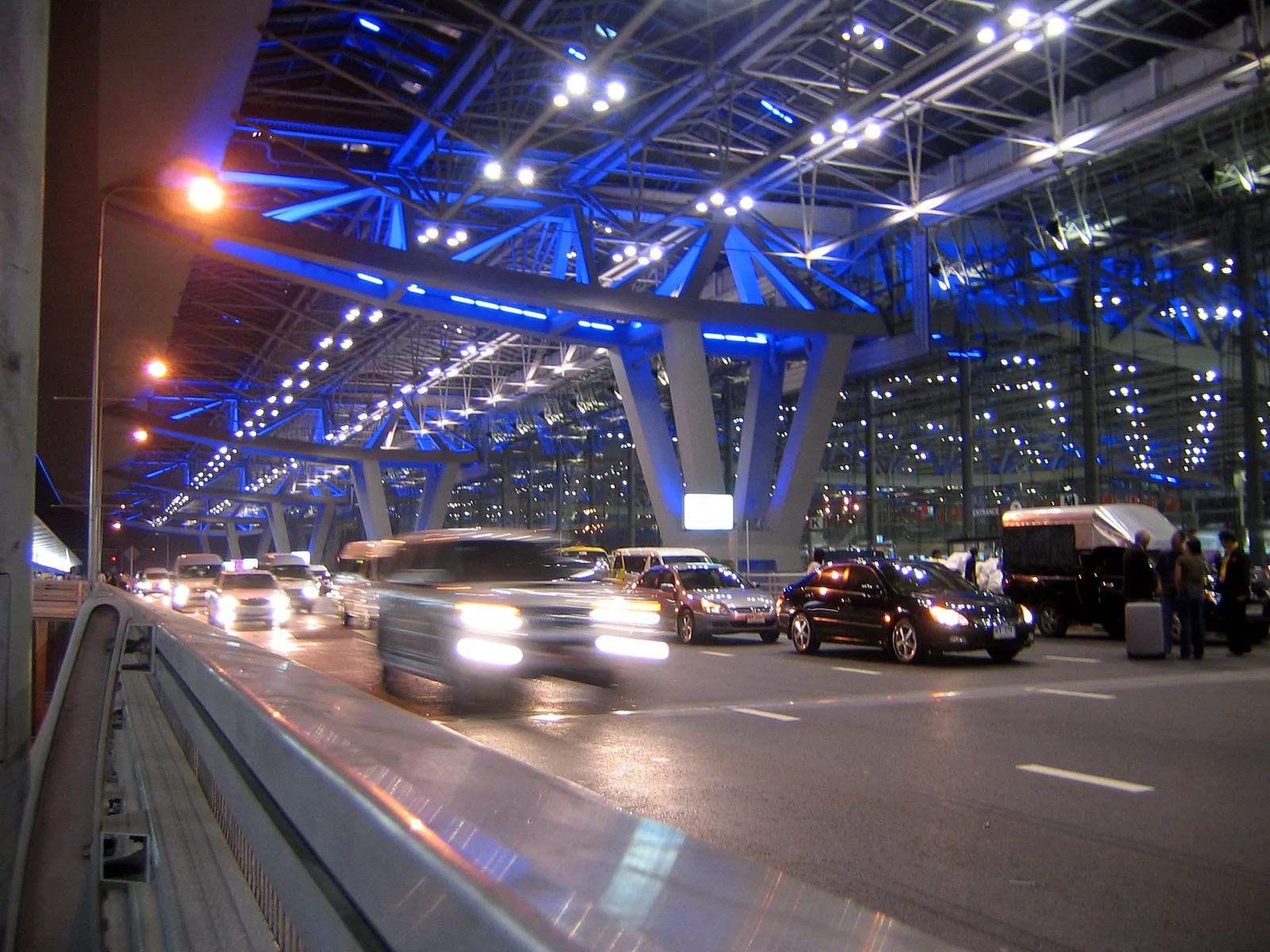
Bangkok has two international airports on opposite sides of the city, and knowing which one you are using is the first practical decision of the trip. Suvarnabhumi takes most long-haul arrivals and has a direct rail link that skips the traffic. Don Mueang is the low-cost hub, busy with regional and domestic flights, and a completely separate journey.
That matters because connecting between them means crossing Bangkok on the ground, which is an hour on a good day and considerably more at the wrong time. Our guide to Bangkok’s airports and transfers covers the options from each, including when the train is the obvious answer and when a car makes more sense, and it is worth a glance before you book a tight onward flight.
The temples worth your morning
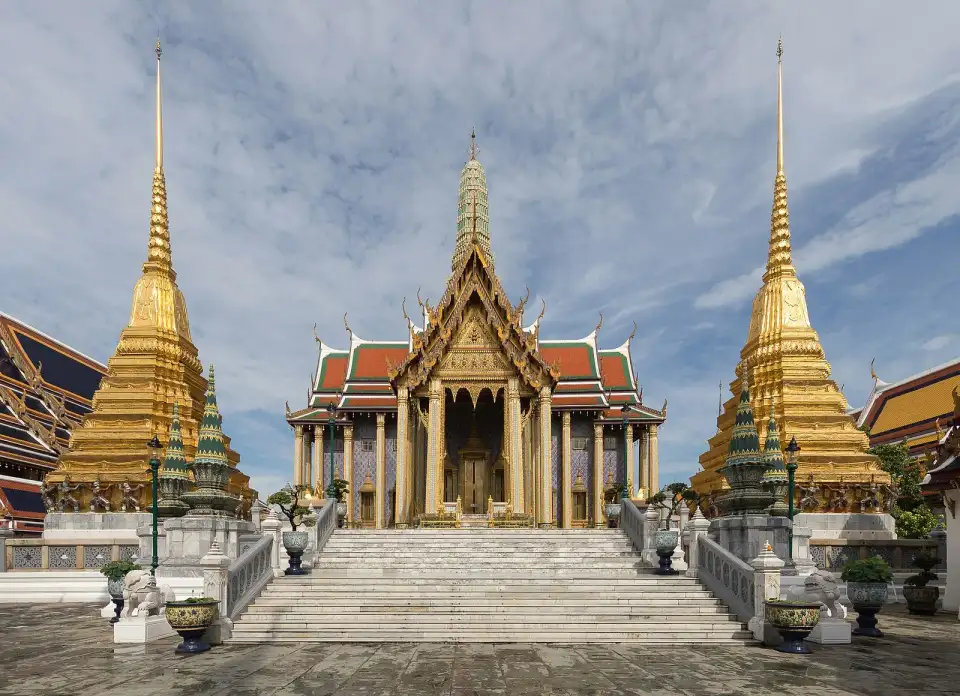
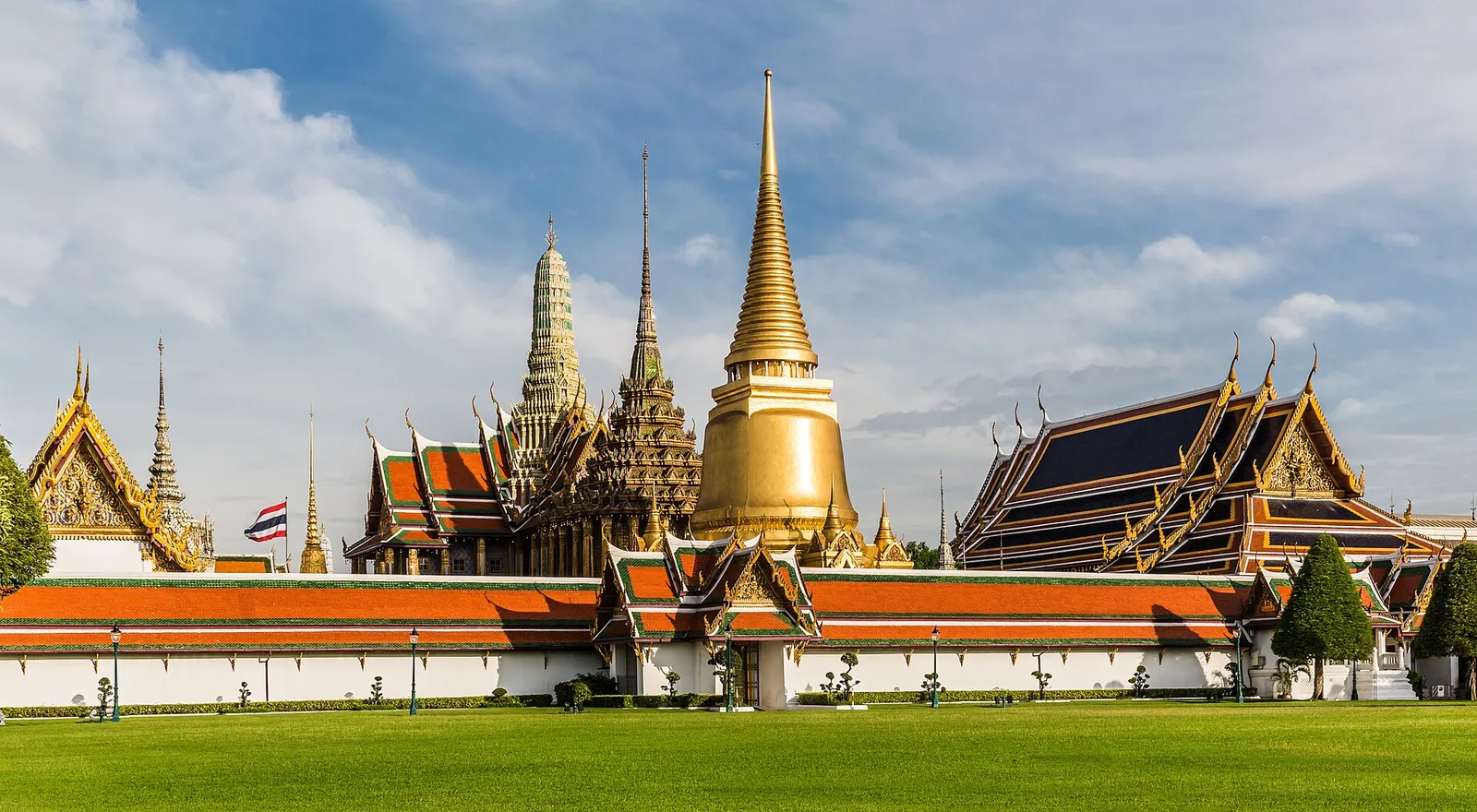
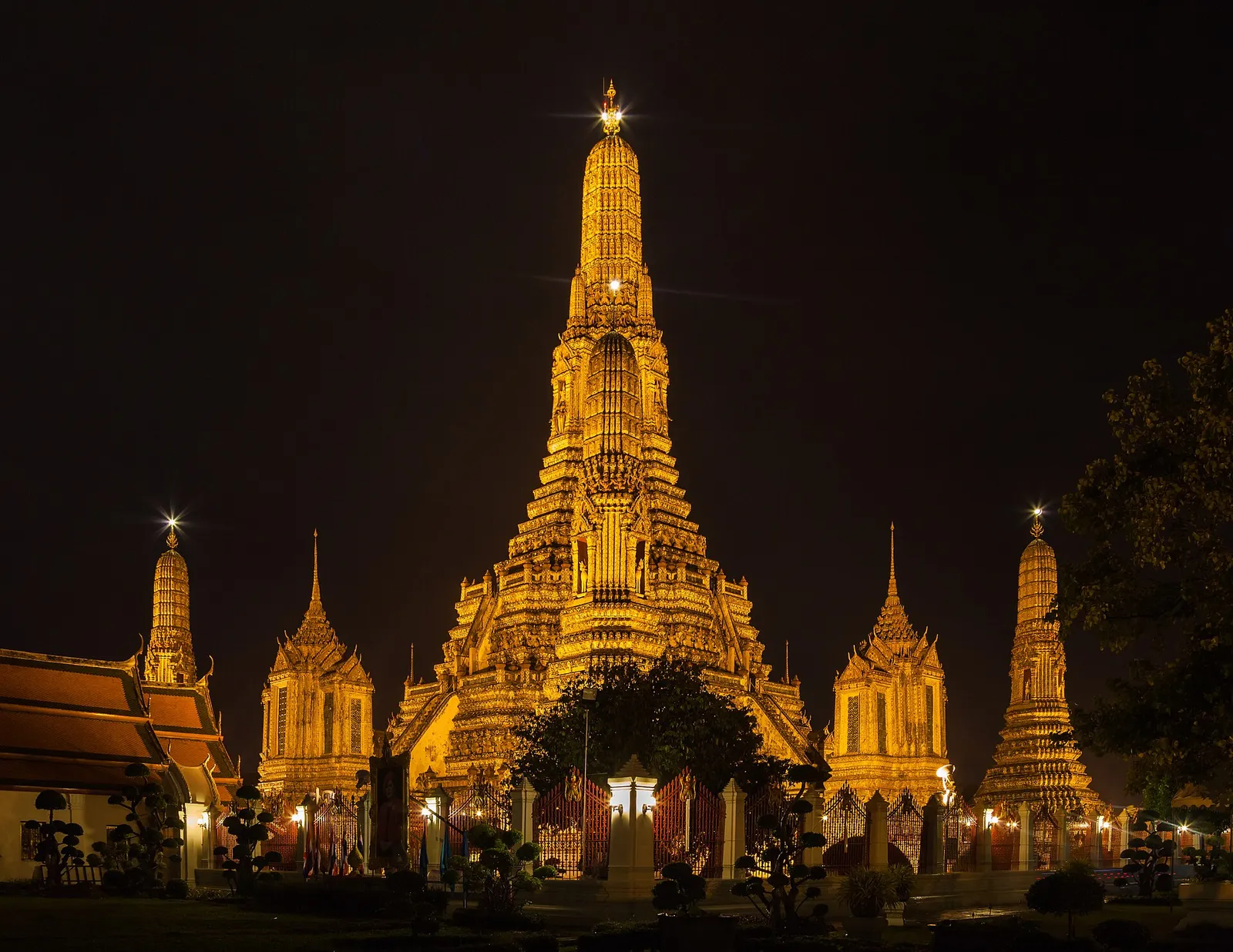
Start early, before the heat and the crowds. The Grand Palace, former home of the kings and the revered Emerald Buddha, is the headline sight and dazzling up close, so dress respectfully with shoulders and knees covered. Right next door, Wat Pho houses the enormous gold Reclining Buddha and Thailand’s oldest massage school, a fine place for a traditional massage afterwards. Then cross the river to Wat Arun, the Temple of Dawn, its porcelain-studded spire glinting in the light. Three temples, one unforgettable morning.
Two practical points. The dress code is enforced, not suggested: shoulders and knees covered, and the Grand Palace turns people away every day of the week, though sarongs can be hired at the entrance if you arrive underdressed. And go at opening, both for the heat and because the coach groups arrive mid-morning; by eleven the courtyards are shoulder to shoulder and thirty-five degrees.
When the big three are done, two more are worth the time. Wat Saket, the Golden Mount, is a spiral climb of a few hundred steps to the best free view over the old city. And Jim Thompson House, though not a temple, is a beautiful teak compound with a genuinely strange story attached, and the coolest, quietest hour you will spend in central Bangkok.
Markets, from floating to weekend giant
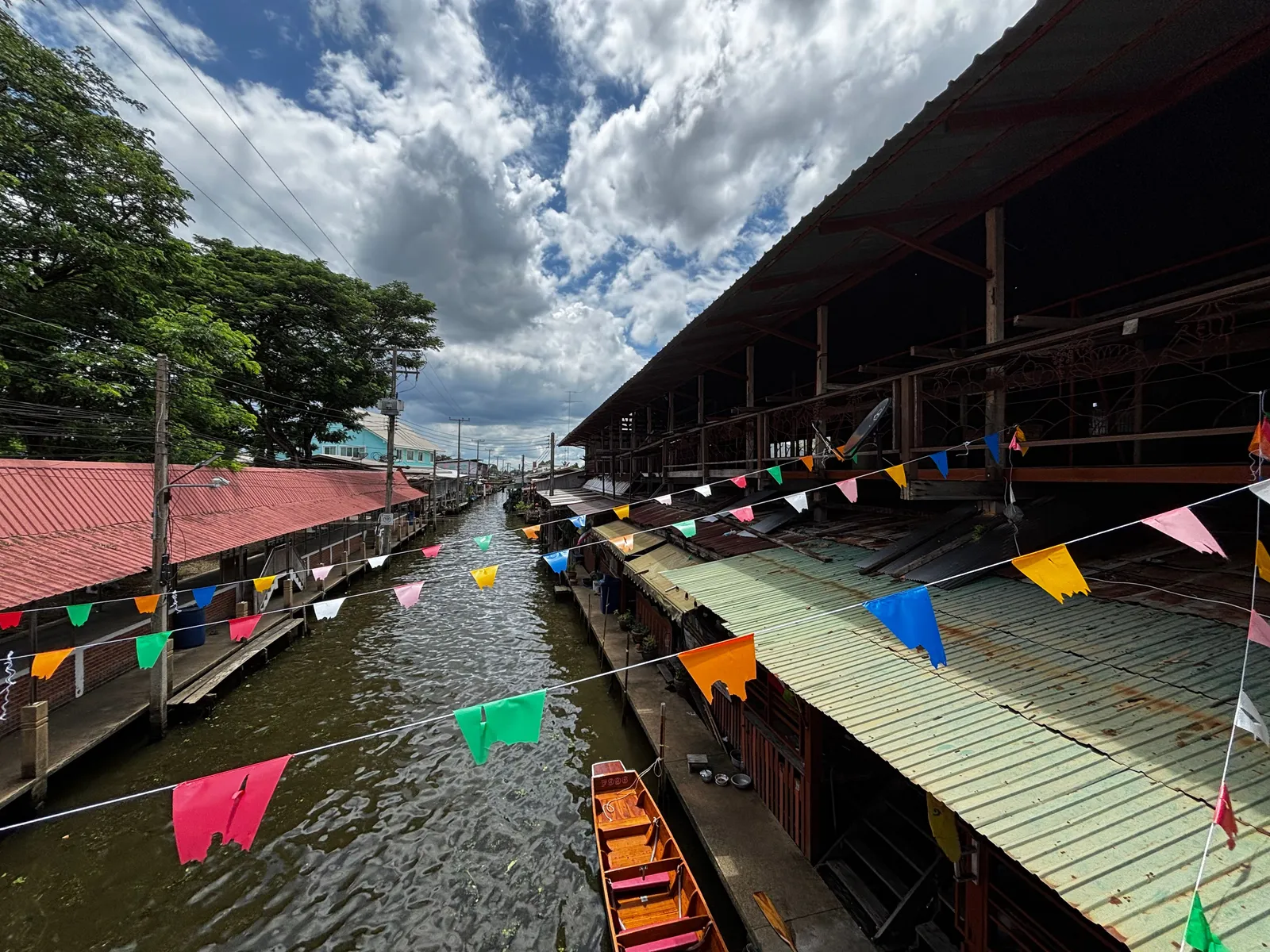
Bangkok’s markets are a world of their own. The vast Chatuchak Weekend Market packs thousands of stalls into a maze of clothes, crafts, art and food, best tackled on a Saturday or Sunday morning with comfortable shoes. For evening browsing, the night markets and the smart Asiatique riverside complex are easy fun. And a short trip out of town takes you to the classic floating markets, where vendors paddle boats loaded with fruit, noodles and grilled treats.
Be realistic about the floating markets: the famous one is a long drive out, thoroughly geared to visitors, and still fun if you take it for what it is. The smaller weekend market to the south-west is closer to ordinary life and best in the late afternoon. Either is a half day, most of it travelling.
Two markets that visitors miss: the fresh-produce hall across from Chatuchak, which is where Bangkok actually shops and where the fruit is extraordinary, and the retro night markets full of vintage stalls, street food and bars, which are an evening rather than a shopping trip.
The neighbourhoods to explore
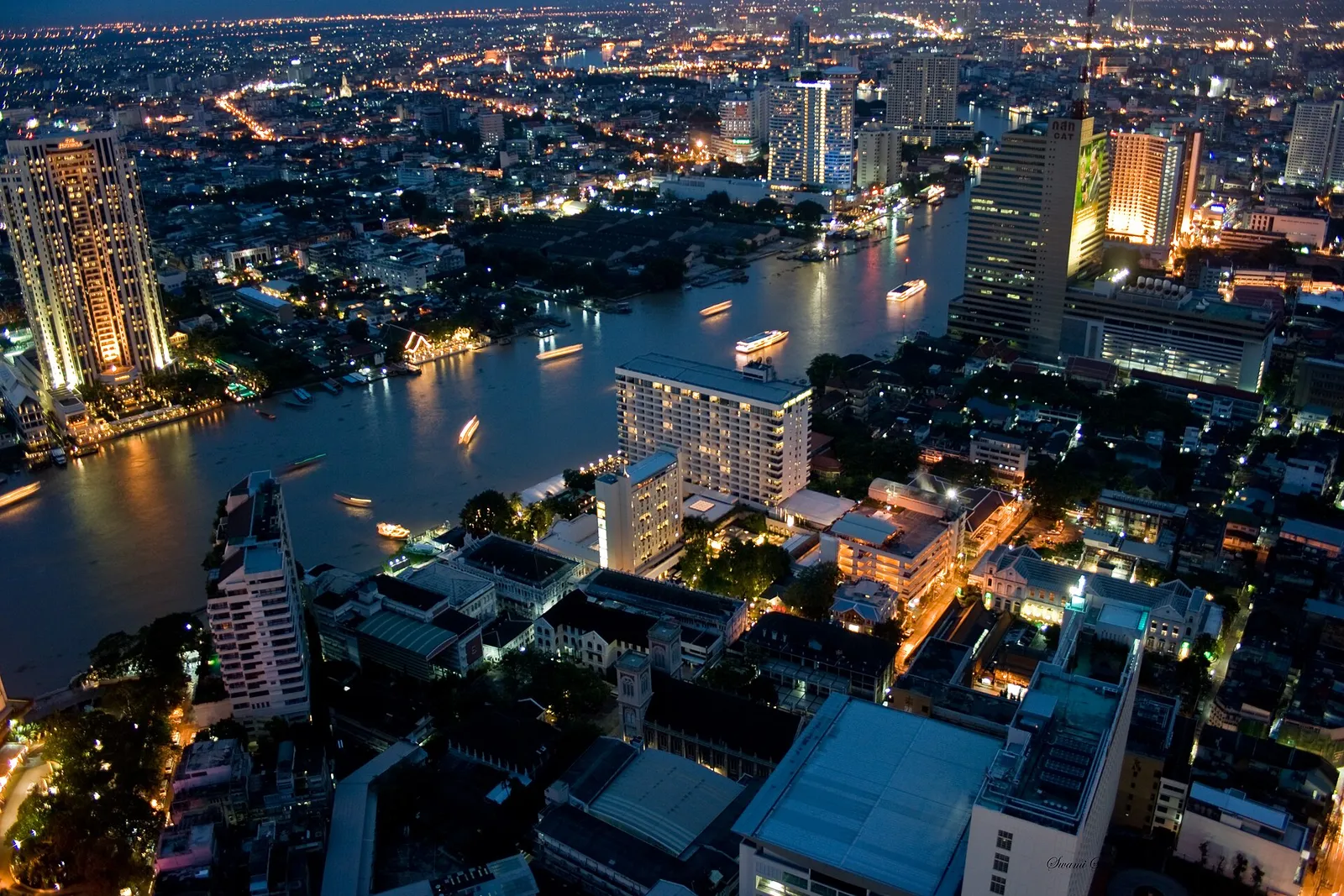
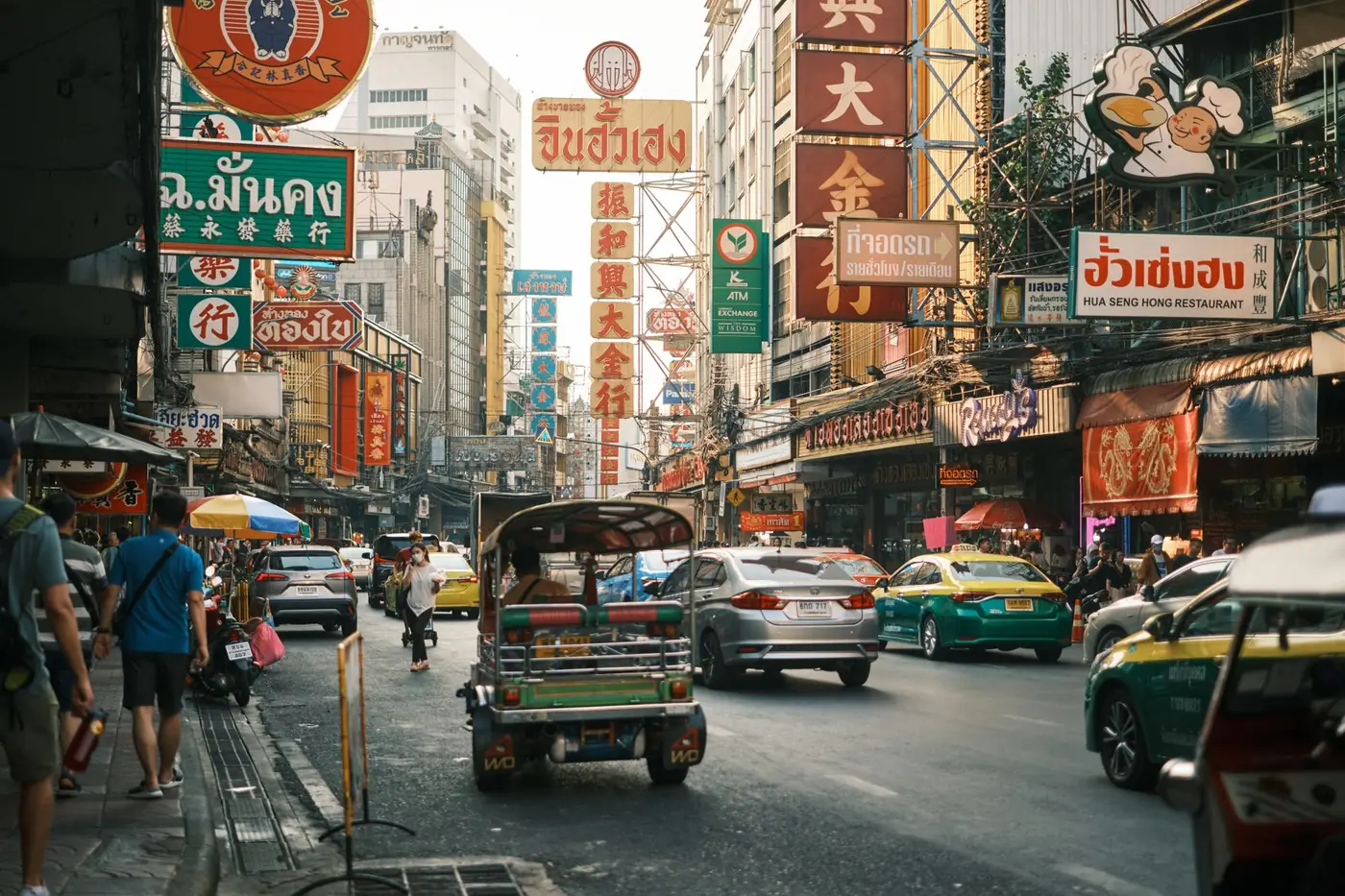
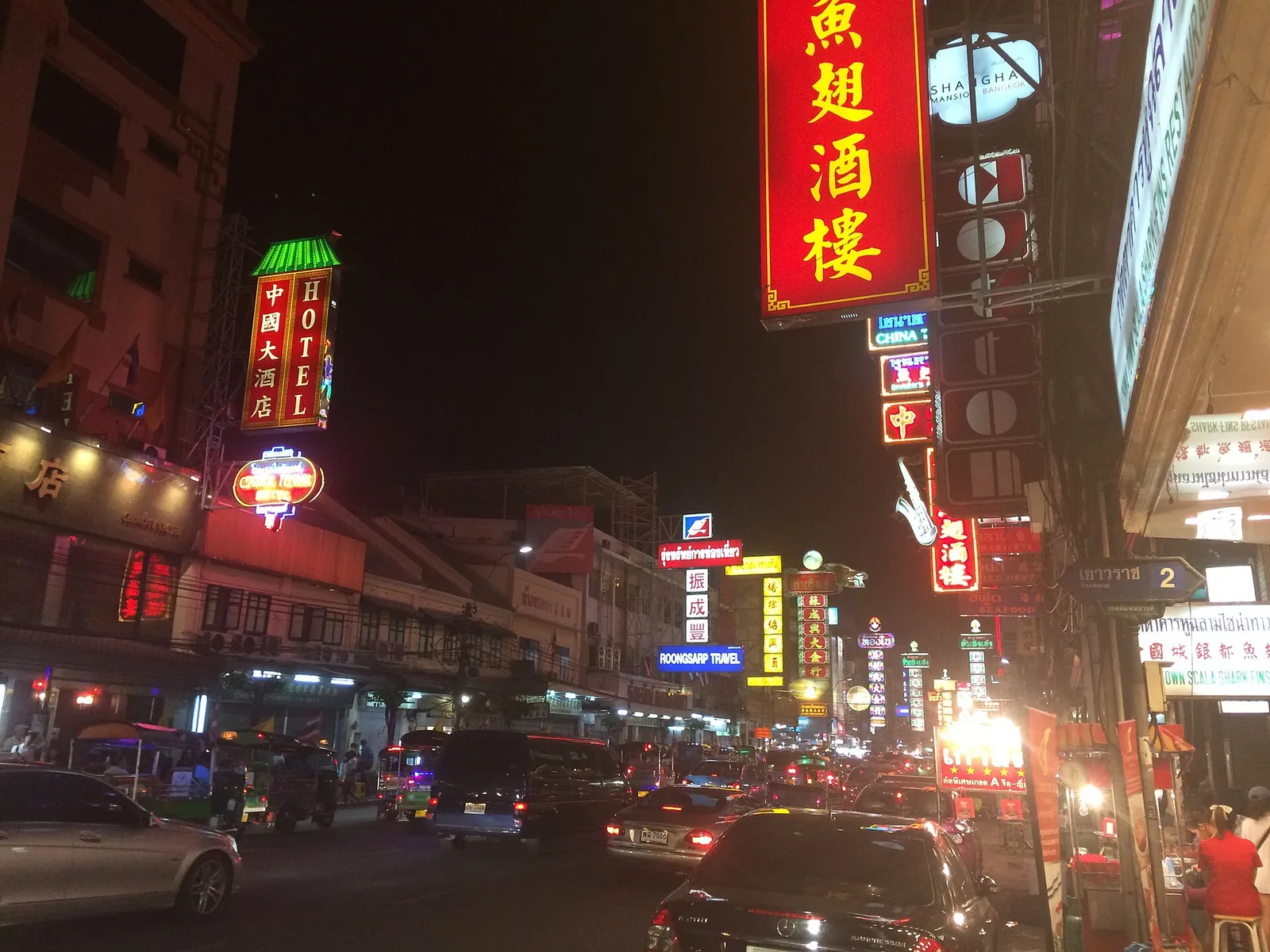
Bangkok is really a cluster of villages, and picking a couple to wander beats trying to see it all. Old Town (Rattanakosin) holds the great temples and the historic riverside. Chinatown (Yaowarat) comes alive after dark as one of the world’s great street-food destinations. Sukhumvit is the modern spine of malls, rooftop bars and nightlife, threaded by the Skytrain. Silom works hard by day and plays hard by night, and leafy Thonglor is where stylish locals eat and drink. Base yourself near a BTS station and the city opens up.
Take a longtail boat through the old canalsThe klongs show a slower, greener Bangkok most visitors never seeWhat to eat
Bangkok may be the best street-food city on earth, so eat boldly. Chase down a plate of pad thai from a busy stall, a bowl of boat noodles, some mango sticky rice, and a fiery som tam papaya salad. Chinatown after dark is the place to graze, stall to stall, and a guided food tour is one of the best first-day investments you can make.
One timing detail worth knowing before you make the trip: Monday is street-cleaning day in the Chinatown food streets, and a great many stalls do not open. Go any other evening and the whole strip is alive from around seven.
Getting around the traffic
Bangkok’s traffic is legendary, so beat it from above and below. The BTS Skytrain and MRT metro are fast, cheap, cool and cut straight through the gridlock. For everywhere else, the Grab app gives you honest metered fares, and the river boats and express ferries on the Chao Phraya are a scenic way to reach the old town. Keep tuk-tuks for one short, fun ride with the price agreed first.
Two small things make the system smoother. The Skytrain and the metro are separate systems with separate stored-value cards, so do not expect one card to work on both. And the river boats run in colour-coded lines, with the tourist service costing several times the local one for the same water, so check which pier and which flag before you pay.
Staying safe from the small scams
Bangkok is safe, but a few tired scams target newcomers. Ignore any friendly stranger who tells you a temple or palace is “closed today”, it is a setup to divert you to a gem shop or tailor. Skip the tuk-tuk driver offering a suspiciously cheap all-day tour, and use Grab for fair pricing. None of this is dangerous, just annoying, and a little awareness keeps your trip smooth.
Where to stay
Where you sleep in Bangkok is really a question of which trade-off you accept. The old town puts the great temples and the river at your door and is beautiful in the early morning, at the cost of being off the Skytrain network and slow to reach at night. Sukhumvit sits on the train line, is endlessly convenient for eating, malls and getting to the airport, and feels the least like Thailand. Silom and the riverside land in between, with the river boats and some of the best hotel views in Asia.
The rule that saves the most time: be within a few minutes of a BTS or MRT station. Bangkok’s traffic turns a two-kilometre journey into forty minutes, and a hotel that looked central on a map can cost you an hour a day.
Day trips worth the early start
Three stand out and all are half or full days. Ayutthaya, the ruined former capital, is an easy train ride north and the most rewarding, a spread of brick temples and famous Buddha head entwined in tree roots. Kanchanaburi, further west, pairs the wartime railway and bridge over the River Kwai with waterfalls and a slower pace. And the floating markets, covered above, are the classic tourist outing.
All three are much better started early, both for the heat and because the return leg runs into Bangkok’s evening traffic. If you only have time for one, make it Ayutthaya.
When to go
Bangkok has three seasons rather than four. November to February is the cool, dry stretch and the obvious best time, with temperatures that still count as hot but are entirely manageable. March to May is the hot season and genuinely punishing, when the middle of the day belongs indoors. June to October is the rainy season, which usually means a heavy hour rather than a lost day, plus lower prices and fewer people.
Two dates change the city completely. Songkran in mid-April turns the whole country into a water fight for several days, which is either the best thing that will ever happen to you or a reason to be elsewhere. Loy Krathong in November fills the rivers with floating candles and is quietly beautiful. Our guide to the best time to visit Thailand sets out the year across the whole country, which matters because Bangkok and the islands do not share a calendar.
Bangkok, then the beach?
Almost every Thailand trip pairs the capital with the sea, and the question is which sea. The practical version of the choice is about flight time, season and what kind of beach holiday you want, and the two halves of the country have opposite rainy seasons, which means the answer changes with your dates.
Our comparison of Bangkok and Phuket works through what each offers and how they fit together, which is the fastest way to decide whether your week is a city trip with a beach on the end or the other way round.
Where to base yourself
Everything above is easier from the right address, and in a city where traffic decides the day, the rule is simple: stay within a few minutes of a Skytrain or metro station. Our guide to where to stay in Bangkok breaks the districts down by traveller, from the Sukhumvit default to the riverside splurge and the Old City for temple mornings.
The short version
Do the great temples early, graze the markets and Chinatown, pick two neighbourhoods to wander, and ride the Skytrain to skip the traffic. Book a food tour or a canal boat for the moments you would never find alone, dress respectfully at the temples, and keep an eye out for the gentle scams. Two or three days done this way and Bangkok goes from overwhelming to unforgettable. If you have longer, our five-day Bangkok itinerary spreads the same city out day by day and adds a trip out to Ayutthaya or Amphawa.