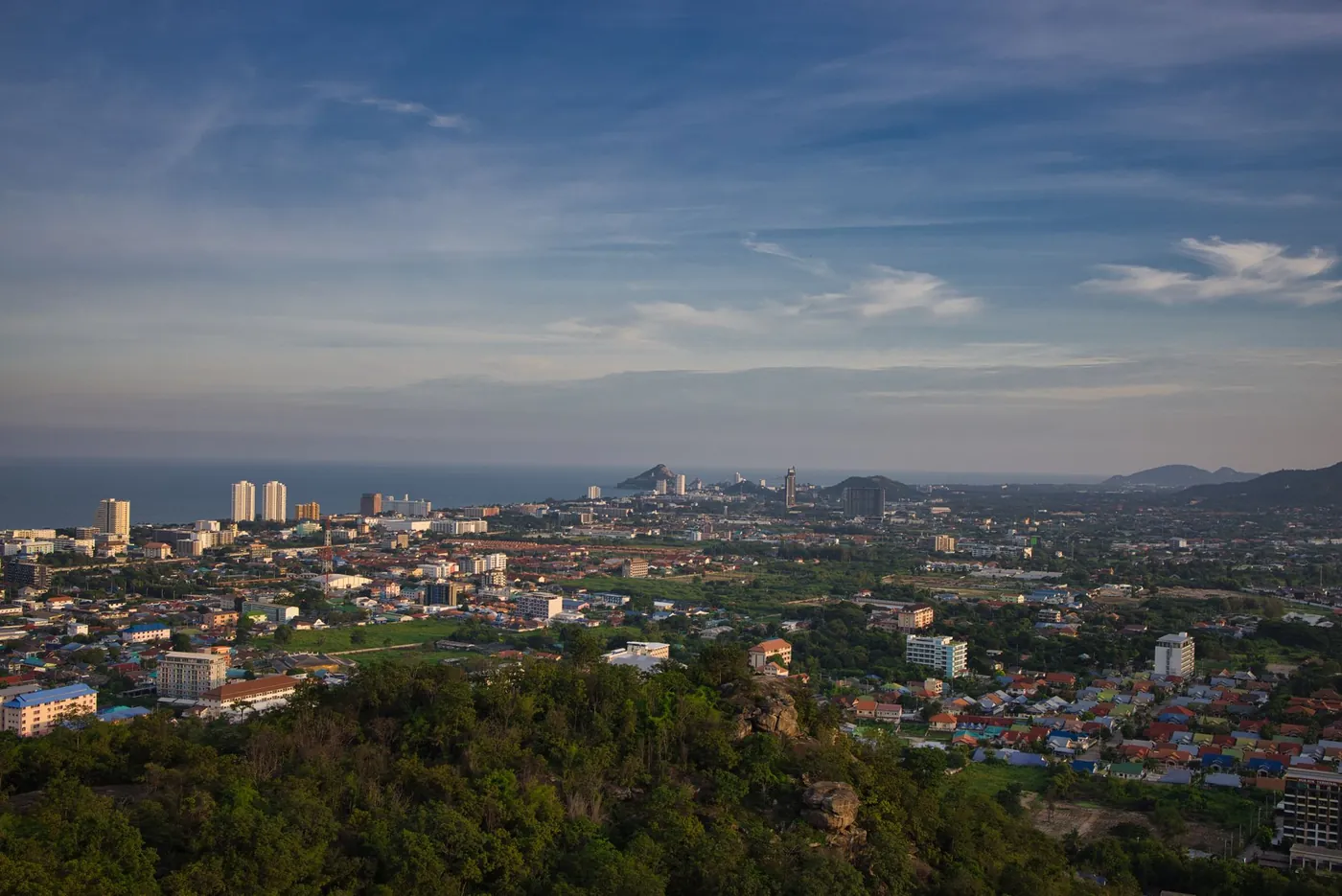
Hua Hin was Thailand’s original seaside resort, and it still carries itself that way. Long before Phuket or Pattaya became international shorthand for a Thai beach holiday, Thailand’s royal family was already holidaying here, and a royal summer palace still sits on the coast at the northern edge of town. What that history left behind is a place that feels established rather than built for a boom: a proper old railway station, a long sandy beach that never quite turns into a strip of nightclubs, and a pace closer to a quiet resort break than a party destination. If you are weighing it against a base in the capital, our guide to where to stay in Bangkok is worth reading alongside this one, since Hua Hin works equally well as a short add-on to a Bangkok trip or as a standalone break.
A royal history, briefly
Thailand’s royal family began spending time at Hua Hin in the 1920s, drawn by the coastline and the relatively short distance from Bangkok compared with the country’s more remote beaches. A royal summer residence, Klai Kangwon, meaning roughly far from worries, was built on the shore at the northern end of town and remains associated with the royal family today. That early royal patronage is why Hua Hin developed as a resort town decades before international tourism reached Thailand’s beaches more broadly, and it still shapes the more restrained, established character the town has next to newer resort destinations further south.
Getting there from Bangkok
By train. Hua Hin’s railway station is a destination in its own right: a wooden building dating back more than a century, with a separate ornate pavilion originally built for royal use. Regular services run from Bangkok, taking longer than the road options but offering a relaxed, scenic alternative for travellers not in a rush.
By road. Minivans and private transfers cover the route in roughly two and a half to three hours depending on traffic, and buses run the same corridor at a lower cost with a somewhat longer journey. This is the fastest practical option for most visitors and the standard choice for a short trip.
By car. Self-driving is straightforward on the main highway south from Bangkok, and having a car in Hua Hin itself is genuinely useful given how spread out some of the golf courses and outlying attractions are.
The beach and the town
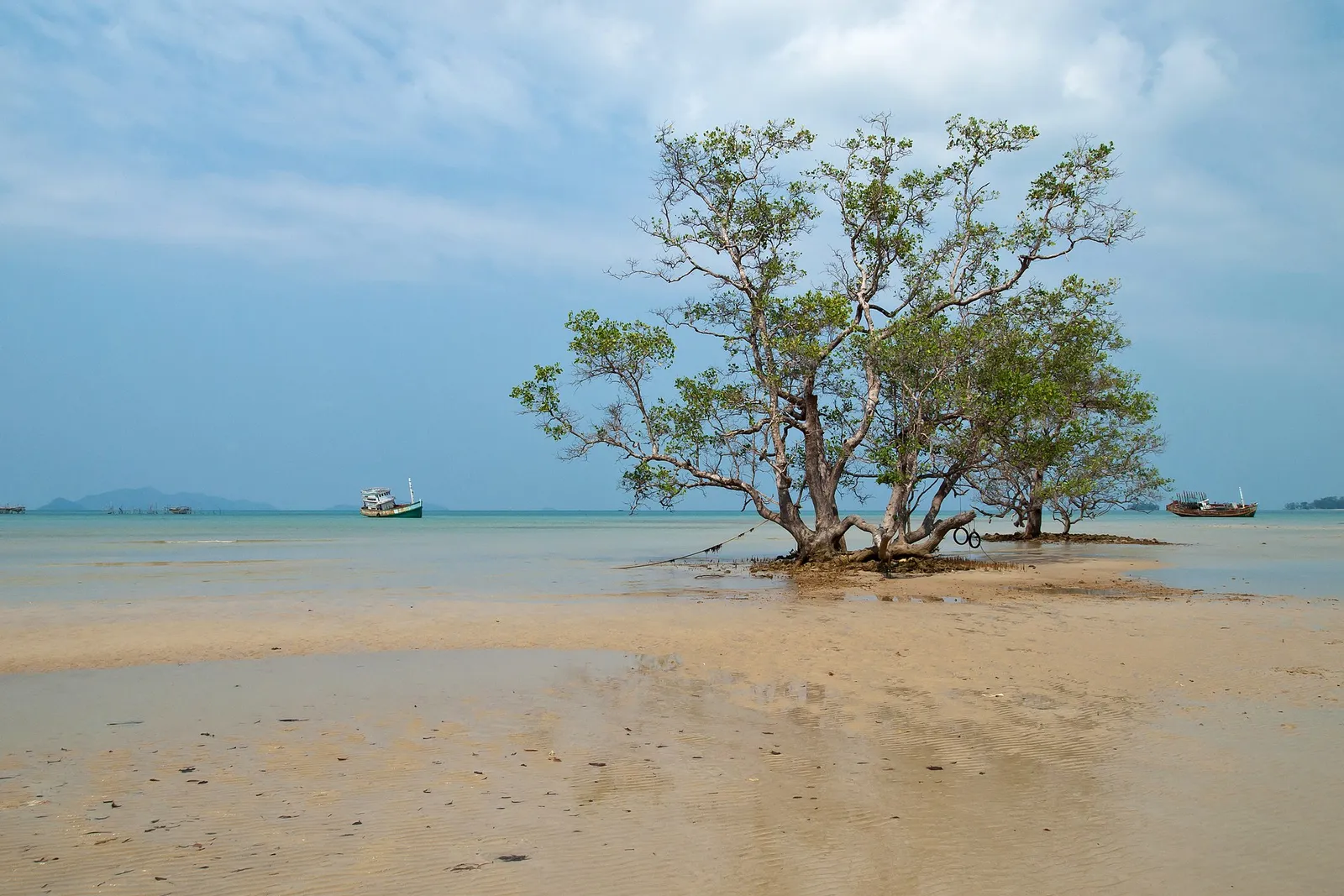
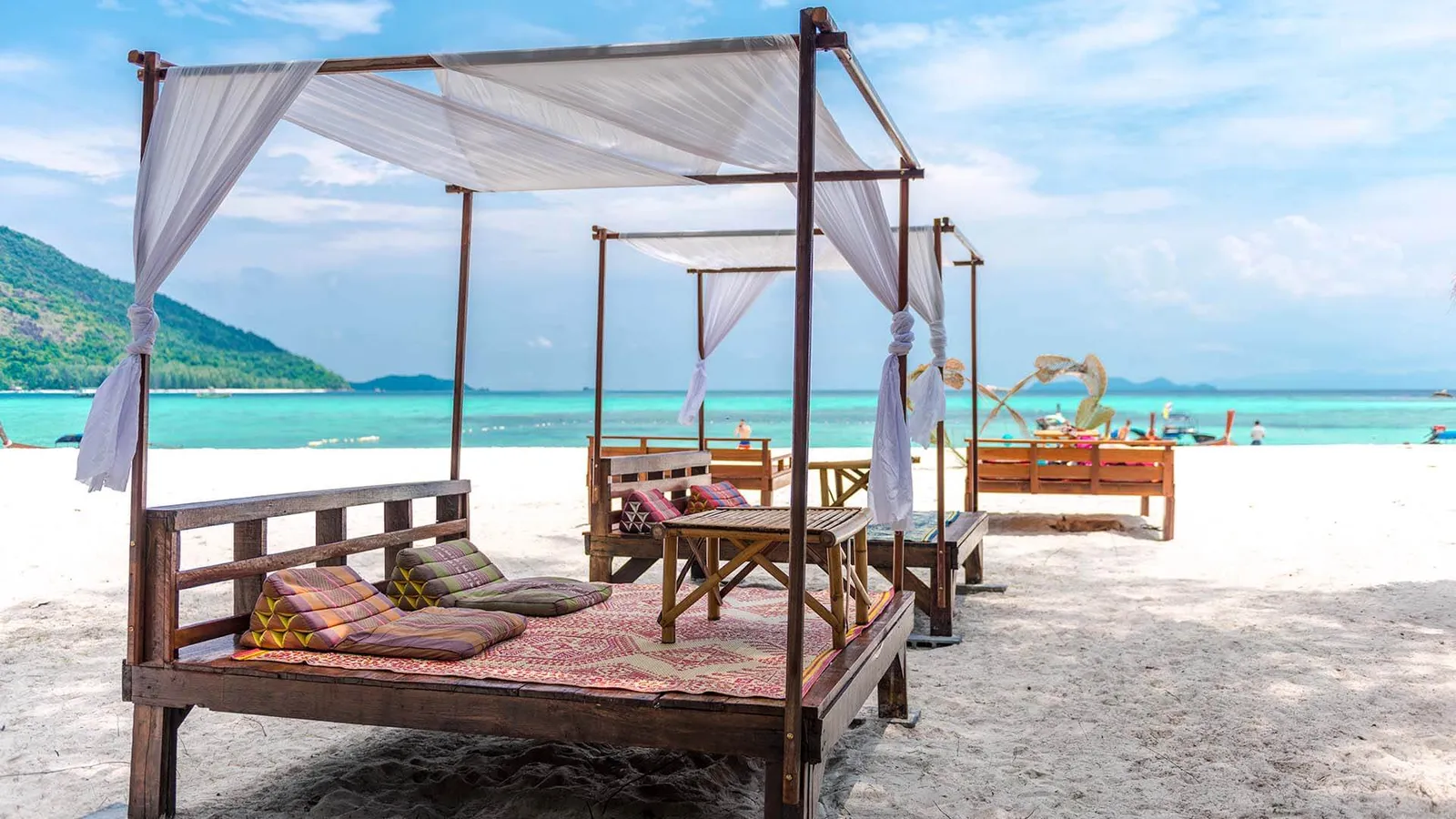
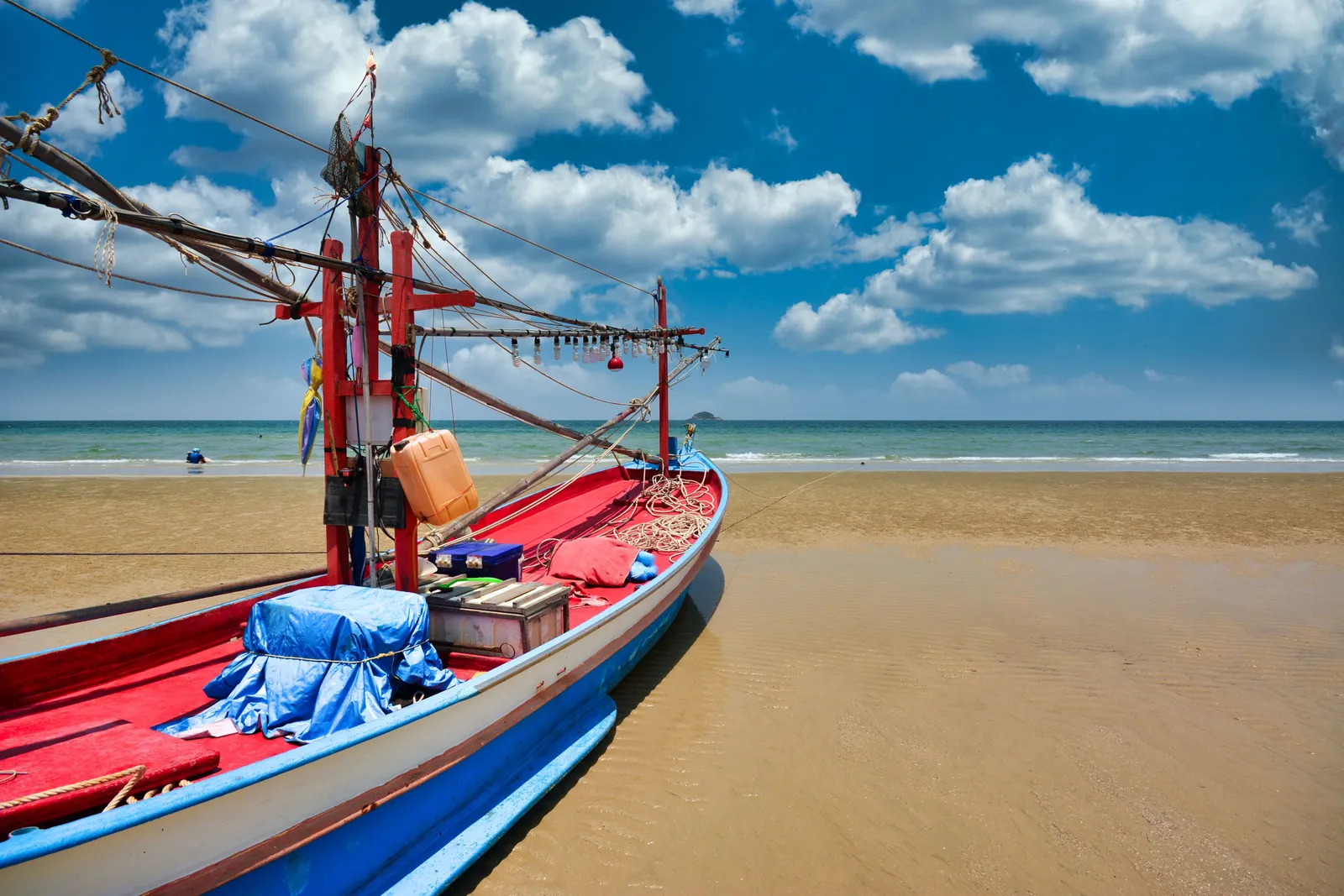
The beach itself. A long, gently sloping stretch of sand runs the length of the town, calmer and less crowded than the busiest beaches on Thailand’s southern islands, and it is common to see local fishing boats pulled up on the sand rather than only sun loungers. Horse riding along the sand is a long-running local tradition here, distinct from most other Thai beach towns.
Chatchai Night Market. The town’s main night market, running most evenings, with a dense run of food stalls, seafood restaurants and shopping alongside them. It is the natural place to spend an evening in town rather than at a beachfront hotel.
Khao Takiab. A hill at the southern end of the beach, known locally as Monkey Mountain for the troop of macaques that live around its base and the steps leading up to a hilltop temple with views back along the coast.
Cicada Market. A weekend market focused on local art, crafts and live music rather than the food-first atmosphere of Chatchai, popular with visitors looking for something a little different from a standard night market.
Golf and the slower pace
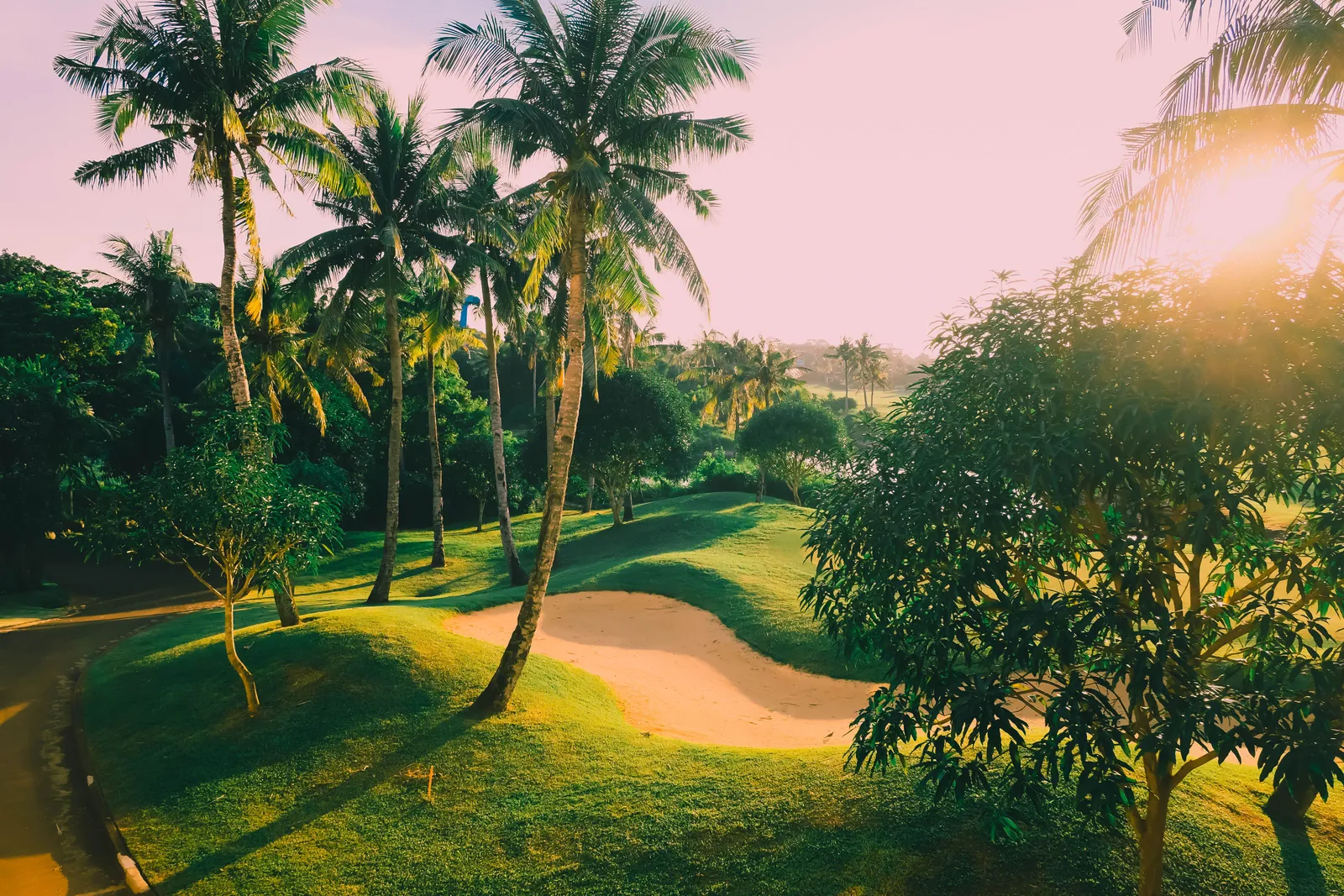
Hua Hin has one of the highest concentrations of golf courses anywhere in Thailand, a legacy that stretches back to some of the country’s oldest clubs, and golf remains one of the clearest reasons visitors choose this particular town over other beach options within reach of Bangkok. Courses range from long-established classics with real history to newer resort developments, and most sit within a short drive of the centre, which makes a golf-focused break genuinely practical here in a way it is not in most other Thai beach towns.
That same unhurried character extends beyond golf. Spa breaks, longer stays for retirees and a strong pull for Thai weekenders rather than only international tourists all point to the same thing: Hua Hin is built around comfort and repeat visits rather than a single big night out, which is exactly why comparisons with louder destinations tend to miss the point of choosing it in the first place.
Beyond the town
Sam Roi Yot National Park. A stretch of limestone hills, caves and coastline a little further south, worth a half or full day for anyone with extra time who wants nature alongside the beach and golf. It is less visited than better-known national parks further north and rewards planning ahead for the more remote trails.
Cha-am. A quieter beach town just north of Hua Hin, sometimes visited as an even calmer alternative or combined with Hua Hin on the same trip.
If you are building Hua Hin into a wider Thailand trip rather than a standalone break, checking when to visit different parts of the country is worth doing first, since the Gulf coast here does not follow quite the same seasonal pattern as the Andaman side.
The short version
Hua Hin offers a version of a Thai beach holiday built around history and comfort rather than nightlife: a royal summer palace, a genuinely old railway station, a long calm beach, and one of the country’s best concentrations of golf courses, all within two to three hours of Bangkok by train or road. It suits families, retirees and anyone who wants a slower pace more than it suits travellers chasing a party scene, and its closeness to the capital makes it easy to fit into a longer itinerary. Our two week Thailand itinerary is worth checking if you are deciding where a stop like this fits into a longer trip.