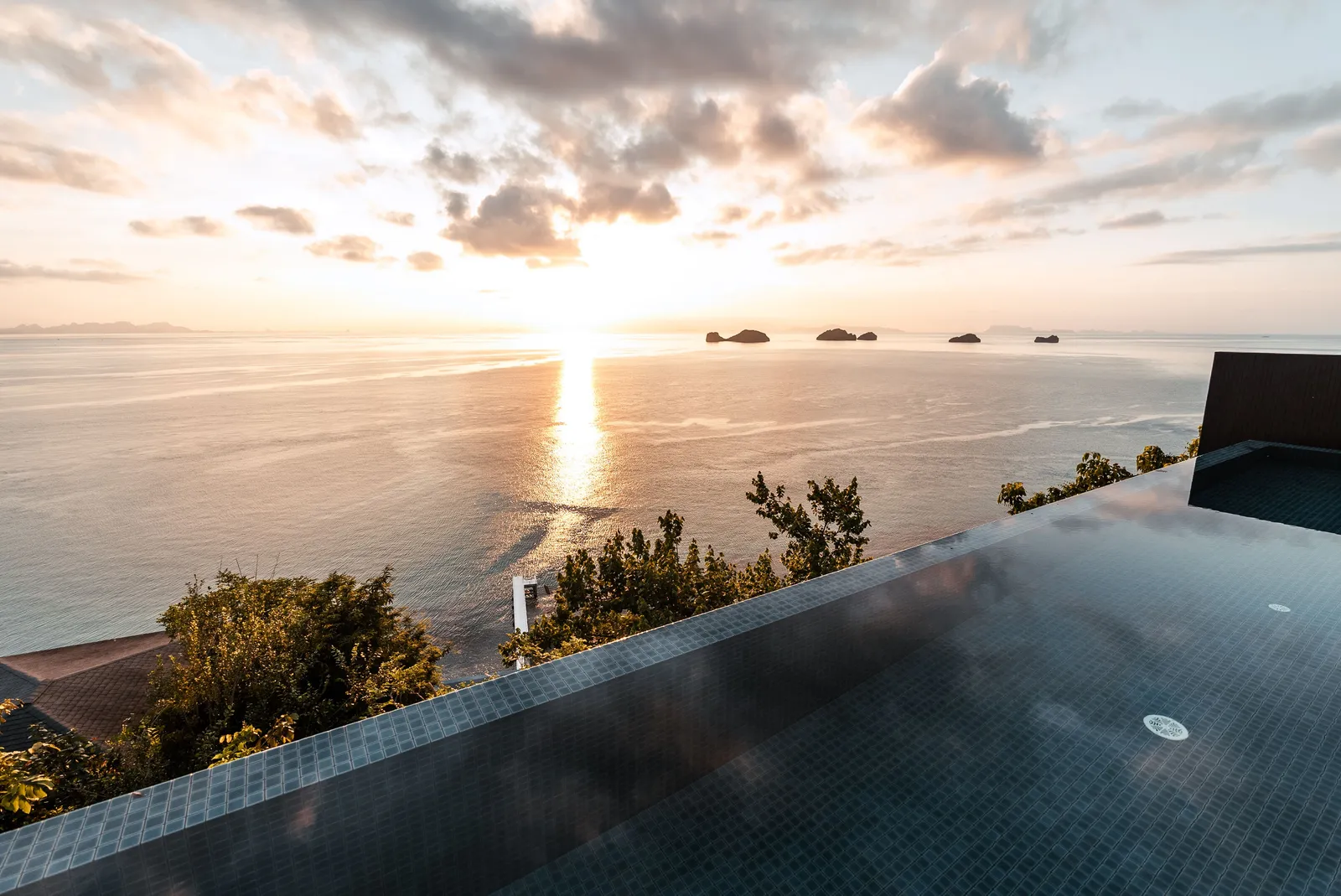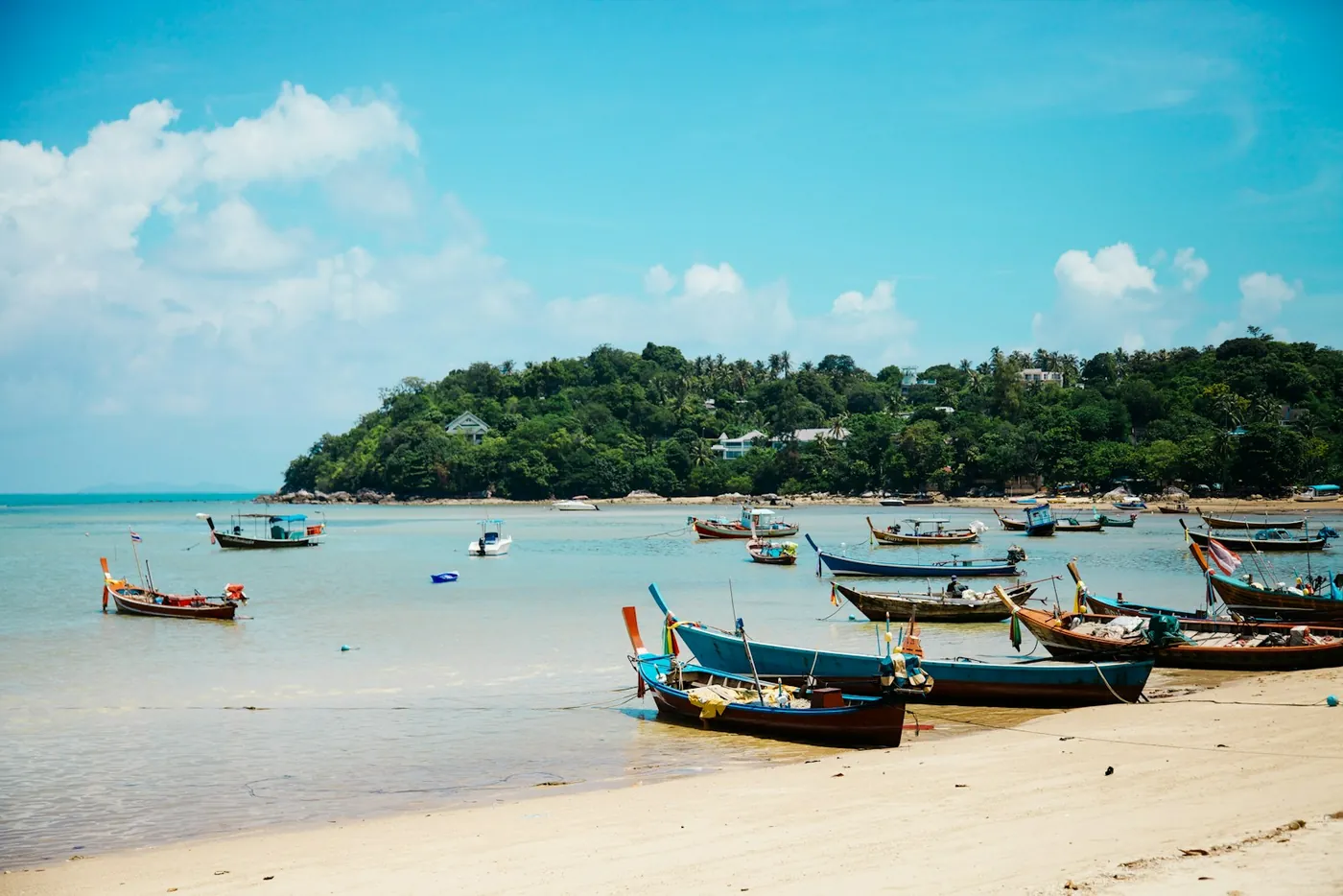
Samui is a roughly circular island with a road around the outside and beaches spaced along it, which makes choosing where to stay unusually low-stakes: nothing is more than about an hour from anything else, and every bay is on the same loop. What changes between them is not access but atmosphere, and it changes a great deal. Here is what each stretch of coast is actually like once you have dropped your bag.
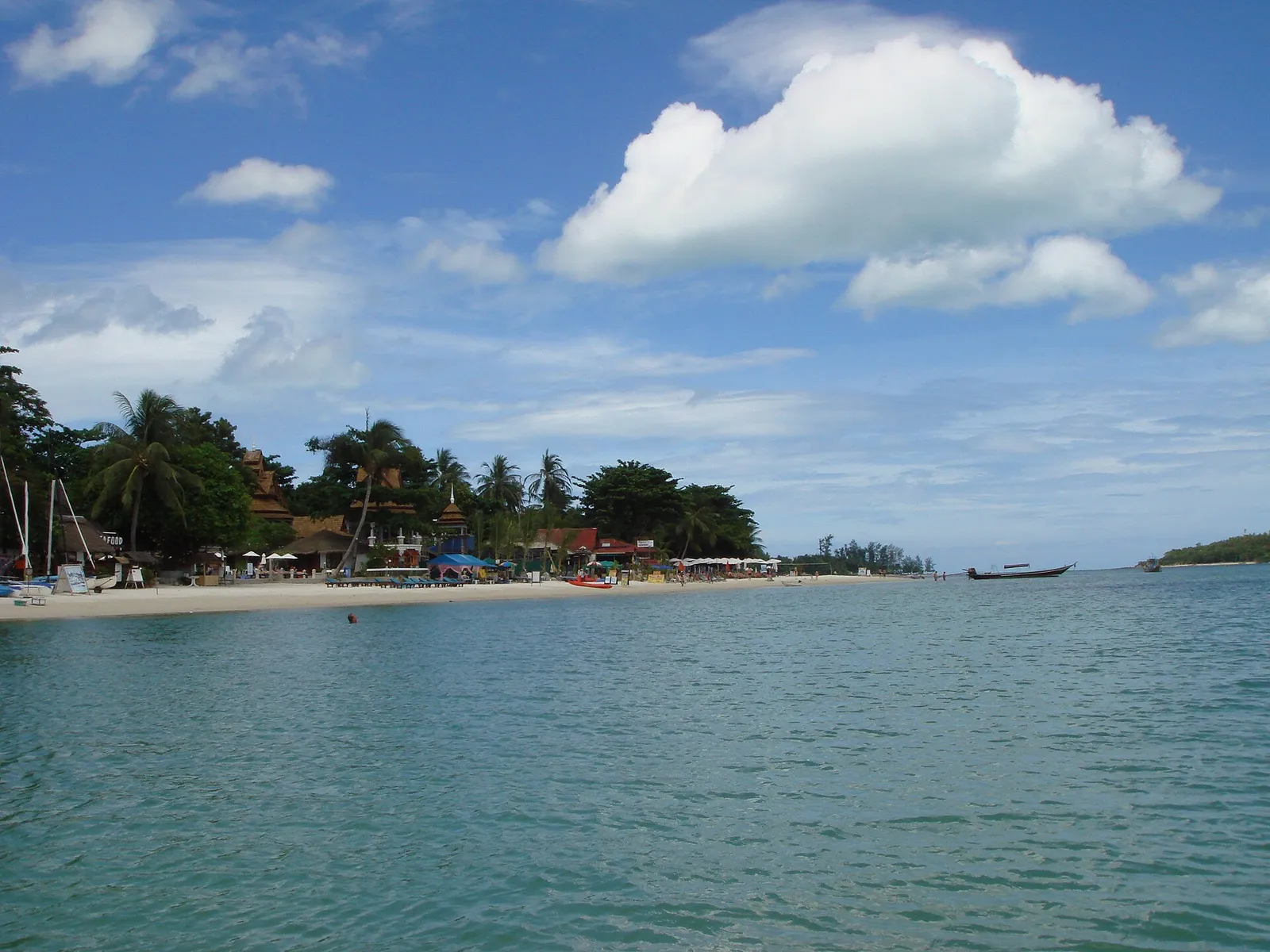
The main east coast beach
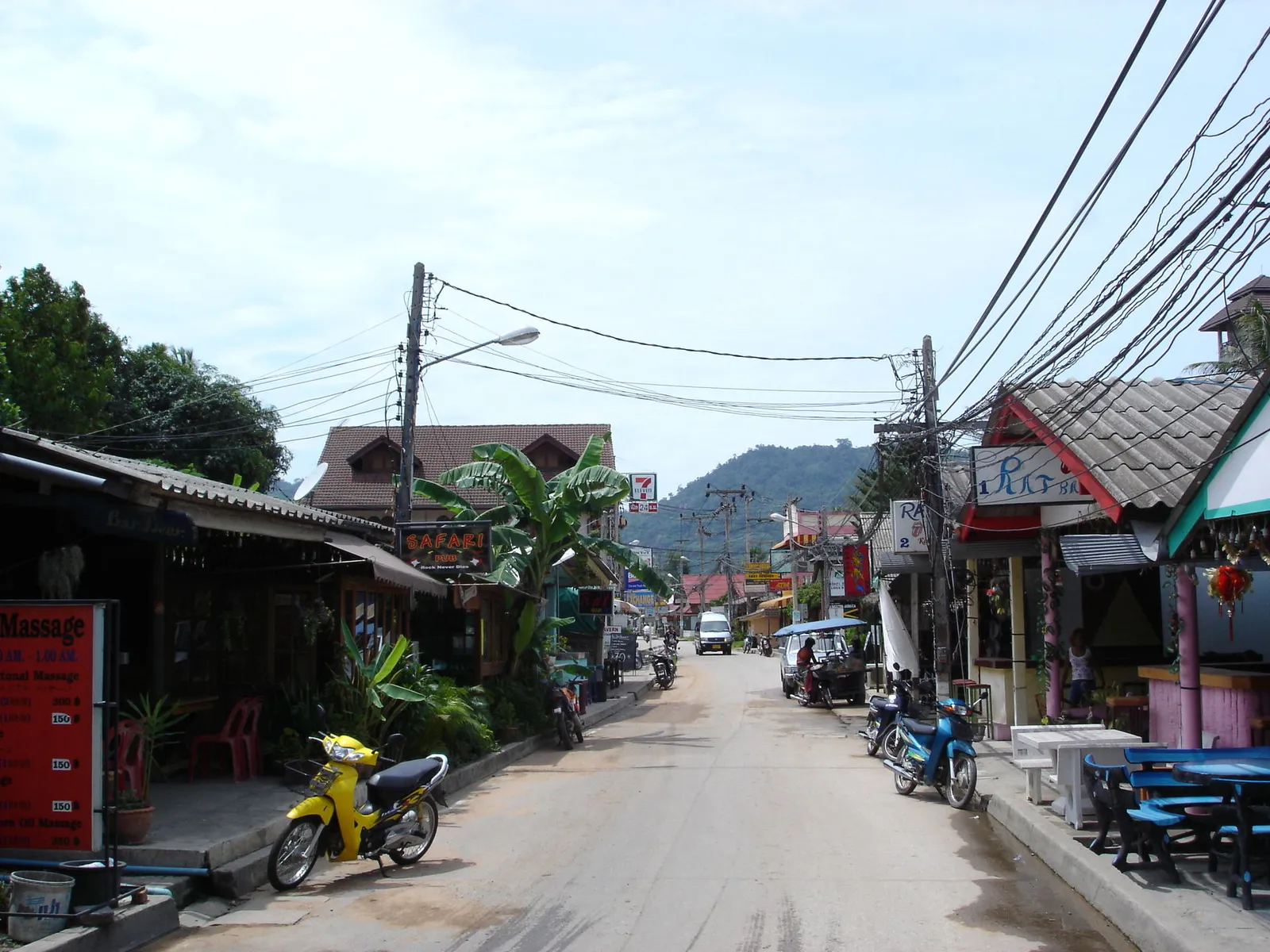
What it is. The island’s longest and busiest beach, with a full town behind it: hotels at every price, hundreds of restaurants, shopping and the nightlife.
Who it suits. First visits, groups, anyone who wants choice on the doorstep and something happening in the evening.
The advantage. You never need transport, and everything is available.
The trade-offs. It is the loudest part of the island and the beach is busy. The northern end is calmer than the centre, which is worth specifying when booking.
The bay south of it
What it is. The second town, smaller, with a good beach, a decent choice of restaurants and a much shorter strip.
Who it suits. Families, couples and anyone wanting the convenience without the volume.
The advantage. Calm swimming and a walkable centre without the late-night noise.
The trade-off. Fewer options than the main beach, which is the point.
The north coast
What it is. A stretch of shallow calm bays with an old fishing village at one end, now a quarter of restaurants and small bars in wooden shophouses over the water.
Who it suits. Couples, food people, and anyone who values a good evening walk over a good beach.
The advantage. The most pleasant evenings on the island, sunsets, and the shortest airport transfer.
The trade-off. The beaches here are shallow and not the island’s best for swimming.
The south and west
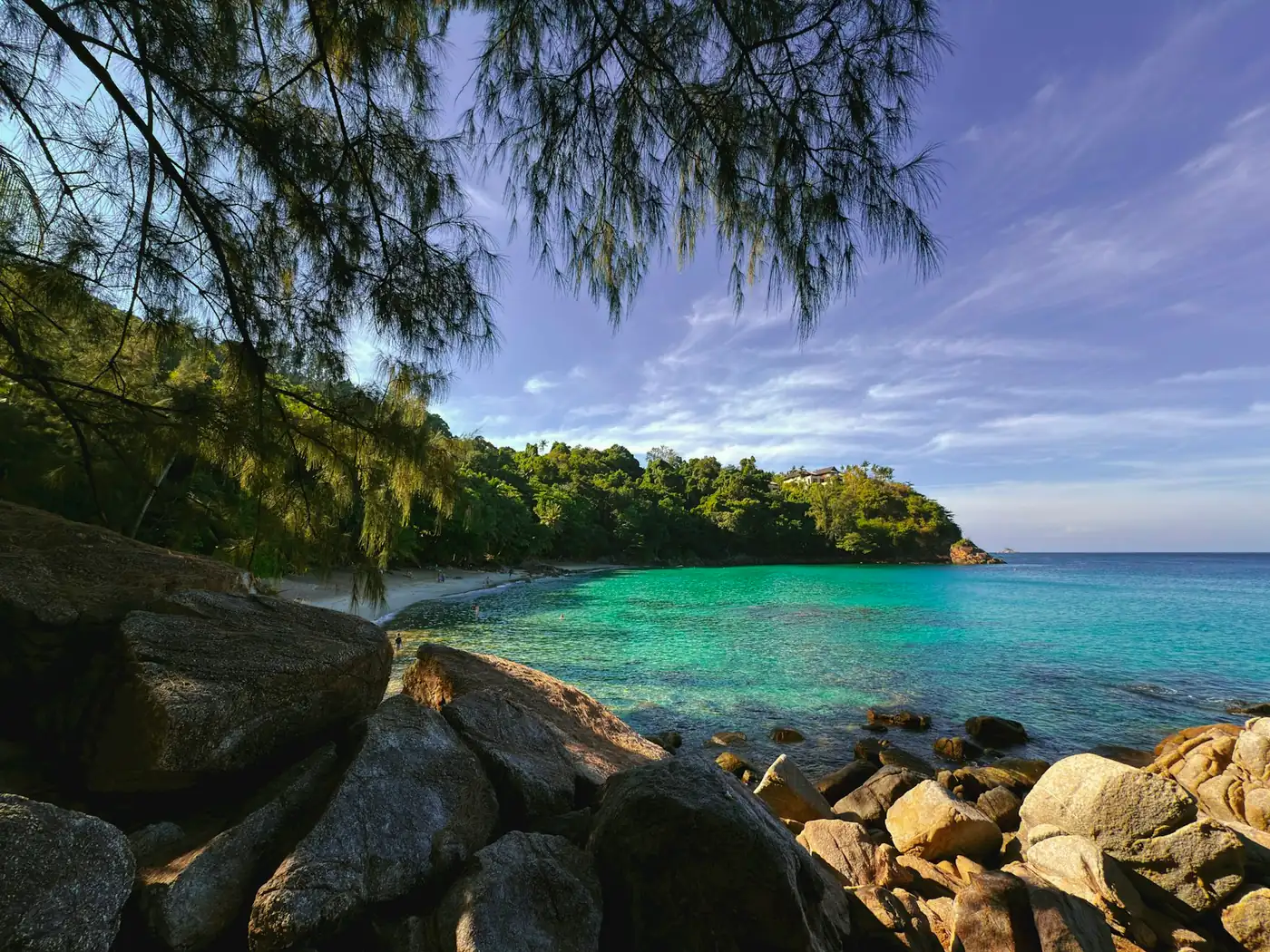
What they are. The quiet ends: individual resorts, small beaches, and very little else around them.
Who they suit. People who want to be left alone, and anyone with a car or a scooter.
The advantage. Genuine quiet and some of the island’s best hotels.
The trade-off. You drive to dinner, every night.
Practical notes
Book ahead for the drier months and the year-end peak, when the good properties on the popular bays fill.
Read reviews for noise on the main beach, where the difference between the centre and the northern end is substantial.
Check the swimming at your bay, since the north coast is very shallow at low tide and better for wading than swimming.
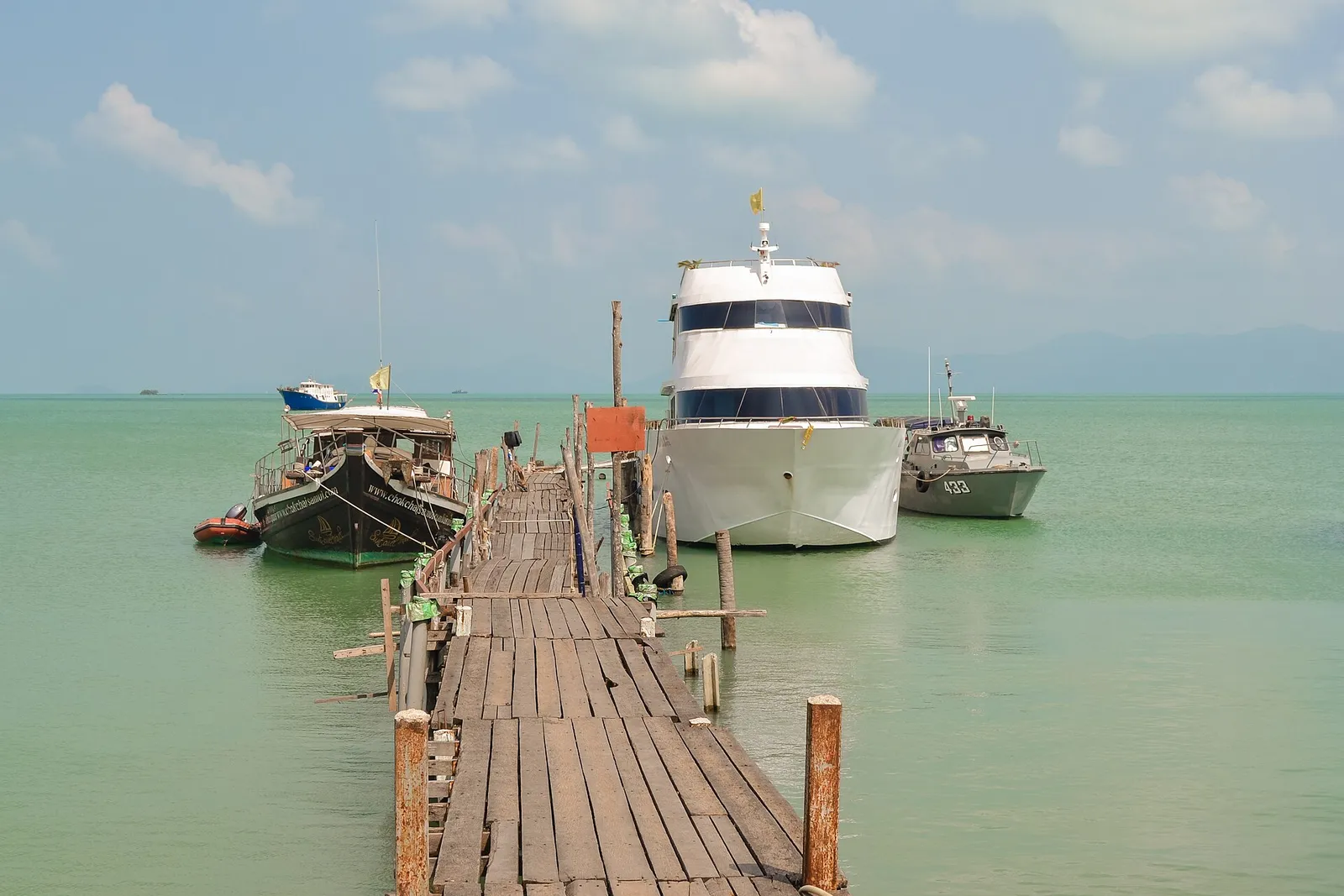
Ferry days to the neighbouring islands leave early, so a base near the piers on the north or northwest saves a dawn drive.
Split the stay if you have a week, with a few nights on the busy coast and a few in the quiet.
Where this fits
For the island itself, what to do on it and the crucial point about the Gulf and Andaman seasons being opposite, our Koh Samui guide covers the whole picture.
For the equivalent decision on the west coast, where transport is thinner and the beaches are further apart, our guide to where to stay in Phuket covers the other big island.
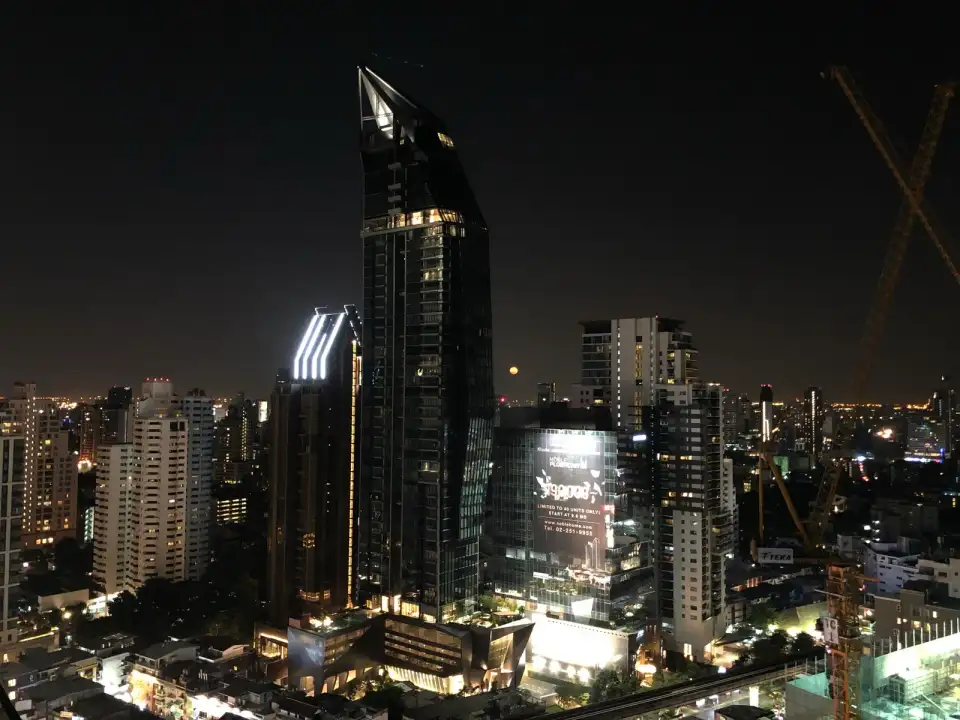
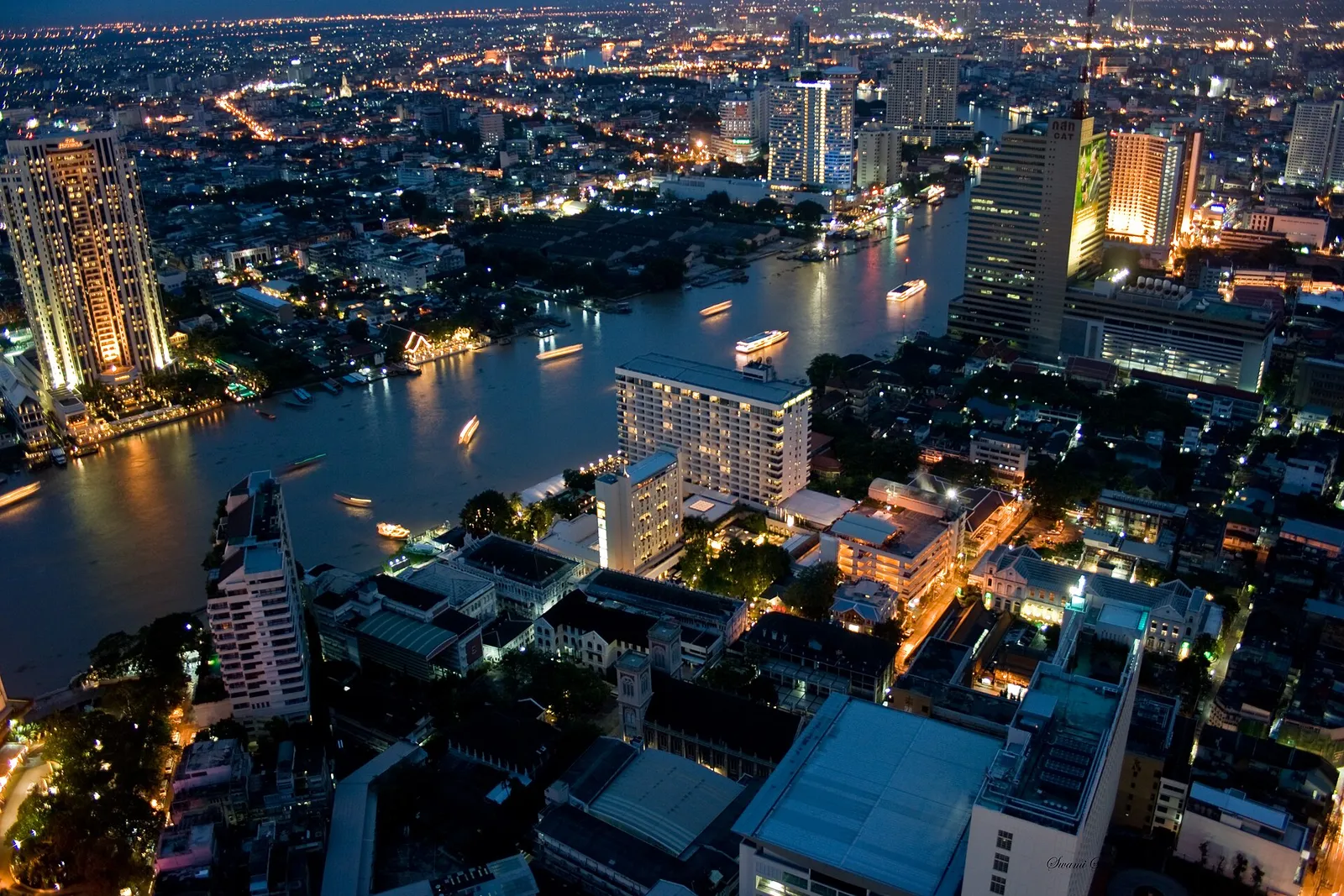
And for the mainland version of this question, our guide to where to stay in Bangkok covers the neighbourhoods and the transport lines in the capital.
The short version
Pick the bay for the evening you want, since the ring road makes all of them equally reachable. Take the main east coast beach for choice and nightlife, the bay south of it for a calmer version, the north coast for the best evenings and the shortest airport transfer, and the south or west for genuine quiet with a drive to dinner. Specify the northern end if you book the main beach and want to sleep. Use the shared trucks or agree taxi fares in advance. And on a week, split the stay between two of them.