Chiang Mai is built around a square moat with an old walled city inside it, and where you sleep relative to that square shapes the trip more than the price does. Inside, everything is a walk and the city feels small and manageable. Outside, in three or four quite different directions, it becomes an ordinary large northern city with quiet corners, a design quarter and a river. Both are good; they are simply not the same visit.
The old city, inside the moat
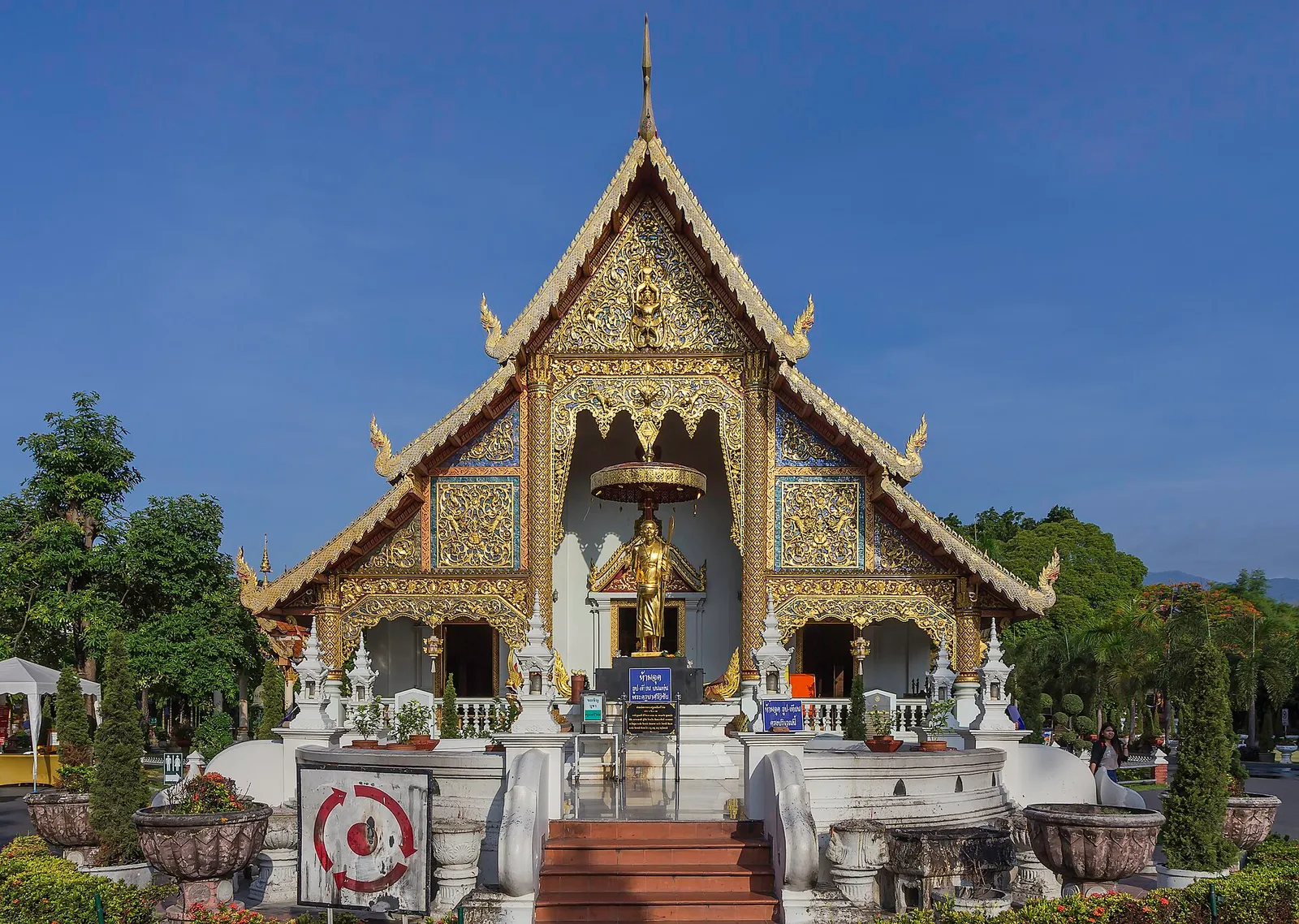
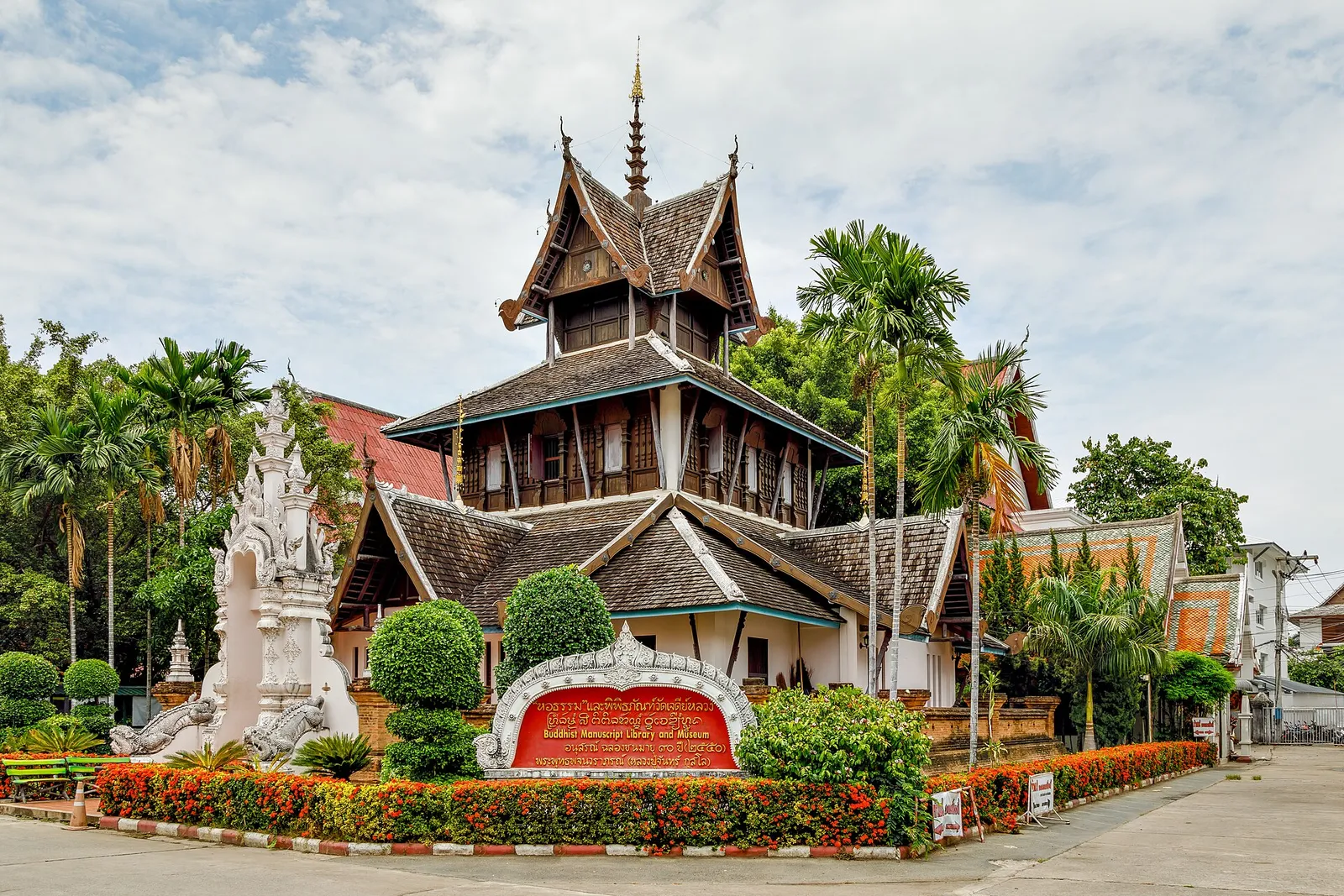
What it is. A square of roughly one and a half kilometres a side, ringed by a moat and the remains of a brick wall, packed with temples, guesthouses, restaurants and markets.
Who it suits. First visits, short stays, anyone without transport and anyone who wants to walk everywhere.
The advantage. Nearly everything a visitor wants is inside it or on its edge, and the streets between the temples are the pleasure.
The trade-offs. It is the most visitor-oriented part of the city, some streets are noisy at night, and it is not where locals live.
Prices are low by any standard, including for good small hotels.
Nimman, west of the walls
What it is. The university and design quarter, a grid of streets full of cafes, boutiques, small restaurants and coworking spaces.
Who it suits. Longer stays, remote workers, coffee people, and anyone on a second visit.
The advantage. It is where the city’s contemporary life is, and the eating is excellent.
The trade-off. You are fifteen minutes from the temples, and the character is modern rather than historic.
The riverside
What it is. The banks of the Ping river east of the old city, with older wooden houses, some grand hotels and a quieter pace.
Who it suits. Couples, families with space to fill, and anyone who wants calm evenings.
The advantage. Quiet, green, with river views and a slower rhythm.
The trade-off. You will use a taxi or a scooter for almost everything.
The Night Bazaar area
What it is. The commercial strip between the old city and the river, built around the long-running night market.
Who it suits. Convenience seekers and anyone catching an early transport connection.
The advantage. Everything is available and the market is on your doorstep.
The trade-off. It is the least charming part of central Chiang Mai and it is busy and traffic-heavy.
Further out
The hills north and west of the city hold resorts and retreats with real quiet and cooler air, reached by a drive.
Hang Dong and the south have the craft villages and larger family properties.
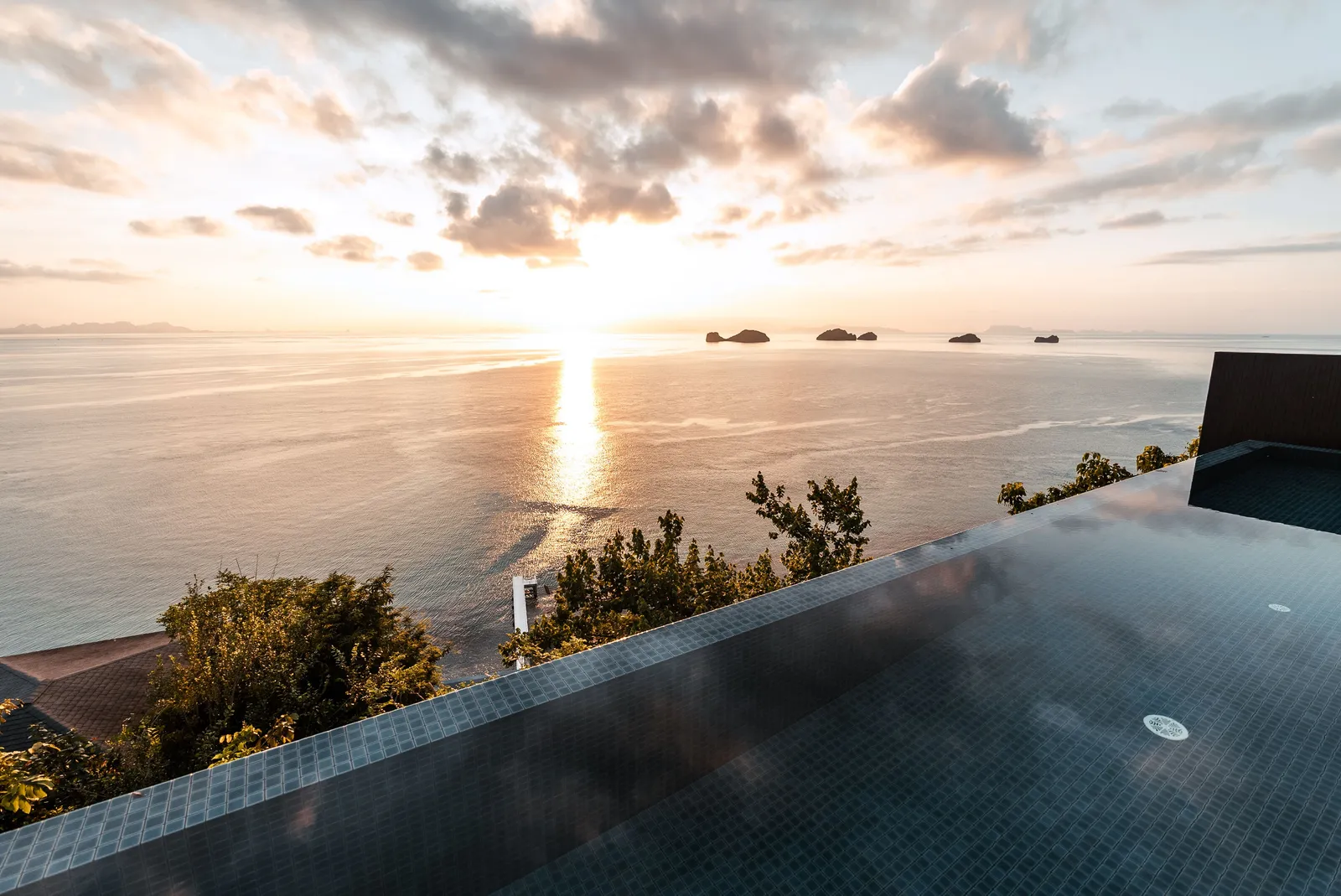
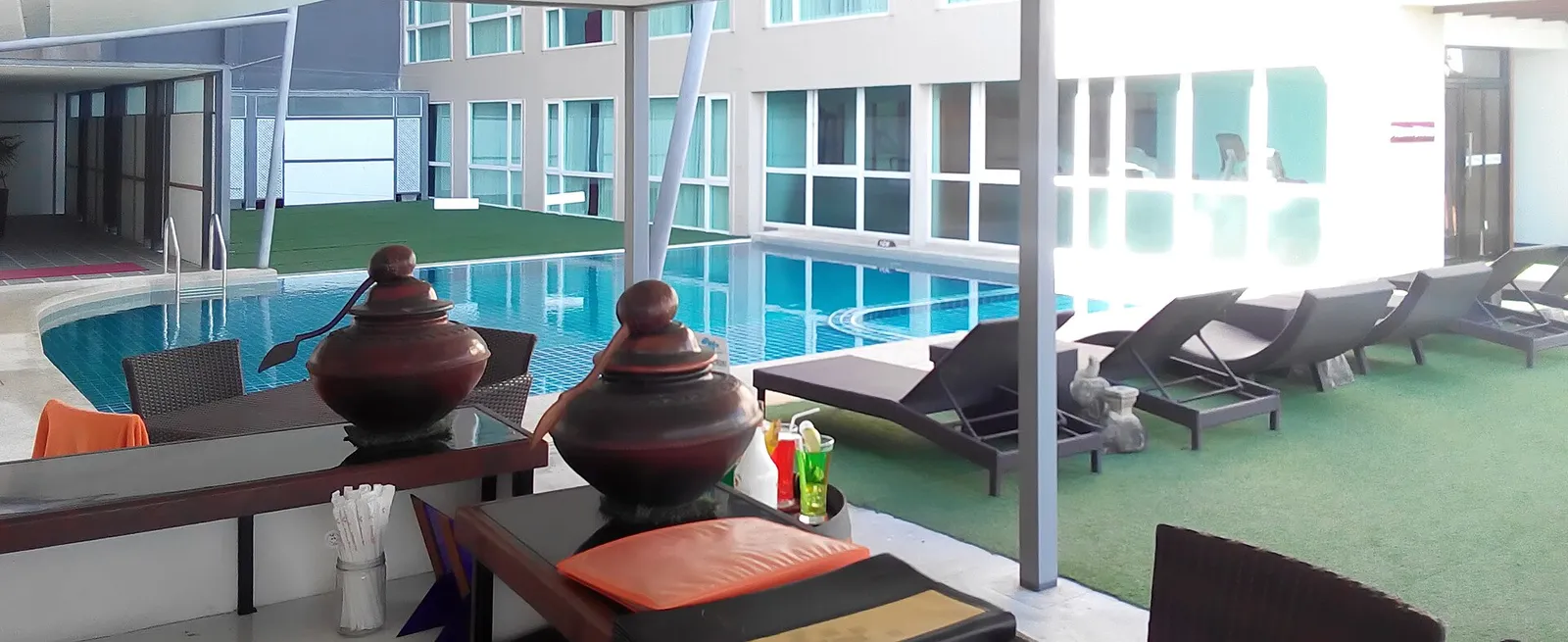
Anywhere with a pool is worth considering in the hot season, when the middle of the day is for swimming rather than sightseeing.
Practical notes
Red truck taxis are the shared local transport, flagged down and negotiated, and ride-hailing apps also work.
Scooters are everywhere and are covered by the usual cautions about licences and insurance.
Sunday evening brings a large walking street market through the old city, which is wonderful and makes the centre very busy.
Book ahead for the cool season from roughly November to February, which is peak, and for the lantern festival period, which sells out far in advance.
Rooms are inexpensive, so paying slightly more here buys a noticeably better place than the same step up elsewhere.
Where this fits
For the city as a whole, the markets, the cooking classes and how long to stay, our Chiang Mai guide is the starting point.
For the temples in the old city and the one on the mountain above it, our guide to Chiang Mai temples and Doi Suthep covers which to choose and the dress code.
And for the equivalent decision in the capital, where the neighbourhoods differ far more sharply, our guide to where to stay in Bangkok covers the areas and the transport lines.
The short version
Stay inside the moat on a first visit, because everything you came for is walkable from there and the rooms are cheap. Take Nimman for a longer stay, coffee and a younger scene, the riverside for quiet, and the Night Bazaar strip only for convenience. Expect to use red trucks or an app anywhere outside the walls. Book ahead for the cool season and the lantern festival. And check current air quality readings before committing to dates between February and April.