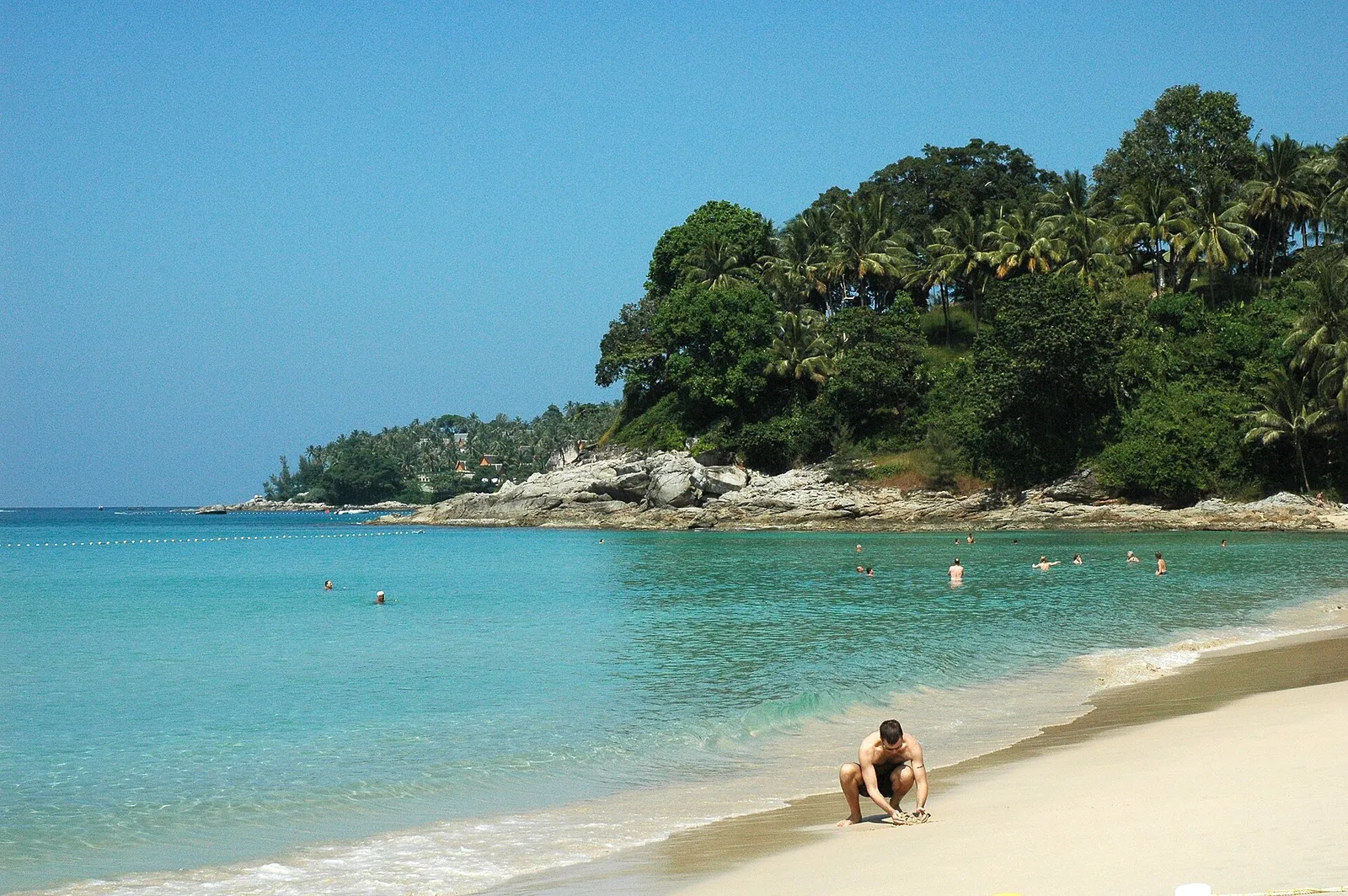
Phuket is fifty kilometres long and the beaches along its west coast have almost nothing in common with each other. One is a dense resort town with a famous bar strip. Another is a quiet family bay with a handful of restaurants. Another is inside a national park with a long empty beach and nothing behind it. All of them are sold as Phuket, all of them are an hour or less apart, and the single biggest determinant of whether you enjoy this island is which one you book.
The main strip
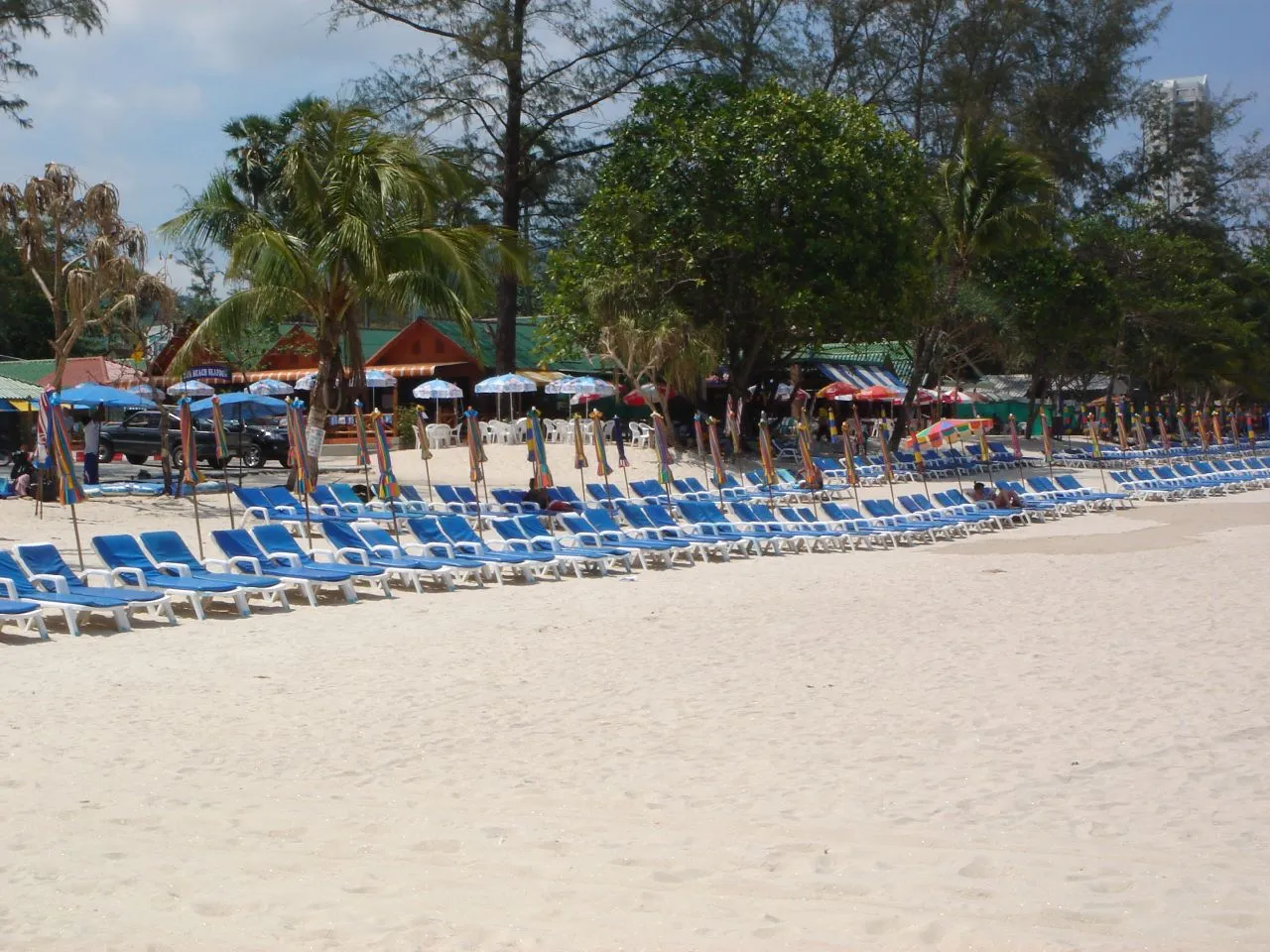
What it is. The long central beach with a full resort town behind it: hotels at every price, water sports, shopping, and the island’s nightlife concentrated into a few streets.
Who it suits. Nightlife, groups, first-time visitors who want everything available, and anyone who values convenience over calm.
The advantage. You can walk to hundreds of restaurants and bars and never need a taxi.
The trade-offs. It is loud, dense and built up, the beach is busy, and the strip is not a family environment after dark.
The northern bays
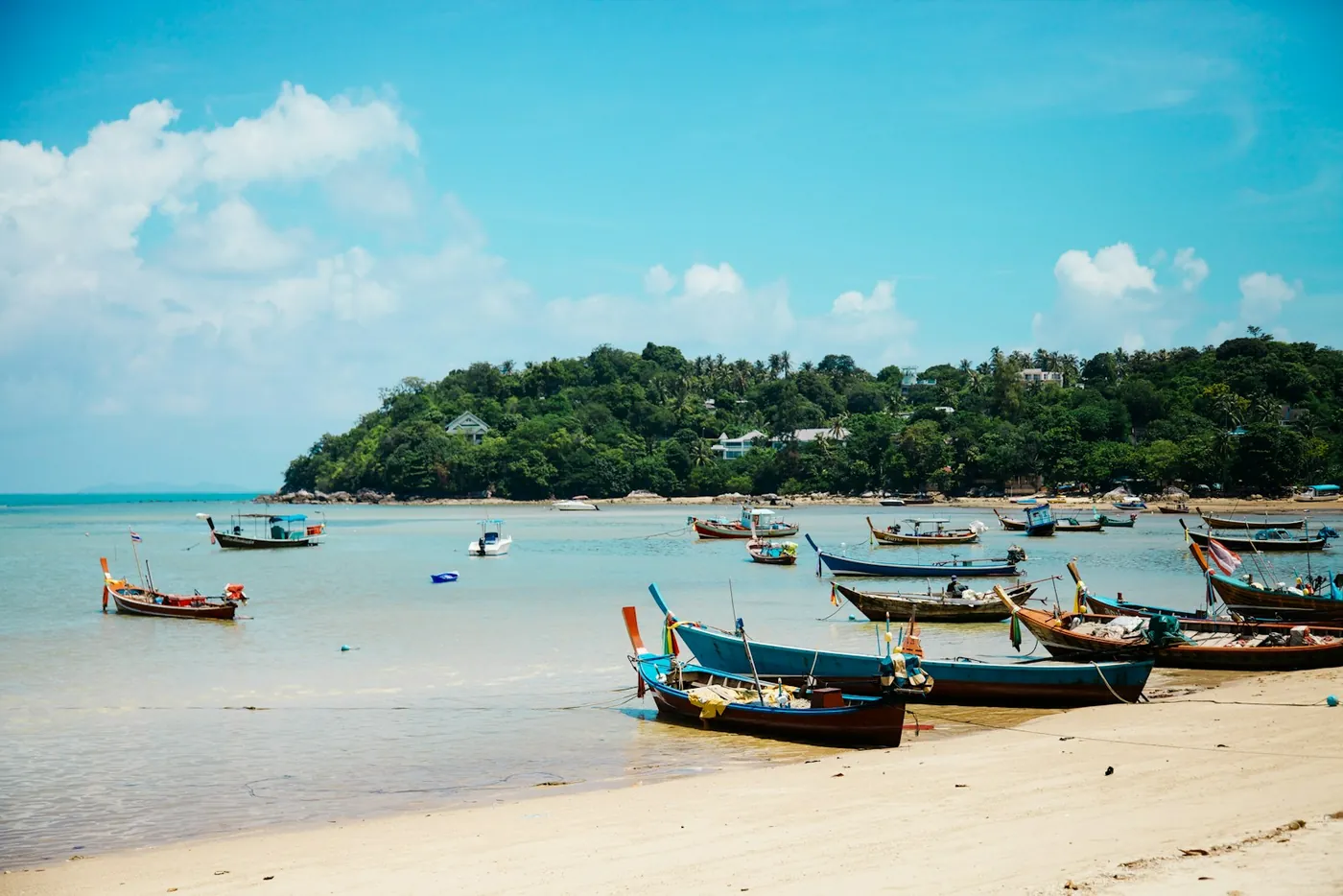
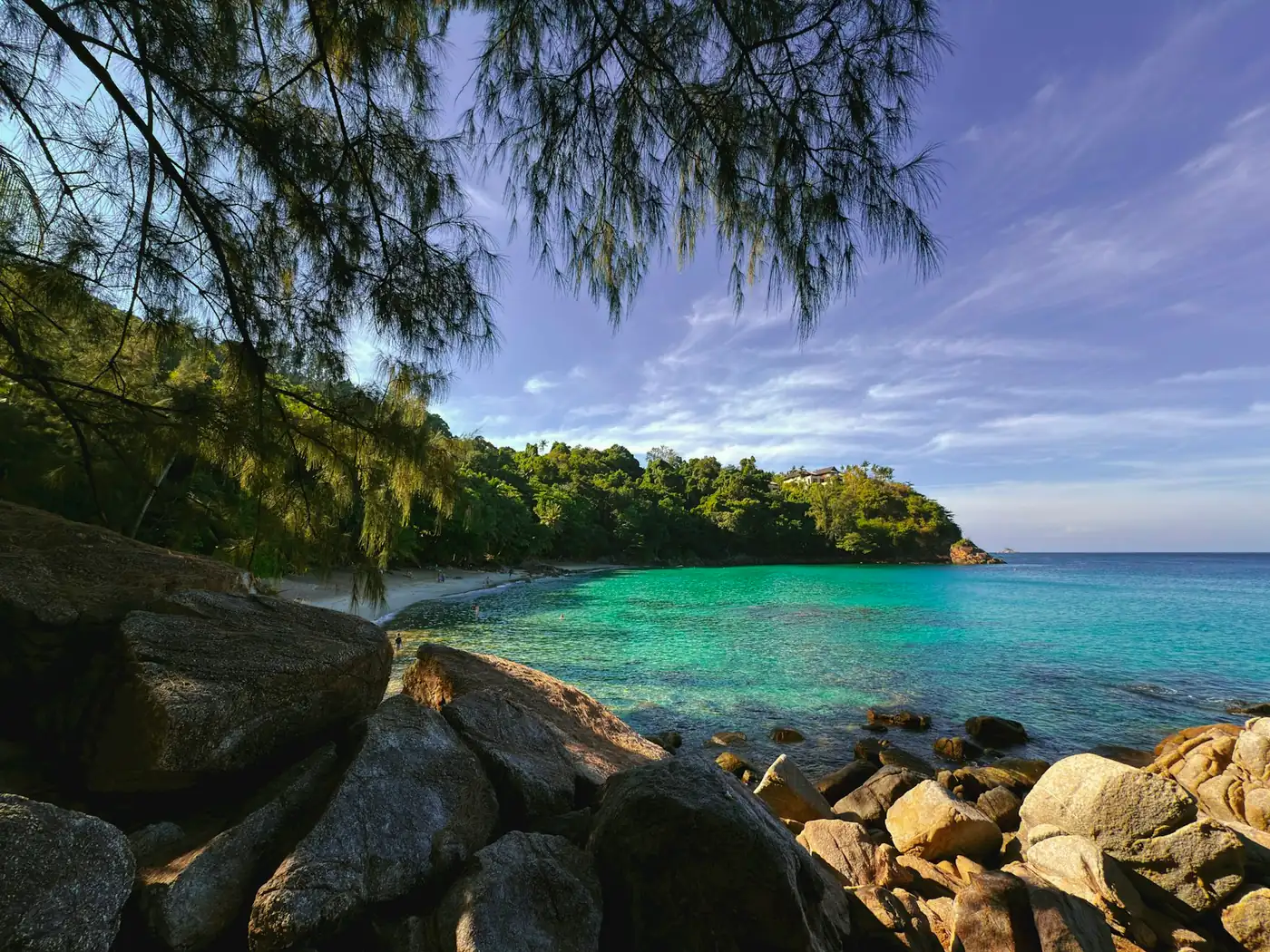
What they are. A series of quieter beaches north of the strip, each with a small cluster of hotels and restaurants, getting calmer as you go.
Who they suit. Families, couples, and anyone who wants a beach holiday with dinner options and no scene.
The advantage. Calm swimming, shallow entry, and a shorter airport transfer since the airport is in the north.
The trade-off. Fewer restaurants within a walk, so choose a bay with a small village rather than an isolated resort unless you want to eat in every night.
The south
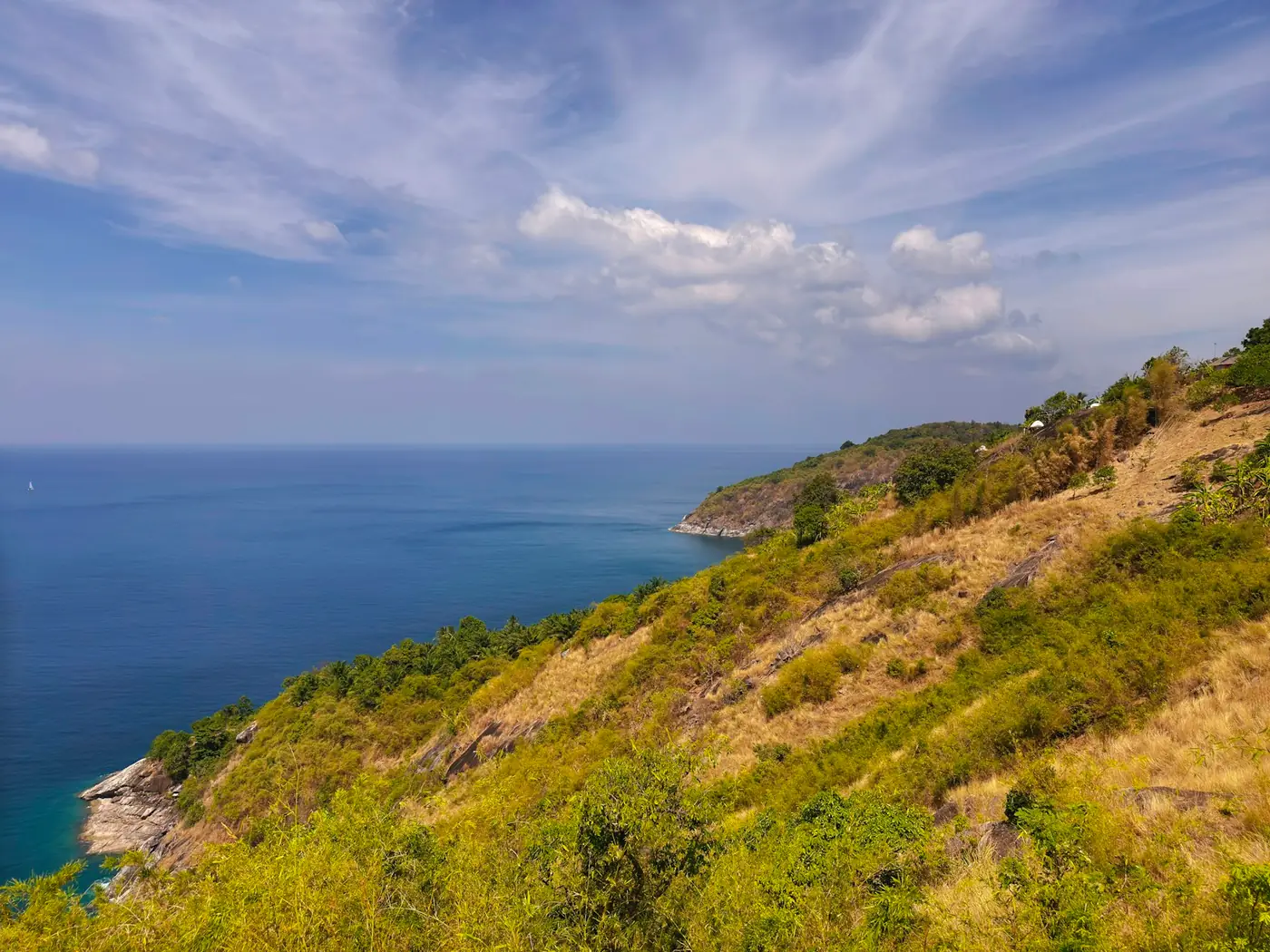
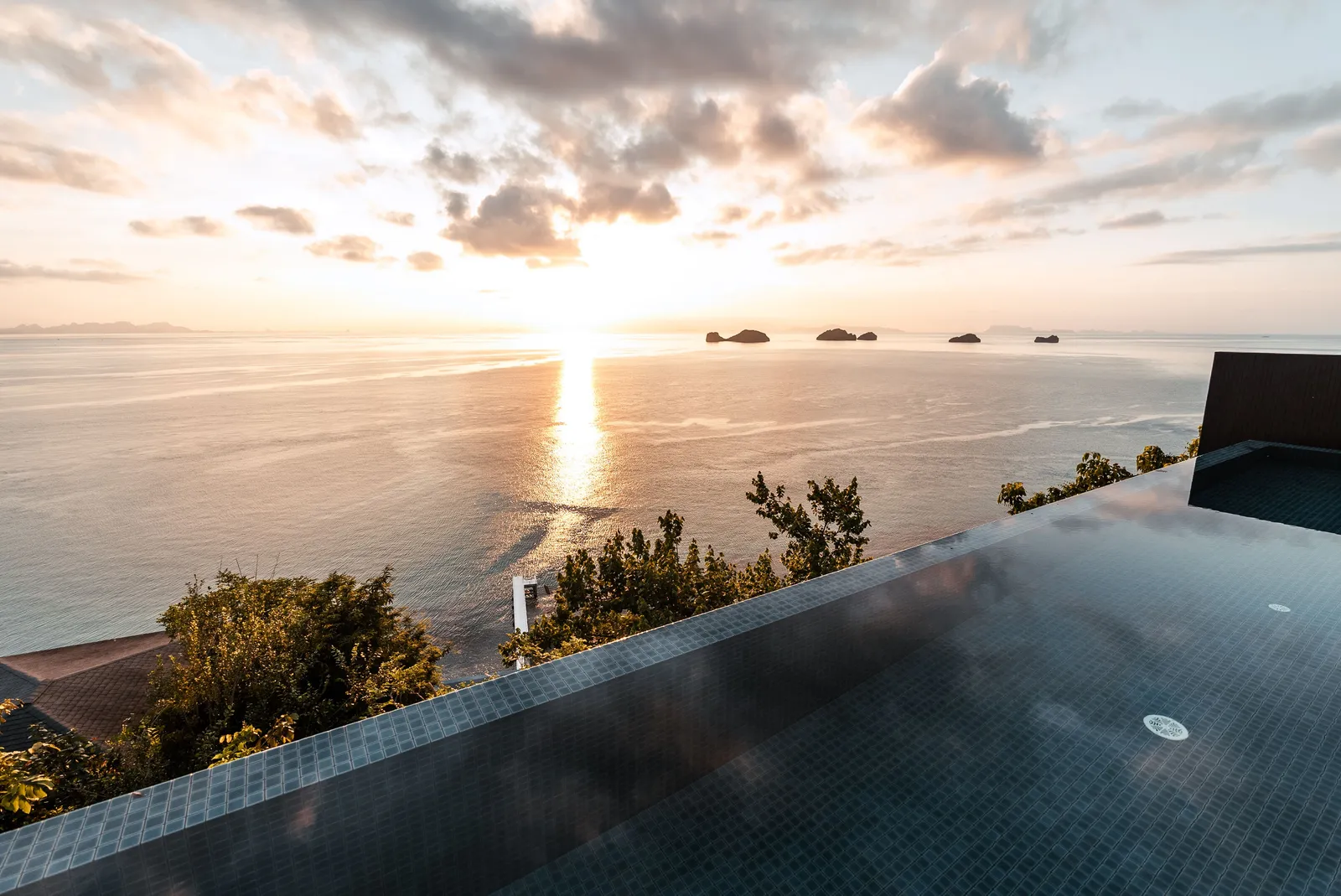
What it is. The southern headland and its coves, with calmer water, sunset views, and a mix of high-end resorts and modest guesthouses.
Who it suits. Couples, quiet weeks and repeat visitors.
The advantage. The best sunsets on the island and genuinely calm bays.
The trade-off. The longest airport transfer and the most driving to anything else.
The national park coast
What it is. The far north inside a protected area: a very long beach with almost nothing behind it.
Who it suits. People who want emptiness and are happy eating where they sleep.
The trade-off. Exposed in the monsoon, with strong currents, and nothing within a walk.
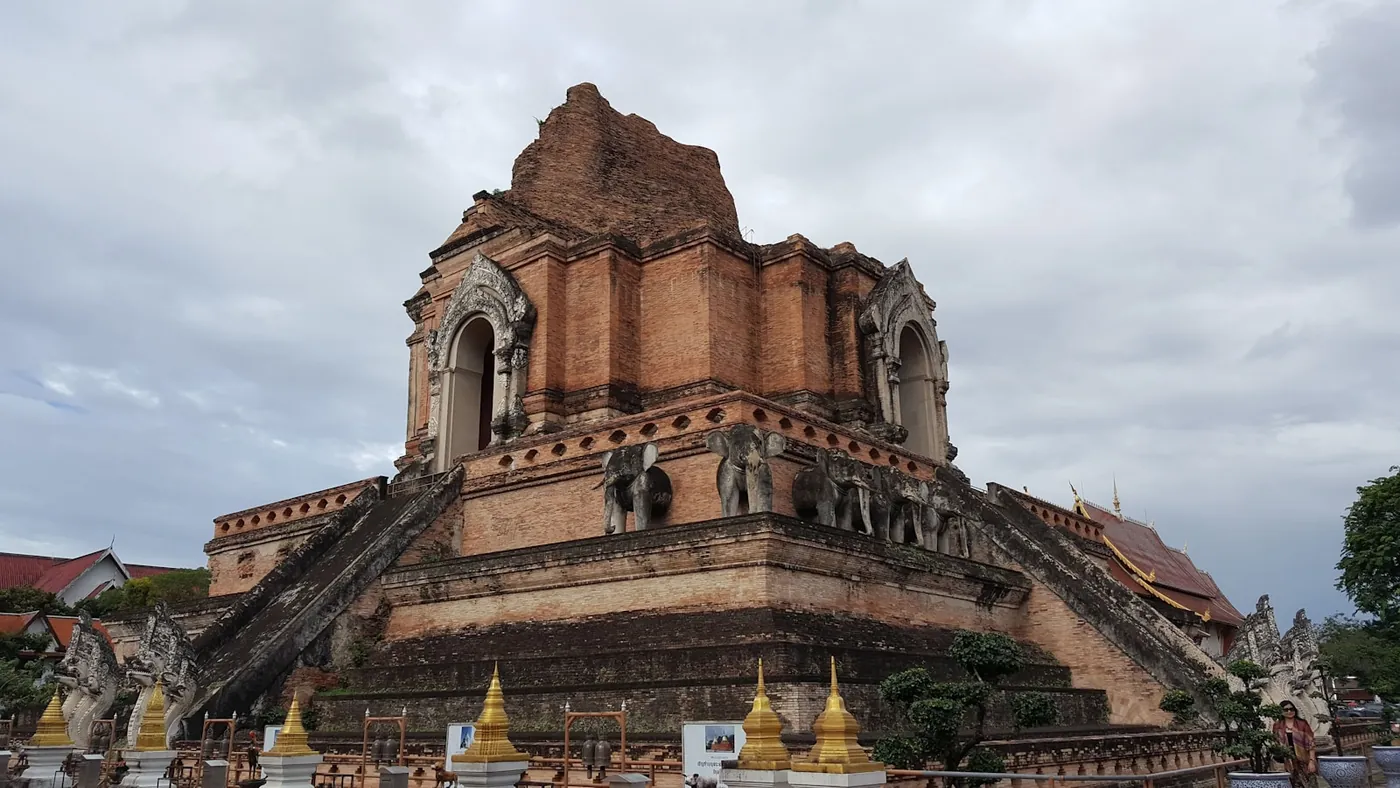
The old town
Not a beach, and worth a night anyway.
Pastel Sino-Portuguese shophouses, cafes, street art, proper restaurants and a Sunday walking street.
Cheap compared with the coast.
Good for the first or last night of a trip, particularly with a morning flight.
The most characterful place on the island, and almost nobody stays there.
Practical notes
Book ahead for the dry season and the year-end peak.
Read reviews for noise if you are anywhere near the strip.
Check the monsoon exposure of a west-facing beach if you are travelling outside the dry months.
Resort shuttles exist at many properties and are worth asking about, since they take the sting out of the transport problem.
Split your stay between two beaches if you have a week, since they are genuinely different.
Where this fits
For the island itself, the old town, the boat days and the seasonal warnings, our Phuket guide covers the whole picture.
For the equivalent decision on the Gulf side, where an airport and a ring road change the calculation, our guide to where to stay in Koh Samui covers the other big island.
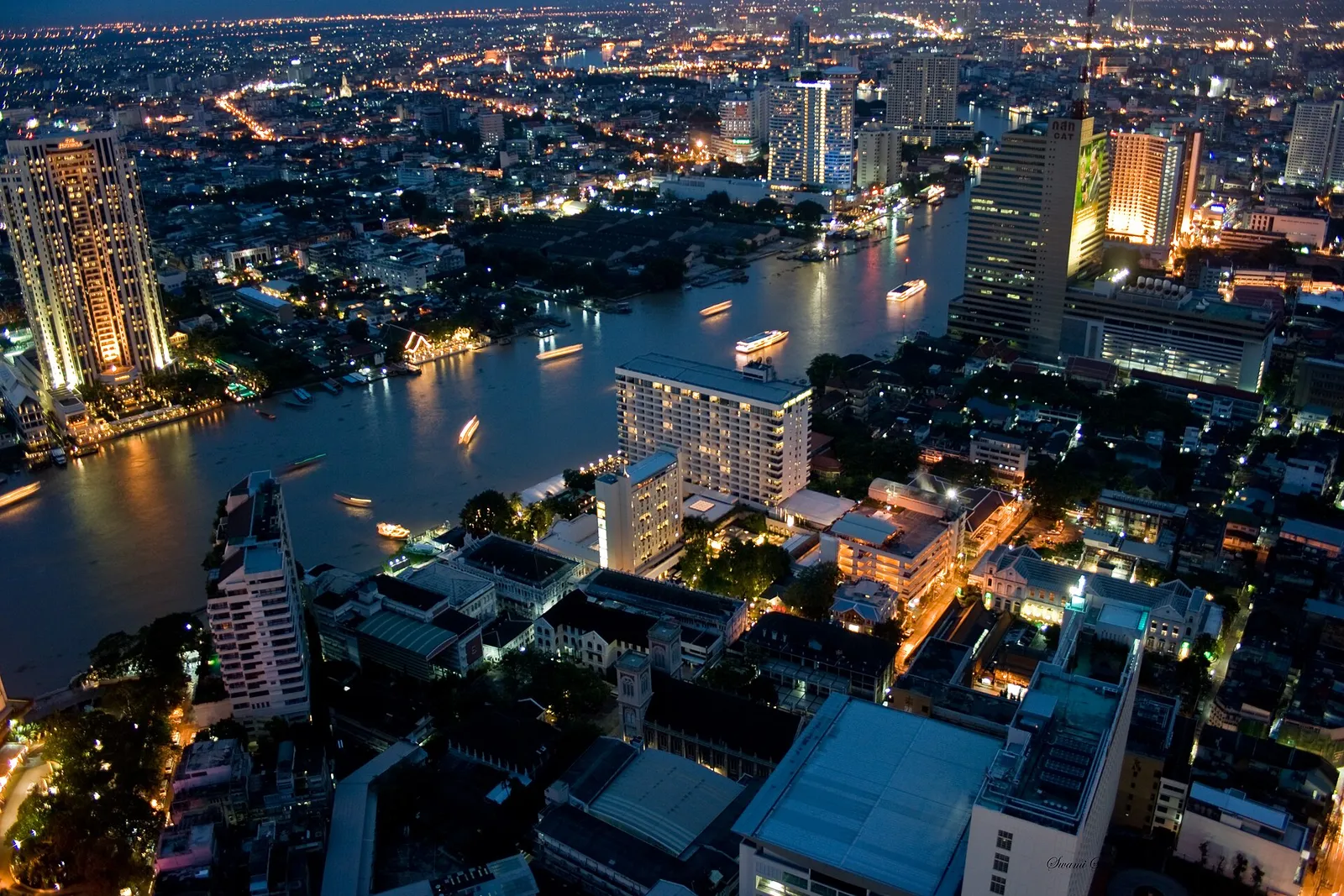
And for the mainland equivalent, where neighbourhoods and transport lines matter more than beaches, our guide to where to stay in Bangkok covers the capital.
The short version
Choose the beach before the hotel: the main strip for nightlife and convenience, the northern bays for families and a short airport transfer, the south for calm water and sunsets, and the national park coast only if emptiness is the point. Check what you can walk to and how long the transfer is, because transport here is thin and expensive and both cost more than the room rate difference. Consider a night in the old town at either end. And on a week-long stay, split it between two beaches.