Chiang Mai has something like three hundred temples inside and around its old walls, which is precisely the problem. Visitors arrive with a list, see nine in a morning, and remember none of them. The city rewards the opposite approach: three or four chosen for different reasons, seen slowly, plus the one on the mountain above town that is the reason people come north in the first place. Here is which ones, and how to visit without being turned away at the door.
The temples in the old city
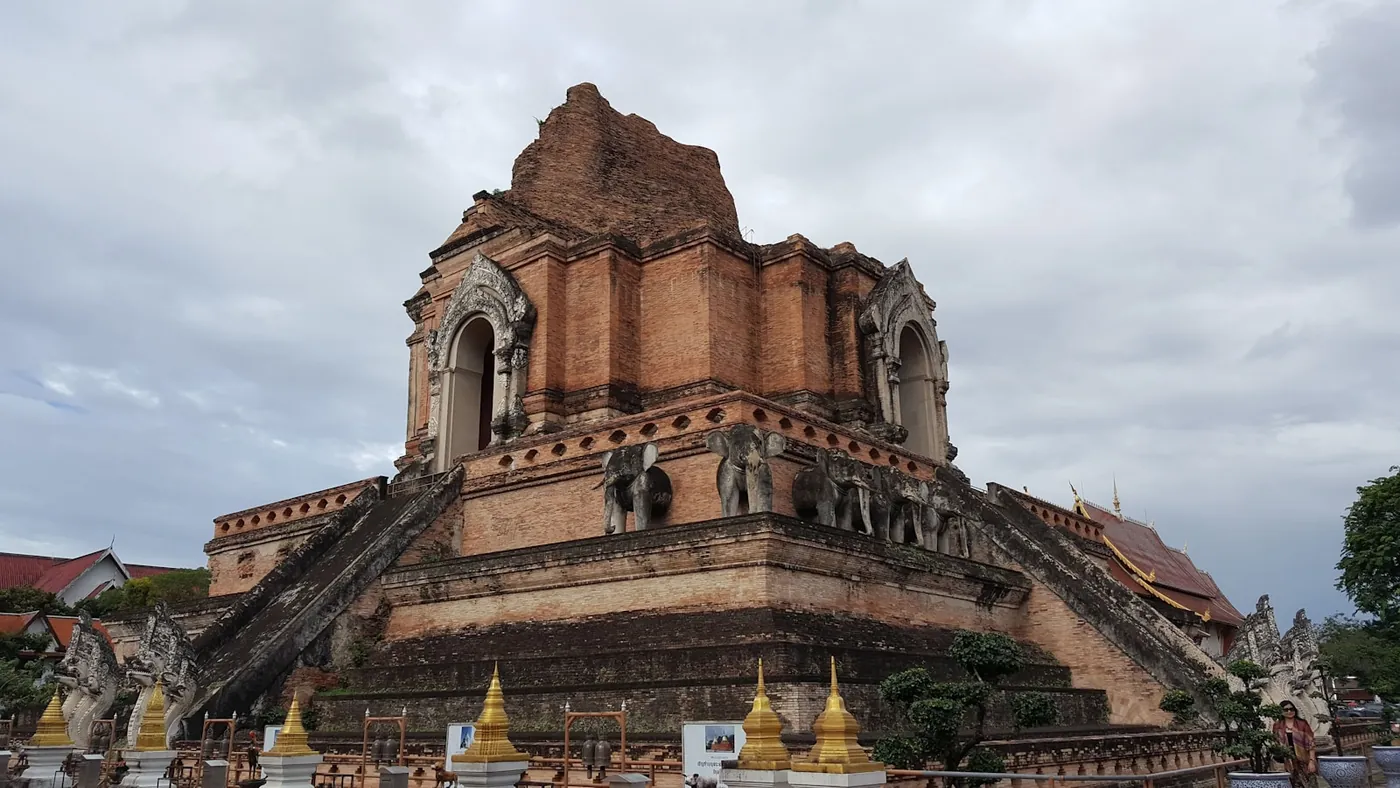
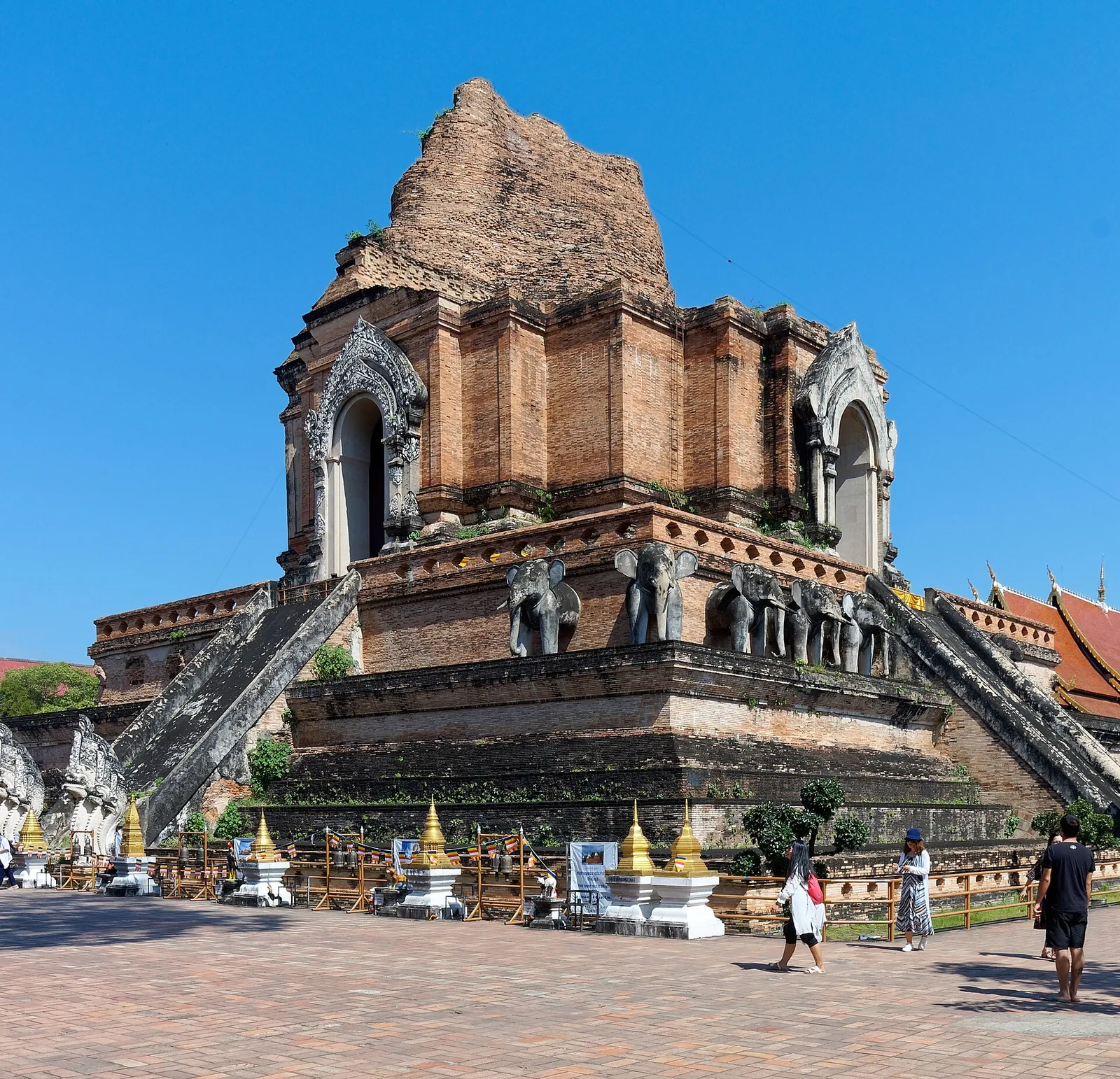
The great ruined chedi in the middle of the old town is the one to start with: an enormous brick stupa, partly collapsed in an earthquake centuries ago, with elephants around its base and a working temple beside it.
The oldest temple in the city, in the northern part of the walls, is a quiet complex of wooden buildings that feels lived in rather than visited.
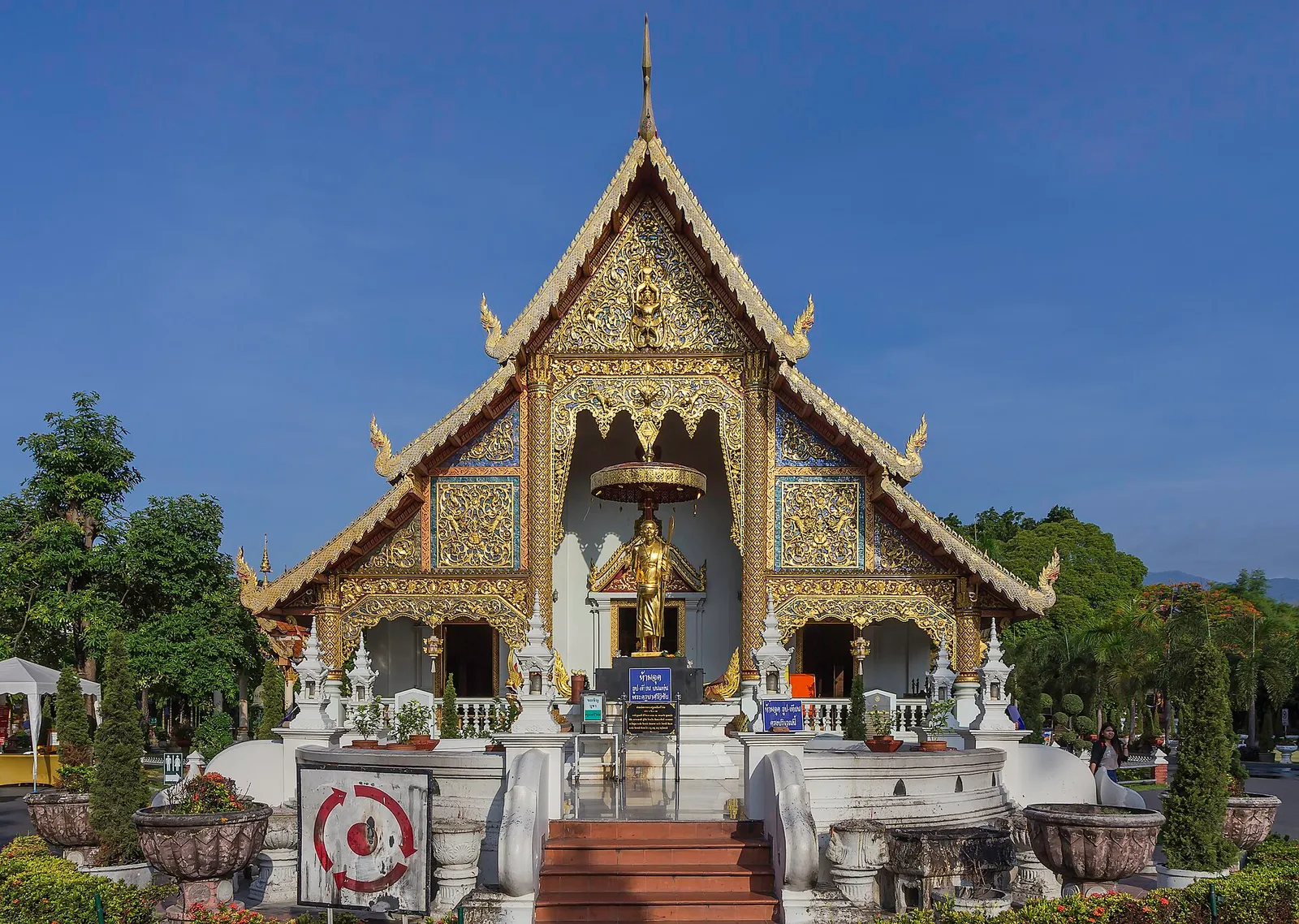
The golden hall near the western gate is small, intensely decorated and the single most photographed interior in Chiang Mai.
A silver ordination hall in the craft quarter south of the moat is unlike anything else in Thailand, and worth the walk for the technique alone. Women are traditionally not permitted inside the ordination hall itself, which is posted at the entrance.
Any temple you pass. The city’s working temples are open, quiet and empty of visitors, and stepping into one for five minutes is the best thing you can do here.
Doi Suthep
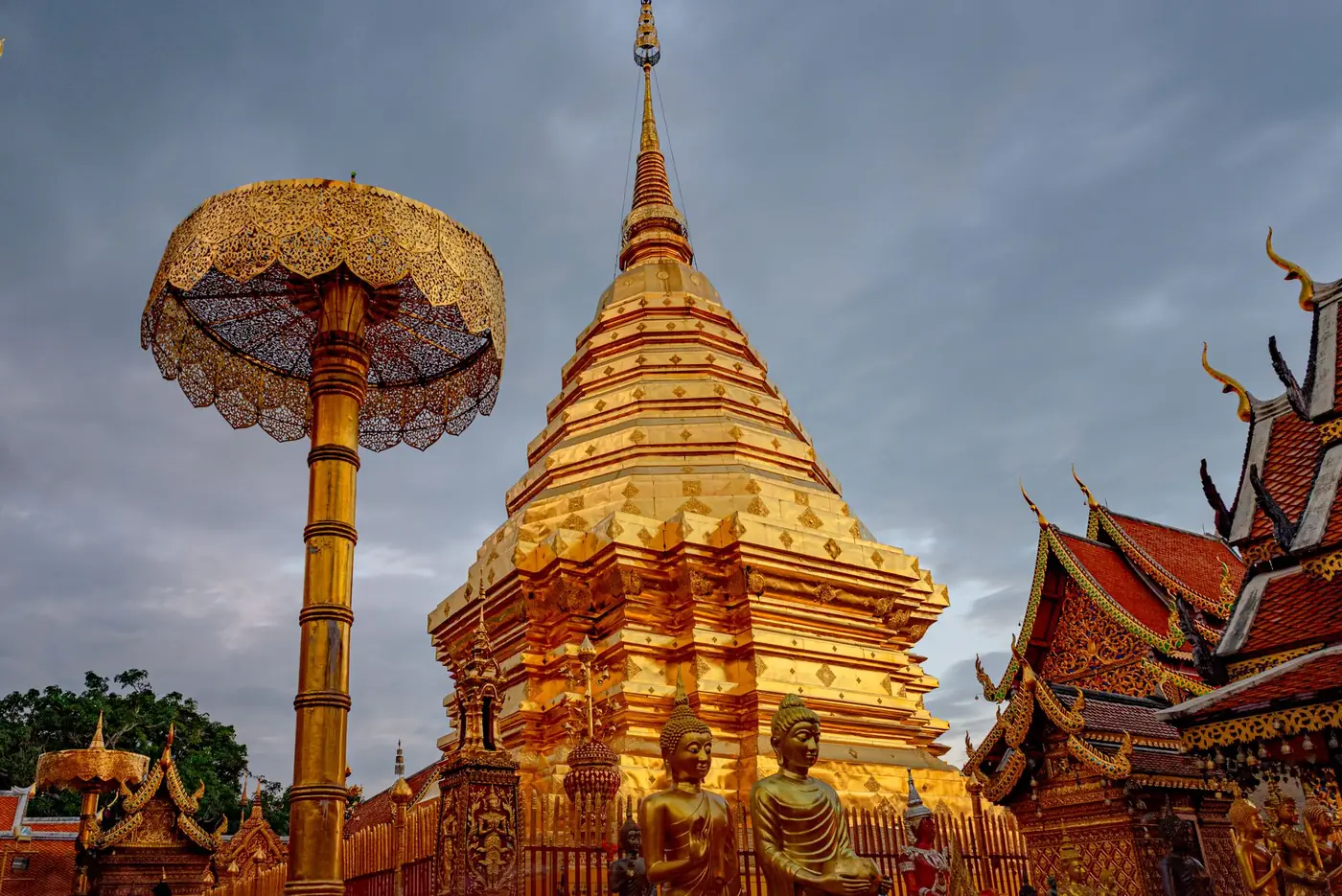
What it is. A golden temple complex on a mountain shoulder above the city, founded in the fourteenth century, with a terrace looking out over the whole valley.
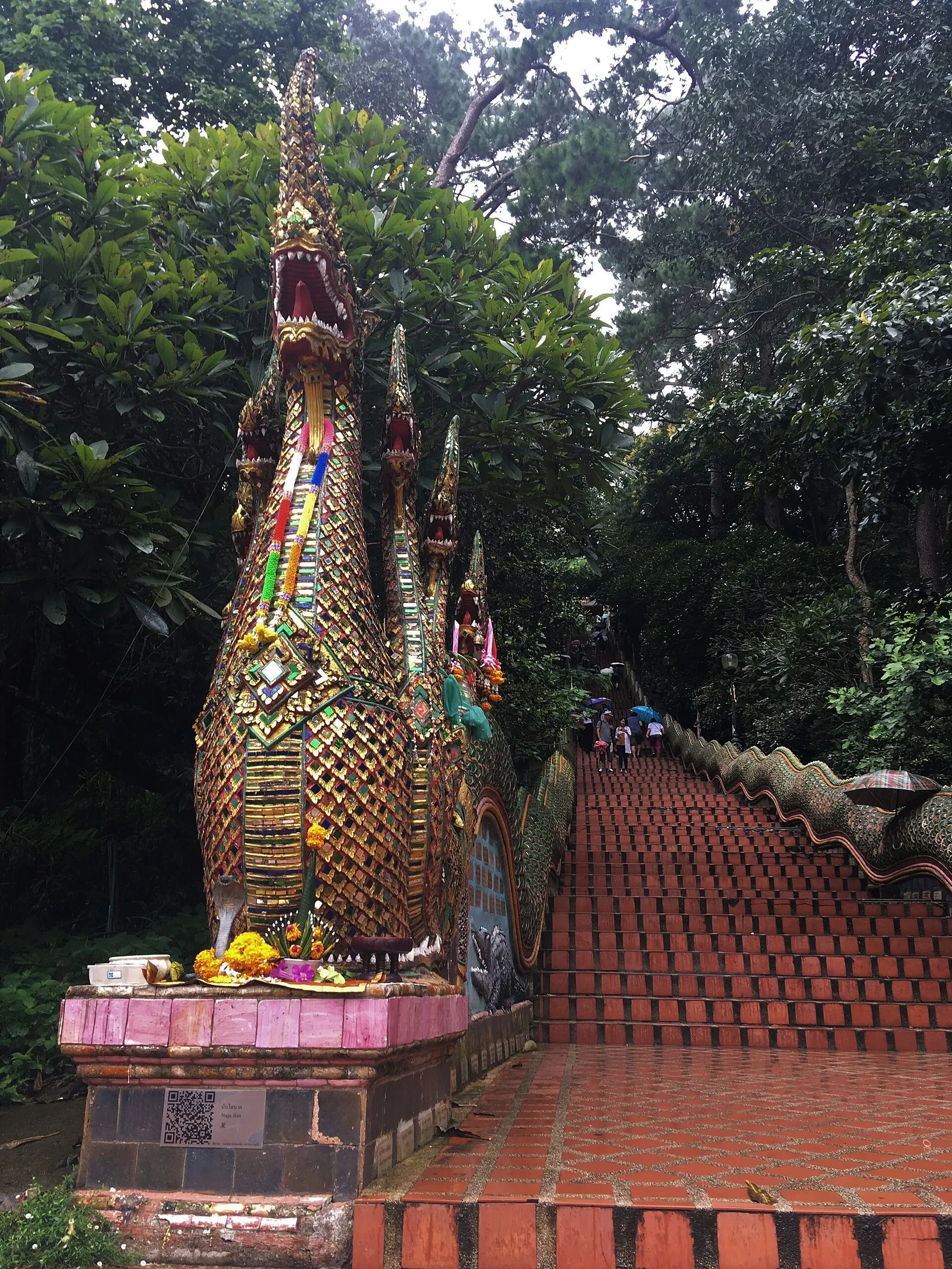
The staircase of more than three hundred steps flanked by two enormous serpent balustrades is the traditional approach, and there is a funicular for anyone who needs it.
The terrace view over Chiang Mai is the reward, best in the morning haze or the late afternoon.
The inner terrace holds the golden chedi, and shoes come off before you step onto it.
It is busy from mid-morning, which is the argument for going early.
Doing it well
Start early. Temples are cooler, quieter and more atmospheric before nine, and monks are going about the morning.
Walk the old city rather than riding between temples, since the distances inside the walls are short and the streets between are half the pleasure.
Three or four is the limit before everything merges into gold and brick.
Doi Suthep as a separate half day, either first thing or in the late afternoon.
Sit down somewhere. The best temple experience in Chiang Mai is sitting quietly at the edge of a hall for ten minutes rather than photographing it and leaving.
Etiquette that matters
Shoes off before entering any building, and feet never pointed at a Buddha image or a monk.
Sit low. When sitting in a hall, tuck your feet behind you rather than crossing them in front.
Women do not touch monks or hand objects to them directly; an object is placed down or passed via a man or a cloth.
Photography is usually fine outside and frequently restricted inside; look for signs and follow what others are doing.
Donations are welcome and never demanded, and small notes are useful to carry.
Where this fits
For the city itself, its neighbourhoods, the night markets and how many days it needs, our Chiang Mai guide covers the groundwork.
For where to base yourself, inside the walls or outside them, our guide to where to stay in Chiang Mai covers the areas and the trade-offs.
And for the equivalent visit in the capital, with its own dress code and a much larger crowd, our guide to the Bangkok temples and the Grand Palace covers the southern version of this morning.
The short version
Pick three or four temples in the old city rather than trying to see everything, walk between them, and go early when it is cool and quiet. Give Doi Suthep its own half day, first thing or late in the afternoon, and take the shared truck or a tour rather than a rented scooter up the mountain bends. Cover shoulders and knees, carry a scarf, wear shoes you can slip off, and keep small notes for donations and gate fees. Then sit down in one hall for ten minutes and do nothing, which is the part people remember.