Thailand is a very safe country to travel in and it has a small number of tourist scams that have been running, essentially unchanged, for decades. They are commercial rather than dangerous: nobody threatens you, you simply end up somewhere you did not intend to be, buying something you did not want. Because the same few scripts are used year after year, knowing them is close to complete protection, and this page is a short list rather than a reason for anxiety.
The closed attraction
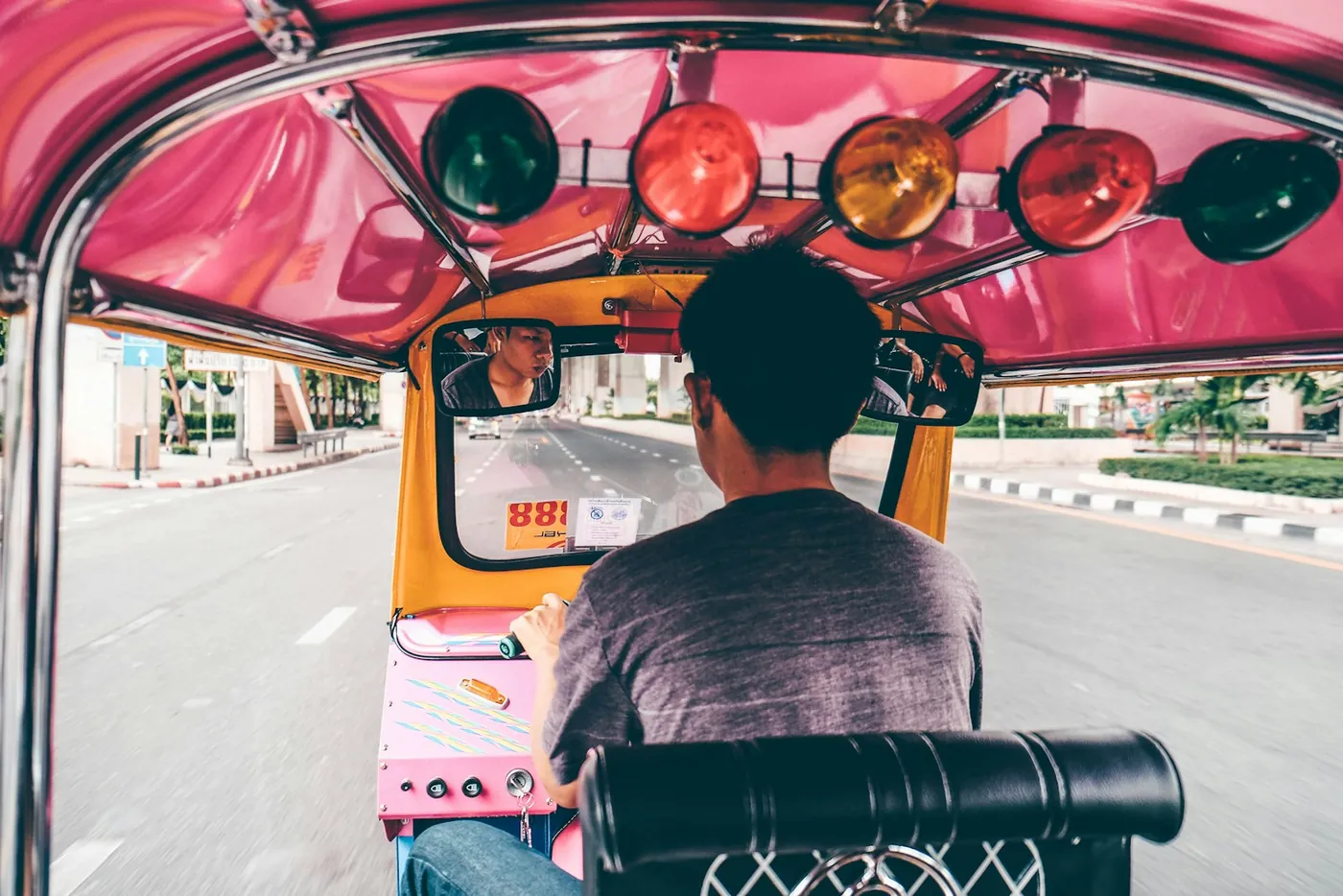
The script. Outside a major temple or palace, a friendly, well-presented person, sometimes in something that looks like a uniform, tells you it is closed today: a Buddhist holiday, a royal ceremony, a private event. They then suggest an alternative and there happens to be a tuk-tuk right there.
Where it goes. A tour of two minor sights and then a gem shop or a tailor, where the driver earns a commission on whatever you buy.
The fix. Walk to the official entrance and look. The great sights of Bangkok are essentially never closed to visitors during their posted hours, and anybody telling you otherwise on the street is not an official.
The gem shop
The script. A once-a-year government promotion, tax-free export, buy here and sell at home for a profit.
The reality. The stones are worth a fraction of what you pay and the paperwork means nothing. This has been running for decades and it is highly organised.
The fix. Do not buy gems from a shop you were driven to. If you genuinely want to buy stones, that is a specialist purchase requiring expertise you either have or do not.
The jet ski
The script. You rent a jet ski on a beach, return it, and the operator points out scratches or damage that was there before, demanding a large sum, occasionally with intimidation and sometimes with a police officer arriving to mediate.
The fix. Video the entire machine in detail before you take it out, with the operator present. Or simply do not rent one, which is what a lot of experienced visitors do.
The smaller ones
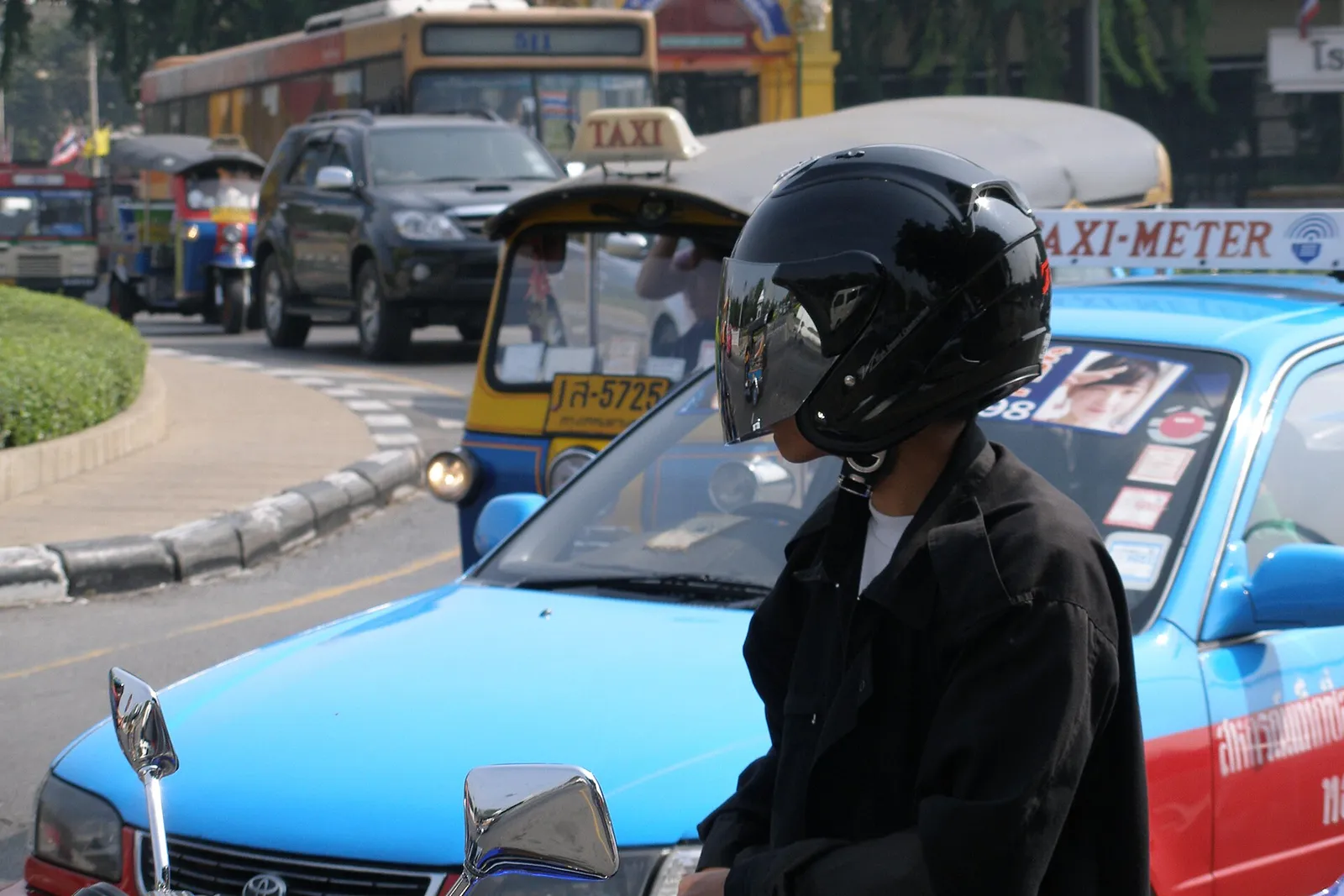
The tuk-tuk that goes somewhere else. Any very cheap fixed price for a long ride is being subsidised by the shops you will be taken to. A metered taxi or a ride-hailing app costs more and goes where you asked.
The ping pong show tout, which ends in a bar with an enormous bill and unpleasant pressure to pay it.
The friendly stranger with a card game, which is a long confidence trick and is rarer than it was.
The overcharged menu, where a tourist-facing restaurant has one price on the wall and another on the bill. Read the bill. Our guide to eating in Bangkok covers where to go instead of the places that need touts.
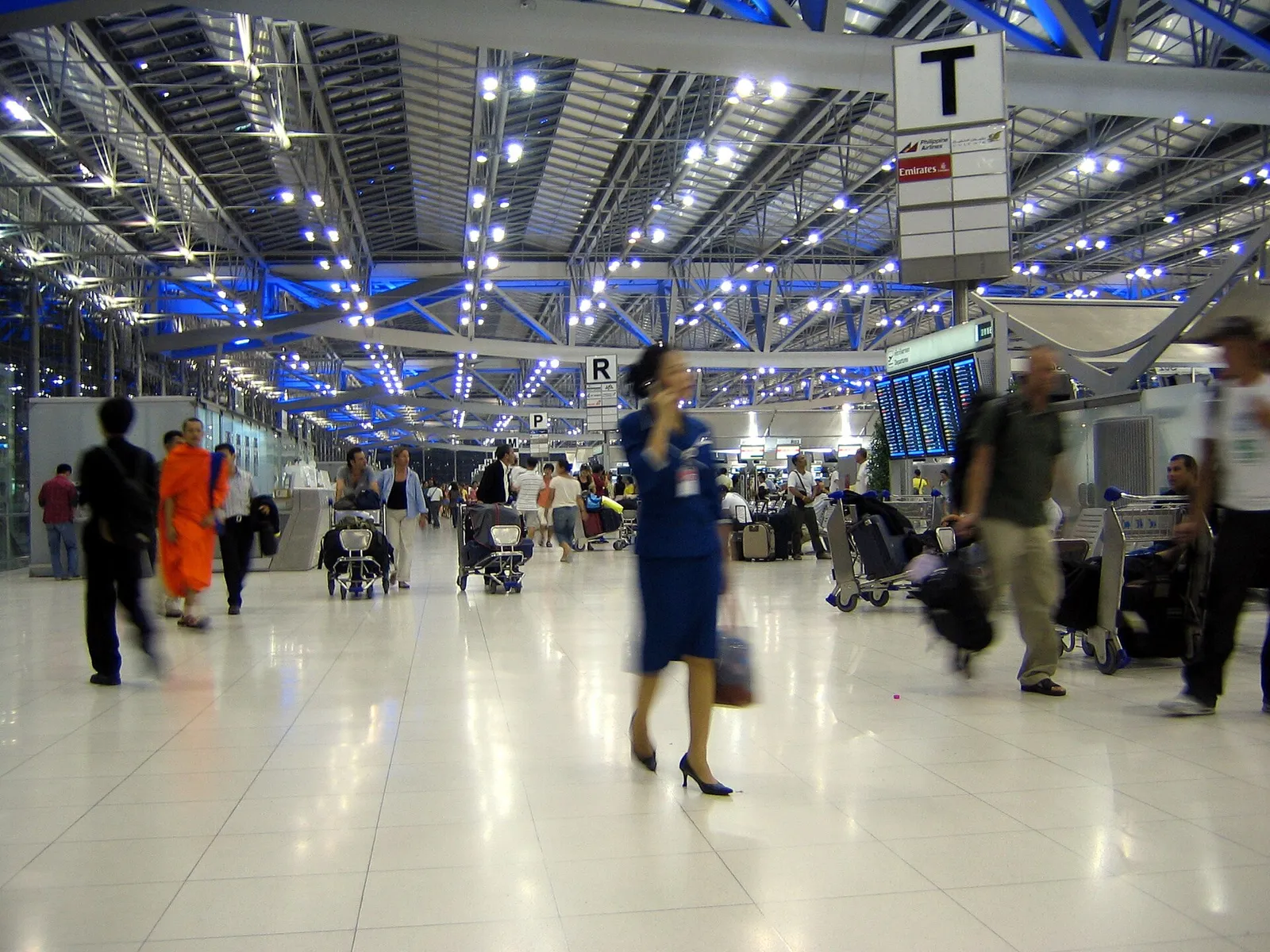
The airport taxi rank negotiation, solved by the official metered queue or an app.
Rigged sales of tailored suits, same commission structure as the gems.
What is not a scam
Dual pricing at national parks and some attractions, where foreign visitors pay more than Thai residents, is official policy rather than a trick, and it is posted.
Bargaining at markets, which is normal and expected, and the first price being high is part of the process rather than a con.
Service charges at restaurants, which appear on the bill legitimately.
Tour operators taking commission from the places they take you, which is only a problem when it replaces the itinerary you paid for.
The general rules
Nobody who approaches you on the street is helping you. That sounds harsh and it is the single most useful filter in tourist Bangkok. Actual Thai hospitality is extraordinary and it does not begin with someone stopping you outside a temple.
Check things yourself, especially claims about closures and schedules.
Use apps and meters rather than negotiated prices where they exist.
Photograph anything you rent, in detail, before you take it away.
Keep your passport, always.
Do not buy anything expensive that you arrived at in somebody else’s vehicle.
Where this fits
For what things actually cost here and where a trip’s money genuinely goes, our guide to Thailand budget and costs covers the numbers side of this.
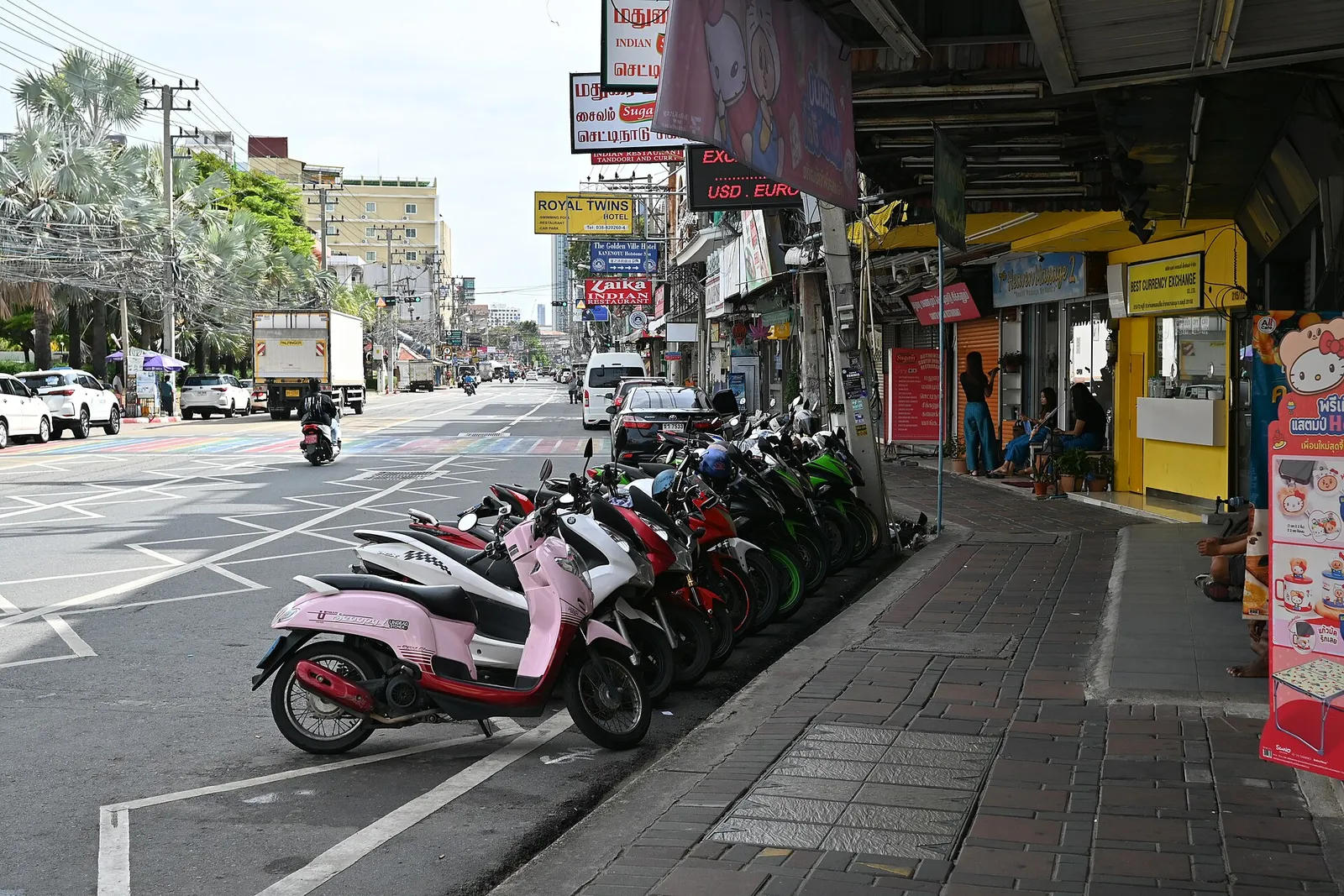
And for the single activity that produces more visitor injuries and disputes than everything on this page combined, our guide to renting a scooter in Thailand covers the licence, the insurance and the passport question in detail.
The short version
Thailand is safe and it has a short list of well-rehearsed commercial scams. If somebody outside a temple tells you it is closed, walk to the entrance and check. Do not buy gems, jewellery or suits from a shop you were driven to. Video any jet ski or scooter in detail before taking it. Never leave your passport as a rental deposit, offering a copy or a cash deposit instead. Use metered taxis or apps rather than negotiated fixed prices. And treat anyone who approaches you unprompted on a tourist street as a business rather than a friend.