Thailand has two price lists. There is the one that has made it a byword for value for forty years, where a plate of noodles costs less than a coffee at home and a night in a guesthouse costs less than a taxi from your own airport. And there is the other one, the resort island, the hotel tour desk and the beach club, where prices are set for people who did not check. Both are real, and a Thailand budget is mostly the story of which list you spend your money from. Here is where it actually goes.
The three lines that decide everything
Most of a Thailand budget is settled by three decisions, and daily discipline barely touches them.
Accommodation is the biggest by a distance, and it varies more here than almost anywhere: from a fan room in a family guesthouse to an island villa, with everything in between and all of it available. Where you sleep, and in which season, sets the total.
Transfers are the underestimated one. Thailand is long, the islands are offshore, and a single journey can be a domestic flight plus a minibus plus a ferry plus a taxi. Each leg is cheap and the chain is not, and it eats a day as well as the money.
Activities are where budgets actually break. A snorkelling day, a longtail charter, an elephant sanctuary morning, a diving course or a cooking class are the things people remember, and two or three of them can cost more than a week of beds and meals combined. They are usually worth it. They should be planned rather than stumbled into.
Everything else, and that means food, city transport, entry fees and drinks, is genuinely cheap and will not sink a budget however you handle it.
Food: where Thailand keeps its promise
The best news in Thai travel economics is that the cheapest food is the best food, which removes the usual tension entirely.
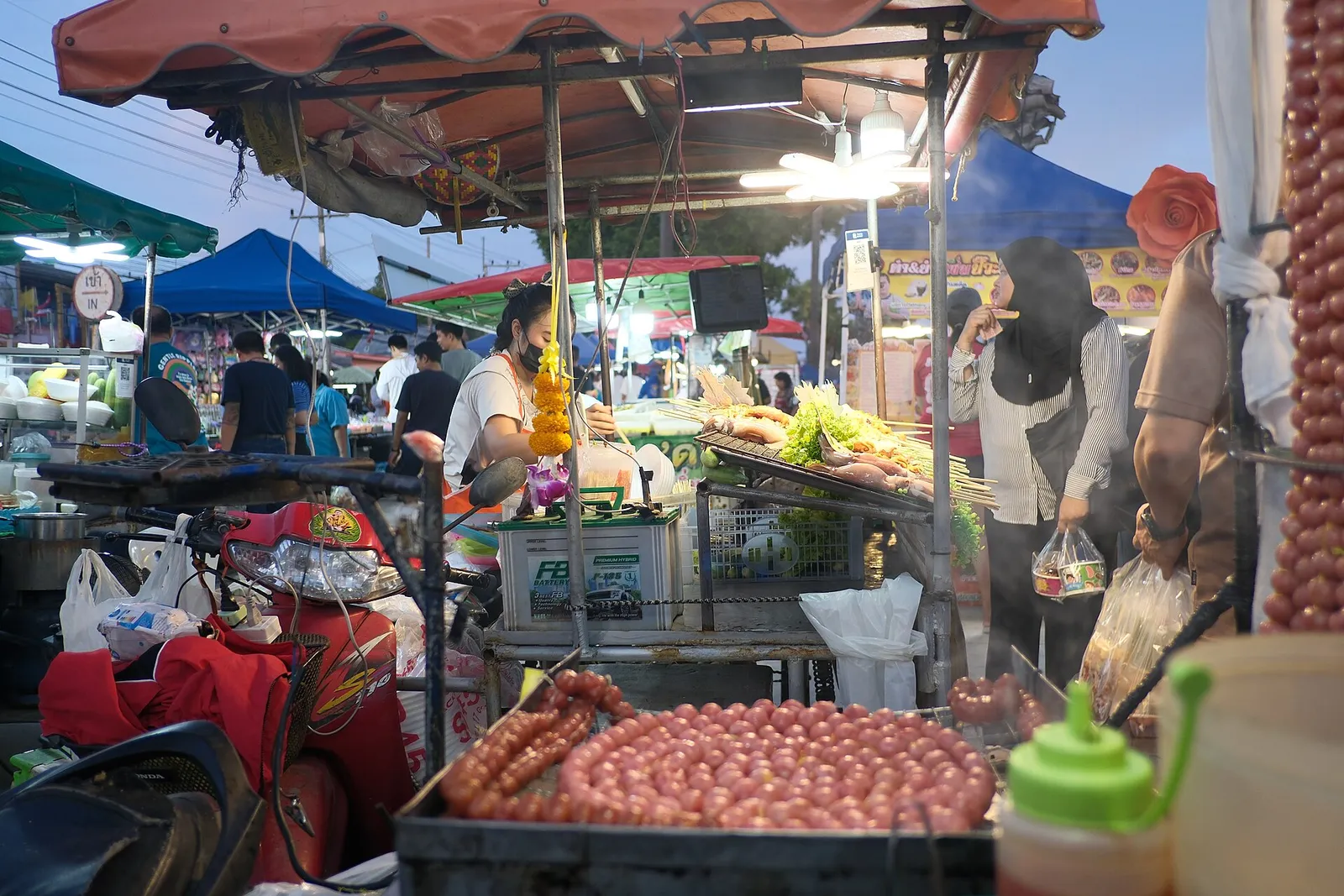
A dish from a street stall or a market costs a fraction of a restaurant meal and is frequently better, because the stall has been making that one dish for years. A local restaurant with plastic chairs costs a little more. A tourist-facing restaurant with a laminated photo menu costs several times as much and is almost always worse. A hotel restaurant or a beach club is priced in a different currency altogether.
Two habits capture the saving without any sacrifice. Walk two streets away from anywhere famous before you eat, since the price roughly halves and the quality roughly doubles within that distance. And drink what locals drink: iced tea, fresh fruit shakes and water from the ubiquitous convenience stores rather than imported soft drinks and cocktails, which carry the highest markup of anything you will buy.
Alcohol is the one genuine exception to Thailand’s cheapness. Imported spirits and wine are heavily taxed and expensive, local beer and spirits are far more reasonable, and a nightly bar habit will do more damage to a budget than a nightly restaurant habit.
Where you sleep, tier by tier
Thai accommodation is unusually well stratified, and the tiers are consistent across the country.
Hostels and fan guesthouses are the bottom, clean and social, and a private room in a family guesthouse often costs barely more than a dorm bed.
Air-conditioned mid-range hotels and small resorts are where most visitors land, and they represent the best value in Thailand: pool, air conditioning, breakfast and a location, for a fraction of the Western equivalent.
Resorts and boutique properties climb steeply, particularly on the islands.
The luxury tier is genuinely world class and priced accordingly, though still below the equivalent in Europe or the Caribbean.
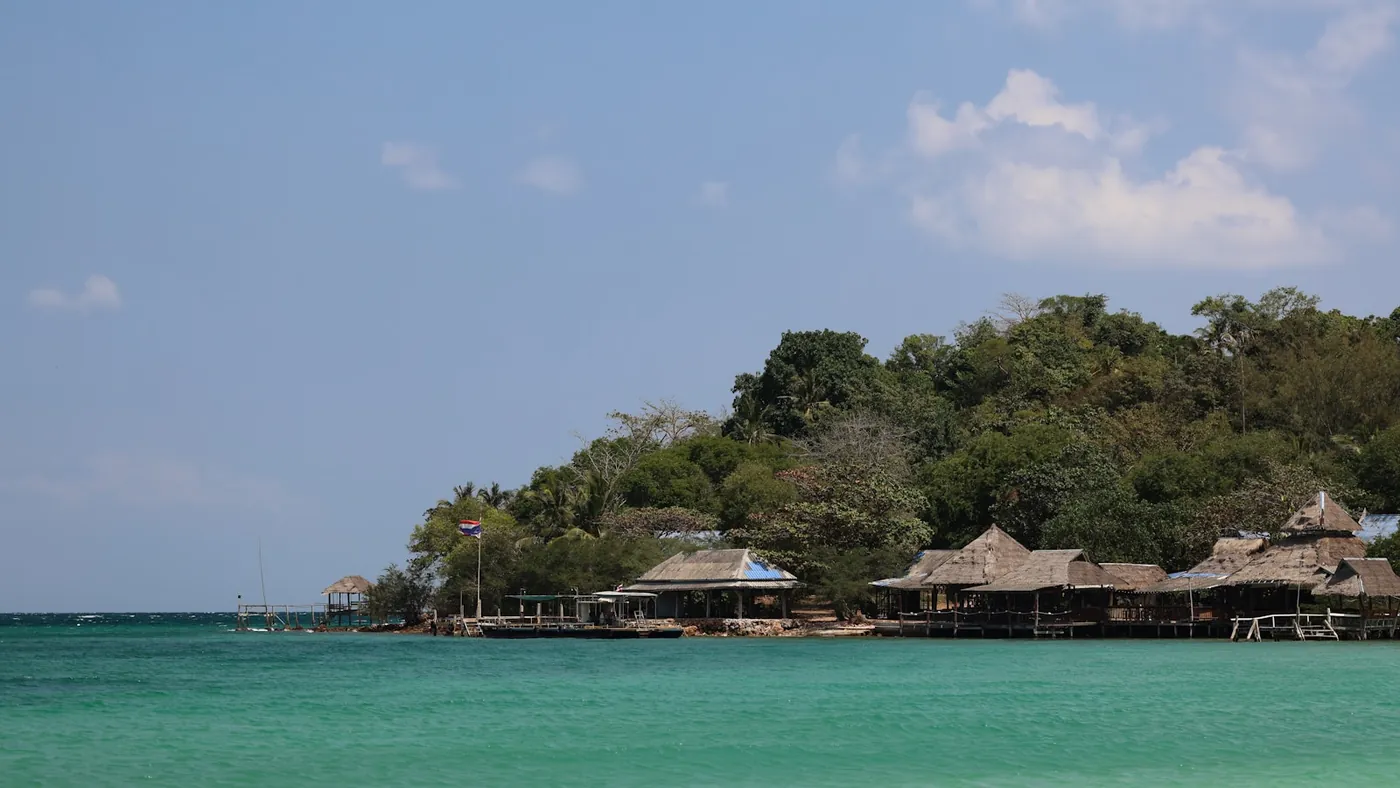
Three multipliers matter more than the tier. The islands cost more than the mainland, because everything arrives by boat, and the smaller and more remote the island the wider the gap. The season moves prices dramatically, with the cool months from roughly November to February the peak and the green season the bargain. And beachfront carries a premium at every level, so a room a few streets back is routinely far cheaper for a two-minute walk.
Transport: cheap per journey, expensive per chain
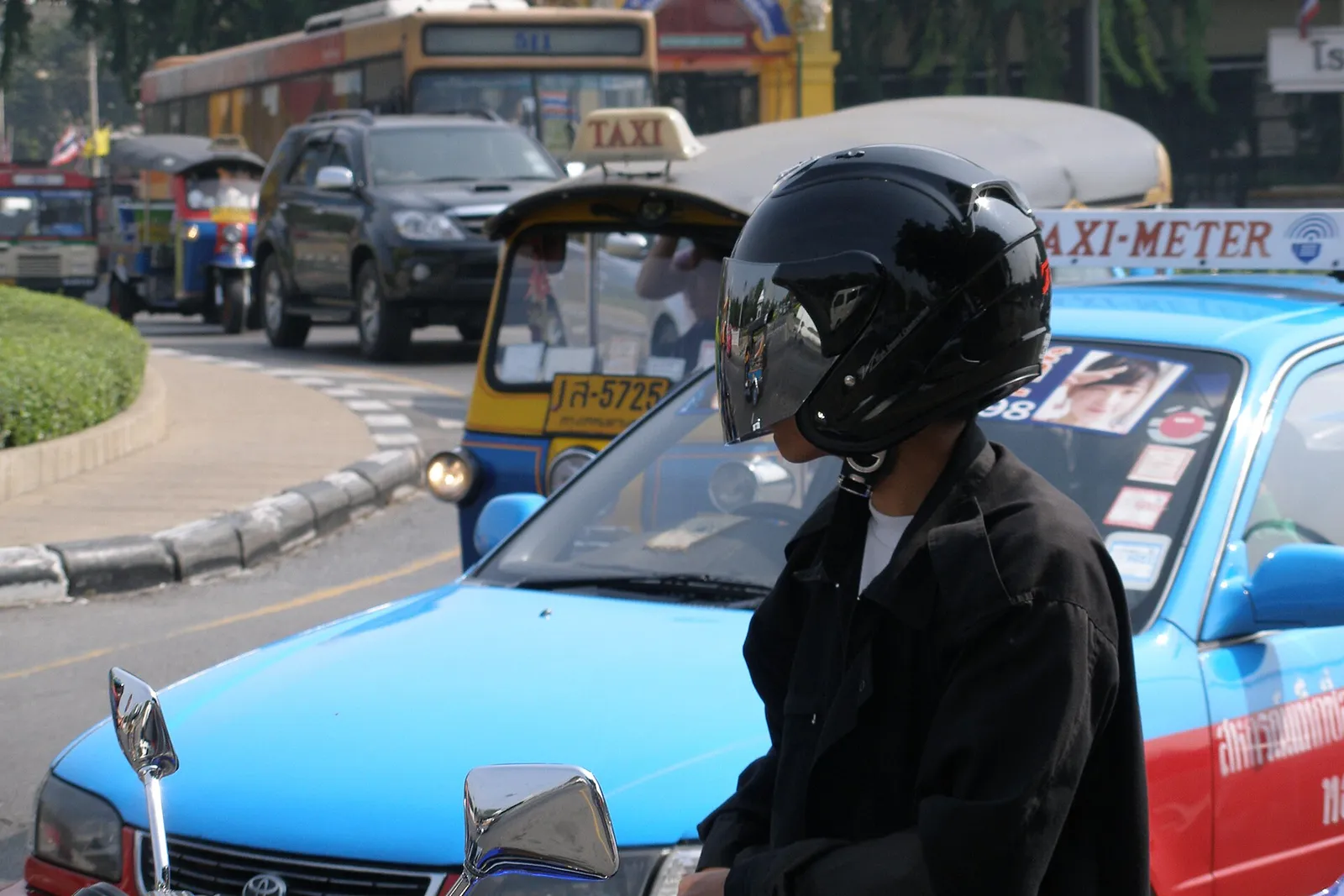
Inside a city, transport barely registers. Bangkok’s rail is inexpensive, songthaews and local buses cost very little, and ride-hailing removes the haggling for a modest fare.
Between places is where it adds up, and the honest comparison looks like this.
| Leg | Cheapest | Fastest | Usually best |
|---|---|---|---|
| Bangkok to Chiang Mai | Overnight bus | Domestic flight | Flight, booked ahead |
| Bangkok to the southern islands | Bus plus ferry | Flight plus ferry | Flight plus ferry |
| Between islands on one coast | Public ferry | Speedboat | Ferry, booked ahead in season |
| Around a city | Local bus, songthaew | Ride-hailing | Rail where it exists |
| Airport to town | Public bus or train | Airport rail where there is one, otherwise a taxi | Depends entirely on luggage |
Two things save real money here. Book domestic flights early, because fares climb steeply close to departure and a flight booked weeks out frequently costs less than the overnight bus once you count the night you did not spend in a bed. And hand-luggage limits are enforced strictly on the budget carriers, with steep fees at the gate, so pay for the bag online rather than at the airport.
The costs nobody budgets for
A Thailand budget is rarely broken by the big things. It is eroded by a set of small ones that are all normal, all legitimate and all invisible until they have happened.
The fixed ATM fee on every foreign withdrawal, which punishes small frequent withdrawals.
National park entry fees at many of the best beaches, viewpoints and waterfalls, charged per person and typically higher for foreign visitors than for residents, which is standard practice and worth carrying cash for.
Pier and port fees, added at the point of boarding rather than included in the ticket.
Scooter deposits and insurance, where the deposit is a substantial cash sum and where damage disputes are the most common bad experience visitors report. Shops routinely ask to hold your passport instead, and that is the one item on this list to refuse rather than budget for: offer a photocopy, a cash deposit or another form of identification, because a passport in somebody else’s drawer is exactly what turns a disputed scratch into an expensive negotiation.
The airport transfer at both ends, which people cost once and pay four times across a multi-stop trip.
Tipping, which is not obligatory but is normal in tourist-facing service, and adds up gently.
None of these is a scam. All of them belong in the plan.
Season: the single biggest lever
Nothing you do daily will save what your choice of month saves.
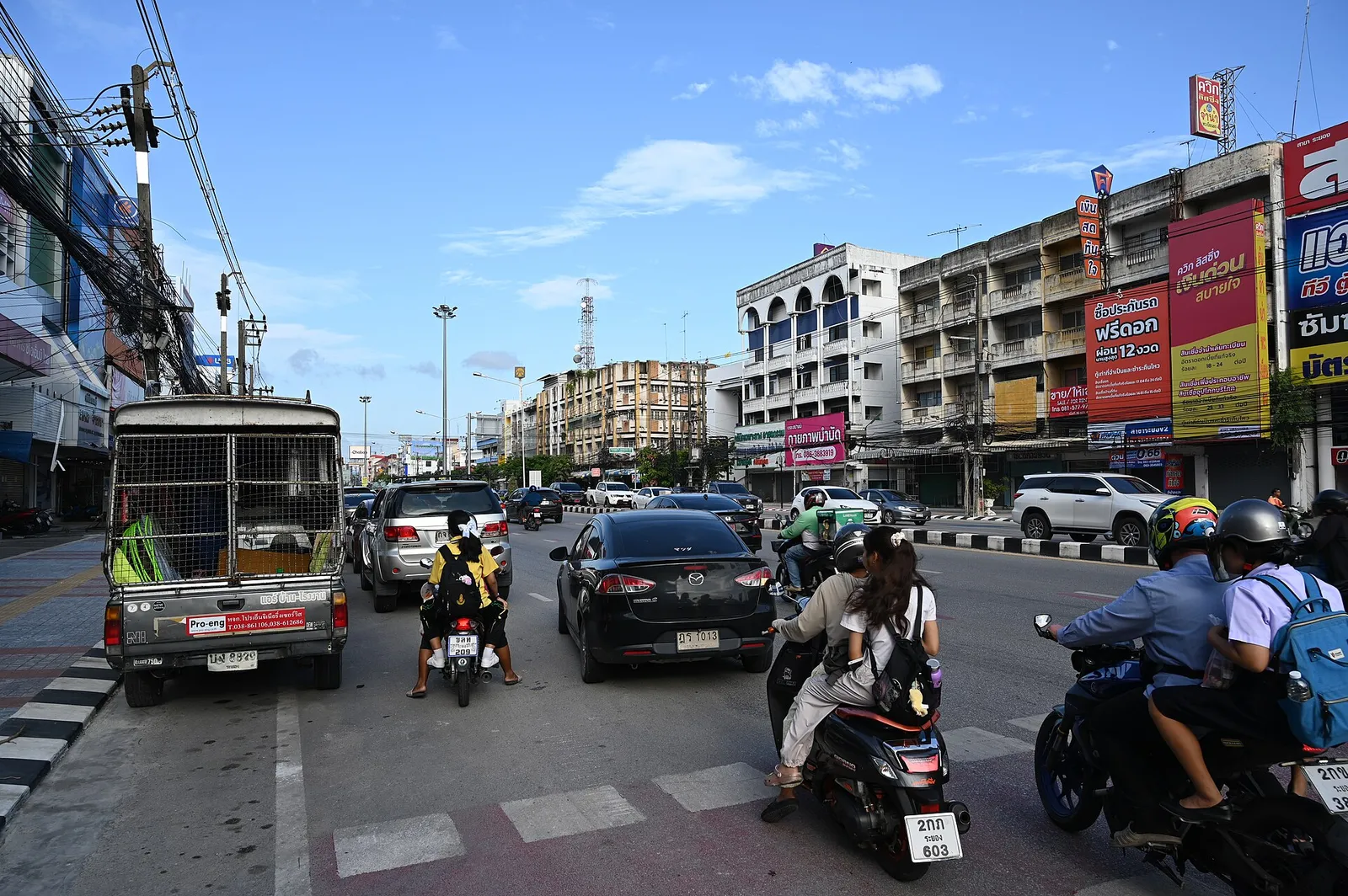
The cool season, roughly November to February, is peak: the best weather nationwide, the highest accommodation prices, and the sights and boats at their busiest. The green season, roughly June to October, is the bargain, with the same hotels at a fraction of the price and the famous places almost civilised.
The trade-off is real but smaller than people assume. Rain in the green season mostly arrives in short heavy bursts rather than all-day drizzle, and it falls on different coasts at different times. What it does affect is the sea: rougher water and more cancelled boat trips on the exposed coast, which matters if your trip is built around island hopping.
A green-season trip that concentrates on cities, the north and the calmer coast loses very little and saves a great deal. Settle your month before you price anything, since the same itinerary in January and in September are two different budgets, and settle the entry paperwork at the same time; our Thailand visa and entry guide covers what applies to your passport.
Five habits that save the most
Eat where the queue is. It is both the cheapest and the best food, which makes this free money.
Book internal flights and the cool season early. These are the two prices that only move upward.
Walk away from famous corners before you buy anything. Two streets is the standard distance at which local prices resume.
Agree every price before the service. Rides, massages, boats, tailoring. It is expected and it removes almost every dispute.
Do fewer, better activities. Two well-chosen boat days beat five booked at a hotel desk, and cost less.
Two things worth paying for
Budget travel is not the same as cheap travel, and two lines deserve real money.
Insurance. Scooter accidents are the most common serious injury among visitors here, and many standard policies exclude motorbikes entirely or cover them only with the correct licence and a helmet. Private hospital treatment is excellent and priced for it. Our guide to travel insurance for Thailand sets out what to check before you buy, and this is the single worst place in a Thailand budget to economise.
Preparation for the moment things go wrong. Save the local emergency numbers to your phone before you fly. It costs nothing, which is the point.
The short version
Thailand is cheap where it counts and expensive where it is sold to you. Eat from stalls and local restaurants, sleep in mid-range hotels a street back from the beach, book internal flights and the cool season early, and treat activities as chosen rather than accumulated. Carry small notes, withdraw larger sums less often, agree prices in advance, and budget for the park fees and transfers nobody mentions. Do that, and Thailand still delivers more holiday per unit of money than almost anywhere on earth.