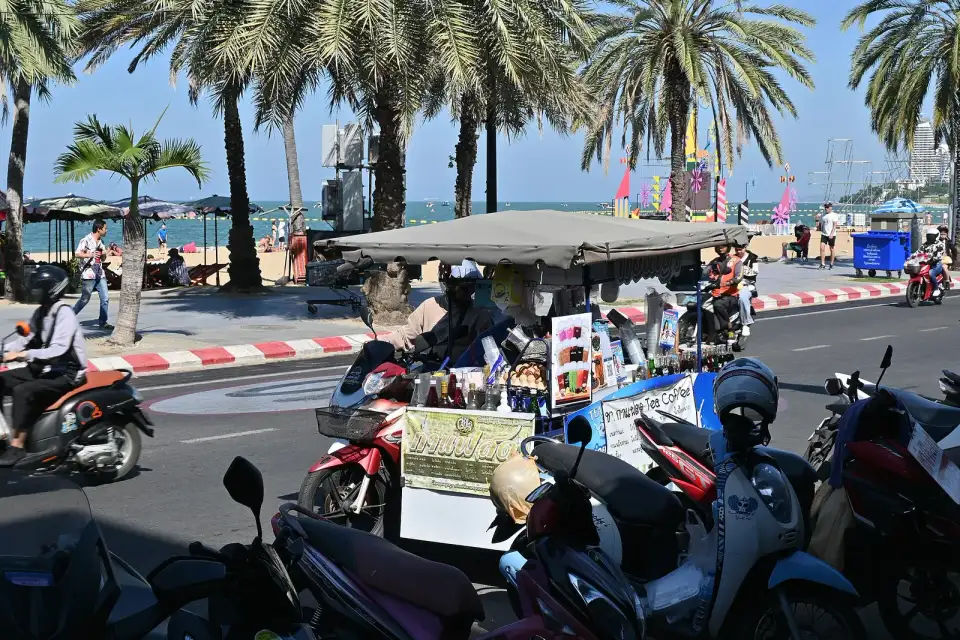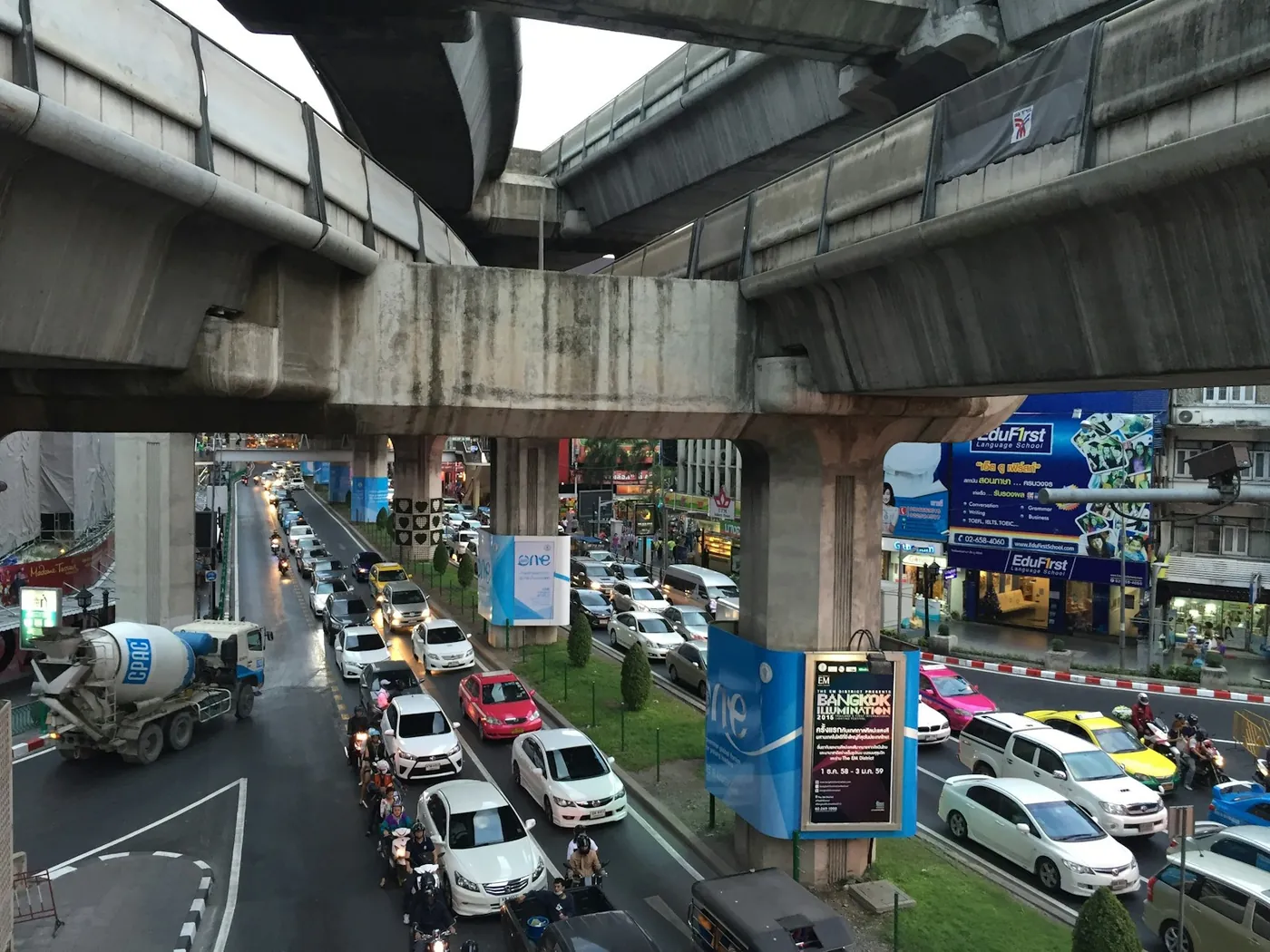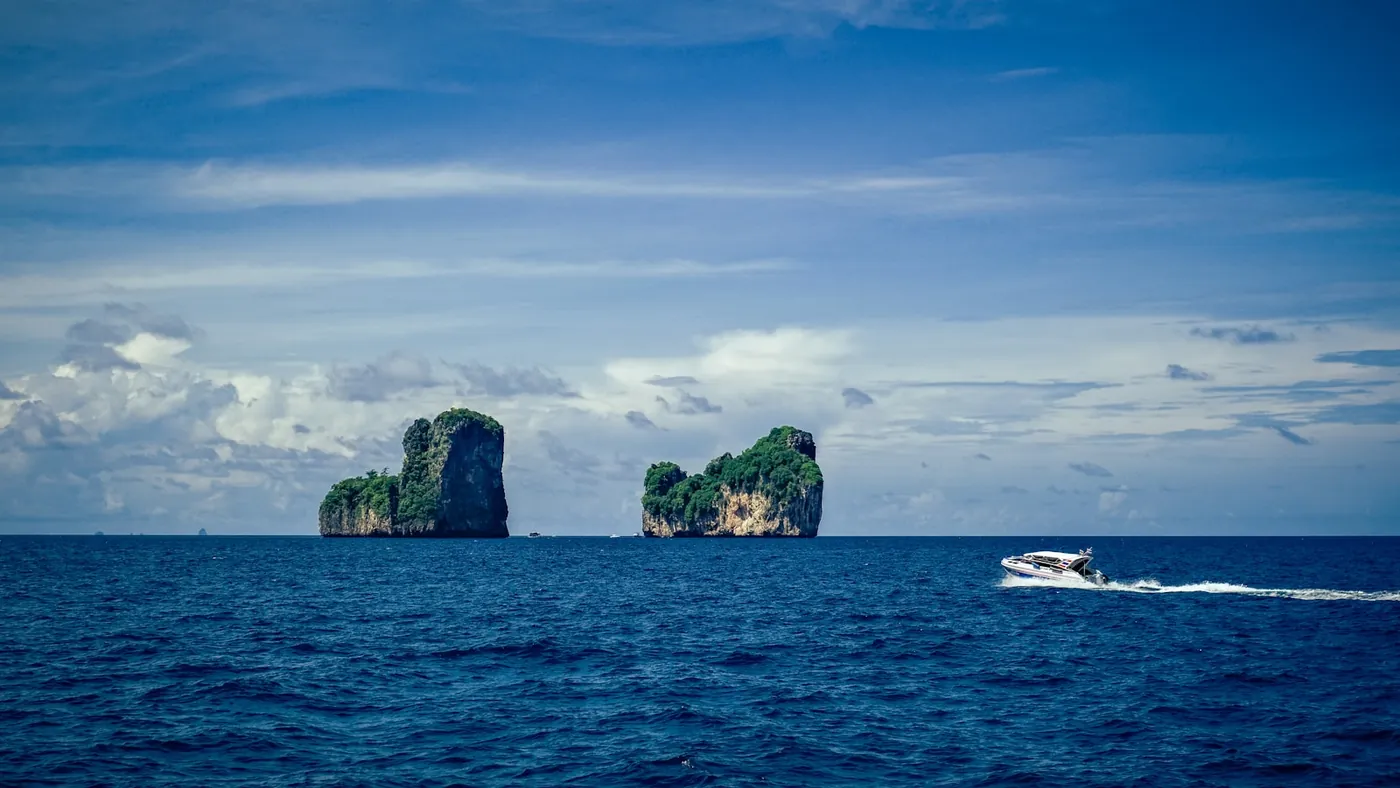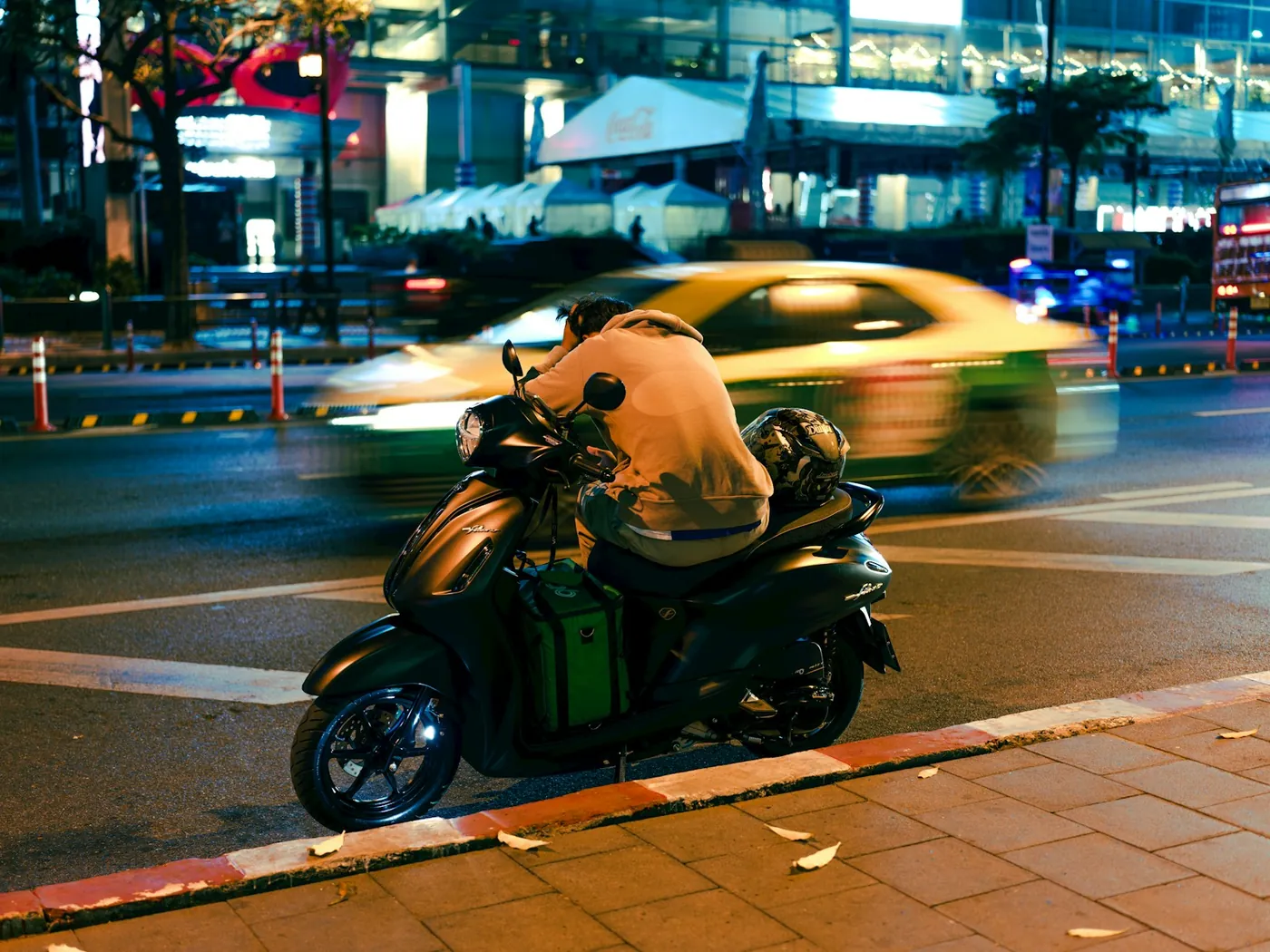
A rented scooter is the most useful thing a visitor can have in Thailand and the most likely to end a trip early. It turns an island from three walkable beaches into a whole coastline and a hill road, it costs very little, and it is available on every corner without anybody asking a single question. It is also why the clinics on the islands have a dedicated queue for foreign visitors with gravel wounds, and why a lot of insurance claims from this country get refused. All of that is manageable and none of it is a reason not to ride. It is a reason to sort out four things first.
The licence
What is required. A licence valid for motorcycles, which for most visitors means a home licence with a motorcycle category plus an International Driving Permit endorsed for it.
What is asked for. Frequently nothing at all. Rental shops on the islands hand over keys to anyone with cash.
Why that matters anyway. Not being asked is not the same as being legal or insured. Police checkpoints do ask, and more importantly your insurer will.
Confirm the current requirement for your own licence with an official source before you travel, since the rules depend on the country that issued it and do change.
The insurance
Most standard travel policies exclude motorcycle injuries, or cover them only if you held the correct licence category and were wearing a helmet, and some cap the engine size as well.
This is where trips get expensive. A serious motorbike injury in Thailand means private hospital treatment and possibly a medical repatriation flight, and the numbers involved are life-changing.
Read the exact wording in the motor vehicle and hazardous activities sections of your policy.
Buy the add-on if you intend to ride, or accept that you are self-insuring for the biggest risk of the trip.
The deposit
Shops routinely ask for your passport as security, and this is the single most avoidable trap in Thai travel.
Offer alternatives: a photocopy, a cash deposit, a driving licence, or another form of identification.
Plenty of reputable shops accept that, particularly ones attached to accommodation.
If a shop insists, use a different one. On any Thai island there is another within a short walk.
Why it matters. Without your passport you cannot leave, cannot fly and cannot easily involve anyone else, which is exactly the leverage a bad-faith operator wants at the moment they point at a scratch.
Riding it
Helmet, always, for rider and passenger. It is the law, it is enforced, and it is the difference.
Cover your skin. Shorts, a vest and flip-flops are what everyone wears and they are also why the injuries are what they are. Closed shoes at minimum.
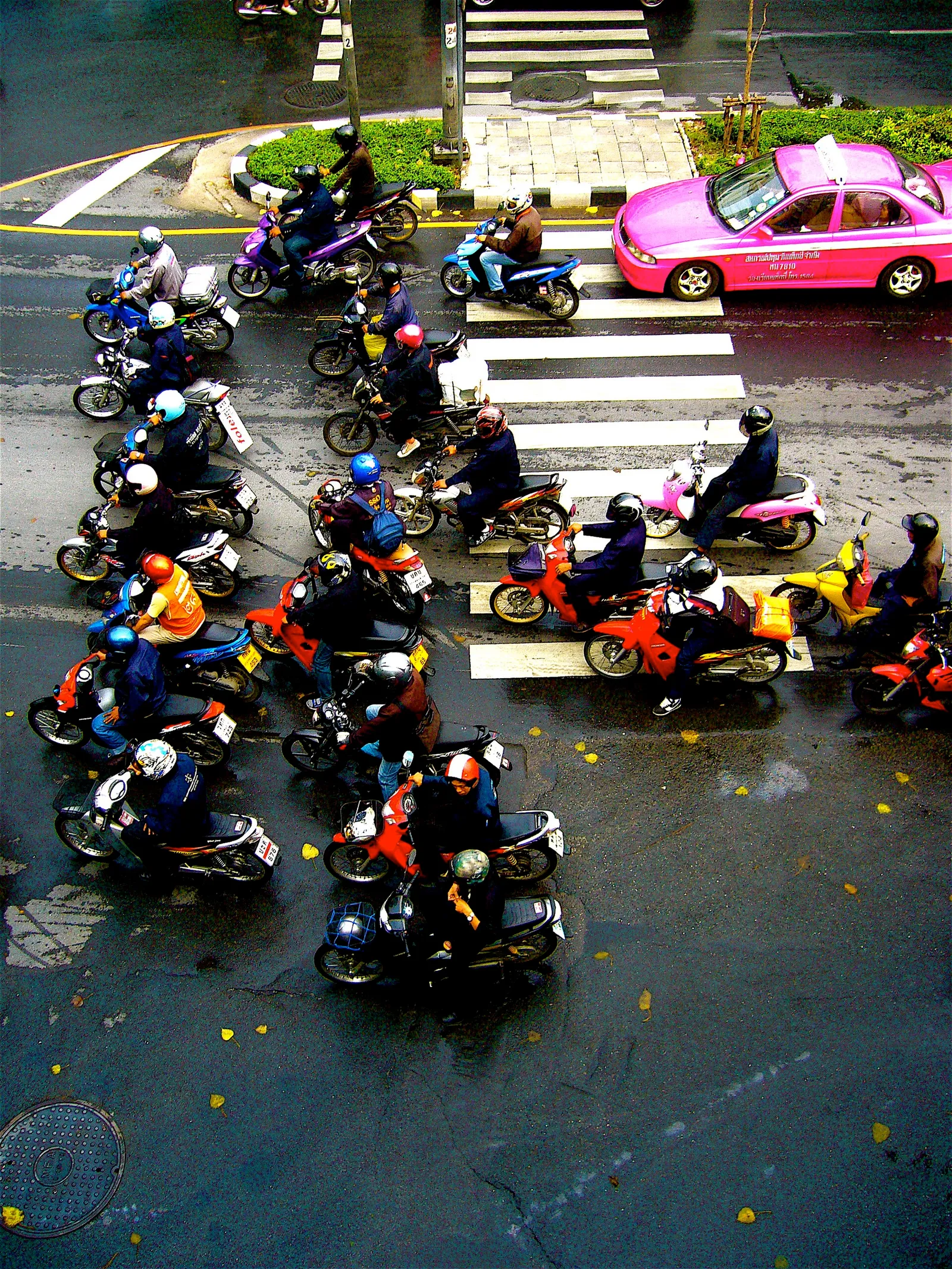
Left-hand side of the road, which catches out visitors from right-driving countries in the first ten minutes and at every junction after that.
Sand and wet paint on island roads are the classic ways to lose the front wheel.
Avoid riding at night on unlit rural roads, which is where the worst outcomes cluster.
Do not drink and ride, which sounds obvious and is the other common thread in island accidents.
Watch for dogs, which sleep on warm roads and move without warning.
Practical notes
Check the bike before leaving: brakes, lights, indicators, horn, tyres, fuel.
Fuel is sold at pumps and from bottles at roadside stalls in rural areas, and both are fine.
Parking is informal and free almost everywhere.
Checkpoints are common on the islands and in the north, and they ask for licences and helmets.
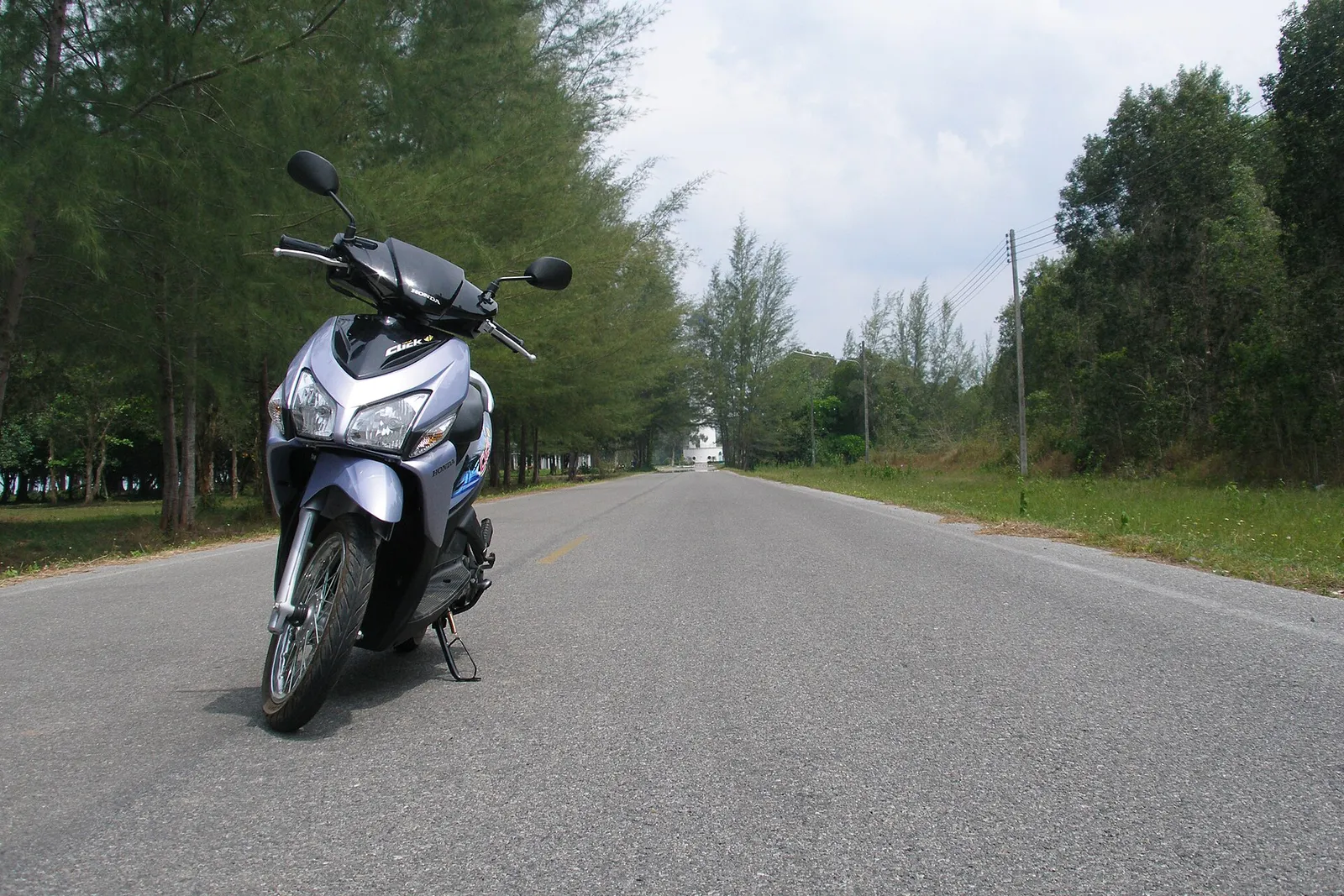
Automatic scooters are what almost everything on rent is, and they are easy to operate, which is precisely why people who cannot ride end up on them.
Where this fits
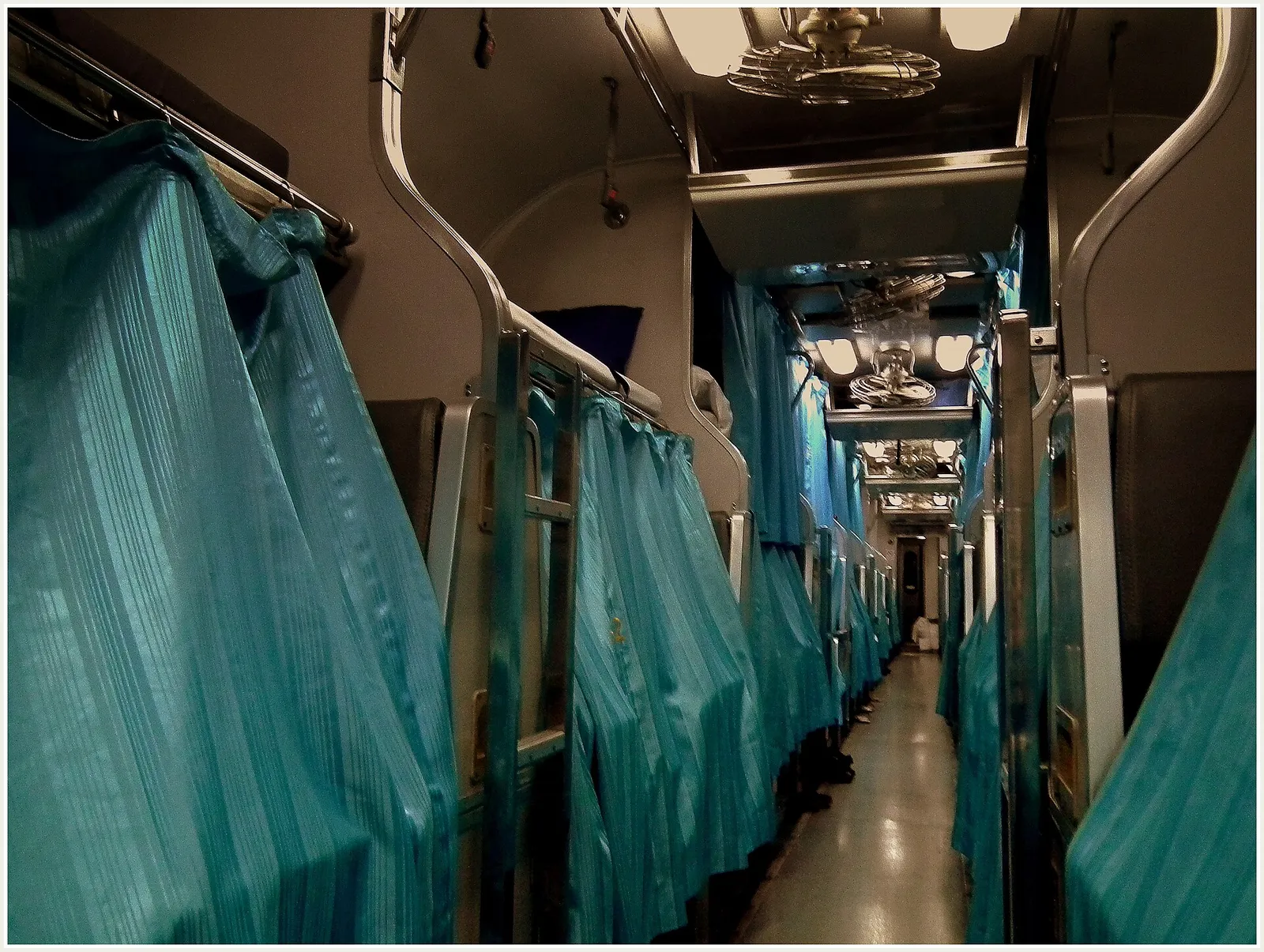
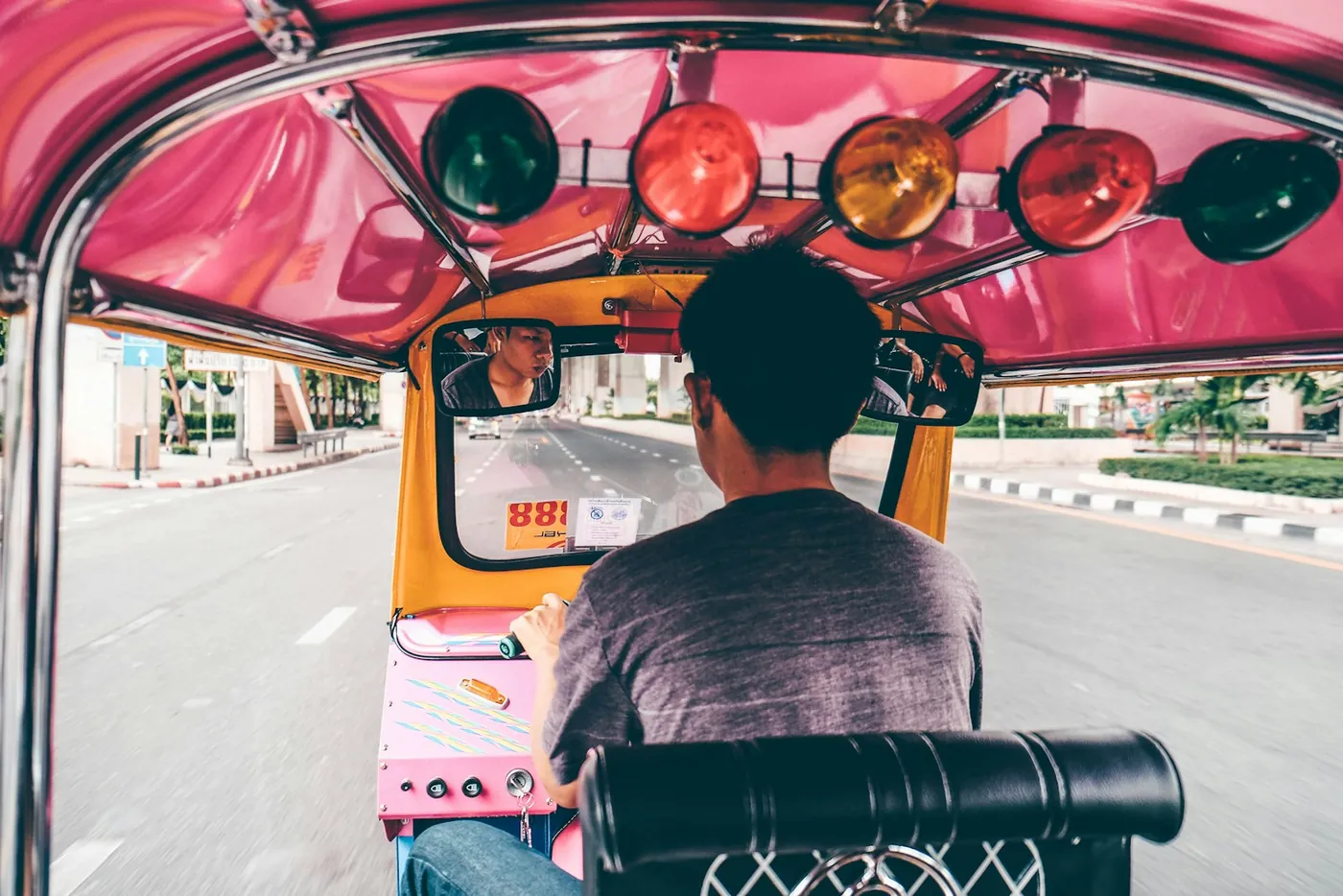
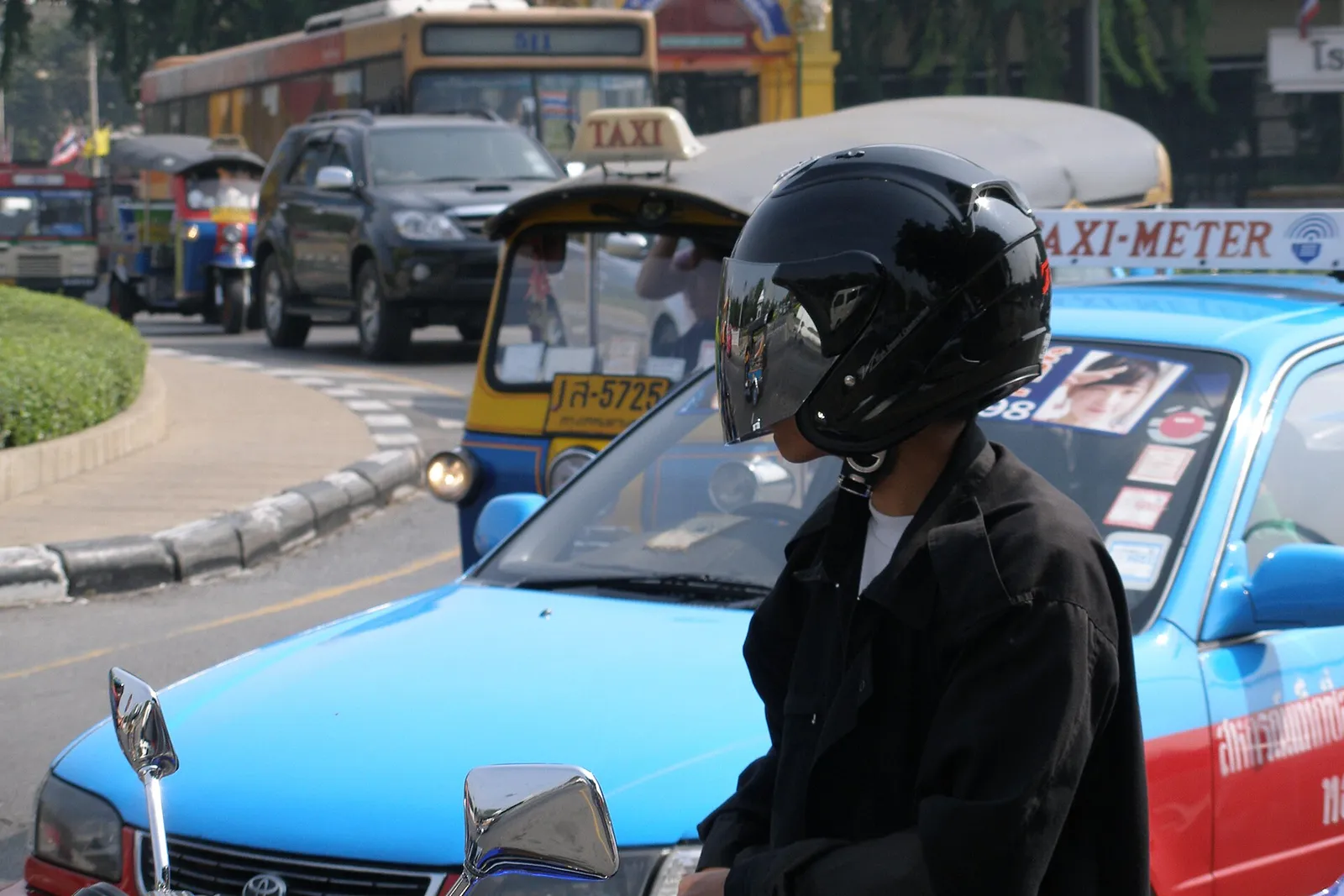
For the whole transport picture across the country, from the overnight trains and domestic flights to the ferries and the minibus network, our guide to getting around Thailand covers the alternatives to riding.
For the small number of well-rehearsed commercial scams here, including the jet ski version of the damage dispute and the passport question again, our guide to Thailand scams covers what actually happens.
And for what a policy needs to contain before you get on a bike, our guide to travel insurance for Thailand covers the clauses that matter.
The short version
Sort out four things before you rent: confirm what licence your own country’s document needs alongside an International Driving Permit, read your insurance policy’s motorcycle clause and buy cover if it excludes riding, refuse to leave your passport and offer a copy or a cash deposit instead, and video the whole machine with the staff present before riding away. Then wear a helmet every single time, cover your skin, remember the traffic is on the left, and do not ride at night on unlit roads or after a drink. Do that and a scooter is the best thing about a Thai island.