Ten days in Thailand is enough for three places and not four. That single constraint decides the whole itinerary, and the trips that go wrong are almost always the ones that tried for one more stop. Here is the route that works, and the two decisions that matter more than any of the details.
The shape: three, three, four
Bangkok, the north, one island. Roughly three nights, three nights and four nights.
It is the standard route because it covers the three genuinely different experiences the country offers: a huge, hot, relentless capital; a cooler, greener, more relaxed north with mountains and temples; and a coastline. Skipping any of the three means missing something the others do not replicate.
Our first-time guide covers the groundwork that applies throughout, and the two week itinerary shows what the extended version adds if you have longer.
Decision one: fly the long hops
Thailand is much bigger than first-time visitors expect, and the internal distances are real. Bangkok to Chiang Mai is an overnight train or a bus of ten hours or more, and it is about an hour in the air.
Domestic flights here are frequent and genuinely cheap. On a ten-day trip, taking them is the difference between three destinations and two. This is not a luxury upgrade, it is what makes the itinerary possible.
The overnight train north is a good experience in its own right, with sleeper berths and a slow reveal of the countryside, and it is worth doing if the journey itself appeals to you. It costs a night and most of a morning, which a short trip struggles to absorb.
Two things worth knowing about the flights. Fares climb steeply in the final days, so this is the one part of a Thailand trip worth booking early even if the hotels stay open. And the budget carriers sell hand luggage only, with checked bags as a paid extra, which is where a very cheap fare stops being cheap. Add the bag when you book rather than at the airport, where it costs considerably more.
Decision two: pick the coast by season, not by preference
This is the error that ruins otherwise well-planned trips. Thailand has two coasts with opposite weather patterns.
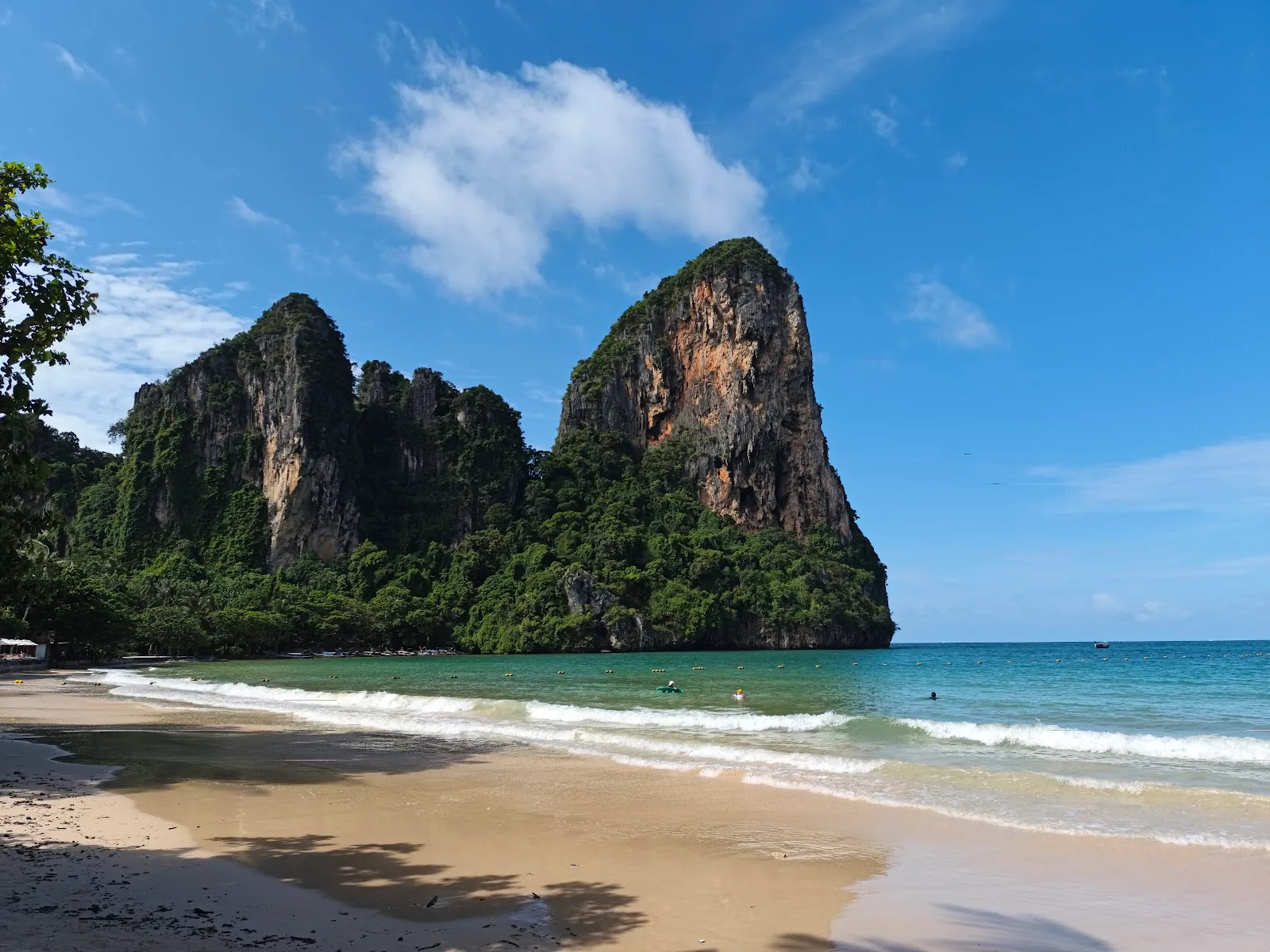
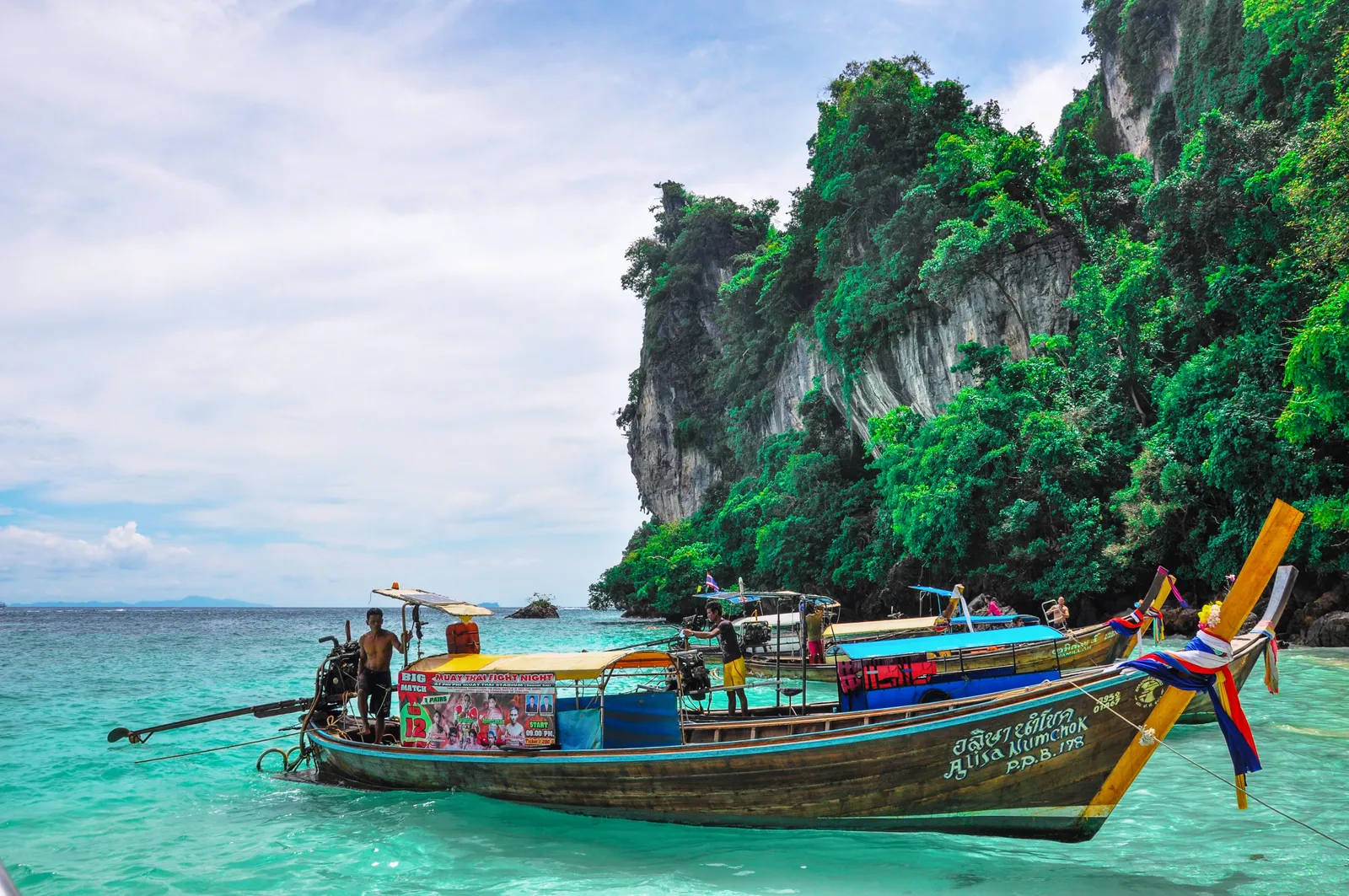
The Andaman side, with Phuket, Krabi and the Phi Phi islands, and the Gulf side, with Koh Samui, Koh Phangan and Koh Tao, are wet and dry at different times of year. Our guide to the Andaman and the Gulf sets out which is which and when.
The correct sequence is: check which coast is dry during your dates, then choose an island on it. Choosing the island first and hoping is how people end up spending four of their ten days indoors watching rain.
Days 1 to 3: Bangkok
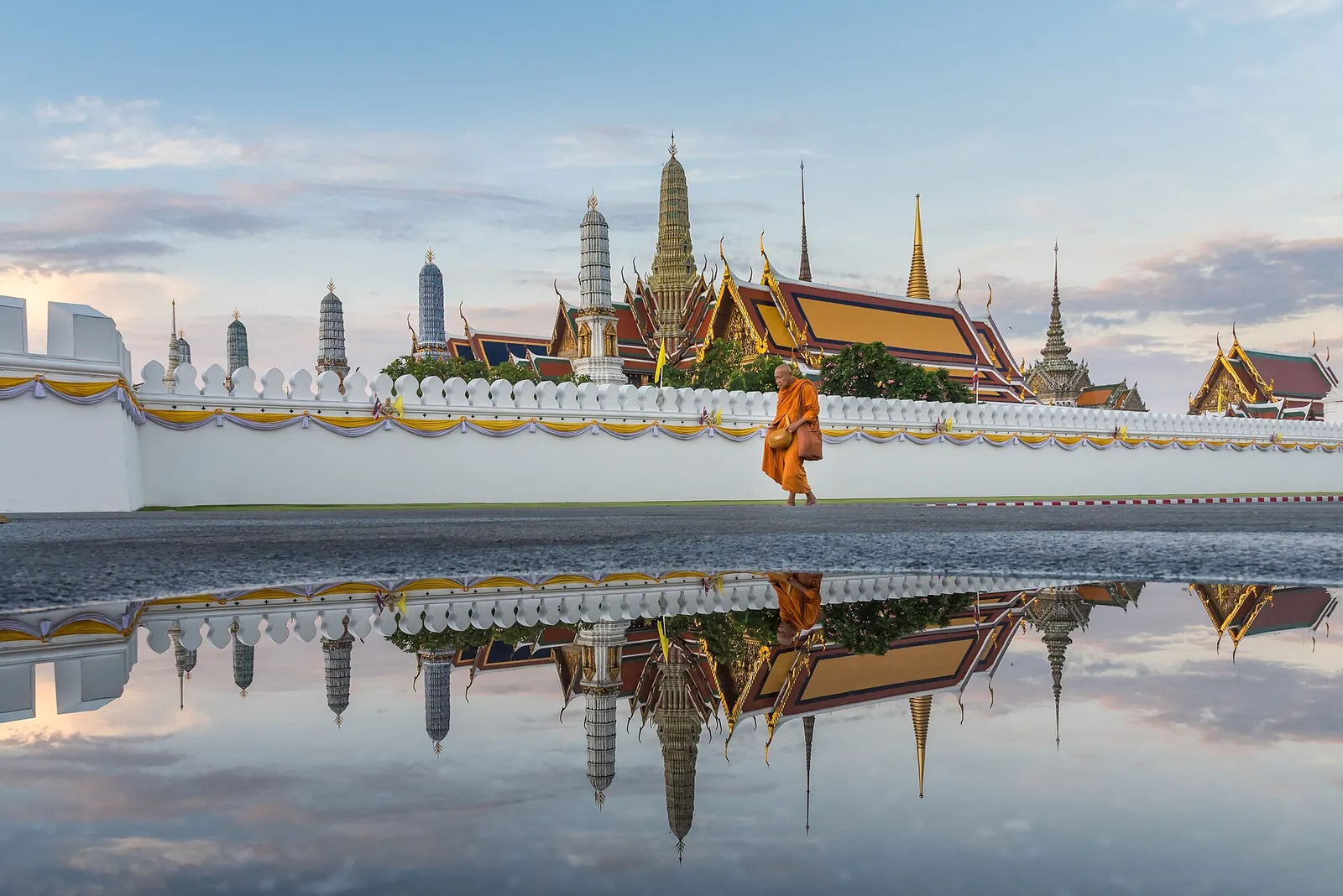
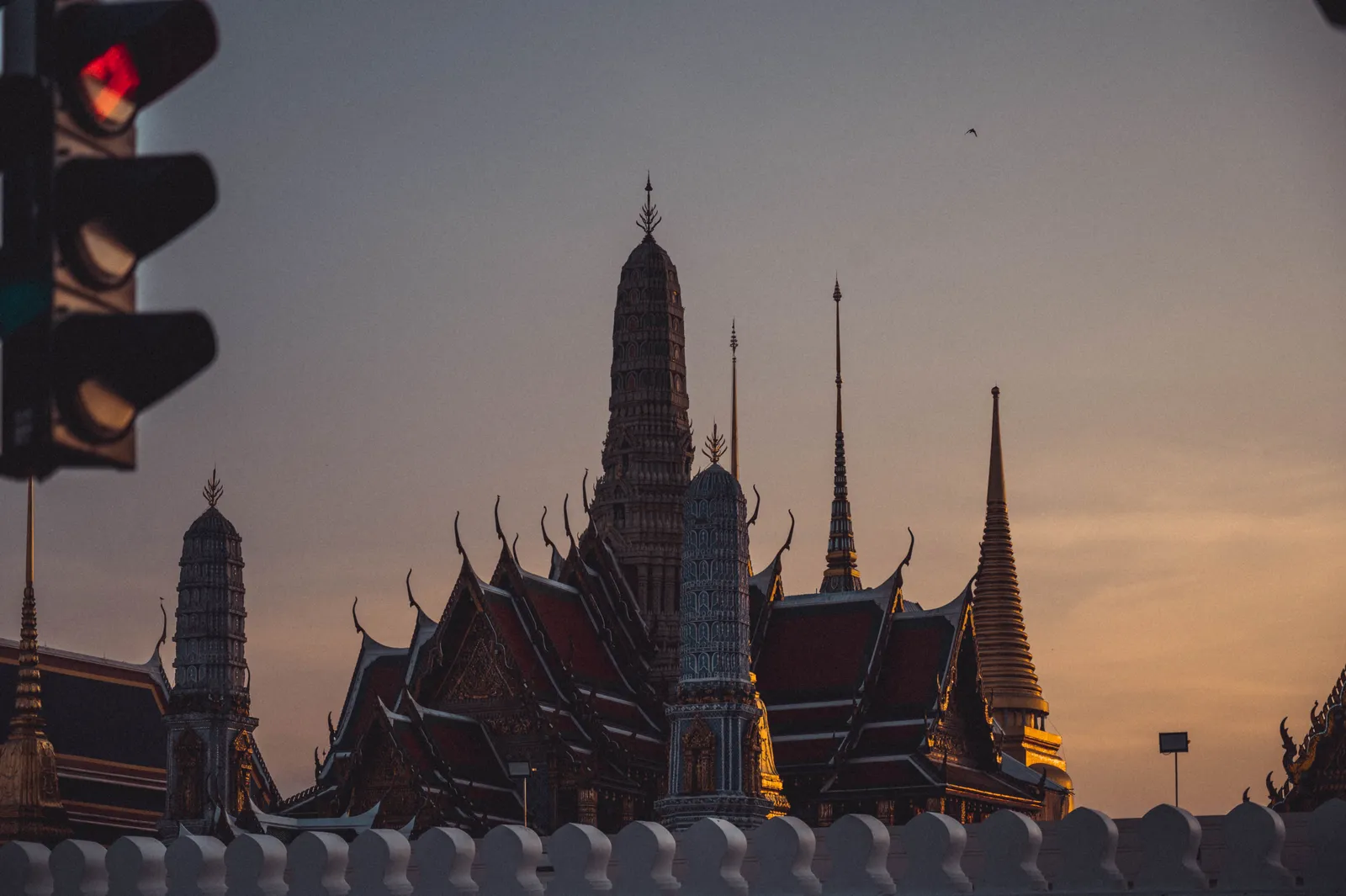
Arrive and write off most of the first day, which the flight and the heat will take regardless. Two full days then cover the essentials comfortably: the Grand Palace and the major temples, the river and the canals, a market, and at least one evening of proper street food.
Three nights is the usual recommendation and it is about right. The honest variable is how much you enjoy large, hot, chaotic cities, and Bangkok is emphatically all three.
If you want historical depth, Ayutthaya, the old capital, is a couple of hours away and works as a day trip without costing a night. That is the efficient way to add it.
Days 4 to 6: the north
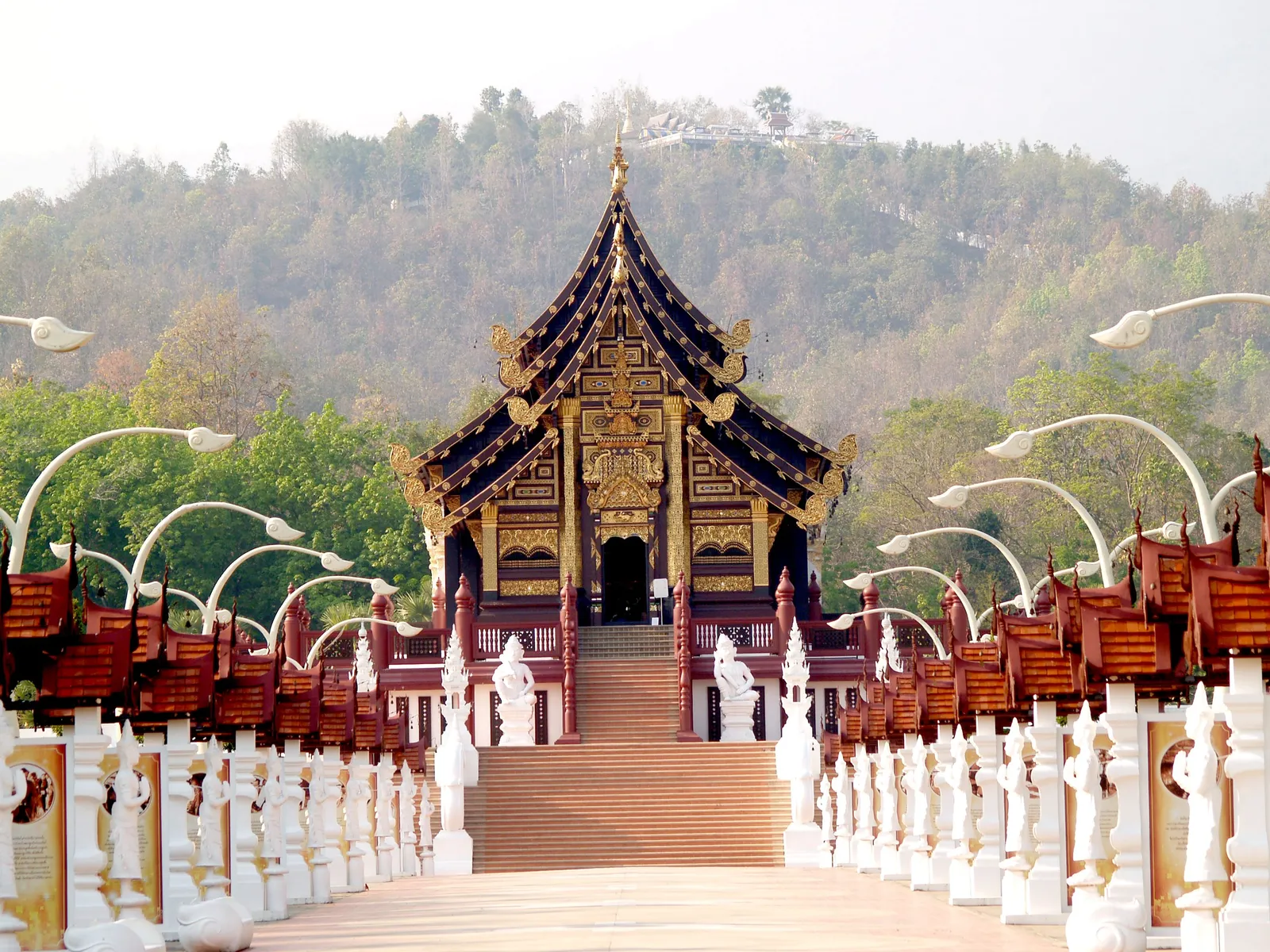
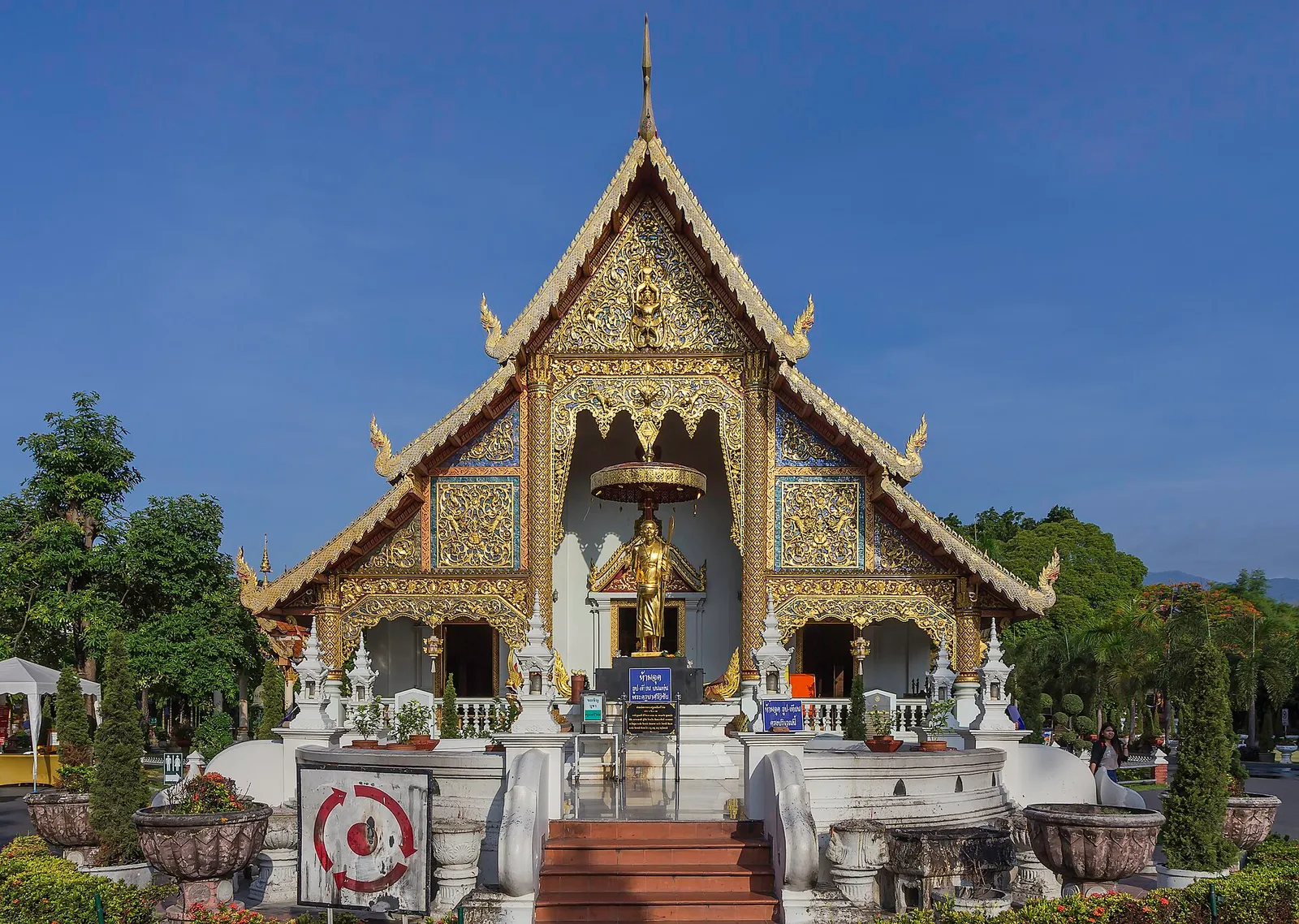
Fly to Chiang Mai. It is cooler, greener, considerably smaller and much more relaxed, with a walled old town full of temples and a mountain behind it. Our Chiang Mai guide covers the city.
Three nights allows the old town, a day in the mountains or at an ethical elephant sanctuary, a cooking class, and the night markets. It is the part of the trip most people say they would have extended.
One seasonal caveat that does not appear in most itineraries. Agricultural burning across the north produces a smoke haze that typically settles over Chiang Mai in the late dry season, roughly from February into April, and in bad years the air quality is poor enough to spoil the mountain views and to matter for anyone with a respiratory condition. It varies year to year and the timing shifts, so check a live air quality index for the city against your dates. If the reading is bad and your trip is flexible, the north is the leg to swap rather than the coast.
The internal flight is what makes this fitAn hour in the air instead of ten on the road turns a two-stop trip into a three-stop oneDays 7 to 10: the island
Fly directly from Chiang Mai to the coast rather than routing back through Bangkok, which is usually possible and saves half a day.
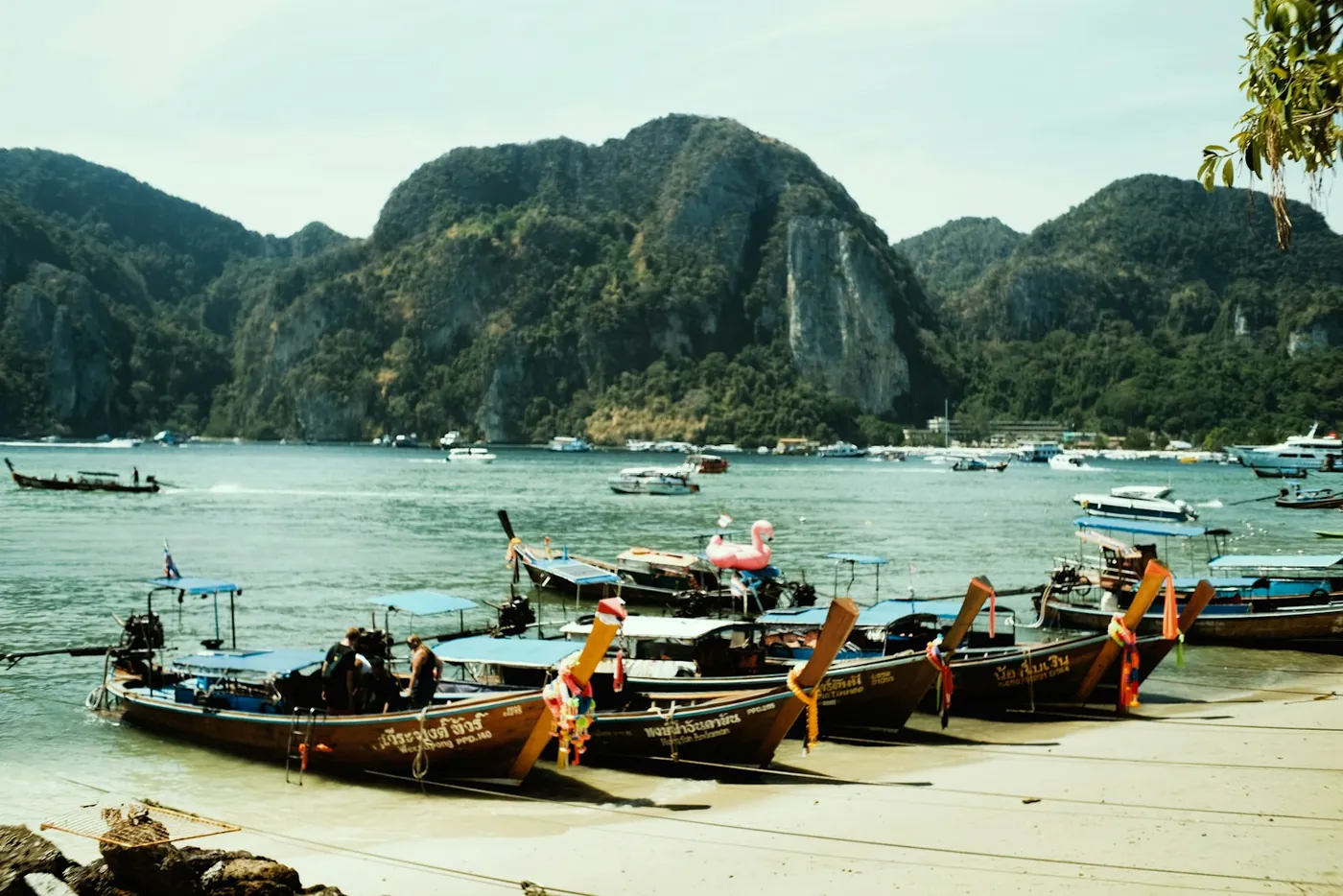
Four nights on one island is the right amount. It is enough to have a proper beach stay, take a boat trip, and do nothing for a day, which after six days of cities and temples is the point.
Do not add a second island. Island transfers depend on ferry timetables, are slower and less flexible than mainland transport, and a second hop consumes the best part of a day at each end. One island, properly, beats two in passing.
What this leaves out, deliberately
The far south beyond the main islands, the northeast, the historical parks at Sukhothai, and the second coast entirely. All are worth going to, and none fits into ten days alongside the three stops above without turning the trip into a series of transfers.
The rule that holds across all of it: in Thailand, the transport is cheap and the time is not. Spend the money on the flight and keep the days.