Three weeks is the itinerary length that finally lets Thailand breathe: enough to open in Bangkok, climb into the cool hills around Chiang Mai and Pai, and finish on one group of islands in the south, without the sprint a ten day trip forces on people. It is not, and this is worth saying upfront, enough to do the whole country. What follows is the route week by week, including what we are deliberately leaving out, so you can build a version that suits how you like to travel.
The shape of three weeks
Before the day by day detail, here is the overall structure. The logic is simple: start in the capital, head north for mountains and temples, then finish slow on the coast. Some travellers reverse it and hit the beach first, saving the capital for the flight home, but the order below keeps the trip’s energy building rather than fading.
| Days | Region | Focus |
|---|---|---|
| 1 to 4 | Bangkok | Temples, markets, street food |
| 5 to 9 | Chiang Mai | Temples, elephants, cooking |
| 10 to 12 | Pai | Mountains, hot springs, slow days |
| 13 to 21 | Southern islands | Beaches, boats, diving |
Days 1 to 4: Bangkok
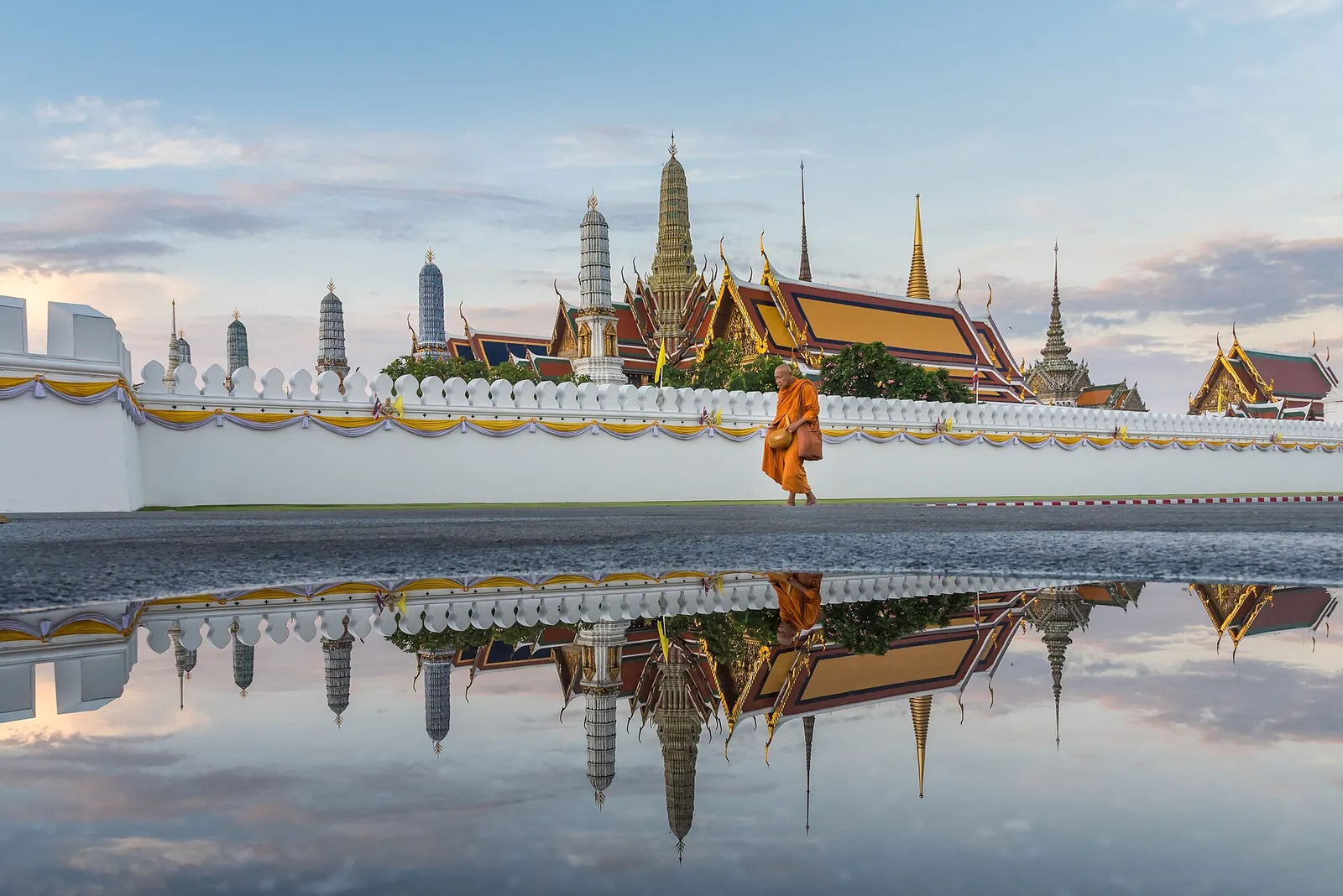
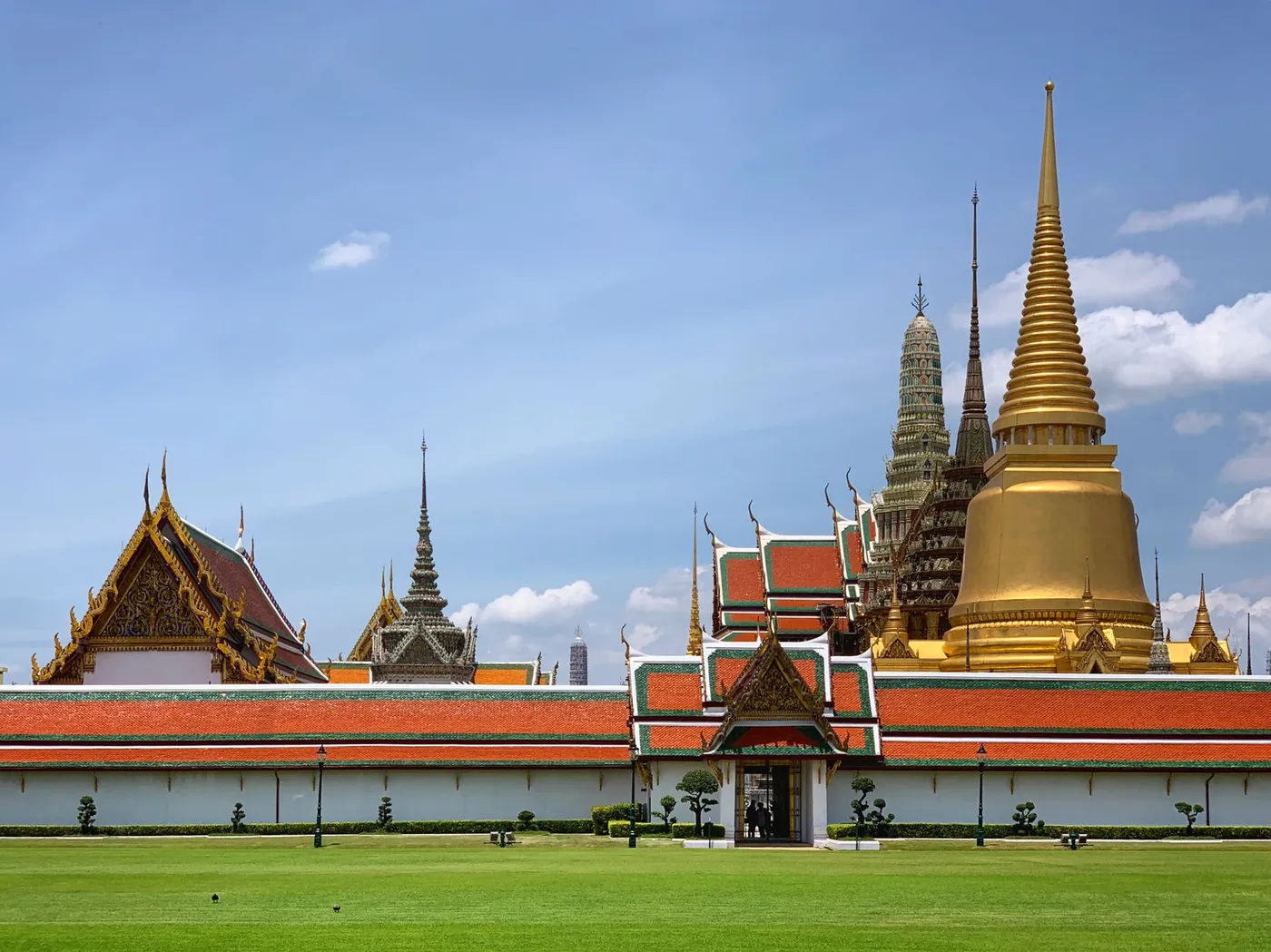
Land, adjust, and resist the urge to see the whole city at once. Give a full day to the major temples: the Grand Palace with its gilded chedis and halls, Wat Pho and its enormous reclining Buddha, and Wat Arun across the river, especially good near sunset. Give another day to markets, the weekend Chatuchak market if your dates allow it, and set aside one evening for a rooftop bar over the skyline. Do not skip the street food. Bangkok’s is some of the best in the country, and a stall meal costs a fraction of the same dish in a restaurant.
Where you sleep changes the trip more than people expect. Sukhumvit sits on the elevated BTS line, the Old City and Khao San area is the backpacker heart of the city, and the riverside is quieter and more upscale. Choose the neighbourhood before the hotel.
From Bangkok there are two honest ways north: a short domestic flight, around an hour in the air and often inexpensive if booked ahead, or an overnight sleeper train, a full night of travel that plenty of people genuinely enjoy for the experience and the money it saves.
Days 5 to 9: Chiang Mai
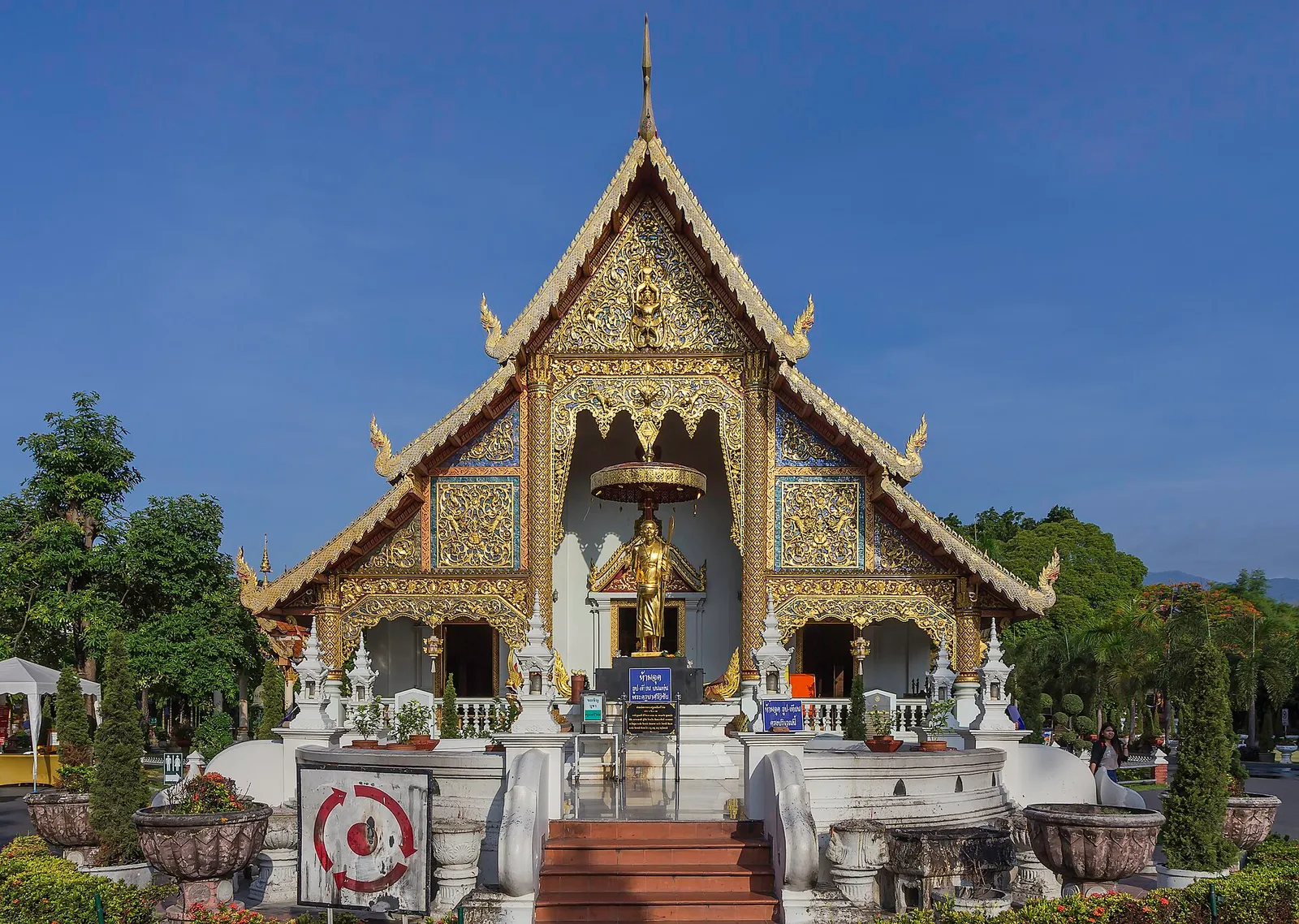
The northern capital is one of the most relaxed cities in Southeast Asia, and five nights gives it room to work on you. Spend a day wandering the old city’s moated square and its temples, then climb to the golden Doi Suthep on the mountain above town for the view. Book a morning at a genuinely ethical elephant sanctuary that does not offer riding, and read recent reviews before you commit, since standards vary a great deal. Evenings belong to the night bazaar and the Sunday Walking Street, and one afternoon should go to a cooking class, which teaches you to make the dishes you will miss the moment you fly home.
Chiang Mai is also noticeably cheaper than the south, a good place to stretch a tight budget. Our Chiang Mai guide covers the temples, the sanctuaries and the best day trips in more depth.
After four or five nights, most people head further north to Pai, a minibus ride of around three hours on a mountain road with a famously large number of bends. If you are prone to motion sickness, take something for it before you board.
Days 10 to 12: Pai
Pai is a small valley town that people plan to visit for two nights and often end up staying for five. There is not a great deal to do here in the conventional sense, and that is the point. Rent a scooter, ride out to the canyon of eroded ridges on the edge of town, cool off in a hot spring, and spend evenings at the small walking street with its food stalls and live music. It is the natural pause point of a longer trip, between the temples of the north and the beaches still to come.
If small mountain towns are not your thing, skip Pai and add the extra nights to the islands instead, nobody has ever regretted more beach time. Getting back down means retracing the same winding road to Chiang Mai, since Pai’s own airstrip sees only limited service, and it is from Chiang Mai that the flight south departs.

Days 13 to 21: the southern islands
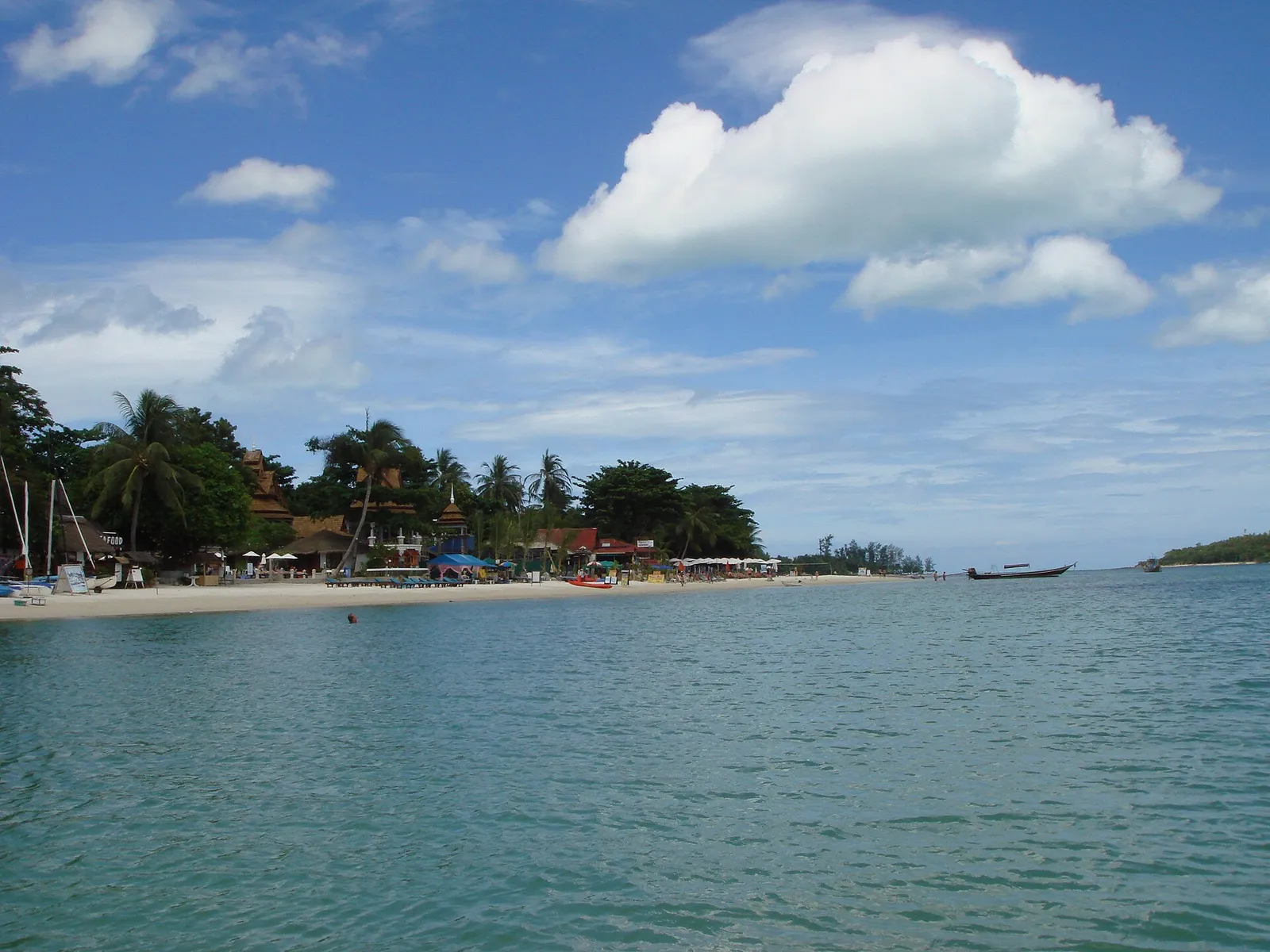
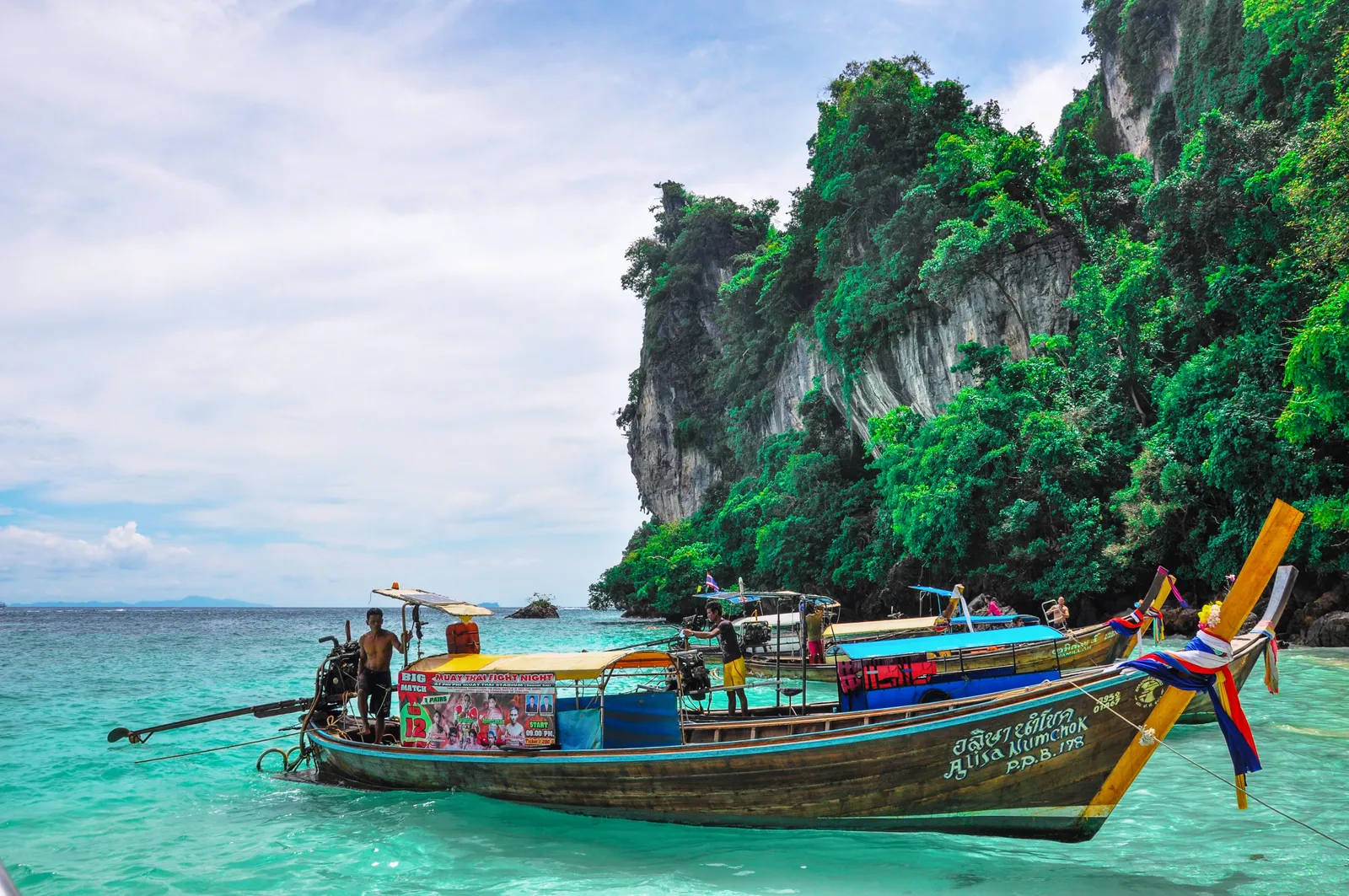
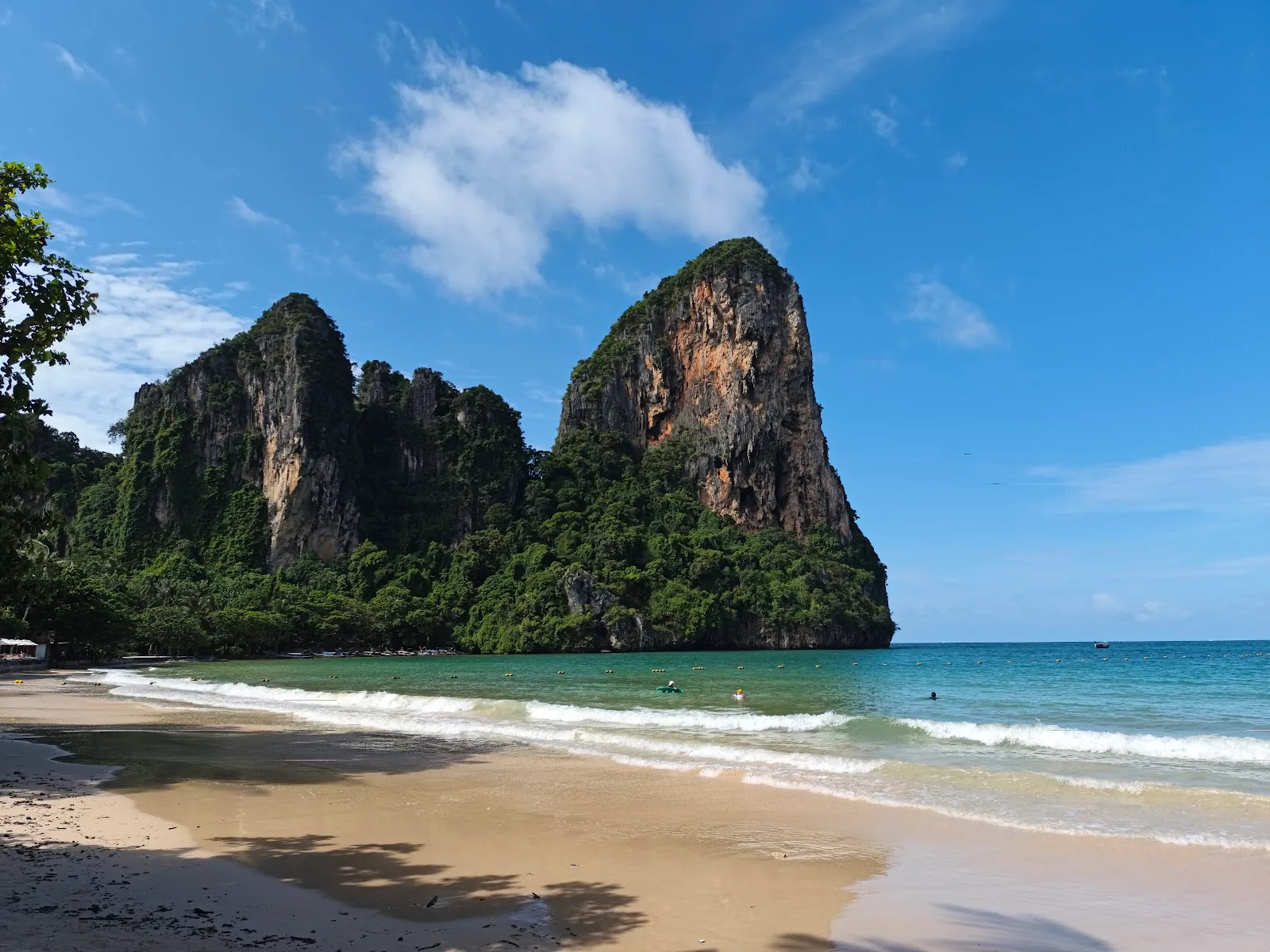
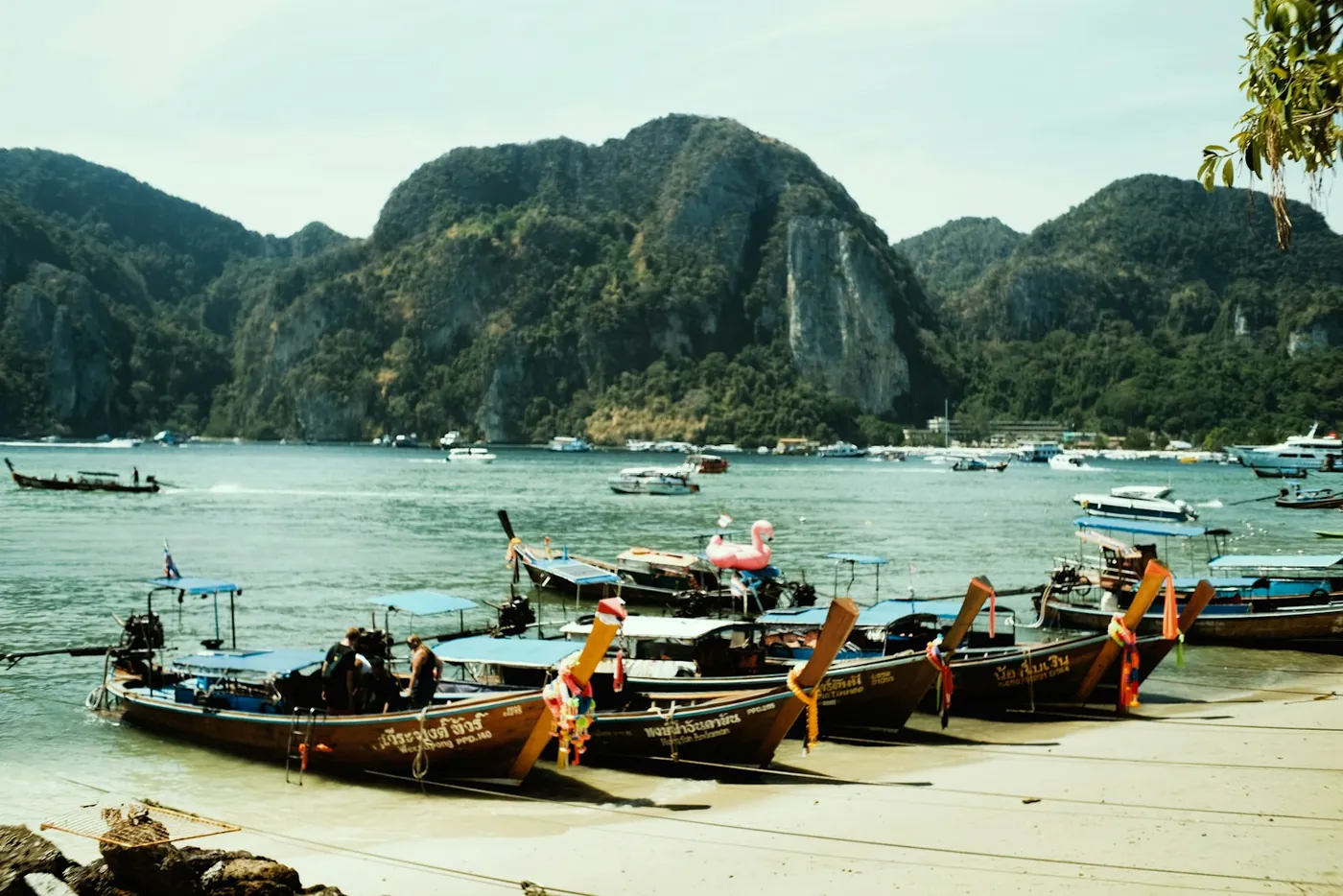
Nine days on the coast is the reward for the pace of the first twelve, and the first real decision is which sea. The Andaman coast, Phuket, Krabi and Phi Phi, has dramatic limestone cliffs and is at its best roughly November to April. The Gulf side, Koh Samui, Koh Phangan and Koh Tao, has calmer beaches and a season that often runs January to August, the reverse of the Andaman. Flights from Chiang Mai to the south often connect through Bangkok rather than running direct, so check the routing and total travel time before you book.
Rather than picking a single island, split the stretch in two: several nights somewhere livelier with restaurants and a little nightlife, then the rest somewhere quieter to properly slow down. On the Gulf side, our Koh Samui guide is a straightforward, well connected place to start if this is your first time choosing between the islands. Add a snorkelling or diving day, at least one day with nothing planned, and finish the trip sunburnt in the good way rather than exhausted.
What three weeks leaves out, and why that is fine
Three weeks covers the north and one group of islands properly. It does not cover both coasts, the far south around Koh Lipe, the northeast region of Isaan, or a side trip across the border, and adding any of those turns a relaxed trip into a transport schedule. The honest trade off: internal flights make this route possible at all, since the overland alternative between north and south alone can eat the better part of two days each way. Every day saved on the road is a day gained on a beach or in front of a bowl of noodles.
Before you lock anything in, our guide for first time visitors to Thailand covers entry requirements, when to go and the basics worth sorting before you fly, and is worth reading alongside this route rather than after you have already booked everything.